
Trusted by Pros: Ovens Getting Raves from Baking Experts

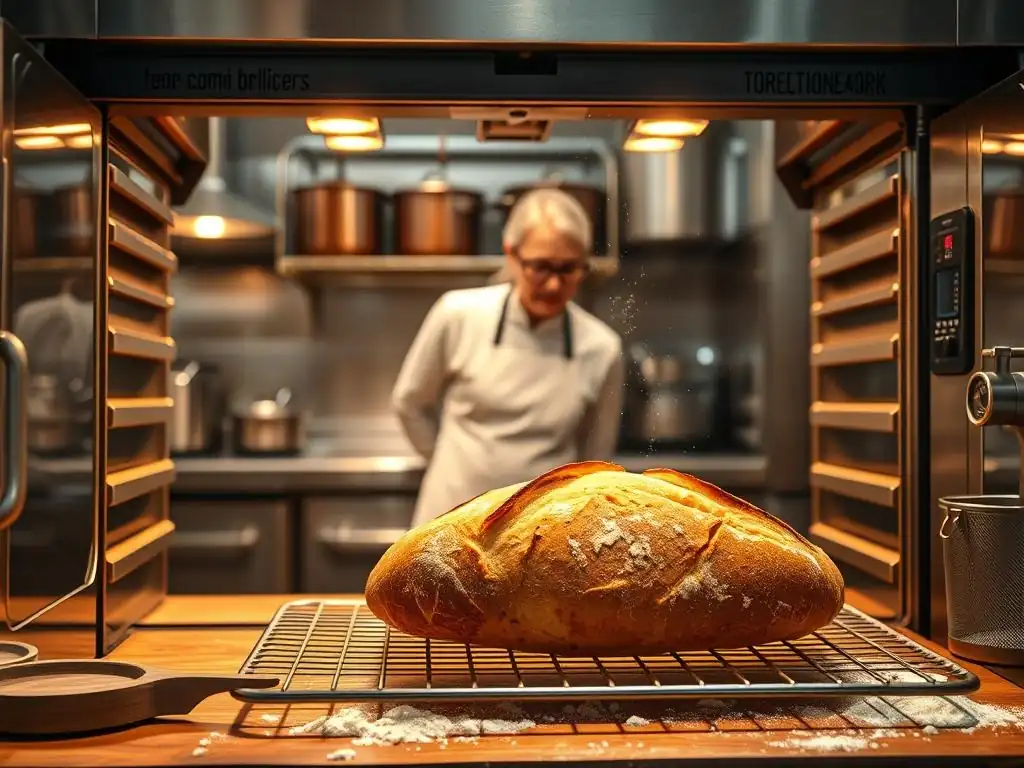
Welcome to BakeWithEase, your trusted guide to a simpler, more rewarding baking experience! Are you ready to unlock the secrets to perfectly crusty sourdough? This week, we're diving deep into a crucial element for achieving that artisan loaf at home: the oven. Forget guesswork and inconsistent results – we're revealing the best oven for sourdough baking, according to seasoned professionals. Intrigued? Discover which models are getting rave reviews and learn why they're worth the investment. Let's get baking!
- Finding the Best Oven for Sourdough Baking: A BakeWithEase.com Guide
- Top Contenders: Ovens Recommended by Baking Professionals
- Comparing the Top Ovens: Which is Right for You?
- Factors to Consider When Choosing an Oven for Sourdough
- Maximizing Your Sourdough Baking with the Right Tools
- Conclusion: BakeWithEase Recommends...
-
Frequently Asked Questions
- What factors make an oven suitable for sourdough baking?
- Are convection ovens recommended for sourdough baking?
- What's the importance of humidity control in a sourdough oven?
- Do I need a professional-grade oven to bake good sourdough bread?
- What are some important features to look for when purchasing an oven for sourdough baking?
- Final Reflection: The Heart of the Home, the Soul of the Sourdough
- Unleash Your Inner Pastry Chef!
Finding the Best Oven for Sourdough Baking: A BakeWithEase.com Guide
Embarking on the sourdough journey is incredibly rewarding, yielding loaves with that signature tangy flavor and satisfying crust. But achieving sourdough perfection isn't just about your starter or technique; the right oven plays a crucial role. Baking professionals understand this deeply, relying on ovens that offer consistent heat, reliable steam, and ample space. For home bakers aspiring to pro-level results, choosing the best oven for sourdough baking can feel overwhelming. This guide explores some top ovens favored by experts, breaking down what makes them stand out for this specific, beloved baking art.
Selecting the ideal oven for sourdough involves considering factors beyond just basic heating. Sourdough requires precise temperature control throughout its long bake, often starting hot to encourage oven spring and finishing at a slightly lower temperature for even browning. Crucially, the initial phase of baking benefits immensely from steam, which keeps the surface of the dough pliable, allowing it to expand fully before the crust sets.
Without sufficient steam, the crust forms too quickly, restricting the loaf's rise and resulting in a denser crumb. We'll delve into specific models that address these needs, helping you find the best oven for sourdough baking that fits your kitchen and ambitions.
Top Contenders: Ovens Recommended by Baking Professionals
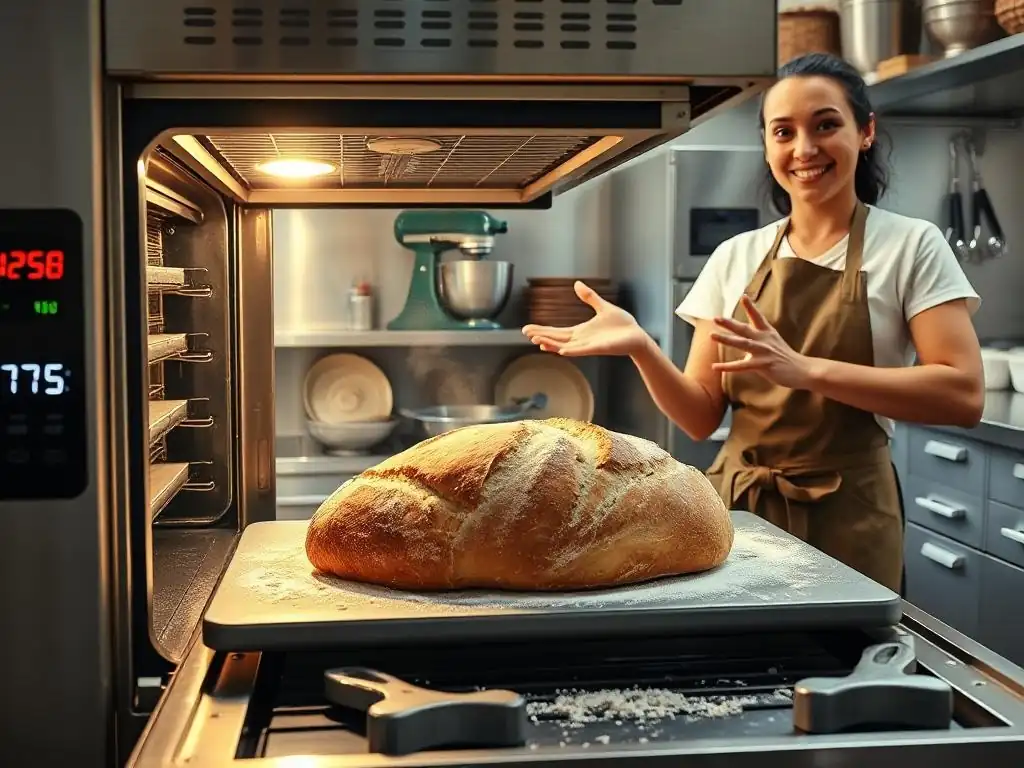
1. The Miele DG 7340: The Sourdough Master Oven
Key Features and Benefits for Sourdough Bakers
The Miele DG 7340, often lauded in professional circles, is a prime example of an oven built with precision in mind, making it a strong contender for the best oven for sourdough baking. Its core strength lies in its exceptional temperature stability, a non-negotiable for sourdough. Home bakers report that this model holds temperature remarkably close to the set point, typically within a variance of just 1-2°F (around 0.5-1°C), which is critical for the controlled environment sourdough needs to develop its structure and crust over a bake that can last 30-50 minutes or more.
Furthermore, the integrated steam injection system is a game-changer. Unlike manual methods (like throwing water on a hot pan or using lava rocks), the Miele injects steam directly and consistently into the cavity at the precise moment needed. This creates a humid environment that lasts for the critical initial 10-15 minutes of baking, allowing the dough to achieve maximum oven spring before the crust hardens. Its generous capacity, often accommodating two large loaves side-by-side or even three medium ones, also appeals to bakers who bake frequently or for larger households.
Why Baking Experts Love It
Baking experts frequently recommend the Miele DG 7340 because it brings commercial-grade performance into a home kitchen. They appreciate its robust build quality and the reliability of its features. The precise temperature control means they can trust the oven to execute complex baking profiles exactly as planned, reducing variables that can lead to inconsistent results. For sourdough, where slight temperature fluctuations can impact crumb structure and crust development, this reliability is invaluable.
- Consistent, even heat distribution.
- Powerful and controllable steam injection.
- Durable construction built for longevity.
- Ample space for multiple loaves.
One common sentiment among professionals is that while the initial investment is significant, the Miele's performance and durability justify the cost over many years of consistent, high-quality baking. It's considered an oven that removes many of the technical hurdles to achieving truly exceptional sourdough loaves at home, making it a top choice when considering the best oven for sourdough.
2. The Breville Smart Oven Pro: A Versatile Option for Home Bakers
Key Features and Benefits for Baking and More
The Breville Smart Oven Pro offers a compelling alternative, especially for those with limited space or a tighter budget, while still being a capable oven for sourdough baking. This countertop oven utilizes convection technology, which helps circulate hot air evenly throughout the cavity. While it doesn't have dedicated steam injection, its relatively smaller size means heat is distributed efficiently, and its "Smart" settings often include specific programs for bread, which adjust temperature and time automatically.
This oven's versatility is a major draw. Beyond baking, it excels at toasting, broiling, roasting, and reheating. It typically fits a standard 9x13 inch baking pan or a medium-sized Dutch oven, which is a popular tool among home sourdough bakers for trapping self-generated steam. The intuitive LCD display and pre-set functions make it user-friendly, lowering the barrier to entry for home bakers looking to explore different types of baking, including sourdough.
Perfecting Sourdough Without Steam: Tips and Techniques
While the Breville Smart Oven Pro lacks built-in steam injection, it's still possible to achieve excellent sourdough results by employing alternative steaming methods. The most common and highly effective technique is baking in a Dutch oven. Preheat the Dutch oven inside the Breville to a high temperature (e.g., 450-500°F or 230-260°C), then carefully lower your proofed dough into it, place the lid on, and bake covered for the first 20-25 minutes. This traps the moisture released by the dough, creating a steamy environment similar to what a dedicated steam oven provides.
Another method involves placing a cast iron pan or oven-safe dish filled with hot water or ice cubes on the rack below your baking stone or steel just before loading the dough. The heat from the oven will turn the water/ice into steam. While less controlled than integrated systems, these techniques, combined with the Breville's convection heat, can help you achieve a good oven spring and a desirable crust on your sourdough loaves, proving you don't necessarily need a high-end steam oven to start baking great sourdough.
3. The Anova Precision Oven: Precision Baking for the Tech-Savvy Baker
Key Features and Benefits for Precise Baking
The Anova Precision Oven represents the cutting edge of home baking technology and is a strong contender for those seeking the most precise oven for sourdough baking. This countertop oven offers granular control over both temperature and humidity, allowing bakers to set specific steam percentages throughout the baking process. This goes beyond simple steam injection, enabling users to replicate complex professional bakery environments or even experiment with sous vide-style baking followed by dry heat finishing.
A key feature is the integrated food temperature probe, which allows you to monitor the internal temperature of your loaf in real-time. This removes the guesswork from determining doneness, ensuring your sourdough is perfectly cooked through every time. The ability to program multi-stage cooks, switching seamlessly between different temperature, time, and humidity settings, provides unprecedented control over the sourdough bake, from initial humid rise to dry heat crust development.
Smart Baking: Leveraging Technology for Better Sourdough
The Anova Precision Oven leverages smart technology to provide bakers with unparalleled control and insight. Its Wi-Fi connectivity allows you to control the oven and monitor your bake remotely via a smartphone app. The app also provides access to numerous pre-set recipes, including specific sourdough programs, and allows you to create and save your own custom baking profiles. This level of programming can help demystify the sourdough process by automating complex temperature and humidity changes.
For instance, you could program a bake that starts at 480°F (around 250°C) with 100% steam for 15 minutes, then automatically drops to 420°F (around 215°C) with 0% steam for another 25 minutes, and finally reduces to 375°F (around 190°C) to finish browning, all while monitoring the internal temperature to hit a target of around 205-210°F (96-99°C). This precision and automation make the Anova a fascinating option for the tech-forward baker seeking ultimate control over their sourdough results.
Comparing the Top Ovens: Which is Right for You?
Choosing the best oven for sourdough baking depends largely on your priorities, budget, and kitchen space.
- Miele DG 7340: Best for bakers who prioritize professional-level performance, precise integrated steam, consistency, and have the budget and space for a built-in unit. It's arguably the closest you can get to a commercial deck oven's performance in a home setting.
- Breville Smart Oven Pro: Ideal for home bakers seeking versatility, ease of use, and a more affordable entry point into improving their sourdough game. It requires manual steam methods (like a Dutch oven) but is a solid performer for many baking tasks.
- Anova Precision Oven: Suited for tech-enthusiasts who want maximum control over temperature and humidity, love data, and are comfortable with a countertop unit. Its programmability offers unique possibilities for experimenting with sourdough techniques.
Consider what features are most important to your baking style and how much you're willing to invest in your equipment.
Factors to Consider When Choosing an Oven for Sourdough
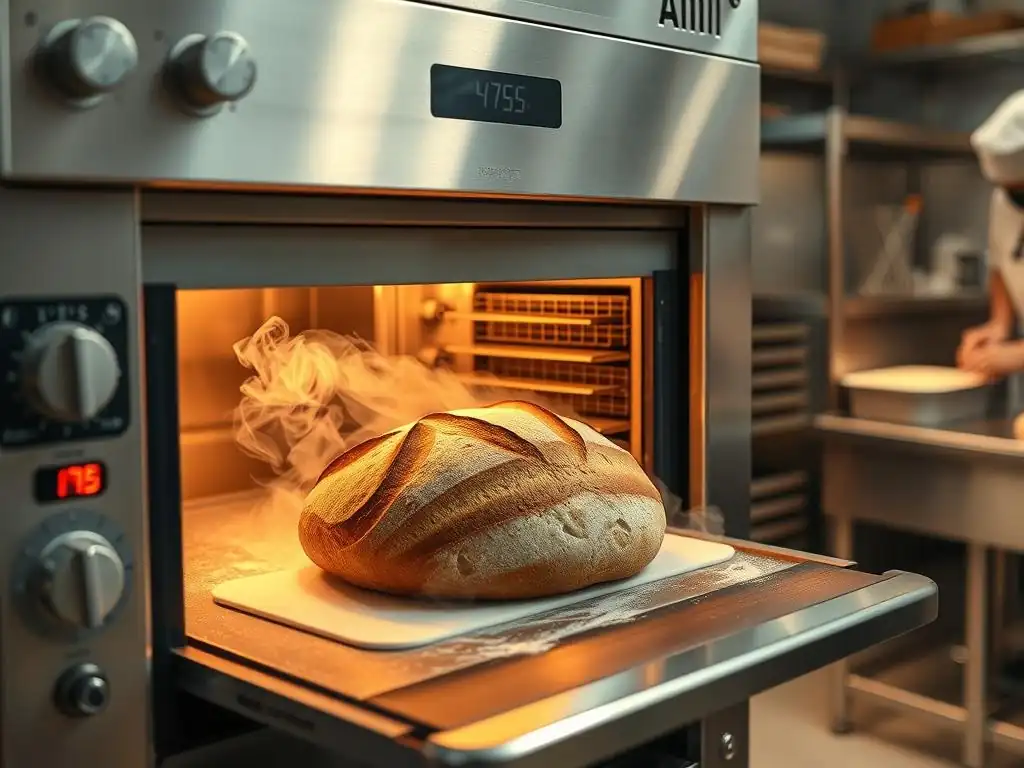
Selecting the best oven for sourdough baking involves weighing several key factors. It's not just about the overall heat, but how that heat is delivered and managed, particularly in the crucial initial stages of baking. Thinking through these points will help you align the oven's capabilities with the specific demands of sourdough.
Temperature Stability: The Key to Sourdough Success
Consistent temperature is arguably the most critical factor for successful sourdough baking. Sourdough relies on sustained heat to achieve maximum oven spring and develop its unique crust and crumb structure. An oven that fluctuates significantly (more than 5-10°F or 3-5°C) can lead to unpredictable results – loaves that don't rise fully, uneven browning, or a dense crumb. Professional-grade ovens or high-quality home models known for excellent insulation and precise thermostats maintain the set temperature within a very tight range.
Look for reviews or specifications that highlight temperature accuracy. While manufacturers rarely publish exact variance figures, user reviews often indicate how well an oven holds temperature over a long bake. An oven that preheats accurately and maintains that heat throughout the entire baking time, especially during the transition from high initial heat to lower finishing temperatures, is essential for consistently great sourdough loaves.
Steam Injection: Achieving the Perfect Crust
Steam is vital for developing that desirable thin, crispy, and beautifully blistered sourdough crust. During the first 10-20 minutes in a hot oven, steam keeps the surface of the dough moist and elastic. This prevents a hard crust from forming too early, allowing the loaf to expand fully (oven spring) before the crust sets. Without sufficient steam, the crust hardens prematurely, restricting expansion and potentially leading to burst sides or a flatter loaf.
Ovens with integrated steam injection systems, like the Miele or Anova, offer the most convenient and effective way to introduce steam. They generate a consistent, controlled amount of steam throughout the necessary phase of baking. If your chosen oven lacks this feature (like the Breville), you'll need to rely on manual methods such as using a Dutch oven, baking with a pan of hot water or ice, or using lava rocks. While these methods can work well, integrated steam offers superior consistency and ease of use.
Oven Capacity: Baking for Yourself or a Crowd?
The size of the oven cavity and its rack configuration are important considerations, especially if you plan to bake multiple loaves at once. Standard built-in ovens typically offer the largest capacity, often accommodating two large loaves side-by-side on a single rack, or potentially four loaves if using two racks and rotating. Countertop ovens like the Breville or Anova have smaller capacities, usually fitting one standard-sized Dutch oven or two smaller loaves.
Consider your typical baking volume. If you're only baking one loaf at a time for personal consumption, a smaller countertop model might suffice. If you bake for a large family, regularly share loaves, or want to bake multiple variations simultaneously, a larger capacity oven is preferable. Also, think about the height – can it comfortably fit a loaf baked in a Dutch oven, which adds significant height?
Budget: Balancing Features and Affordability
Ovens suitable for sourdough baking range significantly in price, from a few hundred dollars for capable countertop models to several thousand for high-end built-in units with advanced features. Your budget will likely be a major factor in determining the best oven for sourdough for your situation.
- Entry-level (Under $500): Often countertop models or basic full-size ovens. May require manual steam methods. Focus on temperature stability within this range.
- Mid-range ($500 - $2000): Includes more robust full-size ovens and higher-end countertop ovens like the Anova. May offer better temperature control, convection, and potentially some steam features (though often not full injection).
- High-end ($2000+): Typically built-in ovens with professional-grade features, including precise temperature control, powerful integrated steam injection, and durable construction (e.g., Miele).
Determine which features (temperature stability, steam method, capacity) are non-negotiable for your sourdough goals and find the best oven that offers those within your budget.
Maximizing Your Sourdough Baking with the Right Tools
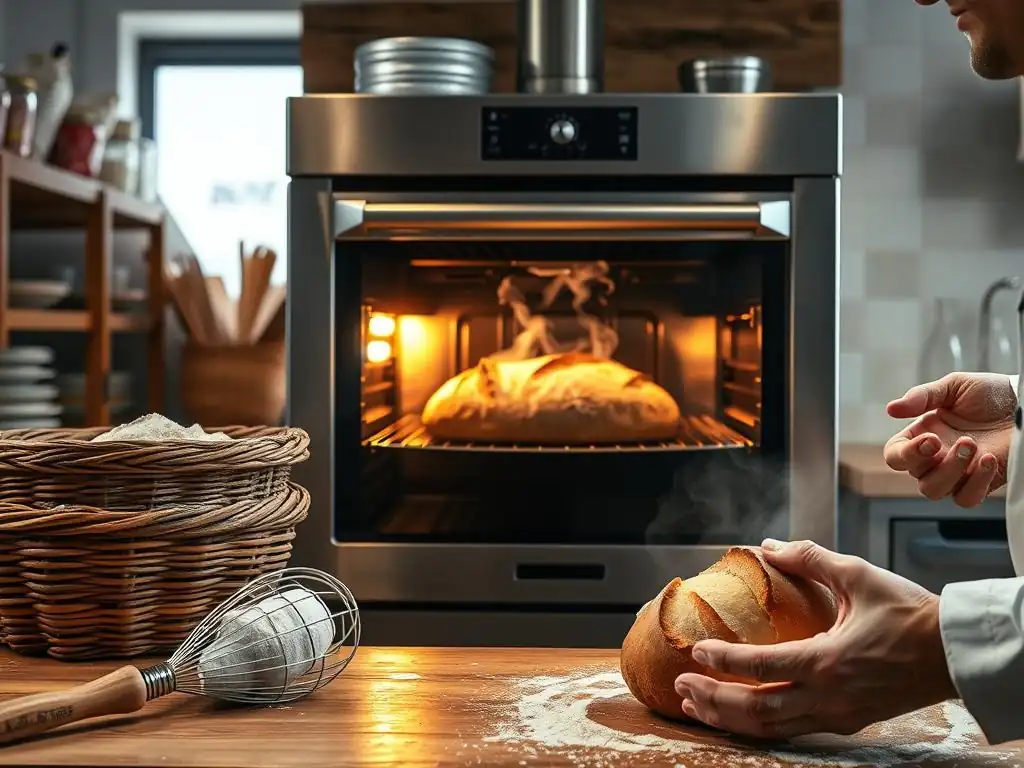
Having the best oven for sourdough baking is a fantastic start, but pairing it with the right accessories can elevate your results even further. These tools work in concert with your oven to ensure your sourdough journey is as smooth and successful as possible, helping you achieve that perfect crust and airy crumb every time.
Essential Baking Tools for Sourdough Success
Beyond the oven itself, a few key tools are indispensable for sourdough bakers:
- Digital Scale: Sourdough recipes rely on precise hydration and ingredient ratios, best measured by weight.
- Banneton Baskets: Used for proofing dough, giving it structure and creating beautiful patterns on the crust.
- Dough Scraper (Bench Scraper): Essential for handling and shaping sticky dough.
- Lame (Scoring Tool): Used to score the dough before baking, controlling expansion and creating decorative patterns.
- Dutch Oven or Baking Stone/Steel: Crucial for achieving steam, especially in ovens without integrated steam. A Dutch oven traps the dough's own steam, while a stone or steel used with a water pan helps create an initial burst of steam.
- Oven Thermometer: Even with a great oven, an external thermometer can verify accuracy and ensure you're preheating correctly.
Using these tools in conjunction with your chosen oven helps create the ideal environment and structure for your sourdough to thrive, leading to consistently impressive loaves.
Conclusion: BakeWithEase Recommends...
Finding the best oven for sourdough baking is a significant step towards achieving bakery-quality loaves at home. While high-end models like the Miele DG 7340 offer unparalleled precision and integrated steam, excellent results are absolutely attainable with versatile options like the Breville Smart Oven Pro, especially when paired with effective manual steaming techniques like using a Dutch oven. For those who value cutting-edge technology and granular control, the Anova Precision Oven provides unique possibilities with its precise humidity settings and smart features.
Ultimately, the best oven for your sourdough journey is one that fits your budget, space, and baking style, while providing the crucial elements of temperature stability and adequate steam for that vital oven spring and crust development. Regardless of which model you choose, remember that practice and understanding the fundamentals of sourdough baking are just as important as the equipment. Armed with the right oven and tools, and the friendly guidance from BakeWithEase.com, you're well on your way to mastering the art of sourdough. Happy baking!
Frequently Asked Questions
What factors make an oven suitable for sourdough baking?
An ideal oven for sourdough excels at maintaining consistent temperatures, providing ample humidity control, and offering a large enough capacity for proofing and baking. Some ovens have specific sourdough settings to aid in this process.
Are convection ovens recommended for sourdough baking?
While convection ovens can be used, they often require adjustments to prevent excessive browning or a dry crust. Reduce the temperature slightly and monitor the bake closely.
What's the importance of humidity control in a sourdough oven?
Humidity control is crucial for the initial stages of baking sourdough, allowing the bread to rise fully and develop a crisp, chewy crust. Many professional ovens have steam injection features.
Do I need a professional-grade oven to bake good sourdough bread?
No, a professional-grade oven isn't essential, but it can offer more precise temperature control and humidity options. Many home ovens, with some adjustments, can produce excellent sourdough.
What are some important features to look for when purchasing an oven for sourdough baking?
Look for features like accurate temperature settings, a steam injection function (or the ability to create steam), and a well-insulated interior to maintain consistent heat. Preheating speed is also a factor to consider.
Final Reflection: The Heart of the Home, the Soul of the Sourdough
The perfect oven isn't just a kitchen appliance; it's the cornerstone of culinary creativity, especially for the demanding art of sourdough baking. Finding the right oven can transform a frustrating hobby into a deeply satisfying passion, elevating the simple act of baking into an experience of artistry and precision. The quest for the perfect loaf often begins with the perfect tool.
This exploration into the ovens favored by professional bakers has highlighted more than just technical specifications; it's revealed a deep connection between the baker, their tools, and the resulting masterpiece. The consistent praise for certain models speaks volumes about the impact a well-designed oven can have. It's not just about achieving a perfectly risen crust; it's about the control, the consistency, and the sheer joy of creating something truly special. Baking is a labor of love, and the right oven is your most trusted partner in that labor.
- Anonymous Master Baker.
Now, consider your own baking journey. What elements are most important to you? Do you prioritize even heat distribution, precise temperature control, or perhaps the sheer capacity to handle multiple loaves simultaneously? Reflect on your own baking style and needs. The information presented here is a guide, but the ultimate choice of oven rests with you, the artisan. Embrace the process, experiment with different techniques, and most importantly, enjoy the journey of transforming flour and water into something truly magical.
Unleash Your Inner Pastry Chef!
Thanks for taking the time to explore the world of professional-grade ovens with us! We hope you discovered the perfect baking companion to elevate your culinary creations. Now it's time to put that knowledge into action.
- Find your dream oven: Use what you've learned to research and compare models that best fit your baking style and needs. Don't be afraid to delve into the specifications – you deserve the best!
- Share your baking journey: Tell us (and the BakeWithEase community!) which oven caught your eye and why. We'd love to hear your thoughts!
- Try a new recipe: Challenge yourself with a complex dessert you've always wanted to try, using your newfound oven knowledge to conquer any baking hurdle.
Ready to transform your baking experience? What exciting recipe will you tackle first?