
Baking Multiple Pies for Holidays: A Simple Plan

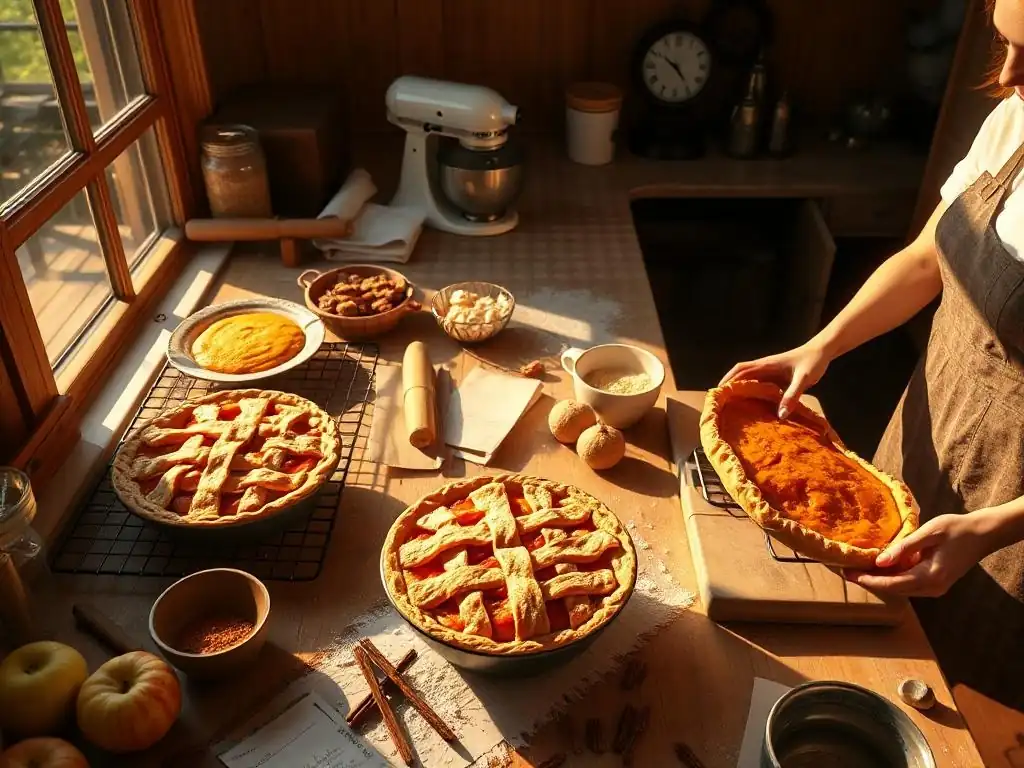
Welcome to BakeWithEase, your partner in creating delicious baked goods! Feeling overwhelmed by the thought of holiday baking? Don't be! This article unveils a simple, stress-free holiday pie baking schedule designed to help you conquer that mountain of pies without breaking a sweat. Discover our time-saving tips and tricks, and prepare to impress your guests with perfectly baked pies, all thanks to our easy-to-follow plan. Ready to bake with ease? Let's get started!
- BakeWithEase' Guide to Holiday Pie Baking Success
- Why Plan Your Holiday Pie Baking?
- Creating Your Holiday Pie Baking Timeline: A Step-by-Step Guide
- Example Holiday Pie Baking Schedule: Thanksgiving Edition
- Essential Tips for Efficient Holiday Pie Baking
- Troubleshooting Common Holiday Pie Baking Problems
- Enjoying Your Delicious Holiday Pies
- Frequently Asked Questions
- Final Reflection: The Sweet Symphony of Holiday Baking
- Unleash Your Inner Pie Master!
BakeWithEase' Guide to Holiday Pie Baking Success
Mastering Your Holiday Pie Baking Schedule
Successfully tackling the challenge of baking multiple pies for holiday gatherings doesn't have to be a source of stress. The secret lies in creating a strategic holiday pie baking schedule.
By planning ahead, you can break down the seemingly daunting task into manageable steps spread over a few days, ensuring that you have ample time for each stage, from preparing the dough to cooling the finished pies. This organized approach minimizes last-minute rushes and helps maintain a sense of calm in the kitchen, even when you're aiming to produce a variety of delicious desserts like classic Apple, Pumpkin, Pecan, and maybe a festive Cranberry pie.
Implementing a detailed holiday pie baking schedule can dramatically improve efficiency. For instance, dedicating one afternoon solely to making and chilling pie dough for 4-6 pies can save you several hours on the main baking day.
Similarly, preparing non-custard fillings, such as apple or cherry, a day in advance and storing them properly can cut down assembly time significantly. Studies suggest that effective planning can reduce the overall time spent actively baking by as much as 30-40% compared to trying to do everything on the same day, freeing you up to enjoy the holiday preparation process rather than just enduring it.
Why Plan Your Holiday Pie Baking?
Reducing Holiday Baking Stress with a Schedule
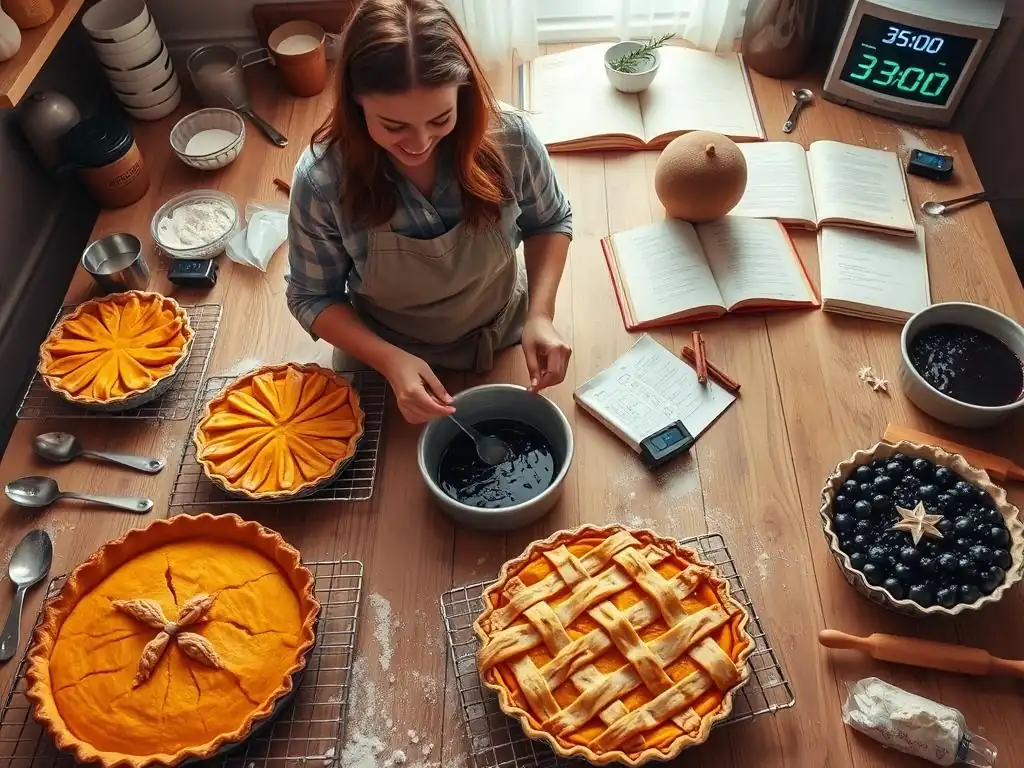
The holiday season is often synonymous with busy kitchens and tight timelines, and attempting to bake multiple pies without a plan can quickly lead to overwhelm. A well-structured holiday pie baking schedule serves as your roadmap, clearly outlining what needs to be done and when. This eliminates guesswork and reduces the mental load, allowing you to approach each task with focus and confidence. Knowing you have a schedule means you're less likely to forget ingredients, mismanage oven space, or feel pressured by time constraints, transforming baking from a hurried chore into an enjoyable part of your holiday tradition.
Consider the difference: without a schedule, you might find yourself simultaneously trying to make dough, chop apples, and bake a pumpkin pie, juggling multiple steps and potentially making mistakes. With a schedule, you might dedicate Tuesday evening to pie dough, Wednesday morning to prepping fruit and making fillings, and Thursday (Thanksgiving Day) morning to assembly and baking. This phased approach, outlined in your holiday pie baking schedule, spreads the workload, allowing you to manage your energy better and significantly reduce the likelihood of stress-induced errors, leading to a more pleasant baking experience and better results.
Ensuring Freshness and Flavor in Every Pie
Timing is crucial when baking, especially for pies, where the interaction of crust and filling is key to texture and flavor. A carefully designed holiday pie baking schedule helps ensure that each component is prepared and baked at the optimal time.
For instance, fruit pies benefit from the filling sitting in the crust for a short period before baking, allowing juices to mingle slightly without making the bottom crust soggy if the dough was properly chilled. Custard pies, on the other hand, need adequate cooling time, often several hours or overnight, to set properly and develop their full flavor and creamy texture.
Baking pies too early can compromise their quality, especially for delicate custard or cream pies. Baking them too late can mean they aren't fully cooled and set by serving time. A precise holiday pie baking schedule allows you to time the baking of each pie type perfectly to ensure they are fresh, properly set, and at their peak flavor when your guests arrive.
For example, fruit pies might be baked later in the day before serving, while pumpkin or sweet potato pies could be baked the day before, allowing ample time to chill and firm up. This attention to timing, facilitated by your schedule, guarantees delicious results.
Creating Your Holiday Pie Baking Timeline: A Step-by-Step Guide
Step 1: Determine Your Pie Baking Needs and Flavors
The first step in crafting your holiday pie baking schedule is to decide how many pies you need and what types you'll bake. Consider the number of guests you expect – a common rule of thumb is to estimate about 1/4 to 1/2 slice per person across all pie types. So, for a gathering of 20 people, you might aim for 4-5 standard 9-inch pies to offer variety and ensure enough for seconds. Think about popular classics like Apple, Pumpkin, and Pecan, but also consider dietary restrictions or preferences, perhaps including a gluten-free option or a dairy-free fruit pie.
Once you have a headcount and a list of desired flavors, finalize the specific recipes you'll use. Different recipes may have varying ingredient lists, prep times, and baking instructions, which will directly impact your holiday pie baking schedule. For instance, a classic double-crust apple pie requires more dough preparation than a single-crust pumpkin pie. Jot down the required dough types (e.g., flaky pastry, graham cracker crust) and filling ingredients for each chosen pie. This initial planning phase provides the foundational details needed to build a realistic and efficient schedule for your holiday baking endeavors.
Step 2: Inventory Your Baking Supplies and Ingredients
With your pie list in hand, it's time to assess what you already have and what you need to purchase. Go through your pantry and refrigerator, checking for staples like flour, sugar, spices (cinnamon, nutmeg, cloves), butter, shortening, eggs, and pie fillings (canned pumpkin, apples, nuts). Don't forget less obvious items like pie weights, parchment paper, aluminum foil, and the right size pie plates. A comprehensive inventory prevents last-minute dashes to the store when you're in the middle of baking, a common stressor that your holiday pie baking schedule aims to avoid.
Create a detailed shopping list based on your inventory. It's often wise to buy a little extra of key ingredients like flour and butter, especially if you're baking multiple batches of dough or fillings.
For example, baking three double-crust fruit pies and two single-crust custard pies might require upwards of 8-10 cups of flour and 6-8 sticks of butter or shortening just for the crusts, plus significant amounts for fillings. Purchasing ingredients a few days before you plan to start your serious baking (as outlined in your holiday pie baking schedule) ensures everything is on hand and fresh when you need it.
Step 3: Develop a Pie Baking Schedule: From Dough to Dessert
This is the core of your holiday pie baking schedule. Start by working backward from when the pies need to be served. Custard pies, like pumpkin, need several hours, often overnight, to set. Fruit pies usually need a few hours to cool completely. Based on this, determine the latest time each pie can finish baking. Then, factor in baking times (typically 40-60 minutes per pie, though this can vary) and cooling times. Before baking comes assembly, which might take 15-30 minutes per pie depending on complexity.
Prior to assembly is the preparation of dough and fillings. Pie dough needs significant chilling time (at least 2 hours, often overnight) after mixing and before rolling. Some fillings can be made ahead, while others are best made just before assembly. Structuring your holiday pie baking schedule involves assigning these tasks to specific days or time blocks. For instance, Day 1 might be all about dough, Day 2 about fillings and maybe blind baking crusts, and Day 3 for final assembly and baking.
Prioritizing Pie Crust Preparation
Pie crust is often the most time-sensitive part of pie baking, requiring precise chilling and handling. Your holiday pie baking schedule should prioritize making the dough.
- Mixing: This takes about 15-20 minutes per batch.
- Chilling: Essential for flaky crusts, this requires at least 2 hours, but ideally 8-12 hours (overnight) in the refrigerator. Making dough 1-2 days ahead is highly recommended.
- Rolling: Requires a cold dough and a floured surface, taking about 10-15 minutes per crust.
- Blind Baking: If a recipe requires it (common for custard/cream pies), this adds another 20-30 minutes per crust (baking time plus cooling).
By dedicating an entire afternoon or evening early in your holiday pie baking schedule to making all the necessary pie dough, you can ensure it's perfectly chilled and ready to roll when you need it, avoiding the stress of rushing this critical step.
Allocating Time for Pie Filling Creation
The time needed for fillings varies greatly depending on the type. Your holiday pie baking schedule must account for these differences.
- Fruit Fillings: Require washing, peeling, coring, and slicing fruit (e.g., 4-6 lbs of apples for three pies takes about 30-45 minutes of prep). Mixing with sugar, spices, and thickeners takes another 10-15 minutes. Some fruit fillings can be made the day before.
- Custard Fillings: Involve whisking ingredients together and often heating on the stovetop (e.g., pumpkin, pecan). This usually takes 15-25 minutes of active prep before pouring into the crust. These are typically best made closer to assembly time.
- Cream/Pudding Fillings: Often cooked on the stovetop and require significant chilling time (several hours) before adding to a pre-baked crust. These are ideal candidates for making the day before.
Carefully integrate filling preparation into your holiday pie baking schedule, grouping similar tasks and leveraging make-ahead options where possible to optimize your time.
Scheduling the Baking and Cooling Process
The final stages in your holiday pie baking schedule are baking and cooling, which require careful timing and oven management.
- Baking: Most pies bake at temperatures between 350°F and 425°F for 40-75 minutes. If baking multiple pies, you might need to adjust temperature or time, or rotate pies for even baking. Baking 2-3 pies simultaneously might require adding 10-20 minutes to the total bake time.
- Cooling: This is non-negotiable for proper setting and texture. Fruit pies need at least 2-3 hours on a wire rack. Custard and pecan pies often need 3-4 hours at room temperature followed by chilling for 4+ hours, ideally overnight. Cream pies require chilling for at least 4-6 hours.
Allocate sufficient time in your holiday pie baking schedule for cooling. Baking pies too late means they might not be ready to serve, while rushing the cooling process can result in runny fillings or soggy crusts. Plan the baking sequence based on cooling requirements – pies needing longer cooling/chilling should be baked earlier.
Step 4: Consider Make-Ahead Options for Holiday Pies
Incorporating make-ahead steps is a cornerstone of an efficient holiday pie baking schedule. Many components of a pie can be prepared days or even weeks in advance, significantly reducing the workload on the busiest days leading up to the holiday. This strategy not only saves time but can also sometimes improve the final product, such as allowing pie dough to develop better flavor and texture through extended chilling. Identifying which elements can be prepped ahead is key to a relaxed baking experience.
Think about the different parts of a pie: the dough, the filling, and even some garnishes like streusel toppings or crumble mixtures. By preparing these components in advance according to your holiday pie baking schedule, you streamline the assembly and baking process. This allows you to focus on executing the final steps perfectly when the time comes, rather than rushing through multiple complex tasks simultaneously. It's a simple yet powerful way to manage the demands of holiday baking.
Freezing Pie Dough for Later Use
Pie dough is an excellent candidate for making ahead and freezing, fitting perfectly into a proactive holiday pie baking schedule. You can prepare large batches of your favorite pie dough recipe, shape it into discs, wrap tightly in plastic wrap, and then place in a freezer bag. Properly wrapped pie dough can be stored in the freezer for up to 1-2 months. Freezing dough well in advance means that when your designated pie-baking day arrives, the most time-consuming part of the crust preparation is already done.
When you're ready to bake according to your holiday pie baking schedule, simply transfer the frozen dough disc to the refrigerator to thaw overnight. Alternatively, you can thaw it at room temperature for about 1-2 hours, though the refrigerator method is generally preferred for maintaining dough quality. Once thawed but still very cold, the dough is ready to be rolled out and fitted into your pie plate, saving you significant time and effort on the day you plan to assemble and bake your pies.
Preparing Pie Fillings in Advance
Some pie fillings can also be made ahead and stored, adding flexibility to your holiday pie baking schedule. Fruit fillings, like apple or cherry, can often be prepared a day in advance. Simply mix the fruit with sugar, spices, and thickeners, then store it in an airtight container in the refrigerator. This allows the flavors to meld beautifully. Just be aware that some fruits might release more liquid when sitting, so you might need to drain excess liquid or adjust your thickener slightly before filling the pie shell.
Custard-based fillings, such as pumpkin or sweet potato, are generally best made just before assembly. However, the wet ingredients (like pumpkin puree, eggs, cream, and spices) can often be whisked together and stored in the refrigerator for up to 24 hours before being poured into the crust and baked. Pecan pie filling, a simple mixture of syrup, eggs, sugar, and nuts, can also be mixed a day ahead and refrigerated. Knowing which fillings can be prepped ahead is a key element in optimizing your holiday pie baking schedule for maximum efficiency.
Example Holiday Pie Baking Schedule: Thanksgiving Edition
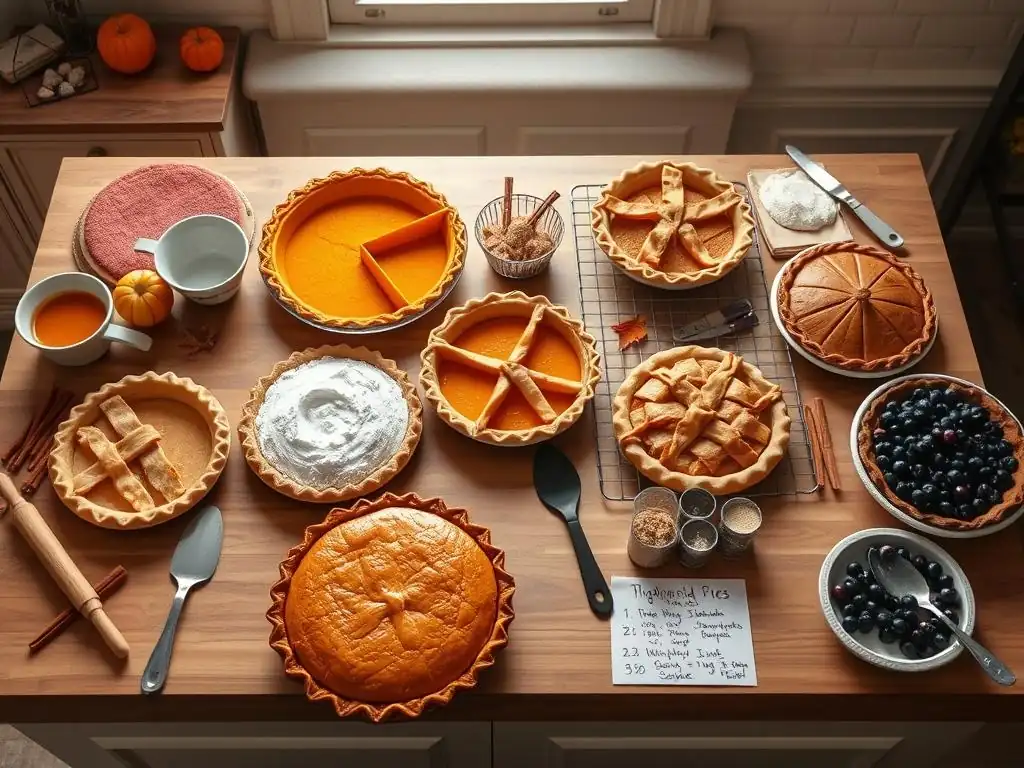
Here is a sample holiday pie baking schedule tailored for Thanksgiving, assuming you want pies ready for early afternoon dessert on Thanksgiving Day. This plan focuses on making 4-5 pies (e.g., 2 Apple, 1 Pumpkin, 1 Pecan, 1 Sweet Potato).
Day Before Thanksgiving: Pie Crusts and Fruit Fillings
On the day before Thanksgiving (Wednesday), dedicate a significant block of time, perhaps 2-3 hours in the afternoon or evening, to prepare all your pie crusts and fruit fillings. Start by making enough pie dough for all your double-crust and single-crust pies. For five pies (two double-crust, three single-crust), you'll need dough for seven crusts.
Mix the dough, shape into discs, wrap securely, and place them in the refrigerator to chill thoroughly overnight – this is crucial for flaky crusts. While the dough chills, prepare your fruit fillings (like apple or cherry), mixing the fruit, sugar, spices, and thickener, then storing the mixture in the refrigerator.
Later in the evening, you might also choose to blind bake any crusts required for custard or cream pies, such as pumpkin or sweet potato. This involves partially baking the empty pie shell according to your recipe's instructions, usually for about 15-20 minutes, letting it cool completely, and then storing it at room temperature. This step on your holiday pie baking schedule ensures the bottom crusts of your custard pies will be perfectly crisp and set, preventing sogginess when the wet filling is added and baked the next day.
Thanksgiving Morning: Assembling and Baking the Pies
Thanksgiving morning is when your holiday pie baking schedule culminates in assembly and baking. Start early, perhaps 8:00 AM or 9:00 AM, depending on when you plan to serve dessert. Take your chilled pie dough from the refrigerator and let it sit for 10-15 minutes to soften slightly before rolling. Roll out the dough for your double-crust pies, fill them with the pre-made fruit filling, top with the second crust, crimp the edges, and cut vents. Place these fruit pies on baking sheets.
Next, prepare your custard and pecan fillings. Whisk the ingredients together and pour them into your pre-baked or raw pie shells (depending on the recipe). Place these pies on baking sheets as well. Preheat your oven (likely to 375°F or 400°F).
Once heated, strategically place the pies in the oven, ensuring adequate space for air circulation. Bake according to your recipes, rotating the pies halfway through for even baking. This final push on your holiday pie baking schedule ensures all your pies are fresh and ready, allowing ample time for cooling before dessert is served, typically around 2:00 PM or 3:00 PM for an early dinner.
Essential Tips for Efficient Holiday Pie Baking
Streamlining Your Baking Process
To make your holiday pie baking schedule even more efficient, focus on streamlining your workflow. Start by reading all your recipes thoroughly before you begin any baking. Gather all necessary ingredients and equipment for a specific task – this is known as mise en place, or "everything in its place." For example, if you're making pie dough, have your flour, fat, salt, ice water, mixing bowls, pastry blender, and measuring tools all laid out and ready. This prevents you from scrambling for items mid-process.
Group similar tasks together in your holiday pie baking schedule. If multiple recipes require chopped nuts, chop all the nuts at once. If several fillings require whisking, use the same bowls (washing in between if necessary) to minimize cleanup. Prepare your workspace: clear counters, have trash and recycling bins accessible, and load the dishwasher as you go. Investing a little time in preparation and organization upfront saves significant time and reduces stress during the active baking phases.
Managing Oven Space and Temperature
Baking multiple pies simultaneously requires careful oven management, a key consideration in your holiday pie baking schedule. Most standard home ovens can comfortably fit two, sometimes three, 9-inch pies at once. Avoid overcrowding, as this restricts air circulation, leading to uneven baking and potentially soggy bottoms. Use sturdy baking sheets under your pies to catch drips and make transferring easier.
When baking multiple pies, especially different types that might require slightly different temperatures, prioritize based on the average temperature or bake similar pies together. You may need to slightly increase the baking time (e.g., by 10-15 minutes) when the oven is full.
Crucially, rotate the pies halfway through the baking time (e.g., move pies from the back to the front, and swap racks if using two) to ensure they brown and bake evenly, compensating for potential hot spots in your oven. Adjusting your holiday pie baking schedule to include these rotation checks is vital for consistent results across all your pies.
Cooling and Storing Your Holiday Pies
Proper cooling is as important as baking for the final texture and structure of your pies, and your holiday pie baking schedule must allocate sufficient time for this. Fruit pies should cool completely on a wire rack, which allows air to circulate around the bottom crust, preventing it from getting soggy from the residual heat and steam. This can take 2-4 hours. Cutting into a fruit pie too early can result in a runny filling.
Custard and pecan pies require cooling on a wire rack for a few hours to set initially, but they often need further chilling in the refrigerator to fully firm up. Pumpkin, sweet potato, and chess pies typically need at least 3-4 hours of chilling, and often overnight for the best texture. Cream pies must be chilled for several hours.
Factor these cooling and chilling times into your holiday pie baking schedule, ensuring pies are finished baking well in advance of serving. Store cooled pies loosely covered at room temperature (for most fruit pies) or in the refrigerator (for custard, cream, and pecan pies) until ready to serve.
Troubleshooting Common Holiday Pie Baking Problems
Preventing Soggy Pie Crusts
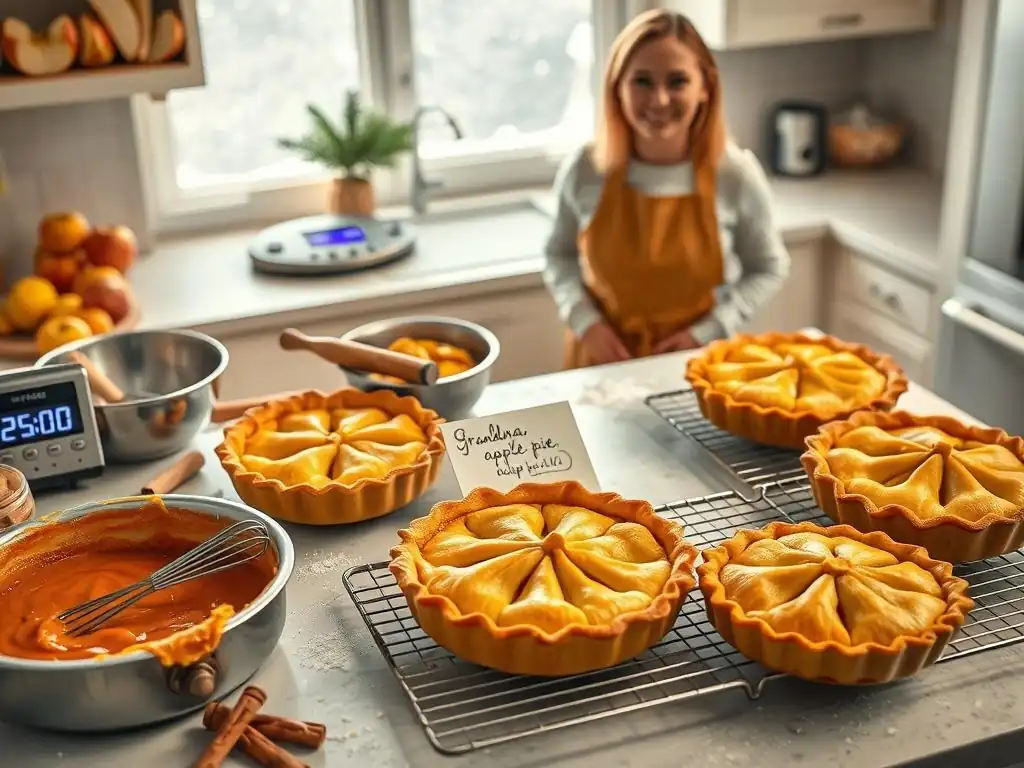
A soggy bottom crust is one of the most frustrating pie problems, but it can often be avoided with careful planning within your holiday pie baking schedule and specific techniques. The primary culprit is too much moisture from the filling reaching the raw dough before it sets. One key preventative measure is ensuring your pie dough is properly made with cold ingredients and has had sufficient chilling time (at least 2 hours, preferably overnight) before rolling and filling. A well-chilled, properly hydrated dough is less likely to absorb moisture quickly.
For wet fillings, especially fruit pies with juicy fruit or custard pies, consider blind baking the bottom crust first. This involves partially or fully baking the empty pie shell before adding the filling. Another technique is to brush the bottom crust with a thin layer of egg wash (beaten egg mixed with a little water or milk) or melted butter before adding the filling; this creates a barrier that helps seal the dough.
Ensure your oven is preheated to the correct temperature (often 400°F-425°F initially for fruit pies) to help the bottom crust set quickly, as outlined in your holiday pie baking schedule. Baking the pie on a preheated baking sheet or pizza stone can also help conduct heat rapidly to the bottom crust.
Avoiding Cracked Pie Fillings
Cracked surfaces on custard pies, like pumpkin or cheesecake, are often caused by overbaking or cooling too quickly. When a custard bakes too long, the proteins tighten excessively, leading to cracks as it cools and contracts. Your holiday pie baking schedule should include vigilant monitoring towards the end of the baking time. Custard pies are typically done when the edges are set but the center is still slightly wobbly (about a 2-3 inch circle). The residual heat will continue to cook the center as it cools.
To prevent rapid cooling which can also cause cracking, turn off the oven when the pie is done, prop the oven door open slightly, and let the pie cool gradually inside the cooling oven for 30-60 minutes before transferring it to a wire rack. This gentle transition helps the custard set without sudden temperature changes. Ensure your holiday pie baking schedule allows for this slow cooling process. Baking in a water bath (placing the pie dish inside a larger pan filled with hot water) also helps regulate the temperature and provides a moist environment, reducing the risk of cracking.
Ensuring Even Baking for Multiple Pies
Baking multiple pies at once can lead to uneven results if not managed properly, a challenge addressed by an effective holiday pie baking schedule. Ovens often have hot spots, and placing several items inside can block heat circulation. As mentioned in the oven management tips, avoid overcrowding your oven. Leave several inches of space between pies and the oven walls.
Crucially, rotate the pies about halfway through the total baking time. If you have pies on different racks, swap their positions (top rack to bottom, bottom to top) and also rotate each pie 180 degrees. This ensures all sides of every pie are exposed to the oven's heat source evenly.
Your holiday pie baking schedule should specifically allocate time for these rotations. If one pie type finishes baking significantly faster than others, remove it when done to prevent overbaking and improve air circulation for the remaining pies. Using an oven thermometer can also help you verify that your oven is heating accurately and consistently.
Enjoying Your Delicious Holiday Pies
Serving Suggestions and Presentation Tips
After successfully navigating your holiday pie baking schedule and producing a bounty of beautiful pies, it's time to think about serving. Presentation can elevate even the simplest pie. Ensure your pies are sliced neatly – using a sharp knife dipped in hot water and wiped clean between cuts helps, especially for sticky fillings like pecan or dense ones like pumpkin. Offer a variety of toppings: classic options include whipped cream (freshly whipped is always a treat! ), vanilla ice cream, or a drizzle of caramel or chocolate sauce.
Arrange your pies attractively on a dessert table. Varying pie stand heights can add visual interest. Garnish individual slices or the whole pie before serving. For apple pie, a sprinkle of cinnamon or a lattice crust is classic. Pumpkin pie can be topped with a dollop of whipped cream and a sprinkle of nutmeg or a cinnamon stick. Pecan pie looks beautiful with whole pecans arranged on top. Letting your hard work shine through thoughtful presentation is a rewarding part of completing your holiday pie baking schedule.
Celebrating Baking Success with Ease
You've done it! By following your holiday pie baking schedule, you've transformed a potentially stressful task into a manageable and rewarding experience. Take a moment to appreciate the delicious results of your efforts. The aroma of freshly baked pies filling your home is a quintessential part of the holidays. Sharing these homemade treats with family and friends is a joyous occasion, made even sweeter knowing you achieved it with ease and organization.
Remember the benefits of your structured approach – less stress, better quality pies, and more time to enjoy the holiday itself. Use this experience to refine your holiday pie baking schedule for future years, noting what worked well and what could be adjusted. Perhaps next year you'll make dough even earlier, or try a new make-ahead filling. Baking for the holidays is a gift you give to your loved ones, and planning makes sure that gift is delivered with joy, not exhaustion. Congratulations on a holiday pie baking success!
Frequently Asked Questions
How far in advance can I bake pies for the holidays?
You can bake many pies 1-2 days in advance. Fruit pies generally hold up well, while cream pies are best made closer to serving time. Consider freezing pies for even longer storage.
What is the best way to store baked pies?
Store baked fruit pies at room temperature, loosely covered, for up to two days. Cream pies require refrigeration to prevent spoilage. Always check for signs of spoilage before serving.
Can I freeze unbaked pies?
Yes, freezing unbaked pies is a great way to get ahead of schedule. Wrap tightly in plastic wrap and then foil. They can be stored for up to 3 months in the freezer.
What's the most efficient way to organize a holiday pie baking schedule?
Start by listing all the pies you plan to bake and their recipes. Then, create a timeline, prioritizing tasks that can be done in advance, like making dough and preparing fillings. This will help you manage your time effectively.
What are some tips for preventing soggy pie crusts?
Blind bake the crust before adding the filling, especially for cream pies. Also, use a hot oven and ensure the filling isn't too watery. Consider using pie weights during blind baking.
Final Reflection: The Sweet Symphony of Holiday Baking
The art of holiday pie baking isn't just about creating delicious desserts; it's about orchestrating a harmonious schedule that prevents kitchen chaos and maximizes enjoyment. This year, more than ever, the pressure to create perfect holiday feasts can feel overwhelming. But by strategically planning your pie-baking endeavors, you can transform the potential stress into a joyful, manageable process.
The impact of a well-organized baking plan extends far beyond the delicious results. It's about reclaiming the holiday spirit, allowing you to savor the process instead of being consumed by it. The best things in life are the people we love, the places we've been, and the memories we've made along the way.
This quote, while not directly about pie baking, speaks to the heart of the matter: holiday baking should be a cherished memory, not a source of anxiety. By prioritizing planning, we create space for those precious moments of connection and joy, both in the kitchen and around the holiday table.
This holiday season, I challenge you to embrace the power of planning. Don't let the pressure of perfect pies steal your joy. Instead, use this simple plan as a springboard for your own creative baking journey. Experiment with flavors, share the process with loved ones, and most importantly, remember that the imperfections are part of what makes the memories so sweet. This year, let the symphony of holiday baking play out in harmony, leaving you with a heart full of warmth and a kitchen filled with the delightful aroma of perfectly planned pies.
Unleash Your Inner Pie Master!
Thanks for taking the time to explore our simple holiday pie baking plan! We hope you now feel confident tackling multiple pies without the stress. Ready to transform your holiday baking?
- Bake your first pie this week! Practice makes perfect, and getting started early will build your confidence. Choose your favorite recipe and get baking!
- Share your pie progress on social media using #BakeWithEaseHoliday. Let's inspire each other!
- Consider writing down your pie-baking schedule for a smoother process.
What’s your favorite pie flavor to bake – and which one will you tackle first?