
The Smart Baker's Guide to Essential Kitchen Gadgets

Welcome to BakeWithEase, your haven for all things baking! Ever wondered if you're truly equipped to conquer that perfect sourdough loaf or whip up a batch of show-stopping cookies? This week, we're diving deep into the world of essential baking kitchen gadgets, unveiling the must-have tools that will transform your baking game. Discover which gadgets are worth the investment and which ones you can skip, setting you on the path to baking brilliance. Ready to unlock your baking potential? Let's get started!
- Essential Baking Kitchen Gadgets Guide: Level Up Your Bake
- Mastering Measurements: Precise Tools for Perfect Baking
- Mixing and Preparation: Streamlining Your Baking Process
- Shaping and Decorating: Adding the Finishing Touches
- Baking Pans and Molds: Choosing the Right Vessel
- Beyond the Basics: Specialty Gadgets for Advanced Bakers
- Investing in Quality: Building Your Essential Baking Arsenal
-
Frequently Asked Questions
- What are the most essential baking kitchen gadgets for a beginner baker, according to BakeWithEase?
- Does "The Smart Baker's Guide to Essential Kitchen Gadgets" on BakeWithEase cover gadgets beyond just the basics?
- How does BakeWithEase ensure that the recommended gadgets are suitable for all skill levels?
- Can I find specific recommendations for sourdough baking gadgets on BakeWithEase, based on this guide?
- Where can I find recipes on BakeWithEase to use with the gadgets recommended in "The Smart Baker's Guide to Essential Kitchen Gadgets"?
- Final Reflection: The Sweet Science of Baking, One Gadget at a Time
- Unleash Your Inner Baking Pro!
Essential Baking Kitchen Gadgets Guide: Level Up Your Bake
Embarking on the journey of baking, whether you're a complete novice or looking to refine your skills, requires more than just good recipes and quality ingredients. The right tools can make all the difference, transforming frustrating attempts into consistent successes. This essential baking kitchen gadgets guide is designed to help you navigate the world of baking equipment, highlighting the must-haves that will elevate your craft.
From foundational measuring tools to specialized equipment for specific techniques, understanding which gadgets are truly essential can save you time, reduce errors, and open up a world of delicious possibilities. Think of these kitchen gadgets for baking as your trusted companions in the kitchen, each playing a vital role in bringing your sweet (or savory!) creations to life.
Building your collection of essential baking gadgets doesn't have to happen overnight. You can start with the basics and gradually add more specialized tools as your confidence and interest grow. The key is to choose reliable, durable equipment that suits your baking style and the types of recipes you enjoy making most often.
A smart baker knows that investing in quality tools is investing in the joy and success of every bake. Let this guide serve as your roadmap to equipping your kitchen with the gadgets that matter, setting you up for a smoother, more enjoyable, and ultimately, more rewarding baking experience.
Mastering Measurements: Precise Tools for Perfect Baking
Baking is often described as a science, and like any science, precision in measurement is paramount. Unlike cooking, where a pinch of this or a dash of that might work, baking relies on specific ratios. Having accurate measuring tools is the absolute foundation of successful baking. Without them, even the best recipe can fall flat.
Achieving consistent results batch after batch hinges on getting your measurements right. This section of our essential baking kitchen gadgets guide focuses on the tools that ensure you're adding the exact quantities specified in a recipe. Mastering these basic tools is the first step towards mastering baking itself, preventing common issues like dense cakes, flat cookies, or bread that doesn't rise properly.
Digital Kitchen Scales: Accuracy is Key
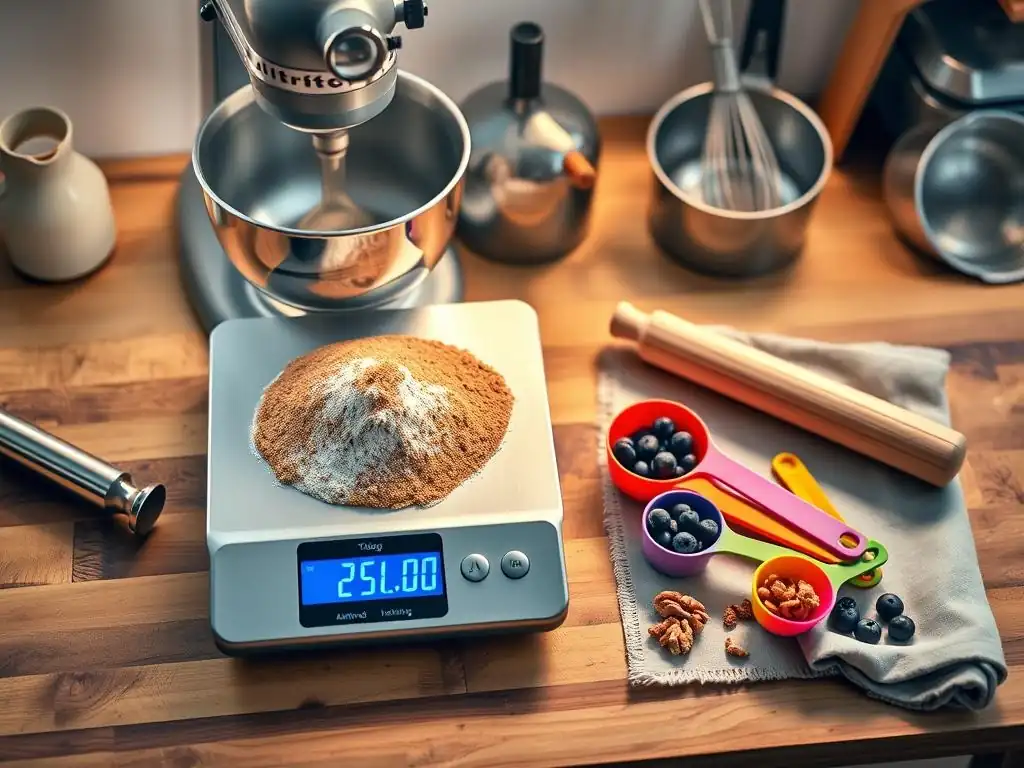
A digital kitchen scale is arguably the most important tool for precise baking. Measuring ingredients by weight, especially flour, sugar, and liquids, is significantly more accurate than measuring by volume (cups and spoons). For instance, a cup of flour can vary in weight by as much as 20-30% depending on how it's scooped or packed, while weighing ensures you get the exact amount every time. Most digital scales measure in grams and ounces, typically with a precision of at least 1 gram or 0.1 ounces.
Using a digital scale makes recipes like French macarons, delicate pastries, or sourdough bread far more reliable, as small deviations in ingredient ratios can drastically affect the outcome. Many scales feature a "tare" function, allowing you to zero out the weight of the container you're using, making it easy to add ingredients sequentially into the same bowl. A good digital scale, often available for under $30-$50, is a fundamental piece of essential baking equipment that pays for itself in saved ingredients and successful bakes.
Measuring Cups and Spoons: Classic Tools, Modern Materials
While weighing is preferred for accuracy, measuring cups and spoons remain essential baking gadgets, particularly for smaller quantities of ingredients like baking powder, salt, or spices, and for liquid volumes in many standard recipes. It's crucial to use dry measuring cups (designed to be leveled off) for dry ingredients like flour and sugar, and liquid measuring cups (with pour spouts and measurement lines below the rim) for liquids like milk or water. Using the wrong type can lead to inaccurate measurements.
High-quality measuring cups and spoons are typically made from stainless steel, which is durable, easy to clean, and doesn't retain odors or stains like plastic. Look for sets that include common sizes: dry cups usually come in 1/4, 1/3, 1/2, and 1 cup, while liquid cups might range from 1/4 cup up to 4 cups. Measuring spoons usually include 1/4, 1/2, 1 teaspoon, and 1 tablespoon. For dry ingredients, remember to level the top with a straight edge (like a knife or scraper) for accuracy – scooping directly from a bag can compact ingredients and lead to over-measurement.
Thermometers for Baking: Achieving the Right Temperature
Temperature plays a critical role at various stages of baking, from ensuring yeast is active to checking the doneness of bread or reaching specific sugar stages for candies and frostings. An accurate thermometer is an indispensable tool for avoiding common pitfalls. An instant-read thermometer is incredibly versatile; it can quickly check the internal temperature of baked goods (like bread, which is often done around 190-200°F, or cakes) to ensure they are cooked through without being dry.
For sugar work, such as making caramel, fudge, or meringue, a candy thermometer is essential. These thermometers clip onto the side of a pot and allow you to monitor temperatures precisely as sugar syrup progresses through stages like thread (230-235°F), soft ball (235-245°F), hard ball (250-265°F), soft crack (270-290°F), and hard crack (300-310°F). Reaching the correct temperature is vital for the structure and texture of these confections. Having both an instant-read and potentially a candy thermometer covers most temperature-sensitive baking tasks.
Mixing and Preparation: Streamlining Your Baking Process
Once your ingredients are accurately measured, the next step is combining them. Effective mixing is crucial for developing gluten in bread, incorporating air into batters for lightness, and ensuring all components are evenly distributed. The right mixing and preparation tools can significantly reduce effort and improve the consistency of your doughs and batters.
This part of our essential baking kitchen gadgets guide covers the workhorses of the kitchen – the tools that help you blend, whisk, beat, and fold ingredients together smoothly. From powerful machines that handle heavy tasks to simple hand tools, having the right equipment for the job makes the baking process more efficient and enjoyable.
Stand Mixers: The Workhorse of the Baking Kitchen
A stand mixer is a significant investment but is considered by many serious bakers to be one of the most essential baking gadgets. Its powerful motor and hands-free operation make light work of demanding tasks like kneading bread dough, whipping large quantities of egg whites into stiff peaks for meringue, or creaming butter and sugar for cookies and cakes. Typical residential models range in power from 300W to over 600W and bowl capacity from 4.5 quarts to 6 quarts or more, allowing you to handle both small batches and larger recipes.
Most stand mixers come with three basic attachments: a whisk for aerating liquids, a paddle (or flat beater) for combining ingredients and creaming, and a dough hook for kneading yeast doughs. The consistent and vigorous mixing action of a stand mixer ensures uniform results that are difficult to replicate by hand, particularly for recipes requiring extensive mixing or kneading. While not strictly necessary for every bake, a stand mixer is a game-changer for anyone who bakes frequently or tackles more complex recipes.
Hand Mixers: A Convenient Alternative for Smaller Tasks
For bakers with limited space, a smaller budget, or those who primarily bake smaller batches, a hand mixer is an excellent and versatile essential baking gadget. These portable mixers are lighter and easier to store than stand mixers and are perfect for tasks that don't require prolonged, heavy-duty mixing. They are ideal for whipping small amounts of cream, beating eggs for a simple cake or omelet, or mixing a batch of brownies or muffins.
Hand mixers typically range from 150W to 250W in power and come with a pair of standard beaters and often whisk attachments. While they can't handle very stiff doughs or large volumes as effectively as a stand mixer, their convenience for everyday tasks makes them indispensable for many home bakers. They are also much easier to clean for quick jobs.
Mixing Bowls: Choosing the Right Size and Material
You'll need a variety of mixing bowls in your collection of essential baking equipment. Having bowls of different sizes allows you to handle everything from whisking a couple of eggs to mixing a large batch of cookie dough. A good starting set might include bowls ranging from 1 quart to 4 or 5 quarts.
Mixing bowls come in various materials, each with pros and cons. Stainless steel is lightweight, durable, and non-reactive, making it suitable for all types of ingredients, including acidic ones. Glass bowls are heavy and breakable but are non-reactive, non-porous, and allow you to see the mixing process clearly; some are also microwave-safe. Ceramic bowls are attractive and sturdy but also heavy and breakable. Plastic bowls are lightweight and inexpensive but can scratch, stain, and retain odors over time. A selection of stainless steel and perhaps one or two glass bowls offers great versatility.
Spatulas and Scrapers: Essential Tools for Every Baker
Simple yet indispensable, spatulas and scrapers are fundamental essential baking gadgets for countless tasks. Silicone spatulas, in particular, are heat-resistant, flexible yet sturdy, and non-reactive. They are perfect for scraping down the sides of mixing bowls to ensure all ingredients are incorporated, folding delicate mixtures like whipped cream or egg whites into batter without deflating them, and transferring batters or doughs into pans.
Different sizes and shapes are useful: a smaller, more flexible spatula is great for getting into tight corners of small bowls or jars, while a larger, sturdier one is better for mixing heavier batters. A bench scraper, with its flat metal or plastic blade and handle, is invaluable for dividing dough, scraping flour and dough scraps from your work surface, and even transferring chopped ingredients.
Shaping and Decorating: Adding the Finishing Touches
Once your dough or batter is mixed, the next step often involves shaping it or preparing it for baking. These tools help you create uniform cookies, perfectly formed loaves, or beautifully decorated cakes. Adding the finishing touches is where your creativity can really shine, and the right gadgets make it easier to achieve professional-looking results at home.
This section of the essential baking kitchen gadgets guide covers tools that help you manipulate dough and apply decorative elements. Whether you're aiming for perfectly round cookies, intricate icing designs, or evenly rolled pastry, these tools are key to achieving the desired shape and appearance.
Rolling Pins: Achieving Consistent Dough Thickness
A good rolling pin is essential for recipes requiring rolled dough, such as pie crusts, cookies, pastries, or even pizza dough. The key to success in these recipes is often achieving a consistent thickness across the entire sheet of dough, which ensures even baking. Rolling pins come in various styles. The American-style pin has handles and a central barrel, while French-style pins are tapered dowels without handles, offering more direct control and feel for the dough.
Materials also vary: wood is traditional and effective, though it needs to be well-floured to prevent sticking; marble stays cool, which is beneficial for pastry dough; and some pins feature a non-stick coating or silicone surface. For extra precision, consider an adjustable rolling pin that comes with removable rings to guide the thickness of the dough (e.g., 1/8 inch, 1/4 inch).
Cookie cutters are simple, often inexpensive, but bring immense joy to baking, especially when making cut-out cookies like sugar cookies or gingerbread. They allow you to transform rolled dough into uniform shapes, from classic circles and stars to intricate seasonal designs. Cookie cutters are typically made from metal (like tinplate or stainless steel) or plastic.
Metal cutters usually have sharper edges, which can create cleaner cuts, especially important for dough that holds its shape well. Plastic cutters are often more durable and come in a wider variety of shapes, sometimes with stamps to imprint designs. While you don't need a vast collection immediately, a basic set of assorted shapes is a fantastic addition to your essential baking equipment, perfect for holidays and special occasions. Remember to dip cutters in flour or powdered sugar to prevent dough from sticking.
Piping Bags and Tips: Adding Decorative Flourishes
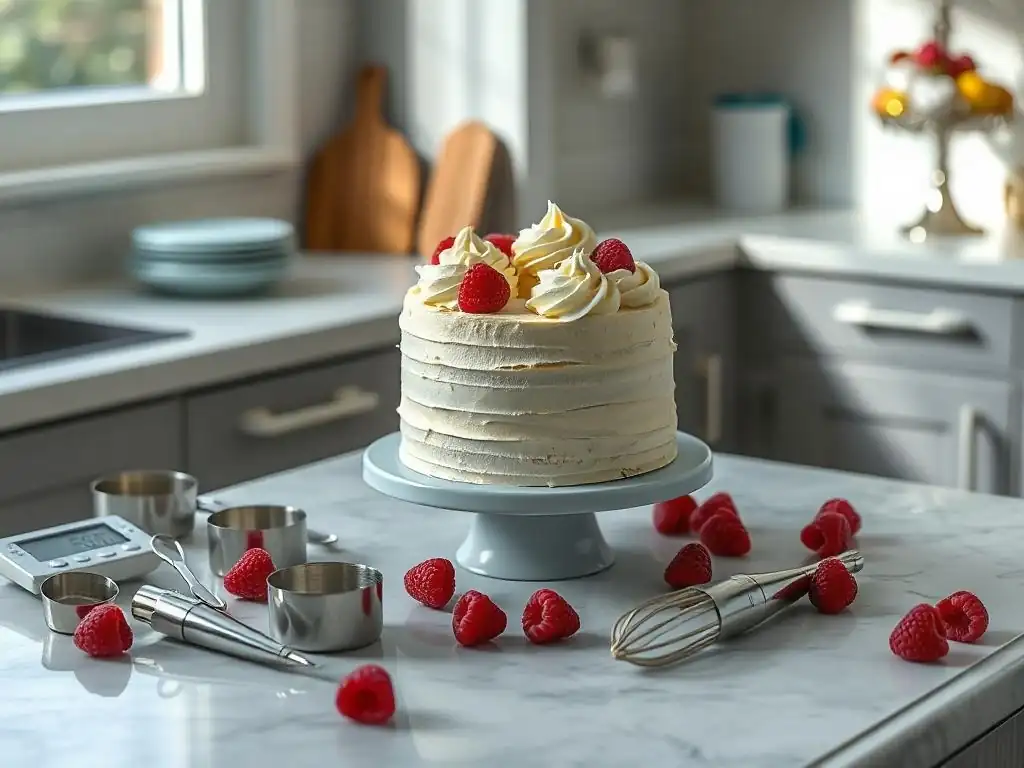
For anyone interested in frosting cakes, cupcakes, or creating filled pastries, piping bags and tips are indispensable essential baking gadgets. Piping allows you to apply frosting, ganache, whipped cream, or even meringue in controlled, decorative ways. Piping bags come in disposable plastic versions (convenient for cleanup) or reusable options made from silicone or coated canvas (more environmentally friendly).
Piping tips, usually made of metal, come in hundreds of shapes and sizes, each creating a different effect – round tips for lines and dots, star tips for borders and rosettes, leaf tips, basketweave tips, and more. A basic set of a few common tips (like a medium round, a closed star, and an open star) is a great starting point. Using a coupler allows you to change tips on the same bag without emptying it. Mastering piping adds a professional touch to your baked goods.
Baking Pans and Molds: Choosing the Right Vessel
The pan you bake in directly affects the shape, texture, and evenness of your baked goods. Using the correct size and type of pan specified in a recipe is crucial for achieving the intended results. Pans distribute heat to the batter or dough, forming the crust and allowing the interior to cook through.
This section of the essential baking kitchen gadgets guide explores the fundamental pans you'll need for common baking projects. From cakes and muffins to bread loaves, having the right vessel ensures your creations bake properly and release cleanly.
Cake Pans: Round, Square, and Bundt
Cake pans are fundamental essential baking gadgets. Standard round cake pans, typically 8 or 9 inches in diameter and 2 inches deep, are used for layer cakes. Square pans (often 8x8 or 9x13 inches) are common for sheet cakes, brownies, and bars. Most are made from aluminum or non-stick coated metal. Aluminum pans heat evenly and produce a tender crust, while non-stick pans simplify removal but can sometimes lead to faster browning.
Specialty cake pans like springform pans (with removable sides, perfect for cheesecakes and tarts) or decorative Bundt pans (with fluted designs) add versatility. Having a couple of 8-inch round pans and a 9x13-inch rectangular pan covers most basic cake recipes. Proper greasing and flouring (or lining with parchment paper) are key to preventing sticking, regardless of the pan material.
Muffin Tins: Baking Perfectly Portioned Treats
Muffin tins, also known as muffin pans or cupcake pans, are designed to bake individual, portioned items like muffins, cupcakes, or even mini quiches. The standard size typically has 12 cups, each holding about 1/2 cup of batter. Mini muffin tins, often with 24 cups, are used for smaller bites.
Like cake pans, muffin tins are commonly made from non-stick metal, which aids in easy release. Silicone muffin molds are also popular as they are flexible and truly non-stick, though they may require placing on a baking sheet for stability. Using paper or foil liners is common and helps with cleanup, but greasing and flouring the tin itself works just as well for non-lined baked goods.
Bread Loaf Pans: Baking Delicious Homemade Bread
If you plan to bake yeasted bread, quick breads (like banana bread or zucchini bread), or pound cake, a bread loaf pan is an essential baking gadget. Standard loaf pans are typically 9x5 inches, though smaller sizes (like 8.5x4.5 inches) are also common. The pan's dimensions affect the height and density of the loaf.
Metal loaf pans, often made of aluminized steel or non-stick coated steel, are most common as they conduct heat efficiently and help create a good crust. Glass or ceramic loaf pans are also available but conduct heat differently (slower, but retain heat longer), which can affect baking time and crust development. Ensure you choose a sturdy pan that won't warp in the oven for consistent loaf shape.
Beyond the Basics: Specialty Gadgets for Advanced Bakers
Once you've mastered the fundamentals and built a solid collection of essential baking kitchen gadgets, you might find yourself exploring more specific techniques or types of baking. This is where specialty gadgets come into play. While not necessary for every baker, these tools can significantly improve results for particular recipes or make certain processes much easier.
This section highlights a few specialty essential baking gadgets that are invaluable if you're diving into areas like pastry making, sourdough, or delicate confections. They represent the next step in expanding your baking capabilities and tackling more advanced challenges.
Pastry Blender: Creating Flaky Crusts
A pastry blender is a simple, manual tool specifically designed for cutting cold butter or shortening into flour when making pastry doughs like pie crusts, biscuits, or scones. Its curved wires or blades help break down the cold fat and mix it with the flour without melting the fat, which is crucial for creating flaky layers in the final baked good.
While you can use forks or your fingertips, a pastry blender is far more efficient and keeps the fat cold, preventing it from melting prematurely from the heat of your hands. This small, inexpensive gadget makes a noticeable difference in the texture of your pastries and is a worthwhile addition if you frequently bake items requiring this technique.
Sourdough Starter Jar: Cultivating Your Own Culture
For those embarking on the rewarding journey of sourdough baking, a dedicated sourdough starter jar is an essential baking gadget. While technically any clean jar can work, a good starter jar should ideally be glass (so you can see the activity), have a wide mouth (for easy feeding and stirring), and have a lid that allows gases to escape without drying out the starter.
Many sourdough enthusiasts prefer jars with straight sides to easily measure the starter's rise and fall. Common sizes range from 16 ounces (pint) to 32 ounces (quart), providing enough space for the starter to grow after feeding without overflowing. Having a dedicated jar helps maintain a healthy, active starter, which is the heart of successful sourdough bread.
Silpats (Silicone Baking Mats): Non-Stick Baking Surface
Silpats, a popular brand name for silicone baking mats, are reusable, non-stick surfaces placed on baking sheets. Made from a durable mesh coated in food-grade silicone, they provide an excellent non-stick surface that is far superior to parchment paper or greasing for many applications.
They are particularly useful for baking cookies (ensuring even browning and easy release), meringues, sticky candies, or roasting vegetables. Silpats distribute heat evenly and prevent sticking without the need for added fats, contributing to healthier and more successful baking. They are designed to fit standard half-sheet pans (approx. 11x16 inches) and can withstand high oven temperatures, making them a durable and essential baking gadget for frequent use.
Investing in Quality: Building Your Essential Baking Arsenal
Building your collection of essential baking kitchen gadgets is a process. Start with the foundational tools like accurate measuring instruments, reliable mixing bowls, and basic pans. As you bake more and explore different recipes, you can gradually add more specialized items that align with your interests, whether that's mastering pastry with a pastry blender or diving into the world of sourdough with a dedicated starter jar.
Choosing quality over quantity is a smart approach. Durable, well-made tools will perform better, last longer, and ultimately provide a more consistent and enjoyable baking experience. This essential baking equipment guide highlights the key tools to consider, but remember that the most important ingredient is your passion and willingness to experiment and learn. With the right gadgets in hand, you're well-equipped to tackle any baking challenge and create delicious treats with ease.
Frequently Asked Questions
What are the most essential baking kitchen gadgets for a beginner baker, according to BakeWithEase?
BakeWithEase recommends starting with basic tools like measuring cups and spoons, a mixing bowl, and a good spatula. These are the foundation for most recipes.
Does "The Smart Baker's Guide to Essential Kitchen Gadgets" on BakeWithEase cover gadgets beyond just the basics?
Yes, while it covers the essentials, the guide also likely delves into gadgets for more advanced techniques, such as stand mixers or specialized pastry tools. It depends on the specific article content.
How does BakeWithEase ensure that the recommended gadgets are suitable for all skill levels?
BakeWithEase focuses on easy-to-find ingredients and step-by-step guides, suggesting that the guide would likely recommend gadgets with user-friendliness in mind.
Can I find specific recommendations for sourdough baking gadgets on BakeWithEase, based on this guide?
Potentially. While the guide is broad, BakeWithEase specializes in sourdough, so it might include sourdough-specific gadgets like banneton baskets or dough scrapers.
Where can I find recipes on BakeWithEase to use with the gadgets recommended in "The Smart Baker's Guide to Essential Kitchen Gadgets"?
BakeWithEase.com is described as a resource for recipes. You can find recipes for pastries, breads, cakes, and cookies and then use the guide to discover the gadgets you need.
Final Reflection: The Sweet Science of Baking, One Gadget at a Time
The pursuit of the perfect bake is a journey, not a destination, and the right tools are your trusty companions along the way. This guide has explored the essential kitchen gadgets that elevate baking from a hobby to a true craft, transforming frustration into flour-dusted joy. From the precision of a digital scale to the versatility of a stand mixer, each tool plays a crucial role in achieving consistent, delicious results.
The impact of readily available technology on baking is undeniable. It's democratized the process, allowing aspiring bakers of all skill levels to access tools that were once the exclusive domain of professionals. The best bakers are those who are constantly learning and experimenting, and the right tools can empower that journey.
This quote, though not from a specific source, encapsulates the spirit of this guide: to equip you with the knowledge and understanding to choose the gadgets that best suit your baking style and ambitions, fostering a lifelong love of the craft.
Now, it's your turn. Consider the gadgets you already own and how they contribute to your baking experience. Are there gaps in your arsenal? Which tool from this guide excites you the most, and how will you incorporate it into your next baking adventure? Don't be afraid to experiment, to embrace the occasional mishap, and to savor the sweet rewards of your efforts. The journey of the smart baker is a delicious one, filled with countless opportunities for creativity and self-expression. Happy baking!
Unleash Your Inner Baking Pro!
Thanks for joining us on this delicious journey through essential baking gadgets! We hope you’ve gained valuable insights to elevate your baking game. Ready to take the next step?
- Invest in your dream gadget: Think about the one tool from the article that excites you most and make it a reality. This is your chance to upgrade your baking experience.
- Share your baking triumphs (and challenges!): We'd love to see what you create! Post your baking adventures on social media using #BakeWithEase and tag us – let's build a supportive community together.
- Explore further: Dive deeper into the world of baking with our extensive recipe collection available on the BakeWithEase website. Discover new flavors and techniques.
What exciting baking project will you tackle first?