
Bake Smarter, Not Harder: The Essential Guide to Nutritional Apps for Your Recipes

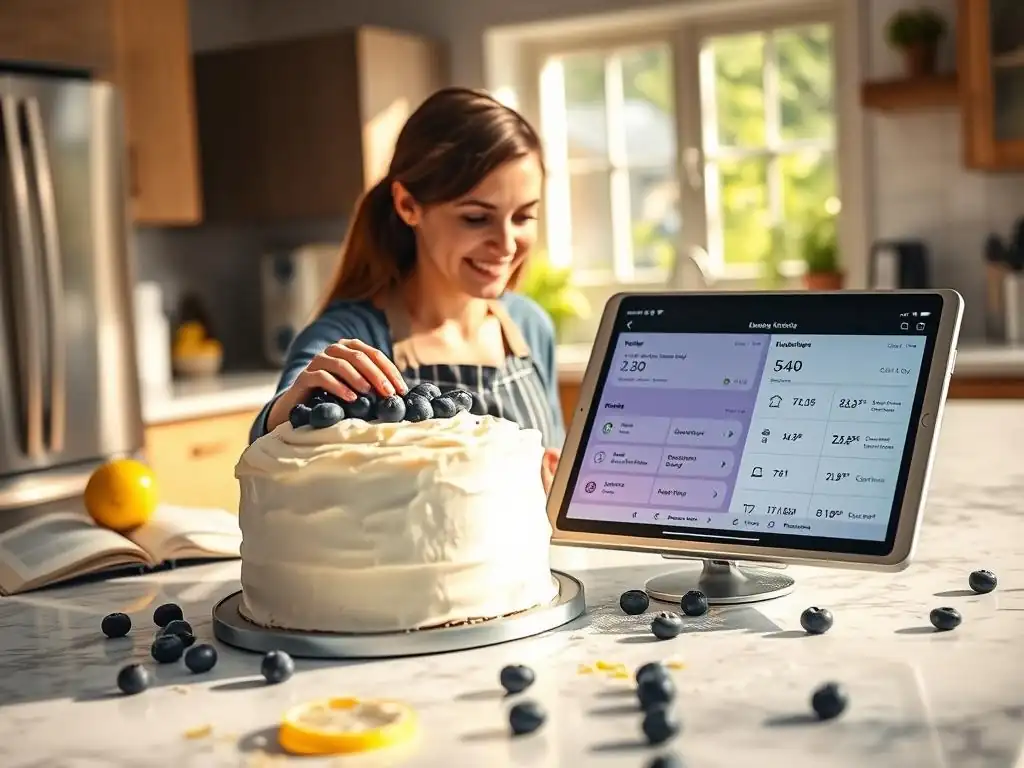
Welcome to BakeWithEase, where we believe everyone can create delicious masterpieces!
Ever wondered exactly how many calories are in that perfect chocolate chip cookie you just baked? Or how to adjust your recipes for dietary restrictions? Dive into our essential guide and discover the power of nutritional apps for baking. Unleash the secrets to healthier, informed baking and take your creations to the next level. Ready to bake smarter, not harder? Let's get started!
- Understanding the Need for Nutritional Information in Baking
- Top Nutritional Apps for Baking: A Comparative Overview
- Maximizing Your Baking Nutrition with the Right Tools
- Real-World Examples: Baking Success Stories with Nutritional Apps
- Conclusion: Bake with Confidence and Nutritional Awareness
-
Frequently Asked Questions
- What are nutritional apps for baking, and why should I use them?
- How do nutritional apps for baking help with recipe modification?
- Can nutritional apps for baking assist with portion control in baking?
- Are nutritional apps for baking only for experienced bakers?
- Where can I find the best nutritional apps for baking that are compatible with BakeWithEase recipes?
- Final Reflection: Baking a Healthier Future, One App at a Time
- Unleash Your Inner Baking Genius!
Understanding the Need for Nutritional Information in Baking
Why Track Nutritional Values in Your Baked Goods?
Tracking nutritional values in your baked goods is becoming increasingly important for both home bakers and professional kitchens. As consumer awareness around health and diet grows, people want to know what they are eating, even when enjoying a treat. Providing nutritional information helps cater to individuals with specific dietary needs, such as managing blood sugar for diabetes, tracking fat intake for heart health, or monitoring calories for weight management.
For instance, understanding that a single slice of homemade apple pie might contain upwards of 400-500 calories and 20-30 grams of fat allows for informed portion control or recipe modification. This transparency builds trust with those you bake for and empowers you to make more conscious decisions about your ingredients.
Furthermore, accurately tracking nutritional values aids in optimizing recipes for various health goals. A baker might discover that their favorite chocolate chip cookie recipe, while delicious, contains 25g of sugar per cookie. Using a baking nutrition calculator, they can experiment with reducing sugar or using alternative sweeteners and see the immediate impact on the nutritional profile without guesswork.
This data-driven approach is crucial for developing healthier versions of classic treats or creating entirely new recipes tailored to specific nutritional targets, like high-fiber muffins or low-carb bread. It transforms baking from an art form based purely on taste and texture into a science that also considers the impact on well-being.
Benefits of Using Baking Nutrition Calculator Apps
Using dedicated nutritional apps for baking recipes offers significant advantages over manual calculation or estimation. These apps streamline the process of analyzing complex recipes by providing extensive databases of ingredients with pre-calculated nutritional information.
Instead of looking up each ingredient individually and performing tedious calculations for weight conversions and total values, you simply input your ingredients and quantities, and the app does the heavy lifting. This not only saves a tremendous amount of time – turning a task that might take an hour into just a few minutes – but also dramatically increases accuracy, minimizing the chance of human error in calculations.
Beyond simple calculation, nutritional apps for baking often provide detailed breakdowns of macronutrients (carbohydrates, protein, fat), micronutrients (vitamins, minerals), and other key metrics like sugar, fiber, and sodium. This comprehensive view allows bakers to understand the full nutritional impact of their creations. For example, you might find that your whole wheat bread recipe is surprisingly high in sodium or that your oatmeal cookies are a good source of fiber but lack protein.
Armed with this specific data, you can make targeted adjustments to improve the recipe's nutritional balance. Some advanced apps even allow you to scale recipes and automatically recalculate the nutrition per serving based on the new yield, making them invaluable tools for both small-batch home bakers and those scaling up for larger events or sales.
Common Misconceptions about Baking Nutrition
One prevalent misconception about baking nutrition is that "healthy" baked goods are inherently less delicious or have undesirable textures. Many people believe that reducing sugar or fat automatically results in dry, flavorless, or tough products. This is often not the case.
With careful ingredient substitutions and recipe adjustments – guided by the data from nutritional apps for baking – it's possible to create healthier versions of favorites that retain excellent taste and texture. For instance, using mashed banana or applesauce can replace some fat and sugar while adding moisture, or incorporating whole grain flours and nuts can boost fiber and nutrients without compromising flavor when combined correctly. The key is understanding the functional role of ingredients and finding substitutes that perform similarly, a process made easier when you can track the nutritional outcome.
Another common belief is that because something is homemade, it is automatically healthy. While homemade goods allow you control over ingredients and avoid some additives found in commercial products, they can still be very high in calories, sugar, and unhealthy fats depending on the recipe. A homemade butter cookie, for example, is still primarily butter, sugar, and flour, regardless of being made from scratch.
Nutritional apps help dispel this myth by providing objective data. They show the actual nutritional breakdown, allowing bakers to see plainly whether their "healthy-sounding" recipe truly aligns with their health goals or if it's simply a less processed version of an indulgent treat. This awareness is the first step toward making informed choices and modifying recipes to genuinely improve their nutritional profile.
Top Nutritional Apps for Baking: A Comparative Overview
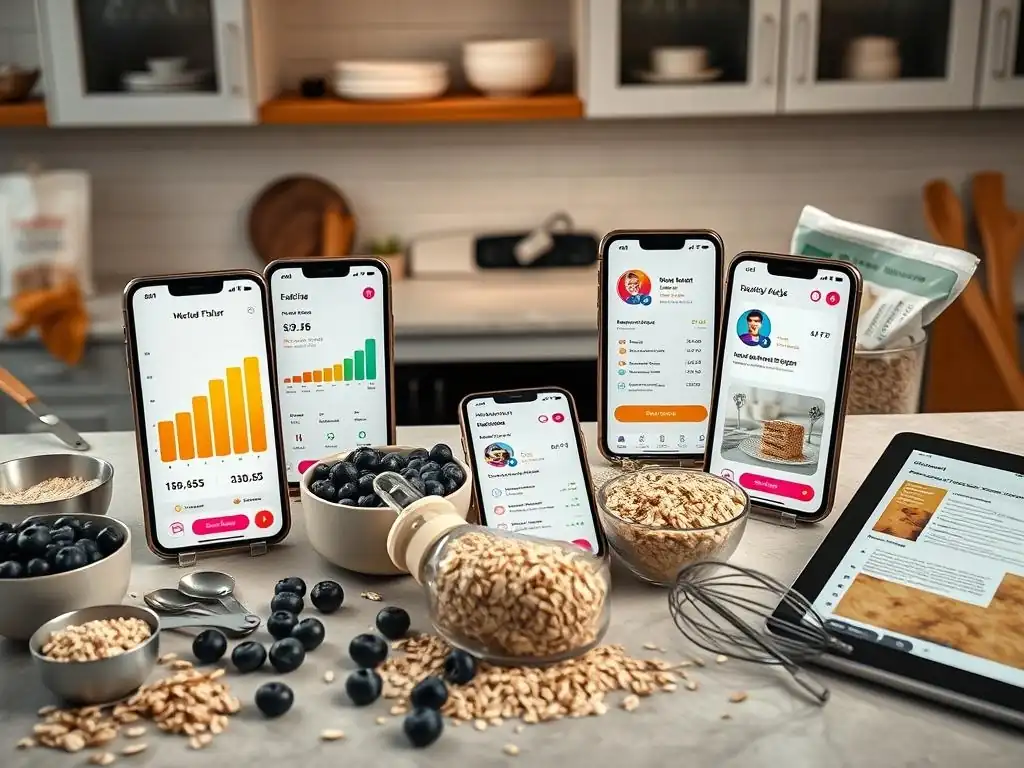
Factors to Consider When Choosing a Baking Nutrition App
Choosing the right nutritional app for baking depends on your specific needs and baking habits. Several factors should weigh into your decision.
- Ease of Use and Interface: The app should have a user-friendly interface that makes it easy to input ingredients, quantities, and recipe details. Navigating through databases, viewing nutritional breakdowns, and saving recipes should be intuitive. A clunky or complicated interface can quickly make the task feel like a chore. Look for apps with clear menus and straightforward data entry processes.
- Database Size and Accuracy: A large and accurate database of ingredients is crucial. The app should include common baking staples (various flours, sugars, fats, leaveners) as well as more specific items (different types of chocolate, nuts, seeds, fruits). The nutritional data for these ingredients must be reliable, ideally sourced from reputable databases like the USDA or equivalent national standards. Some apps allow you to add custom ingredients if something isn't in their database.
- Recipe Import Capabilities: While manual entry is standard, some apps offer features to import recipes from websites or allow you to copy and paste ingredient lists, which can be a significant time-saver. The ability to easily scale a recipe and automatically recalculate nutritional values is also a highly valuable feature for bakers.
- Cost and Subscription Models: Nutritional apps for baking come in various pricing models. Many offer a free basic version with core features like ingredient search and basic nutritional analysis. Premium versions, often requiring a monthly or annual subscription, unlock advanced features like detailed micronutrient breakdowns, recipe saving limits, ad removal, and specialized tracking tools. Consider your budget and how frequently you plan to use the app when deciding if a paid version is worthwhile.
The Best Nutritional Apps for Baking in 2024: Our Top Picks
Here are some of the top nutritional apps for baking that bakers commonly use, leveraging their features for recipe analysis.
-
Nutracheck: The Comprehensive Nutritional Powerhouse
Nutracheck is known for its extensive UK-focused food database, boasting over 300,000 products and 100,000 generic foods. While much of its strength is in tracking packaged foods, its large database of generic ingredients makes it highly useful for baking. Users can easily find nutritional data for flours, sugars, fats, fruits, and other common baking components. The app provides detailed breakdowns of calories, macros, and even micronutrients, allowing for thorough analysis of recipes.
For bakers, the ability to add multiple ingredients to a "meal" (which can represent a recipe) and then calculate the total nutrition is key. You input the weight or volume of each ingredient used in your recipe, and Nutracheck aggregates the data. Once the recipe is complete, you can specify how many servings it yields to get the nutrition per serving. While primarily a general food tracker, its robust ingredient database and detailed reporting make it a powerful tool for baking nutrition calculations.
-
MyFitnessPal: Leveraging a General App for Baking Specifics
MyFitnessPal is one of the most popular calorie and macro tracking apps globally, with a user base in the hundreds of millions. Its strength for bakers lies in its absolutely massive database, which includes a vast array of basic ingredients as well as user-contributed data. While user-contributed data can sometimes be inaccurate, the database for common baking ingredients is generally reliable and extensive, covering different brands and types of flour, sugar, butter, etc.
Bakers can create custom "Recipes" within MyFitnessPal by adding each ingredient and its quantity. The app then calculates the total nutrition for the entire recipe. You specify the number of servings, and it provides the nutrition per serving, including calories, fat, protein, carbs, sugar, and fiber. Its widespread use means it's easy to find data, and the recipe creation feature is straightforward, making it an accessible option for basic baking nutrition analysis, although it might lack the deep dive into micronutrients found in more specialized apps.
-
Cronometer: Precision Nutritional Analysis for the Discerning Baker
Cronometer stands out for its emphasis on data accuracy and detailed nutritional breakdowns, including a wide range of vitamins and minerals. It primarily uses verified data sources like the USDA FoodData Central, making its ingredient information highly reliable. This focus on accuracy is particularly valuable for bakers who need precise data, perhaps for dietary restrictions or nutritional research.
The app allows users to build custom recipes by adding ingredients and their quantities. Cronometer provides a comprehensive nutritional report for the total recipe and per serving, covering not just macros but also a detailed profile of micronutrients. This means you can see not only the calorie and sugar content of your cake but also its contribution to iron, calcium, or Vitamin C intake. While its interface might be slightly less polished than MyFitnessPal for some users, its commitment to detailed and accurate data makes it a top choice for bakers focused on the full nutritional spectrum.
-
Lose It!: A User-Friendly Option for Calorie and Macro Tracking
Lose It! is another popular calorie-counting app known for its clean interface and ease of use. It features a large food database, including many common baking ingredients. The app's focus is primarily on calorie and macronutrient tracking, making it suitable for bakers focused on these aspects of their recipes.
Similar to other general tracking apps, Lose It! allows users to create custom recipes by adding ingredients. You input the ingredients and quantities, and the app calculates the total calories, fat, protein, and carbohydrates for the batch. You then divide this by the number of servings. While it may not offer the extensive micronutrient data of Cronometer or the vast user-contributed database of MyFitnessPal, its simplicity and focus on key nutritional metrics make it a friendly option for bakers who want a straightforward way to get basic nutritional information for their creations.
-
Yazio: Simplifying Nutrition Tracking for Baking Enthusiasts
Yazio is a European-based nutrition app that has gained popularity for its user-friendly interface and comprehensive features, including calorie counting, meal planning, and activity tracking. Its food database includes a good range of basic ingredients relevant to baking.
Yazio allows users to create custom recipes, adding ingredients and their amounts to get a nutritional summary for the entire recipe. This summary typically includes calories, protein, fat, and carbohydrates. The app makes it easy to calculate the nutrition per serving once you've determined the total yield of your baked good. While its database might be more focused on European food items, it still provides sufficient coverage for standard baking ingredients, making it a solid choice for bakers looking for an intuitive app to track the basic nutritional profile of their recipes.
Comparison Table: Nutritional Apps for Baking at a Glance
| App Name | Key Features | Pricing | Best For |
|---|---|---|---|
| Nutracheck | Large UK/Generic database, detailed breakdown | Free / Premium | UK bakers, detailed nutrition analysis |
| MyFitnessPal | Huge user database, easy recipe creation | Free / Premium | Beginners, quick macro checks, large ingredient variety |
| Cronometer | Verified data sources, extensive micronutrients | Free / Premium | Precision tracking, health professionals, detailed nutrient profiles |
| Lose It! | Clean interface, user-friendly calorie/macro focus | Free / Premium | Easy calorie/macro tracking, straightforward use |
| Yazio | Intuitive design, meal planning integration | Free / Premium | European users, simple nutrition overview |
Maximizing Your Baking Nutrition with the Right Tools
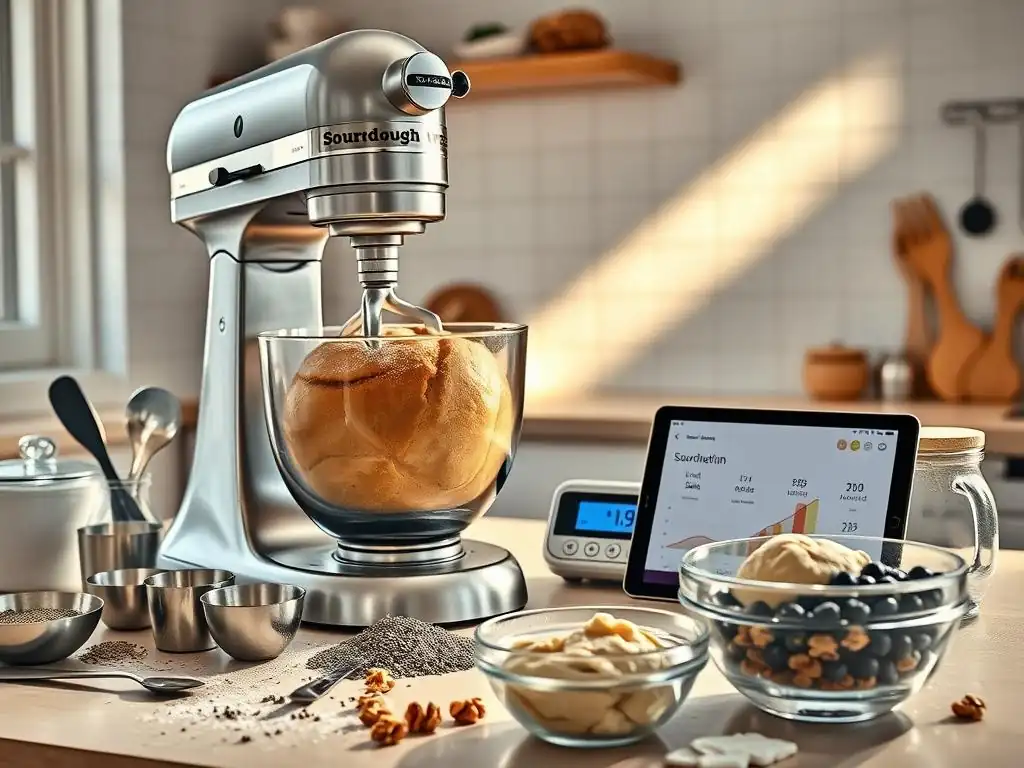
How to Accurately Input Recipes into Nutritional Apps
Accuracy is key when using nutritional apps for baking. To get reliable results, you need to input your ingredients precisely. The most accurate method is to weigh your ingredients using a kitchen scale rather than relying solely on volume measurements (like cups or spoons).
For example, a cup of flour can vary significantly in weight depending on how it's scooped and leveled, potentially by 20% or more. Weighing ensures you're tracking the exact amount of each ingredient by mass, which nutritional databases use as their standard. Input the weight (in grams or ounces) for each ingredient into the app's recipe builder.
Once all ingredients are added, specify the total yield of your baked good. This is often measured by the total weight of the finished product, the number of servings, or the number of individual items (like cookies or muffins). If you're tracking by weight, weigh the entire batch after baking and cooling. If tracking by servings or items, count the total number.
Input this yield information into the app. The app will then divide the total nutritional values of all ingredients by the number of servings or the total weight to give you the nutrition per serving or per gram/ounce. Remember to account for any significant loss during baking, though for most home baking, this loss is minimal and often accounted for in standard nutritional data for cooked items.
Tips for Using Nutritional Apps to Adjust Recipes for Healthier Baking
Using nutritional apps for baking isn't just about tracking; it's a powerful tool for recipe development and optimization. One effective tip is to use the app to analyze your original recipe before making changes. This gives you a baseline nutritional profile. For example, you might analyze your classic brownie recipe and find it has 30g of sugar and 20g of fat per serving.
Next, use the app to model potential substitutions. Want to reduce sugar? Input the recipe again, but swap half the sugar for a sugar substitute or a natural sweetener like applesauce.
The app will instantly show you the new nutritional values, allowing you to see the impact on calories, sugar, and potentially fiber or fat. You can try different ratios or substitute ingredients (e.g., using Greek yogurt instead of some oil, or whole wheat flour for a portion of all-purpose) and compare the nutritional outcomes side-by-side within the app. This iterative process, guided by real data from your baking nutrition calculator, empowers you to make informed decisions about which substitutions offer the best nutritional improvement while you simultaneously test for taste and texture in the kitchen.
Understanding Macronutrient and Micronutrient Information for Baking
Understanding the macronutrient (macros) and micronutrient information provided by nutritional apps is vital for effective baking. Macros – carbohydrates, protein, and fat – provide calories and are needed in larger quantities.
- Carbohydrates (found in flours, sugars, fruits) are the primary energy source and impact texture and browning.
- Proteins (in flour, eggs, dairy, nuts) contribute to structure and browning.
- Fats (butter, oil, nuts, seeds) provide richness, moisture, and tenderness.
Tracking macros helps bakers understand the calorie density and energy balance of their creations. For instance, a high-fat cookie will be calorie-dense, while a high-protein bread will be more satiating.
Micronutrients, like vitamins and minerals, are needed in smaller amounts but are crucial for health. Nutritional apps that provide micronutrient data can show you if your baked goods contribute beneficial nutrients. Whole grain flours add fiber, B vitamins, and minerals like iron and magnesium.
Nuts and seeds offer healthy fats, protein, fiber, and various vitamins and minerals. Adding fruits can boost vitamin C and fiber. While baked goods are often seen as treats, understanding their micronutrient profile allows you to enhance their nutritional value where possible, perhaps by adding nutrient-dense ingredients like oats, flaxseed, or dried fruits, turning a simple snack into one that offers a little more nutritional bang for its caloric buck.
Leveraging Nutritional Apps for Special Dietary Needs (Gluten-Free, Vegan, etc.)
Nutritional apps for baking are indispensable tools for catering to special dietary needs. For those baking gluten-free, the app's database helps verify that individual ingredients like flours (rice, almond, coconut), starches (tapioca, potato), and leaveners are indeed gluten-free. More importantly, when using gluten-free flour blends or creating your own, you can input the blend's ingredients to get an accurate nutritional profile, which can differ significantly from wheat flour in terms of protein, fiber, and carbohydrate content. This is crucial because gluten-free baking often involves complex flour mixes.
For vegan baking, apps help ensure all ingredients are plant-based and provide a full nutritional picture. You can track protein content when substituting eggs or dairy, perhaps using ingredients like flax eggs, aquafaba, or plant-based milks and yogurts. The app helps you compare the protein and fat content of dairy butter versus vegan butter alternatives.
Furthermore, for specific diets like keto or low-carb, nutritional apps are essential for tracking net carbohydrates (total carbs minus fiber and sugar alcohols). Bakers can input low-carb ingredients like almond flour, coconut flour, and alternative sweeteners and use the app to verify that the final baked good meets the strict carbohydrate limits required by these diets. This allows for precise formulation of recipes for specific health or allergy requirements.
Real-World Examples: Baking Success Stories with Nutritional Apps

Case Study 1: Baker's Journey to Healthier Baking
Sarah, a home baker who loved making treats for her family, decided she wanted to reduce the amount of sugar and unhealthy fats they consumed. She started using a nutritional app for baking to analyze her existing recipes. Her family's favorite chocolate chip cookie recipe, for example, showed a calorie count of approximately 220 per cookie and 15g of sugar. This data was eye-opening. Sarah began experimenting, using the app to calculate the nutritional impact of each change.
She tried substituting half the butter with applesauce and reducing the sugar by 30%. The app immediately showed a reduction to about 180 calories and 10g of sugar per cookie. After testing the recipe in the kitchen and making minor adjustments for texture, she settled on a modified version that her family still loved, but with a significantly improved nutritional profile.
Over six months, by applying this process to several favorite recipes like muffins, cakes, and brownies, Sarah estimated her family consumed roughly 30% less sugar and 20% less saturated fat from baked goods weekly, all while still enjoying their treats. The nutritional app provided the data-driven insights she needed to make these healthier swaps effectively.
A small local bakery, "The Daily Crumb," wanted to expand its customer base by offering options for health-conscious individuals and those with dietary restrictions. They decided to develop a line of high-fiber, low-sugar muffins and gluten-free bread. To accurately market these products and provide transparency, they needed precise nutritional information for each item. They integrated a nutritional app for baking into their recipe development process.
For the high-fiber muffins, they used the app to analyze different combinations of whole wheat flour, oats, flaxseed, and fruit, tracking fiber content per serving. They aimed for at least 5g of fiber per muffin. By inputting various ingredient ratios, they quickly identified combinations that met their target.
For the gluten-free bread, they used the app to ensure accuracy in calculating calories, protein, and carbohydrates for their blend of alternative flours and starches. They also used it to double-check ingredients against a gluten-free database. This allowed them to confidently list accurate nutritional information on their packaging and website, including statements like "7g Fiber per Muffin" or "Gluten-Free & 8g Protein per Slice," which attracted new customers looking for these specific benefits.
Recipe Optimization Example: Reducing Sugar in Recipe Using Nutritional Analysis
Let's walk through a simplified example of optimizing a basic scone recipe to reduce sugar using a nutritional app.
Original Recipe (approximated):
- 2 cups All-Purpose Flour (approx. 240g)
- 1/4 cup Granulated Sugar (approx. 50g)
- 1 tsp Baking Powder
- 1/2 tsp Salt
- 1/4 cup Cold Butter, cubed (approx. 56g)
- 1/2 cup Milk (approx. 120g)
- Yield: 8 scones
Inputting these ingredients and weights into a baking nutrition calculator shows the total sugar for the batch is 50g. For 8 scones, that's about 6.25g of sugar per scone.
Now, let's optimize by reducing sugar.
Optimized Recipe (approximated):
- 2 cups All-Purpose Flour (approx. 240g)
- 2 tbsp Granulated Sugar (approx. 25g) - Half the original amount
- 1 tsp Baking Powder
- 1/2 tsp Salt
- 1/4 cup Cold Butter, cubed (approx. 56g)
- 1/2 cup Milk (approx. 120g)
- Yield: 8 scones
Inputting this modified recipe into the app shows the total sugar for the batch is now 25g. Per scone, this is reduced to about 3.13g of sugar.
Original Scones:
- Sugar per scone: ~6.25g

Optimized Scones:
- Sugar per scone: ~3.13g
This simple analysis, easily performed by a nutritional app for baking, clearly demonstrates the impact of the ingredient change. While taste and texture testing would still be required, the app provides objective data on the nutritional improvement, confirming a significant reduction in sugar per serving before you even bake. This is the power of leveraging these tools.
Conclusion: Bake with Confidence and Nutritional Awareness
The Future of Nutritional Baking Apps
The future of nutritional apps for baking is likely to see even greater integration and sophistication. We can anticipate features like more advanced AI-driven recipe analysis that can suggest ingredient substitutions based on desired nutritional outcomes (e.g., "make this recipe higher in fiber" or "reduce saturated fat by 10%"). Databases will continue to grow, potentially including more artisanal or regional ingredients.
Integration with smart kitchen scales or other devices could automate the ingredient input process further. Furthermore, as understanding of personalized nutrition grows, apps might offer insights tailored to individual dietary profiles or health conditions, making baking for specific needs even more precise and accessible. The evolution of these baking nutrition calculator tools promises to make healthy and informed baking easier than ever.
Choosing the Right App for Your Baking Needs: Key Takeaways
Selecting the best nutritional app for your baking journey boils down to your primary goals and how you plan to use the tool. If you're just starting out and want a simple way to track calories and macros for common recipes, a user-friendly app like MyFitnessPal or Lose It! might be sufficient, leveraging their large, accessible databases. If you require highly accurate data and detailed micronutrient breakdowns, especially for health reasons or professional use, Cronometer's verified data sources are a strong advantage. For bakers in the UK, Nutracheck offers a comprehensive database of local products alongside generic ingredients.
Consider the cost – are you comfortable with a free version's limitations, or do you need the advanced features offered by a premium subscription? Think about your workflow – do you need easy recipe import features, or are you fine with manual entry? Ultimately, the right baking nutrition calculator is one you will use consistently. Many offer free trials, so exploring a couple of options is the best way to find the perfect fit for your baking style and nutritional goals.
Start Baking Smarter Today: Download Your Nutritional App!
Gone are the days of guessing the nutritional content of your homemade treats. With the array of powerful nutritional apps for baking available today, you have the tools at your fingertips to understand exactly what goes into your body and the bodies of those you bake for. Whether you're looking to reduce sugar, boost fiber, cater to allergies, or simply be more informed, a baking nutrition calculator can provide the data you need to make smarter choices in the kitchen.
Embrace the combination of culinary creativity and nutritional awareness. Use these apps to analyze your favorite recipes, experiment with healthier ingredient swaps, and confidently bake goods that are not only delicious but also align with your health objectives. Start exploring the options today and take the first step towards becoming a more informed, health-conscious, and skilled baker. Happy baking!
Frequently Asked Questions
What are nutritional apps for baking, and why should I use them?
Nutritional apps for baking are tools that help you calculate the nutritional content of your baked goods. They are useful for tracking calories, macros, and micronutrients, especially if you have dietary restrictions or health goals.
How do nutritional apps for baking help with recipe modification?
These apps allow you to see the impact of ingredient substitutions on the nutritional profile. You can experiment with healthier alternatives while maintaining the desired taste and texture.
Can nutritional apps for baking assist with portion control in baking?
Yes, they allow you to accurately calculate the nutrition per serving. This helps with portion management and ensures you are staying within your desired dietary targets.
Are nutritional apps for baking only for experienced bakers?
Not at all! They are user-friendly and beneficial for bakers of all skill levels. Beginners can use them to understand the nutritional composition of their creations from the start.
Where can I find the best nutritional apps for baking that are compatible with BakeWithEase recipes?
Many apps are compatible! Look for apps with extensive food databases and custom recipe input features. Research online reviews and consider free trials to find the best fit for your BakeWithEase recipes.
Final Reflection: Baking a Healthier Future, One App at a Time
The rise of nutritional awareness in the kitchen is undeniable, and baking, once a bastion of indulgence, is now embracing a healthier, more informed approach. This guide has explored the diverse landscape of nutritional apps designed to streamline the process of creating delicious and nutritious baked goods, proving that you truly can have your cake and eat it too (healthily, of course!). The convenience and precision these apps offer are transforming how we approach baking, making healthier choices accessible to everyone.
The impact of these apps extends beyond simple calorie counting; they foster a deeper understanding of ingredients and their nutritional profiles. They empower us to make conscious decisions, experimenting with healthier alternatives without sacrificing taste or texture. This shift towards mindful baking is a powerful movement, reflecting a broader cultural shift towards wellness and sustainability. The best way to find yourself is to lose yourself in the service of others.
– Mahatma Gandhi. While not directly about baking, this quote speaks to the broader impact of mindful food choices – a commitment to well-being that extends beyond ourselves and influences our communities.
Now, it's your turn. Consider how you can integrate these tools into your own baking journey. Experiment with different apps, explore new ingredients, and don't be afraid to tweak recipes to better suit your nutritional needs and preferences. The power to bake smarter, not harder, is in your hands. Embrace this opportunity to create delicious and healthy treats that nourish both your body and soul. Let's bake a healthier future, together.
Unleash Your Inner Baking Genius!
Thanks for diving into the world of nutritional baking apps with us! We hope you've discovered new ways to create delicious and healthy treats. Now it's time to put your newfound knowledge into action.
- Dive into the app world: Explore at least one of the nutritional apps we highlighted and start planning your next baking adventure. Try a new recipe and track its nutritional profile! This is the core action we want readers to take.
- Share your creations: Post pictures of your healthy baked goods on social media, tagging #BakeWithEase and showing off your baking prowess.
- Join the conversation: Let us know in the comments which app you're most excited to try and what you plan to bake first!
What incredible, healthy recipe will you bake first?