
The Secret Ingredient for Healthier Baking: Nutritional Calculator Apps

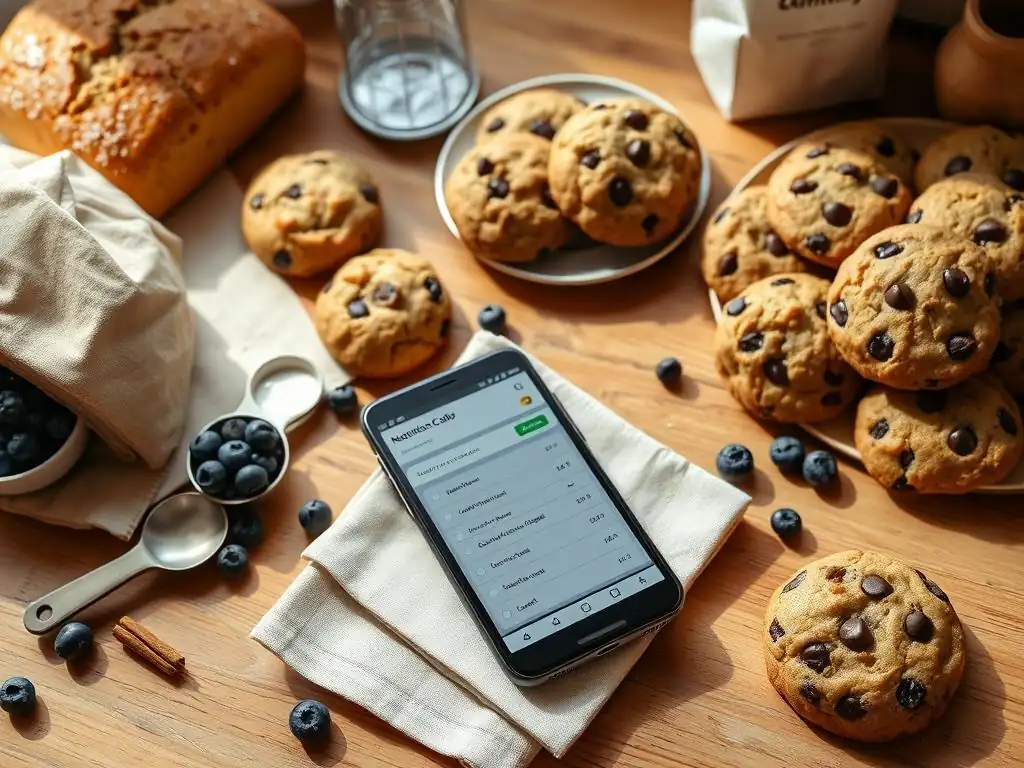
Welcome to BakeWithEase, your trusted guide in the delightful world of baking! Are you ready to unlock the secret to creating delicious and healthier treats? This week, we're diving deep into the world of nutritional calculator baking apps, revealing how these powerful tools can transform your recipes and empower you to bake with confidence. Curious to know how you can precisely track calories, macros, and more, all while creating mouthwatering masterpieces? Let's explore!
- Mastering Nutrition in Baking: The Power of Calculator Apps
- Bake Smarter: Enhance Baking with Nutritional Calculator Apps
- Why Use Nutritional Calculator Baking Apps? Benefits for Bakers
- Top Nutritional Calculator Baking Apps for Bakers
- How to Choose the Right Nutritional Calculator for Your Baking Needs
- Maximizing the Benefits of Nutritional Calculator Baking Apps
- Case Studies: Real-World Examples of Baking with Apps
- The Future of Baking: Technology and Nutrition
-
Frequently Asked Questions
- What exactly are Nutritional Calculator Baking Apps?
- Why would a baker use a Nutritional Calculator Baking App?
- How accurate are the nutritional calculations provided by these apps?
- Are these apps only for professional bakers, or can home bakers benefit too?
- What are some key features to look for in a good Nutritional Calculator Baking App?
- Final Reflection: Sweetening the Deal: The Future of Healthy Baking
- Unlock Your Baking Potential: Start Baking Healthier Today!
Mastering Nutrition in Baking: The Power of Calculator Apps
Bake Smarter: Enhance Baking with Nutritional Calculator Apps
Welcome to BakeWithEase, where we believe baking should be joyful and accessible! While the focus is often on flavor and texture, understanding the nutritional profile of your baked goods is becoming increasingly important for many home bakers. Whether you're baking for dietary restrictions, health goals, or simply curiosity, knowing exactly what goes into your treats empowers you to make smarter choices. This is where the magic of a nutritional calculator baking app comes in, transforming your kitchen into a data-driven laboratory of deliciousness.
Embracing technology in the kitchen isn't just about fancy gadgets; it's about gaining insights that improve your baking and align with your lifestyle. A dedicated nutritional calculator baking app or a general nutrition tracking app with robust recipe analysis features can take the guesswork out of understanding the calories, macronutrients, and micronutrients in every slice of cake or loaf of bread. It’s a powerful tool for anyone looking to bake healthier versions of their favorites or develop recipes tailored to specific nutritional targets.
Why Use Nutritional Calculator Baking Apps? Benefits for Bakers
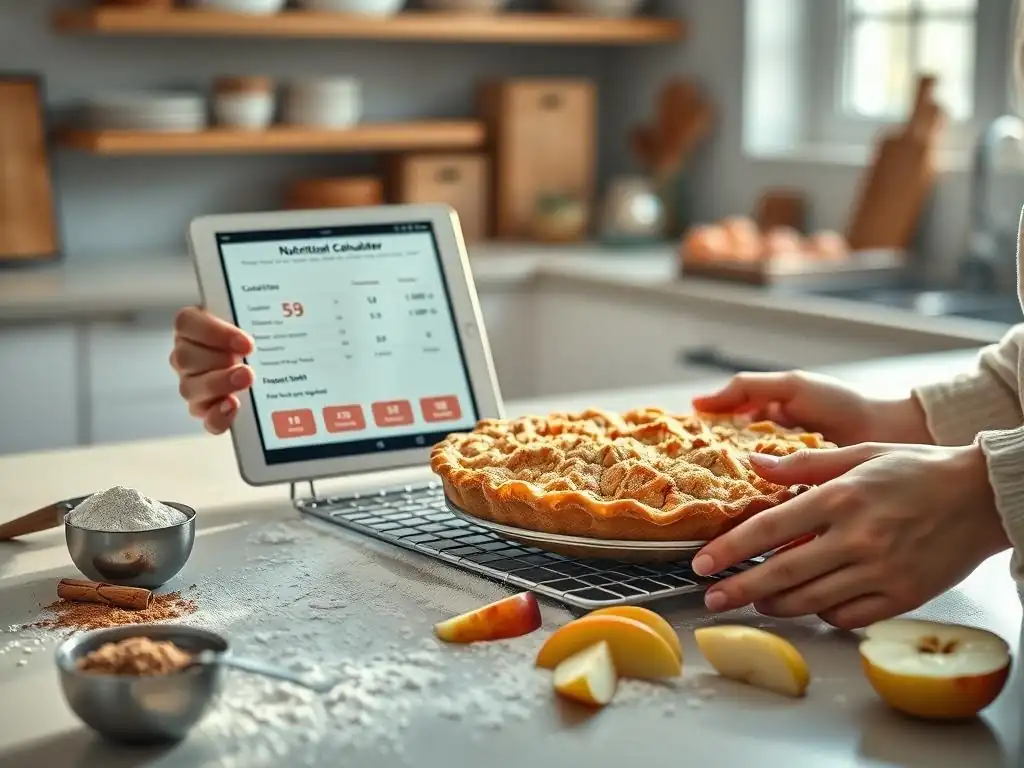
Using a nutritional calculator baking app offers a multitude of advantages beyond just satisfying curiosity. For the modern baker, these tools provide precision and control, allowing for intentional recipe development and adaptation. They bridge the gap between traditional baking methods and contemporary health consciousness, making it easier than ever to create delicious treats that also meet specific dietary or nutritional requirements.
These powerful apps act as your personal food scientist, breaking down complex ingredient lists into digestible nutritional data. They help you move from estimating nutritional content based on general ingredient knowledge to having accurate, per-serving details for your unique creations. This level of detail is invaluable for bakers aiming for consistency, whether they are perfecting a low-carb cookie or ensuring their gluten-free bread has a balanced nutritional profile.
Accurately Track Calories and Macros in Baked Goods
One of the primary benefits of using a nutritional calculator baking app is the ability to precisely track the caloric content and macronutrient breakdown of your recipes. Traditional methods of estimating nutrition can be highly inaccurate due to variations in ingredient brands, measurements, and preparation methods. An app allows you to input exact quantities of specific ingredients, providing a far more reliable analysis of calories, protein, carbohydrates, and fats per serving.
For instance, consider a standard batch of brownies. Depending on the amount of sugar, butter, and chocolate used, the calorie count per brownie can vary significantly, perhaps from 250 to over 400 calories.
A nutritional calculator baking app lets you enter the precise weight or volume of each ingredient you used, calculate the total nutrition for the batch, and then divide it by the number of servings, giving you an accurate figure – say, 320 calories, 18g of fat, 35g of carbs, and 4g of protein per serving. This level of detail is essential for anyone tracking their intake for health or fitness goals.
Adapt Recipes for Dietary Needs: Gluten-Free, Keto, and More
Nutritional calculator baking apps are indispensable tools for adapting recipes to meet specific dietary needs, such as gluten-free, ketogenic, vegan, or low-sugar diets. By analyzing the nutritional profile of an original recipe, you can identify areas for modification and then use the app to see how ingredient substitutions impact the overall nutrition. This iterative process allows you to fine-tune recipes until they meet the desired criteria.
For example, if you want to create a keto-friendly version of a muffin recipe, you might replace wheat flour with almond flour, sugar with a sugar substitute like erythritol, and dairy milk with almond milk. Inputting these substitutions into a nutritional calculator baking app immediately shows the changes in net carbs, fat, and protein.
A traditional muffin might have 40g of total carbs and 2g of fiber, resulting in 38g net carbs. The keto version, analyzed with the app, might show 8g total carbs and 4g fiber, resulting in just 4g net carbs per serving, confirming its suitability for a ketogenic diet.
Make Informed Ingredient Choices for Healthier Baking
Using a nutritional calculator baking app encourages more informed decision-making about the ingredients you use. By seeing the nutritional impact of different options side-by-side within the app, you can easily identify healthier alternatives without sacrificing flavor or texture. This goes beyond simple substitutions and involves understanding the nutrient density of various ingredients.
For instance, comparing different types of flour reveals significant nutritional differences. While all-purpose flour might have around 100 calories and 21g of carbs per 1/4 cup, whole wheat flour offers similar calories and carbs but adds more fiber (around 3g vs 1g) and protein.
Swapping white sugar for maple syrup or honey changes not just the sugar content but also adds trace minerals. A nutritional calculator baking app allows you to see these differences quantified, helping you choose ingredients that contribute positively to the overall nutritional value of your baked goods, such as opting for healthy fats like olive oil over saturated fats like butter in certain recipes to reduce saturated fat content by perhaps 30-50%.
Top Nutritional Calculator Baking Apps for Bakers
Choosing the right nutritional calculator baking app depends on your specific needs and preferences. Several popular apps and online tools offer features beneficial for analyzing baking recipes, each with its own strengths. Exploring these options can help you find the perfect digital companion for your baking journey.
Carb Manager: Focus on Net Carbs for Keto and Low-Carb Baking
Carb Manager is a highly popular nutritional calculator baking app, particularly favored by those following ketogenic or low-carb diets. Its strength lies in its robust database and its ability to accurately calculate net carbs by subtracting fiber and sugar alcohols from total carbohydrates. This feature is crucial for keto bakers who need precise carbohydrate tracking.
The app allows users to create custom recipes by adding ingredients from its extensive database or by manually entering nutritional information for unique items. Once a recipe is saved, Carb Manager provides a detailed breakdown of total carbs, fiber, sugar alcohols, and net carbs per serving, alongside other macronutrients and calories. This makes it incredibly easy to formulate, track, and modify low-carb baking recipes, ensuring they meet specific dietary macros, such as aiming for less than 5g net carbs per serving.
Cronometer: Precise Nutrient Tracking for Baking and Beyond
Cronometer is renowned for its accuracy and comprehensive database, which includes micronutrients in addition to macronutrients. While not exclusively a nutritional calculator baking app, its powerful custom recipe builder makes it an excellent tool for analyzing baked goods in detail. It pulls data primarily from verified sources like the USDA database, ensuring high data integrity.
When building a recipe in Cronometer, you can add ingredients with very specific details, often including brand information. The app then calculates a complete nutritional profile, including vitamins and minerals, for the entire batch and per serving. This is particularly useful for bakers looking not just at calories and macros, but also aiming to boost the micronutrient content of their creations, perhaps ensuring a bread recipe provides a certain percentage of the daily value for iron or B vitamins.
NutritionValue.org Recipe Analyzer: Free Online Tool for Nutritional Breakdown
For bakers seeking a free and accessible option, the recipe analyzer tool available on NutritionValue.org is a valuable resource. This online tool allows users to input ingredients and quantities from their recipes and generates a detailed nutritional report. While it might not have the sleek interface or advanced tracking features of paid apps, it provides a solid nutritional breakdown.
The NutritionValue.org tool uses a comprehensive food database to calculate calories, macronutrients, vitamins, and minerals. You simply list your ingredients and amounts (in grams or common household measures), and the tool calculates the total nutrition for the batch. You can then specify the number of servings to get per-serving information. This is a straightforward way to get a quick nutritional analysis of your favorite baking recipes without needing to download or subscribe to an app.
Verywell Fit: User-Friendly Interface for Tracking Baking Recipes
Verywell Fit offers a user-friendly platform that includes a recipe nutrition calculator feature. While it serves as a general health and fitness tracker, its recipe analysis capabilities are well-suited for home bakers. The intuitive interface makes it easy to input ingredients and get a clear nutritional summary.
Similar to other tools, you add ingredients and their quantities to create a custom recipe. Verywell Fit then calculates the calories, fat, carbohydrates, protein, and several other nutrients per serving. Its appeal lies in its simplicity and ease of use, making it a good option for bakers who are new to using nutritional calculator baking apps or who prefer a less complex interface for analyzing their recipes. It provides a clear overview that helps in quickly understanding the nutritional impact of ingredient choices, potentially showing how swapping white sugar for applesauce could reduce calories by 10-20% while adding fiber.
How to Choose the Right Nutritional Calculator for Your Baking Needs
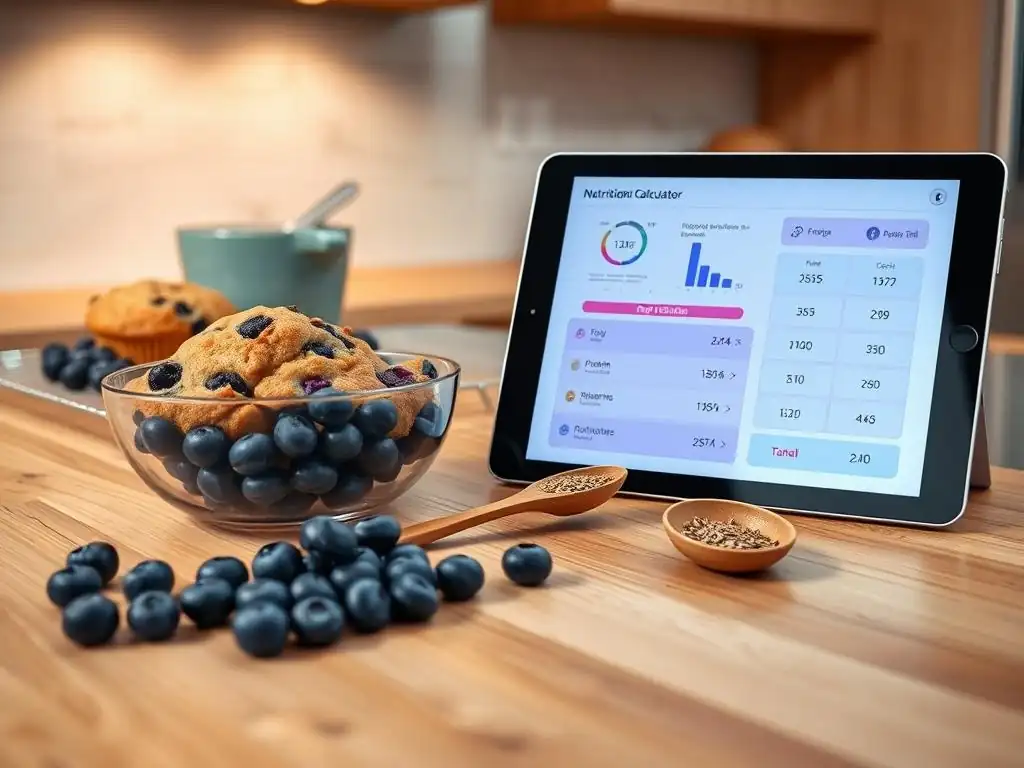
Selecting the ideal nutritional calculator baking app involves considering several factors to ensure it aligns with your baking habits, dietary goals, and technical preferences. Not every app is created equal, and what works perfectly for one baker might not be the best fit for another. Taking the time to evaluate your options based on key criteria will lead you to a tool that genuinely enhances your baking experience.
- [ ] Define your primary goal (e.g., keto baking, general health, tracking micronutrients).
- [ ] Consider your budget (free vs. subscription options).
- [ ] Assess your comfort level with technology and data input.
- [ ] Look for apps with a large, verified food database.
- [ ] Check for recipe import/export capabilities if you have many existing recipes.
Making an informed decision ensures you choose a nutritional calculator baking app that you will actually use regularly. A tool that is difficult to navigate or doesn't provide the specific data you need will quickly become neglected, defeating the purpose of investing time in nutritional analysis.
Evaluate Features: Recipe Input, Database Accuracy, and Usability
When evaluating nutritional calculator baking apps, pay close attention to their core features. How easy is it to input a complex baking recipe with multiple ingredients? Does the app allow you to specify units like grams, cups, or tablespoons accurately? The ingredient database is paramount; ensure it is extensive, includes common baking ingredients (like various flours, sugars, fats, leavening agents), and ideally allows for adding custom ingredients or brands with their specific nutrition facts. The accuracy of this database directly impacts the reliability of your recipe analysis.
Furthermore, consider the overall usability of the app. Is the interface intuitive and easy to navigate? Can you easily adjust serving sizes or modify recipes? A good nutritional calculator baking app should streamline the process of analyzing your creations, not complicate it. Look for features like the ability to save recipes, organize them into categories, and easily view the nutritional breakdown per serving in a clear format. Some apps even offer barcode scanning for packaged ingredients, which can save time during input.
Consider User Interface for an Efficient Baking Workflow
The user interface (UI) of a nutritional calculator baking app significantly impacts how efficiently you can integrate it into your baking workflow. A cluttered or confusing interface can make recipe analysis a chore, while a clean and logical design encourages regular use. Think about how you typically work in the kitchen – you need tools that are quick to access and easy to understand, even when your hands might be covered in flour!
An efficient UI will allow you to quickly find ingredients, input quantities, and view the nutritional results without unnecessary steps or distractions. Look for apps that present information clearly, perhaps using charts or graphs to visualize macronutrient ratios or calorie distribution. Features like auto-saving recipes, easy editing, and the ability to duplicate recipes for modification can also save considerable time and frustration, making the nutritional analysis process a seamless part of your baking routine rather than a separate, cumbersome task.
Price and Subscription Options: Balancing Cost and Value
Nutritional calculator baking apps come in various pricing models, from completely free to subscription-based services with monthly or annual fees. Your budget is a key consideration, but it's also important to balance cost with the value and features offered. Free apps like NutritionValue.org provide basic analysis, which might be sufficient for many home bakers.
However, paid subscription apps often offer more advanced features, a larger and more accurate database, better usability, and additional tools like progress tracking or integration with other health apps. For serious bakers who frequently adapt recipes or bake for specific, strict diets, the investment in a paid nutritional calculator baking app might be well worth it for the enhanced accuracy and features.
Evaluate the cost against the benefits – does the app save you significant time, provide crucial data you can't get elsewhere, or offer premium features that are essential for your goals? Many paid apps offer free trials, allowing you to test their functionality before committing financially.
Maximizing the Benefits of Nutritional Calculator Baking Apps
Simply having a nutritional calculator baking app isn't enough; getting the most out of it requires accurate input and strategic use. By following best practices for entering your recipes and actively using the data to inform your baking decisions, you can unlock the full potential of these tools and truly master the nutrition of your baked goods.
Accurately Inputting Recipes: Best Practices for Precise Analysis
The accuracy of the nutritional analysis provided by your app is directly dependent on the accuracy of the data you input. For the most precise results, measure ingredients by weight whenever possible, especially for dry goods like flour, sugar, and leavening agents. Volume measurements (cups, tablespoons) can vary significantly based on how ingredients are packed, leading to potential inaccuracies in nutritional calculations.
When adding ingredients, be specific. Instead of just "flour," specify "all-purpose wheat flour" or "almond flour." If using a packaged ingredient with known nutrition facts (like a specific brand of chocolate chips or protein powder), use the option to create a custom ingredient or select that specific brand from the app's database if available. Remember to include every ingredient, no matter how small the amount, as even leavening agents or spices can contribute trace nutrients. Finally, be precise about the total yield of your recipe and the number of servings, ensuring the per-serving nutrition is calculated correctly.
Experimenting with Healthy Ingredient Substitutions: Reducing Sugar, Fat, and Gluten
A nutritional calculator baking app is an excellent tool for experimenting with healthier ingredient substitutions. Once you have analyzed the original recipe, you can identify areas where you might want to reduce components like sugar, saturated fat, or gluten, or increase fiber or protein. Use the app to test the nutritional impact of swapping ingredients.
For example, if you want to reduce sugar, input the recipe and note the sugar content. Then, create a copy of the recipe within the app and replace some or all of the sugar with a sugar substitute or a natural sweetener like applesauce or mashed bananas. The app will instantly recalculate the nutrition, showing the reduction in sugar and calories. Similarly, you can test replacing butter with a liquid oil or applesauce to reduce saturated fat, or using gluten-free flour blends to change the carbohydrate and fiber profile, all while seeing the numbers change in real-time.
Monitoring Progress and Optimizing Recipes for Nutrition
Beyond analyzing individual recipes, nutritional calculator baking apps can help you monitor the overall nutritional profile of your baking over time and optimize recipes for specific goals. If you are consistently baking for a low-sugar diet, the app can help you track the average sugar content across your favorite recipes and identify which ones still need adjustment.
By saving and comparing different versions of the same recipe (e.g., "Chocolate Chip Cookies - Original," "Chocolate Chip Cookies - 25% Less Sugar," "Chocolate Chip Cookies - Gluten-Free"), you can visually see the nutritional evolution. This allows you to systematically work towards optimizing your go-to recipes to better fit your health or dietary needs. It turns baking into a process of continuous improvement, where each batch can potentially be a step towards a healthier, yet equally delicious, outcome.
Case Studies: Real-World Examples of Baking with Apps
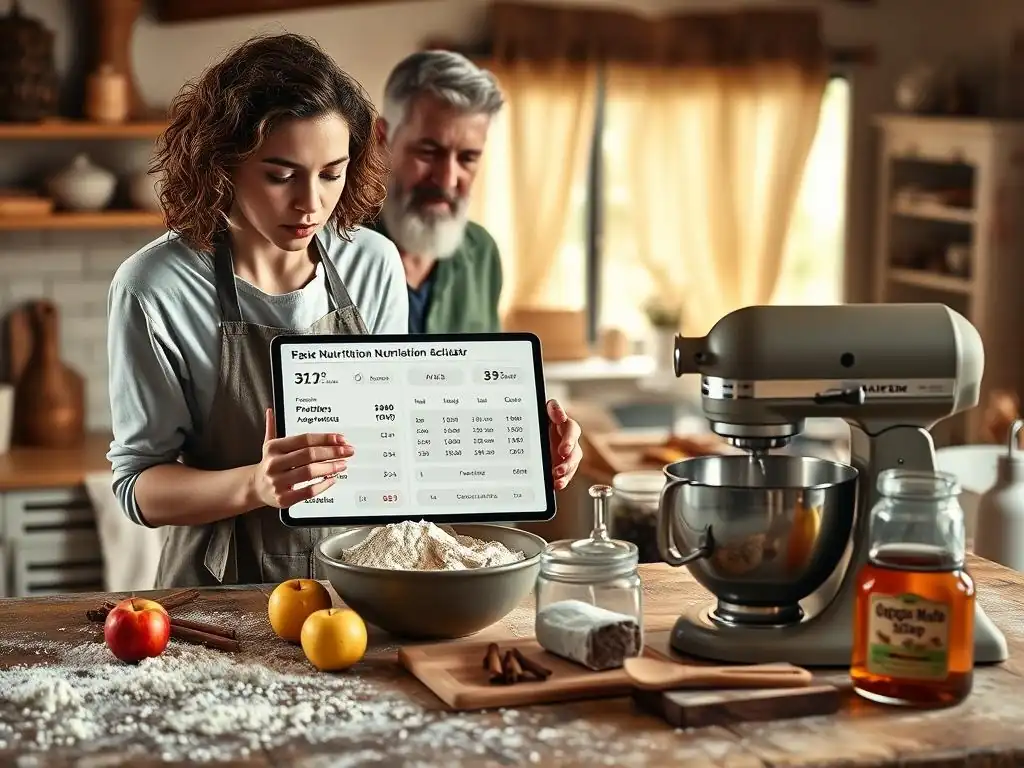
Seeing how others have successfully used nutritional calculator baking apps can provide inspiration and practical insights. These tools are not just for tracking; they are powerful aids for recipe development and modification, enabling bakers to achieve specific nutritional outcomes in their everyday baking.
Sarah, a home baker, wanted to make her family's beloved chocolate chip cookies a little healthier by reducing the sugar content. She decided to use the Carb Manager nutritional calculator baking app to guide her process. First, she meticulously entered her traditional recipe into the app, measuring all ingredients by weight. The analysis showed each cookie contained approximately 16g of sugar and 200 calories.
Aiming for a significant reduction, Sarah created a modified version in Carb Manager, replacing half of the granulated sugar with a blend of erythritol and stevia, and slightly reducing the chocolate chips. She re-calculated the recipe in the app, which instantly showed the sugar content per cookie dropping to about 8g – a 50% reduction! The calorie count also decreased to around 170 calories per cookie. Armed with this data, she baked the modified cookies, confident that she had achieved her nutritional goal while taste-testing to ensure the flavor remained delicious.
Creating Gluten-Free Banana Bread with Cronometer
Mark needed to bake gluten-free banana bread for a friend with celiac disease, but he also wanted to ensure it had a decent nutritional profile, particularly focusing on fiber. He turned to Cronometer, appreciating its detailed micronutrient tracking. He started with a standard banana bread recipe and analyzed it in Cronometer, noting its high gluten and relatively low fiber content (around 1.5g per slice).
Mark then adapted the recipe, replacing wheat flour with a gluten-free blend of almond flour, oat flour (certified GF), and a touch of tapioca starch, and adding ground flaxseed for extra fiber. He entered these new ingredients and quantities into Cronometer's recipe builder. The app recalculated the nutrition, confirming zero gluten per slice and showing a significant increase in fiber, jumping to approximately 4g per slice. Cronometer also provided a detailed breakdown of vitamins and minerals, assuring Mark that his gluten-free version maintained or even improved the micronutrient profile compared to the original.
The Future of Baking: Technology and Nutrition
The integration of technology into home baking, particularly through nutritional calculator baking apps, is just beginning. As these tools become more sophisticated and widely adopted, they will play an even larger role in how we approach baking, making it easier to create delicious treats that also support our health and wellness goals.
Advancements in Baking Analysis Technology
We can anticipate exciting advancements in the technology behind nutritional calculator baking apps. Future versions might incorporate more advanced features like predictive analysis, suggesting ingredient substitutions based on desired nutritional outcomes (e.g., "reduce saturated fat by 30%"). Integration with smart kitchen scales could potentially automate ingredient input, reducing the chance of human error and streamlining the process further.
Furthermore, databases will likely become even more comprehensive and granular, including a wider variety of specialty ingredients, regional products, and even specific brand data with higher accuracy. Imagine scanning a QR code on a bag of flour or a block of chocolate, and the app automatically pulls in its precise nutritional data. These technological improvements will make using a nutritional calculator baking app faster, more accurate, and more seamlessly integrated into the baking process.
Promoting Healthier Baking Habits Through App Integration
Nutritional calculator baking apps are not just tools for analysis; they are powerful enablers of healthier baking habits. By providing instant feedback on the nutritional impact of ingredient choices and modifications, they educate bakers and encourage them to experiment with healthier alternatives. This transparency empowers bakers to make conscious decisions about what goes into their food.
As these apps integrate further with other health and fitness platforms, they can provide a holistic view of diet and activity. A baker tracking their meals and workouts might see how incorporating a fiber-rich loaf of bread calculated by their nutritional calculator baking app fits into their daily goals. This connectivity promotes a greater awareness of nutrition and supports a lifestyle where delicious baking and healthy eating go hand-in-hand, making nutritional calculator baking apps a key ingredient in the future of home baking.
Frequently Asked Questions
What exactly are Nutritional Calculator Baking Apps?
These apps are digital tools designed to help bakers analyze the nutritional content of their recipes. They allow users to input ingredients and quantities to calculate calories, macronutrients, and micronutrients.
Why would a baker use a Nutritional Calculator Baking App?
Bakers might use them to create healthier recipes, track their dietary intake, or cater to specific dietary needs like gluten-free or vegan diets. It's about baking with awareness.
How accurate are the nutritional calculations provided by these apps?
Accuracy depends on the app's database and the user's input. While not perfect, they provide a good estimate when using standard ingredients and correct quantities.
Are these apps only for professional bakers, or can home bakers benefit too?
Absolutely! They are beneficial for all bakers, regardless of skill level. Home bakers can use them to make healthier choices and understand the nutritional impact of their baked goods.
What are some key features to look for in a good Nutritional Calculator Baking App?
Look for apps with a large ingredient database, the ability to save and modify recipes, and clear, easy-to-understand nutritional breakdowns. User-friendliness is also crucial.
Final Reflection: Sweetening the Deal: The Future of Healthy Baking
The rise of nutritional calculator apps signifies a powerful shift in how we approach baking, moving beyond simple recipes to a more mindful and personalized culinary experience. This isn't just about counting calories; it's about empowering individuals to create delicious treats that align with their specific dietary needs and health goals. The ability to fine-tune recipes for lower sugar, reduced fat, or increased fiber opens up a world of possibilities for healthier indulgence.
The impact of these apps extends far beyond individual kitchens; they are reshaping the landscape of healthy eating and challenging the long-held perception that healthy food must be bland or boring. The best way to find yourself is to lose yourself in the service of others.
While not directly about baking, this quote speaks to the broader impact of mindful food choices – a commitment to personal well-being that ripples outwards to influence our communities and our understanding of food itself. The accessibility of these apps democratizes healthy eating, making it less of a privilege and more of a practical possibility for everyone.
Now, it's your turn. Consider how you can incorporate the insights from this article into your own baking journey. Experiment with different nutritional calculator apps, explore new ingredient combinations, and most importantly, enjoy the process of creating delicious and nutritious treats. Don't be afraid to get creative, to adapt recipes to your preferences, and to share your healthy baking creations with others. The future of baking is sweet, healthy, and entirely within your control.
Unlock Your Baking Potential: Start Baking Healthier Today!
Thanks for taking the time to learn about healthier baking! We hope you discovered some delicious ways to enjoy your favorite treats without compromising your wellbeing. Now it's time to put your new knowledge into action.
- Calculate your nutritional needs: Use a nutritional calculator app to plan healthier recipes and track your progress. This is the key step to unlocking healthier baking!
- Share your success: Post a picture of your healthier bake on social media and tag #BakeWithEase – let's inspire each other!
- Explore new recipes: Dive into our recipe section (you can find it on the BakeWithEase website) for inspiration! Find some fun, healthier versions of your favourite bakes.
What's your favorite healthy baking swap? Let's hear about it in the comments!