
Beginner Baking Success: Start with Easy Drop Cookies

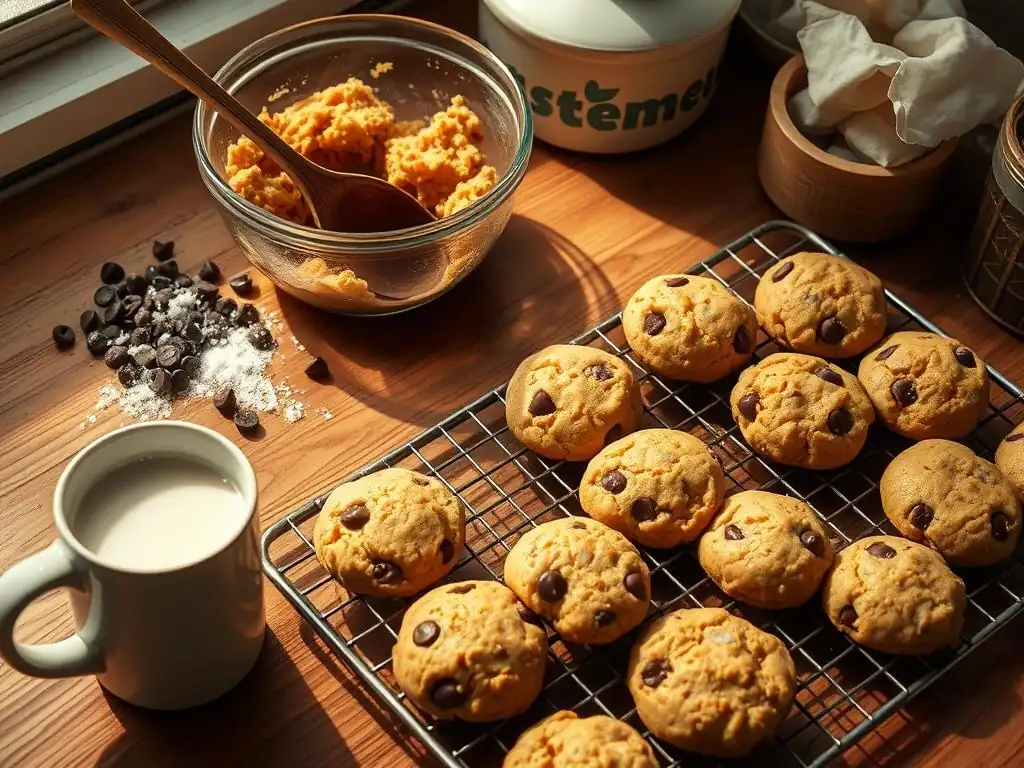
Welcome to BakeWithEase, where baking dreams become delicious realities! Are you ready to unlock the secrets to effortlessly impressive treats? Dive into our world of simple recipes and expert tips, starting with a cornerstone of baking bliss: easy drop cookies. This beginner recipe is your perfect launching pad – discover how to create mouthwatering cookies with minimal fuss and maximum flavor. What's the secret to achieving that perfect texture and taste? Keep reading to find out and begin your baking journey today!
- Beginner Baking Success: Start with Chocolate Chip Cookies
- BakeWithEase: Your Guide to Chocolate Chip Cookies for Beginners
- Why Chocolate Chip Cookies Are Perfect for Beginner Bakers
- Essential Tools and Ingredients for Your First Chocolate Chip Cookie Recipe
- The Ultimate Chocolate Chip Cookie Recipe for Beginners
- Troubleshooting Common Chocolate Chip Cookie Baking Problems
- Tips and Tricks for Perfect Chocolate Chip Cookies Every Time
- Storing Your Chocolate Chip Cookies to Keep Them Fresh
- Beyond the Basics: Expanding Your Beginner Baking Skills
- Enjoy Your Homemade Chocolate Chip Cookies!
-
Frequently Asked Questions
- What exactly are drop cookies, and why are they recommended for beginners?
- What are the essential ingredients needed for an easy drop cookie beginner recipe?
- What are some common mistakes beginners make when baking drop cookies, and how can I avoid them?
- How can I customize a basic drop cookie recipe to make it my own?
- Where can I find more easy drop cookie recipes specifically designed for beginners?
- Final Reflection: The Sweetness of Simple Beginnings
- Unlock Your Inner Baker: Delicious Drop Cookies Await!
Welcome to BakeWithEase! We're thrilled you're starting your baking journey, and what better way to begin than with classic chocolate chip cookies? These delightful treats are a fantastic entry point into the world of baking, offering a simple process with incredibly rewarding results. Our goal is to make this experience as easy and enjoyable as possible, guiding you through each step to ensure your first batch is a delicious success.
This guide focuses on providing a straightforward, reliable easy drop cookies beginner recipe. We believe that building confidence starts with simple wins, and mastering a basic chocolate chip cookie lays a strong foundation for tackling more complex recipes down the line. Get ready to fill your kitchen with the irresistible aroma of freshly baked cookies!
Chocolate chip cookies are a staple for a reason – they're universally loved and surprisingly forgiving for new bakers. Unlike delicate pastries or complex breads, an easy drop cookies beginner recipe typically involves straightforward mixing and baking steps. You don't need fancy equipment or advanced techniques to achieve a delicious outcome.
The process of making chocolate chip cookies is fundamentally simple: combine wet ingredients, combine dry ingredients, mix them together, add chocolate chips, and bake. This simplicity means there are fewer points where things can go significantly wrong compared to recipes requiring precise folding, proofing, or temperature control. Plus, the payoff is huge – warm, gooey, homemade cookies that bring a smile to everyone's face, solidifying your confidence as a new baker. A typical easy chocolate chip cookie recipe might yield 2-3 dozen cookies from just a cup of butter, offering plenty of opportunities to practice and share.
Baking easy drop cookies provides hands-on experience with foundational techniques essential for countless other recipes. You'll learn the importance of creaming butter and sugar, which incorporates air for lighter cookies. You'll practice combining wet and dry ingredients without overmixing, a common pitfall that can lead to tough results.
Furthermore, you'll get comfortable with measuring ingredients accurately, understanding oven temperatures, and recognizing visual cues for doneness – skills that transfer directly to baking cakes, muffins, and more. For instance, recognizing the subtle browning around the edges of a cookie while the center still looks slightly soft is a key indicator for achieving that perfect chewy texture, a skill honed through practice with an easy drop cookies beginner recipe. These basic steps, mastered with something as simple as a chocolate chip cookie, build a strong base for future baking adventures.
BakeWithEase's Commitment to Beginner-Friendly Baking
At BakeWithEase, our mission is to demystify baking and make it accessible to everyone, regardless of prior experience. We specifically design our recipes, including this easy drop cookies beginner recipe, with the novice in mind. This means clear, concise instructions, explanations of why certain steps are important, and tips for avoiding common mistakes.
We understand that starting something new can feel intimidating. That's why our resources focus on building confidence step-by-step. We break down complex processes into manageable tasks and provide support through detailed guides like this one. We aim to equip you with the knowledge and skills not just to follow a recipe, but to understand the science behind baking, starting with simple successes like your first batch of perfect chocolate chip cookies.
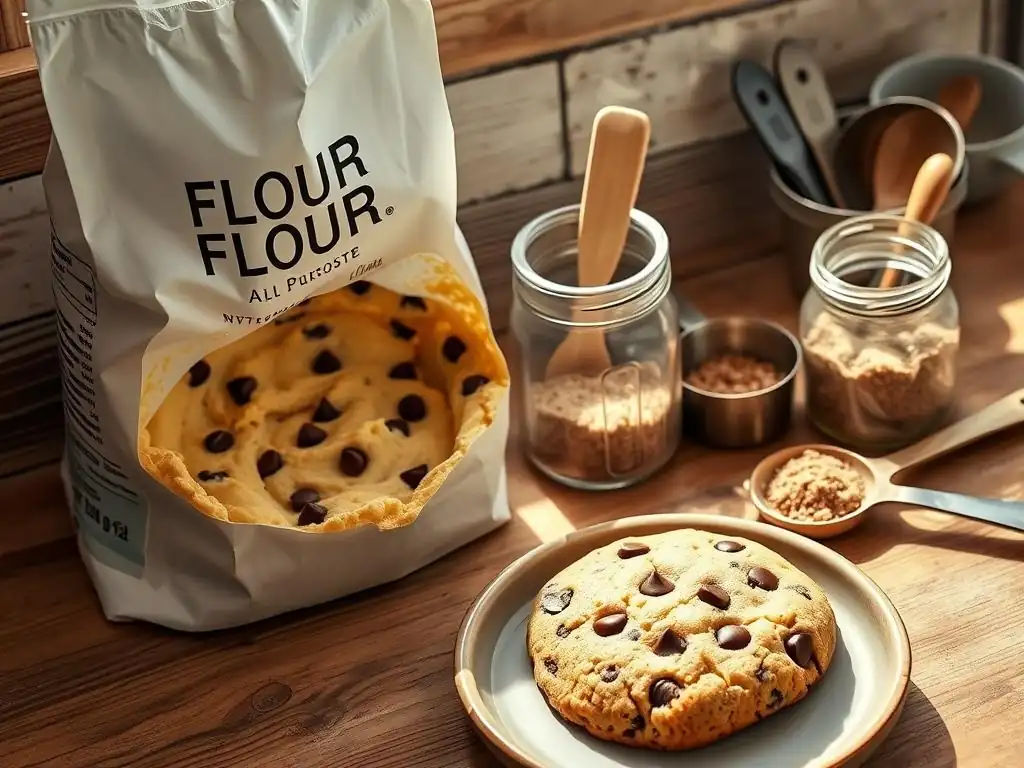
You don't need a professional kitchen to bake delicious chocolate chip cookies. A few basic tools will get you started.
Here are the essentials:
- Mixing Bowls: At least two, one for wet ingredients and one for dry. Glass, metal, or plastic all work fine.
- Measuring Cups and Spoons: Both dry measuring cups (for flour, sugar) and liquid measuring cups (for vanilla, eggs if needed) are crucial for accuracy. Measuring spoons are needed for smaller amounts like salt and baking soda. Precision here is key to a consistent easy drop cookies beginner recipe.
- Whisk: For combining dry ingredients.
- Rubber Spatula or Wooden Spoon: For mixing wet and dry ingredients together. An electric mixer (handheld or stand mixer) makes creaming butter and sugar much faster, but isn't strictly necessary for a simple recipe.
- Baking Sheets: Standard metal baking sheets are perfect. You'll likely need two so you can bake one batch while preparing the next.
- Parchment Paper or Silicone Baking Mats: Essential for preventing sticking and ensuring easy cleanup. Parchment paper is convenient, while silicone mats are reusable.
- Cooling Rack: Allows air circulation around the cookies as they cool, preventing them from becoming soggy.
- Oven Mitts: To safely handle hot baking sheets.
- Cookie Scoop (Optional but Recommended): A 1.5 to 2-tablespoon scoop helps create uniformly sized cookies, ensuring they bake evenly.
Having these tools ready before you start makes the baking process much smoother and more enjoyable. For example, using a standard half-sheet pan (approx. 13x18 inches) lined with parchment paper can accommodate about 12 cookies spaced 2 inches apart, which is a common yield per batch for many easy drop cookies beginner recipes.
Using good quality, fresh ingredients makes a noticeable difference in the final taste and texture of your cookies. For a classic chocolate chip cookie recipe, the list is relatively short and common.
You will typically need:
- All-purpose flour
- Baking soda
- Salt
- Unsalted butter
- Granulated sugar
- Brown sugar (light or dark)
- Eggs
- Vanilla extract
- Chocolate chips (semisweet are classic, but use your favorite!)
The combination of sugars is important; granulated sugar contributes to crispness, while brown sugar adds moisture and chewiness. Using unsalted butter allows you to control the salt level in the recipe.
Opting for fresh eggs and pure vanilla extract will enhance the flavor profile significantly compared to older or imitation products. For a standard recipe yielding about 30 cookies, you might use around 1 ¾ cups of flour, 1 teaspoon of baking soda, and ½ teaspoon of salt, balanced with about 1 cup of butter and a mix of ¾ cup granulated sugar and ¾ cup brown sugar, plus 2 eggs and 1 teaspoon of vanilla.
Choosing the Right Flour for Chocolate Chip Cookies
For most easy drop cookies beginner recipes, all-purpose flour is the standard and most reliable choice. It has a moderate protein content (around 10-12%), which provides enough structure for the cookies to hold their shape without making them tough.
While other flours like bread flour (higher protein, chewier cookies) or cake flour (lower protein, more delicate cookies) can be used in specific recipes, all-purpose flour is forgiving and consistently delivers good results for beginner bakers. Ensure your flour is relatively fresh; flour that has been open for a very long time can become stale and affect texture. Storing flour in an airtight container in a cool, dry place helps maintain its freshness.
Understanding the Role of Sugar in Chocolate Chip Cookies
Sugar does more than just sweeten your chocolate chip cookies; it plays a vital role in their texture and spread. Granulated sugar helps cookies spread and contributes to a crisp edge. Brown sugar, which contains molasses, adds moisture, chewiness, and flavor.
Most easy drop cookies beginner recipes use a combination of both granulated and brown sugar to achieve a balance of crispness and chewiness. The ratio of granulated to brown sugar significantly impacts the final texture.
A higher ratio of brown sugar generally results in a softer, chewier cookie, while more granulated sugar leads to a crispier cookie. For example, a recipe using equal parts granulated and brown sugar (like ¾ cup of each) will produce a cookie with a good balance of chewiness and spread, whereas a recipe with 1 cup granulated and ½ cup brown sugar might yield a flatter, crispier cookie.
The Importance of Fresh Ingredients for Beginner Bakers
Using fresh ingredients is particularly important when you're starting out, as it helps ensure your results match the recipe's expectations and minimizes potential variables. Stale ingredients can lead to flat cookies, poor leavening, or off-flavors, making it harder to troubleshoot if something goes wrong.
Check the expiration dates on your baking soda, eggs, and butter. Baking soda, for instance, loses its leavening power over time, which is crucial for helping your easy drop cookies spread and rise correctly. Butter can absorb odors from the refrigerator, affecting the taste. Using fresh, room-temperature ingredients, especially butter and eggs, also helps them emulsify and cream properly, leading to a smoother, more consistent dough.
Ready to bake? Follow this simple, foolproof process for your first batch of delicious chocolate chip cookies. This easy drop cookies beginner recipe is designed for success!
Preparing Your Baking Sheet and Oven
Proper preparation is the first step to preventing stuck cookies and ensuring even baking.
- Preheat your oven to 350°F (175°C). This temperature is standard for many cookie recipes and helps them bake through without burning the edges too quickly.
- Line your baking sheets with parchment paper or a silicone baking mat. This prevents sticking and makes cleanup a breeze. Do not grease the pan directly unless the recipe specifically instructs you to, as excess grease can cause cookies to spread too much.
Ensuring your oven is fully preheated is important. Use an oven thermometer if you have one, as many home ovens can be off by 25-50°F. Baking at the correct temperature ensures the cookies bake evenly and achieve the desired texture in the time specified by the recipe, typically 10-12 minutes for a standard-sized cookie.
Mixing the Cookie Dough: A Beginner's Guide
Follow these steps carefully to create the perfect dough base for your easy drop cookies.
- In a medium bowl, whisk together the dry ingredients: flour, baking soda, and salt. Set aside.
- In a large bowl, cream together the softened butter and sugars (granulated and brown) using a spatula, wooden spoon, or electric mixer until light and fluffy. This usually takes 2-3 minutes with a mixer or 5-7 minutes by hand. The mixture should look pale yellow and airy.
- Beat in the eggs, one at a time, mixing until each is fully incorporated before adding the next.
- Stir in the vanilla extract.
- Gradually add the dry ingredients to the wet ingredients, mixing on low speed (if using a mixer) or by hand until just combined. Do not overmix! Stop mixing as soon as you no longer see streaks of dry flour.
- Stir in the chocolate chips using a spatula or spoon.
Overmixing develops the gluten in the flour, which can lead to tough cookies. Mixing until just combined is a crucial technique for achieving tender results with any easy drop cookies beginner recipe. The dough should be soft but not sticky.
Dropping the Dough: Creating Uniform Cookies
Uniformity is key to ensuring all your cookies bake in the same amount of time.
- Use a cookie scoop (a 1.5 or 2 tablespoon size is common) or two spoons to drop rounded balls of dough onto the prepared baking sheet.
- Leave about 2 inches of space between each cookie to allow for spreading. On a standard half-sheet pan, this usually means placing 12 cookies per sheet.
- Resist the urge to flatten the dough balls; they will spread naturally in the oven.
Using a scoop helps ensure each cookie has roughly the same amount of dough, leading to consistent size and baking time across the batch. If you don't have a scoop, using two spoons (one to scoop, one to push off) works fine, just try to make them as similar in size as possible.
Baking to Perfection: Achieving the Ideal Texture
Baking time is a balance between achieving doneness and getting the texture you desire.
- Bake in the preheated oven for 10-12 minutes, or until the edges are golden brown and the centers look slightly set but still soft. The exact time will vary depending on your oven and the size of your cookies.
- For chewier cookies, err on the side of slightly underbaking; they will continue to cook slightly on the hot pan after removing from the oven.
- For crispier cookies, bake for a minute or two longer until the centers look more fully set and the edges are darker golden brown.
- Remove the baking sheet from the oven and let the cookies cool on the pan for 2-3 minutes before transferring them to a wire cooling rack.
Checking for doneness is a skill that improves with practice. Look for visual cues: the edges should be set and lightly browned, while the center might still look a little glossy or soft. For a classic chewy cookie, removing them when the center is still slightly underbaked is key. For example, if a recipe says 10-12 minutes, try pulling a test batch at 10 minutes to see if that achieves your desired chewiness after cooling.
Once you've mastered the basic easy drop cookies beginner recipe, you can easily explore simple variations by adding different mix-ins.
Double Chocolate Chip Cookies: A Richer Choice
If you're a chocolate lover, doubling down on chocolate is a simple way to vary your easy drop cookies.
- Start with your base chocolate chip cookie dough.
- In addition to the regular chocolate chips (like semisweet), add cocoa powder to the dry ingredients (start with ¼ to ½ cup, depending on desired intensity) and potentially swap some of the regular chips for white chocolate chips or dark chocolate chunks.
Adding cocoa powder changes the dry ingredient ratio slightly, so you might need a tiny bit less flour or a touch more liquid (like an extra egg yolk or a splash of milk) to maintain the right dough consistency. This variation adds a deep, rich chocolate flavor to the base cookie itself, complementing the melted chips within.
Chocolate Chip Walnut Cookies: Adding Texture and Flavor
Adding nuts is one of the easiest ways to introduce new textures and flavors to your easy drop cookies.
- Simply fold about 1 cup of chopped walnuts (or pecans, almonds, etc.) into the dough along with the chocolate chips.
Toasting the nuts lightly in a dry pan or in the oven for a few minutes before adding them to the dough can enhance their flavor significantly. Ensure they are completely cooled before mixing them in. This variation adds a pleasant crunch and nutty undertone that pairs wonderfully with the sweet chocolate.
White Chocolate Macadamia Nut Cookies: A Sweet and Nutty Twist
This popular variation is just as easy to make as the classic chocolate chip cookie.
- Replace the semisweet chocolate chips with white chocolate chips and add about 1 cup of chopped macadamia nuts to the dough.
Macadamia nuts are buttery and soft, offering a different texture profile than walnuts. White chocolate is sweeter and creamier than semisweet, creating a richer, sweeter cookie. Ensure you're using good quality white chocolate chips, as some can contain more sugar and less cocoa butter, leading to a waxy texture.
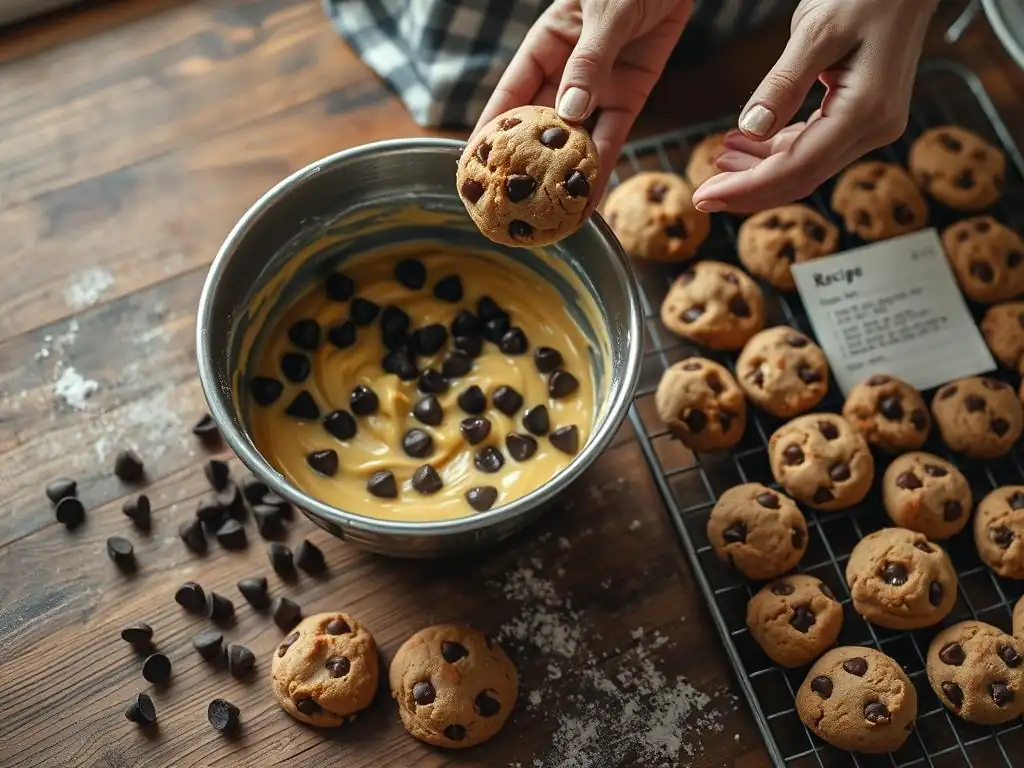
Even with an easy drop cookies beginner recipe, issues can sometimes arise. Here are solutions to common problems.
Flat cookies are a common issue for beginners. Several factors can contribute to this.
- Butter is too soft or melted: Butter should be softened to room temperature (press your finger into it, it should leave a slight indentation, not melt). If it's melted or too warm, the cookies will spread excessively in the oven before the structure sets.
- Not enough flour: Using too little flour or incorrectly measuring it can lead to a wet dough that spreads too much. Ensure you're using dry measuring cups and leveling off the flour properly (spooning flour into the cup and leveling, rather than scooping directly from the bag). For example, incorrectly scooping flour can add up to 25% more flour than intended, and conversely, too little flour can make cookies flat.
- Over-creaming the butter and sugar: While you want to cream until light and fluffy, overdoing it can incorporate too much air, causing the cookies to collapse in the oven.
- Oven temperature is too low: If your oven isn't hot enough, the cookies will spread before the dough structure has a chance to set. Use an oven thermometer to verify your oven's temperature.
If your dough seems too soft before baking, chilling it in the refrigerator for at least 30 minutes can help firm up the butter and reduce spreading. You might also try adding a tablespoon or two more flour to the dough before chilling, but be careful not to add too much, which can make them tough.
Hard or tough cookies are often the result of overmixing the dough.
- Overmixing the dough: As mentioned earlier, mixing the flour into the wet ingredients for too long develops gluten, which makes the cookies tough. Mix only until the dry ingredients are just incorporated and no streaks of flour remain.
- Too much flour: Accidentally adding too much flour will make the dough dry and result in hard cookies. Accurate measurement is key for any easy drop cookies beginner recipe.
- Overbaking: Baking the cookies for too long at too high a temperature will dry them out and make them hard. Keep a close eye on them, especially during the last few minutes of baking.
To avoid overmixing, consider mixing the dry ingredients into the wet ingredients by hand with a spatula or wooden spoon instead of an electric mixer once you add the flour. This gives you more control and makes it easier to stop mixing at the right point.
If your cookies stay in a ball shape and don't spread out, there are a few potential causes.
- Butter is too cold: If your butter isn't properly softened (room temperature), it won't cream properly with the sugar, and the dough will be too stiff to spread much in the oven.
- Too much flour: Just like with hard cookies, too much flour creates a dry, stiff dough that resists spreading.
- Not enough sugar or fat: These ingredients contribute to spread. Ensure you've measured them accurately according to your easy drop cookies beginner recipe.
- Oven temperature is too high: If the oven is too hot, the edges of the cookies might set too quickly before the center has a chance to warm up and spread.
If your dough seems very stiff, you can try pressing down slightly on the dough balls on the baking sheet before baking, but this can lead to uneven edges. Checking your oven temperature with a thermometer is a good first step if lack of spread is a consistent issue. Also, ensure your butter is truly at room temperature; cold butter is a frequent culprit.
Additional Troubleshooting Tips from BakeWithEase
Here are a few more quick tips for tackling common cookie challenges:
- Cookies sticking to the pan: Ensure you are using parchment paper or a silicone mat. If they still stick slightly, let them cool on the pan for an extra minute or two before transferring.
- Chocolate chips sinking: This can happen if the dough is too soft or if the chips are very heavy. Gently folding the chips in by hand usually works best. Some bakers toss the chips with a tablespoon of flour before adding them to the dough, though this isn't typically necessary for a standard easy drop cookies beginner recipe.
- Cookies burnt on the bottom: Your baking sheet might be too thin, or your oven heating element might be too close to the bottom. Try using heavier gauge baking sheets or placing a second empty baking sheet on the rack below your cookie sheet for insulation.
- [ ] Check oven temperature with a thermometer
- [ ] Ensure butter is at room temperature
- [ ] Measure flour correctly (spoon and level)
- [ ] Avoid overmixing after adding flour
Beyond the basic recipe steps, a few simple practices can elevate your easy drop cookies from good to great.
Measuring Ingredients Accurately for Consistent Results
Accurate measurement is fundamental in baking, far more so than in cooking where you can often adjust as you go. For an easy drop cookies beginner recipe, consistency is key to replicating successful results.
- Use dry measuring cups for dry ingredients like flour and sugar. Spoon the flour into the cup and level it off with a straight edge (like the back of a knife) without packing it down. Scooping directly from the bag can compact the flour, adding significantly more than needed (potentially 20-25% more).
- Use liquid measuring cups (with a spout and markings on the side) for liquids like vanilla extract or eggs if measuring by volume. Place the cup on a flat surface and read at eye level.
- Use measuring spoons for smaller amounts of ingredients like salt, baking soda, and vanilla extract. Level these off too.
While weighing ingredients with a kitchen scale is the most accurate method (e.g., 1 cup of all-purpose flour is typically around 120-130 grams), precise volume measurement using the spoon-and-level method for dry ingredients is perfectly adequate for an easy drop cookies beginner recipe and will prevent common issues like tough or flat cookies caused by incorrect flour amounts.
The Importance of Room Temperature Ingredients
Many cookie recipes, including classic easy drop cookies, call for room temperature butter and eggs. This isn't just a suggestion; it's important for the dough's structure and texture.
- Butter: Softened butter creams properly with sugar, creating tiny air pockets. These air pockets expand in the oven, contributing to the cookie's rise and texture. Cold butter won't cream effectively, leading to a denser cookie. If your butter is too cold, cut it into smaller pieces and let it sit for 15-30 minutes, or gently warm it in the microwave for just a few seconds (be careful not to melt it).
- Eggs: Room temperature eggs emulsify more easily with the butter and sugar mixture, creating a smoother, more homogeneous dough. This leads to a more consistent texture throughout your cookies. To quickly bring eggs to room temperature, place them in a bowl of warm water for 5-10 minutes.
Using room temperature ingredients ensures that they combine smoothly and evenly, which is crucial for the structure and texture of your easy drop cookies. Cold ingredients won't blend as well, potentially leaving lumps of butter or causing the dough to separate.
How you cool your cookies affects their final texture.
- Leave the baked cookies on the hot baking sheet for 2-3 minutes immediately after removing them from the oven. This allows them to set slightly and prevents them from breaking when you transfer them. The residual heat on the pan continues to cook the cookies slightly, especially in the center.
- After 2-3 minutes, carefully transfer the cookies to a wire cooling rack using a spatula.
- Allow the cookies to cool completely on the rack before storing them. This allows steam to escape, preventing them from becoming soggy.
Transferring them to a cooling rack allows air to circulate around the entire cookie, promoting even cooling and helping them achieve the desired chewy or crisp texture. Stacking warm cookies or placing them on a solid surface like a plate right away can trap steam and make them soft or rubbery.
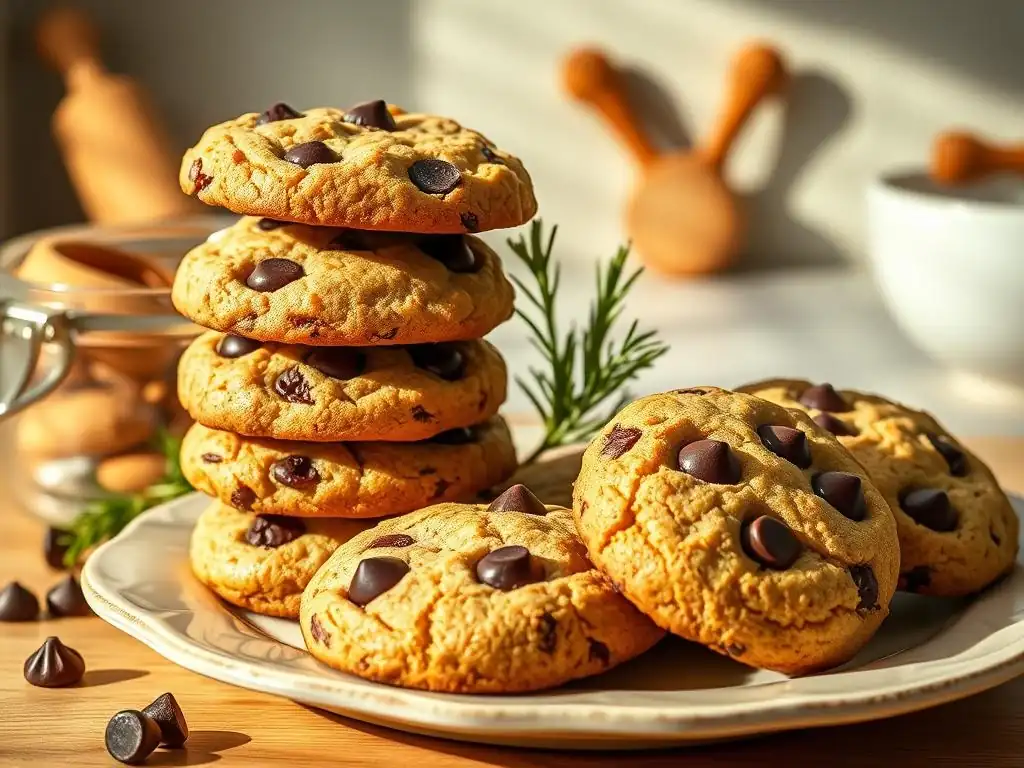
Proper storage is key to enjoying your delicious homemade chocolate chip cookies for as long as possible.
Once your easy drop cookies have cooled completely, store them correctly to maintain their texture and flavor.
- Store cookies in an airtight container at room temperature. A plastic container with a tight-fitting lid or a cookie tin works well.
- If storing different types of cookies, store them separately, as strong flavors can transfer between them.
- For best results, place a slice of bread in the container with the cookies. The cookies will absorb moisture from the bread, helping them stay soft and chewy.
Avoid storing cookies in the refrigerator unless they contain a perishable filling, as refrigeration can dry them out. Freezing baked cookies is also an option; place them in a single layer on a baking sheet until frozen, then transfer them to a freezer-safe bag or container for up to 2-3 months. Thaw at room temperature.
Properly stored, your easy drop cookies will maintain their quality for several days.
- At room temperature, homemade chocolate chip cookies are typically best consumed within 3-5 days. While they are still safe to eat after this time, their texture may begin to change, becoming drier or harder.
- If frozen, baked cookies can last for 2-3 months without significant loss of quality.
The exact shelf life can depend on factors like the ingredients used (cookies made with more butter might last longer) and the humidity of your environment. For the freshest taste, enjoy your cookies within the first couple of days after baking.
Beyond the Basics: Expanding Your Beginner Baking Skills
Mastering an easy drop cookies beginner recipe is just the start of your baking adventure!
Once you feel confident with chocolate chip cookies, you have a solid foundation to explore other beginner-friendly recipes.
Consider trying other types of easy drop cookies, such as peanut butter cookies, oatmeal cookies, or sugar cookies that don't require rolling and cutting. These recipes often use similar techniques to chocolate chip cookies but introduce slightly different ingredient ratios and textures. For example, peanut butter cookies add a protein-rich ingredient that affects spread and requires a slightly different mixing approach than a standard easy chocolate chip cookie recipe.
Exploring Other Beginner Baking Recipes on BakeWithEase
BakeWithEase offers a wide variety of recipes perfect for expanding your skills.
- Explore our collection of "Beginner Baking Recipes," which includes simple muffins, quick breads (like banana bread), and easy bar cookies.
- Try our "Pastries" section for simpler items like scones or basic fruit tarts.
- Our "Bread" section even includes easy no-knead bread recipes that are surprisingly simple for beginners.
Each recipe on BakeWithEase provides clear instructions, just like this guide for easy drop cookies, to help you learn new techniques and gain confidence with different types of baked goods. You might start with a simple blueberry muffin recipe, which teaches the muffin method of mixing (combining wet and dry ingredients separately before mixing them together quickly), a different technique than creaming butter and sugar for cookies.
BakeWithEase's Baking Community and Resources
Don't forget to check out the additional resources available on BakeWithEase.
We offer tips on ingredient substitutions, guides to essential baking tools, and articles explaining basic baking science. While we don't have a live community forum directly on the site, our detailed guides and troubleshooting sections are built from common questions asked by bakers like you. Think of these resources as your personal baking coach, available whenever you need guidance on anything from understanding leavening agents to perfecting your easy drop cookies.
Frequently Asked Questions
Drop cookies are cookies made by simply dropping spoonfuls of dough onto a baking sheet. They're perfect for beginners because they require minimal shaping and use simple ingredients.
Generally, you'll need basic baking staples like flour, sugar, butter (or oil), eggs, and a leavening agent like baking soda. Many recipes also include flavorings like vanilla extract or chocolate chips.
Overmixing the dough is a common mistake, leading to tough cookies. Also, ensure your oven is properly preheated and measure ingredients accurately. Don't overcrowd the baking sheet.
Get creative with add-ins! Try different types of chocolate chips, nuts, dried fruits, or spices. You can also experiment with different extracts or citrus zest for unique flavors.
Websites like BakeWithEase.com offer a range of beginner-friendly drop cookie recipes with step-by-step instructions and easy-to-find ingredients. Look for recipes specifically labeled "beginner."
Final Reflection: The Sweetness of Simple Beginnings
The joy of baking shouldn't be confined to experienced bakers; it's a skill accessible to everyone. Mastering even the simplest recipes can unlock a world of creative expression and delicious rewards. This article focused on easy drop cookies, proving that baking success is within reach, even for complete beginners.
The enduring appeal of baking lies not just in the final product, but in the process itself. It's a meditative act, a chance to connect with tradition, and a way to share something homemade with loved ones. Baking is at once child's play and adult joy. And love, of course.
- This sentiment perfectly captures the essence of what I've tried to convey in this article: that baking, even at its most basic level, is a profoundly rewarding experience. It's a skill that transcends generations and cultures, offering a tangible connection to something larger than ourselves.
Now, I invite you to roll up your sleeves, gather your ingredients, and embark on your own baking adventure. Don't be intimidated by perceived complexity; start with these easy drop cookies, and let the simple act of creating something delicious fill your kitchen with warmth and the sweet scent of success. Remember, the most important ingredient is your willingness to try. So, what are you waiting for? Let the baking begin!
Thanks for taking the time to explore the world of easy baking with us! We hope you now feel confident enough to tackle delicious drop cookies. Ready to get started?
- Bake your first batch of perfect drop cookies today! Use the recipe we provided as a springboard—experiment with different add-ins and flavors to create your own signature cookie.
- Share your baking journey with our community on social media! Use #BakeWithEase and tag us – we’d love to see your creations.
- Consider trying a different drop cookie recipe from our extensive collection. Challenge yourself to explore new flavors and techniques!
Will you surprise your friends and family with your newfound baking skills this week? Let us know in the comments!