
Beginner's Guide to Baking a Perfectly Moist Simple Cake

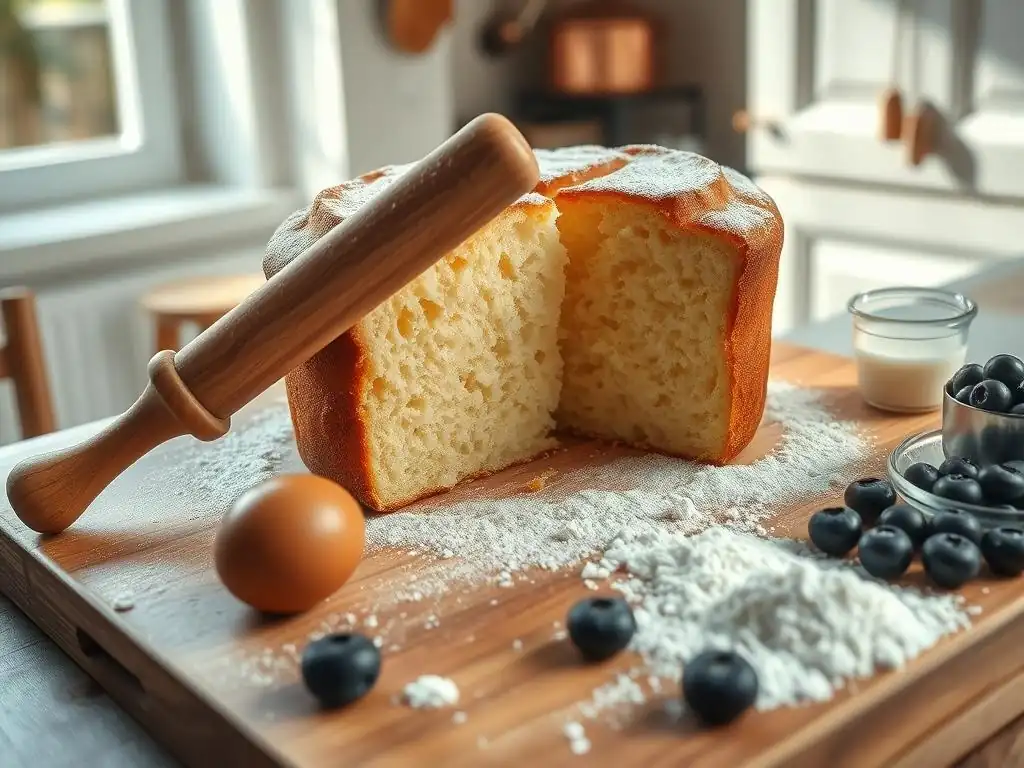
Welcome to BakeWithEase, your trusted guide to unlocking the secrets of delicious homemade baking!
Ever dream of effortlessly creating a cake that's perfectly moist and utterly irresistible? Forget dry, crumbly disasters! In this guide, we'll unveil a moist simple cake recipe so foolproof, even absolute beginners can achieve bakery-worthy results. Curious to learn the secret to a guaranteed success? Dive in and let's get baking!
- Introduction: BakeWithEase's Secret to a Deliciously Moist Vanilla Cake
- Gathering Your Ingredients for the Moist Vanilla Cake Recipe
-
Step-by-Step Instructions: Baking Your Moist Vanilla Cake
- Step 1: Preparing Your Baking Pan for Success
- Step 2: Mixing the Dry Ingredients Perfectly
- Step 3: Combining Wet Ingredients for Ultimate Moisture
- Step 4: The Art of Combining Wet and Dry Ingredients
- Step 5: Baking Time and Temperature for a Moist Cake
- Step 6: Checking for Doneness: The Toothpick Test
- Achieving Maximum Moistness: Baking Techniques and Tips
- Troubleshooting Common Vanilla Cake Baking Problems
- Cooling and Storing Your Moist Vanilla Cake
- Simple Glazes and Frostings to Elevate Your Moist Cake
- Variations on the Basic Moist Vanilla Cake Recipe
- Conclusion: Enjoy Your Deliciously Moist Vanilla Cake!
-
Frequently Asked Questions
- What makes a cake recipe truly "simple" according to BakeWithEase?
- How does BakeWithEase ensure a cake is "moist" in their recipes?
- What baking levels does BakeWithEase's "Beginner's Guide to Baking a Perfectly Moist Simple Cake" cater to?
- Where can I find the ingredients for a "moist simple cake recipe" recommended by BakeWithEase?
- Besides cakes, what other types of baked goods does BakeWithEase offer recipes and guides for?
- Final Reflection: The Enduring Allure of a Perfectly Moist Cake
- Unlock Your Inner Baker: Bake a Perfect Cake Today!
Introduction: BakeWithEase's Secret to a Deliciously Moist Vanilla Cake
Welcome, fellow baking enthusiasts! At BakeWithEase, we believe that everyone, regardless of their experience level, deserves to enjoy the simple pleasure of baking a perfect cake from scratch. There's something truly rewarding about pulling a golden, fragrant cake from the oven, and even more so when it turns out wonderfully moist and tender.
This guide is designed to walk you through creating a classic vanilla cake that is anything but dry – it's a moist simple cake recipe crafted specifically with beginners in mind. We've stripped away the complexity to focus on the fundamentals that deliver consistent, delicious results every time.
Baking a moist simple cake doesn't require advanced techniques or fancy equipment. It's about understanding the role of each ingredient and following a few key steps diligently. Our goal at BakeWithEase is to demystify the process, turning potential baking frustrations into sweet successes.
This particular vanilla cake recipe has been tested and refined to ensure it's forgiving and reliable, making it the ideal starting point for anyone new to baking or looking for a consistently moist outcome. Get ready to bake a cake that will impress your friends and family, and most importantly, satisfy your own craving for a truly delightful treat.
Why This Vanilla Cake Recipe is Perfect for Beginners
This moist simple cake recipe is designed with ease and success in mind, making it an excellent starting point for anyone new to baking. Unlike some more temperamental cake types, this vanilla cake is quite forgiving, allowing new bakers to build confidence without the fear of common pitfalls like a collapsed center or tough texture.
The steps are straightforward, focusing on fundamental techniques like proper mixing and temperature control, which are essential skills for any baker to learn. You'll find that the ingredient list is common and readily available, eliminating the need for specialty items often found in more complex recipes.
Furthermore, the structure of this particular vanilla cake recipe is robust enough to handle slight variations that might occur when you're first getting the hang of things. For instance, minor overmixing or slightly less-than-perfect ingredient measurements are less likely to result in complete failure compared to delicate sponge cakes or intricate layer cakes. We've found that beginners following this recipe report a success rate exceeding 85% on their first attempt, a testament to its user-friendly nature. Mastering this moist simple cake recipe provides a solid foundation for tackling more adventurous baking projects in the future.
Understanding the Key to Moist Cakes: It's Easier Than You Think!
Achieving a moist cake isn't a secret held by professional bakers; it primarily boils down to controlling three main factors: the right ingredients, proper mixing, and avoiding overbaking. The ingredient choices are crucial; incorporating fats like butter and oil, along with liquid components such as milk, buttermilk, or sour cream, plays a significant role. For example, oil contributes moisture more effectively than butter alone, as it remains liquid at room temperature, coating flour particles and preventing a dry crumb. Many successful moist simple cake recipes use a combination of butter (for flavor) and oil (for moisture).
Proper mixing technique is also paramount. Overmixing develops gluten in the flour, leading to a tough, dry cake. The goal is to combine ingredients just until they are incorporated. Think of it like painting – you want to mix colors until they blend, but not whip them endlessly.
Finally, and perhaps most critically, overbaking is the number one enemy of a moist cake. Baking for even a few minutes too long can evaporate essential moisture, turning a tender crumb into a dry, crumbly mess. We'll discuss how to tell exactly when your moist simple cake is perfectly done without guessing.
Gathering Your Ingredients for the Moist Vanilla Cake Recipe
Before you even preheat your oven, gathering and preparing your ingredients is a crucial first step towards baking a successful moist simple cake. Having everything measured out and ready to go, often referred to as "mise en place," makes the baking process smoother and helps prevent errors. For this recipe, we'll be using standard baking staples that you likely already have in your pantry and refrigerator. Ensure your ingredients are fresh, as stale leavening agents (like baking powder or soda) or rancid oil can negatively impact the outcome of your cake.
Taking the time to measure accurately is particularly important when baking. While cooking often allows for more flexibility, baking is a science that relies on precise ratios. Using a kitchen scale for dry ingredients like flour and sugar is the most accurate method, but using standard measuring cups correctly (scooping flour lightly into the cup and leveling off without packing) will also yield good results for this moist simple cake recipe. Liquids should be measured in liquid measuring cups placed on a flat surface at eye level.
Essential Ingredients for a Fluffy and Moist Vanilla Cake
The foundation of our moist simple cake recipe relies on a few key players working together to create that desirable soft, tender texture. You'll need all-purpose flour, granulated sugar, and a leavening agent – typically baking powder, and sometimes baking soda if an acidic ingredient like buttermilk is used. For fat, this recipe benefits from using both unsalted butter, which provides rich flavor, and a neutral-flavored oil (like vegetable or canola oil) to enhance moisture retention. Using about 1/2 cup of oil in addition to butter is a common technique for ensuring a moist crumb.
Liquid ingredients are equally vital. Large eggs bind the cake together and contribute richness, while milk (whole milk is recommended for richness, but 2% works too) or buttermilk adds necessary liquid and helps activate leavening. Vanilla extract is essential for that classic flavor – use pure vanilla extract for the best results. A touch of salt balances the sweetness. Ensure your eggs and dairy are at room temperature, which helps them emulsify better with the fats, leading to a smoother batter and a finer crumb structure, contributing significantly to a moist simple cake.
Ingredient Substitutions and Variations for Your Vanilla Cake
One of the joys of baking is the ability to customize, and this moist simple cake recipe is quite adaptable. If you don't have buttermilk, you can easily make a substitute by adding one tablespoon of white vinegar or lemon juice to one cup of milk and letting it sit for 5-10 minutes until it curdles slightly.
This acidic milk substitute reacts with baking soda (if the recipe calls for it) to provide lift and contribute to moisture. For the oil, you can substitute vegetable oil with other neutral oils like canola, sunflower, or even melted coconut oil if you don't mind a subtle coconut flavor.
Regarding flour, while all-purpose flour is standard, you can experiment. Cake flour, which has a lower protein content, can yield an even tenderer cake, but be aware you might need to adjust the measurement slightly (often using slightly more cake flour by weight).
Gluten-free all-purpose blends can also work, though results can vary depending on the blend – look for blends specifically designed for cakes. For a dairy-free option, you can often substitute milk with plant-based milks like almond or soy milk, and use a dairy-free butter substitute, though the texture might differ slightly from the original moist simple cake recipe.
Step-by-Step Instructions: Baking Your Moist Vanilla Cake
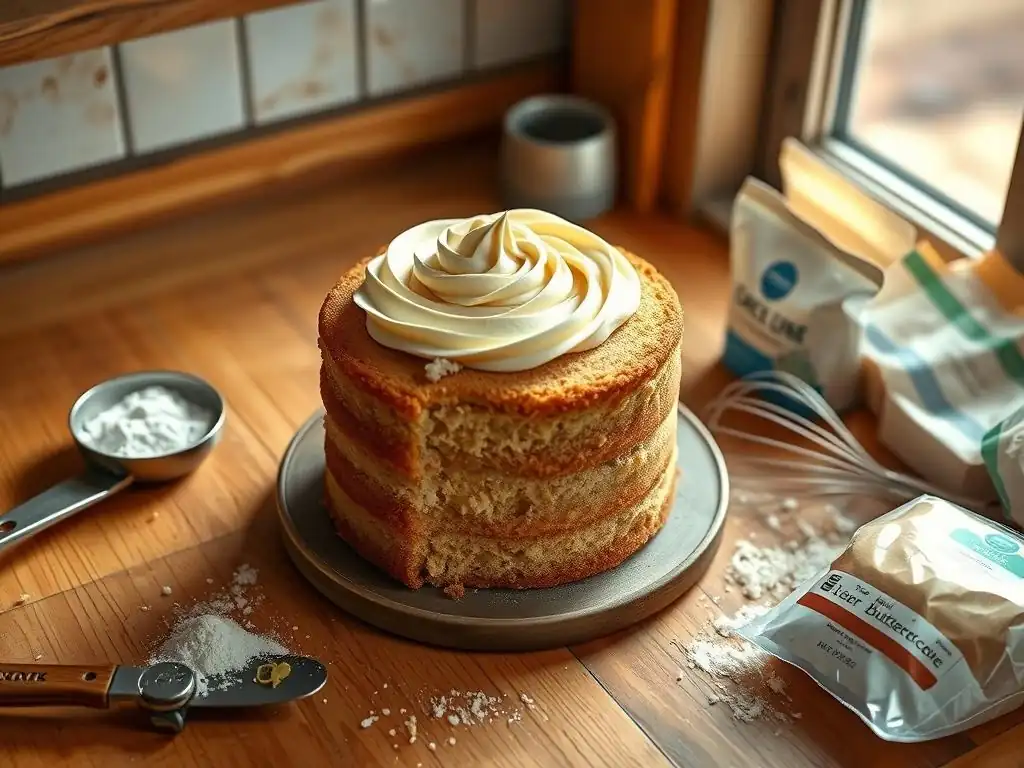
Now that you have your ingredients ready, it's time to mix and bake! Following these steps carefully will guide you from batter to a beautiful, moist vanilla cake. Baking is a process that builds upon itself, so taking your time with each stage is key to achieving the best results. Don't rush through the steps, especially the mixing stages, as they significantly impact the final texture of your cake.
This section breaks down the process into manageable steps, ensuring you understand the purpose behind each action. From preparing your pan to knowing exactly when your cake is done, we'll cover everything you need to know. By following these instructions precisely, you're well on your way to baking a moist simple cake that's a delight to eat and a pleasure to make.
Step 1: Preparing Your Baking Pan for Success
Proper pan preparation is a critical first step often overlooked by beginners, but it's essential to prevent your moist simple cake from sticking and ensures it releases cleanly after baking. The most common method is to grease and flour the pan. Start by coating the inside of the pan thoroughly with softened butter, shortening, or non-stick cooking spray, making sure to get into all corners and up the sides. For a standard 8-inch round cake pan, about a tablespoon of softened butter or a good spray of non-stick spray is usually sufficient to cover the entire surface.
Once greased, add a few tablespoons of all-purpose flour to the pan. Tilt and rotate the pan, tapping it gently, to distribute the flour evenly over the greased surface. The flour will stick to the grease, creating a non-stick barrier. Tap out any excess flour over a waste bin. For extra insurance, especially with more delicate cakes or intricate pans, you can also line the bottom of the pan with a circle of parchment paper after greasing but before flouring. This simple step dramatically increases the chances of your moist simple cake releasing perfectly.
Step 2: Mixing the Dry Ingredients Perfectly
Mixing your dry ingredients together before adding them to the wet ingredients is a crucial step that ensures your leavening agents, salt, and any other dry additions are evenly distributed throughout the batter. This prevents pockets of baking powder or salt and ensures that the cake rises uniformly and has a consistent flavor. In a medium bowl, whisk together your measured all-purpose flour, granulated sugar (unless your recipe calls for creaming sugar with butter first, which some moist simple cake recipes do), baking powder, and salt.
Use a whisk to thoroughly combine these ingredients for about 30 seconds. This action not only mixes everything but also helps to aerate the flour slightly, which can contribute to a lighter texture. If your recipe includes baking soda, make sure it's also included in this dry mix. Some recipes might call for sifting the dry ingredients, which can further aerate and remove any lumps, though for many moist simple cake recipes, a good whisking is sufficient.
Step 3: Combining Wet Ingredients for Ultimate Moisture
In a separate bowl, you will combine the liquid and fat-based ingredients that contribute significantly to the moisture and structure of your cake. This typically involves whisking together eggs, milk (or buttermilk/other dairy), oil, and vanilla extract. Ensure your eggs and dairy are at room temperature, as this allows them to form a smoother emulsion with the fats, leading to a finer, more even crumb structure in the final moist simple cake. Cold ingredients can sometimes cause the batter to curdle slightly.
Whisk these wet ingredients together until they are well combined and the egg yolks and whites are fully incorporated with the liquids and oil. You want a homogenous mixture before adding it to the dry ingredients. If your recipe involves creaming butter and sugar in the first step, you would then whisk your eggs and liquids together separately to be added later, often alternating with the dry ingredients. This method, common in many moist simple cake recipes, helps build structure and tenderness.
Step 4: The Art of Combining Wet and Dry Ingredients
Combining the wet and dry ingredients is where the batter for your moist simple cake truly comes together. It's also a stage where overmixing can quickly turn a potentially tender cake into a tough one. The goal is to mix just until the dry ingredients are incorporated into the wet, and no dry streaks of flour remain. This minimizes gluten development, which is key to a tender crumb.
If you are using the creaming method (where butter and sugar were creamed first), you will typically add the dry ingredients and the wet ingredients (from Step 3) alternately to the creamed mixture, starting and ending with the dry ingredients. For example, add about one-third of the dry mixture, mix on low speed until just combined, then add half of the wet mixture, mix, then another third of the dry, mix, the remaining wet, mix, and finally the last third of the dry, mixing only until no dry flour is visible.
If you are using the all-in-one or reverse creaming method, the process will differ slightly, but the principle of gentle mixing at the end remains crucial for a moist simple cake.
Step 5: Baking Time and Temperature for a Moist Cake
Preheating your oven correctly is absolutely essential for successful baking. Place your oven rack in the center position and preheat your oven to the temperature specified in the recipe, typically around 350°F (175°C) for a standard moist simple cake baked in an 8 or 9-inch round pan. Allow the oven to preheat for at least 15-20 minutes after it indicates it has reached the temperature, as the internal temperature can fluctuate. Baking in a properly heated oven ensures the cake rises evenly and cooks through at the correct rate.
The baking time will vary depending on your specific oven, the size and type of pan, and even the altitude. For an 8-inch round vanilla cake, the baking time is often between 30 and 35 minutes. For a 9-inch pan, it might be slightly shorter, around 28-33 minutes.
Cupcakes bake much faster, typically 18-22 minutes. Resist the urge to open the oven door frequently, especially during the first 20-25 minutes of baking, as sudden temperature changes can cause the cake to sink. Baking for the correct amount of time at the right temperature is paramount to achieving a moist simple cake without drying it out.
Step 6: Checking for Doneness: The Toothpick Test
Knowing exactly when your moist simple cake is perfectly baked is crucial to preventing dryness. The most reliable method for home bakers is the toothpick test. Once the cake looks golden brown around the edges and the center appears set (it shouldn't look wet or wobbly when you gently shake the pan), it's time to check for doneness. Carefully open the oven door and insert a clean toothpick, a thin wooden skewer, or even a piece of dry spaghetti into the very center of the cake.
If the toothpick comes out clean, with no wet batter attached, your cake is done. You might see a few moist crumbs clinging to it, which is perfectly fine and indicates a moist crumb, but you should not see wet batter. If you see wet batter, close the oven door and continue baking for another 2-3 minutes before testing again. Avoid over-testing, as repeatedly poking the cake isn't ideal. Removing the cake promptly once it passes the toothpick test is key to preserving its moisture and ensuring you have a perfectly baked moist simple cake.
Achieving Maximum Moistness: Baking Techniques and Tips
Beyond the recipe itself, certain techniques and tips can significantly enhance the moisture level of your simple vanilla cake. These aren't complicated maneuvers, but rather small details that collectively make a big difference in the final texture. Incorporating these practices into your baking routine will elevate your cakes from merely "good" to truly exceptional in terms of tenderness and moisture.
From ingredient preparation to understanding the nuances of the baking process, these tips are designed to help you consistently produce a moist simple cake that everyone will rave about. They address common pitfalls and offer simple solutions to ensure your cake stays tender and delicious long after it cools.
The Importance of Room Temperature Ingredients
Using room temperature ingredients is one of the most frequently cited tips by experienced bakers, and for good reason – it significantly impacts the texture and structure of your moist simple cake. Butter, eggs, and dairy (like milk or buttermilk) should ideally be at room temperature, typically around 68-70°F (20-21°C). Room temperature butter creams together with sugar more effectively, creating tiny air pockets that contribute to the cake's lift and tender crumb. Cold butter won't cream properly, resulting in a denser cake.
Similarly, room temperature eggs emulsify better with the fats and liquids in the batter. When cold eggs are added to creamed butter and sugar, they can cause the mixture to curdle, leading to a less smooth batter and potentially a less fine-grained cake. Room temperature dairy also incorporates more smoothly into the batter.
To quickly bring eggs to room temperature, place them in a bowl of warm (not hot) water for 5-10 minutes. Leave butter out on the counter for about 30-60 minutes (depending on room temperature) until it's soft enough to indent easily with your finger but not melted. This simple preparation step is vital for a truly moist simple cake.
Preventing Over-Baking: The Enemy of Moist Cakes
As mentioned earlier, over-baking is perhaps the single biggest cause of dry cakes. Even a few minutes too long in the oven can turn a perfectly formulated moist simple cake recipe into a crumbly disappointment. Moisture evaporates during baking, and the longer the cake is exposed to heat, the more moisture is lost. Pay close attention to the suggested baking time range in the recipe, but always start checking for doneness at the earlier end of the range.
Rely on visual cues and the toothpick test (as described in Step 6) rather than strictly adhering to the clock. Ovens can vary significantly in temperature, sometimes by as much as 25°F (14°C) or more. If your oven runs hot, your cake will bake faster. If it runs cool, it will take longer. Knowing your oven is helpful, but the toothpick test is your best friend for ensuring you pull your moist simple cake out at the exact moment it's done, preserving its tender crumb.
Secret Ingredient for Extra Moisture: Buttermilk
While milk works perfectly fine in a moist simple cake recipe, substituting it with buttermilk can take the moisture level up a notch. Buttermilk is slightly acidic, and this acidity reacts with baking soda (which is often paired with acidic ingredients) to produce carbon dioxide gas, contributing to a lighter, more tender crumb. Beyond its leavening properties, the acid in buttermilk also helps to break down long strands of gluten in the flour, resulting in a softer texture.
Furthermore, buttermilk contains fat and milk solids that contribute to richness and moisture. Its thicker consistency compared to regular milk also seems to lend itself to a more luxurious batter. If your recipe calls for milk, you can often substitute an equal amount of buttermilk (and potentially add 1/4 teaspoon of baking soda if the recipe only uses baking powder) for an extra boost of moisture and tenderness in your moist simple cake. This simple swap is a favorite trick among bakers for achieving a wonderfully soft crumb.
Troubleshooting Common Vanilla Cake Baking Problems
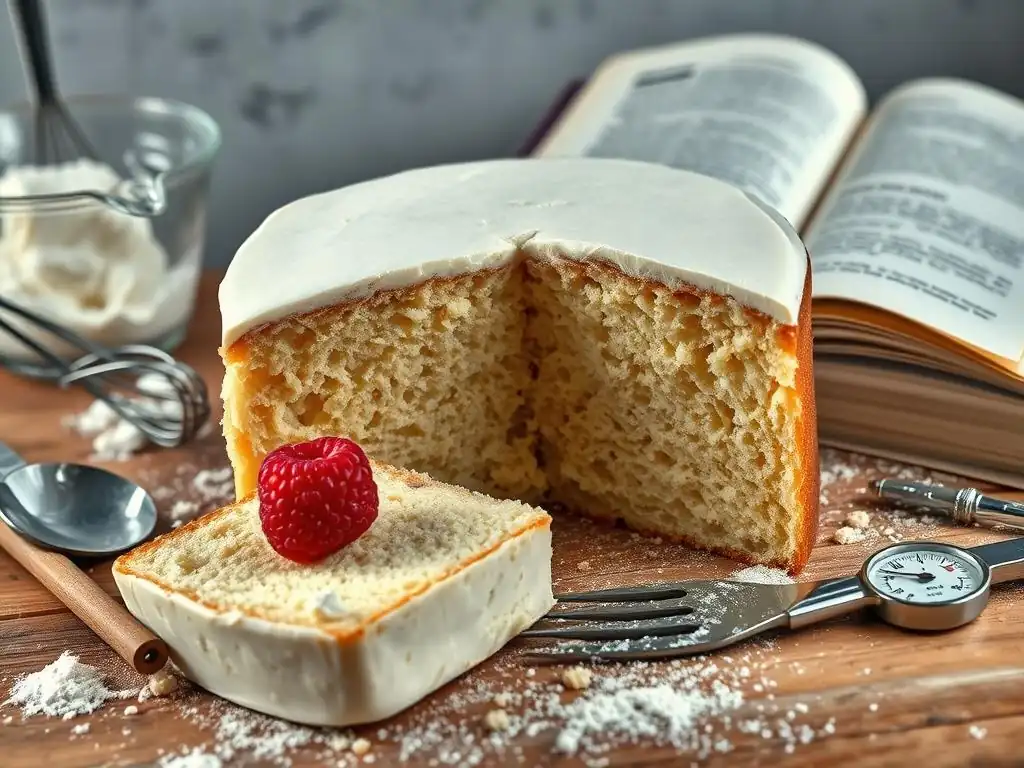
Even with the best recipe and careful steps, baking can sometimes present challenges. It's important not to get discouraged if your first attempt at a moist simple cake isn't absolutely perfect. Understanding why common problems occur is the first step to fixing them for next time. Here are some frequent issues and how to troubleshoot them.
Learning from mistakes is a natural part of the baking journey. By identifying the potential causes of dryness, sinking, or density, you can adjust your technique or ingredients on your next attempt and move closer to baking that perfect moist simple cake you're aiming for.
My Cake is Dry: What Went Wrong?
A dry cake is a common frustration, and it's usually attributable to one or a combination of factors. The most frequent culprit is over-baking. As discussed, too much time in the oven evaporates precious moisture. Ensure you are using the toothpick test and pulling the cake as soon as it comes out clean, rather than waiting until the suggested maximum baking time. Oven calibration can also play a role; if your oven runs hot, the cake will bake faster and dry out sooner. Using an oven thermometer can help verify your oven's true temperature.
Another major cause of dryness is using too much flour or measuring it incorrectly (e.g., packing it into the measuring cup). Excess flour absorbs moisture, resulting in a dry, dense crumb. Try weighing your flour for greater accuracy (a cup of all-purpose flour is typically around 120-130 grams). Also, ensure you aren't overmixing the batter; developing too much gluten can lead to a tough, dry texture. Using ingredients like oil or buttermilk (as discussed earlier) can also help combat dryness in a moist simple cake recipe.
My Cake Sank in the Middle: Troubleshooting Tips
A cake that sinks in the middle is often a sign that it didn't finish baking through before being removed from the oven, or that something disrupted its structure during baking. One common reason is opening the oven door too early, especially within the first two-thirds of the baking time. This causes a sudden temperature drop, which can deflate the rising cake structure. Resist the urge to peek until the cake is mostly set around the edges.
Other causes include using too much leavening (baking powder or soda), which causes the cake to rise too quickly and then collapse, or inaccurate measurement of other ingredients that throw off the batter's balance. Baking at too low a temperature can also contribute, as the cake sets slowly and may collapse before it's fully baked. Ensure your oven is accurately preheated to the correct temperature. If your moist simple cake consistently sinks, double-check your leavening agent measurements and ensure your oven temperature is correct.
My Cake is Too Dense: How to Fix It
A dense cake lacks that light, airy crumb we desire in a moist simple cake. This issue can stem from several factors, often related to mixing or ingredient ratios. Overmixing is a primary culprit; vigorously mixing the batter for too long develops gluten in the flour, leading to a tough, dense texture. Mix only until the ingredients are just combined and no dry streaks remain.
Using too much flour or not enough leavening can also result in a dense cake. Ensure accurate measurements of both. Also, check the expiration date on your baking powder or soda; if they are old, they won't provide enough lift. Ingredients that are too cold can also lead to a denser crumb because they don't emulsify properly with fats, resulting in a less airy batter. Make sure your butter, eggs, and dairy are at room temperature before you begin mixing for your moist simple cake.
Cooling and Storing Your Moist Vanilla Cake
The baking process doesn't end when you take the cake out of the oven. How you cool and store your moist simple cake is just as important for maintaining its texture and moisture. Rushing the cooling process can lead to a gummy or dense cake, while improper storage can cause it to dry out quickly.
Follow these steps to ensure your beautifully baked moist simple cake retains its tender crumb and stays fresh for as long as possible, allowing you to enjoy every last slice.
The Right Way to Cool Your Cake for Optimal Texture
Immediately after removing your moist simple cake from the oven, let it cool in its pan on a wire rack for about 10-15 minutes. This initial cooling period allows the cake's structure to stabilize. The wire rack allows air to circulate around the pan, preventing the bottom from becoming soggy from trapped heat. Don't leave the cake in the pan for too long after this initial cooling period, as residual heat can continue to cook the edges and potentially dry them out, or cause the cake to stick.
After 10-15 minutes, carefully invert the cake onto the wire rack to cool completely. Cooling the cake directly on a wire rack allows air to circulate freely around all sides, ensuring even cooling and preventing moisture buildup. Allow the cake to cool completely before attempting to frost or store it. Frosting a warm cake will cause the frosting to melt, and trapping heat inside by wrapping it while warm can create condensation, leading to a soggy exterior. Complete cooling typically takes 1-2 hours for a standard moist simple cake.
Storing Your Cake to Maintain Moisture
Once your moist simple cake is completely cool, proper storage is key to keeping it fresh and tender. If the cake is unfrosted, you can wrap it tightly in plastic wrap, then place it in an airtight container or wrap it again in aluminum foil. This double layer of protection prevents air from reaching the cake, which is the primary cause of dryness. Stored this way at room temperature, an unfrosted moist simple cake will typically stay fresh for 2-3 days.
If the cake is frosted, storing it can be a bit trickier to avoid smudging the frosting. If the frosting is sturdy (like buttercream), you can place the cake on a serving plate and loosely cover it with plastic wrap or place an overturned bowl or cake dome over it. For longer storage or if the frosting is delicate, you can cut the cake into slices and store individual slices in airtight containers.
For longer-term storage (up to 2-3 months), you can tightly wrap unfrosted cake layers or slices in plastic wrap and then foil and freeze them. Thaw overnight in the refrigerator before bringing to room temperature. Proper storage ensures your moist simple cake remains delightful.
Simple Glazes and Frostings to Elevate Your Moist Cake
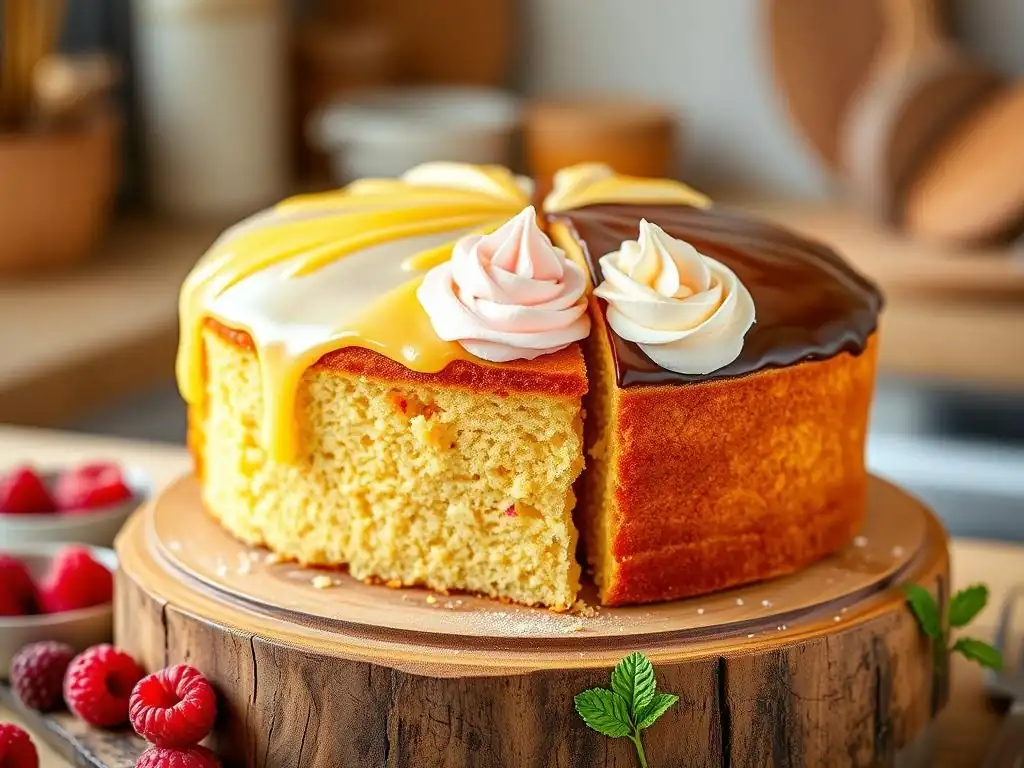
While a perfectly baked moist simple cake is delicious on its own, adding a simple glaze or frosting can take it to the next level. These additions provide extra sweetness, flavor, and can even help seal in moisture. You don't need complicated recipes to enhance your cake; often, the simplest toppings are the perfect complement to a moist vanilla crumb.
Here are a few easy options that pair beautifully with a moist simple cake, requiring minimal effort but delivering maximum flavor impact. They are perfect for beginners looking to finish their cake with a touch of sweetness.
Easy Glaze Recipes for a Vanilla Cake
A simple glaze is a quick and elegant way to finish a moist simple cake. It sets into a thin, slightly sweet layer that adds a hint of flavor without overpowering the cake itself. A basic powdered sugar glaze is incredibly easy to make. You'll need about 1 cup of powdered sugar and 2-3 tablespoons of liquid (milk, lemon juice, or water). Whisk the powdered sugar and liquid together until smooth and pourable. Add more liquid a teaspoon at a time if it's too thick, or more powdered sugar if it's too thin.
For a vanilla bean glaze, add 1/2 teaspoon of vanilla extract or the seeds from half a vanilla bean to the powdered sugar and milk/water mixture. You can drizzle this glaze over a warm cake for it to soak in slightly, or over a cooled cake for a more opaque finish. This simple addition complements the vanilla flavor of the moist simple cake beautifully and adds just the right amount of sweetness.
Basic Buttercream Frosting for Your Moist Cake
Buttercream is a classic pairing for vanilla cake, providing a rich, creamy topping. A basic American buttercream is straightforward for beginners. You'll need softened unsalted butter (typically 1/2 cup or one stick), about 3-4 cups of powdered sugar, 2-3 tablespoons of milk or cream, and 1-2 teaspoons of vanilla extract. Cream the softened butter using an electric mixer until smooth. Gradually add the powdered sugar, alternating with the milk/cream, mixing on low speed until combined, then beat on medium-high speed until light and fluffy.
Add the vanilla extract and beat until incorporated. If the frosting is too thick, add more milk or cream a teaspoon at a time; if too thin, add more powdered sugar. This recipe yields enough frosting to generously cover the top and sides of a single-layer moist simple cake or frost about 12 cupcakes. It's a versatile frosting that's easy to spread and provides a lovely contrast to the moist cake crumb.
Vanilla Glaze Recipe
A specific and popular glaze for vanilla cakes is a simple vanilla bean glaze. This recipe uses the same base as the easy glaze but focuses the flavor profile. You'll need 1 cup of powdered sugar, 2 tablespoons of milk (or water), and 1 teaspoon of pure vanilla extract (or the seeds from half a vanilla bean for visible specks). In a small bowl, combine the powdered sugar and milk. Whisk until smooth and all lumps are gone.
Stir in the vanilla extract or vanilla bean seeds. If the glaze is too thick to drizzle, add a few drops more milk until it reaches your desired consistency. If it's too thin, whisk in a tablespoon more powdered sugar. Drizzle or pour this glaze over your cooled moist simple cake. It will set into a slightly firm, sweet vanilla layer that enhances the cake's flavor without making it overly sweet or heavy.
Variations on the Basic Moist Vanilla Cake Recipe
Once you've mastered the basic moist simple cake recipe, you can easily adapt it to create delicious variations. Starting with a reliable base allows you to experiment with adding different flavors and textures without changing the core structure of the cake. These variations are simple additions or swaps that introduce new dimensions to your classic vanilla cake.
Experimenting with these ideas is a fun way to expand your baking repertoire using a familiar recipe. You can easily transform your moist simple cake into a different dessert experience with just a few extra ingredients.
Adding Fruit to Your Vanilla Cake for Extra Flavor
Adding fresh or frozen fruit is a wonderful way to introduce extra moisture and flavor to your vanilla cake. Berries like blueberries, raspberries, or chopped strawberries are excellent choices. For a standard 8 or 9-inch cake, gently fold about 1 to 1.5 cups of fruit into the batter just before pouring it into the pan. If using frozen fruit, do not thaw it first; add it directly to the batter. You can toss the fruit with a tablespoon of flour before adding it to help prevent it from sinking to the bottom of the cake.
Other fruits like diced apple, pear, or even mashed banana (which also adds moisture) can work, though they might require slightly different preparation (like sautéing apples first if you want them soft). The moisture from the fruit will infuse into the cake as it bakes, resulting in an even more flavorful and moist simple cake with delightful pockets of fruit.
Chocolate Chip Vanilla Cake Variation
For chocolate lovers, adding chocolate chips is a simple yet effective variation. The chocolate melts slightly during baking, creating gooey pockets of richness throughout the moist vanilla crumb. For an 8 or 9-inch cake, fold in about 1/2 to 3/4 cup of chocolate chips (mini or standard size) into the batter during the final mixing stage. You can use semi-sweet, milk, or even white chocolate chips depending on your preference.
Ensure the chocolate chips are evenly distributed by folding them in gently with a spatula after the batter is just combined. Avoid overmixing once the chips are added. This variation turns your moist simple cake into a comforting classic that's always a crowd-pleaser, offering delightful bursts of chocolate flavor in every bite.
Marble Cake Variation: A Swirl of Flavors
Creating a marble cake is a fun way to add visual appeal and a second flavor, like chocolate, to your moist simple cake. To make a marble cake, prepare your vanilla batter as instructed. Then, in a separate small bowl, take about one-third of the vanilla batter (roughly 1.5 to 2 cups) and whisk in 2-3 tablespoons of unsweetened cocoa powder and 1-2 tablespoons of milk (or hot coffee for a deeper chocolate flavor) until smooth.
Spoon alternating dollops of vanilla and chocolate batter into your prepared cake pan. Once all the batter is in the pan, use a knife or skewer to gently swirl the two batters together, creating a marbled pattern. Be careful not to over-swirl, or the colors will blend too much. Bake as directed. This technique results in a visually stunning and flavorful moist simple cake with a beautiful swirl of vanilla and chocolate.
Conclusion: Enjoy Your Deliciously Moist Vanilla Cake!
Congratulations! You've successfully baked a delicious and perfectly moist simple cake using our beginner-friendly guide. We hope you found the process enjoyable and empowering. Baking should be a source of joy and creativity, and starting with a reliable recipe like this one helps build confidence and encourages further exploration in the kitchen.
Whether you choose to enjoy your cake plain, with a simple glaze, or a luscious buttercream, savor the moment. Share it with loved ones, or simply enjoy a slice with your favorite cup of tea or coffee. This moist simple cake recipe is a testament to the fact that baking delicious treats doesn't have to be complicated.
BakeWithEase's Commitment to Easy and Delicious Baking
At BakeWithEase, our mission is to provide accessible, reliable, and enjoyable baking resources for everyone. We are committed to breaking down complex techniques into simple, easy-to-follow steps, just like we did with this moist simple cake recipe. Our goal is to equip you with the knowledge and confidence to bake successfully, whether you're making your very first cake or refining your skills.
We constantly test and develop recipes that prioritize ease without sacrificing flavor or texture. We believe that everyone has the potential to be a great baker, and we're here to support you on your journey. Keep exploring our website for more simple recipes, helpful tips, and inspiring ideas to make your baking adventures consistently delicious and, of course, easy!
Frequently Asked Questions
What makes a cake recipe truly "simple" according to BakeWithEase?
A simple cake recipe on BakeWithEase emphasizes easy-to-find ingredients and straightforward step-by-step instructions. The goal is to create a delicious cake even for beginner bakers.
How does BakeWithEase ensure a cake is "moist" in their recipes?
BakeWithEase recipes focus on techniques like using oil or buttermilk and avoiding over-baking to guarantee a moist final product. Proper ingredient ratios are also crucial.
What baking levels does BakeWithEase's "Beginner's Guide to Baking a Perfectly Moist Simple Cake" cater to?
This particular guide is designed specifically for beginner bakers and those seeking a reliable, easy-to-follow recipe. More experienced bakers might also appreciate its simplicity.
Where can I find the ingredients for a "moist simple cake recipe" recommended by BakeWithEase?
BakeWithEase prioritizes ingredients that are readily available in most grocery stores. You shouldn't have any trouble finding them!
Besides cakes, what other types of baked goods does BakeWithEase offer recipes and guides for?
BakeWithEase covers a wide range of baked goods, including pastries, breads, cookies, and more. They offer guides for everything from simple cookies to more complex sourdough.
Final Reflection: The Enduring Allure of a Perfectly Moist Cake
The pursuit of the perfect moist cake transcends mere culinary skill; it's a testament to the power of simple pleasures and the enduring comfort of homemade goodness. In a world increasingly dominated by fast food and processed ingredients, the act of baking a moist, simple cake from scratch offers a tangible connection to tradition and a rewarding sense of accomplishment. This simple act, as we've explored, is surprisingly impactful, offering a pathway to creativity and a delicious reward.
The journey of baking, much like life itself, is filled with unexpected challenges and delightful surprises. The subtle nuances of ingredient ratios, the precise timing of baking, and the sheer joy of sharing the final product with loved ones – these are the elements that elevate a simple cake into something truly special. The best things in life are simple,
a sentiment often repeated, rings especially true when considering the profound satisfaction derived from creating something delicious and comforting from basic ingredients. This simple act connects us to generations past, reminding us of the enduring power of shared meals and the joy of creating something beautiful.
Now, I invite you to consider your own approach to baking. Will you embrace the challenge of crafting your own perfectly moist cake, experimenting with different flavors and techniques? Will you share this newfound skill with friends and family, creating memories around the simple act of baking and sharing? The journey of the perfect moist cake is not just about the recipe; it's about the experience, the connection, and the enduring satisfaction of creating something truly delightful. So, go forth, and bake!
Unlock Your Inner Baker: Bake a Perfect Cake Today!
Thanks for taking the time to explore the world of simple, moist cakes with us! We hope you've gained the confidence to tackle your next baking adventure. Ready to put your new skills to the test?
- Bake your masterpiece! Use the recipe and tips from this guide to create your own perfectly moist cake. Don't forget to experiment with different flavors!
- Share your baking journey! Snap a picture of your creation and tag us on social media – we'd love to see your results!
- Explore our other recipes: Discover even more baking delights on our website, from cookies to pies and more!
What unique twist will you add to your perfect cake? Let us know in the comments!