
The Biscuit Method Made Easy: Quick Bread Technique for Beginners

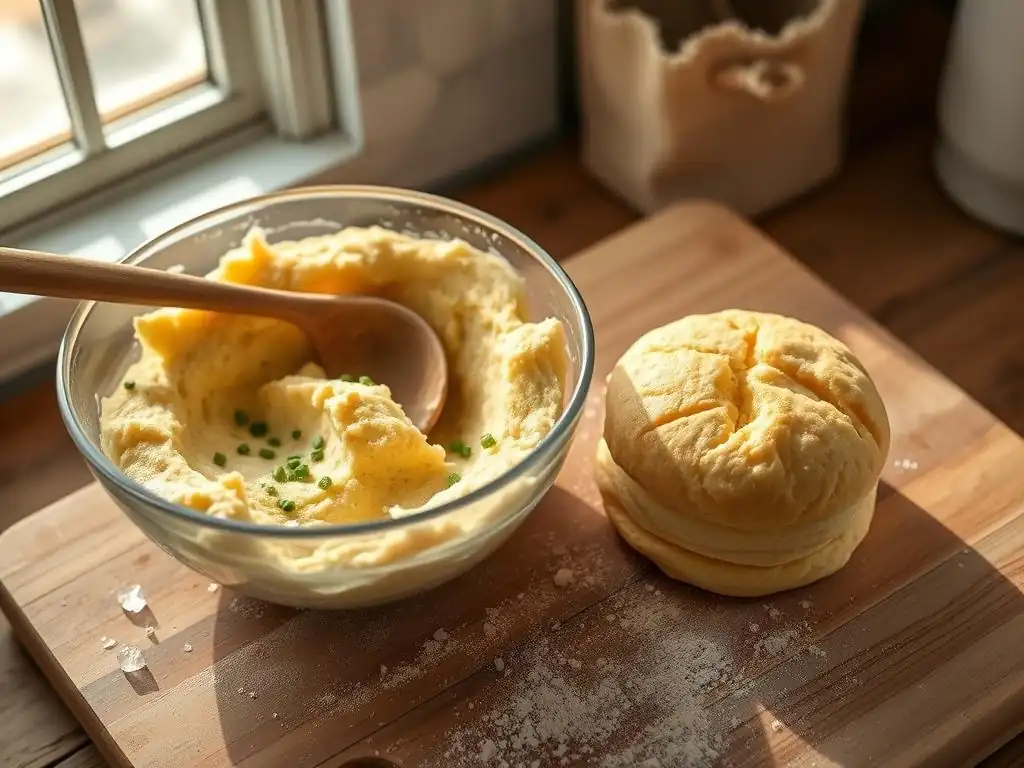
Welcome to BakeWithEase!
Ever wondered how to achieve perfectly flaky, tender biscuits without the fuss? You're in the right place! Discover the secrets of the Easy biscuit method baking – a fundamental technique that unlocks a world of quick breads and delectable treats. This simple approach is a baker's best friend, and we're about to show you how to master it. Curious to learn more? Let's get baking!
- Mastering Quick Breads: The Biscuit Method
- Understanding the Biscuit Method
- The Science of Flaky Biscuits
- Step-by-Step Biscuit Baking
- Troubleshooting Common Issues
- Recipe Variations
- Tips for Consistently Perfect Biscuits
- Conclusion: Baking Success
- Frequently Asked Questions
- Final Reflection: The Enduring Appeal of the Perfect Biscuit
- Unlock Your Inner Baker: Master the Biscuit Method Today!
Mastering Quick Breads: The Biscuit Method
Quick breads are a fantastic starting point for anyone new to baking. Unlike yeast breads, they rely on chemical leaveners like baking powder or baking soda to achieve their rise, making the process much faster and simpler. Among the various techniques used for quick breads, the biscuit method stands out as particularly accessible and effective, especially for creating flaky textures in scones, biscuits, and some coffee cakes. Mastering the easy biscuit method baking process opens up a world of delicious possibilities with minimal effort and time.
Understanding the Biscuit Method
The biscuit method is a fundamental technique in baking that involves cutting cold fat into dry ingredients before adding liquid. This process is distinct from other methods like the muffin method (liquid fat added to wet ingredients, then combined with dry) or the creaming method (softened fat and sugar creamed together). Its primary goal is to create pockets of fat within the dough that melt during baking, producing steam and contributing to a tender, flaky texture. This technique is a cornerstone for anyone aiming for success in easy biscuit method baking.
What is the Biscuit Method?
At its core, the biscuit method involves combining flour, leavening agents (like baking powder), salt, and sometimes sugar. Then, cold, solid fat (such as butter, shortening, or lard) is cut into this dry mixture until it resembles coarse crumbs or small peas. Finally, a liquid is added, and the dough is mixed just until it comes together. The key is to handle the dough minimally to prevent the development of tough gluten strands. This simple, yet precise, sequence is what defines the easy biscuit method baking approach.
This method is particularly effective because it distributes the fat throughout the dry ingredients in solid pieces. When the dough bakes, these pieces of fat melt, releasing steam. This steam helps to push the layers of dough apart, creating the characteristic flaky layers seen in well-made biscuits and scones. The size of the fat pieces influences the final texture; smaller pieces (like coarse sand) tend to result in a more tender, cake-like crumb, while larger pieces (like peas) yield more distinct, flaky layers. Understanding this interaction between fat and flour is crucial for successful easy biscuit method baking.
Advantages of the Biscuit Method for Quick Breads
The biscuit method offers several significant advantages, especially for those new to baking. Firstly, it is remarkably fast. There's no waiting for dough to rise as with yeast breads, meaning you can go from ingredients to baked goods in under an hour. This speed makes it perfect for busy schedules or impromptu baking desires. The simple sequence of adding dry, then cold fat, then liquid is easy to remember and execute, making easy biscuit method baking highly approachable for beginners.
Secondly, this method consistently produces a desirable texture – flaky, tender, and light. By keeping the fat cold and handling the dough gently, bakers can reliably achieve these results. For instance, a classic buttermilk biscuit made with the biscuit method typically boasts distinct layers that pull apart easily, a texture difficult to replicate with other methods. Furthermore, it's incredibly versatile, serving as the foundation for not just biscuits, but also scones, shortcakes, and even some pastry doughs, making it a valuable technique to master in your easy biscuit method baking journey.
Achieving Baking Success with the Biscuit Method
Success with the biscuit method hinges on a few critical factors. Temperature is paramount: ensuring your fat and liquid are very cold is non-negotiable. Cold fat is essential for creating those steam pockets during baking. Handling the dough minimally is another key; overworking the dough develops gluten, which leads to tough, dense biscuits instead of light, flaky ones. Gentle mixing and patting or folding the dough lightly are techniques that promote tenderness.
Precision in measuring ingredients, particularly the flour and liquid, also plays a vital role. Too much flour or too little liquid can result in a dry, crumbly dough, while too much liquid can make it sticky and hard to handle, leading to tougher results as you try to compensate.
Using a light touch when combining ingredients and shaping the biscuits, combined with accurate measurements, sets the stage for consistently excellent results when practicing easy biscuit method baking. For example, typically, a successful biscuit dough uses a liquid-to-flour ratio somewhere around 1:3 or 1:4 by weight, depending on the flour's absorption.
The Science of Flaky Biscuits
Creating truly flaky biscuits isn't just about following a recipe; it involves understanding the basic science behind the biscuit method. The interaction of cold fat, flour, and leavening agents during mixing and baking is what transforms simple ingredients into layered, tender delights. Appreciating these scientific principles helps bakers troubleshoot issues and consistently achieve perfect results in their easy biscuit method baking endeavors.
The Importance of Cold Fat
Cold fat is the cornerstone of flaky texture in the biscuit method. When cold butter, shortening, or lard is cut into the dry ingredients, it remains in solid pieces. As the biscuits bake in a hot oven, this solid fat melts. The water content within the fat (especially high in butter, about 15-18%) turns into steam. This steam gets trapped within the layers of dough that were created by the pieces of fat. The pressure of the expanding steam forces these layers apart, resulting in the characteristic flaky texture.
Conversely, using soft or melted fat will coat the flour particles more evenly before baking. This inhibits the formation of distinct fat pockets. Without these pockets, there's less opportunity for steam to create separation between layers. The result is a more uniform, cake-like, or even dense crumb rather than a light, flaky one. This is why recipes emphasize using very cold fat, often recommending chilling it in the freezer for 10-15 minutes before use, to ensure successful easy biscuit method baking.
Gluten Formation and its Control
Gluten is a protein network formed when flour (specifically the proteins glutenin and gliadin) is hydrated and manipulated. While some gluten is necessary for structure, too much development in quick breads leads to toughness. In the biscuit method, controlling gluten formation is key to achieving tenderness. This is primarily done by using cold liquids, handling the dough minimally, and avoiding overmixing.
Cold liquids slow down the hydration of flour proteins, thus slowing gluten development. Gentle mixing ensures that the gluten network doesn't become overly strong or elastic. Kneading, pressing, or stirring excessively will cause the gluten strands to align and strengthen, resulting in tough biscuits that are chewy rather than tender and crumbly. The goal in easy biscuit method baking is just enough mixing to bring the dough together, leaving it shaggy and slightly uneven, which prevents excessive gluten development.
Creating Layers: Essential Techniques
Creating distinct layers in biscuits involves specific techniques during the mixing and shaping process. After cutting in the cold fat and adding the liquid, the dough is often mixed just until it starts to come together, leaving visible pieces of fat. Then, instead of kneading, the dough is typically gently patted out or folded. A common technique involves patting the dough into a rectangle, folding it in thirds (like a letter), and repeating this process a few times (often 2-4 times).
Each fold creates new layers within the dough, separating the fat pieces. When these layers are then heated in the oven, the melting fat and steam push them apart, enhancing the flakiness. Cutting the biscuits straight down with a sharp cutter (without twisting) also helps seal the edges of these layers, encouraging them to rise upwards rather than spreading outwards, contributing to a higher, flakier biscuit. These simple yet effective techniques are vital for mastering easy biscuit method baking.
Step-by-Step Biscuit Baking
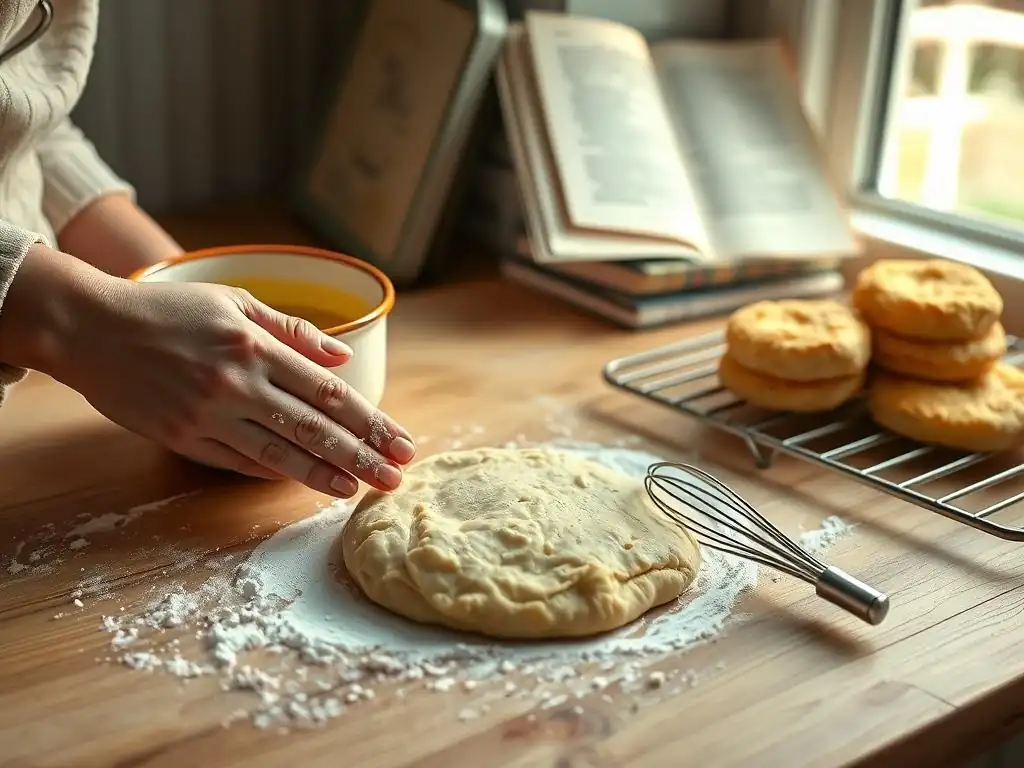
Let's walk through the process of making biscuits using the easy biscuit method baking technique. Following these steps carefully will help you achieve delicious, flaky results every time.
Ingredients for Optimal Biscuit Dough
Using the right ingredients and proportions is the first step to great biscuits. Quality matters, especially for flour and fat.
Ingredient List and Proportions
A classic biscuit recipe often follows approximate ratios. For example, a common starting point is:
- 2 cups (about 240g) All-purpose flour
- 2 teaspoons Baking powder (provides lift)
- 1/2 teaspoon Baking soda (reacts with buttermilk for extra lift)
- 1/2 teaspoon Salt (enhances flavor)
- 1/4 cup (about 50g) Cold unsalted butter, cut into small cubes
- 1/4 cup (about 45g) Cold shortening or lard, cut into small cubes (optional, enhances flakiness)
- 3/4 cup (about 180ml) Cold buttermilk (provides tang and reacts with baking soda)
Note: Using a combination of butter and shortening often yields the best balance of flavor (from butter) and flakiness (from shortening). Ensure all ingredients, especially the fats and liquid, are well-chilled before starting your easy biscuit method baking.
Essential Equipment
Having the right tools makes the biscuit-making process smoother and helps ensure success.
Required Tools for Biscuit Success
Here are some essential tools for easy biscuit method baking:
- Large mixing bowl
- Measuring cups and spoons
- Pastry blender, fork, or your fingertips for cutting in fat
- Bench scraper (helpful for handling and shaping dough)
- Rolling pin (optional, if you prefer rolling over patting)
- Biscuit cutter or sharp knife
- Baking sheet, preferably lined with parchment paper
Having these tools ready before you begin streamlines the process and minimizes delays, which is beneficial for keeping ingredients cold during easy biscuit method baking.
Combining Dry Ingredients
The first step is to whisk together all the dry ingredients in your large mixing bowl. This includes the flour, baking powder, baking soda (if using), salt, and any sugar if your recipe calls for it. Whisking ensures that the leavening agents, salt, and sugar are evenly distributed throughout the flour. This even distribution is important for uniform rise and flavor in the final biscuit.
Ensure you measure your flour correctly. The most accurate way is using a kitchen scale (2 cups typically weighs around 240g). If using measuring cups, gently spoon the flour into the cup and level it off with a straight edge, avoiding packing it down. Packed flour can add too much to the mix, leading to dry biscuits. This initial step of combining dry ingredients is quick but crucial for setting up the easy biscuit method baking process correctly.
Incorporating Cold Fat
This is perhaps the most critical step for achieving flaky biscuits using the easy biscuit method baking technique. Add your very cold, cubed fat (butter, shortening, or a mix) to the dry ingredients in the bowl. Use a pastry blender, a fork, or your fingertips to cut the fat into the flour mixture. The goal is to break the fat into small pieces.
Continue working the fat into the flour until the mixture resembles coarse crumbs or small peas. There should still be visible pieces of fat; avoid working it in until it's a uniform, sandy texture, as this will result in a more cake-like crumb rather than flakiness. Working quickly helps keep the fat cold. If using your hands, try to use the tips of your fingers, which are cooler than your palms. This step directly impacts the layering potential during easy biscuit method baking.
Working with Different Fats: Butter, Shortening, Lard
- Butter: Provides excellent flavor and contributes to tenderness. Due to its water content (around 15-18%), it produces significant steam for lift. However, it has a lower melting point than shortening or lard, so it requires careful handling to stay cold.
- Shortening: A hydrogenated vegetable oil, shortening is 100% fat and has a higher melting point than butter. This makes it easier to create and maintain distinct fat pieces, leading to exceptionally flaky results. It has less flavor than butter.
- Lard: Rendered pork fat, lard also has a high melting point and contributes to tenderness and flakiness, often considered superior for texture by traditional bakers. It has a neutral or slightly savory flavor depending on rendering.
Many bakers prefer a blend, such as half butter for flavor and half shortening or lard for maximum flakiness, when employing the easy biscuit method baking technique. Experiment to find your preference!
Adding Liquid
Once the fat is cut in, it's time to add the cold liquid. Make a well in the center of the dry ingredients and pour in the measured cold liquid.
Choosing the Right Liquid: Milk, Buttermilk, Cream
- Milk: Whole milk is a common choice, providing richness and moisture. It works well with baking powder alone.
- Buttermilk: A traditional choice for biscuits, buttermilk is acidic and reacts with baking soda (often used in tandem with baking powder) to provide extra lift and tenderness. Its acidity also helps inhibit gluten development and adds a pleasant tang.
- Cream: Heavy cream is sometimes used for incredibly rich and tender biscuits. Its high fat content contributes to a different texture, often more scone-like.
Pour the liquid in all at once. This helps hydrate the dry ingredients more uniformly.
Mixing the Dough Gently
After adding the liquid, use a fork or spatula to gently stir the ingredients together. Mix just until the dry ingredients are moistened and the dough begins to come together in a shaggy mass. There may still be some dry bits at the bottom of the bowl, and that's okay.
Preventing Overmixing
Overmixing is the enemy of tender, flaky biscuits. As you stir, the gluten in the flour begins to develop. Too much mixing develops a strong gluten network, resulting in tough, chewy biscuits. Stop mixing as soon as the dough looks like it will hold together. It should be shaggy and not smooth. This gentle mixing is paramount for successful easy biscuit method baking.
Turn the dough out onto a lightly floured surface. It will likely be sticky and shaggy. Gently pat or fold the dough a few times (as described in the "Creating Layers" section) to bring it fully together and create layers, but avoid kneading it like bread dough.
Shaping and Cutting Biscuits
Once the dough is gently brought together, it's time to shape and cut the biscuits. You can pat the dough into a circle or rectangle about 1/2 to 3/4 inch thick, depending on how tall you want your biscuits. For higher biscuits, fold the dough a couple of times before the final pat-down.
Techniques for Different Biscuit Shapes
- Round Biscuits: Use a sharp biscuit cutter. Press the cutter straight down without twisting. Twisting can seal the edges, preventing the layers from rising properly. Dip the cutter in flour between cuts if the dough is sticky.
- Square or Triangle Biscuits: Use a sharp knife or bench scraper to cut the dough into squares or triangles. This method has the advantage of producing no scraps, which means you don't have to re-roll dough (re-rolling can make biscuits tougher).
Place the cut biscuits onto your prepared baking sheet. For soft-sided biscuits that rise taller, place them close together so they touch. For crispier edges, space them further apart.
Baking to Perfection
The final step is baking the biscuits until they are golden brown and risen. Preheat your oven to a relatively high temperature.
Optimal Oven Temperature and Baking Time
A common temperature for baking biscuits using the easy biscuit method baking technique is 425°F (220°C). The high heat helps the fat melt quickly and create steam, contributing to a good rise and flaky layers before the gluten has a chance to fully set.
Baking time typically ranges from 12 to 18 minutes, depending on the size and thickness of your biscuits and the accuracy of your oven. They are done when they are well-risen and the tops are golden brown. The bottoms should also be lightly browned. You can brush the tops with melted butter halfway through baking or immediately after they come out for extra richness and shine.
Troubleshooting Common Issues
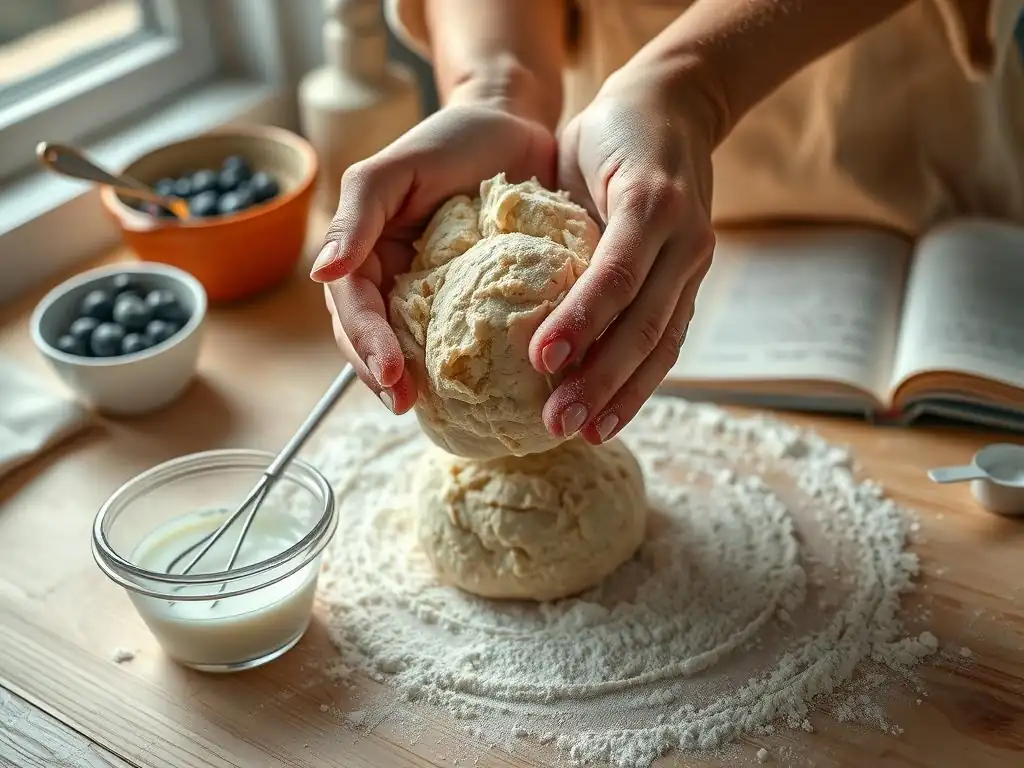
Even with the easy biscuit method baking technique, you might encounter some common problems. Understanding why they happen can help you fix them.
Dense Biscuits
Dense biscuits are often a result of overmixing the dough or using fat that wasn't cold enough. Overmixing develops too much gluten, leading to a tough, compact texture. If the fat isn't cold, it melts into the flour too early, coating the flour particles and preventing the formation of steam pockets necessary for lift and flakiness.
To avoid dense biscuits, ensure your fat and liquid are very cold. Mix the dough minimally, just until the dry ingredients are hydrated and the dough comes together in a shaggy mass. Handle the dough gently when shaping and cutting. Don't knead it like bread dough.
Dry Biscuits
If your biscuits turn out dry and crumbly, it's likely due to too much flour or not enough liquid. Over-measuring flour (especially by packing it into cups) is a frequent culprit. Using too little liquid prevents the flour from hydrating properly.
To prevent dry biscuits, measure your flour accurately, preferably by weight. Ensure you add the full amount of liquid specified in the recipe, using a cold liquid like buttermilk or milk. The dough should be moist and shaggy, not dry and crumbly, before baking.
Insufficient Rise
Biscuits that don't rise adequately can be caused by several factors related to the easy biscuit method baking process. Expired or inactive leavening agents (baking powder/soda) are a common reason. Not enough cold fat, or fat that melted before baking, will also result in less steam lift. Overworking the dough can also inhibit rise by developing a tight gluten structure that restricts expansion.
Check the freshness of your baking powder (test a little in hot water; it should bubble). Ensure your fat is cold and cut it in properly, leaving visible pieces. Handle the dough gently and avoid overmixing to allow for maximum rise during baking.
Tough Biscuits
Tough, chewy biscuits are almost always a sign of excessive gluten development from overworking the dough. Kneading or mixing the dough too vigorously or for too long activates and strengthens the gluten network in the flour.
To ensure tender biscuits, mix the dough only until it is just combined and shaggy. Turn it out onto the work surface and handle it as little as possible. Pat it gently into shape rather than rolling it forcefully, and avoid kneading altogether. This gentle handling is fundamental to successful easy biscuit method baking.
Recipe Variations
The easy biscuit method baking technique is incredibly versatile and can be adapted to create many different types of quick breads.
Classic Buttermilk Biscuits
The quintessential application of the biscuit method. These biscuits are made with flour, cold fat (often butter and/or shortening), salt, baking powder, baking soda, and cold buttermilk. They are known for their tangy flavor, tender interior, and flaky layers.
#### Classic Buttermilk Biscuit Ratio Example

*   Dry: 2 cups Flour, 2 tsp Baking Powder, 1/2 tsp Baking Soda, 1/2 tsp Salt
*   Fat: 1/2 cup Cold Butter/Shortening
*   Liquid: 3/4 cup Cold Buttermilk
This ratio provides a reliable starting point for mastering the easy biscuit method baking of this classic.
Sweet Biscuit Variations
By adding a bit of sugar to the dry ingredients, you can create a slightly sweet biscuit base perfect for serving with fruit and cream, like shortcakes. You can also incorporate other sweet elements.
- Add 1-2 tablespoons of sugar to the dry mix.
- Fold in fresh or dried berries (like blueberries or cranberries) after the liquid is added but before shaping. About 1/2 cup of berries per 2 cups of flour works well.
- Incorporate citrus zest (lemon, orange) into the dry ingredients for added flavor.
These variations maintain the core easy biscuit method baking principles but introduce different flavor profiles.
Savory Biscuit Variations
Biscuits aren't just for sweet applications! Adding cheese, herbs, or other savory ingredients creates a delicious accompaniment to soups, stews, or as a stand-alone snack.
- Fold in 1/2 - 1 cup of shredded cheese (cheddar, Parmesan, etc.) after adding the liquid.
- Add 1-2 tablespoons of chopped fresh herbs (rosemary, chives, thyme) to the dry ingredients.
- Include a pinch of black pepper or garlic powder in the dry mix.
- Mix in cooked, crumbled bacon or sausage for heartier biscuits.
These savory additions integrate seamlessly into the easy biscuit method baking process by simply being folded in at the appropriate stage.
Vegan Biscuit Recipe
The easy biscuit method baking technique can also be adapted for vegan diets by substituting animal products.
- Replace butter and shortening with vegan butter sticks and/or vegetable shortening designed for baking. Ensure they are kept very cold.
- Replace buttermilk with a mixture of plant-based milk (soy, almond, oat) and a tablespoon of vinegar or lemon juice per cup of milk. Let it sit for 5-10 minutes to curdle slightly before using.
- Ensure your baking powder and baking soda are vegan-friendly (most are, but check labels if unsure).
With these simple substitutions, you can create flaky, delicious vegan biscuits using the principles of easy biscuit method baking.
Tips for Consistently Perfect Biscuits
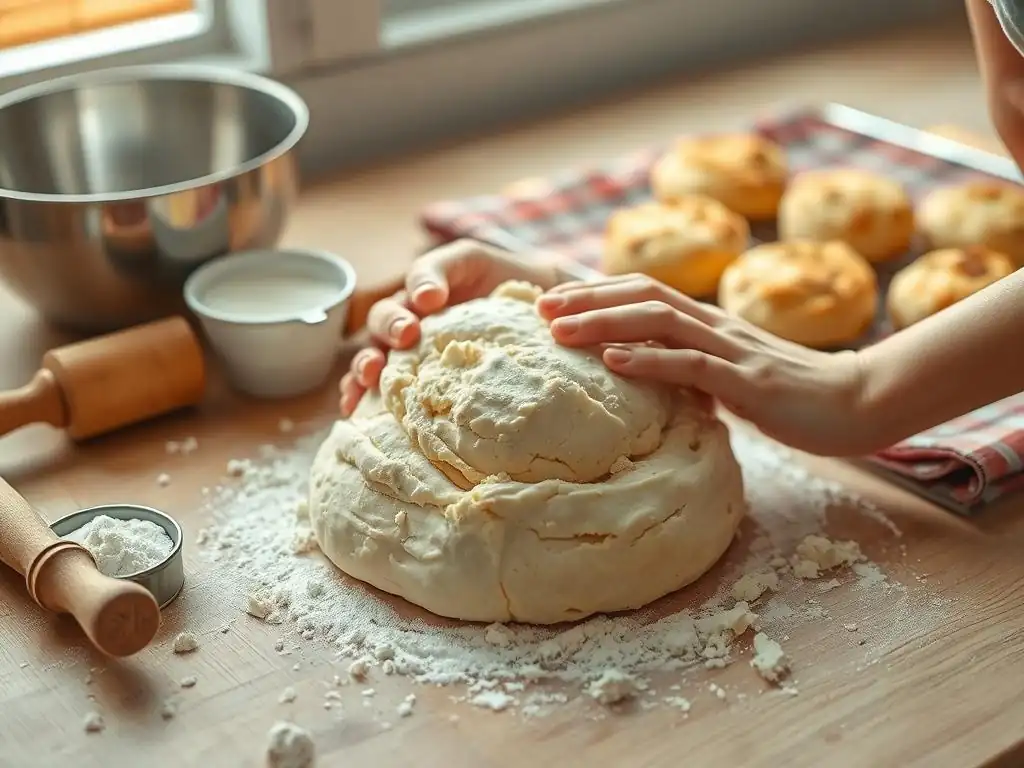
Achieving consistently perfect biscuits using the easy biscuit method baking technique involves paying attention to a few key details every time you bake.
Maintaining Cold Ingredients
This cannot be stressed enough: keep your fat and liquid cold! Return butter or shortening to the refrigerator or freezer if your kitchen is warm and you're working slowly. Use cold milk or buttermilk straight from the fridge. Some bakers even chill their mixing bowl and flour for 15-20 minutes before starting, especially in hot weather.
- Task List for Cold Ingredients:
- [ ] Cube butter/shortening and chill for at least 15 minutes.
- [ ] Measure liquid and keep in the refrigerator until ready to use.
- [ ] Consider chilling flour and bowl in very warm conditions.
Maintaining cold temperatures ensures the fat remains solid until it hits the hot oven, which is essential for flakiness in easy biscuit method baking.
Gentle Dough Handling
Handle the dough as little as possible. Mix until just combined. Pat or fold the dough gently; do not knead. When cutting, press straight down. Every touch develops gluten, and too much gluten leads to tough biscuits. Think of the dough as fragile and treat it with care.
The less you touch the biscuit dough, the happier your biscuits will be.
- A common baker's mantra.
This gentle approach is fundamental to successful easy biscuit method baking and achieving tender results.
Selecting the Right Baking Pan
A heavy-gauge metal baking sheet is ideal for biscuits. It conducts heat evenly, promoting uniform browning on the bottom. Lining the pan with parchment paper prevents sticking and makes cleanup easy. A dark-colored pan might brown the bottoms faster than a light-colored one, so adjust baking time accordingly.
For soft, tall biscuits, place them close together on the pan so they touch. As they rise, they will support each other and grow upwards. For biscuits with crispier edges, space them an inch or two apart.
Storage and Reheating
Freshly baked biscuits are always best served warm. If you have leftovers, store them in an airtight container at room temperature for 1-2 days, or in the refrigerator for up to 5 days.
To reheat, the best method is to warm them in a preheated oven or toaster oven at around 350°F (175°C) for 5-10 minutes until heated through. Microwaving can make them tough or rubbery. You can also freeze cooled baked biscuits for up to 2-3 months. Thaw at room temperature and reheat as directed. Proper storage ensures you can enjoy the fruits of your easy biscuit method baking later.
Conclusion: Baking Success
Mastering the biscuit method is a valuable skill for any home baker, especially beginners. It demystifies the process of creating flaky quick breads and provides a solid foundation for countless recipes. By understanding the role of cold fat, controlling gluten development, and practicing gentle handling, you can consistently produce delicious, tender, and flaky biscuits using the easy biscuit method baking technique.
Elevating Your Baking Skills
The easy biscuit method baking process teaches fundamental techniques applicable to other pastries and doughs. The principle of cutting in cold fat is used in pie crusts and scones. Learning to handle dough gently is crucial for many baking projects. As you become more comfortable with this method, you'll build confidence to tackle more complex recipes and truly elevate your baking skills.
Practice makes perfect! Don't be discouraged if your first batch isn't exactly what you hoped for. Review the steps, consider what might have gone wrong (was the fat cold enough? Did you overmix? ), and try again. Each attempt will bring you closer to achieving those perfect, flaky layers through dedicated easy biscuit method baking practice.
Further Recipe Exploration
Once you've mastered the basic easy biscuit method baking, you can explore a vast array of recipes. Experiment with different flours (like substituting a portion of all-purpose with whole wheat or pastry flour), various fats, and a wide range of sweet and savory additions. Try making cheese biscuits, herb biscuits, or sweet shortcakes topped with seasonal fruit. The biscuit method is a gateway to a world of quick, delicious baked goods, proving just how easy biscuit method baking can be.
Frequently Asked Questions
What exactly is the biscuit method in baking?
The biscuit method is a technique for incorporating fat into flour to create a flaky texture. It involves cutting cold solid fat into the dry ingredients until the mixture resembles coarse crumbs. This creates layers that result in a light and airy biscuit.
Why is it called the "biscuit" method?
It's called the biscuit method because it's the traditional way to make biscuits! The technique produces a characteristic flaky texture commonly found in biscuits. It's also used for other quick breads such as scones.
What makes the biscuit method "easy" compared to other baking methods?
The biscuit method is considered easy because it requires minimal kneading and mixing. This reduces the risk of overdeveloping gluten, which can lead to tough baked goods. It's also relatively quick, making it perfect for beginner bakers.
What are the key ingredients I need for the biscuit method?
You'll need flour, baking powder, salt, cold solid fat (like butter or shortening), and cold liquid (like milk or buttermilk). The cold ingredients are crucial for preventing the fat from melting too early.
What are some common mistakes people make when using the biscuit method?
Common mistakes include using warm fat, overmixing the dough, and using too much liquid. All of these can result in tough, dense biscuits instead of light and flaky ones. Always keep ingredients cold and handle the dough gently.
Final Reflection: The Enduring Appeal of the Perfect Biscuit
The simple act of baking a biscuit, once mastered, unlocks a world of culinary possibilities. From fluffy, buttery delights to savory accompaniments, the biscuit transcends its humble origins to become a versatile and deeply satisfying baked good. This method, designed for beginners, aims to demystify the process and empower everyone to experience the joy of homemade biscuits.
The influence of simple baking techniques like this one on our cultural landscape is profound. It connects us to generations past, reminding us of the comfort and satisfaction found in creating something delicious from scratch. The aroma alone evokes feelings of warmth and home. Baking is at once child's play and adult joy. And love, of course.
– This sentiment perfectly captures the essence of biscuit baking, a process that is both accessible and deeply rewarding.
Now, it's your turn. Don't let the fear of failure hold you back. Gather your ingredients, follow the steps outlined in this article, and experience the magic of creating something delicious with your own two hands. The perfect biscuit awaits – and so does the immense satisfaction of knowing you baked it yourself. Embrace the simplicity, enjoy the process, and share the joy with those you love.
Unlock Your Inner Baker: Master the Biscuit Method Today!
Thanks for joining us on this baking adventure! We hope you've gained a newfound confidence in tackling quick breads. Ready to put your new skills to the test?
- Bake a batch of biscuits (or your favorite quick bread!) using the Biscuit Method. This is your chance to solidify what you've learned and experience the delicious results firsthand. Don't be afraid to experiment!
- Share your baking triumphs (or even your floury mishaps!) on social media using #BakeWithEaseBiscuits. Let's build a supportive baking community!
- Explore other quick bread recipes on BakeWithEase.com to expand your baking repertoire and discover new flavor combinations.
What amazing quick bread creation will you bake first? Let us know in the comments below!