
NoRoll Pie Crust: The Easiest Way

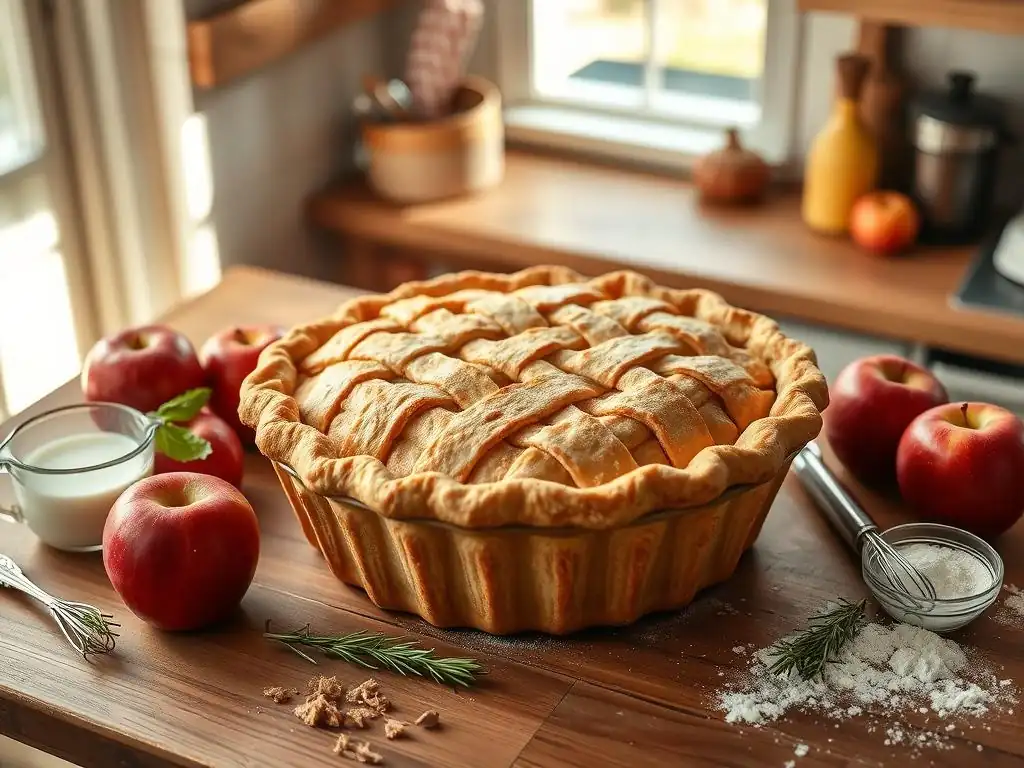
Welcome to BakeWithEase, where simplifying baking is our mission! Tired of the fuss and mess of traditional pie crusts? Discover how to create a perfectly flaky and delicious pie with our Easy NoRoll Pie Crust recipe. Prepare to be amazed at how quickly and effortlessly you can achieve pie perfection – let's get baking!
Step 2: Making the Pie Crust
Creating the perfect pie crust can feel daunting, but with an easy no-roll pie crust method, it becomes incredibly simple – truly an easy noroll pie crust solution. This technique eliminates the need for rolling pins and flaky dough worries, making it ideal for beginners or anyone short on time. The basic ingredients remain the same as a traditional crust: flour, fat (like butter or shortening), a pinch of salt, and cold water.
The magic lies in how you combine and handle them. Instead of cutting cold fat into flour until it resembles coarse crumbs and then painstakingly rolling it out, this method often involves a slightly different fat-to-flour ratio or technique that allows you to press the dough directly into the pie plate.
For a standard 9-inch pie, you might use roughly 1 and 1/2 cups of all-purpose flour, 1/2 teaspoon of salt, about 1/2 cup of cold fat, and 3-4 tablespoons of ice water. The exact measurements can vary slightly depending on the specific no-roll recipe, but the principle is about creating a pliable dough that holds its shape when pressed.
The key to this easy noroll pie crust is often the consistency of the fat or the method of mixing. Some recipes use melted butter combined with flour, which creates a very pressable dough. Others might use a slightly softer fat or a "blending" technique where fat and flour are combined more thoroughly than for a flaky crust.
Once your dough comes together, typically forming a soft ball or large crumbs, you simply transfer it to your pie plate. Using your fingers, knuckles, or the bottom of a glass, you press the dough evenly across the bottom and up the sides of the plate. Aim for a uniform thickness, around 1/8 to 1/4 inch, ensuring no gaps or thin spots that could lead to leaks during baking.
After pressing, chilling the crust for at least 30 minutes (or even an hour) in the refrigerator is crucial. This firms up the fat, which helps the crust hold its shape and prevents excessive shrinking during baking, setting a solid foundation for your delicious apple filling.
Basic No-Roll Crust Ratio (Illustrative):
- Flour: ~1.5 cups
- Salt: ~0.5 tsp
- Cold Fat: ~0.5 cup
- Ice Water: ~3-4 tbsp
- Ensure your fat and water are very cold for the best texture.
- Press the dough firmly but gently to avoid compacting it too much.
- Don't skip the chilling step!
- What is a No-Roll Pie Crust, and why is it considered "easy"?
- What are the key ingredients typically used in a BakeWithEase No-Roll Pie Crust recipe?
- Is a No-Roll Pie Crust as flaky as a traditional rolled pie crust?
- Can I use a No-Roll Pie Crust for both sweet and savory pies?
- What are some common mistakes to avoid when making a No-Roll Pie Crust?
Frequently Asked Questions
What is a No-Roll Pie Crust, and why is it considered "easy"?
A No-Roll Pie Crust is a pie crust recipe that doesn't require rolling out the dough. It's considered easy because it's typically made by pressing the dough into the pie plate or using a loose batter poured into the pie tin.
What are the key ingredients typically used in a BakeWithEase No-Roll Pie Crust recipe?
Common ingredients include flour, butter (often melted), salt, and water or milk. Some recipes may include sugar for a slightly sweeter crust. The specific ratios and ingredients can vary based on the BakeWithEase recipe.
Is a No-Roll Pie Crust as flaky as a traditional rolled pie crust?
Generally, a No-Roll Pie Crust might not be as flaky as a traditional rolled crust. However, BakeWithEase recipes aim to maximize flakiness through specific techniques and ingredient choices.
Can I use a No-Roll Pie Crust for both sweet and savory pies?
Yes, a No-Roll Pie Crust can be adapted for both sweet and savory pies. You might adjust the amount of sugar depending on whether you're making a sweet or savory pie.
What are some common mistakes to avoid when making a No-Roll Pie Crust?
Avoid overmixing the dough, as this can lead to a tough crust. Also, ensure the butter is at the correct temperature (usually melted or very soft) as specified in the BakeWithEase recipe. Proper pressing or pouring is also crucial for even distribution.
Final Reflection: The Humble Pie Crust, Reimagined
The quest for the perfect pie crust is a timeless pursuit, and the no-roll method offers a revolutionary simplification. No longer is flaky, delicious pastry confined to the realm of experienced bakers; accessibility is the key ingredient in this recipe's success. This ease of preparation opens up a world of culinary creativity for everyone, regardless of skill level.
The impact of this simple technique extends beyond the individual kitchen. It democratizes baking, allowing more people to experience the joy of creating something from scratch, fostering a deeper connection with food and tradition. The best things in life are simple,
a sentiment perfectly encapsulates the beauty of this no-roll approach. It's a reminder that sometimes, the most rewarding experiences are born from the most straightforward methods.
Now, I invite you to consider your own baking journey. Will you embrace the simplicity of the no-roll pie crust? Will you experiment with different flavors and fillings, empowered by the ease of this technique? The possibilities are as endless as your imagination, and the delicious results await. Go forth, bake, and share the joy!
Unleash Your Inner Baker: Make Perfect Pie Crust Every Time!
Thanks for taking the time to learn about the No-Roll Pie Crust method! We hope you're feeling empowered and ready to tackle even the flakiest, most delicious pies. Now it's time to put your new skills to the test!
- Bake a No-Roll Pie tonight! Grab your ingredients and try this recipe – you'll be amazed at how easy it is.
- Share your pie-making journey on social media using #NoRollPieCrust and tag @BakeWithEase. Let's see those delicious creations!
- Explore other easy pie recipes on our website to further expand your baking repertoire.
What unique flavor combination will you create with your perfect No-Roll Pie Crust?