
Storing Classic Cookies: Tips for Beginners to Keep Them Fresh

Welcome to BakeWithEase, your trusted guide to unlocking the joys of baking! Ever wondered how to keep those deliciously baked cookies fresh for longer? Our latest article, " Storing Classic Cookies: Tips for Beginners to Keep Them Fresh," dives into the secrets of preserving your sweet treats. Discover simple, effective methods to prevent staleness and maintain that perfect, just-baked texture. Intrigued? Keep reading to transform your cookie game!
- Introduction: Preserving the Deliciousness of Your Classic Cookies
- Why Proper Cookie Storage Matters for Beginners
- Understanding Cookie Types and Their Storage Needs
- Essential Tools for Cookie Storage
- Step-by-Step Guide: How to Store Cookies for Maximum Freshness
- Different Cookie Storage Methods: Room Temperature, Refrigerator, or Freezer?
- Troubleshooting Common Cookie Storage Problems
- Advanced Cookie Storage Techniques for the Avid Baker
- Conclusion: Enjoying Freshly Stored Cookies from BakeWithEase.com
- Frequently Asked Questions
- Final Reflection: The Enduring Sweetness of Perfectly Stored Cookies
- Unlock Your Cookie's Delicious Potential!
You've just pulled a batch of warm, fragrant classic cookies from the oven. They look perfect, smell amazing, and taste even better. But what happens after the initial joy of baking and tasting? Often, beginners are faced with the question: how to store cookies so they stay just as delicious days later? Proper storage is key to extending the life and maintaining the quality of your baked goods, ensuring that every bite is as enjoyable as the first. This guide from BakeWithEase.com is designed to help you master the simple art of storing your classic cookie creations.
Baking is a rewarding process, and knowing how to store cookies correctly means your hard work doesn't go to waste. Whether you've made a small batch for yourself or a large batch to share, keeping them fresh is essential. We'll cover everything from why storage matters to specific techniques for different types of cookies, making sure your beginner baking journey includes perfect post-bake preservation.
Leaving cookies exposed to air is the fastest way to turn a delightful treat into a hard, dry disappointment. Air causes oxidation and moisture loss, leading to that dreaded stale texture and diminished flavor. For beginners, understanding this basic principle is the first step in mastering how to store cookies effectively. A cookie that has gone stale is far less enjoyable, potentially discouraging future baking attempts.
Think of your freshly baked cookie as a delicate creation where moisture content is perfectly balanced. Exposure to the environment disrupts this balance. For instance, a typical batch of sugar cookies left uncovered on a counter can begin to show signs of staleness within just a few hours in a dry environment. Proper storage creates a barrier against the air, significantly slowing down this process and preserving the cookie's intended texture and taste for days or even weeks.
The texture of a cookie is just as important as its flavor. A soft and chewy chocolate chip cookie losing its moisture becomes hard, while a crisp shortbread absorbing moisture turns unpleasantly soft. Learning how to store cookies with their specific texture in mind is crucial for any beginner baker wanting consistent results. Different cookie types require different storage approaches to maintain their unique characteristics.
Consider the difference between storing a batch of soft oatmeal raisin cookies and crisp gingersnaps. The oatmeal cookies need to retain moisture to stay soft, while the gingersnaps need to remain dry to stay crisp. Mixing these types in the same container is a common beginner mistake that can ruin both textures – the soft cookies might dry out slightly, while the crisp ones will absorb moisture from the soft ones and lose their snap. Tailoring your storage method ensures your cookies remain exactly as you intended them to be.
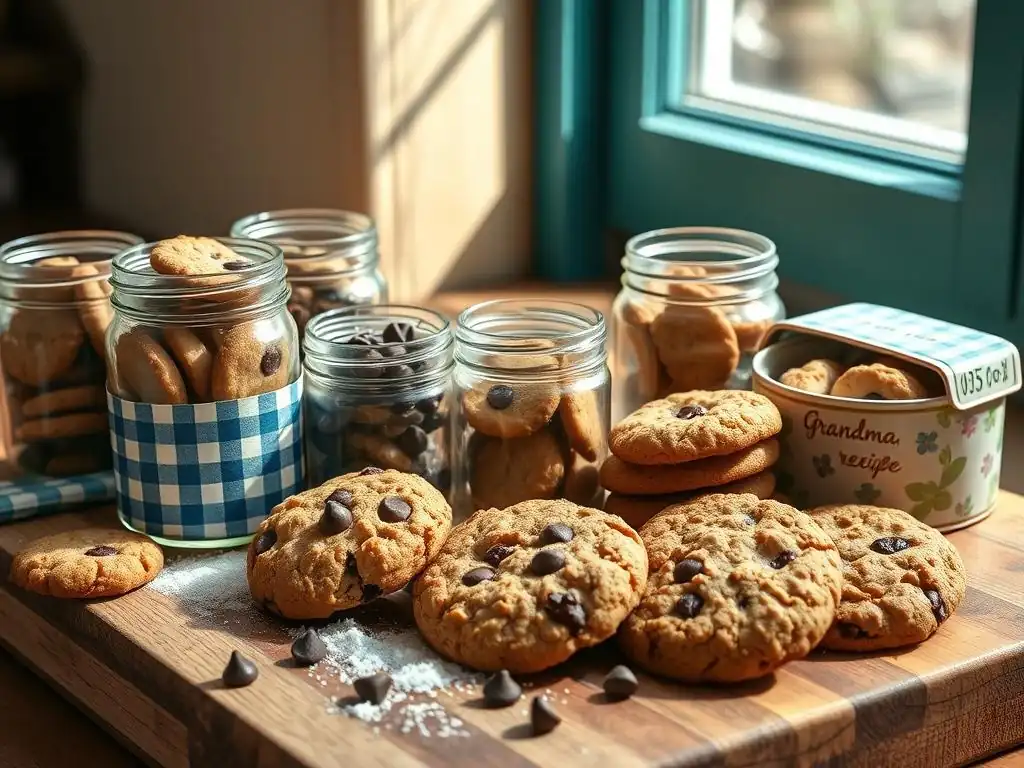
Soft and chewy cookies, such as classic chocolate chip, oatmeal, or peanut butter cookies, are characterized by their higher moisture content. The goal when storing these is to retain that moisture to keep them tender. Exposure to dry air is their enemy. Learning how to store cookies of this type involves creating a humid environment within their storage container.
These cookies typically benefit from being stored in an airtight container at room temperature. A common beginner tip is to place a slice of bread or a quarter of an apple slice inside the container with the cookies. The bread or apple will release moisture into the air within the container, which the cookies will then absorb, helping them stay soft and chewy for approximately 3-5 days. Remember to replace the bread or apple slice every day or two to prevent mold.
Crisp cookies, including shortbread, biscotti, gingersnaps, and many types of sugar cookies, are baked to have very low moisture content. Their desirable texture is their crispness or snap. The challenge when storing these is to prevent them from absorbing moisture from the air, which would make them soft and potentially rubbery. Knowing how to store cookies like these means keeping humidity away.
These cookies should also be stored in airtight containers, but without anything that adds moisture, like bread or apple slices. Ensure the container is completely dry before adding the cookies. If you live in a humid climate, you might even consider adding a food-safe desiccant packet (like the silica gel packets found in some food packaging, ensuring they are explicitly labeled food-safe) to the container, though this is less common for home baking and more for advanced storage. Stored correctly at room temperature, crisp cookies can often maintain their texture for 1-2 weeks.
Decorated cookies, especially those adorned with icing or royal frosting, require special care when storing to prevent smudging, sticking, or damaging the decorations. The type of decoration significantly impacts how to store cookies. Simple glaze or powdered sugar dusting is less sensitive than intricate royal icing designs.
Cookies decorated with royal icing must be completely dry and hardened before stacking or storing. This can take anywhere from 6 to 24 hours, depending on the icing consistency and humidity. Once dry, stack them carefully in layers separated by parchment or wax paper in an airtight container.
Avoid storing cookies with different types of icing together, as moisture from softer icings can affect hardened ones. For cookies with more delicate decorations or those prone to sticking (like some buttercream or fondant), a single layer storage might be best, or use individual cookie bags before placing them in a larger container. Stored properly, royal-iced cookies can last 2-3 weeks at room temperature, while those with softer icings might last 3-5 days.
Airtight containers are arguably the most crucial tool in learning how to store cookies effectively. They create a seal that prevents air and moisture from entering or escaping, depending on what you're trying to achieve (keeping crisp cookies dry or soft cookies moist). These containers come in various materials like plastic, glass, or metal, and sizes.
Look for containers with tight-fitting lids, often with rubber or silicone gaskets, that create a vacuum or strong seal when closed. Examples include plastic food storage containers with snap-on lids or glass jars with clamp-down lids. Using an airtight container is essential regardless of whether you plan to store cookies at room temperature, in the refrigerator, or the freezer. A good seal is the primary barrier against the elements that cause cookies to deteriorate.
Cookie jars are a beloved kitchen staple, often holding nostalgic value. While many traditional cookie jars with simple lift-off lids are charming, they are often not truly airtight. For effective long-term storage of how to store cookies, especially to prevent staleness, you need a cookie jar with a proper seal.
Modern cookie jars are designed with airtight features, such as silicone seals around the lid's rim. If your favorite cookie jar lacks an airtight seal, you can still use it for short-term storage (cookies you plan to eat within a day or two) or line it with an airtight bag before adding cookies. For truly effective storage that keeps cookies fresh for several days, opt for a jar explicitly labeled as airtight or use it in conjunction with another method, like storing cookies in a sealed bag inside the jar.
When learning how to store cookies for extended periods, especially beyond a week, the freezer is your best friend, and high-quality freezer bags are indispensable. Freezer bags are thicker than standard storage bags and are designed to protect food from freezer burn, which occurs when food is exposed to air in the freezer, causing dehydration and flavor loss.
Using freezer bags allows you to remove excess air before sealing, creating a closer-to-airtight environment. This is particularly useful for freezing both baked cookies and cookie dough. When storing baked cookies, ensure they are completely cooled before placing them in the bag. Press out as much air as possible before sealing. Double-bagging can offer extra protection against freezer burn, preserving the quality of your cookies for several months, often up to 6-12 months if stored correctly.
Parchment paper and wax paper are simple yet essential tools when stacking cookies for storage. They create a non-stick barrier between layers of cookies, preventing them from fusing together, especially if they are soft, slightly warm, or contain sticky ingredients like chocolate chips or caramel. This is a fundamental step in how to store cookies neatly and preserve their individual form.
Before layering cookies in an airtight container or freezer bag, cut pieces of parchment or wax paper to fit the container's dimensions. Place a layer of cookies, then a sheet of paper, another layer of cookies, and so on. This is particularly important for decorated cookies or those you plan to freeze in batches. Parchment paper is slightly more versatile as it can withstand colder temperatures better than some wax papers, making it ideal for freezer storage layering.
Here is a simple guide on how to store cookies properly, covering the essential steps for beginners.
This is perhaps the most critical first step in how to store cookies. Warm cookies release steam and moisture. If you store them while they are still warm, this moisture will condense inside the storage container, creating a humid environment that can make crisp cookies soggy and potentially lead to mold growth over time.
Always let your cookies cool completely on a wire rack. This allows air circulation around the cookies, helping them cool down evenly and allowing any residual moisture to evaporate. Depending on the cookie size and thickness, this can take anywhere from 30 minutes to 2 hours. They should be at room temperature before moving to storage.
As discussed earlier, the type of cookie dictates the best container and conditions. For how to store cookies, select an airtight container that is appropriately sized for the batch. Avoid using containers that are too large, as excess air inside can still contribute to staleness or freezer burn.
- Soft Cookies: Use an airtight container with a good seal.
- Crisp Cookies: Use a completely dry airtight container.
- Decorated Cookies: Use an airtight container, ensuring decorations are dry. Consider single layers or separating layers carefully with paper.
Once cookies are cool and you have your container, it's time to arrange them. This step in how to store cookies is especially important when storing multiple cookies together.
- Place a single layer of cookies at the bottom of the container.
- If adding more layers, place a sheet of parchment paper or wax paper over the first layer.
- Add the next layer of cookies on top of the paper.
- Repeat layering cookies and paper until the container is full, leaving a little space at the top.
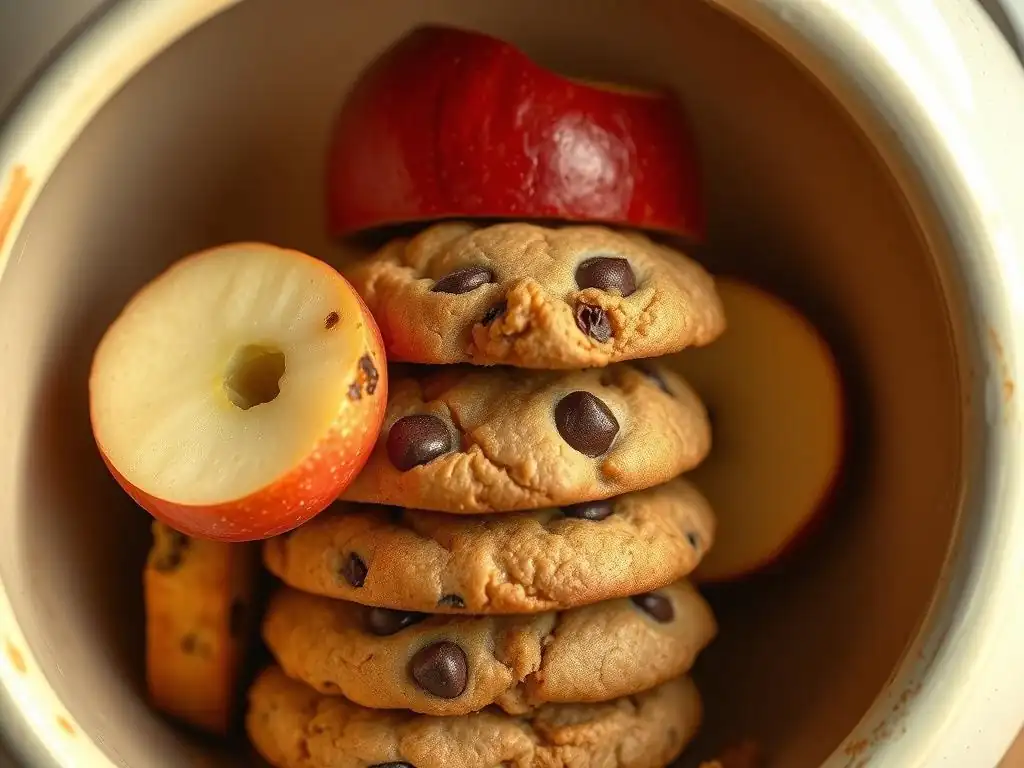
This technique is specifically for how to store cookies that you want to keep soft and chewy. It introduces controlled moisture into the container.
- For soft cookies (like chocolate chip or oatmeal), place a small slice of fresh bread or a quarter of an apple slice inside the airtight container with the cookies.
- Ensure the bread/apple slice is not directly touching the cookies to prevent them from becoming too moist or developing off-flavors.
- Remember to replace the bread or apple slice every 1-2 days as it dries out or if you notice any signs of mold.
Step 5: Sealing the Container Airtight
The final crucial step in how to store cookies is ensuring the container is properly sealed. This is what creates the barrier against environmental factors.
- Close the lid firmly on your chosen airtight container.
- If using a container with clasps, ensure all clasps are securely fastened.
- If using a freezer bag, press out as much air as possible before sealing it completely. Consider double-bagging for freezer storage.
- Check the seal to make sure it is tight and there are no gaps.
Deciding how to store cookies also involves choosing the right environment: room temperature, refrigerator, or freezer. Each method offers different benefits and is suitable for varying lengths of time and cookie types.
Storing cookies at room temperature is the most common method for cookies intended to be eaten within a few days to a week or two. This is the default for most classic cookies like chocolate chip, sugar cookies, shortbread, and gingersnaps. For how to store cookies at room temperature effectively, the primary requirement is an airtight container to protect them from air and pests.
Ensure the storage location is cool and dry, away from direct sunlight or heat sources like ovens or radiators, which can affect texture and freshness. A pantry or cupboard is ideal. Soft cookies stored this way with a moisture source typically last 3-5 days, while crisp cookies without added moisture can last 1-2 weeks. Always inspect cookies before eating if they've been stored for an extended period.
Refrigerating cookies is generally not the preferred method for most cookie types, as the cold, dry environment of a refrigerator can actually dry them out and negatively impact their texture, making soft cookies hard and crisp cookies potentially chewy. However, there are specific instances when understanding how to store cookies in the refrigerator is necessary.
Cookies containing perishable ingredients like cream cheese, custard, or fresh fruit fillings must be refrigerated to prevent spoilage. Also, some doughs need refrigeration before baking (like slice-and-bake cookies). If you must refrigerate baked cookies (perhaps due to a very humid environment or lack of pantry space for a large batch), ensure they are in a very well-sealed airtight container to minimize moisture loss and absorption of refrigerator odors. They typically last about a week when refrigerated.
Freezing is the best method for how to store cookies if you want to keep them fresh for weeks or months. It's excellent for planning ahead, managing large batches, or simply having fresh cookies available on demand. You can freeze both baked cookies and unbaked cookie dough.
How to Freeze Baked Cookies
Freezing baked cookies is straightforward and allows you to enjoy "freshly baked" taste later.
- Ensure cookies are completely cooled.
- Flash freeze: Place cookies in a single layer on a baking sheet lined with parchment paper. Freeze for about 1-2 hours until solid. This prevents them from sticking together when grouped.
- Transfer frozen cookies to an airtight freezer bag or container.
- Layer with parchment paper if stacking.
- Remove as much air as possible before sealing.
- Label the container with the cookie type and date.
- Frozen baked cookies can last 6-12 months, though quality is best within the first 6-8 months.
Freezing Cookie Dough: An Alternative Method
Freezing cookie dough is incredibly convenient for spontaneous baking. Learning how to store cookies by freezing the dough is a game-changer.
- Prepare your cookie dough according to the recipe.
- Shape the dough:
- Log: Form the dough into logs (approx. 1.5-2 inches in diameter), wrap tightly in plastic wrap, then foil or a freezer bag. Great for slice-and-bake.
- Individual Portions: Scoop dough into individual cookie portions (using a cookie scoop is helpful) and place them on a parchment-lined baking sheet. Flash freeze until solid (1-2 hours).
- Transfer frozen dough portions or logs to an airtight freezer bag or container.
- Remove excess air and seal tightly.
- Label with cookie type, date, and baking temperature/time instructions.
- Frozen cookie dough can last 9-12 months.
Thawing Frozen Cookies: Restoring Their Original Texture
Proper thawing is key to restoring the texture of frozen cookies.
- Baked Cookies:
- For crisp cookies: Thaw directly in their sealed container at room temperature for 1-2 hours. This prevents condensation on the cookie surface.
- For soft cookies: Thaw in their sealed container at room temperature. You can gently warm them in a low oven (around 250°F or 120°C) for a few minutes to restore a just-baked texture and warmth, being careful not to over-bake.
- Frozen Dough:
- Logs: Thaw in the refrigerator overnight, then slice and bake as usual.
- Individual Portions: Bake directly from frozen, adding 2-4 minutes to the original baking time. No thawing needed!
Even when following best practices, you might encounter issues. Knowing how to store cookies also means knowing how to fix common problems.
If your soft cookies turn hard, it's usually due to moisture loss. This happens if the container isn't truly airtight, if they were stored too long, or if no moisture source (like bread/apple) was added.
- Solution: Ensure you are using a genuinely airtight container. For soft cookies, always add a slice of bread or apple and replace it regularly. If cookies have already hardened slightly, try placing them in an airtight container with a fresh slice of bread or apple overnight; they may absorb some moisture back.
Soggy cookies, especially crisp ones, are usually the result of absorbing too much moisture. This can happen if they are stored with soft cookies, if the container wasn't dry, or in a very humid environment.
- Solution: Never store crisp cookies with soft cookies. Ensure your airtight container is completely dry before adding crisp cookies. If you live in a very humid area, consider adding a food-safe desiccant packet to the container (use with caution and ensure it's food-safe). For already-soggy crisp cookies, you might try briefly reheating them in a low oven (around 300°F or 150°C) for 5-10 minutes to dry them out slightly, letting them cool completely afterwards.
Cookies sticking together is often caused by stacking them before they are completely cool, or not using parchment/wax paper between layers, especially with soft or decorated cookies.
- Solution: Always wait until cookies are completely cooled on a wire rack before stacking or storing. Use parchment paper or wax paper between every layer of cookies in your storage container, especially for soft, chewy, or iced varieties. If cookies are stuck, gently try to separate them with a thin spatula or knife. If they are badly stuck, you may need to accept they will break.
For those looking to extend the shelf life of their baked goods even further, beyond the typical methods of how to store cookies, these techniques offer enhanced preservation.
Vacuum sealing removes almost all air from the packaging, creating a near-perfect barrier against oxidation and moisture exchange. This significantly extends the shelf life of many foods, including cookies.
When vacuum sealing baked cookies, it's best to flash freeze them first until solid. This prevents them from being crushed by the vacuum process. Once frozen, place the solid cookies in a vacuum seal bag and use a vacuum sealer machine to remove the air and seal the bag. Cookies vacuum-sealed and stored in a cool, dark pantry can potentially last several months, retaining their freshness much longer than in standard airtight containers. For freezing, vacuum sealing offers superior protection against freezer burn, potentially keeping cookies fresh for over a year.
Using Oxygen Absorbers: For Ultimate Freshness
Oxygen absorbers are small packets containing iron powder that chemically react with oxygen, effectively removing it from a sealed environment. When used in conjunction with airtight packaging, they create a low-oxygen atmosphere that inhibits the growth of aerobic microorganisms and prevents oxidation, which causes staleness and rancidity.
For how to store cookies using oxygen absorbers, place a food-safe oxygen absorber packet into a truly airtight container or Mylar bag filled with completely cooled cookies. Seal the container or bag immediately. The oxygen absorber will reduce the oxygen level inside to less than 0.1% over several hours.
This method is often used for long-term storage of dry goods and can keep crisp cookies particularly fresh for extended periods, potentially months or even a year or more, depending on the cookie type and sealing effectiveness. Note: Oxygen absorbers are not effective for moist products and are best suited for crisp, low-moisture cookies.
Mastering how to store cookies is an essential skill for any beginner baker. It ensures that the delicious treats you lovingly bake can be enjoyed at their best, whether it's later the same day or months down the line. By understanding the specific needs of different cookie types, using the right tools like airtight containers and freezer bags, and following simple steps for cooling and layering, you can significantly extend the freshness and quality of your homemade classic cookies.
From preventing staleness in your soft chocolate chip cookies with a slice of bread to keeping your shortbread perfectly crisp by avoiding excess moisture, the techniques are straightforward and effective. And for longer-term planning, freezing offers a fantastic option for both baked cookies and ready-to-bake dough. With these tips from BakeWithEase.com, you can confidently bake larger batches, prepare ahead for events, or simply ensure you always have a perfect cookie waiting whenever the craving strikes. Happy baking and happy storing!
Frequently Asked Questions
Most cookies can be stored at room temperature for 2-3 days in an airtight container. This helps to maintain their texture and flavor.
An airtight container is crucial. You can also use a zip-top bag, ensuring all air is squeezed out before sealing.
Yes, you can! Freezing cookies in an airtight container or freezer bag can extend their shelf life to 2-3 months.
Simply thaw them at room temperature for about 30 minutes to an hour. This prevents them from becoming soggy.
Store soft cookies separately from crisp cookies. Adding a slice of bread to the container with soft cookies can help maintain their moisture.
The art of storing cookies isn't just about preserving texture; it's about preserving memories. A perfectly crisp chocolate chip cookie, a melt-in-your-mouth shortbread – these are small joys that deserve to be savored for as long as possible. This article has explored simple yet effective methods to ensure your baked goods remain at their peak deliciousness, proving that even the smallest details can make a world of difference.
The impact of a perfectly stored cookie extends far beyond the individual experience. It's about sharing the joy of baking, extending the lifespan of homemade gifts, and preventing the heartbreak of stale treats. The best things in life are the simple things, and good cookies are definitely one of them.
This sentiment speaks to the enduring power of simple pleasures, and proper storage ensures we can enjoy these pleasures for longer. The techniques discussed here aren't just about preserving cookies; they're about preserving moments and connections.
Now, I invite you to consider your own baking habits. What small changes can you implement to elevate your cookie storage game? Try one of the methods outlined in this article, and experience the difference firsthand. The next time you bite into a perfectly crisp, freshly-stored cookie, remember the small act of care that made that moment possible. Let the enduring sweetness of your cookies be a testament to the power of mindful attention to detail.
Thanks for taking the time to learn how to keep your classic cookies fresh and delicious! We hope you now feel confident in tackling even the trickiest cookie storage challenges. Ready to put your newfound skills to the test?
- Master the Art of Cookie Storage: Experiment with different storage methods from our article—airtight containers, freezer bags, or even clever layering techniques—to find what works best for you and your favorite recipes. This is your chance to become a cookie storage expert!
- Share Your Cookie Wisdom: Tell us about your favorite cookie storage tips in the comments below! What tricks have you discovered?
- Challenge a Friend to a Cookie Bake-Off: Use your newly acquired knowledge to create perfectly preserved cookies for a fun competition!
Ready to discover your perfect cookie preservation method? What innovative cookie storage solution will you try first?