
10 Essential Ingredients You Need for Successful EggFree Baking

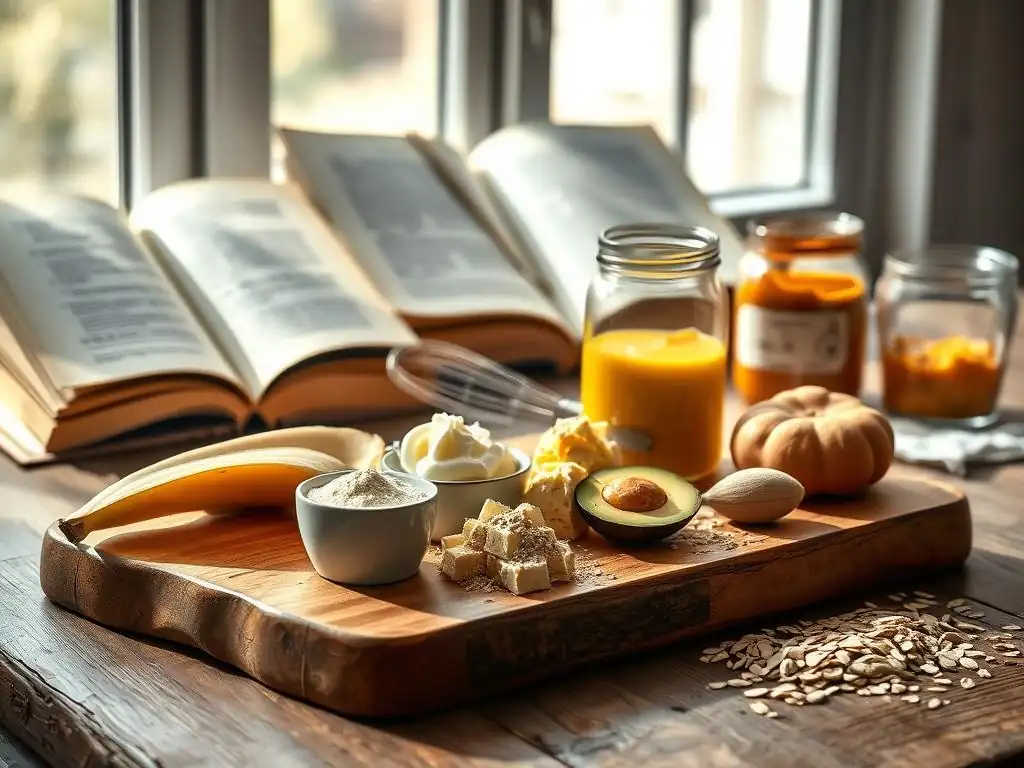
Welcome to BakeWithEase, your trusted guide to a world of delicious baking! Discover the secrets to creating incredible treats, no matter your skill level. Are you ready to explore the possibilities of egg-free baking? Our EggFree baking ingredient substitutions guide will unlock a realm of flavor and texture, ensuring your creations are both delightful and dietary-conscious. Intrigued? Let's dive in and discover the 10 essential ingredients you need for successful egg-free baking!
- Understanding Gluten-Free Baking
-
Essential Gluten-Free Flours and Starches
- 1. Almond Flour: A Nutty and Protein-Rich Option
- 2. Rice Flour: A Versatile and Neutral Base
- 3. Tapioca Starch/Flour: For Binding and Texture
- 4. Potato Starch: Creating Light and Airy Results
- 5. Cornstarch: A Common Thickener and Binder
- 6. Oat Flour: Adding Fiber and Flavor
- 7. Sorghum Flour: A Neutral and Versatile Grain
- 8. Buckwheat Flour: For Earthy and Nutty Flavors
- 9. Gluten-Free Flour Blends: Convenient and Consistent Results
- 10. Coconut Flour: Absorbing Moisture and Adding Sweetness
- Binders and Additives for Gluten-Free Baking
- Tips for Successful Gluten-Free Baking
- The Ultimate Gluten-Free Baking Guide
-
Frequently Asked Questions
- How can I substitute eggs in baking to make recipes egg-free?
- What are the best ingredients to use for binding in egg-free baking?
- Can applesauce or mashed banana replace eggs in all baking recipes?
- Are commercial egg replacers a reliable substitute for eggs in baking?
- What are some common mistakes to avoid when using egg-free baking ingredients?
- Final Reflection: Unlocking the Delicious Potential of Egg-Free Baking
- Unlock Your Egg-Free Baking Potential!
Understanding Gluten-Free Baking
The Role of Gluten in Baking
Gluten is a protein complex formed when two proteins, gliadin and glutenin, found in wheat, barley, and rye, are hydrated and mixed. When dough is kneaded, these proteins develop a network, creating elasticity and structure. This network traps gases produced by leavening agents like yeast or baking powder, causing the dough or batter to rise.
Think of it as the scaffolding that holds your baked goods together. For example, in a standard wheat bread, the strong gluten network allows the loaf to achieve significant volume and maintain its shape during baking. Without this protein matrix, baked goods can be dense, crumbly, or fail to rise properly.
Beyond structure, gluten contributes to the texture and chewiness of baked goods. In a chewy baguette, the well-developed gluten provides that characteristic pull. In a light, airy cake, a more delicate gluten network still provides necessary support to prevent collapse.
It also helps retain moisture, contributing to the overall mouthfeel and shelf life of baked items. The specific protein ratios and development vary between flours (e.g., bread flour has higher protein/gluten potential than cake flour), influencing the final product's characteristics. Understanding this fundamental role is the first step in successful gluten-free baking, as the challenge becomes replicating these functions using alternative ingredients.
Challenges of Baking Without Gluten
Removing gluten, the primary structural component in traditional baking, presents significant challenges. The most immediate issue is the lack of elasticity and viscosity that gluten provides. This makes doughs harder to handle – they can be sticky, crumbly, or simply not hold together. For instance, a pizza dough made without gluten often lacks the stretch needed to shape it thinly without tearing. This directly impacts the texture of the final product, often resulting in baked goods that are denser, drier, and more prone to crumbling compared to their gluten-containing counterparts.
Another major hurdle is achieving adequate rise and an open crumb structure. Without the gluten network to trap gases, gluten-free batters and doughs rely heavily on alternative binders and leavening techniques. This often requires precise measurements and specific ingredient combinations, as the margin for error can be smaller.
For example, a simple substitution of gluten-free flour for wheat flour in a yeast bread recipe will likely result in a flat, heavy loaf. Furthermore, gluten-free flours absorb liquids differently and at varying rates, necessitating adjustments to hydration levels and resting times to prevent a gummy or dry result. Mastering gluten-free baking involves understanding these challenges and knowing how to overcome them with the right ingredients and techniques.
Essential Gluten-Free Flours and Starches
1. Almond Flour: A Nutty and Protein-Rich Option
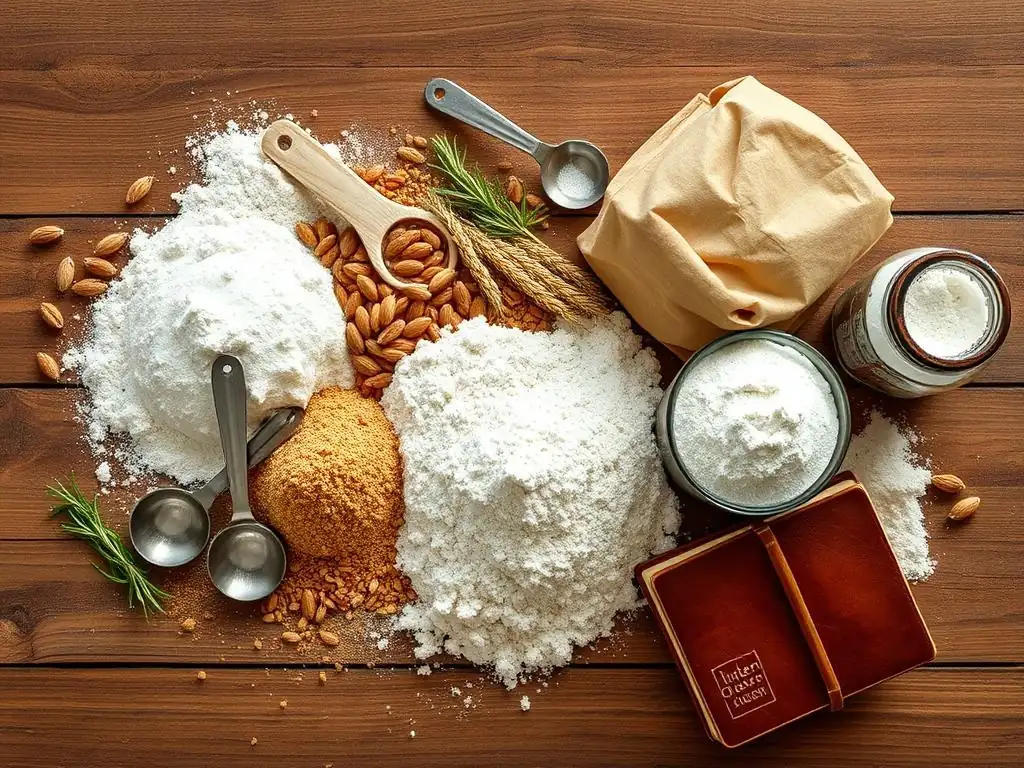
Almond flour, made from finely ground blanched almonds, is a popular choice in gluten-free baking due to its pleasant nutty flavor and moist texture. It's significantly higher in protein and fat compared to many grain-based flours, which can add richness and tenderness to baked goods. On average, a quarter cup (about 28 grams) of almond flour contains roughly 6 grams of protein and 14 grams of fat, along with about 3 grams of fiber.
This nutritional profile makes it a favorite for those following lower-carbohydrate or paleo diets as well. Its slightly sweet taste also means recipes sometimes require less added sugar.
However, the higher fat content means almond flour can brown faster than wheat flour, so baking temperatures or times may need adjustment. It also lacks the binding properties of gluten, so it's often combined with other flours or binders to prevent crumbling. Due to its density, it works particularly well in recipes like muffins, quick breads, cookies, and cakes where a slightly denser, moist crumb is desired. It's less suitable for light, airy breads or delicate pastries that require significant rise or structure from a flexible network.
How to Use Almond Flour in Gluten-Free Baking
When incorporating almond flour into recipes, it's crucial to understand its absorption properties. It tends to absorb less liquid than wheat flour, but the fat content adds moisture internally.
A common starting point when converting recipes is to substitute almond flour for wheat flour by volume, but this often requires reducing liquids slightly or adding an extra egg to help with binding. For instance, in a cookie recipe, you might swap 1 cup of all-purpose flour for 1 cup of almond flour, but you might find the dough is slightly wetter and needs a bit more structure from an added binder like xanthan gum (perhaps 1/4 teaspoon per cup of flour).
Almond flour works exceptionally well in recipes where its unique texture and flavor are assets. Think of French macarons, where it's a primary ingredient, or tender shortbread cookies. For cakes and muffins, it contributes to a fine, moist crumb.
Because it lacks gluten, it doesn't require resting time to develop structure; in fact, overmixing can lead to a greasy texture due to the release of oils. Gentle mixing until just combined is usually best. Always use finely ground, blanched almond flour ("superfine") for the best results in baking, as almond meal (ground with skins) can result in a coarser, heavier texture.
Recipes Using Almond Flour
Almond flour shines in numerous gluten-free applications. Consider almond flour shortbread cookies; the flour's fat content creates a wonderfully tender and crumbly texture that's difficult to achieve with other gluten-free flours alone. Another classic is financiers, small French cakes traditionally made with brown butter and almond flour, yielding a moist, dense, and flavorful treat. For a simpler option, almond flour muffins or quick breads often turn out incredibly moist and tender, sometimes even more so than their wheat-based counterparts, provided the hydration and binding are balanced.
Beyond traditional baked goods, almond flour is excellent for pie crusts, tart shells, and even as a coating for chicken or fish, providing a crispy, flavorful crust. Recipes like almond flour pancakes or waffles also work well, offering a heartier, more protein-rich breakfast option.
When using it in recipes, remember that its density means baked goods might not rise as high as those made with lighter flours, and its tendency to brown quickly might necessitate tenting with foil if the tops are getting too dark before the inside is cooked through. Experimenting with small batches is a great way to learn how it behaves in your specific recipes.
2. Rice Flour: A Versatile and Neutral Base
Rice flour is a staple in gluten-free baking blends due to its relatively neutral flavor and fine texture. It's ground from raw rice grains and serves as a good base, often making up a significant portion of multi-flour gluten-free mixes. Nutritionally, it's primarily carbohydrates, similar to wheat flour, but lacks the protein structure of gluten. Approximately a quarter cup (about 40 grams) of white rice flour contains around 35 grams of carbohydrates and less than 3 grams of protein. Its blandness makes it adaptable to both sweet and savory applications, allowing other flavors in the recipe to stand out.
However, rice flour on its own can produce baked goods that are gritty or dry, especially if not combined with other flours or starches. It also doesn't absorb liquids as readily as wheat flour and can lead to a crumbly texture if not properly hydrated and bound.
For example, a cake made solely with white rice flour might feel sandy and fall apart easily. This is why it's rarely used alone in complex baked goods and is almost always part of a blend designed to mimic the properties of wheat flour by combining different types of rice flour with starches and other flours.
Types of Rice Flour: White, Brown, and Sweet
There are primarily three types of rice flour used in baking, each with slightly different characteristics:
- White Rice Flour: Ground from polished white rice, this is the most common type. It has a fine, powdery texture and a very neutral flavor. It's a good base for blends but can be slightly gritty on its own.
- Brown Rice Flour: Ground from unpolished brown rice, retaining the bran and germ. It has a nuttier flavor and slightly coarser texture than white rice flour. It's higher in fiber and nutrients but can absorb more liquid and potentially make baked goods denser or drier if not used carefully.
- Sweet Rice Flour (Glutinous Rice Flour): Despite the name "glutinous," this flour is gluten-free. It's ground from short-grain glutinous rice and is very starchy and sticky when wet. It's an excellent binder and provides chewiness, often used in mochi or as a thickener, but also valuable in gluten-free blends to improve texture and binding.
Understanding these differences is key to using rice flour effectively. White rice flour provides bulk and neutrality, brown rice flour adds flavor and nutrition, and sweet rice flour adds necessary binding and chewiness, helping to hold the final product together and improve its texture.
Baking with Rice Flour
Baking with rice flour requires careful attention to hydration and blending. Because white and brown rice flours don't bind well on their own, they are almost always combined with starches (like tapioca or potato starch) and often other flours (like sorghum or millet) to create a balanced blend that mimics wheat flour's structure and texture. A typical gluten-free all-purpose blend might contain around 60-70% rice flour (often a mix of white and brown) and 30-40% starches.
When using rice flour or blends containing it, allowing the batter or dough to rest for 15-30 minutes can be beneficial. This resting period allows the flour particles to absorb moisture more fully, reducing grittiness and improving the final texture. For instance, a pancake batter made with rice flour might yield a lighter, less gritty pancake if allowed to sit before cooking.
Sweet rice flour is particularly useful for adding chewiness to cookies or improving the structure of cakes and muffins in blends. Measuring rice flour by weight (grams) rather than volume (cups) is highly recommended for consistent results, as its density can vary.
3. Tapioca Starch/Flour: For Binding and Texture
Tapioca starch, also commonly referred to as tapioca flour, is a fine, white powder extracted from the cassava root. It is primarily starch and acts as an excellent thickener and binder in gluten-free baking. When heated, it forms a gel-like consistency, helping to hold ingredients together and improve the texture of baked goods, giving them a desirable chewiness and crisp crust. A typical serving (about 30 grams) is almost entirely carbohydrates, with negligible protein or fat. Its neutral flavor makes it versatile, not interfering with other ingredients.
One of tapioca starch's key benefits is its ability to create a light, slightly chewy texture, which can help counteract the dryness or crumbliness often associated with gluten-free baking. It contributes to the browning of crusts and adds a slight crispness, particularly in cookies and pie crusts. However, using too much tapioca starch can result in a gummy or overly chewy texture, so it's important to use it in moderation, typically as part of a gluten-free flour blend or specifically added for binding and texture in certain recipes.
How to Use Tapioca Starch in Gluten-Free Baking
Tapioca starch is most effectively used in combination with other gluten-free flours. It rarely works well as the sole flour substitute. Its primary role is as a binder and texturizer within a blend, typically making up about 20-30% of a successful gluten-free all-purpose mix. For example, in a blend containing rice flour, sorghum flour, and starches, tapioca starch provides the necessary stickiness to prevent crumbling.
In specific recipes, tapioca starch can be added to improve texture. For instance, adding a tablespoon or two to a gluten-free cookie recipe can enhance chewiness and help the cookies spread and brown nicely. For pie fillings or sauces used in baked goods, it acts as a clear, stable thickener.
When using it as a binder in doughs or batters, it's often whisked with the dry ingredients before liquids are added. Because it gelatinizes when heated, it helps create structure during the baking process. Be mindful not to overmix batters containing tapioca starch, as this can sometimes lead to a tougher texture.
Tapioca Starch Baking Tips
- Combine with other flours: Never rely solely on tapioca starch for structure; it needs to be balanced with other flours that provide bulk and different textural properties.
- Use for chewiness and crispness: It's excellent for adding a slight chew to cookies, brownies, and breads, and contributing to a crisp crust on things like pizza dough or crackers.
- Great for thickening: Use it to thicken fruit fillings for pies or tarts; it creates a glossy, clear filling that holds its shape well when sliced. A general ratio for thickening is about 1-2 tablespoons per cup of liquid, depending on desired thickness.
- Prevent gumminess: Too much tapioca starch can make baked goods gummy. Stick to blend ratios where it's a component, not the majority.
- Consider specific applications: It's a key ingredient in Brazilian cheese bread (pão de queijo) where its unique binding and chewy properties are essential.
4. Potato Starch: Creating Light and Airy Results
Potato starch is another white, powdery starch extracted from potatoes. Similar to tapioca starch, it's primarily carbohydrate and serves as a binder and texturizer in gluten-free baking. However, potato starch tends to contribute more to lightness and a tender crumb than tapioca starch, which leans towards chewiness. It absorbs liquid well when heated and helps create a smooth, moist texture in baked goods. Approximately a quarter cup (about 30 grams) contains around 25 grams of carbohydrates and minimal protein or fat. Its neutral flavor makes it highly versatile.
Potato starch is valued for its ability to help baked goods achieve a lighter, more open structure. It works particularly well in cakes, muffins, and quick breads where tenderness is desired. It can help prevent the dense, heavy texture that some gluten-free flours can produce. Like other starches, it needs to be used in combination with other flours and binders; using too much can result in a chalky or gummy texture once cooled, as it can become quite firm upon setting.
Potato Starch in Gluten-Free Recipes
Potato starch is a common component in many commercial and homemade gluten-free flour blends, typically making up 15-25% of the mix. Its role is to provide tenderness and a smooth mouthfeel. In recipes like gluten-free cakes or cupcakes, substituting a small portion of the flour blend with extra potato starch (perhaps adding 1-2 tablespoons per cup of blend) can help create a noticeably lighter and softer crumb.
It also works well in conjunction with tapioca starch; the two starches often complement each other in blends, with potato starch providing softness and tapioca starch providing chewiness and binding. For instance, a blend might use both rice flours, sorghum flour, xanthan gum, and a combination of potato and tapioca starches to achieve a balanced performance. When using potato starch, ensure it is fresh, as starches can absorb odors over time. It's best to whisk it thoroughly with other dry ingredients to ensure even distribution before adding any liquids.
Potato Starch vs. Potato Flour
It's important to distinguish between potato starch and potato flour, as they are not interchangeable in baking.
- Potato Starch: This is the pure starch extracted from potatoes. It's a fine, white powder with a very high starch content (around 80-85%). It's used as a thickener and to provide lightness and tenderness in baking blends.
- Potato Flour: This is made from grinding whole, cooked, and dried potatoes. It contains protein, fiber, and starches. It's a heavier, denser flour with a distinct potato flavor. It's highly absorbent and often used in smaller quantities for moisture retention and flavor in specific recipes like potato bread or certain savory applications.
Using potato flour when a recipe calls for potato starch will result in a much denser, heavier product with a noticeable potato flavor, and it will absorb liquids very differently. Always double-check which ingredient a recipe specifies.
5. Cornstarch: A Common Thickener and Binder
Cornstarch is a widely available and inexpensive starch extracted from corn kernels. It is a pure starch, similar in function to potato and tapioca starches, acting primarily as a thickener and binder in gluten-free baking. Like other pure starches, it's almost entirely carbohydrate (about 30 grams per quarter cup) with minimal protein or fat. Its neutral flavor makes it incredibly versatile, used in both sweet and savory dishes.
In gluten-free baking, cornstarch contributes to a tender crumb and can help prevent baked goods from becoming too dense. It works by absorbing moisture and gelatinizing when heated, providing structure and helping ingredients adhere to each other. It's a common component in many traditional gluten-free flour blends. While it provides tenderness, it doesn't offer the same chewiness or crispness as tapioca starch, nor the same lightness as potato starch in all applications. It's often used in conjunction with other starches and flours for a balanced texture.
Using Cornstarch in Gluten-Free Baking
Cornstarch is frequently used in gluten-free flour blends, typically making up 10-20% of the mix, contributing to overall structure and tenderness. It's particularly useful in recipes like cakes, cookies, and shortbreads where a delicate crumb is desired. For example, adding a tablespoon or two of cornstarch to a batch of gluten-free sugar cookies can make them more tender and less prone to spreading too much.
Beyond blends, cornstarch is excellent for thickening fruit fillings for pies, tarts, or crumbles. It creates a stable, somewhat cloudy filling when heated. It's also used in recipes like gluten-free shortbread or custards where its thickening properties are essential. A common technique is to create a "slurry" by mixing cornstarch with a cold liquid before adding it to a hot mixture to prevent lumps when thickening sauces or fillings.
Cornstarch Baking Tips
- Combine in blends: Use cornstarch as part of a multi-flour gluten-free blend for cakes, cookies, and quick breads to improve tenderness.
- Excellent thickener: It's a go-to for thickening fruit fillings, puddings, custards, and sauces used in baking. Use about 1-2 tablespoons per cup of liquid for moderate thickening.
- Creates tenderness: It helps achieve a soft, tender crumb in baked goods, counteracting the potential dryness of some gluten-free flours.
- Whisk well: Always whisk cornstarch thoroughly with dry ingredients or create a slurry with cold liquid before adding to hot mixtures to avoid lumps.
- Consider temperature: Cornstarch thickens as it heats, but prolonged boiling can cause it to break down and lose some thickening power.
6. Oat Flour: Adding Fiber and Flavor
Oat flour, made from grinding whole oats, is a nutritious gluten-free option that adds a distinct nutty flavor and beneficial fiber to baked goods. It's important to note that while oats are naturally gluten-free, they are often processed in facilities that also handle wheat, leading to cross-contamination. For strictly gluten-free baking, always use certified gluten-free oats and oat flour. A quarter cup (about 30 grams) of oat flour contains approximately 4 grams of protein and 3 grams of fiber, making it more nutrient-dense than rice flour.
Oat flour adds moisture and a slightly chewy texture to baked goods. It works well in muffins, cookies, quick breads, and pancakes, contributing to a soft, moist crumb and a pleasant, hearty flavor. However, because it contains some soluble fiber (beta-glucan), it can absorb a significant amount of liquid and can sometimes make baked goods slightly gummy or dense if used in large quantities or without adequate hydration. It also lacks the strong structure needed for yeast breads on its own.
How to Make Oat Flour at Home
Making your own oat flour is simple and cost-effective, provided you have certified gluten-free rolled oats (not instant oats) and a blender or food processor.
- Measure the desired amount of certified gluten-free rolled oats.
- Place the oats in a high-speed blender or food processor.
- Process on high speed until the oats are ground into a fine, flour-like powder. Stop and scrape down the sides as needed to ensure all oats are finely ground. This usually takes less than a minute.
- Sift the flour through a fine-mesh sieve to remove any larger pieces (these can be re-ground or discarded).
- Store the oat flour in an airtight container in a cool, dark place or the refrigerator, as the natural oils can go rancid more quickly than refined flours.
One cup of rolled oats typically yields slightly less than 1 cup of oat flour, usually around 3/4 to 7/8 cup, as the grinding process compacts the volume. Weighing the oats before grinding is the most accurate way to ensure you have the correct amount of flour needed for a recipe.
Recipes Using Oat Flour
Oat flour is excellent in recipes where a rustic texture and nutty flavor are welcome. Think of gluten-free oatmeal cookies, where using oat flour alongside other flours enhances the oat flavor and chewiness. It's also fantastic in muffins, like blueberry or banana oat muffins, contributing to a moist and tender crumb. Quick breads, such as zucchini bread or pumpkin bread, also benefit from the addition of oat flour for moisture and fiber.
For breakfast items, oat flour pancakes or waffles are a popular choice, offering a heartier texture and nutritional boost. It can also be used in crumbles and streusels topping for pies and fruit bakes. When using oat flour, remember it absorbs a lot of liquid, so ensure the recipe has sufficient moisture. It works well in blends with flours like rice, sorghum, or almond flour. For example, a gluten-free muffin recipe might use a blend of 1/2 cup oat flour, 1/2 cup rice flour, and 1/4 cup starch.
7. Sorghum Flour: A Neutral and Versatile Grain
Sorghum flour, ground from the ancient grain sorghum, is gaining popularity in gluten-free baking due to its mild, slightly sweet flavor and soft texture. It's considered a whole grain flour, offering more protein and fiber than white rice flour. A quarter cup (about 30 grams) contains around 3 grams of protein and 2 grams of fiber. Its neutral-to-slightly-sweet profile makes it very adaptable, working well in both sweet and savory gluten-free recipes without imparting a strong flavor.
Sorghum flour contributes to a tender crumb and can help create a structure similar to wheat flour when combined with other ingredients. It's less likely to be gritty than rice flour and doesn't have the strong flavors of buckwheat or coconut flour. However, like most gluten-free flours, it lacks elasticity and needs binders to hold together. It can also make baked goods a bit dry if not properly hydrated or blended.
Incorporating Sorghum Flour into Gluten-Free Baking
Sorghum flour is an excellent base flour for gluten-free blends, often replacing a portion of the rice flour for improved texture and nutrition. It typically makes up 20-40% of a successful gluten-free all-purpose blend. For instance, a blend might use brown rice flour, sorghum flour, potato starch, and tapioca starch, with sorghum providing a smooth texture and slightly sweet note.
It works well in recipes like cookies, cakes, muffins, and quick breads. Substituting some rice flour with sorghum flour in a cake recipe can result in a softer, more tender crumb. For yeast breads, sorghum flour can be used in blends, contributing flavor and some structure, but it always requires robust binders like xanthan gum or psyllium husk to achieve any significant rise and structure.
Sorghum Flour: Tips and Tricks
- Blend it: Sorghum flour performs best when combined with other flours and starches in a gluten-free blend. Avoid using it as the sole flour.
- Neutral base: Its mild flavor makes it suitable for a wide range of recipes, from delicate cakes to savory muffins.
- Adds tenderness: It contributes to a soft, tender crumb, helping to counteract potential dryness or grittiness from other gluten-free flours.
- Source quality flour: Look for finely ground, fresh sorghum flour from a reputable source for the best results.
- Consider hydration: Ensure adequate liquid in recipes using sorghum flour, as it can absorb moisture.
8. Buckwheat Flour: For Earthy and Nutty Flavors
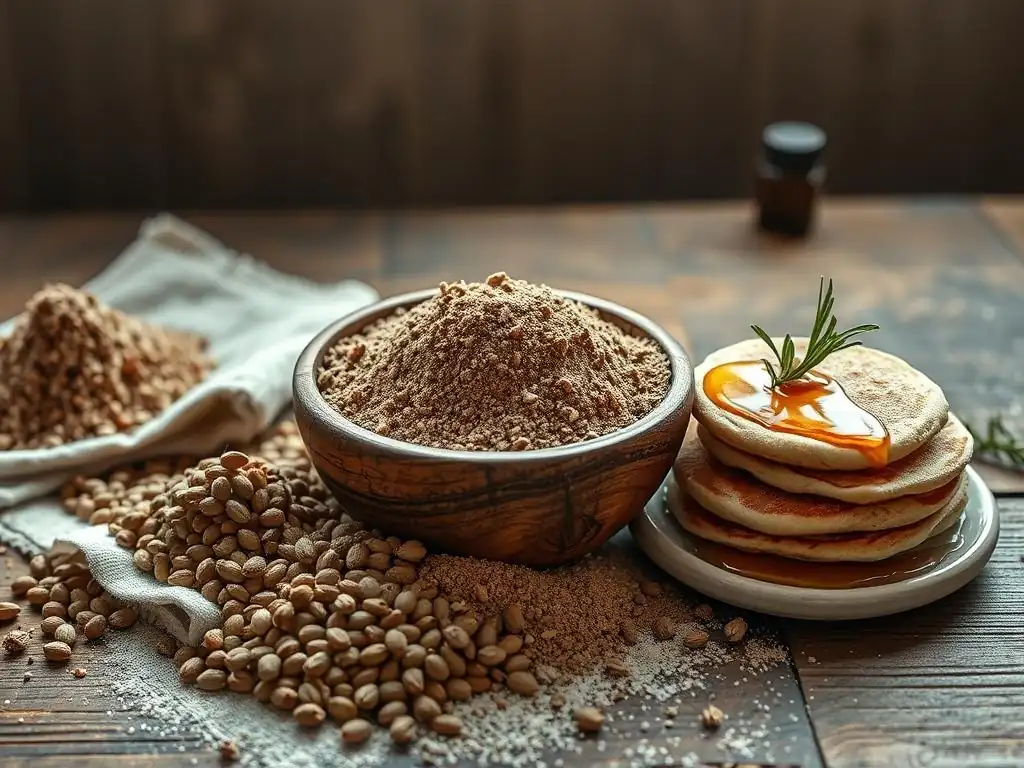
Despite its name, buckwheat is not related to wheat and is naturally gluten-free. Buckwheat flour is ground from buckwheat groats and has a distinct, earthy, and slightly nutty flavor profile. It's a whole grain flour, providing fiber and some protein. A quarter cup (about 30 grams) contains around 4 grams of protein and 3 grams of fiber. Its dark color and robust flavor mean it's not always suitable for delicate baked goods, but it excels in recipes where its unique taste is an asset.
Buckwheat flour can add moisture and a slightly dense texture to baked goods. It works well in pancakes, waffles, blinis, and some rustic breads or muffins. However, its strong flavor can be overpowering if used in large quantities, and it can sometimes make baked goods crumbly or dense on its own. Like other gluten-free flours, it requires binders for structure.
Using Buckwheat Flour in Gluten-Free Recipes
Buckwheat flour is often used in smaller quantities in gluten-free blends to add nutritional value and a distinctive flavor. It pairs particularly well with flavors like chocolate, nuts, and certain fruits. For example, adding a small amount (perhaps 1/4 cup per cup of total flour blend) to gluten-free chocolate chip cookies can add depth of flavor.
It's a traditional ingredient in blinis and certain types of pancakes, where its unique flavor and ability to create a slightly chewy texture are desirable. In gluten-free bread recipes, it can be used as a portion of the whole grain component, contributing flavor and fiber, but always alongside other flours and strong binders. Due to its absorbent nature, recipes using buckwheat flour may require slightly more liquid.
Buckwheat Flour Baking Tips
- Use in moderation: Its strong flavor can be dominant. Start by substituting a small portion (e.g., 10-20%) of other flours in a blend with buckwheat flour.
- Pairs well with strong flavors: Excellent in recipes featuring chocolate, molasses, nuts, or strong spices.
- Great for specific items: Traditional use in pancakes, blinis, and some rustic loaves.
- Adds moisture and fiber: Contributes to a moist crumb and boosts the fiber content of baked goods.
- Consider the color: Its darker color will affect the appearance of light-colored baked goods.
9. Gluten-Free Flour Blends: Convenient and Consistent Results
Gluten-free flour blends are pre-mixed combinations of various gluten-free flours, starches, and often binders (like xanthan or guar gum) designed to mimic the properties of wheat flour. They offer convenience and consistency, taking the guesswork out of creating your own blend for many common baking applications. These blends are formulated to provide a balance of structure, tenderness, and moisture absorption needed for successful gluten-free results in recipes originally designed for wheat flour.
Using a good quality gluten-free flour blend can significantly simplify the transition to gluten-free baking. They are particularly useful for beginners or for recipes where a reliable, all-purpose substitute is needed, such as cookies, muffins, cakes, and quick breads. However, not all blends are created equal, and their composition can vary significantly between brands, leading to different results in the same recipe.
Types of Gluten-Free Flour Blends
Gluten-free flour blends vary widely in their composition, reflecting different goals and target textures.
- All-Purpose Blends: These are the most common, designed to be a general substitute for wheat flour in a wide range of recipes like cookies, cakes, muffins, and pancakes. They typically contain a mix of rice flours, starches (tapioca, potato, corn), and sometimes other flours like sorghum or millet, plus a binder.
- Bread Blends: Formulated with ingredients better suited for yeast baking, often containing higher protein flours (like brown rice or sorghum) and specific binders (like psyllium husk) to help create a structure capable of rising.
- Pastry/Cake Blends: Designed for a finer, more tender crumb, often containing a higher proportion of starches and lighter flours.
- Specialty Blends: Some blends might be formulated for specific diets (e.g., gum-free) or focus on certain flavors or textures.
Understanding the primary flours and starches in a blend can give you clues about its likely performance. For example, a blend high in brown rice flour might be denser than one high in white rice flour and starches.
Choosing the Right Gluten-Free Flour Blend
Selecting the best gluten-free flour blend depends on the recipe and desired outcome.
- Read the ingredients: Check the list to see which flours and starches are included and in what order (indicating proportion). This helps you understand its likely performance. Does it contain a binder like xanthan gum? If not, you might need to add one.
- Consider the recipe type: For delicate cakes, a blend designed for tenderness might be better than a robust bread blend. For cookies, a blend that promotes spread and crispness might be preferred. Some brands specify on the packaging which types of baking their blend is best suited for.
- Experiment: Different blends will perform differently in your favorite recipes. It's often necessary to try a couple of brands to see which one gives you the results you prefer. Keep notes on which blends worked well for which types of recipes.
- Look for consistency: Once you find a blend you like, stick with that brand and type for consistent results in your go-to recipes. Minor variations in blends can significantly impact the final product.
10. Coconut Flour: Absorbing Moisture and Adding Sweetness
Coconut flour is made from ground, dried coconut meat after most of the milk has been extracted. It is extremely absorbent, high in fiber, and has a distinct, slightly sweet coconut flavor. A quarter cup (about 30 grams) contains a remarkable 10 grams of fiber and 4 grams of protein, but also absorbs a significant amount of liquid – often two to three times more than wheat flour. This high absorbency means it's used in much smaller quantities compared to other flours.
Due to its unique properties, coconut flour cannot be substituted one-to-one for other flours in recipes. It requires a lot more liquid and eggs to provide moisture and binding. For example, a recipe might call for 1 cup of wheat flour but only 1/4 cup of coconut flour, along with an extra egg or significant increase in liquid. While it adds fiber and a lovely flavor, using too much or not enough liquid results in a very dry, dense, or crumbly texture.
How to Use Coconut Flour in Gluten-Free Baking
Baking with coconut flour requires specific recipes developed for it or significant adaptation. It's rarely used as the sole flour in a recipe designed for wheat flour. Instead, it's often combined with other gluten-free flours or used in recipes formulated specifically for its high absorbency and binding needs. The high fiber content provides structure, but its lack of starch requires ample moisture.
A common ratio seen in coconut flour recipes is around 1 egg per 1/4 cup of coconut flour, in addition to other liquids. This high egg content helps bind the ingredients and provides some moisture and lift. When substituting it into existing recipes, start with a very small amount (e.g., replacing 1/4 of the original flour volume with 1/10th the volume in coconut flour and adding more liquid/eggs) and expect to experiment. It absorbs liquid over time, so allowing batters to rest briefly can help assess the final consistency.
Coconut Flour Baking Tips
- Requires significant liquid and eggs: Coconut flour is extremely absorbent. Recipes need substantially more liquid and often more eggs than recipes using other flours.
- Use in small quantities: Do not substitute cup-for-cup with wheat or other gluten-free flours. Use dedicated coconut flour recipes or make significant adjustments. A general rule of thumb is to replace 1 cup of wheat flour with about 1/4 cup of coconut flour plus an extra egg and additional liquid.
- Adds fiber and flavor: Great for boosting fiber content and adding a subtle coconut sweetness and flavor to baked goods.
- Can be dense: Baked goods made with a high proportion of coconut flour can be quite dense. Combine it with lighter flours if a less dense result is desired.
- Store properly: Keep coconut flour in an airtight container, ideally in the refrigerator or freezer, due to its fat content, which can go rancid.
Binders and Additives for Gluten-Free Baking
Xanthan Gum: The Key to Structure and Elasticity
Xanthan gum is a polysaccharide produced by the fermentation of sugar by the bacterium Xanthomonas campestris. In gluten-free baking, it acts as a crucial binder and stabilizer, mimicking some of the functions of gluten by providing elasticity and viscosity to doughs and batters. It helps trap air bubbles, allowing baked goods to rise, and prevents crumbling, giving structure to everything from cakes to bread. It's typically used in very small amounts. For example, a recipe might call for just 1/4 to 1 teaspoon per cup of gluten-free flour blend.
Without xanthan gum or a similar binder, gluten-free baked goods would often be dense and fall apart easily. It provides the necessary "glue" to hold ingredients together and gives doughs a workable texture. The amount needed varies depending on the type of baked good; yeast breads usually require more xanthan gum (around 1 teaspoon per cup of flour blend) than cakes (around 1/4 to 1/2 teaspoon per cup). Using too much can result in a gummy or heavy texture, sometimes even causing a metallic or unpleasant flavor.
Psyllium Husk: Adding Fiber and Binding Power
Psyllium husk is the outer coating of the Plantago ovata seeds and is a rich source of soluble fiber. When mixed with liquid, it forms a gel-like substance that is highly effective as a binder in gluten-free baking, particularly in bread recipes. It provides structure and elasticity, helping doughs become more pliable and easier to handle, similar to gluten. It also retains moisture, contributing to a softer crumb and longer shelf life in gluten-free breads.
Psyllium husk, especially whole psyllium husk, is often preferred for yeast-leavened gluten-free breads over xanthan gum by some bakers because it can create a more open crumb structure and a texture closer to traditional wheat bread. A typical amount used in bread recipes is around 1-2 tablespoons of whole psyllium husk (or slightly less if using psyllium husk powder) per cup of gluten-free flour blend. Like xanthan gum, using too much can result in a gummy or heavy texture. It's crucial to add sufficient liquid when using psyllium husk, as it absorbs a large amount.
Chia Seeds or Flax Seeds: For Moisture and Binding
Chia seeds and flax seeds (linseeds) are popular natural binders in gluten-free and vegan baking. When ground and mixed with water, they form a gel-like substance, often referred to as a "chia egg" or "flax egg," which can effectively bind ingredients, add moisture, and provide nutrients like omega-3 fatty acids and fiber. This gel mimics some of the binding properties of eggs or gluten in recipes like muffins, cookies, pancakes, and quick breads.
To make a chia or flax "egg," combine 1 tablespoon of ground seeds (use a coffee grinder or blender to grind whole seeds) with 3 tablespoons of water and let the mixture sit for 5-10 minutes until it thickens into a gel. This mixture can replace one egg in many non-yeast recipes.
They add fiber and a slightly nutty flavor, which is usually subtle but can be noticeable depending on the quantity used. They are particularly useful in recipes where a dense, moist texture is acceptable or desired, though they don't provide the same lift or structure as chemical leaveners or gluten in complex recipes.
Tips for Successful Gluten-Free Baking
Measuring Ingredients Accurately
Accurate measurement is paramount in gluten-free baking, even more so than in traditional baking. Gluten-free flours and starches vary significantly in weight and absorbency, meaning that using volume measurements (cups) can lead to inconsistent results. For instance, scooping a cup of white rice flour might yield a different weight than scooping a cup of sorghum flour. This variability directly impacts the flour-to-liquid ratio, which is critical for texture and structure in gluten-free recipes.
Using a digital kitchen scale to weigh ingredients, especially flours and starches, is the most reliable method to ensure repeatable success. Recipes developed for gluten-free baking often provide measurements in grams or ounces for this reason. If a recipe only provides volume measurements, try to find a reliable source for the weight equivalent of that specific flour or starch.
For example, a cup of typical gluten-free all-purpose blend might weigh around 130-140 grams, while a cup of almond flour is closer to 110-120 grams. Precise measurement minimizes the variables and helps you understand how ingredient ratios affect your final product.
Understanding Hydration in Gluten-Free Baking
Hydration is a critical factor in gluten-free baking because gluten-free flours absorb liquids differently and often more slowly than wheat flour. Achieving the correct balance of liquid to dry ingredients is essential for preventing dry, crumbly results or conversely, a gummy, heavy texture. Different gluten-free flours have varying absorbency rates; for example, coconut flour is extremely absorbent, while white rice flour is less so.
Moreover, gluten-free doughs and batters often benefit from slightly higher hydration levels than their wheat counterparts to compensate for the lack of gluten's ability to retain moisture and provide elasticity. Allowing batters and doughs to rest after mixing (often 15-30 minutes) gives the gluten-free flours time to fully absorb the liquid, which can improve texture and reduce grittiness. Pay close attention to the visual and tactile cues of the batter or dough described in a recipe, as the "feel" can be a better indicator of correct hydration than simply following volume measurements.
Troubleshooting Common Gluten-Free Baking Issues
- Crumbliness: This is a very common issue and often indicates insufficient binder (xanthan gum, psyllium, eggs, etc.) or inadequate hydration. Try adding a little more liquid, a bit more binder (start with 1/4 to 1/2 teaspoon extra per cup of flour), or ensuring ingredients are measured by weight. Using a blend with sufficient starch or a binder like tapioca can also help.
- Denseness or Heaviness: Can result from too much binder, too little leavening, overmixing (which can toughen starches), or using flours that are too heavy on their own (like using only brown rice flour). Ensure leavening agents are fresh. Reduce binder slightly or ensure you have a good balance of lighter flours/starches in your blend. Using a blend with potato starch can help add lightness.
- Grittiness: Typically caused by rice flour that hasn't been finely ground or hasn't had enough time to absorb liquid. Ensure you're using superfine rice flour if possible. Allowing batters to rest for 15-30 minutes before baking can help the flour hydrate and reduce grittiness, especially in recipes like pancakes or muffins.
- Dryness: Often due to insufficient liquid or overbaking. Gluten-free baked goods can dry out quickly. Ensure recipes have adequate fats and liquids. Monitor baking time closely; gluten-free items can sometimes bake faster or appear less golden than wheat versions when done. Adding moist ingredients like applesauce or yogurt can also help.
- Gummyness: Can result from too much starch (especially tapioca or cornstarch) or too much binder (xanthan gum, psyllium). Ensure your flour blend has a balanced ratio of flours to starches. Reduce binder slightly if needed. Ensure ingredients are accurately measured.
The Ultimate Gluten-Free Baking Guide
Creating Your Own Gluten-Free Flour Blends
Creating your own gluten-free flour blend offers control over ingredients, texture, and flavor, and can be more cost-effective than buying pre-made blends. A balanced blend typically includes a mix of "heavy" or protein/fiber-rich flours (like brown rice, sorghum, millet, or buckwheat), "light" or neutral flours (like white rice), and starches (tapioca, potato, corn). A common ratio targets roughly 40-60% heavy/light flours and 40-60% starches. For example, a simple blend might be 1/2 cup brown rice flour, 1/2 cup white rice flour, 1/2 cup potato starch, and 1/2 cup tapioca starch, plus binder as needed per recipe.
Consider the properties each ingredient brings: rice flours provide bulk; sorghum and millet add tenderness and nutrition; buckwheat adds flavor; tapioca adds chewiness and crispness; potato starch adds lightness; cornstarch adds tenderness and thickness. You will also need to decide whether to include a binder (like xanthan gum) directly in the blend or add it per recipe, as different recipes require different binder amounts. Store your homemade blend in an airtight container in the refrigerator or freezer to maintain freshness. Experiment with different ratios to find a blend that works best for your most frequent baking needs.
Gluten-Free Recipe Roundup
Here is a selection of recipe types that lend themselves well to gluten-free adaptation using the flours and techniques discussed:
- Cookies: Gluten-free cookies are often one of the easiest places to start. Recipes using almond flour or a good all-purpose blend with sufficient binder tend to yield excellent results, often chewy or crisp depending on the fat and sugar ratios.
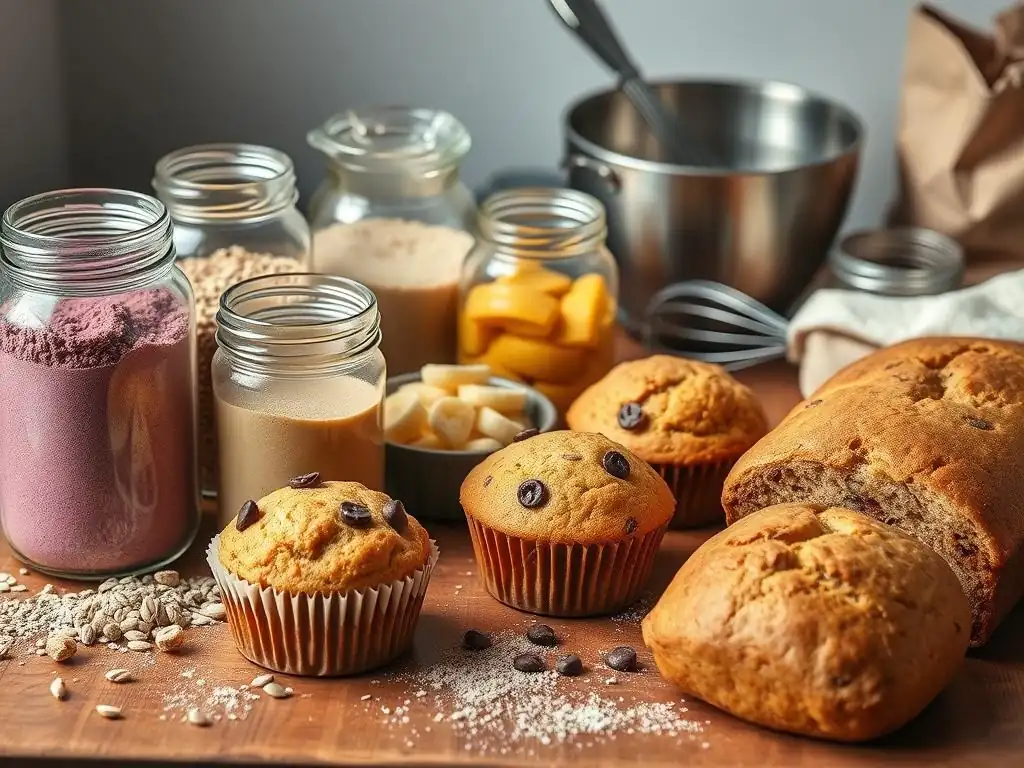
- Muffins and Quick Breads: These rely less on a strong gluten network and more on chemical leaveners, making them good candidates for gluten-free conversion. Blends containing a mix of rice flours, sorghum, and starches work well, often with the addition of a binder. Using moist ingredients like mashed bananas, pumpkin puree, or yogurt helps with texture.
- Cakes and Cupcakes: Achieving a light, tender crumb requires a blend with a good proportion of starches (potato, corn, tapioca) and possibly lighter flours like white rice or a fine sorghum flour. Accurate measurement and careful mixing to avoid toughening the starches are key.
- Brownies: Naturally dense and moist, brownies are relatively forgiving in gluten-free baking. Blends or flours like almond flour, sorghum flour, or a mix often work beautifully, creating rich, fudgy results.
- Pancakes and Waffles: Many gluten-free flours and blends work well for these breakfast staples. Rice flour, oat flour, sorghum flour, or specific gluten-free pancake blends can create delicious results. Allowing the batter to rest is often beneficial.
- Yeast Breads: This is often the most challenging category. Success requires a carefully formulated blend with higher protein flours, sufficient hydration, and strong binders like xanthan gum or psyllium husk to provide the necessary structure and elasticity for rising. Dedicated gluten-free bread recipes are highly recommended over attempting to convert wheat recipes directly.
Frequently Asked Questions
How can I substitute eggs in baking to make recipes egg-free?
There are many egg substitutes available, including applesauce, mashed banana, flaxseed meal mixed with water, and commercial egg replacers. The best choice depends on the desired texture and flavor of the baked good.
What are the best ingredients to use for binding in egg-free baking?
Flaxseed meal mixed with water is a popular binder due to its neutral flavor and ability to create a gel-like consistency similar to eggs. Other options include chia seeds or pureed fruits.
Can applesauce or mashed banana replace eggs in all baking recipes?
While applesauce and mashed banana can work well in some recipes, they may alter the final flavor and texture. They are best suited for recipes where a slightly moist and dense result is desired.
Are commercial egg replacers a reliable substitute for eggs in baking?
Yes, commercial egg replacers are specifically formulated to mimic the binding and leavening properties of eggs. However, it's crucial to follow the manufacturer's instructions for optimal results.
What are some common mistakes to avoid when using egg-free baking ingredients?
One common mistake is using too much or too little of the egg substitute. It's also important to consider how the substitute will affect the overall moisture content and adjust other ingredients accordingly.
Final Reflection: Unlocking the Delicious Potential of Egg-Free Baking
The demand for egg-free baking is not just a niche trend; it's a vital accessibility movement impacting millions. Whether driven by allergies, ethical choices, or simply a desire to expand culinary horizons, the ability to create delicious and satisfying baked goods without eggs is increasingly important. This guide has explored the essential ingredients that unlock this potential, offering a pathway to inclusive and versatile baking for everyone.
This journey into egg-free baking has profoundly impacted my own understanding of culinary creativity. It's shown me that limitations can often spark innovation, pushing us to explore new textures, flavors, and techniques. The process of finding the right substitutions, understanding their functionalities, and mastering their application has been incredibly rewarding. The greatest discovery of all time is that a person can change his future by merely changing his attitude.
– Oprah Winfrey. This rings true in baking, as changing our approach to ingredients can dramatically change the outcome.
Now, it's your turn. Don't let the absence of eggs limit your baking ambitions. Experiment with the ingredients highlighted in this guide, embrace the challenge of substitution, and discover the joy of creating delightful egg-free treats. The possibilities are endless, and the rewards – both culinary and personal – are immeasurable. Start baking, and share your delicious creations with the world!
Unlock Your Egg-Free Baking Potential!
Thanks for taking the time to explore the world of egg-free baking with us! We hope you now feel confident and inspired to create delicious treats without eggs. Ready to get started?
- Try out one of the recipes mentioned in this article! Choose your favorite and let your baking adventures begin. Imagine the delicious possibilities!
- Share your egg-free baking triumphs (or even your questions!) in the comments below. Let's build a supportive community of egg-free bakers!
- Challenge yourself to adapt a favorite recipe into an egg-free version. Experiment and see what delicious discoveries you can make!
What exciting egg-free creation will you bake first?