
Almond Flour versus Rice Flour: Crafting the Best GlutenFree Chocolate Cake

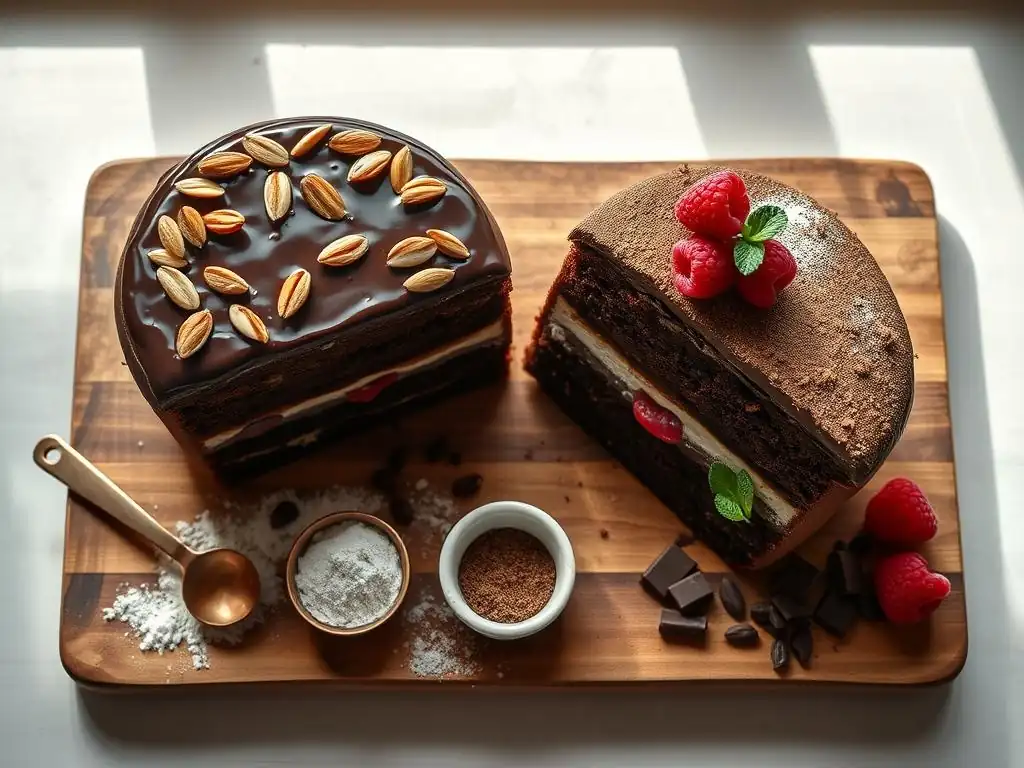
Welcome to BakeWithEase, your haven for effortless baking! Ever wondered if almond flour or rice flour holds the secret to the ultimate glutenfree chocolate cake recipe? This exploration into dietary-specific baking will unveil the nuances between these two popular alternatives, offering insights that might just revolutionize your approach to allergen-friendly treats. Prepare to unlock a world of delicious possibilities – your perfect gluten-free chocolate cake awaits!
- Introduction: The Quest for the Perfect Gluten-Free Chocolate Cake Recipe
- Understanding Gluten-Free Baking for Chocolate Cakes
- Almond Flour in Gluten-Free Chocolate Cake: A Deep Dive
- Rice Flour in Gluten-Free Chocolate Cake: An In-Depth Look
- Almond Flour vs. Rice Flour: A Comparative Analysis for Gluten-Free Chocolate Cake
-
Crafting the Ultimate Gluten-Free Chocolate Cake Recipe: Almond Flour Approach
- Key Ingredients and Proportions for Almond Flour Chocolate Cake
- Step-by-Step Baking Instructions for Almond Flour Chocolate Cake
- Tips and Tricks for a Moist and Delicious Almond Flour Chocolate Cake
- Key Ingredients and Proportions for Rice Flour Chocolate Cake
- Step-by-Step Baking Instructions for Rice Flour Chocolate Cake
- Tips and Tricks for a Light and Airy Rice Flour Chocolate Cake
- Combining Almond Flour and Rice Flour: The Best of Both Worlds?
- Troubleshooting Common Issues in Gluten-Free Chocolate Cake Baking
- Conclusion: Choosing the Right Flour for Your Gluten-Free Chocolate Cake Masterpiece
-
Frequently Asked Questions
- What are the main differences between using almond flour and rice flour in a gluten-free chocolate cake recipe?
- Which flour is generally considered better for achieving a fudgy texture in a gluten-free chocolate cake?
- Are there any specific substitutions or adjustments needed when using either almond flour or rice flour in a gluten-free chocolate cake recipe?
- What are the pros and cons of using almond flour versus rice flour in terms of the overall health profile of a gluten-free chocolate cake?
- Where can I find a reliable gluten-free chocolate cake recipe using either almond flour or rice flour, as discussed on BakeWithEase.com?
- Final Reflection: The Sweet Science of Gluten-Free Baking
- Unlock Your Gluten-Free Baking Potential!
Introduction: The Quest for the Perfect Gluten-Free Chocolate Cake Recipe
Baking a truly decadent chocolate cake is a joy, but for those navigating gluten sensitivities or celiac disease, finding a reliable gluten-free chocolate cake recipe can feel like a culinary treasure hunt. Traditional cakes rely heavily on wheat flour for structure and texture, posing a unique challenge when removing gluten from the equation. Many bakers find themselves experimenting with various alternative flours, each bringing its own set of characteristics to the mixing bowl.
This article dives into two popular contenders in the gluten-free baking world: almond flour and rice flour. We'll explore their properties, benefits, and drawbacks specifically in the context of baking a delicious gluten-free chocolate cake. Our goal is to help you understand how these flours behave and ultimately craft a gluten-free chocolate cake recipe that's moist, flavorful, and has just the right texture, steering you towards your own gluten-free baking success.
Understanding Gluten-Free Baking for Chocolate Cakes
The Role of Gluten in Traditional Chocolate Cakes
Gluten, a protein composite found in wheat, barley, and rye, plays a crucial role in traditional baking. When flour is mixed with liquid and kneaded or stirred, the gluten proteins form a network that provides elasticity and structure to the dough or batter. This network traps gases released by leavening agents like baking powder or soda, allowing the cake to rise and maintain its shape.
Think of gluten as the cake's internal scaffolding. In a standard chocolate cake, this gluten structure contributes to the cake's chewy yet tender crumb and prevents it from collapsing. Without this protein network, alternative flours need help from other ingredients or techniques to replicate these essential functions, making gluten-free chocolate cake baking a unique challenge compared to wheat-based recipes.
Challenges in Gluten-Free Chocolate Cake Baking
Removing gluten means losing that inherent structural support, which can lead to several common issues in gluten-free baking. Cakes might turn out dense, crumbly, or dry. Achieving the right moisture balance is tricky because gluten-free flours often absorb liquids differently than wheat flour. For instance, some gluten-free flours absorb a lot of liquid upfront but release it during baking, leading to a dry cake.
Another challenge is achieving a pleasant texture. Wheat flour contributes to a soft, slightly chewy crumb. Gluten-free flours can sometimes result in a sandy, gritty, or overly delicate texture. Bakers often need to use a blend of gluten-free flours and incorporate binders like xanthan gum, psyllium husk, or eggs to help mimic the binding properties of gluten and create a cohesive, appealing gluten-free chocolate cake recipe.
Almond Flour in Gluten-Free Chocolate Cake: A Deep Dive
What is Almond Flour and Its Properties?
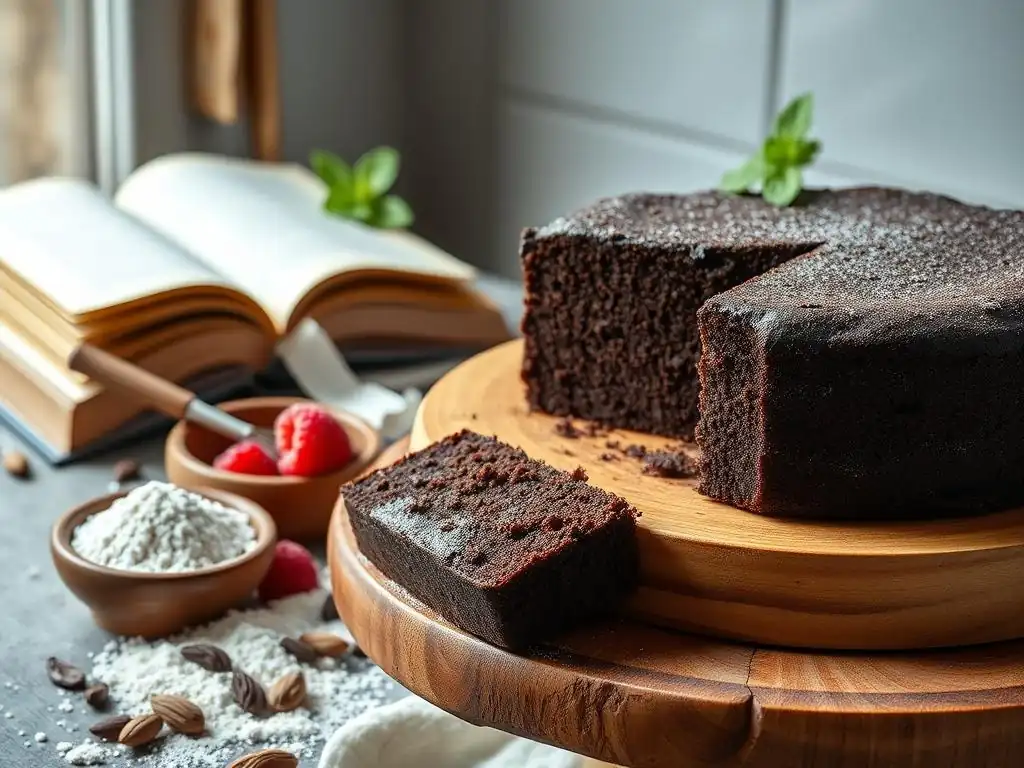
Almond flour is made from ground sweet almonds. Typically, the almonds are blanched to remove their skins before being ground into a fine meal. This process results in a flour that is light in color and has a slightly sweet, nutty aroma. It's important not to confuse almond flour with almond meal, which is usually made from unblanched almonds (skins intact) and has a coarser texture.
Rich in healthy fats, protein, and fiber, almond flour brings nutritional benefits to baking. Its composition also affects how it behaves in a batter. It tends to absorb less liquid than traditional wheat flour and has a higher fat content, which contributes to moisture but can also make batters heavier. Understanding these properties is key when adapting or creating a gluten-free chocolate cake recipe using almond flour.
Benefits of Using Almond Flour in Gluten-Free Chocolate Cake Recipes
Enhanced Flavor Profile: Nutty Notes in Your Chocolate Cake
One of the most delightful advantages of using almond flour in a gluten-free chocolate cake recipe is the subtle, nutty flavor it imparts. This flavor pairs beautifully with chocolate, adding depth and complexity that you don't get with neutral-tasting flours. It enhances the richness of cocoa, creating a more sophisticated taste experience.
For example, a gluten-free chocolate cake made with almond flour often tastes inherently richer and more luxurious than one made with plain rice flour. The natural oils in the almonds contribute to this, complementing the fats in the chocolate and butter (or oil) used in the recipe. This synergy of flavors makes almond flour a favorite for many seeking a truly gourmet gluten-free chocolate cake recipe.
Moisture Retention: Preventing Dry Gluten-Free Cakes
Almond flour is known for contributing moisture to baked goods, a significant benefit in gluten-free baking where dryness is a common pitfall. Due to its higher fat content compared to grain-based flours, it helps keep cakes moist and tender for longer. This means your gluten-free chocolate cake won't dry out as quickly after baking.
Consider a scenario where a gluten-free cake made with rice flour might become noticeably dry within a day or two. An almond flour version, however, often retains its moisture and pleasant texture for several days. This is particularly helpful for cakes meant to be enjoyed over time or prepared slightly in advance, making almond flour an excellent choice for a moist gluten-free chocolate cake recipe.
Texture and Structure: Achieving a Delicate Crumb
While almond flour lacks gluten's binding properties, it can contribute to a lovely, delicate crumb texture in gluten-free cakes. It doesn't create the same elastic network as wheat flour, but its fine particle size (when using blanched almond flour) helps produce a tender result. It often yields a cake that is slightly denser than a traditional cake but still soft and pleasant to eat.
Achieving the right structure requires careful balancing with other ingredients. Eggs are crucial for providing structure and binding in an almond flour gluten-free chocolate cake recipe. Sometimes, a small amount of starch (like tapioca or potato starch) is added to improve lightness and binding. The goal is a cake that holds together well when sliced but melts in your mouth, a texture almond flour helps achieve.
Potential Drawbacks of Almond Flour in Chocolate Cake
Density Considerations: Avoiding a Heavy Cake
Despite its benefits, almond flour can lead to a denser cake compared to those made with lighter flours. Its weight and higher fat content mean batters are often heavier. If not properly leavened or balanced with other ingredients, an almond flour gluten-free chocolate cake can turn out quite heavy or even slightly greasy.
To counteract this, bakers often need to adjust leavening agents (baking powder, baking soda) and sometimes incorporate lighter starches or additional eggs to help lift the batter. Whipping eggs well or using methods like reverse creaming can also help incorporate more air and improve the cake's texture, ensuring your gluten-free chocolate cake recipe isn't overly dense.
Cost Factor: Almond Flour Price Comparison
Almond flour is generally more expensive than most traditional and many other gluten-free flours, including rice flour. The cost of producing almond flour, which involves growing, harvesting, blanching, and grinding almonds, is higher than processing grains like rice. This can make it a more costly ingredient for frequent baking.
For example, a pound of blanched almond flour might cost anywhere from $8 to $15 USD, depending on brand and location, while a pound of white rice flour might range from $2 to $5 USD. This price difference is a practical consideration for bakers, especially when scaling up recipes or baking frequently. The investment in almond flour is often justified by its unique qualities for a high-quality gluten-free chocolate cake recipe, but it's a factor to keep in mind.
Rice Flour in Gluten-Free Chocolate Cake: An In-Depth Look
Exploring Rice Flour: Types and Characteristics
Rice flour is made from ground rice and is a staple in many gluten-free baking blends. It's widely available and relatively inexpensive. There are two primary types commonly used in baking: white rice flour and brown rice flour, each with distinct characteristics that affect a gluten-free chocolate cake recipe.
Both types are naturally gluten-free and offer a neutral base flavor, making them versatile. However, they differ in texture, nutrient content, and how they absorb liquid. Understanding these differences is crucial for successful gluten-free baking, as substituting one for the other without adjustment can significantly alter the outcome of your gluten-free chocolate cake recipe.
White Rice Flour: Neutral Flavor and Fine Texture
White rice flour is produced by grinding polished white rice kernels. The bran and germ are removed during processing, resulting in a fine, powdery flour with a very neutral flavor. This neutrality allows other flavors, like rich chocolate, to shine through without any competing notes from the flour itself.
Its fine texture is a key property. It contributes to a delicate crumb in baked goods, though it can sometimes lead to a slightly dry or crumbly result if not combined with other flours or binders. White rice flour is often combined with starches (like tapioca or potato starch) and other gluten-free flours to create a balanced blend that mimics the properties of wheat flour in a gluten-free chocolate cake recipe.
Brown Rice Flour: Earthy Notes and Nutritional Value
Brown rice flour is made from grinding unpolished brown rice kernels, meaning the bran and germ are retained. This gives it a slightly coarser texture than white rice flour and a more noticeable, earthy, or nutty flavor. It also contains more fiber, protein, and nutrients compared to its white counterpart.
While more nutritious, the coarser texture and stronger flavor of brown rice flour can impact a delicate cake. It can sometimes make baked goods denser or slightly gritty. Its flavor, while not as strong as almond flour, is less neutral than white rice flour and might be detectable in a gluten-free chocolate cake, which some bakers prefer while others don't. It's often used in blends to add nutritional value and structure.
Advantages of Using Rice Flour in Gluten-Free Chocolate Cake Recipes
Lightness and Airiness: Creating a Fluffy Texture
Rice flour, particularly white rice flour, is lighter in texture than almond flour and can contribute to a lighter, airier crumb in a gluten-free chocolate cake. When combined with starches and proper leavening, it helps create a rise and texture closer to traditional wheat cakes than the denser crumb often associated with almond flour.
Recipes that rely heavily on rice flour blends often result in cakes that feel less heavy and have a more open structure. This can be desirable for those seeking a fluffy gluten-free chocolate cake recipe. The fine particles of white rice flour allow for better aeration when mixed, contributing to this lighter feel.
Affordability and Availability: Rice Flour Accessibility
One of the most practical advantages of using rice flour in gluten-free baking is its widespread availability and lower cost. Rice is a globally produced grain, making its flour relatively inexpensive compared to nut flours or some specialty gluten-free grains. You can typically find white and brown rice flour in most major supermarkets.
As mentioned earlier, the cost difference can be significant. Using rice flour as the base for your gluten-free chocolate cake recipe can make gluten-free baking more accessible and budget-friendly for regular bakers. This combination of availability and affordability makes rice flour a foundational ingredient in many pre-made gluten-free flour blends as well.
Potential Drawbacks of Rice Flour in Chocolate Cake
Starchiness: Balancing Texture and Moisture
Rice flour, especially white rice flour, is high in starch. While this contributes to lightness, it can also lead to a slightly gummy or starchy texture if not balanced correctly. Furthermore, rice flour tends to absorb liquid differently during baking compared to wheat flour, sometimes resulting in a drier cake if the liquid ratios are not adjusted.
To mitigate starchiness and dryness, rice flour is almost always used in a blend with other flours (like sorghum, millet, or oat flour) and starches (like tapioca or potato starch). Binders like xanthan gum are particularly important in rice flour-based gluten-free chocolate cake recipes to provide structure and prevent crumbling, helping to balance the starchiness and improve moisture retention.
Flavor Profile: May Require Enhancement
While the neutrality of white rice flour is often seen as a benefit, it means the flour doesn't contribute much flavor itself. In a rich gluten-free chocolate cake, this isn't always a drawback, as the chocolate is the star. However, compared to the inherent richness and nutty notes of almond flour, rice flour offers a less complex flavor base.
This means that the flavor of a rice flour-based gluten-free chocolate cake relies entirely on the other ingredients – the quality of the cocoa, vanilla extract, sugar, and fat. While this allows the chocolate flavor to dominate, some bakers might miss the subtle depth that almond flour can provide. Brown rice flour adds a slightly earthy note, which might or might not be desired depending on the specific gluten-free chocolate cake recipe.
Almond Flour vs. Rice Flour: A Comparative Analysis for Gluten-Free Chocolate Cake
Texture Comparison: Almond Flour vs. Rice Flour Cake Crumb
When comparing the texture in a gluten-free chocolate cake, almond flour typically produces a cake with a moist, tender, and slightly dense crumb. The texture is often described as "velvety" or "rich." It holds together well but can sometimes feel a little heavy if not formulated correctly.
Rice flour, often used in blends with starches, tends to create a lighter, airier crumb. A well-made rice flour cake can have a structure closer to a traditional sponge cake. However, without proper binding, it can also be prone to crumbliness or a slightly sandy texture. The choice depends on whether you prefer a rich, slightly dense cake or a lighter, fluffier one in your gluten-free chocolate cake recipe.
Flavor Profile: Which Flour Complements Chocolate Best?
This largely comes down to personal preference. Almond flour brings a distinct nutty sweetness that complements chocolate beautifully, adding an extra layer of flavor complexity. It enhances the overall richness.
Rice flour, being more neutral, allows the pure chocolate flavor to take center stage. If you want the intense, unadulterated taste of your cocoa powder or melted chocolate to be the dominant flavor, a rice flour blend might be preferable. Both can result in a delicious gluten-free chocolate cake, but the subtle flavor contribution differs significantly.
Moisture Content: Preventing Dryness in Gluten-Free Chocolate Cakes
Almond flour's higher fat content inherently contributes more moisture to a gluten-free chocolate cake, often resulting in a cake that stays moist longer. Recipes using a high proportion of almond flour tend to be less prone to drying out during baking and storage.
Rice flour, being starchier, can sometimes lead to drier results if not balanced with sufficient fats, liquids, or moisture-retaining ingredients like applesauce or oil. Using a blend of rice flour with other flours and starches, along with binders, is crucial to achieving good moisture retention in a rice flour-based gluten-free chocolate cake recipe.
Structure and Stability: Which Flour Holds the Cake Together Better?
Neither almond flour nor rice flour provides the elastic gluten network needed for robust structure on their own. Both require assistance from binders like eggs, xanthan gum, or psyllium husk to hold the cake together.
Almond flour's composition can sometimes lead to cakes that are stable due to their density and fat content, but they can also be delicate or crumble if sliced when hot. Rice flour blends, when properly formulated with binders, can create a surprisingly stable structure, though they might be more prone to crumbling if the blend is too heavy on just rice flour without starches or binders. A successful gluten-free chocolate cake recipe, regardless of the base flour, heavily relies on the right binder usage.
Crafting the Ultimate Gluten-Free Chocolate Cake Recipe: Almond Flour Approach
Key Ingredients and Proportions for Almond Flour Chocolate Cake
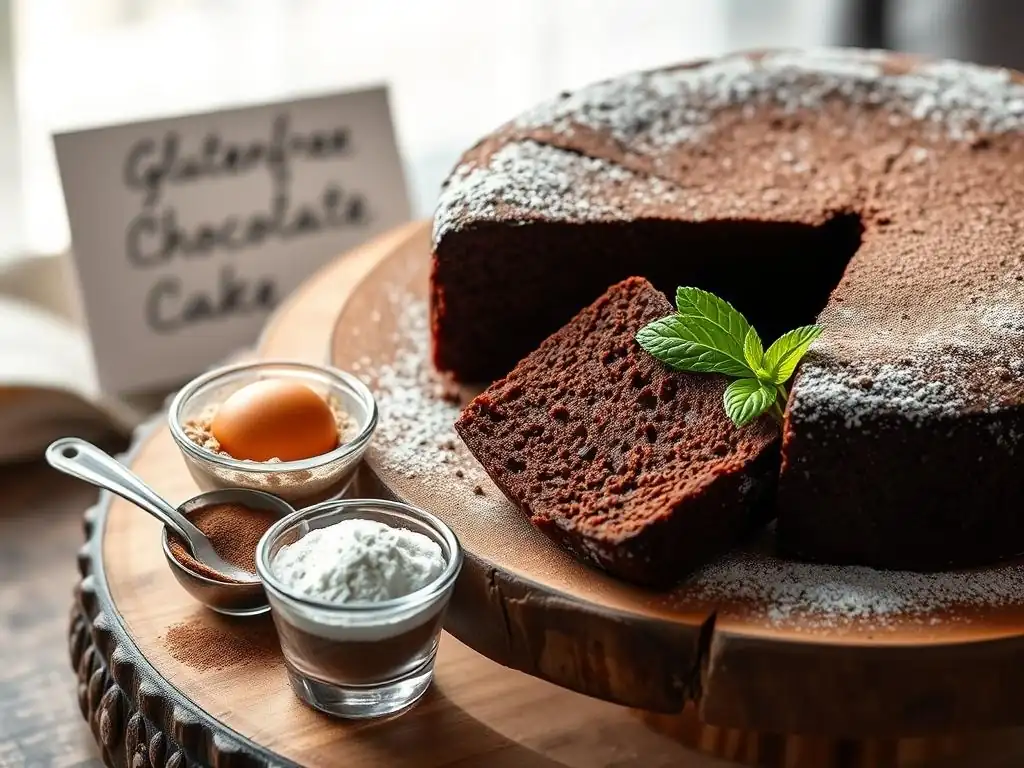
An excellent almond flour gluten-free chocolate cake recipe often starts with blanched almond flour as the primary flour. You'll typically need cocoa powder (Dutch-processed or natural, depending on leavening), sugar (often a mix of granulated and brown for moisture), eggs (which are crucial for binding and structure), a fat source like butter or oil, liquid (milk, buttermilk, or coffee often enhance chocolate flavor), baking powder and/or baking soda for leavening, vanilla extract, and salt.
A common ratio might involve using 1.5 to 2 cups of almond flour, 3-4 large eggs, 1 cup of sugar, 1/2 cup of fat, and 1/2 to 3/4 cup of liquid for an 8 or 9-inch cake layer. Because almond flour is denser, you might need slightly more leavening than in a wheat-based recipe, perhaps 1.5 to 2 teaspoons of baking powder. Eggs are particularly important; using 3-4 eggs provides essential structure that the flour lacks.
Step-by-Step Baking Instructions for Almond Flour Chocolate Cake
Baking an almond flour gluten-free chocolate cake recipe typically involves standard cake mixing methods, but with a few considerations.
- Preheat your oven and prepare your cake pans (greasing and dusting with cocoa powder or almond flour).
- Whisk together the dry ingredients: almond flour, cocoa powder, sugar, leavening, and salt. Some recipes suggest sifting cocoa powder to prevent lumps.
- In a separate bowl, whisk together the wet ingredients: eggs, melted butter or oil, liquid, and vanilla extract. Ensure eggs are at room temperature for better emulsification.
- Combine the wet and dry ingredients. Mix until just combined. Avoid overmixing, which can develop toughness even in gluten-free batters (though not from gluten). The batter might be quite thick due to the almond flour.
- Pour the batter into the prepared pan(s) and spread evenly.
- Bake according to the recipe's time and temperature. Baking time might be slightly longer than for a wheat cake due to the density. Use a toothpick test – it should come out with moist crumbs, not wet batter.
- Allow the cake to cool in the pan for 10-15 minutes before inverting onto a wire rack to cool completely. Cooling properly is vital for structure.
Tips and Tricks for a Moist and Delicious Almond Flour Chocolate Cake
Here are a few pointers for success with your almond flour gluten-free chocolate cake recipe:
- Use blanched, finely ground almond flour for the best texture. Avoid coarser almond meal unless the recipe specifically calls for it.
- Ensure your eggs are at room temperature. This helps them emulsify better with the fats, leading to a more cohesive batter and better rise.
- Don't overbake! Almond flour cakes can go from perfectly moist to dry quickly. Start checking for doneness a few minutes before the suggested time. The toothpick test is your friend.
- Consider adding coffee instead of milk as the liquid. Coffee enhances the flavor of chocolate beautifully without adding a coffee taste. About 1/2 to 3/4 cup is usually sufficient for an 8-inch cake.
- Let the cake cool completely before frosting or slicing. Almond flour cakes are delicate when warm and firm up as they cool, improving both texture and stability.
Key Ingredients and Proportions for Rice Flour Chocolate Cake
A successful rice flour gluten-free chocolate cake recipe almost always relies on a blend of flours and starches, not just rice flour alone. A typical blend might include white rice flour, brown rice flour (optional, for flavor/nutrition), tapioca starch, and potato starch in specific ratios (e.g., 40% rice flour, 30% tapioca starch, 30% potato starch is a common starting point for blends).
You'll also need cocoa powder, sugar, eggs, fat (butter or oil), liquid (milk, buttermilk, water, or coffee), leavening agents (baking powder/soda), vanilla, salt, and crucially, a binder like xanthan gum (typically 1/2 to 1 teaspoon per cup of flour blend) or psyllium husk.
For an 8 or 9-inch cake, you might use 1.5 to 2 cups of this gluten-free flour blend, along with 2-3 eggs, 1 cup of sugar, 1/2 cup fat, 3/4 to 1 cup liquid, and the appropriate amount of leavening and binder. The specific blend ratio and binder amount are critical for texture and structure in a rice flour-based gluten-free chocolate cake recipe.
Step-by-Step Baking Instructions for Rice Flour Chocolate Cake
Baking with rice flour blends follows a similar process to traditional cakes, but the mixing technique and rest time can be important.
- Preheat oven and prepare pan(s) (grease and dust with cocoa or gluten-free flour blend).
- Whisk together the dry ingredients: gluten-free flour blend, cocoa powder, sugar, leavening, binder (like xanthan gum), and salt. Ensure even distribution of the binder.
- In a separate bowl, whisk wet ingredients: eggs, melted butter or oil, liquid, and vanilla.
- Add the wet ingredients to the dry and mix until just combined. The batter consistency might differ from wheat or almond flour batters.
- Optional but recommended: Let the batter rest for 15-30 minutes. This allows the flours and binders to hydrate fully, improving texture and reducing grittiness.
- Pour batter into the prepared pan(s).
- Bake according to the recipe. Rice flour cakes can bake slightly faster than almond flour cakes but check for doneness with a toothpick.
- Cool in the pan briefly (10-15 minutes) before transferring to a wire rack to cool completely. Proper cooling prevents crumbling.
Tips and Tricks for a Light and Airy Rice Flour Chocolate Cake
To achieve the best results with a rice flour gluten-free chocolate cake recipe:
- Use a well-balanced gluten-free flour blend. Relying solely on rice flour can lead to a starchy or crumbly cake. Pre-made blends are an option, or you can mix your own.
- Don't skip the binder! Xanthan gum or psyllium husk is essential for providing structure and preventing the cake from falling apart, mimicking gluten's role.
- Consider letting the batter rest before baking. This hydration step significantly improves the texture, reducing any potential grittiness from the rice flour. A 20-minute rest is often beneficial.
- Liquid matters. Using buttermilk or adding a tablespoon of vinegar to milk can create a buttermilk substitute, which reacts with baking soda to provide extra lift and moisture in a gluten-free chocolate cake recipe.
- Measure your flour blend accurately, preferably by weight (grams) for consistency, as scoop-and-level can vary greatly.
Combining Almond Flour and Rice Flour: The Best of Both Worlds?
Exploring Blend Ratios for Optimal Texture and Flavor
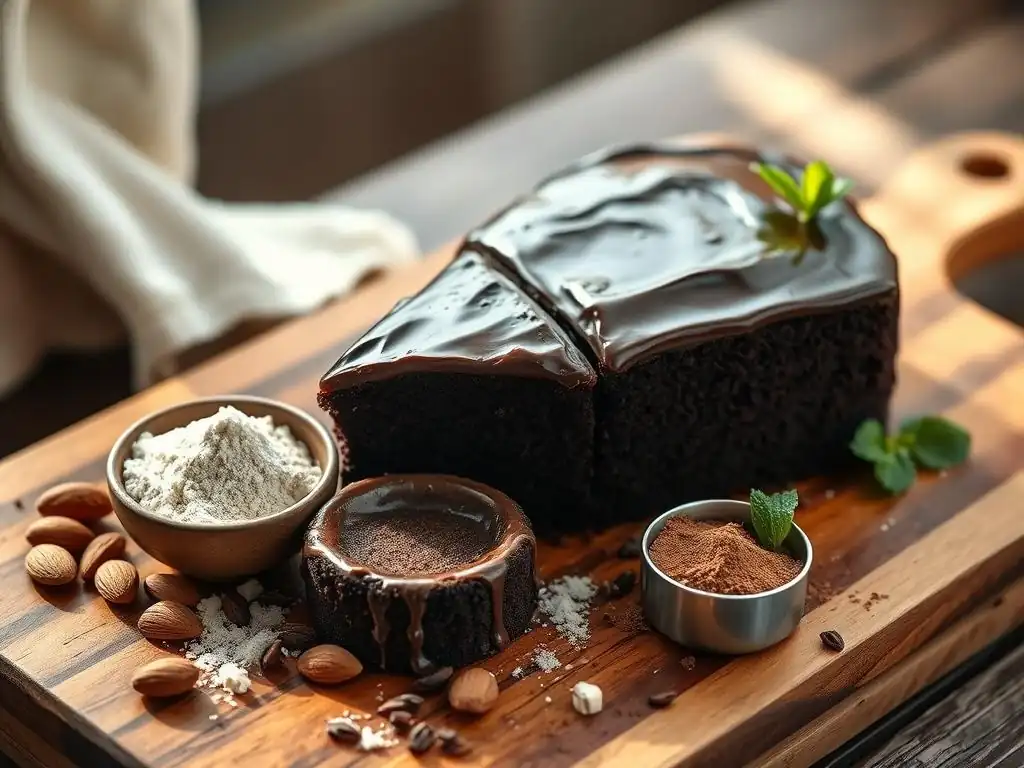
Sometimes, the perfect gluten-free chocolate cake recipe isn't about choosing one flour over the other, but combining them. Blending almond flour with a rice flour-based gluten-free blend can leverage the strengths of both. Almond flour contributes moisture, richness, and flavor, while the rice flour blend provides lightness, structure, and a less dense crumb.
Experimenting with ratios is key. A blend might feature 50% almond flour and 50% of a rice/starch blend (like 40% rice flour, 30% tapioca, 30% potato starch). Or, you might use a smaller amount of almond flour (say, 25-30%) added to a standard rice flour blend to introduce subtle flavor and moisture without the full density of an almond-only cake. The goal is to find a balance that gives you the desired texture and flavor profile for your gluten-free chocolate cake.
Recipe Adaptations for a Combined Flour Gluten-Free Chocolate Cake
When combining flours, you'll need to adapt existing recipes. If starting with an almond flour recipe, you might replace a portion of the almond flour with your rice flour blend and potentially reduce the amount of eggs or fat slightly, as the rice blend might require less binding and absorb liquid differently.
If starting with a rice flour blend recipe, you could substitute a portion of the blend with almond flour. You might need to slightly increase the liquid or fat content to account for almond flour's absorption and add the binder (xanthan gum) if the original rice flour recipe didn't use enough for the combined weight of flours. Careful adjustments and testing are necessary to perfect a combined-flour gluten-free chocolate cake recipe.
Troubleshooting Common Issues in Gluten-Free Chocolate Cake Baking
Cake is Too Dry: Solutions and Prevention
A dry gluten-free chocolate cake is a common frustration. This can happen because gluten-free flours absorb and release moisture differently than wheat, or due to overbaking.
- Solutions: If the cake is already baked, you can try brushing it with a simple syrup (equal parts sugar and water, heated until sugar dissolves) or poke holes and pour a liquid glaze over it. For future bakes, increase moisture in the recipe by adding ingredients like buttermilk, sour cream, yogurt, applesauce, mashed banana, or extra oil/melted butter. Using brown sugar instead of all granulated sugar also helps, as brown sugar contains molasses which adds moisture. Don't forget to check for doneness slightly before the recipe time suggests, as ovens vary.
Cake is Too Dense: Achieving a Light and Airy Texture
Density is often an issue, especially with almond flour or poorly balanced rice flour blends. It happens when there isn't enough leavening or air incorporated into the batter.
- Solutions: Ensure your leavening agents (baking powder/soda) are fresh – they lose potency over time. Check expiration dates. Make sure you're using the correct type of cocoa powder with your leavening (natural cocoa needs baking soda + acid; Dutch-processed works best with baking powder). Whip eggs well until pale and fluffy before adding other wet ingredients to incorporate air. Consider using a combination of baking soda and powder for maximum lift. If using rice flour blends, ensure your starch-to-flour ratio is adequate (often 30-40% starch in the blend). A gentle mixing method after combining wet and dry ingredients is also key – overmixing can deflate the air you've built.
Cake is Crumbly: Binding Agents and Techniques
Crumbly cake is a tell-tale sign of insufficient binding in a gluten-free recipe, a problem gluten usually solves in traditional cakes.
- Solutions: The most common fix is ensuring you've used an appropriate amount of binder like xanthan gum or psyllium husk. For every cup of gluten-free flour blend (or almond flour in some recipes), generally 1/2 to 1 teaspoon of xanthan gum is needed for cakes. Psyllium husk often requires a slightly higher ratio and needs to sit in the liquid for a few minutes to gel before mixing. Ensure eggs are used as specified, as they are excellent natural binders. Allowing the cake to cool completely before slicing is also vital; warm gluten-free cakes are much more fragile.
Conclusion: Choosing the Right Flour for Your Gluten-Free Chocolate Cake Masterpiece
Recap of Almond Flour and Rice Flour Benefits and Drawbacks
We've explored how almond flour brings moisture, richness, a delicate crumb, and a lovely nutty flavor to a gluten-free chocolate cake, though it can result in a denser cake and is more expensive. Rice flour, often used in blends, offers lightness, accessibility, and affordability, providing a neutral canvas for chocolate flavor, but requires careful binding and balancing to avoid dryness or starchiness.
Both flours present unique paths to a delicious gluten-free chocolate cake recipe. Your choice depends on your desired outcome: a rich, moist, slightly denser cake (almond flour) or a lighter, airier cake (rice flour blend), your budget, and what's readily available to you.
Your Perfect Gluten-Free Chocolate Cake Recipe Awaits
Ultimately, crafting the best gluten-free chocolate cake recipe is a journey of understanding your ingredients and perhaps a little experimentation. Whether you choose to go the pure almond flour route, master a rice flour blend, or even combine them for a custom texture and flavor, the principles remain the same: accurate measurement, proper binding, careful mixing, and mindful baking.
Don't be discouraged by initial attempts that aren't perfect. Every bake is a learning experience. With the knowledge of how almond flour and rice flour behave, you are well-equipped to adapt recipes, troubleshoot issues, and eventually discover or create your own ultimate gluten-free chocolate cake recipe that you'll be proud to share. Happy baking!
Frequently Asked Questions
What are the main differences between using almond flour and rice flour in a gluten-free chocolate cake recipe?
Almond flour provides a moist and nutty flavor, while rice flour offers a lighter and more neutral taste. Almond flour also adds more fat and protein, impacting the texture.
Which flour is generally considered better for achieving a fudgy texture in a gluten-free chocolate cake?
Generally, almond flour is preferred for a fudgy texture in gluten-free chocolate cakes. Its higher fat content contributes to a richer, denser crumb.
Are there any specific substitutions or adjustments needed when using either almond flour or rice flour in a gluten-free chocolate cake recipe?
Yes, almond flour may require slightly less liquid due to its absorbency. Rice flour might need binding agents like xanthan gum for structure.
What are the pros and cons of using almond flour versus rice flour in terms of the overall health profile of a gluten-free chocolate cake?
Almond flour boasts higher protein and healthy fats. Rice flour is generally lower in calories and may be suitable for those with nut allergies.
Where can I find a reliable gluten-free chocolate cake recipe using either almond flour or rice flour, as discussed on BakeWithEase.com?
BakeWithEase.com offers numerous recipes! Look for articles specifically titled "Almond Flour versus Rice Flour: Crafting the Best GlutenFree Chocolate Cake" or search for "gluten-free chocolate cake" on the site.
Final Reflection: The Sweet Science of Gluten-Free Baking
The quest for the perfect gluten-free chocolate cake is a journey, not a destination, and the choice between almond and rice flour is a crucial step along the way. This exploration into the nuances of almond and rice flour has revealed not just a recipe, but a deeper understanding of how ingredient selection directly impacts texture, moisture, and overall flavor in gluten-free baking. The demand for delicious gluten-free options continues to grow, and mastering the subtleties of flour alternatives is key to satisfying this ever-increasing appetite.
This article's exploration of almond and rice flour has highlighted for me the incredible creativity and adaptability required in gluten-free baking. It's a testament to the power of experimentation and the importance of understanding the unique properties of each ingredient. The best recipes are born from a deep understanding of the ingredients, not just from following instructions.
This quote resonates deeply, as my own experimentation with these flours has led to a richer appreciation for the art of baking itself, regardless of dietary restrictions.
Now, it's your turn. Don't be afraid to experiment with almond and rice flour in your own gluten-free chocolate cake creations. Embrace the challenge, adjust the ratios to your preference, and discover the unique texture and flavor profiles that each flour brings to the table. The perfect gluten-free chocolate cake awaits – bake it, share it, and savor the sweet success of your culinary adventure!
Unlock Your Gluten-Free Baking Potential!
Thanks for joining us on this delicious journey into the world of gluten-free chocolate cake! We hope you've gained valuable insights into the differences between almond and rice flour. Now it's time to put your newfound knowledge into practice.
- Bake the Perfect Cake: Grab your ingredients and try out the recipe variations we discussed – using either almond or rice flour – to find your ultimate gluten-free chocolate cake! Share your results with us – we'd love to see your creations!
- Explore More Gluten-Free Recipes: Discover more exciting gluten-free recipes on our site, designed to help you confidently navigate the world of baking without compromising on flavor.
- Join Our Baking Community: Connect with fellow bakers on our forum; share your tips, ask questions, and inspire others to create delicious gluten-free treats.
Which flour will you choose for your next baking adventure? Let us know in the comments below!