
Bake Healthy, GuiltFree Treats: Your LowSugar Recipe Collection

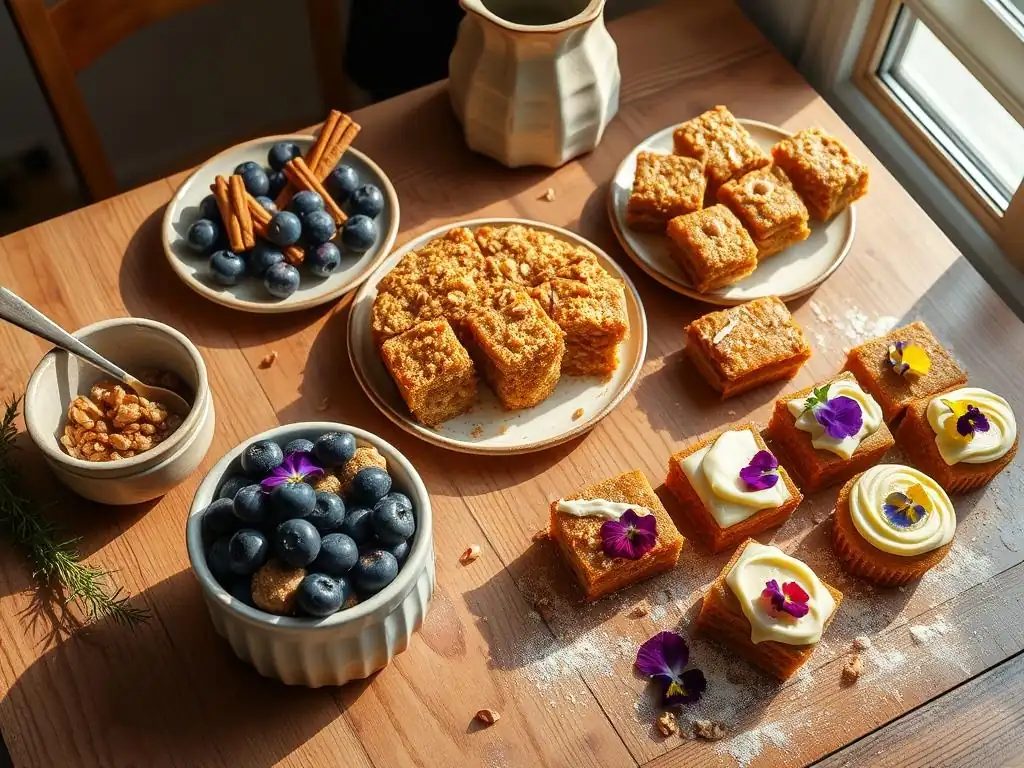
Welcome to BakeWithEase, your culinary haven for unlocking the secrets of delicious and effortless baking! Ready to indulge without the guilt? This week, we're diving into the delightful world of low sugar baking recipes. Discover how to create mouthwatering treats that are kind to your waistline and brimming with flavor. Curious to know how you can enjoy your favorite pastries while keeping the sugar levels in check? Let's get baking!
- Indulge Smart: Your Guide to Delicious Low-Sugar Baking
- Unlock Guilt-Free Baking with These Low-Sugar Recipes
- The Fundamentals of Low-Sugar Baking
- Featured Low-Sugar Baking Recipes
- Essential Tips for Low-Sugar Baking Success
- Adapting Traditional Recipes for Low-Sugar Diets
- Mastering Advanced Low-Sugar Baking Techniques
- Low-Sugar Baking for Specific Dietary Needs
- Conclusion: Enjoy Delicious, Guilt-Free Baking
-
Frequently Asked Questions
- What exactly is low-sugar baking, and why should I consider it?
- Are low-sugar baking recipes difficult to follow for a beginner?
- What kind of sugar substitutes can I use in low-sugar baking recipes from BakeWithEase?
- Will low-sugar baking recipes compromise the taste and texture of my baked goods?
- Where can I find more low-sugar baking inspiration and helpful tips on BakeWithEase.com?
- Final Reflection: The Sweetness of Health and Happiness
- Unlock Your Inner Pastry Chef: Deliciously Healthy Baking Awaits!
Indulge Smart: Your Guide to Delicious Low-Sugar Baking
Unlock Guilt-Free Baking with These Low-Sugar Recipes
Welcome to the wonderful world of low-sugar baking recipes! If you love baked goods but are looking to reduce your sugar intake, you've come to the right place. Baking with less sugar doesn't mean sacrificing flavor or enjoyment. It's about discovering new ingredients, techniques, and flavor combinations that allow you to create delicious treats that are better for you. Whether you're managing a health condition, watching your weight, or simply aiming for a healthier lifestyle, mastering low-sugar baking opens up a whole new realm of possibilities in your kitchen.
This guide will walk you through the fundamentals, introduce you to essential ingredients, and share some fantastic low-sugar baking recipes to get you started. We'll explore everything from cakes and cookies to muffins and even some unique desserts, all designed to minimize added sugar while maximizing taste. Get ready to enjoy your favorite baked goods with less guilt and more goodness, making low sugar baking recipes a staple in your healthy eating plan.
The Fundamentals of Low-Sugar Baking
Health Benefits of Reduced Sugar in Baking
Reducing sugar in your baked goods offers significant health advantages. Excessive sugar consumption is linked to numerous health issues, including weight gain, increased risk of type 2 diabetes, heart disease, and dental problems. By opting for low-sugar baking recipes, you can help manage your blood sugar levels more effectively. For individuals with diabetes or prediabetes, this can be particularly crucial, as stable blood sugar prevents sharp spikes and crashes, leading to more consistent energy levels throughout the day.
Furthermore, cutting back on sugar often means you're reducing empty calories, which can support weight management goals. A standard chocolate chip cookie might contain around 10-12 grams of sugar, contributing significantly to daily intake limits (the American Heart Association recommends no more than 25 grams for women and 36 grams for men daily).
Switching to a low-sugar version using alternative sweeteners or natural sweetness from fruits can drastically lower this count, perhaps down to 2-5 grams per serving, allowing you to enjoy treats while staying within healthier limits. This shift encourages a diet richer in nutrients rather than simple carbohydrates.
Essential Ingredients for Low-Sugar Baked Goods
Creating successful low-sugar baking recipes requires understanding and utilizing specific ingredients. Beyond the traditional flour, eggs, and fats, you'll need to explore alternative flours and, most importantly, alternative sweeteners. Almond flour, coconut flour, or whole wheat flour can often replace or supplement all-purpose flour, adding fiber and reducing the glycemic impact of the final product. For fats, unsweetened apple sauce, mashed bananas, or pureed pumpkin can reduce the need for butter or oil while adding moisture and natural sweetness.
The core of low-sugar baking lies in replacing granulated sugar. This involves using non-nutritive sweeteners (like stevia, erythritol, monk fruit) or natural, less refined options (like dates, maple syrup, honey in moderation, or fruit purees). Each of these has different properties, sweetness levels, and impacts on texture and moisture, so choosing the right one for your low sugar baking recipes is key. You'll also find ingredients like unsweetened cocoa powder, vanilla extract, and various spices (cinnamon, nutmeg, ginger) become more prominent, as they enhance flavor without adding sweetness, helping to create delicious treats even with reduced sugar.
Natural & Alternative Sweeteners: Your Healthy Baking Arsenal
Navigating the world of sweeteners beyond white sugar is crucial for low-sugar baking recipes. Natural sweeteners like dates, date paste, unsweetened applesauce, and ripe bananas offer sweetness along with fiber and nutrients. For instance, using mashed banana in muffins can replace up to half the sugar needed in a traditional recipe, while adding moisture and a lovely flavor. Date paste is an excellent binder and sweetener in energy bars or cookies, providing concentrated sweetness from whole fruit.
On the other hand, alternative sweeteners such as stevia, erythritol, and monk fruit provide sweetness with minimal to no calories or impact on blood sugar. Erythritol, a sugar alcohol, is about 70% as sweet as sugar but has almost zero calories and doesn't cause digestive upset for most people in moderate amounts. Monk fruit extract is significantly sweeter than sugar (often 150-200 times), so only tiny amounts are needed.
Stevia, derived from a plant, is also potent. Using these requires careful measurement and understanding their properties; for example, erythritol doesn't caramelize like sugar, and liquid stevia can add unwanted moisture. Experimentation is often needed to find the perfect balance in your low sugar baking recipes.
Featured Low-Sugar Baking Recipes
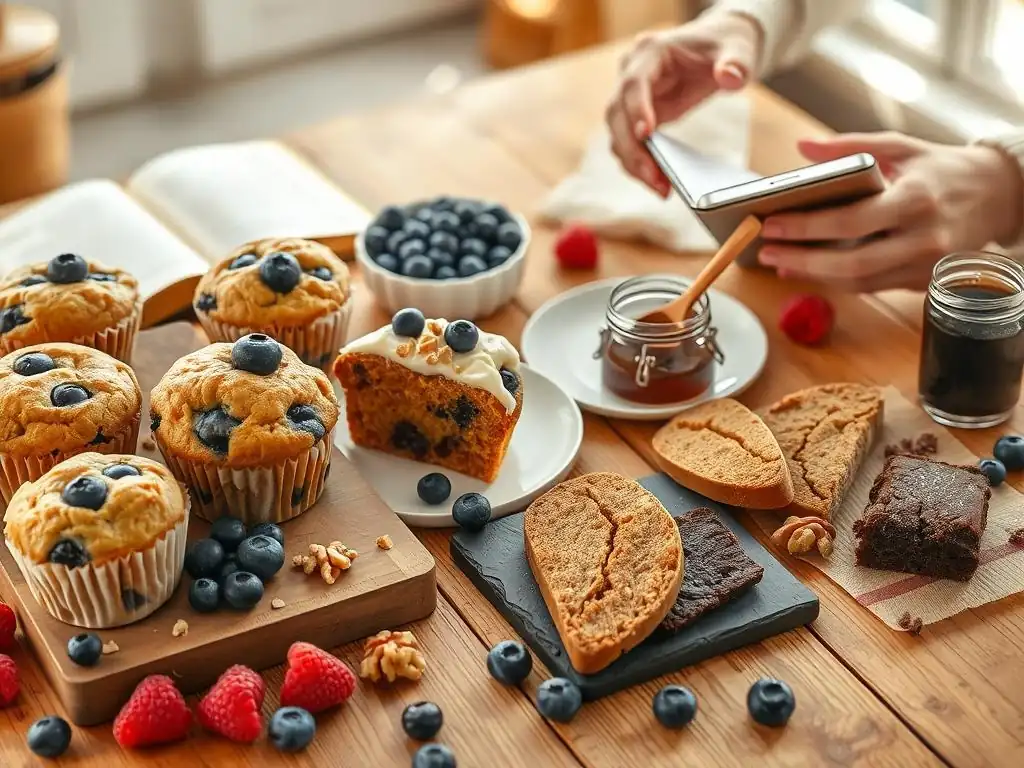
Low-Sugar Cakes: Flavorful & Light
Creating low-sugar cakes means focusing on flavor from sources other than refined sugar, such as citrus zest, spices, fruits, and nuts. The goal is a moist, tender crumb that satisfies without the sugar crash. These recipes demonstrate how alternative sweeteners and clever ingredient swaps can result in delightful cakes perfect for any occasion.
Recipe: Lemon Poppy Seed Cake with Erythritol
This light and zesty cake uses erythritol to provide sweetness without the sugar load. The combination of fresh lemon juice and zest with poppy seeds creates a bright, refreshing flavor profile.
- Yield: 8-10 servings
- Prep time: 15 minutes
- Bake time: 30-35 minutes
- Ingredients:
- 1 ½ cups all-purpose flour
- 1 ½ teaspoons baking powder
- ¼ teaspoon salt
- 1 tablespoon poppy seeds
- ½ cup unsalted butter, softened
- 1 cup erythritol, granulated
- 2 large eggs
- 1 teaspoon vanilla extract
- Zest of 2 large lemons
- ¼ cup fresh lemon juice
- ½ cup milk (any kind)
- Instructions:
- Preheat oven to 350°F (175°C). Grease and flour an 8-inch loaf pan.
- In a medium bowl, whisk together flour, baking powder, salt, and poppy seeds.
- In a large bowl, cream together softened butter and erythritol until light and fluffy.
- Beat in eggs one at a time, then stir in vanilla extract and lemon zest.
- In a small bowl, whisk together lemon juice and milk.
- Alternately add dry ingredients and wet ingredients to the butter mixture, beginning and ending with the dry ingredients. Mix until just combined; do not overmix.
- Pour batter into the prepared loaf pan and smooth the top.
- Bake for 30-35 minutes, or until a toothpick inserted into the center comes out clean.
- Let cool in the pan for 10 minutes before transferring to a wire rack to cool completely.
Recipe: Spiced Apple Cake Sweetened with Dates
This moist cake relies on the natural sweetness of dates and apples, enhanced by warm spices. It's a perfect example of how fruit can be a primary sweetener in low sugar baking recipes.
- Yield: 12 servings
- Prep time: 20 minutes
- Bake time: 40-45 minutes
- Ingredients:
- 2 cups pitted dates, soaked in hot water for 10 minutes, drained
- ½ cup hot water (from soaking) or fresh hot water
- ½ cup unsweetened applesauce
- 2 large eggs
- 1 teaspoon vanilla extract
- 1 ¾ cups whole wheat flour
- 1 teaspoon baking soda
- ½ teaspoon baking powder
- 1 teaspoon ground cinnamon
- ½ teaspoon ground nutmeg
- ¼ teaspoon ground cloves
- ½ teaspoon salt
- 2 cups finely diced apples (about 2 medium)
- Optional: ½ cup chopped walnuts or pecans
- Instructions:
- Preheat oven to 350°F (175°C). Grease and flour a 9x13 inch baking pan.
- In a blender or food processor, combine the soaked dates and ½ cup hot water. Process until a smooth paste forms.
- In a large bowl, whisk together the date paste, applesauce, eggs, and vanilla extract until well combined.
- In a separate medium bowl, whisk together the whole wheat flour, baking soda, baking powder, cinnamon, nutmeg, cloves, and salt.
- Add the dry ingredients to the wet ingredients and mix until just combined.
- Gently fold in the diced apples and optional nuts.
- Pour the batter into the prepared pan and spread evenly.
- Bake for 40-45 minutes, or until a toothpick inserted into the center comes out clean.
- Let cool in the pan before slicing.
Cookies are often loaded with sugar, but these low sugar baking recipes prove you can still enjoy a satisfying crunch or chew without the excess. By using alternative flours and sweeteners, these cookies offer a healthier twist on a classic treat.
Recipe: Almond Flour Shortbread Cookies with Monk Fruit
These delicate shortbread cookies are made with almond flour for a tender texture and sweetened with monk fruit extract, providing sweetness with minimal carbs and calories.
- Yield: 16-20 cookies
- Prep time: 15 minutes
- Chill time: 30 minutes
- Bake time: 12-15 minutes
- Ingredients:
- 1 cup almond flour
- ¼ cup erythritol-based powdered sugar alternative (or blend erythritol and a tiny pinch of monk fruit powder, then process into powder)
- ¼ teaspoon salt
- ½ cup unsalted butter, softened
- ½ teaspoon vanilla extract
- Liquid monk fruit extract to taste (start with 3-5 drops, adjust based on product concentration)
- Instructions:
- In a medium bowl, whisk together the almond flour, powdered sugar alternative, and salt.
- In a large bowl, cream the softened butter until smooth.
- Add the vanilla extract and liquid monk fruit extract to the butter and mix well.
- Gradually add the dry ingredients to the wet ingredients, mixing until a soft dough forms.
- Gather the dough into a ball, flatten slightly, wrap in plastic wrap, and chill in the refrigerator for at least 30 minutes.
- Preheat oven to 325°F (160°C). Line a baking sheet with parchment paper.
- On a lightly floured surface (use almond flour), roll out the dough to about ¼ inch thickness. Cut into desired shapes using cookie cutters or a knife.
- Place cookies on the prepared baking sheet.
- Bake for 12-15 minutes, or until the edges are lightly golden.
- Let cool on the baking sheet for a few minutes before carefully transferring to a wire rack to cool completely.
Recipe: Coconut Macaroons with Minimal Added Sugar
Naturally sweet from coconut, these macaroons require very little added sweetener. This recipe keeps it simple, highlighting the tropical flavor of coconut.
- Yield: 18-20 macaroons
- Prep time: 10 minutes
- Bake time: 20-25 minutes
- Ingredients:
- 3 cups unsweetened shredded coconut
- ¼ cup erythritol or other granulated sugar alternative
- 2 large egg whites
- ½ teaspoon vanilla extract
- Pinch of salt
- Instructions:
- Preheat oven to 325°F (160°C). Line a baking sheet with parchment paper.
- In a large bowl, combine the shredded coconut, erythritol, and salt. Stir to combine.
- In a separate small bowl, whisk the egg whites until slightly frothy (not stiff peaks). Stir in the vanilla extract.
- Add the egg white mixture to the coconut mixture and stir until everything is well combined and the coconut is evenly moistened.
- Scoop rounded tablespoons of the mixture onto the prepared baking sheet, shaping them into mounds. You can use a small ice cream scoop for uniform size.
- Bake for 20-25 minutes, or until the edges are golden brown.
- Let cool completely on the baking sheet before carefully removing.
Low-Sugar Muffins & Breads: Wholesome Breakfast & Snacks
Muffins and quick breads are breakfast or snack staples, often secretly loaded with sugar. These low sugar baking recipes focus on whole grains, fruits, and minimal added sweeteners to create satisfying and nutritious options.
Recipe: Blueberry Muffins with Apple Sauce and a Touch of Honey
These moist muffins use unsweetened apple sauce and just a hint of honey for sweetness, letting the natural flavor of blueberries shine.
- Yield: 12 muffins
- Prep time: 15 minutes
- Bake time: 20-25 minutes
- Ingredients:
- 1 ½ cups whole wheat flour
- ½ cup all-purpose flour
- 2 teaspoons baking powder
- ½ teaspoon baking soda
- ¼ teaspoon salt
- 1 teaspoon ground cinnamon
- ½ cup unsweetened apple sauce
- ¼ cup milk (any kind)
- ¼ cup melted coconut oil or other vegetable oil
- 2 large eggs
- 2 tablespoons honey
- 1 teaspoon vanilla extract
- 1 ½ cups fresh or frozen blueberries (if using frozen, do not thaw)
- Instructions:
- Preheat oven to 375°F (190°C). Line a 12-cup muffin tin with paper liners or grease well.
- In a large bowl, whisk together the whole wheat flour, all-purpose flour, baking powder, baking soda, salt, and cinnamon.
- In a separate medium bowl, whisk together the apple sauce, milk, melted oil, eggs, honey, and vanilla extract until well combined.
- Pour the wet ingredients into the dry ingredients and mix until just combined. Do not overmix; a few lumps are okay.
- Gently fold in the blueberries.
- Divide the batter evenly among the prepared muffin cups, filling each about two-thirds full.
- Bake for 20-25 minutes, or until a toothpick inserted into the center of a muffin comes out clean.
- Let cool in the muffin tin for a few minutes before transferring to a wire rack to cool completely.
Recipe: Whole Wheat Pumpkin Bread with Maple Syrup
This hearty quick bread uses pure pumpkin puree and a modest amount of maple syrup for sweetness, creating a flavorful and moist loaf perfect for autumn or any time.
- Yield: 1 loaf (10-12 slices)
- Prep time: 15 minutes
- Bake time: 55-65 minutes
- Ingredients:
- 1 ¾ cups whole wheat flour
- 1 teaspoon baking soda
- ½ teaspoon baking powder
- ½ teaspoon salt
- 1 teaspoon ground cinnamon
- ½ teaspoon ground nutmeg
- ¼ teaspoon ground cloves
- 1 ½ cups pumpkin puree (not pumpkin pie filling)
- ⅓ cup melted coconut oil or other vegetable oil
- ⅓ cup maple syrup
- 2 large eggs
- ¼ cup milk (any kind)
- 1 teaspoon vanilla extract
- Optional: ½ cup chopped pecans or walnuts
- Instructions:
- Preheat oven to 350°F (175°C). Grease and flour an 8x4 or 9x5 inch loaf pan.
- In a large bowl, whisk together the whole wheat flour, baking soda, baking powder, salt, cinnamon, nutmeg, and cloves.
- In a separate medium bowl, whisk together the pumpkin puree, melted oil, maple syrup, eggs, milk, and vanilla extract until well combined.
- Pour the wet ingredients into the dry ingredients and mix until just combined. Do not overmix.
- Gently fold in the optional nuts if using.
- Pour the batter into the prepared loaf pan and spread evenly.
- Bake for 55-65 minutes, or until a toothpick inserted into the center comes out clean. If the top browns too quickly, you can loosely tent it with foil during the last 15-20 minutes.
- Let cool in the pan for 10-15 minutes before transferring to a wire rack to cool completely.
Low-Sugar Desserts: Beyond the Usual
Low-sugar baking isn't just about cakes and cookies. There are many delicious dessert options that naturally require less sugar or can be easily adapted. These recipes offer creative ways to enjoy sweet treats while keeping sugar intake low.
Recipe: Baked Apples with Cinnamon and Walnuts
This simple dessert highlights the natural sweetness of apples when baked, enhanced by warm spices and crunchy nuts. It's naturally low in added sugar and incredibly comforting.
- Yield: 4 servings
- Prep time: 10 minutes
- Bake time: 30-40 minutes
- Ingredients:
- 4 medium baking apples (such as Fuji, Honeycrisp, or Gala)
- 2 tablespoons chopped walnuts or pecans
- 1 tablespoon rolled oats (optional)
- 1 teaspoon ground cinnamon
- ¼ teaspoon ground nutmeg
- 1 tablespoon maple syrup or honey (optional, for a touch more sweetness)
- 2 tablespoons butter or coconut oil, divided into 4 small pieces
- ½ cup hot water
- Instructions:
- Preheat oven to 375°F (190°C).
- Wash the apples. Using an apple corer or a sharp knife, carefully remove the core from each apple, leaving about ½ inch at the bottom so the filling doesn't fall through.
- In a small bowl, mix together the chopped walnuts, optional oats, cinnamon, nutmeg, and optional maple syrup or honey.
- Place the apples in a small baking dish. Fill the cavity of each apple with the nut mixture. Top each filled apple with a small piece of butter or coconut oil.
- Pour the hot water into the bottom of the baking dish.
- Bake for 30-40 minutes, or until the apples are tender when pierced with a fork. Baking time will vary depending on the size and type of apple.
- Serve warm, spooning some of the pan juices over the top if desired.
Recipe: Chia Seed Pudding with Berries
While not technically "baked," this make-ahead dessert is a fantastic low-sugar option using the natural sweetness of berries. It's rich in fiber and healthy fats, making it a satisfying treat.
- Yield: 2 servings
- Prep time: 5 minutes
- Chill time: At least 2 hours (or overnight)
- Ingredients:
- ¼ cup chia seeds
- 1 cup milk (dairy or non-dairy like almond, coconut, or oat)
- ½ teaspoon vanilla extract
- Optional: 1-2 teaspoons maple syrup, honey, or sugar alternative (like erythritol) for added sweetness, if desired
- ½ cup fresh or frozen mixed berries (strawberries, blueberries, raspberries)
- Instructions:
- In a jar or bowl, whisk together the chia seeds, milk, vanilla extract, and optional sweetener.
- Stir well to ensure there are no clumps of chia seeds. You can use a whisk or shake a sealed jar vigorously.
- Let sit for 5-10 minutes, then stir or shake again to redistribute any seeds that have settled. This prevents clumping.
- Cover and refrigerate for at least 2 hours, or preferably overnight, until the pudding has thickened to a gel-like consistency.
- Before serving, stir the pudding. Layer or top with fresh or frozen berries.
- Can be stored in the refrigerator for up to 3-4 days.
Essential Tips for Low-Sugar Baking Success
Precise Sweetener Measurement & Conversion
Achieving the right sweetness and texture in low-sugar baking recipes depends heavily on precise measurement and understanding sweetener conversions. Alternative sweeteners often have different sweetness levels and weights compared to granulated sugar. For instance, many erythritol blends are a 1:1 replacement for sugar by volume, but pure stevia extract is incredibly potent, requiring only a tiny pinch or a few drops to replace a significant amount of sugar. Using too much can result in a bitter aftertaste.
Always check the specific conversion guidelines provided on the packaging of your chosen sweetener. If a recipe calls for 1 cup of sugar and your chosen erythritol blend is a 1:1 substitute, you'd use 1 cup of the blend. However, if you're using a concentrated sweetener like monk fruit powder, you might only need a fraction of a teaspoon.
Keep a kitchen scale handy, as measuring by weight is often more accurate than volume, especially for granular or powdered ingredients. Starting with a smaller amount and tasting (if possible before baking) or making small test batches can help you find the perfect balance for your low sugar baking recipes.
Flavor Enhancement Without Excessive Sugar
Sugar does more than just sweeten; it also enhances other flavors. When you reduce sugar, you need to find other ways to make your low sugar baking recipes taste vibrant and delicious. Spices are your best friend here – cinnamon, nutmeg, ginger, cloves, cardamom, and allspice can add warmth and depth. Citrus zest (lemon, orange, lime) provides brightness that can balance richness. Vanilla extract, almond extract, or other flavorings are also crucial for building complex flavors.
Consider using ingredients that naturally have intense flavors, like unsweetened cocoa powder, dark chocolate (with a higher cocoa percentage), coffee, or nuts. A pinch of salt is also vital, as it helps to balance and amplify sweetness, even when using alternative sweeteners. Don't be afraid to be generous with these flavor enhancers; they are key to ensuring your low-sugar baked goods are not bland but truly satisfying and flavorful, proving that low sugar baking recipes can be just as exciting as their traditional counterparts.
Understanding Sugar's Role in Baked Goods Texture
Sugar plays several critical roles in baking beyond sweetness, significantly impacting texture. It contributes to tenderness by interfering with gluten development, helps with leavening by creaming with fat to create air pockets, promotes browning through caramelization (though this is less true for alternative sweeteners), and retains moisture, resulting in a softer, moister crumb. Removing sugar entirely or replacing it with alternatives can alter these properties.
When making low sugar baking recipes, you might notice differences in how the dough or batter behaves. Cookies might spread less, cakes might be less golden on top, and baked goods could potentially be drier or have a different crumb structure. To counteract this, you might need to adjust other ingredients. Adding extra moisture through unsweetened apple sauce, yogurt, pumpkin puree, or even a bit more liquid can help.
Using fats like butter or oil also contributes to tenderness. Some alternative sweeteners, like erythritol, can create a slightly cooling sensation or a crystalline texture if used in large quantities, which is something to be aware of. Experimenting with ratios and ingredients is part of the journey in mastering low sugar baking recipes.
Adapting Traditional Recipes for Low-Sugar Diets
Identifying & Reducing High-Sugar Ingredients
The first step in converting traditional recipes into low sugar baking recipes is identifying where the sugar is hiding. Obvious sources include granulated sugar, brown sugar, powdered sugar, corn syrup, and molasses listed in the main ingredient list. However, sugar is also present in ingredients like chocolate chips (unless specifically sugar-free), dried fruits (often coated in sugar), sweetened condensed milk, jams, jellies, and frostings.
Once identified, look for opportunities to reduce the amount. Many recipes use more sugar than is strictly necessary for structure or leavening. You can often start by reducing the sugar amount by 25-30% without significantly impacting the outcome, especially in recipes where sugar isn't the primary structural component (like some cakes or muffins). For example, a traditional cookie recipe calling for 1 cup of sugar might work well with ¾ cup, or even less if you plan to use alternative sweeteners. This initial reduction is a simple way to begin creating low sugar baking recipes from your favorites.
Swapping Sugar for Healthier Alternatives
Once you've reduced the overall sugar quantity, the next step is replacing the remaining portion with healthier alternatives suitable for low sugar baking recipes. As discussed earlier, this means choosing between non-nutritive sweeteners (stevia, monk fruit, erythritol) and natural options (dates, applesauce, maple syrup, honey). The choice depends on the recipe type and desired outcome. For instance, a delicate sponge cake might benefit from a granulated erythritol blend for structure, while moist muffins can handle the moisture and flavor of applesauce or date paste.
When substituting, consider the sweetness level and bulk. If replacing 1 cup of sugar with a concentrated sweetener like stevia, you'll need a bulking agent to maintain the recipe's volume and structure. Flour, fiber supplements, or even an erythritol blend can help. If using liquid sweeteners like maple syrup or honey, you might need to slightly reduce other liquids in the recipe to compensate for the added moisture. Using fruit purees like applesauce or mashed banana adds moisture and natural sweetness but will also impart their flavor and color to your low sugar baking recipes.
Adjusting Baking Parameters for Best Results
Adapting recipes for low sugar baking often requires minor adjustments to baking time and temperature. Sugar contributes to browning, so baked goods made with non-browning alternative sweeteners like erythritol or stevia might appear pale even when fully cooked. You might need to rely more on internal temperature checks or the toothpick test for doneness rather than visual cues alone.
Furthermore, some sugar alternatives can affect moisture levels. Baked goods made with dry granular sweeteners might bake slightly faster or appear drier. Conversely, using moist fruit purees might require a slightly longer baking time. Pay close attention to the texture and color of your baked goods as they bake. Lowering the oven temperature slightly or baking for a shorter time might be necessary for some low sugar baking recipes to prevent over-drying, while others might need a few extra minutes to set properly. Flexibility and observation are key when experimenting with adaptations.
Mastering Advanced Low-Sugar Baking Techniques
Optimizing the Use of Natural Sweeteners
Moving beyond simple substitutions, mastering low sugar baking recipes involves optimizing how you use natural sweeteners like dates, fruits, and fruit concentrates. For example, creating a smooth date paste by soaking and blending dates allows you to incorporate their sweetness and binding properties seamlessly into batters and doughs. The type and ripeness of fruit matter; very ripe bananas are much sweeter than slightly green ones and ideal for baking.
Consider techniques like roasting or reducing fruit purees to concentrate their natural sugars and intensify flavor before adding them to your low sugar baking recipes. Roasting apples or pears, for instance, caramelizes their sugars beautifully. Using unsweetened fruit juice concentrates in glazes or fillings can provide sweetness without the bulk of whole fruit. Understanding the water content and sweetness profile of different natural sweeteners allows you to predict their impact on your final product and adjust accordingly for optimal flavor and texture.
Achieving Perfect Texture in Low-Sugar Treats
Texture is a common challenge in low-sugar baking recipes because sugar plays such a vital role in tenderness, moisture, and structure. To achieve desirable textures, bakers often employ specific techniques. Using a combination of flours, like almond flour for tenderness and a bit of whole wheat for structure, can help. Fats, such as butter, oil, or even avocado puree, are crucial for creating a moist crumb and preventing toughness.
Incorporating ingredients rich in fiber and healthy fats, like ground flaxseed or chia seeds (as seen in the pudding recipe), can help retain moisture and improve texture. Eggs also play a significant role in structure and richness. Sometimes, adding a small amount of protein powder or a binding agent like xanthan gum can help mimic the structure sugar provides, especially in gluten-free low sugar baking recipes. Experimenting with creaming methods for fats and sweeteners or adjusting mixing times can also influence the final texture, aiming for that perfect balance of tender and moist.
Preventing Dryness & Blandness
Two common pitfalls in low-sugar baking recipes are dryness and blandness. Without the moisture retention properties of sugar and the flavor enhancement it provides, baked goods can sometimes turn out dry or lack depth. To prevent dryness, focus on adding moisture through ingredients like unsweetened applesauce, yogurt, pumpkin puree, mashed bananas, or even extra eggs or egg yolks. Ensuring fats like butter or oil are present in adequate amounts is also key to a moist and tender result.
To combat blandness, be generous with flavorings beyond just sweetness. Use high-quality vanilla extract, plenty of warming spices (cinnamon, ginger, cloves), citrus zest, coffee, or unsweetened cocoa powder. Adding nuts, seeds, or sugar-free chocolate chips (made with alternative sweeteners) can also provide bursts of flavor and texture. A pinch of salt is surprisingly effective at enhancing both sweet and savory notes, making everything taste more vibrant. By focusing on these elements, your low sugar baking recipes will be anything but boring.
Low-Sugar Baking for Specific Dietary Needs
Low-Sugar Baking for Blood Sugar Management
Low-sugar baking recipes are particularly beneficial for individuals managing blood sugar levels, such as those with diabetes or insulin resistance. By using non-nutritive sweeteners (stevia, erythritol, monk fruit) that have minimal to no impact on blood glucose, these recipes allow individuals to enjoy baked goods without the significant blood sugar spikes associated with refined sugar. Focusing on recipes that also incorporate whole grains and fiber (like almond flour, coconut flour, or whole wheat flour) helps to slow down the absorption of carbohydrates that are present.
For example, a standard brownie might contain 30-40 grams of carbohydrates, much of which is rapidly absorbed sugar. A low-sugar version using almond flour and erythritol might reduce total carbs to 15-20 grams, with a much lower percentage coming from simple sugars. This makes it easier to fit treats into a carbohydrate-controlled eating plan.
However, it's important to remember that even low-sugar baked goods still contain carbohydrates from flours and other ingredients, so portion control remains essential for effective blood sugar management. Consulting with a healthcare provider or dietitian is always recommended for personalized dietary advice, but incorporating low sugar baking recipes can be a positive step.
Low-Sugar Baking for Calorie Control
Reducing sugar is a powerful strategy for managing calorie intake, and low-sugar baking recipes directly support this goal. Refined sugar contains approximately 16 calories per teaspoon (about 4 grams). Replacing a cup of sugar (approx. 192 grams or 768 calories) with a non-nutritive sweetener that has zero or very few calories can drastically reduce the calorie count of a baked item. For instance, using erythritol (approx. 0.24 calories per gram) instead of sugar in a cake could save hundreds of calories per recipe.
While natural sweeteners like dates or maple syrup still contain calories, they often come with fiber and nutrients, making them a slightly better choice than refined sugar. Furthermore, low sugar baking recipes often encourage the use of nutrient-dense ingredients like nuts, seeds, and whole grains, which provide satiety and contribute to overall health, even if they add calories. By consciously choosing ingredients and reducing added sugars, low sugar baking recipes become a valuable tool for anyone looking to enjoy treats while keeping their calorie intake in check.
Low-Sugar Baking for a Healthy Lifestyle
Embracing low-sugar baking recipes is not just for specific health conditions; it's a cornerstone of a generally healthy lifestyle. Reducing added sugar intake is one of the most widely recommended dietary changes for improving overall well-being. Regularly consuming low-sugar baked goods helps train your palate to appreciate less intense sweetness, allowing you to enjoy the natural flavors of ingredients more fully. This can lead to healthier food choices in other areas of your diet as well.
Incorporating low sugar baking recipes into your routine means you can still enjoy the comfort and pleasure of homemade treats without the negative health consequences associated with high sugar consumption. It empowers you to control the ingredients you use, avoiding artificial additives often found in commercial low-sugar products. Making low-sugar baking recipes at home is an act of self-care, providing delicious, satisfying options that nourish your body while still allowing for indulgence. It's about finding balance and enjoying food mindfully.
Conclusion: Enjoy Delicious, Guilt-Free Baking
Frequently Asked Questions
What exactly is low-sugar baking, and why should I consider it?
Low-sugar baking focuses on reducing the amount of refined sugar in recipes while still achieving delicious results. This is beneficial for healthier eating habits and managing sugar intake.
Are low-sugar baking recipes difficult to follow for a beginner?
Not necessarily! Many low-sugar recipes from BakeWithEase are designed with beginners in mind, offering simple instructions and easy-to-find ingredients. We focus on straightforward methods.
What kind of sugar substitutes can I use in low-sugar baking recipes from BakeWithEase?
Our recipes often suggest natural sweeteners like maple syrup, honey, or fruit purees as alternatives. We also sometimes use artificial sweeteners in moderation.
Will low-sugar baking recipes compromise the taste and texture of my baked goods?
It's possible, but with the right techniques and ingredients, you can achieve delicious results. BakeWithEase recipes are carefully crafted to maintain flavor and texture while reducing sugar.
Where can I find more low-sugar baking inspiration and helpful tips on BakeWithEase.com?
Explore our website's dedicated section on low-sugar recipes. You'll find articles, videos, and a community forum for sharing tips and tricks.
Final Reflection: The Sweetness of Health and Happiness
The pursuit of healthier lifestyles is no longer a niche trend; it's a fundamental shift in how we approach our well-being. This collection of low-sugar baking recipes demonstrates that indulging in sweet treats doesn't have to come at the cost of our health. We've proven that deliciousness and dietary awareness can coexist beautifully.
The journey of creating these recipes has been a personal exploration of balance – finding joy in baking without sacrificing my commitment to a healthier lifestyle. It's a journey many share, a desire to enjoy life's simple pleasures without the guilt or the subsequent energy crash. The body achieves what the mind believes.
This quote resonates deeply, as believing in the possibility of healthy indulgence is the first step towards achieving it. The impact of mindful eating extends beyond individual well-being; it influences our collective understanding of food and its role in our lives.
Now, it's your turn. Take these recipes, adapt them, experiment, and discover the joy of creating your own guilt-free, low-sugar delights. Don't just bake; create a healthier, happier relationship with food. Embrace the sweetness of health, and let your kitchen become a sanctuary of mindful indulgence. The possibilities are as endless as your creativity.
Unlock Your Inner Pastry Chef: Deliciously Healthy Baking Awaits!
Thanks for joining us on this delicious journey into the world of low-sugar baking! We hope you've discovered some new favorites and feel empowered to create healthier, equally satisfying treats. Ready to take your baking skills to the next level?
- Whip up your favorite recipe from the article today! Grab your ingredients and get baking – you deserve a delicious, guilt-free reward.
- Share your baking triumphs (and challenges!) with our community on social media using #BakeWithEaseLowSugar. Let's inspire each other!
- Challenge yourself to adapt another recipe from your collection to be lower in sugar. See how many creative substitutions you can discover!
What’s your favorite low-sugar baking swap? Let us know in the comments below!