
Flax vs. Chia: Choosing the Best Seed Gel Substitute for EggFree Treats

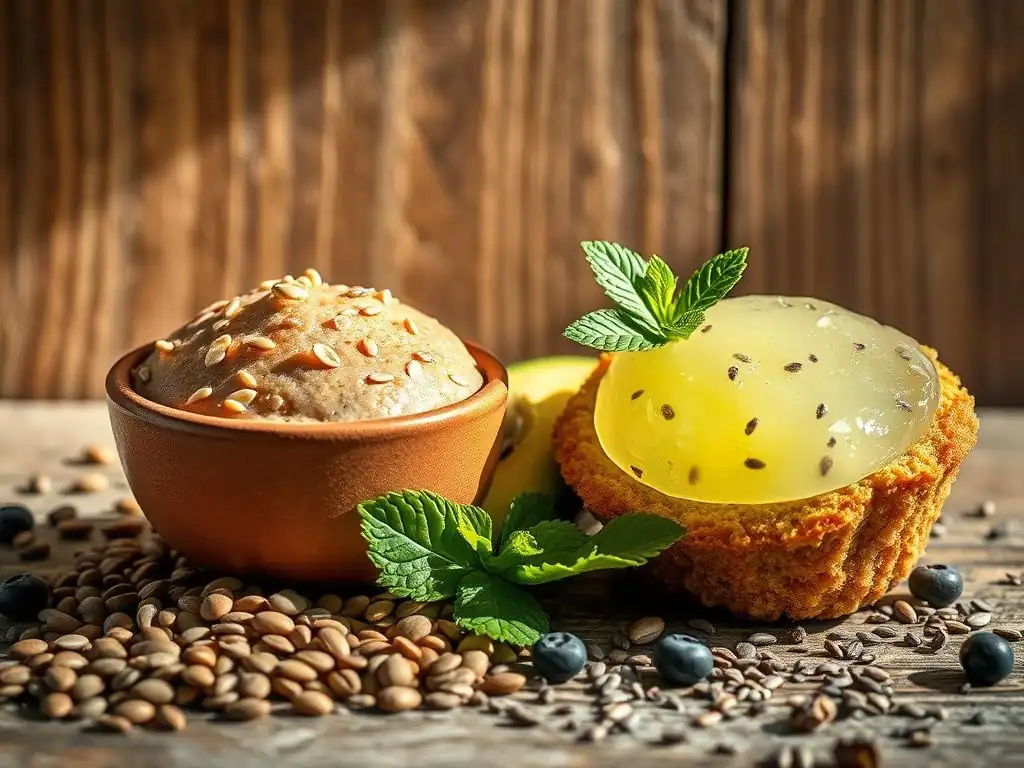
Welcome to BakeWithEase, your haven for baking brilliance! Ever wondered how to create delicious, egg-free treats without sacrificing texture or taste? Discover the secrets to perfecting vegan baking, starting with a deep dive into the world of seed gels. Is flax seed egg substitute truly the best option, or does its rival, chia, hold the key to unlocking even more delightful possibilities? Let's explore the surprising differences and benefits to help you choose the perfect egg replacement for your next masterpiece.
- Introduction: The Appeal of Fruit Purees in Baking
- Understanding Applesauce as a Baking Substitute
- Understanding Mashed Banana as a Baking Substitute
- Applesauce vs. Mashed Banana: A Detailed Comparison
- Recipe Adaptations: Using Applesauce and Banana in Common Baked Goods
- Troubleshooting: Common Issues When Using Fruit Puree Substitutes
- Conclusion: Making the Right Choice for Your Baking Needs
-
Frequently Asked Questions
- What are flax seed egg substitutes and why would I use them?
- How does a flax egg compare to a regular egg in terms of baking results?
- What are the key differences between using flaxseed and chia seeds as egg substitutes in baking?
- Can I substitute flax seed meal directly for eggs without making a gel?
- How much flax seed and water do I need to make one flax egg substitute?
- Final Reflection: The Power of the Tiny Seed: Choosing Your Egg-Free Path
- Unleash Your Inner Baker: Mastering Egg-Free Baking!
Introduction: The Appeal of Fruit Purees in Baking
Baking is a delightful blend of art and science, where ingredients interact in fascinating ways to create delicious treats. Traditionally, recipes often rely on sugar and fat for structure, moisture, and flavor. However, there's a growing interest among home bakers in exploring healthier alternatives that can still deliver fantastic results. This often involves looking for substitutes that can reduce the reliance on conventional sweeteners and fats without sacrificing taste or texture. Fruit purees have emerged as popular contenders in this space, offering a natural way to add moisture, sweetness, and binding properties to baked goods.
The motivation behind using fruit purees goes beyond just health. Many bakers are looking to cater to dietary restrictions, reduce overall calorie intake, or simply experiment with new flavors and textures. Applesauce and mashed banana are two of the most common and versatile fruit purees used as substitutes, each bringing unique characteristics to the baking process. Understanding how they function and where they work best is key to successful healthy baking substitutions.
Why Reduce Sugar and Fat in Baking?
Reducing sugar and fat in baking recipes offers several health benefits. Excessive consumption of added sugars is linked to various health issues, including weight gain, type 2 diabetes, and heart disease. Fats, while essential in moderation, are calorie-dense, and reducing saturated and trans fats is often recommended for a healthier diet. By incorporating fruit purees, which are naturally lower in calories and contain beneficial fiber and nutrients, bakers can create treats that are not only delicious but also contribute positively to a balanced diet.
Furthermore, many people are looking to manage specific dietary needs or preferences. For instance, individuals managing blood sugar levels may seek ways to reduce added sugars, while those aiming for weight management might focus on reducing overall fat content. Using fruit purees like applesauce or mashed banana allows for significant reductions in these traditional ingredients while still achieving desirable textures and moisture levels in cakes, muffins, and other baked goods. For example, replacing half the oil in a recipe with applesauce can cut the fat content by up to 50% for that specific ingredient.
Exploring Natural Sweeteners and Binders: Applesauce and Mashed Banana
Applesauce and mashed banana are excellent examples of natural ingredients that can serve multiple purposes in baking. They act as natural sweeteners, reducing the need for granulated sugar, and also function as binders, helping to hold ingredients together, much like eggs or fats do. Their moist texture contributes significantly to the tenderness and richness of baked goods, often compensating for the moisture lost when reducing fats or sugars.
The choice between applesauce and mashed banana depends on the desired outcome. Applesauce tends to be more neutral in flavor, making it suitable for recipes where you don't want the fruit taste to dominate. Mashed banana, on the other hand, imparts a distinct flavor and aroma, perfect for banana bread or muffins, but perhaps less ideal for a delicate vanilla cake. Both offer different levels of sweetness and moisture, requiring careful consideration and potential adjustments to the original recipe to achieve the best results.
Understanding Applesauce as a Baking Substitute
Applesauce is a puree made from cooked apples. It's widely available and comes in various forms, making it a convenient option for baking substitutions. Its versatility lies in its relatively neutral flavor profile and its ability to add significant moisture.
When used in baking, applesauce primarily acts as a replacement for oil, butter, or sometimes eggs. It contributes moisture and can help bind ingredients together, leading to softer, more tender baked goods. It also adds a touch of natural sweetness, allowing for a reduction in added sugar. Understanding the different types of applesauce and how they behave is crucial for successful substitution.
What is Applesauce? Types and Sweetness Levels
Applesauce is essentially cooked-down apples, often pureed to a smooth consistency. It can be homemade or store-bought. Store-bought applesauce comes in several varieties:
- Unsweetened: Contains only apples and sometimes water or vitamin C (ascorbic acid). This is generally the preferred type for baking as it allows you to control the overall sweetness of your recipe.
- Sweetened: Contains added sugar or high-fructose corn syrup. Using sweetened applesauce means you'll need to significantly reduce the amount of sugar called for in the original recipe, which can be tricky to balance. A typical sweetened applesauce might contain around 10-15 grams of sugar per half cup serving, compared to 5-7 grams of natural sugar in unsweetened varieties.
- Flavored: May contain added spices like cinnamon or other fruit purees. While cinnamon applesauce can be great in certain recipes (like apple muffins), other flavors might clash with your desired outcome.
For the most predictable results when using applesauce substitute in baking, opt for unsweetened, plain applesauce. This gives you the most control over the final flavor and sweetness.
How Applesauce Works in Baking: Moisture and Binding
Applesauce is primarily used to replace fats like oil or butter. Fats tenderize baked goods by coating flour particles, preventing excessive gluten development. Applesauce, being mostly water and fiber, doesn't tenderize in the same way. Instead, it adds moisture, which can result in a softer, but potentially denser, texture if not used carefully. A common substitution ratio is replacing half the amount of oil or butter with applesauce. For example, if a recipe calls for 1 cup of oil, you might use ½ cup of oil and ½ cup of unsweetened applesauce.
Beyond moisture, applesauce offers some binding properties due to its pectin content. Pectin is a natural gelling agent found in fruits. While not as strong a binder as eggs or gluten, it helps hold the structure together, which is particularly useful when reducing other binders or fats. This makes applesauce a popular choice when using applesauce substitute in baking healthier versions of cakes and muffins.
Preparing Applesauce for Baking: Considerations and Options
For baking, store-bought unsweetened applesauce is the easiest option. Simply open the jar or cup and measure out the required amount. Ensure it's plain and unsweetened unless your recipe specifically accounts for added sugar or flavor.
If you prefer to make your own applesauce for baking, it's quite simple. Peel, core, and chop apples (such as Fuji, Gala, or McIntosh). Cook them with a little water over medium heat until soft, then mash or blend to your desired consistency. Using less water will result in a thicker applesauce, which can be beneficial in baking to avoid adding too much liquid. Aim for a smooth puree without large chunks for even distribution in batter.
Baking with Applesauce: Tips and Tricks for Success
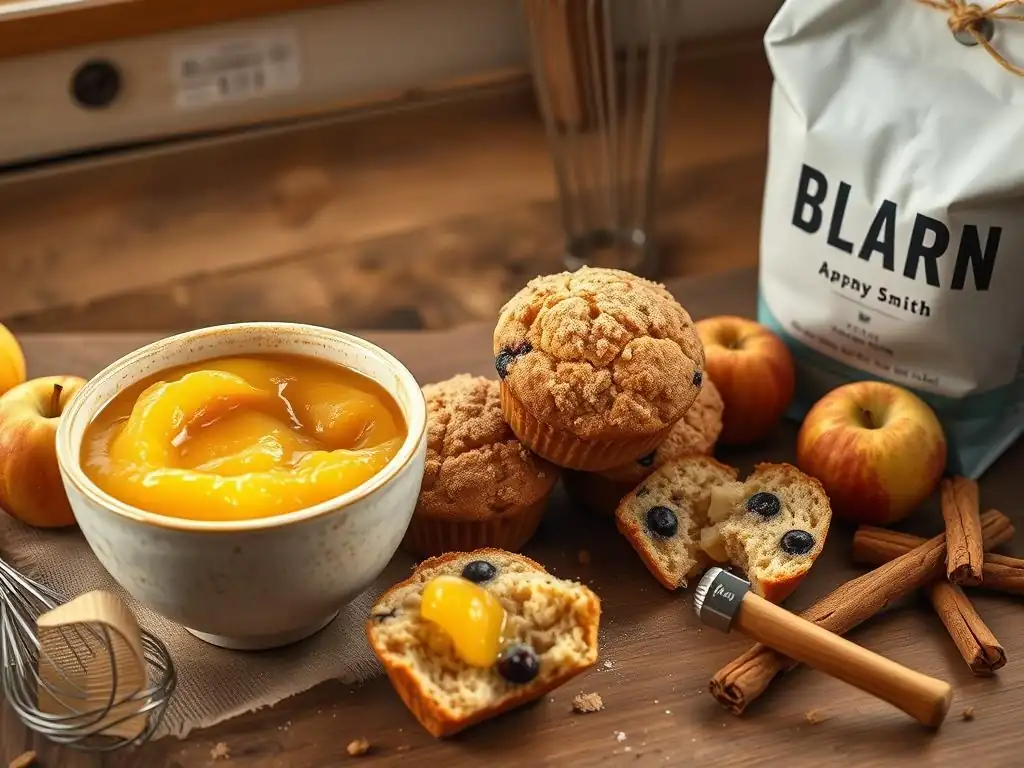
When using applesauce substitute, remember that it adds moisture and natural sweetness. You'll likely need to reduce the liquid in the recipe slightly and potentially decrease the added sugar. A good starting point is to reduce the liquid by about ¼ cup for every cup of applesauce used.
Applesauce can sometimes lead to a slightly denser texture or a gummy crumb if too much is used or if it's replacing all the fat. It's often best to start by replacing only a portion of the fat (e.g., half) and see how the recipe turns out. You can always experiment with increasing the amount in subsequent batches. Applesauce also contributes to browning, so keep an eye on baking time and potentially lower the oven temperature slightly if you notice excessive browning before the center is cooked through.
Applesauce as a Baking Substitute: Pros and Cons
Using applesauce substitute offers several advantages. It's readily available, relatively inexpensive, and a simple way to reduce fat and sugar while adding moisture and fiber. It also has a neutral flavor that doesn't overpower other ingredients, making it suitable for a wide range of recipes like bread, muffins, and cakes.
However, there are potential drawbacks. Applesauce can make baked goods denser or even slightly rubbery if too much is used. It doesn't provide the same richness or tenderizing effect as fat, which can alter the texture. It also adds moisture, which might require adjusting other liquid ingredients. Getting the balance right often requires some experimentation with your specific recipe.
Understanding Mashed Banana as a Baking Substitute
Mashed banana is another popular fruit puree used in baking, particularly known for its role in classic recipes like banana bread and muffins. Unlike applesauce, mashed banana brings a distinct flavor, aroma, and natural sweetness to baked goods.
Beyond its flavor, mashed banana acts as a binder and adds significant moisture. It's often used to replace fats or eggs, contributing to a soft, moist texture and a richer crumb. The ripeness of the banana plays a crucial role in its effectiveness as a substitute.
What are Bananas? Ripeness and Flavor Profiles for Baking
Bananas are tropical fruits known for their creamy texture and sweet flavor when ripe. For baking, the riper the banana, the better. Overripe bananas with brown spots or even almost completely brown peels are ideal because:
- Increased Sweetness: As bananas ripen, their starches convert to sugars, making them naturally much sweeter. This allows for a greater reduction in added sugar in the recipe. A medium ripe banana (mostly yellow) might contain around 14 grams of sugar, while an overripe one (brown spots) can have closer to 17-18 grams, and the flavor is more intensely sweet.
- Softer Texture: Overripe bananas are softer and easier to mash into a smooth consistency, which incorporates more evenly into batter.
- Stronger Flavor: The banana flavor intensifies as the fruit ripens, providing a more pronounced taste in the final baked good.
Using underripe bananas will result in a less sweet, less flavorful, and potentially lumpier batter.
How Mashed Banana Works in Baking: Sweetness, Moisture, and Binding
Mashed banana excels as a substitute for fat (oil, butter) and sometimes eggs. It adds a lot of moisture, contributing to a very tender and soft crumb, characteristic of banana bread. The high sugar content in ripe bananas also provides natural sweetness, allowing for a reduction in added sugar.
The pectin and starches in mashed banana also act as binders, helping to hold the structure of baked goods together. This makes it a good option when reducing or replacing eggs in certain recipes, providing structure and preventing crumbling. When using mashed banana substitute, you're adding moisture, sweetness, and some binding power all in one ingredient. A common replacement ratio for fat is a 1:1 ratio by volume, though this can vary depending on the recipe and desired outcome.
Preparing Mashed Banana for Baking: Achieving the Right Consistency
The key to using mashed banana successfully is achieving a smooth, lump-free puree. Start with very ripe bananas (as described above). Peel them and place them in a bowl. Use a fork or a potato masher to mash them thoroughly until no large chunks remain. For an even smoother consistency, you can use a food processor or blender, but a fork is usually sufficient for baking purposes.
Measure the mashed banana after mashing to ensure you have the correct volume required by your adapted recipe. The consistency should be thick but pourable, similar to a thick applesauce or yogurt.
Baking with Mashed Banana: Avoiding Common Pitfalls
The most common pitfall when using mashed banana substitute is ending up with a baked good that tastes too much like banana, or is too dense and moist. To avoid this, consider the original recipe's flavor profile – mashed banana works best where its flavor is complementary (like chocolate, nuts, or warm spices).
Like applesauce, mashed banana adds significant moisture, so you may need to slightly reduce other liquids in the recipe. Because it's also quite sweet, be prepared to reduce the amount of added sugar. Start by reducing the sugar by ¼ to ½ cup for every cup of mashed banana used, tasting the batter if possible (before adding eggs, if the recipe still uses them) to gauge sweetness. Overmixing batter with mashed banana can sometimes lead to a tougher texture, so mix until just combined.
Mashed Banana as a Baking Substitute: Pros and Cons
The primary advantage of using mashed banana substitute is the incredible moisture and tenderness it imparts, along with its natural sweetness and binding properties. It's perfect for recipes where a banana flavor is desired, such as quick breads, muffins, and some cakes. It's also readily available and relatively inexpensive.
However, the strong banana flavor is a limitation – it's not suitable for every recipe. It also adds a brownish hue to baked goods, which might be undesirable in light-colored cakes. Like applesauce, using too much can result in a dense or slightly gummy texture. Its sweetness level can also be variable depending on ripeness, requiring careful sugar adjustments.
Applesauce vs. Mashed Banana: A Detailed Comparison
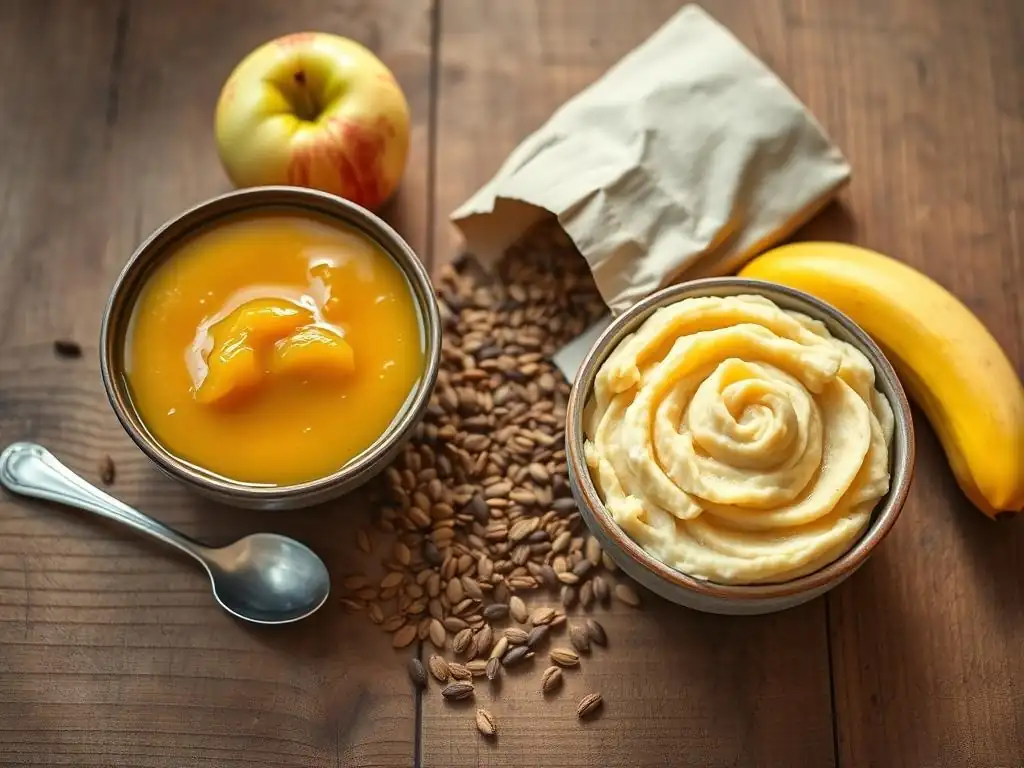
Choosing between applesauce and mashed banana as a baking substitute depends largely on your recipe goals and desired outcome. While both are fruit purees that add moisture and reduce the need for fat and sugar, they have distinct characteristics that make them better suited for different applications.
Comparing them across texture, flavor, sweetness, nutrition, and cost helps illuminate when to reach for one over the other. Understanding these differences allows for more informed substitutions and better baking results.
Texture and Flavor: Which Puree is Less Dominant?
One of the most significant differences lies in their flavor profile. Applesauce is relatively neutral and mild, especially unsweetened varieties. It adds a subtle fruity note but generally doesn't overpower other flavors in the recipe. This makes it ideal for recipes where you want the primary flavors (like vanilla, chocolate, or spices) to shine through.
Mashed banana, conversely, has a strong, distinct flavor and aroma. It will impart a noticeable banana taste to whatever you're baking. This is fantastic for banana-flavored goods but makes it unsuitable for recipes where a neutral base is required. For example, you wouldn't typically use mashed banana in a delicate lemon cake.
In terms of texture contribution, both add moisture. Applesauce tends to create a slightly denser crumb than fat, while mashed banana often results in a very soft, almost slightly fudgy texture, especially in recipes like brownies or dense cakes.
Sweetness Levels: Adjusting Recipes Accordingly
Both purees add natural sweetness, but the level can vary. Unsweetened applesauce has a lower natural sugar content compared to ripe mashed banana. A half cup of unsweetened applesauce contains about 5-7 grams of natural sugar, whereas a half cup of mashed ripe banana can contain around 15-20 grams of natural sugar.
This means that when using mashed banana substitute, you can typically reduce the added sugar in your recipe by a larger amount than when using unsweetened applesauce. If using sweetened applesauce, you'll need to make even more significant sugar reductions, which requires careful calculation. Always taste your batter (if it doesn't contain raw eggs) or start with a conservative sugar reduction and adjust in future batches.
Nutritional Value: Comparing Fiber and Potassium Content
Both applesauce and mashed banana are healthier alternatives to fats and sugars, offering fiber and other nutrients. A half cup of unsweetened applesauce contains approximately 1-2 grams of fiber and a small amount of potassium.
Mashed banana is generally higher in both fiber and potassium. A half cup of mashed banana provides around 2-3 grams of fiber and significantly more potassium, roughly 200-250 mg, depending on the size and ripeness of the banana. Bananas are particularly well-known for their potassium content, which is important for heart health and muscle function. Both purees contribute beneficial nutrients that traditional fats and sugars lack.
Cost and Availability: Which Puree is More Economical?
Both applesauce and bananas are widely available in most grocery stores year-round. Their cost can fluctuate based on seasonality and location, but they are generally considered economical ingredients.
Store-bought unsweetened applesauce is typically sold in jars or individual cups and is quite affordable. Bananas are also one of the least expensive fruits available. The cost per cup of mashed banana is often comparable to or slightly higher than a cup of applesauce, depending on current prices. Making your own applesauce from bulk apples can sometimes be the most cost-effective option. Overall, both are budget-friendly choices for healthier baking.
Best Uses: When to Choose Applesauce and When to Choose Mashed Banana
Choosing between applesauce and mashed banana substitute boils down to the desired flavor and texture.
- Choose Applesauce when:
- You want a neutral flavor that won't compete with other ingredients (e.g., vanilla cake, chocolate muffins, spice bread).
- You are primarily looking to reduce fat and add moisture without a strong fruit taste.
- You want a slightly less sweet result compared to using very ripe bananas.
- You are making recipes like apple muffins or spice cakes where a subtle apple note is welcome.
- Choose Mashed Banana when:
- You want a distinct banana flavor and aroma (e.g., banana bread, banana muffins, banana cake).
- You are looking for significant natural sweetness to reduce added sugar substantially.
- You want a very moist and tender crumb, perhaps slightly denser or fudgier.
- You are replacing eggs and need a binder with significant moisture.
For many recipes, experimentation is key. You might even find that a combination of applesauce and mashed banana works best for a specific baked good, balancing moisture, sweetness, and flavor.
Recipe Adaptations: Using Applesauce and Banana in Common Baked Goods
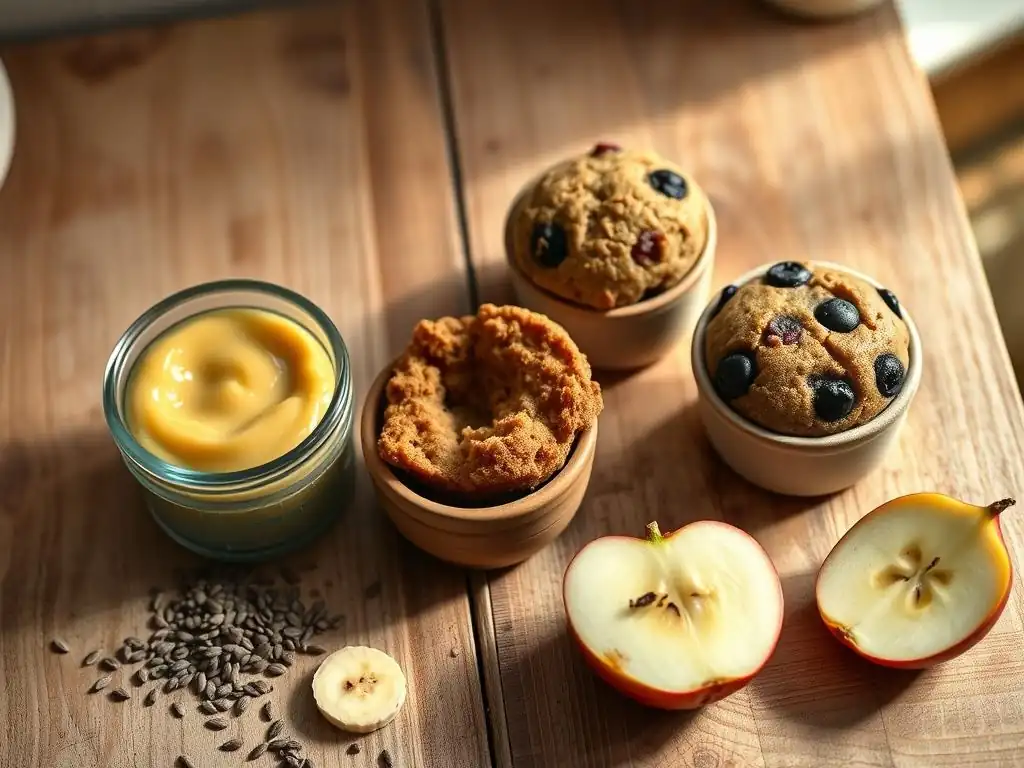
Applying applesauce and mashed banana as substitutes requires understanding how to adapt existing recipes. These purees aren't simply a 1:1 swap for every ingredient; their unique properties necessitate adjustments to liquid, sugar, and sometimes leavening agents to maintain the desired structure and texture.
Let's look at how to incorporate these fruit purees into some common baked goods, providing approximate substitution ratios and tips for success when using applesauce substitute or mashed banana substitute.
Substituting Sugar with Applesauce in Muffins
While applesauce is primarily used for fat substitution, its natural sweetness allows for a modest reduction in added sugar in recipes like muffins. For instance, in a standard muffin recipe calling for 1 cup of granulated sugar and ½ cup of oil, you could try replacing the ½ cup of oil with ½ cup of unsweetened applesauce and simultaneously reducing the sugar by ¼ cup (using ¾ cup total sugar).
This substitution reduces both the fat and the overall sugar content. The applesauce adds moisture, compensating for the reduced oil. The remaining ¾ cup of sugar, combined with the natural sweetness from the applesauce and flour, is often sufficient for a pleasantly sweet muffin. You might notice a slightly denser texture compared to using full oil, but the muffins will be significantly lower in fat and calories.
Substituting Oil with Mashed Banana in Cakes
Mashed banana is an excellent substitute for oil or butter in cakes, particularly those where the banana flavor is complementary (like chocolate cake, spice cake, or of course, banana cake). It adds tremendous moisture and a lovely tender crumb. A common substitution is replacing the fat with an equal amount of mashed banana by volume. For example, if a cake recipe calls for 1 cup of oil, you can substitute it with 1 cup of mashed ripe banana.
Because mashed banana is also quite sweet, you should reduce the added sugar in the recipe. For every cup of mashed banana used, try reducing the granulated sugar by ½ cup. So, if the recipe called for 1.5 cups of sugar and 1 cup of oil, you would use 1 cup of mashed banana and 1 cup of sugar. This significantly lowers the fat and sugar content while resulting in a moist, flavorful cake.
Brownies: Experimenting with Fruit Purees for Fudgy Results
Brownies offer a great opportunity to experiment with fruit purees. Both applesauce and mashed banana can contribute to a fudgier texture when replacing some of the fat. For a standard brownie recipe calling for ½ cup of butter, you could try replacing half of it (¼ cup) with either unsweetened applesauce or mashed banana.
Using ¼ cup of applesauce might result in a slightly less rich, but still moist and chewy brownie, with minimal impact on flavor. Using ¼ cup of mashed banana will add moisture and sweetness, contributing to a very fudgy texture and a subtle banana undertone that pairs surprisingly well with chocolate. You may need to slightly reduce the baking time when using purees, as the added moisture can affect how quickly the brownies set. Experimenting with the ratio of puree to fat is key to finding your perfect fudgy, healthier brownie.
Troubleshooting: Common Issues When Using Fruit Puree Substitutes
While using applesauce and mashed banana substitute can lead to delicious and healthier baked goods, they can also introduce new challenges. The added moisture and different binding properties can affect the final texture, appearance, and even taste of your creations.
Knowing how to identify and address common issues like soggy textures, over-browning, and unbalanced flavors is crucial for consistent success when baking with fruit purees.
Preventing Soggy Textures
One of the most frequent issues when using fruit purees is a soggy or overly dense texture. This usually happens because the puree adds more moisture than the fat or sugar it replaces, and this excess liquid isn't properly absorbed or evaporated during baking.
- Reduce other liquids: If you're using a significant amount of puree, try slightly reducing other liquid ingredients in the recipe (like milk, water, or juice). Start with a reduction of about 1-2 tablespoons per cup of puree used.
- Don't over-substitute: Avoid replacing 100% of the fat with puree, especially when you're new to adapting a specific recipe. Replacing half is a safer starting point.
- Adjust baking time/temperature: Sometimes, a slightly longer baking time or a slightly lower oven temperature can help the baked good cook through evenly without drying out the outside, allowing excess moisture to evaporate. Ensure your oven temperature is accurate using an oven thermometer.
For instance, if your banana bread made with mashed banana substitute is consistently gummy in the center, try reducing the milk by ¼ cup next time, or baking it for an extra 5-10 minutes at a slightly lower temperature (e.g., 325°F instead of 350°F).
Addressing Over-Browning
Fruit purees, particularly mashed banana due to its higher sugar content, can cause baked goods to brown more quickly than recipes using traditional fats and sugars. This is because sugars caramelize when heated.
- Reduce oven temperature: If the tops are browning too fast while the inside isn't done, try lowering your oven temperature by 15-25°F (about 8-14°C).
- Tent with foil: If the edges and top are browning well before the center is cooked, loosely tent the baked good with aluminum foil partway through the baking time. This reflects heat away from the surface, allowing the inside to catch up.
- Check doneness early: Start checking for doneness a few minutes earlier than the original recipe suggests, using a toothpick inserted into the center.
For example, if your applesauce muffins are getting too dark on top after 20 minutes but still seem wet inside, cover the muffin tin loosely with foil and continue baking.
Balancing Flavors for Optimal Taste
Using fruit purees can affect the overall flavor balance. While applesauce is fairly neutral, its slight tang can become noticeable if used in large quantities. Mashed banana's strong flavor needs to be considered.
- Adjust sweetness: Always taste your batter (if safe) and be prepared to slightly adjust the added sugar based on the sweetness of your puree. Overripe bananas are much sweeter than just ripe ones.
- Enhance other flavors: Use spices (cinnamon, nutmeg, vanilla) or extracts to complement or enhance the flavors alongside the fruit puree. Vanilla extract is particularly good at rounding out the flavors in baked goods using applesauce substitute.
- Consider the puree's flavor profile: As discussed, choose applesauce for neutral bases and mashed banana where its flavor is desired. Don't use mashed banana in a recipe where you want a pure, unadulterated flavor of another ingredient.
If your applesauce cake tastes a bit bland, try adding a pinch more salt or a teaspoon of vanilla extract in the next batch. If your banana muffins taste too banana-forward, try reducing the amount of mashed banana slightly or adding chocolate chips or nuts to balance the flavor.
Conclusion: Making the Right Choice for Your Baking Needs
Navigating the world of baking substitutions can seem daunting, but incorporating fruit purees like applesauce and mashed banana opens up exciting possibilities for creating healthier, moist, and delicious treats. Both offer unique benefits and challenges, and the "best" choice ultimately depends on the specific recipe and your desired outcome.
By understanding how these purees function – their impact on moisture, sweetness, binding, and flavor – you can make informed decisions and confidently adapt your favorite recipes. Remember that baking is an experiment, and sometimes the most delicious discoveries come from trying new things and adjusting along the way.
The Benefits of Fruit Puree Baking
Using applesauce or mashed banana substitute in your baking offers significant advantages. You can substantially reduce the amount of less-nutritious ingredients like added sugar and unhealthy fats, leading to baked goods that are lower in calories and fat. Simultaneously, you increase the fiber content and introduce beneficial vitamins and minerals naturally present in the fruits.
Beyond the health benefits, these purees add wonderful moisture, resulting in tender, soft baked goods. They also provide natural sweetness, enhancing flavor without relying solely on refined sugars. This approach aligns perfectly with a desire to bake treats that are both indulgent and contribute positively to a balanced diet.
Final Recommendations: Applesauce or Mashed Banana - Which is Better?
There's no single answer to which puree is "better" universally.
- Choose Applesauce when neutrality is key, you want a subtle sweetness, and you're aiming primarily to reduce fat in recipes like light-colored cakes, muffins, or quick breads where you don't want a dominant fruit flavor.
- Choose Mashed Banana when you embrace the banana flavor, desire significant natural sweetness, and want a very moist, tender, or even slightly fudgy texture in recipes like banana bread, chocolate cake, or brownies.
Many bakers keep both on hand to suit different recipes. Start by replacing only a portion of the fat or sugar, observe the results, and adjust in subsequent baking sessions. Pay attention to the texture and taste, and don't be afraid to tweak other ingredients like liquid or leavening if needed.
Bake Healthier Treats with Confidence
Armed with the knowledge of how applesauce and mashed banana function as baking substitutes, you are ready to transform your favorite recipes. Start with simple adaptations, like substituting half the oil in your go-to muffin recipe with applesauce, or swapping the butter for mashed banana in your next batch of chocolate chip cookies (experimenting with ratios! ).
Embrace the process of experimentation. Each oven, ingredient brand, and even the humidity in your kitchen can affect baking results. By understanding the principles behind using fruit purees, you can troubleshoot issues and refine your technique. Enjoy the journey of creating healthier, delicious baked goods that you and your loved ones can feel good about eating.
Frequently Asked Questions
What are flax seed egg substitutes and why would I use them?
Flax seed egg substitutes are gels made from ground flax seeds and water. They are used in baking to replace eggs, providing binding and moisture in recipes.
How does a flax egg compare to a regular egg in terms of baking results?
Flax eggs generally offer a slightly denser and chewier texture compared to recipes with chicken eggs. They are best used in recipes where the egg is primarily a binder and not the main leavening agent.
What are the key differences between using flaxseed and chia seeds as egg substitutes in baking?
While both can be used, flax seeds tend to provide a more neutral flavor and slightly better binding in some recipes. Chia seeds can sometimes impart a slightly nutty taste to baked goods.
Can I substitute flax seed meal directly for eggs without making a gel?
No, it's important to create the flax seed gel by mixing ground flaxseed with water and letting it sit. This process allows the mucilage to develop, which is crucial for binding and moisture.
How much flax seed and water do I need to make one flax egg substitute?
Typically, you'll need 1 tablespoon of ground flaxseed mixed with 3 tablespoons of water to replace one egg in most recipes. Let the mixture sit for about 5-10 minutes to thicken.
Final Reflection: The Power of the Tiny Seed: Choosing Your Egg-Free Path
The quest for the perfect egg-free baking experience is far from over, but understanding the nuances of flax and chia seeds as substitutes brings us significantly closer. The subtle differences in their gelling properties, highlighted in this comparison, directly impact the texture and overall success of your egg-free creations. This isn't just about avoiding eggs; it's about unlocking culinary creativity and inclusivity.
This exploration into flax and chia seeds has not only broadened my understanding of plant-based cooking but also underscored the importance of ingredient selection in achieving desired results. The subtle differences between these seemingly similar seeds highlight the power of mindful cooking. The details are not the details. They make the design.
– Charles Eames. This quote perfectly encapsulates the importance of understanding the specific properties of each ingredient, even seemingly minor ones like flax and chia seeds, to achieve culinary excellence.
Now, it's your turn. Consider the recipes you love and the ingredients you use. Experiment with flax and chia seeds, understanding their unique strengths. Don't be afraid to adjust ratios and techniques to find what works best for your baking style. Embrace the journey of discovery, and unlock the potential of these tiny, powerful seeds to create delicious and inclusive treats for everyone.
Unleash Your Inner Baker: Mastering Egg-Free Baking!
Thanks for exploring the wonderful world of flax and chia seeds as egg replacements! You've just unlocked a secret weapon for creating delicious, allergy-friendly treats. Now it's time to put your newfound knowledge into action.
- Whip up your first egg-free masterpiece: Choose your favorite flax or chia recipe (or try a new one!) and bake something amazing. This is your chance to experiment and discover your perfect seed-to-egg ratio.
- Share your baking triumph: Post a picture of your creation on social media and tag us! We’d love to see what you’ve baked and celebrate your success. Use #BakeWithEaseEggFree.
- Dive deeper into seed power: Explore our other articles on using seeds in baking—we've got plenty of tasty surprises waiting for you!
What delicious egg-free treat will you create first?