
Keto Bread Machine Recipes for HandsOff Baking


Welcome to BakeWithEase, where even the most ambitious baking projects become delightfully simple! Are you ready to enjoy the irresistible aroma of freshly baked bread, without the carbs or the fuss? Dive into our guide to Keto bread machine recipes easy and discover how to create delicious, guilt-free loaves with minimal effort. Curious about the secret to perfect keto bread, effortlessly made in your bread machine? Let's get baking!
- Introduction to Easy Keto Bread Machine Baking
- Understanding the Basics of Keto Bread
- Essential Equipment for Keto Bread Machine Success
- Easy Keto Bread Machine Recipes: Step-by-Step
- Troubleshooting Common Keto Bread Machine Problems
- Tips for Perfecting Your Keto Bread Machine Baking
- Storing and Serving Your Keto Bread
- Advanced Keto Bread Machine Techniques
- Conclusion: Enjoying Delicious Keto Bread Made Easy
-
Frequently Asked Questions
- What makes these keto bread machine recipes "easy"?
- Can I really use any bread machine for these keto recipes?
- What are the key differences between traditional bread and keto bread made in a bread machine?
- How do I adjust the recipes if I want to add seeds, nuts, or herbs?
- What if my keto bread doesn't rise properly in the bread machine?
- Final Reflection: The Joy of Effortless Keto Baking
- Unleash Your Inner Baker: Keto Bread Made Easy!
Introduction to Easy Keto Bread Machine Baking
Baking can be a deeply rewarding experience, but sometimes life calls for convenience. For those following a ketogenic lifestyle, finding delicious, low-carb bread alternatives that don't require extensive kneading or multiple proofing steps can be a game-changer. This is where the humble bread machine shines, offering a remarkably easy way to produce fresh keto bread right in your kitchen. Forget about the complex manual labor often associated with traditional bread making; with the right approach, creating delightful low-carb loaves becomes incredibly simple.
Mastering keto bread machine recipes easy enough for anyone means understanding how keto ingredients behave differently from traditional wheat flour. Ingredients like almond flour, coconut flour, and psyllium husk require specific ratios and techniques to achieve a desirable texture and rise. Fortunately, bread machines are designed to handle the mixing, kneading, and baking cycles automatically. This hands-off approach dramatically simplifies the process, making fresh, warm keto bread accessible even on your busiest days. BakeWithEase is here to guide you through selecting ingredients, understanding your machine, and following straightforward steps to achieve baking success with minimal effort.
Why Use a Bread Machine for Keto Bread?
Using a bread machine for keto bread offers unparalleled convenience and consistency. Unlike traditional baking, which involves precise timing for kneading, proofing, and oven temperatures, a bread machine automates these steps. You simply add your ingredients, select the appropriate cycle, and let the machine do the work. This automation significantly reduces the chances of error, which can be particularly helpful when working with finicky keto flours that don't behave like wheat.
Furthermore, bread machines provide a controlled environment for baking. The temperature and timing cycles are pre-set, ensuring a consistent bake every time. This is especially beneficial for keto breads, which often have different baking requirements than conventional loaves. For instance, some keto flours can burn easily if the temperature isn't just right. A bread machine helps manage this, leading to more reliable results and delicious, perfectly baked low-carb bread loaves with minimal fuss. It truly makes easy keto bread machine recipes a reality.
BakeWithEase's Guide to Simple Keto Bread Machine Recipes
At BakeWithEase, we believe that baking should be enjoyable and accessible to everyone, regardless of dietary needs or experience level. Our guide to simple keto bread machine recipes easy to follow is designed with the busy baker in mind. We focus on straightforward recipes using readily available ingredients, ensuring that you can whip up a delicious low-carb loaf without a trip to a specialty store.
We've curated recipes and tips specifically tailored for the unique properties of keto ingredients when used in a bread machine. From selecting the right cycle on your machine to understanding ingredient ratios, we break down the process into manageable steps. Our goal is to empower you to confidently use your bread machine for keto baking, producing consistently good results that fit seamlessly into your low-carb lifestyle. Let's get started on your journey to effortless keto bread!
Understanding the Basics of Keto Bread
Keto bread differs fundamentally from traditional wheat-based bread. Its primary characteristic is its low carbohydrate count, achieved by substituting high-carb wheat flour with low-carb alternatives. This makes it suitable for individuals following a ketogenic diet, which emphasizes high fat, moderate protein, and very low carbohydrate intake. The texture and structure of keto bread are often denser and less airy than conventional bread, a direct result of the different flours and binding agents used.
Successful keto bread relies heavily on the interaction of specific ingredients designed to mimic some of the properties of gluten, the protein network that gives wheat bread its elasticity and structure. Without gluten, keto doughs tend to be less cohesive and require alternative binders. Understanding these ingredients and their roles is crucial for achieving good results with easy keto bread machine recipes. Getting the right balance of flour, binder, liquid, and leavening is key to a palatable loaf.
What Makes Bread Keto-Friendly?
Bread is deemed keto-friendly when it significantly reduces the net carbohydrate count compared to traditional bread. Net carbs are calculated by subtracting fiber and sugar alcohols from total carbohydrates. Wheat flour, the base of most conventional bread, is high in carbohydrates. Keto-friendly alternatives like almond flour, coconut flour, or psyllium husk have much lower net carb counts and higher fiber content.
For instance, a typical slice of wheat bread might contain 15-20 grams of net carbohydrates, while a slice of keto bread made with almond or coconut flour often contains only 1-3 grams of net carbs. This drastic reduction is what makes it suitable for maintaining ketosis. Beyond flours, keto bread recipes also avoid traditional sugars, often using approved low-carb sweeteners or relying on savory flavors. The goal is to create a bread that fits within a daily carb limit, typically under 20-50 grams for ketosis.
Key Ingredients for Low-Carb Bread Machine Recipes
Crafting successful easy keto bread machine recipes requires a specific pantry of low-carb ingredients. These ingredients serve different purposes, from providing the bulk of the loaf to acting as binders and leaveners. Understanding the function of each is vital for troubleshooting and adapting recipes. While the exact list can vary, several staples are almost universally found in keto bread machine recipes.
These key ingredients include alternative flours like almond or coconut flour, binding agents like psyllium husk or xanthan gum, leaveners such as baking powder or yeast (used differently than in wheat bread), and healthy fats like butter or oil. Each ingredient contributes unique properties to the final loaf's texture, flavor, and rise. Getting the ratios right for your specific bread machine model and desired outcome is part of the fun and learning process in keto baking.
Almond Flour: The Keto Baking Staple
Almond flour is one of the most popular low-carb flour substitutes, widely used in keto bread machine recipes easy to make. It's made from ground blanched almonds, resulting in a fine texture that works well in many baked goods. On average, almond flour contains about 6 grams of total carbs and 3 grams of fiber per 1/4 cup, yielding approximately 3 grams of net carbs. This makes it an excellent base for a low-carb loaf.
Its higher fat content compared to wheat flour gives baked goods a moist texture. However, almond flour lacks gluten, meaning it won't provide the elastic structure of traditional bread. Recipes using almond flour often require additional binders to prevent the bread from being too crumbly. Despite this, its neutral flavor and versatility make it a foundational ingredient for many simple keto bread machine recipes.
Coconut Flour: Adding Texture and Flavor
Coconut flour is another staple in keto baking, known for its high absorbency and unique texture. Made from dried, defatted coconut meat, it's significantly more absorbent than almond flour. A little goes a long way; you typically use much less coconut flour than almond flour in a recipe. It contains about 16 grams of total carbs and 10 grams of fiber per 1/4 cup, resulting in approximately 6 grams of net carbs, but because you use less, the net carbs per serving are often lower than almond flour bread.
Coconut flour imparts a subtle coconut flavor, which can be pleasant or require masking depending on the recipe. Its high fiber content contributes to a slightly denser crumb. Like almond flour, it is gluten-free and requires strong binders. When developing easy keto bread machine recipes with coconut flour, precise liquid measurements are crucial due to its thirstiness.
Psyllium Husk: The Binding Agent
Psyllium husk is arguably one of the most important ingredients for structure in many easy keto bread machine recipes. It's a form of fiber made from the husks of Plantago ovata seeds. When mixed with liquid, psyllium husk forms a gel-like substance that mimics some of the binding properties of gluten. This helps give keto bread elasticity, structure, and prevents it from crumbling apart.
Using psyllium husk can significantly improve the texture of keto bread, making it less dense and more bread-like. It's typically used in powdered form or as whole husks, though the powdered form is often preferred for a smoother texture. A typical recipe might use 2-4 tablespoons of psyllium husk powder. It's high in fiber and has virtually no net carbs. Proper hydration with psyllium is critical; too little liquid results in a dry, crumbly loaf, while too much can make it gummy.
Sweeteners: Keto-Approved Options
While many keto bread machine recipes are savory, some may call for a touch of sweetness to balance flavors or for a slightly sweeter loaf. Traditional sugar is high in carbs and is avoided on a keto diet. Fortunately, several keto-approved sweeteners can be used. Common options include erythritol, stevia, monk fruit, and allulose.
These sweeteners provide sweetness without significantly impacting blood sugar levels or adding net carbs. Erythritol, for example, has virtually no net carbs and is about 70% as sweet as sugar. Monk fruit extract is much sweeter than sugar and used in very small amounts. When using sweeteners in easy keto bread machine recipes, consider their different sweetness levels and potential for aftertaste. Granulated or powdered forms work best in baking.
Essential Equipment for Keto Bread Machine Success
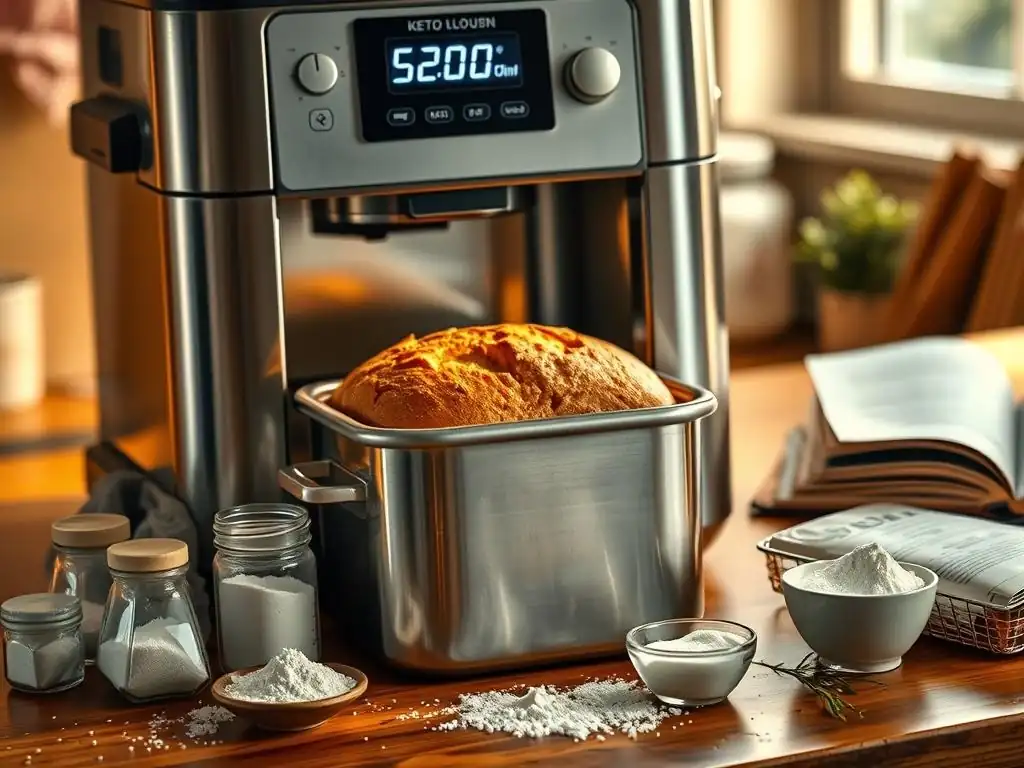
Having the right tools can make your keto bread machine baking journey even smoother. While the bread machine does the heavy lifting, a few other items are essential for accurate measurement and preparation. Using precise measurements is particularly important with keto flours and binders, as their properties differ significantly from wheat flour.
Beyond the bread machine itself, you'll need reliable measuring cups and spoons. A kitchen scale is also highly recommended for the most accurate results, especially for flour and binder measurements. Some recipes may also benefit from a rubber spatula or silicone scraper to help ensure all ingredients are incorporated into the dough at the start of the cycle.
Choosing the Right Bread Machine for Keto Baking
Almost any standard bread machine can be used for easy keto bread machine recipes, but some features might be more beneficial. Look for a machine with a 'Low Carb' or 'Keto' cycle if available, as these are often shorter cycles designed to accommodate the different rising and baking times required by keto doughs which don't rely on gluten development. If your machine doesn't have a specific low-carb setting, a basic or rapid cycle can often work, though you might need to monitor and potentially stop the cycle early.
Consider the loaf size you prefer; machines typically make 1, 1.5, or 2-pound loaves. For keto bread, smaller loaves are common due to the density of the dough. Ensure the machine has a non-stick pan for easy removal. Reading reviews specific to using the machine for gluten-free or low-carb recipes can also be helpful before purchasing.
Must-Have Tools for Measuring and Mixing
Accurate measurement is paramount when working with easy keto bread machine recipes. Keto flours and binders absorb liquids differently than wheat flour, and even small variations can impact the final texture. Therefore, a good set of dry measuring cups and spoons is essential. For liquids, a clear liquid measuring cup with markings at eye level is necessary.
A digital kitchen scale is arguably the most valuable tool for precision. Measuring ingredients by weight rather than volume is more accurate, especially for flours and psyllium husk, where packing density can vary. For example, a cup of almond flour can weigh differently depending on how it's scooped. Using a scale ensures you're using the exact amount specified in the recipe, leading to more consistent results with your low-carb bread machine recipes.
Easy Keto Bread Machine Recipes: Step-by-Step
Ready to bake? These easy keto bread machine recipes are designed to be simple and delicious. Each recipe utilizes common keto ingredients and is structured for minimal hands-on time, letting your bread machine do the work. We'll cover variations using almond flour and coconut flour, plus a savory cheesy option. Remember to add ingredients in the order specified by your bread machine's manual (liquids first, then dry, with yeast last is common, but check your specific model).
These recipes are starting points. Feel free to adjust seasonings or add-ins once you get comfortable. The key is to follow the steps carefully, especially regarding measurement, to ensure the best possible outcome. Get ready to enjoy warm, fresh keto bread straight from your machine!
Recipe 1: Classic Almond Flour Keto Bread
This classic almond flour recipe yields a moist, tender loaf perfect for sandwiches or toasting. It's one of the most popular easy keto bread machine recipes due to the versatility and relatively neutral flavor of almond flour. This recipe is often a great starting point for beginners using a bread machine for keto baking.
The texture of this bread is closer to quick bread than yeast bread due to the nature of keto flours and the leavening used. Expect a slightly denser crumb than traditional wheat bread, but with a pleasant softness. It slices well once completely cooled and stores nicely.
Ingredients for Classic Keto Bread
Here are the ingredients you'll need for this simple almond flour loaf, designed for a 1-1.5 pound loaf setting:
- 1 ½ cups Warm Water (around 105-115°F)
- ¼ cup Melted Butter or Olive Oil
- 1 tablespoon Apple Cider Vinegar
- 4 Large Eggs
- 3 cups Super Fine Almond Flour
- ½ cup Psyllium Husk Powder (not whole husks)
- 1 tablespoon Baking Powder
- 1 teaspoon Xanthan Gum (optional, for extra structure)
- 1 ½ teaspoons Salt
- 1 teaspoon Keto-friendly sweetener (optional)
- 1 tablespoon Active Dry Yeast (This acts more as a flavor enhancer and slight leavener in keto bread, not for a significant rise like in wheat bread)
Ensure all ingredients are at room temperature (except the water) for best results. Using superfine almond flour provides a smoother texture than coarser grinds.
Instructions for Baking in a Bread Machine
Follow these steps to bake the classic almond flour keto bread in your bread machine:
- Add the wet ingredients to the bread machine pan in the order recommended by your machine's manual (usually liquids first): warm water, melted butter or oil, apple cider vinegar, and eggs. Whisk them together briefly in the pan.
- Add the dry ingredients: almond flour, psyllium husk powder, baking powder, xanthan gum (if using), salt, and sweetener (if using). Level the dry ingredients slightly.
- Make a small indentation in the center of the dry ingredients and add the active dry yeast into the indentation. Avoid letting the yeast touch the wet ingredients directly at this stage.
- Place the bread pan into the machine and close the lid. Select a 'Low Carb', 'Keto', or 'Basic' cycle. A standard 'Basic' cycle around 2-3 hours often works, but monitor the dough during the first few minutes of mixing. The dough will be more like a thick batter than a traditional elastic dough.
- During the initial mixing, use a rubber spatula to scrape down the sides and corners of the pan to ensure all ingredients are incorporated. Be careful not to interfere with the mixing paddle.
- Let the machine complete the cycle. Keto bread doesn't rise dramatically, so don't be concerned if it doesn't reach the top of the pan. The baking time will cook the interior thoroughly.
- Once the cycle is complete, carefully remove the hot bread pan from the machine using oven mitts.
- Immediately invert the pan onto a wire rack to release the bread. If it sticks, run a silicone spatula around the edges.
- Allow the bread to cool completely on the wire rack before slicing. This is crucial for the texture to set properly. Cooling can take 2-3 hours.
Recipe 2: Coconut Flour Keto Bread with Seeds
This recipe uses coconut flour for a slightly different texture and includes seeds for added crunch and nutrition. It’s another excellent option for easy keto bread machine recipes, offering a hearty loaf perfect for savory applications. Coconut flour's absorbency means you'll use significantly less of it compared to almond flour.
Adding seeds like chia, flax, or sesame not only enhances the flavor and texture but also boosts the fiber and healthy fat content. This loaf has a slightly denser crumb than the almond flour version but holds together well for slicing.
Ingredients for Coconut Flour Seeded Bread
Gather these ingredients for a delicious coconut flour loaf with seeds, suitable for a 1-1.5 pound loaf size:
- 1 ½ cups Warm Water (around 105-115°F)
- ¼ cup Melted Coconut Oil or Butter
- 1 tablespoon Apple Cider Vinegar
- 4 Large Eggs
- ½ cup Coconut Flour
- ½ cup Psyllium Husk Powder
- 1 tablespoon Baking Powder
- 1 teaspoon Xanthan Gum (optional)
- 1 ½ teaspoons Salt
- 2 tablespoons Chia Seeds
- 2 tablespoons Flax Seeds (whole or ground)
- 1 tablespoon Active Dry Yeast (for flavor/slight lift)
Ensure your psyllium husk is fresh, as older psyllium can lose its binding power. The type of flax seeds (whole vs. ground) will slightly alter the texture. Whole seeds provide more crunch.
Step-by-Step Baking Instructions
Follow these instructions for baking the coconut flour seeded bread in your bread machine:
- Add the wet ingredients to the bread machine pan first: warm water, melted coconut oil or butter, apple cider vinegar, and eggs. Give them a quick whisk.
- Carefully add the dry ingredients: coconut flour, psyllium husk powder, baking powder, xanthan gum (if using), salt, chia seeds, and flax seeds.
- Create a small well in the center of the dry ingredients and add the active dry yeast.
- Place the pan in the machine, close the lid, and select a 'Low Carb', 'Keto', or 'Basic' cycle. Monitor during the initial mix to ensure all ingredients are incorporated. The dough will be thick and somewhat sticky.
- Use a silicone spatula to scrape down the sides of the pan during the first few minutes of mixing if needed, ensuring all the coconut flour is mixed in.
- Let the machine complete the selected cycle. Again, keto bread will not rise like wheat bread.
- Once done, carefully remove the hot pan from the machine.
- Invert the pan immediately onto a wire rack to release the bread.
- Allow the loaf to cool completely on the wire rack before slicing. This is essential for the structure to firm up, which can take several hours.
Recipe 3: Cheesy Keto Bread Machine Loaf
Adding cheese makes for a savory, flavorful keto bread perfect with soups or as a base for garlic bread. This recipe adapts the almond flour base and is a popular variation among easy keto bread machine recipes. The cheese adds moisture and richness to the loaf.
Using shredded sharp cheddar or a blend of cheeses works well. Ensure the cheese is added at the appropriate time in the cycle, often signaled by the machine's "add-in" beep, or manually added after the initial mixing phase.
Ingredients for Cheesy Keto Bread
Here's what you'll need for a delicious cheesy keto loaf, suitable for a 1-1.5 pound loaf size:
- 1 ½ cups Warm Water (around 105-115°F)
- ¼ cup Melted Butter
- 1 tablespoon Apple Cider Vinegar
- 4 Large Eggs
- 3 cups Super Fine Almond Flour
- ½ cup Psyllium Husk Powder
- 1 tablespoon Baking Powder
- 1 ½ teaspoons Salt
- 1 cup Shredded Cheese (cheddar, mozzarella, or a blend)
- 1 teaspoon Garlic Powder (optional)
- 1 tablespoon Active Dry Yeast (for flavor/slight lift)
Freshly shredded cheese melts better and contains fewer anti-caking agents than pre-shredded cheese, which can sometimes affect texture.
Simple Baking Process
Follow these steps to bake the cheesy keto bread in your bread machine:
- Add the wet ingredients to the bread machine pan first: warm water, melted butter, apple cider vinegar, and eggs. Stir gently.
- Add the dry ingredients: almond flour, psyllium husk powder, baking powder, salt, and garlic powder (if using).
- Create a small well for the active dry yeast on top of the dry ingredients.
- Place the pan in the machine and select a 'Low Carb', 'Keto', or 'Basic' cycle.
- During the initial mixing phase, use a spatula to ensure all ingredients are incorporated.
- Add the shredded cheese. Most bread machines have an "add-in" signal beep during the kneading cycle (typically 5-15 minutes into the cycle). Add the cheese when you hear the beep. If your machine doesn't have a beep, add the cheese manually after the initial mixing has incorporated the dry ingredients, being careful around the moving paddle.
- Let the machine complete the cycle.
- Once finished, carefully remove the hot pan and invert the bread onto a wire rack.
- Allow the cheesy loaf to cool completely before slicing.
Troubleshooting Common Keto Bread Machine Problems
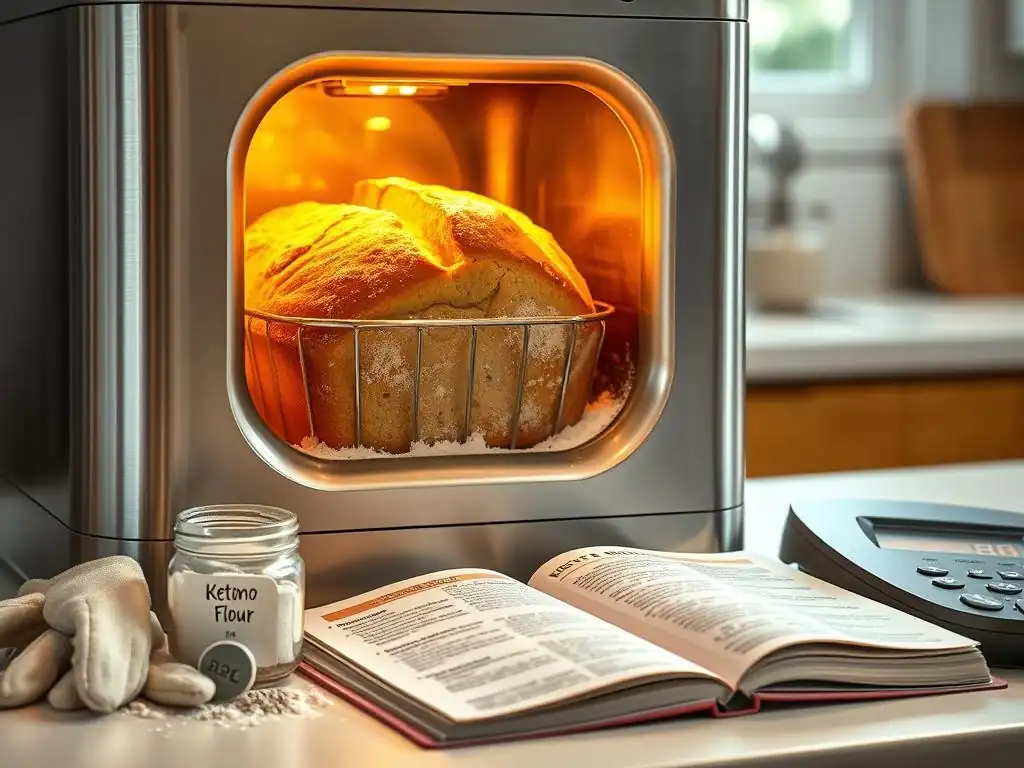
Even with easy keto bread machine recipes, you might encounter issues because keto ingredients behave so differently from wheat. Don't get discouraged! Many common problems have simple solutions. Understanding why something went wrong is the first step to fixing it on your next bake.
Common issues include bread that doesn't rise much, loaves that are too dense or crumbly, or an off-putting eggy taste. These are often related to ingredient ratios, measurement accuracy, or ingredient quality. Let's look at how to address these.
Bread Not Rising Properly
One of the most frequent observations with easy keto bread machine recipes is a lack of significant rise compared to wheat bread. Keto doughs don't develop gluten, which is the primary structure that traps air for a big rise. Therefore, a dense loaf is somewhat expected. However, if your bread is exceptionally flat or very hard, there might be an issue.
- Possible Causes:
- Expired baking powder or yeast.
- Incorrect liquid temperature (too hot can kill yeast, too cold won't activate it).
- Measuring errors, particularly too much dry ingredient or not enough liquid.
- Forgetting a leavening agent (baking powder or yeast).
- Psyllium husk issue (old psyllium or wrong type).
- Solutions:
- Check the expiration dates on your leavening agents and psyllium husk.
- Ensure water temperature is within the recommended range (around 105-115°F).
- Double-check measurements, preferably using a kitchen scale for accuracy.
- Make sure you added all ingredients listed.
- Try a different brand of psyllium husk if issues persist.
Bread Too Dense or Crumbly
A dense or crumbly texture is another common challenge in keto bread machine baking. These textures often indicate an imbalance in the recipe, usually related to the liquid-to-dry ingredient ratio or the binder (psyllium husk/xanthan gum).
- Possible Causes:
- Too little liquid or too much dry ingredient (dense).
- Not enough binder (crumbly).
- Over-mixing (can sometimes happen in a bread machine, though less common than manual).
- Slicing the bread before it's fully cooled (crumbly).
- Solutions:
- Ensure accurate measurement, especially of flours and psyllium. Consider using a scale.
- Verify the amount of psyllium husk or xanthan gum used matches the recipe.
- Confirm you are using psyllium husk powder if the recipe specifies it, as whole husks absorb differently.
- Always let keto bread cool completely on a wire rack for several hours before slicing. This allows the internal structure to set.
Bread Tasting Eggy
Sometimes, keto bread, particularly those using several eggs for structure and moisture, can have an noticeable eggy flavor. This can be off-putting and detract from the enjoyment of your easy keto bread machine recipes.
- Possible Causes:
- Using too many eggs relative to the dry ingredients.
- Eggs not being at room temperature.
- Not enough strong flavors to mask the egg taste.
- Solutions:
- Ensure eggs are at room temperature before adding them to the machine. This helps them integrate better.
- Add flavorings to the bread mixture. Savory options like garlic powder, onion powder, dried herbs (rosemary, thyme), or seeds can help mask the egg flavor. Adding cheese, as in Recipe 3, also helps.
- Consider slightly reducing the number of eggs if the recipe seems excessively high (though follow tested recipes first) or increasing other liquid/fat sources if adjusting. Sometimes simply adding a teaspoon of apple cider vinegar can also help neutralize the eggy flavor.
Tips for Perfecting Your Keto Bread Machine Baking
Becoming proficient in baking easy keto bread machine recipes involves practice and attention to detail. While bread machines automate much of the process, a few simple techniques can significantly improve your results. These tips focus on accuracy, flexibility, and experimentation to help you achieve consistently delicious low-carb loaves.
Don't be afraid to make small adjustments based on your specific machine and ingredients. Factors like humidity, altitude, and the brand of flour or psyllium husk can subtly affect outcomes. Keeping notes on what works (or doesn't) for you is a great way to refine your process.
Measuring Ingredients Accurately
Accuracy in measuring is the single most important factor for success with easy keto bread machine recipes. Unlike traditional baking where slight variations in flour might be forgiving due to gluten's elasticity, keto flours and binders require precision.
Using a digital kitchen scale to weigh ingredients, especially flours and psyllium husk, is highly recommended over volume measurements (cups and spoons). For example, 1 cup of almond flour can range from 90g to 110g depending on how densely it's packed. A recipe calling for 100g of almond flour will yield more consistent results than one calling for 1 cup. Aim to zero out your scale and add ingredients directly into the bread machine pan for maximum accuracy.
Adjusting Liquid Levels
Keto flours, particularly coconut flour, are incredibly absorbent, but their absorbency can vary slightly by brand or batch. Environmental factors like humidity can also play a role. This means you might occasionally need to slightly adjust the liquid in your easy keto bread machine recipes.
During the initial mixing phase (the first 5-10 minutes), observe the consistency of the dough/batter. It should be thick but not dry and crumbly. If it looks too dry, add liquid (water, almond milk, or oil) a tablespoon at a time until it reaches a thick, pasty consistency. If it seems too wet or soupy after the dry ingredients are incorporated, you may need to add a teaspoon or two more of the primary keto flour or psyllium husk, though this is less common if measurements were accurate.
Experimenting with Flavors and Add-Ins
Once you're comfortable with the basic easy keto bread machine recipes, feel free to experiment! Adding different flavors and mix-ins can customize your bread and keep things interesting.
Consider adding:
- Dried herbs like rosemary, thyme, or oregano for a savory loaf.
- Garlic powder, onion powder, or everything bagel seasoning.
- Seeds like poppy, sesame, sunflower, or pumpkin seeds (add with dry ingredients or at the add-in beep).
- Cheese (as in Recipe 3).
- Olives or sun-dried tomatoes (chop finely and add at the beep).
- A touch of cinnamon and a keto sweetener for a slightly sweet breakfast bread (though less common in bread machines).
Remember to consider the moisture and texture contribution of any add-ins. For example, wet ingredients like olives might require a slight reduction in other liquids.
Storing and Serving Your Keto Bread

Proper storage is key to keeping your easy keto bread machine recipes fresh and delicious. Because keto breads lack the preservatives found in commercial loaves and often have higher moisture content, they can spoil faster if not stored correctly. Cooling the bread completely before storing is the crucial first step.
How you slice and serve your bread can also enhance the experience. Keto bread often benefits from toasting, which can improve texture and flavor. Think about how you plan to use your loaf when deciding on storage methods.
Best Practices for Storing Keto Bread
After your keto bread has cooled completely (which can take 2-3 hours on a wire rack), storage options include:
- Countertop: For use within 1-2 days, wrap the cooled loaf tightly in plastic wrap or place it in an airtight container or bread bag. Store at room temperature.
- Refrigerator: For longer storage (up to a week), wrap tightly and store in the refrigerator. The cooler temperature slows spoilage.
- Freezer: For storing for weeks or months, slice the completely cooled loaf first. Place parchment paper between slices to prevent sticking, then wrap the entire stack tightly in plastic wrap and place in a freezer-safe bag or container. Frozen slices can be popped directly into a toaster.
Always ensure the bread is fully cooled before storing to prevent condensation and mold growth.
Creative Ways to Enjoy Your Keto Bread
Your delicious easy keto bread machine recipes can be enjoyed in numerous ways that fit your low-carb lifestyle. The slightly denser texture often makes them excellent candidates for toasting.
Try these ideas:
- Toasted with butter or cream cheese for a simple breakfast.
- As a base for avocado toast.
- Grilled cheese sandwiches (use a low-carb cheese! ).
- Small cubes toasted to make keto croutons for salads or soups.
- Sliced thinly and toasted for crackers to serve with dips.
- As sandwich bread – just be mindful of the size and density compared to traditional bread.
- Toasted garlic bread slices to accompany a low-carb pasta dish or steak.
The versatility of these loaves means they can replace traditional bread in many of your favorite meals, making following a keto diet easier and more enjoyable.
Advanced Keto Bread Machine Techniques
Once you've mastered the basic easy keto bread machine recipes, you might want to explore slightly more advanced techniques. While the bread machine automates the main process, you can still manipulate the dough or add ingredients strategically to create variations beyond a simple loaf.
These techniques might involve using the dough cycle separately or incorporating mix-ins in specific ways to achieve desired results. They allow for greater customization and creativity within the constraints of bread machine baking.
Creating Keto Bread Rolls in a Bread Machine
While bread machines are designed for loaves, you can use the machine's dough cycle to prepare the dough for keto rolls that are then baked in a conventional oven. This leverages the machine's convenience for mixing and kneading (or rather, combining for keto doughs) without being limited to the loaf shape.
Use your favorite easy keto bread machine recipes dough (like the almond or coconut flour base). Follow the recipe instructions but select the 'Dough' cycle on your machine. This cycle typically mixes and provides a warm environment for a short rise (though keto doughs don't rise significantly). Once the cycle is complete, turn the dough out onto a parchment-lined baking sheet, shape it into rolls (about 8-12 depending on desired size), and bake in a preheated oven (e.g., 350°F / 175°C) for 20-30 minutes, or until golden brown and cooked through.
Adding Herbs and Spices for Unique Flavors
Incorporating herbs and spices is a simple yet effective way to add complexity and unique flavors to your easy keto bread machine recipes. This goes beyond basic salt and pepper and can transform a simple loaf into something special.
Dried herbs like Italian seasoning, rosemary, thyme, or herbes de Provence can be added directly to the dry ingredients. Aim for 1-2 tablespoons per loaf, adjusting to your preference. Spices like garlic powder, onion powder, smoked paprika, or a pinch of cayenne can also add depth. For a slightly sweeter loaf, cinnamon, nutmeg, or cardamom can be used, often paired with a keto sweetener. Add these flavorings with the dry ingredients before the cycle begins. Fresh herbs are generally not recommended in the bread machine as they can become mushy; dried herbs work better.
Conclusion: Enjoying Delicious Keto Bread Made Easy
Baking fresh bread on a ketogenic diet doesn't have to be complicated or time-consuming, thanks to the convenience of a bread machine. By understanding the unique properties of keto ingredients and following straightforward steps, anyone can create delicious, low-carb loaves with minimal effort. Keto bread machine recipes easy enough for beginners open up a world of possibilities for enjoying sandwiches, toast, and more while staying true to your dietary goals.
The hands-off nature of bread machine baking means you can simply measure, add, and wait, freeing up your time for other activities. While the texture might differ from traditional bread, the ability to control ingredients and avoid hidden carbs makes it a valuable addition to a keto lifestyle. Don't be afraid to experiment with different flours, binders, and flavorings to find your perfect low-carb loaf.
The Benefits of Keto Bread Machine Baking
The advantages of using a bread machine for keto bread are numerous, centered around ease, consistency, and control.
- Convenience: It automates the entire process from mixing to baking, requiring very little hands-on time.
- Consistency: Machines provide a controlled environment, leading to more reliable results than manual baking, which can be challenging with keto doughs.
- Dietary Control: You know exactly what ingredients are in your bread, avoiding hidden sugars or starches found in some store-bought options.
- Freshness: Enjoy warm, fresh bread whenever you want it, often within a few hours.
- Simplified Learning Curve: It removes the complexities of kneading techniques and proofing times often intimidating to new bakers.
These benefits make easy keto bread machine recipes a highly attractive option for anyone following a low-carb or ketogenic diet.
Further Resources for Keto Baking on BakeWithEase.com
Ready to continue your keto baking adventure? BakeWithEase.com offers a wealth of resources to help you explore more low-carb baking possibilities beyond the bread machine.
- Explore our collection of keto-friendly dessert recipes, from cookies to cakes.
- Learn more about working with alternative flours and sweeteners in our ingredient guides.
- Find tips for adapting traditional recipes to be low-carb.
- Join our community forums to share your baking successes and get tips from other keto bakers.
Whether you're a beginner or looking to expand your skills, BakeWithEase is your partner in mastering delicious low-carb baking. Keep experimenting with keto bread machine recipes easy to make, and enjoy the rewarding process!
Frequently Asked Questions
What makes these keto bread machine recipes "easy"?
These recipes are designed to be easy because they utilize a bread machine's automated process, minimizing hands-on time and requiring only the addition of ingredients. They also focus on using readily available ingredients and provide clear, step-by-step instructions.
Can I really use any bread machine for these keto recipes?
While most bread machines will work, it's essential to check your machine's manual for maximum capacity and recommended settings. Some machines may have specific cycles better suited for keto-friendly breads, which often require longer kneading or baking times.
What are the key differences between traditional bread and keto bread made in a bread machine?
The main difference lies in the ingredients. Keto bread uses low-carb flours like almond or coconut flour instead of wheat flour, often combined with binding agents like psyllium husk or xanthan gum to mimic gluten. This results in a denser, less airy texture than traditional bread.
How do I adjust the recipes if I want to add seeds, nuts, or herbs?
You can typically add seeds, nuts, or herbs directly to the bread machine along with the other ingredients, usually in the second kneading stage. However, be mindful of the total volume to avoid overflowing the machine and adjust the liquid accordingly.
What if my keto bread doesn't rise properly in the bread machine?
Poor rising can be caused by several factors, including expired yeast, incorrect ingredient measurements, or inadequate liquid. Ensure your yeast is fresh, measure ingredients precisely, and double-check the recipe’s liquid-to-dry ingredient ratio. You might also need to adjust the proofing time based on your machine and the environment.
Final Reflection: The Joy of Effortless Keto Baking
The demand for convenient, healthy baking options is higher than ever, and keto bread machine recipes offer a delicious solution. This surge in popularity reflects a growing awareness of dietary needs and a desire for simple, satisfying meals that don't compromise on taste. The ease and efficiency of using a bread machine to create keto-friendly loaves are transforming the way people approach low-carb baking.
The accessibility of keto baking, once a niche pursuit, has exploded in recent years, impacting not only individual diets but also the broader culinary landscape. This shift underscores a wider societal movement towards healthier eating habits and personalized nutrition. The best way to find yourself is to lose yourself in the service of others.
While not directly about keto baking, this quote speaks to the personal satisfaction found in mastering a skill and sharing it with others – a sentiment echoed in the community surrounding keto baking. The recipes shared here are a testament to that collaborative spirit.
Now, it's your turn. Consider the possibilities: Imagine the ease of enjoying warm, freshly baked keto bread without the hours of kneading and proofing. Picture the satisfaction of creating delicious, healthy treats for yourself and your loved ones. Don't just read about these recipes – try them! Experiment with different flours and flavor combinations. Embrace the convenience and the joy of effortless keto baking, and discover a new level of culinary creativity in your own kitchen.
Unleash Your Inner Baker: Keto Bread Made Easy!
Thanks for taking the time to explore the world of effortless keto baking! You've now unlocked the secret to delicious, healthy bread without the fuss. Ready to put your new knowledge into action?
- Bake your first keto loaf today! Grab your ingredients and let's get baking! Remember to adjust the recipe to your preferred tastes. It's all about experimentation!
- Share your baking journey! Post a picture of your creation on social media and tag us @BakeWithEase – we love seeing your successes!
- Explore more keto bread recipes on our website. We have a wide selection of flavors and styles, waiting for you to discover them!
What delicious keto bread masterpiece will you create first?