
Why Fresh Fruit Elevates Your Baking

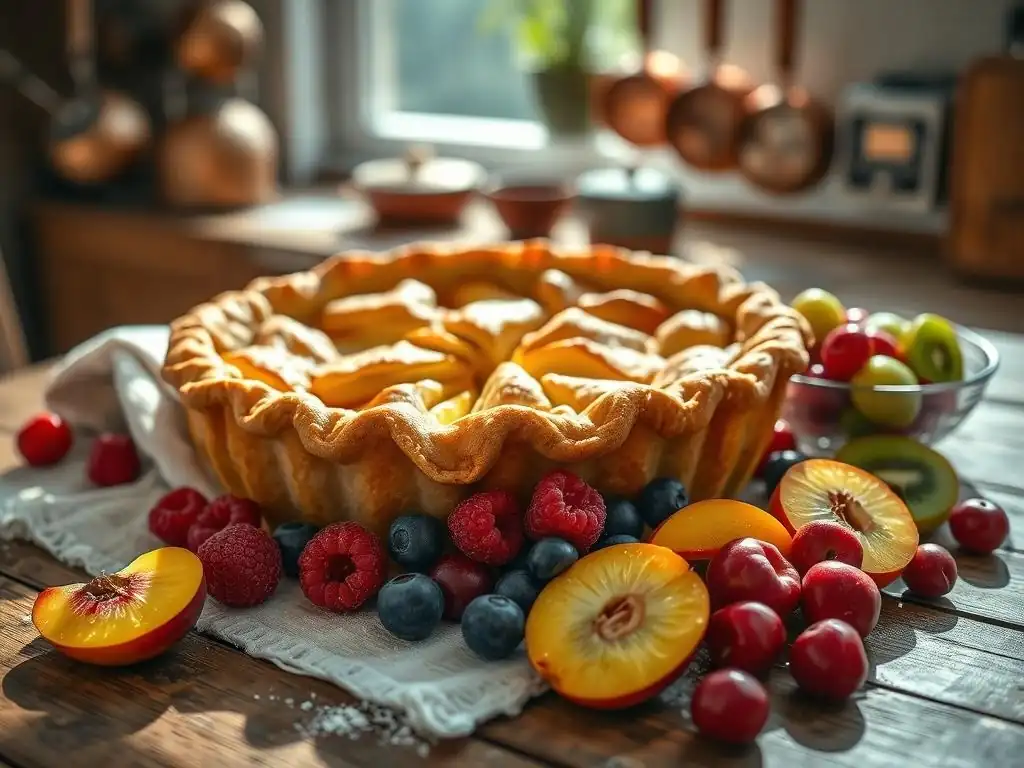
Welcome to BakeWithEase, your trusted guide to baking bliss! Ever wondered how to transform ordinary baked goods into extraordinary delights? Why Fresh Fruit Elevates Your Baking will reveal the secrets to infusing your creations with vibrant flavors and textures. Discover how the simple addition of seasonal fruits can unlock a whole new world of fresh fruit baking recipes, turning even the most basic recipe into a masterpiece. Intrigued? Let's dive in and explore the delicious possibilities!
- Why Fresh Fruit Elevates Your Baking: BakeWithEase Guide
- Unlock Deliciousness: The Magic of Fresh Fruit in Baking
- The Benefits of Using Fresh Fruit in Baking Recipes
- Mastering Fresh Fruit Baking Recipes: Tips and Techniques
- Fresh Fruit Baking Recipes: Inspiration and Ideas
- Optimizing Fresh Fruit Baking for Success
- Exploring Seasonal Fresh Fruit Baking Recipes
- Troubleshooting Common Fresh Fruit Baking Problems
- The Art of Fresh Fruit Preservation for Baking
- Elevate Your Baking: Embrace the Power of Fresh Fruit
-
Frequently Asked Questions
- How does using fresh fruit impact the taste of baked goods?
- What are some popular types of fresh fruit to use in baking?
- Are there any adjustments needed when substituting fresh fruit for other ingredients?
- How should I prepare fresh fruit before adding it to my baking recipes?
- What are some tips for preventing fruit from sinking to the bottom of my baked goods?
- Final Reflection: The Sweet Symphony of Fresh Fruit and Baking
- Unlock the Sweet Secrets of Fruit-Infused Baking!
Why Fresh Fruit Elevates Your Baking: BakeWithEase Guide
Unlock Deliciousness: The Magic of Fresh Fruit in Baking
Baking is a delightful journey, and adding fresh fruit is like finding a secret path to enhanced flavor and texture. It's more than just a topping; fresh fruit becomes an integral part of the baked good, bringing natural sweetness, vibrant acidity, and essential moisture.
Whether you're a seasoned pro or just starting with fresh fruit baking recipes, incorporating nature's candy can truly transform your creations from good to unforgettable. Think of how the burst of a ripe berry complements a scone or how the soft texture of baked apples enhances a cake – these are the simple yet profound ways fresh fruit works its magic.
The appeal of using fresh fruit in your fresh fruit baking recipes lies in its dynamic nature. Unlike dried or canned fruit, fresh fruit offers unparalleled brightness and a complexity of flavor that processed options often lack. It reacts differently during the baking process, softening, caramelizing, and releasing juices that infuse the surrounding batter or dough. This interaction creates layers of flavor and improves the overall moistness and texture of the final product, making your baked goods more appealing and delicious.
The Benefits of Using Fresh Fruit in Baking Recipes
Enhanced Flavor Profiles: Fresh Fruit's Unique Taste
Fresh fruit brings a natural complexity of flavor that is hard to replicate with extracts or artificial flavorings. Each fruit offers a unique balance of sweetness and acidity, which can cut through the richness of butter and sugar in baked goods, creating a more balanced and interesting taste experience. For instance, the tartness of raspberries provides a beautiful counterpoint to a sweet white chocolate blondie, preventing it from being overly cloying. Similarly, the natural sugars in fruits like bananas or apples caramelize slightly during baking, adding depth and a comforting sweetness.
Consider the difference a ripe peach makes in a cobbler compared to using canned peaches. The fresh peach retains more of its delicate, nuanced flavor and fragrance, which intensifies as it bakes. This provides a genuine "taste of summer" that canned versions, often packed in syrup, cannot fully capture. Using fresh ingredients in your fresh fruit baking recipes ensures you're building flavor from the ground up, resulting in a more authentic and delicious outcome.
Moisture and Texture: How Fresh Fruit Improves Baked Goods
One of the most significant benefits of incorporating fresh fruit into baking is its contribution to moisture and texture. Fruits like apples, berries, and bananas have a relatively high water content, typically ranging from 75% to over 90%. As these fruits bake, they release some of this moisture into the surrounding batter or dough. This helps to keep cakes, muffins, and breads from drying out, resulting in a more tender and moist crumb.
Beyond moisture, fresh fruit adds delightful textural elements. Soft fruits like bananas or berries can melt slightly and create pockets of gooey deliciousness, while firmer fruits like apples or pears retain some structure, offering pleasant chewiness or tender chunks within the baked good. A classic example is banana bread, where the mashed banana provides essential moisture and creates a wonderfully soft, dense texture that's distinct from breads made without fruit. This unique textural contribution is key to many beloved fresh fruit baking recipes.
Visual Appeal: Fresh Fruit Adds a Stunning Touch to Your Creations
Baking is an art form, and fresh fruit is one of nature's most beautiful palettes. Its vibrant colors and varied shapes can instantly elevate the visual appeal of any baked good. Think of the jewel-like gleam of fresh blueberries on a scone top, the rustic charm of sliced apples fanned out on a pie, or the elegant simplicity of scattered raspberries on a white cake. Fresh fruit adds a natural, inviting beauty that artificial decorations often can't match.
Using fresh fruit allows you to create visually stunning desserts with minimal effort. A simple dusting of powdered sugar over a berry-filled tart lets the vibrant fruit shine through. Arranging slices of kiwi and strawberries on a fruit pizza creates a colorful mosaic. Even in less visible applications, like fruit swirled into a cake batter, pockets of color become visible when sliced, adding an element of surprise and delight. Incorporating fresh fruit makes your fresh fruit baking recipes look as good as they taste.
Mastering Fresh Fruit Baking Recipes: Tips and Techniques
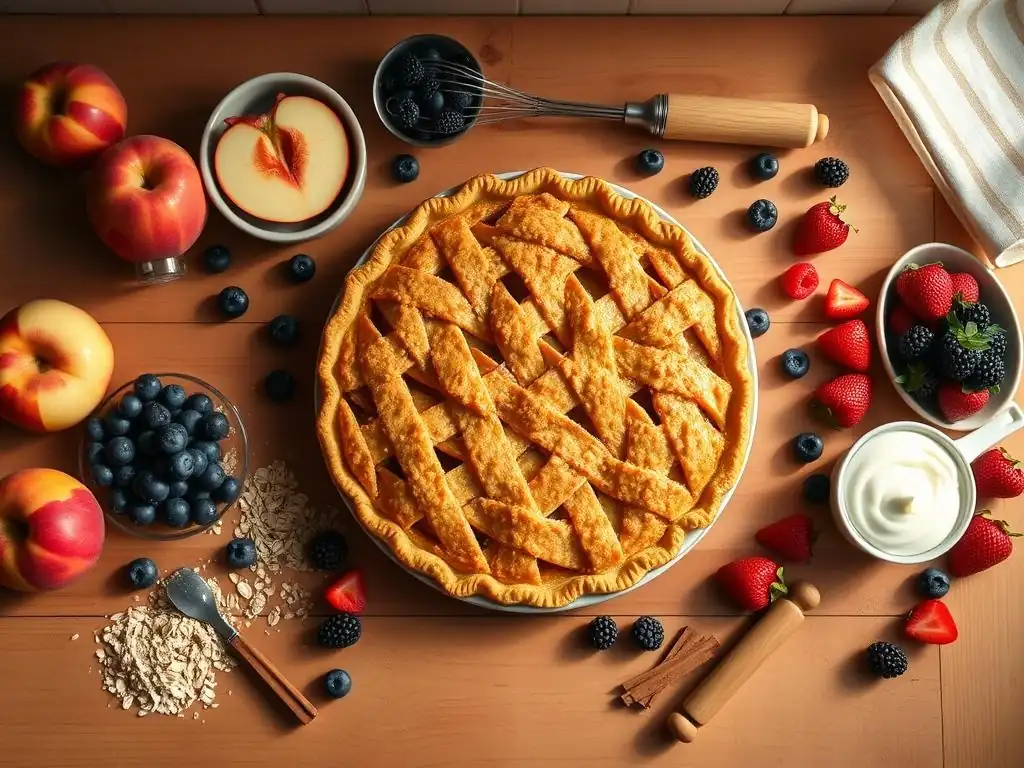
Choosing the Right Fresh Fruit for Your Baked Goods
Selecting the appropriate fresh fruit is crucial for successful baking. Different fruits behave differently when heated due to variations in moisture content, sugar levels, and structural integrity. For pies and tarts, you generally want fruits that hold their shape well, like firm apples (e.g., Granny Smith, Honeycrisp), pears, or berries. Very soft fruits might turn to mush. For cakes and muffins, softer fruits like bananas, mashed berries, or diced peaches work wonderfully as they contribute moisture and blend into the batter.
Consider the ripeness of the fruit as well. Overly ripe fruit can be too soft and watery for some applications (like a pie filling), while underripe fruit may lack sweetness and flavor. For most fresh fruit baking recipes, fruit that is ripe but still slightly firm is ideal. Taste the fruit before using it to gauge its sweetness and acidity, as this might influence how much sugar or leavening you need in your recipe.
Preparing Fresh Fruit for Baking: Slicing, Dicing, and Pureeing
Proper preparation of fresh fruit is key to integrating it successfully into your baked goods. This often involves washing, peeling (for some fruits like apples or peaches), and then cutting the fruit into the size and shape specified by the recipe – common cuts include slices, dices, or chunks. The size of the fruit pieces matters; large chunks might sink or create pockets of moisture, while very small pieces might disappear into the batter.
Some recipes call for pureeing the fruit, especially for batters or fillings where a smooth texture is desired, such as in banana bread or some fruit curds. When pureeing, consider the consistency – a very watery puree might require adjustments to the dry ingredients in your recipe. For fruits prone to browning, like apples or bananas, you might need to toss them with a little lemon juice after cutting to maintain their color before incorporating them into your fresh fruit baking recipes.
Incorporating Fresh Fruit into Different Baking Recipes: A Guide
The method of incorporating fresh fruit varies depending on the type of baked good. In cakes and muffins, fruit is often gently folded into the batter just before baking to prevent it from breaking down too much or sinking. Sometimes, particularly juicy fruits are tossed with a small amount of flour or cornstarch before being added; this helps absorb some of the excess moisture and prevents the fruit from sinking to the bottom.
For pies and tarts, fruit is typically mixed with sugar, thickeners (like flour, cornstarch, or tapioca), and sometimes spices before being placed in the crust. The ratio of fruit to sugar and thickener is critical for achieving the right consistency – too little thickener results in a runny filling, while too much can make it gummy. Understanding these techniques is vital for mastering fresh fruit baking recipes and achieving perfect results every time.
Fresh Fruit Baking Recipes: Inspiration and Ideas
Classic Fresh Fruit Pies and Tarts: Apple Pie, Blueberry Tart
Classic pies and tarts are perhaps the most iconic examples of fresh fruit baking recipes. An apple pie, for instance, relies on the perfect balance of sweet, tart apples, warming spices like cinnamon and nutmeg, and a flaky crust.
Using a mix of apple varieties, such as tart Granny Smith and sweeter Honeycrisp, can add complexity to the flavor profile. A standard apple pie might call for about 6-8 cups of sliced apples, mixed with around 1/2 to 3/4 cup of sugar and 2-4 tablespoons of flour or starch as a thickener, baked at temperatures typically ranging from 375°F to 425°F (190°C to 220°C).
Blueberry tarts showcase the natural sweetness and slight tang of fresh blueberries. A typical blueberry tart filling might use 3-4 cups of fresh berries, combined with sugar and a thickener like cornstarch or tapioca starch. The goal is to create a filling that sets nicely but still has that wonderful burst of fresh fruit when you bite into it. These classic fresh fruit baking recipes are beloved for a reason – they perfectly highlight the star ingredient.
Delicious Fresh Fruit Cakes and Muffins: Banana Bread, Raspberry Muffins
Fresh fruit adds incredible moisture and flavor to cakes and muffins. Banana bread is a prime example, utilizing overly ripe bananas (which are sweeter and softer) to create a wonderfully moist and flavorful loaf. A standard recipe might use 2-3 mashed bananas per loaf, providing natural sweetness and reducing the need for as much added sugar. The moisture from the bananas also contributes to the bread's tender crumb.
Raspberry muffins are another delightful example, where the tartness of the berries provides a lovely contrast to the sweet muffin batter. Gently folding fresh raspberries into muffin batter ensures they distribute relatively evenly and burst during baking, creating pockets of fruity flavor. Using about 1 cup of fresh raspberries per batch of 12 muffins is common, though you can adjust based on preference. These fresh fruit baking recipes are perfect for breakfast, snacks, or dessert.
Creative Fresh Fruit Breads and Scones: Cranberry Orange Bread, Blueberry Scones
Beyond cakes and muffins, fresh fruit can elevate various other baked goods, including quick breads and scones. Cranberry orange bread, for instance, combines the tartness of fresh or frozen cranberries with the bright citrus zest and juice of oranges. The cranberries soften and burst during baking, creating juicy pockets, while the orange adds fragrance and moisture. A typical loaf might use 1-1.5 cups of fresh cranberries and the zest of one orange.
Blueberry scones benefit immensely from the inclusion of fresh blueberries. The berries provide moisture and bursts of sweetness within the rich, buttery dough. Incorporating about 1 cup of fresh blueberries per batch of 8-12 scones is standard. Folding them in gently is key to avoid crushing the delicate berries. These fresh fruit baking recipes demonstrate the versatility of using fresh fruit beyond the usual suspects.
Optimizing Fresh Fruit Baking for Success
Preventing Soggy Bottoms: Tips for Fruit Pies and Tarts
One of the most common challenges in fresh fruit baking recipes, particularly pies and tarts, is preventing a soggy bottom crust. Juicy fruits release a lot of liquid during baking, which can seep into the pastry and make it unpleasantly soft. Several techniques can help. Pre-baking (or "blind baking") the bottom crust before adding the filling creates a barrier against moisture. This is especially effective for tarts or pies with very wet fillings.
Another crucial step is using an appropriate thickener for the fruit filling, such as flour, cornstarch, tapioca starch, or even pectin. The amount needed depends on the juiciness of the fruit; very wet fruits like berries or stone fruits typically require more thickener than apples. Baking the pie on a preheated baking sheet or pizza stone can also help, as the intense heat from below helps set the bottom crust quickly. Finally, ensuring the oven temperature is correct allows the crust to crisp up before the fruit releases too much liquid.
Controlling Moisture Levels: Adjusting Recipes for Fresh Fruit
Fresh fruit adds moisture, which is usually a good thing, but too much can make baked goods dense, gummy, or prevent them from cooking through properly. When adapting a recipe to include fresh fruit, especially if the original recipe didn't call for it or used dried/canned fruit, you may need to make adjustments. For instance, using a very wet fruit like fresh pineapple might require slightly reducing the amount of liquid (like milk or oil) in the batter.
Alternatively, you can increase the amount of dry ingredients slightly, such as adding an extra tablespoon or two of flour per cup of fruit. Tossing cut fruit in a small amount of flour (about 1 tablespoon per cup of fruit) before folding it into the batter is a simple yet effective way to absorb some surface moisture and help suspend the fruit. Experimentation is sometimes needed with fresh fruit baking recipes to find the perfect balance for your specific fruit and recipe.
Enhancing Fruit Flavors: Pairing Fruits with Complementary Spices
Pairing fresh fruit with complementary spices can significantly enhance its natural flavor and add depth to your baked goods. Classic pairings like apples with cinnamon and nutmeg are popular for a reason – the warm spices bring out the sweetness and aroma of the apples. Similarly, berries often pair well with lemon zest or a hint of ginger, which brightens their flavor.
Consider using spices like cardamom with pears, cloves with plums, or a touch of black pepper with strawberries (a surprisingly delicious combination!). Vanilla is a versatile enhancer that works with almost any fruit. Adding spices not only boosts the fruit's flavor but also makes your fresh fruit baking recipes more aromatic and inviting. Don't be afraid to experiment with small amounts to find your favorite combinations.
Exploring Seasonal Fresh Fruit Baking Recipes
Spring Baking: Strawberries, Rhubarb, and Berries
Spring brings a bounty of fresh fruits perfect for baking. Strawberries, with their sweet aroma and vibrant red color, are fantastic in shortcakes, tarts, and muffins. Rhubarb, though technically a vegetable, is often used like a fruit in baking and pairs beautifully with strawberries due to its tartness, balancing the sweetness. A classic strawberry-rhubarb pie is a quintessential spring dessert.
Other berries like raspberries and blueberries also start becoming widely available in late spring, adding bursts of flavor to scones, quick breads, and simple cakes. Baking with seasonal fruit means using produce at its peak freshness and flavor, which translates directly into more delicious results for your fresh fruit baking recipes.
Summer Baking: Peaches, Plums, and Cherries
Summer is arguably the peak season for fresh fruit baking recipes, offering stone fruits like peaches, plums, apricots, and cherries. These fruits become incredibly sweet and juicy when ripe and bake down beautifully in crumbles, cobblers, pies, and upside-down cakes. A warm peach cobbler with a biscuit topping is the epitome of summer comfort food.
Cherries, whether sweet or tart (like Morello cherries), are excellent in pies, clafoutis, and muffins. Plums offer a range of flavors and colors and work well in tarts or simple cakes. Using fresh, ripe summer fruit requires minimal added sugar and lets the fruit's natural sweetness shine through.
Autumn Baking: Apples, Pears, and Cranberries
As the leaves change, so does the fruit basket, bringing apples, pears, and cranberries to the forefront of fresh fruit baking recipes. Apples are incredibly versatile, ranging from firm, tart varieties perfect for pies and tarts to softer, sweeter ones ideal for applesauce or apple bread. Pear tarts and cakes offer a delicate sweetness and smooth texture.
Cranberries, known for their vibrant red color and sharp tartness, are a staple in autumn and winter baking, particularly around holidays. They pair wonderfully with oranges in quick breads and muffins, and add a necessary counterpoint to sweetness in pies and crumbles. Baking with these fruits feels cozy and comforting, reflecting the season.
Winter Baking: Citrus Fruits and Pomegranates
While fresh fruit might seem less abundant in winter, citrus fruits are at their peak. Oranges, lemons, grapefruits, and mandarins add bright, zesty flavors to baked goods. Lemon tarts, orange cakes, or citrus-glazed loaves are perfect for brightening dreary winter days. The zest provides intense aromatic oils, while the juice adds moisture and tang.
Pomegranates also come into season, offering juicy, jewel-like arils that can be sprinkled over cakes or incorporated into fillings for a burst of flavor and beautiful visual appeal. Using these seasonal fruits adds a fresh perspective to your fresh fruit baking recipes during the colder months.
Troubleshooting Common Fresh Fruit Baking Problems
Fruit Sinking to the Bottom: Solutions and Prevention
A common issue when baking with fresh fruit, especially in batters, is the fruit sinking to the bottom. This happens because the fruit is often denser than the batter. To prevent this, ensure your batter is not too thin; a slightly thicker batter helps suspend the fruit.
Tossing the cut fruit with a small amount of flour (about 1-2 tablespoons per cup of fruit) before folding it into the batter is a highly effective technique. The flour coats the fruit, helping it adhere to the batter and preventing it from sinking. For muffins or quick breads, you can also reserve about one-third of the fruit and sprinkle it on top of the batter before baking, ensuring some fruit remains visible and evenly distributed on the surface.
Overly Moist or Dry Baked Goods: Adjusting for Fruit Content
Getting the moisture level right can be tricky in fresh fruit baking recipes. Too much moisture from the fruit can result in a gummy, dense, or undercooked interior, while not enough (or compensating too much with dry ingredients) can lead to a dry result. If your fruit is particularly juicy, consider slightly reducing the amount of other liquids (milk, oil, butter) in the recipe.
Conversely, if you're using a less juicy fruit or a recipe designed for dried fruit, you might need to add a splash more liquid. Pay attention to the batter consistency; it should be thick enough to hold the fruit but not overly stiff. Sometimes, increasing the baking time slightly at a lower temperature can help cook through moist fruit-filled centers without burning the outside.
Achieving Perfect Fruit Distribution: Techniques and Tips
Even distribution of fruit ensures every bite is flavorful and texturally interesting. When folding fruit into batter, do so gently and minimally, just until the fruit is incorporated. Overmixing can crush the fruit and develop the gluten in the batter too much, leading to tough baked goods.
For batters like muffins or quick breads, consider layering the batter and fruit in the pan. Pour in half the batter, sprinkle some fruit, add the remaining batter, and top with the rest of the fruit. For pies and tarts, arranging fruit slices neatly ensures even cooking and a beautiful presentation. For crumbles or cobblers, spreading the fruit evenly in the dish before adding the topping is key. Practicing these techniques will improve your fresh fruit baking recipes.
The Art of Fresh Fruit Preservation for Baking
Making Fruit Preserves and Jams: Extend the Season
Preserving fresh fruit allows you to enjoy its flavors in your baking creations long after its peak season has passed. Making fruit preserves, jams, or compotes is a fantastic way to capture the essence of seasonal fruit. These can then be used as fillings for tarts, swirls in cakes, toppings for cheesecakes, or as a delicious accompaniment to scones and quick breads.
Creating your own preserves allows you to control the sugar level and flavorings, tailoring them specifically for your fresh fruit baking recipes. While requiring some time and basic canning knowledge (if you plan for long-term shelf storage), the rich, concentrated flavor of homemade jam is often superior to store-bought versions and brings a taste of summer or autumn to your winter baking.
Freezing Fresh Fruit for Later Baking Projects: A Guide
Freezing is one of the simplest and most effective ways to preserve fresh fruit for baking. Most fruits freeze well, retaining much of their flavor and nutritional value. Berries, sliced peaches, plums, cherries, and rhubarb are excellent candidates for freezing. The key is to freeze them properly to prevent them from clumping together.
Wash and prepare the fruit (peel, pit, slice if necessary). Spread the fruit in a single layer on a baking sheet lined with parchment paper and freeze until solid. Once frozen, transfer the fruit to freezer-safe bags or containers, removing as much air as possible. Frozen fruit works wonderfully in many fresh fruit baking recipes, especially those where the fruit is mixed into a batter or cooked into a filling, such as muffins, crumbles, pies, and sauces. Note that frozen fruit may release more liquid as it bakes, so you might need to adjust thickeners or baking time slightly.
Dehydrating Fruit for Intense Flavor in Baked Goods: Tips and Tricks
Dehydrating fruit removes most of its water content, concentrating its natural sugars and flavors. While not suitable for all fresh fruit baking recipes, dehydrated fruit can add intense bursts of flavor and a chewy texture to certain baked goods. Thinly sliced apples, pears, or citrus peels can be dehydrated and then added to cookies, breads, or used as a garnish.
Small fruits like cranberries or cherries can also be dehydrated. Dehydrated fruit is often chewier than dried fruit (which sometimes has added sugar or oil) and provides a more natural, intense fruit flavor. When using dehydrated fruit in batters, sometimes soaking it briefly in warm liquid (like juice or water) can help plump it up slightly before adding it, preventing it from absorbing too much moisture from the batter itself.
Elevate Your Baking: Embrace the Power of Fresh Fruit
Frequently Asked Questions
How does using fresh fruit impact the taste of baked goods?
Fresh fruit adds a natural sweetness and complex flavor profiles to baked goods that processed ingredients simply can't replicate. The fruit's acidity can also enhance other flavors in the recipe.
What are some popular types of fresh fruit to use in baking?
Berries (strawberries, blueberries, raspberries), stone fruits (peaches, plums, cherries), and apples are common choices. Citrus fruits like lemons and oranges can also add a bright and zesty touch.
Are there any adjustments needed when substituting fresh fruit for other ingredients?
Yes, you may need to reduce the amount of liquid in the recipe to account for the moisture content of the fresh fruit. Also, consider the fruit's sweetness level and adjust sugar accordingly.
How should I prepare fresh fruit before adding it to my baking recipes?
Always wash and dry the fruit thoroughly. Depending on the fruit, you may need to peel, pit, or chop it into smaller pieces for even distribution.
What are some tips for preventing fruit from sinking to the bottom of my baked goods?
Toss the fruit lightly in flour before adding it to the batter. This helps it stay suspended during baking. Also, ensure your batter has the right consistency.
Final Reflection: The Sweet Symphony of Fresh Fruit and Baking
The vibrant burst of fresh fruit in baked goods isn't just a delicious addition; it's a transformative element that elevates the entire experience. From the subtle nuances of flavor to the textural interplay, incorporating fresh fruit elevates baking from a simple process to a culinary art form. The impact is undeniable, and its popularity continues to grow as more people seek wholesome and flavorful treats.
The journey of discovering the unique magic of fresh fruit in baking has been a personal one, filled with countless experiments and delightful surprises. The sheer variety of fruits, each with its own distinct character and contribution, is endlessly fascinating. Baking is at its best when it's simple, and the ingredients speak for themselves.
This quote perfectly encapsulates the philosophy behind using fresh fruit – letting its natural sweetness and vibrant flavors shine through. The impact on the cultural landscape is evident in the rise of farm-to-table baking and the increasing demand for seasonal fruit-based recipes.
Now, it's your turn to explore the boundless possibilities. Consider the seasonal fruits available in your region, experiment with different combinations, and let your creativity flow. Don't be afraid to deviate from traditional recipes; embrace the unexpected and discover your own signature style. The joy of baking with fresh fruit lies not only in the delicious results but also in the process of creation itself. Embrace the journey, and savor the sweet rewards.
Unlock the Sweet Secrets of Fruit-Infused Baking!
Thank you for joining us on this delicious journey into the world of fruit-filled baking! We hope you've discovered new ways to elevate your creations with the vibrant flavors and textures of fresh fruit. Now it's time to put your newfound knowledge to the test!
- Bake a masterpiece: Choose your favorite recipe from the article and immediately substitute the suggested fruit – you'll be amazed at the difference!
- Share your success: Show off your fruit-forward baking skills by sharing a picture of your creation on social media using #BakeWithEaseFruit.
- Explore new flavor combinations: Brainstorm unique fruit pairings inspired by what you've learned – the possibilities are endless!
What unexpected fruit combination will you try next to surprise your taste buds and elevate your baking game?