
Understanding the Maillard Reaction in Sweet Roll Baking

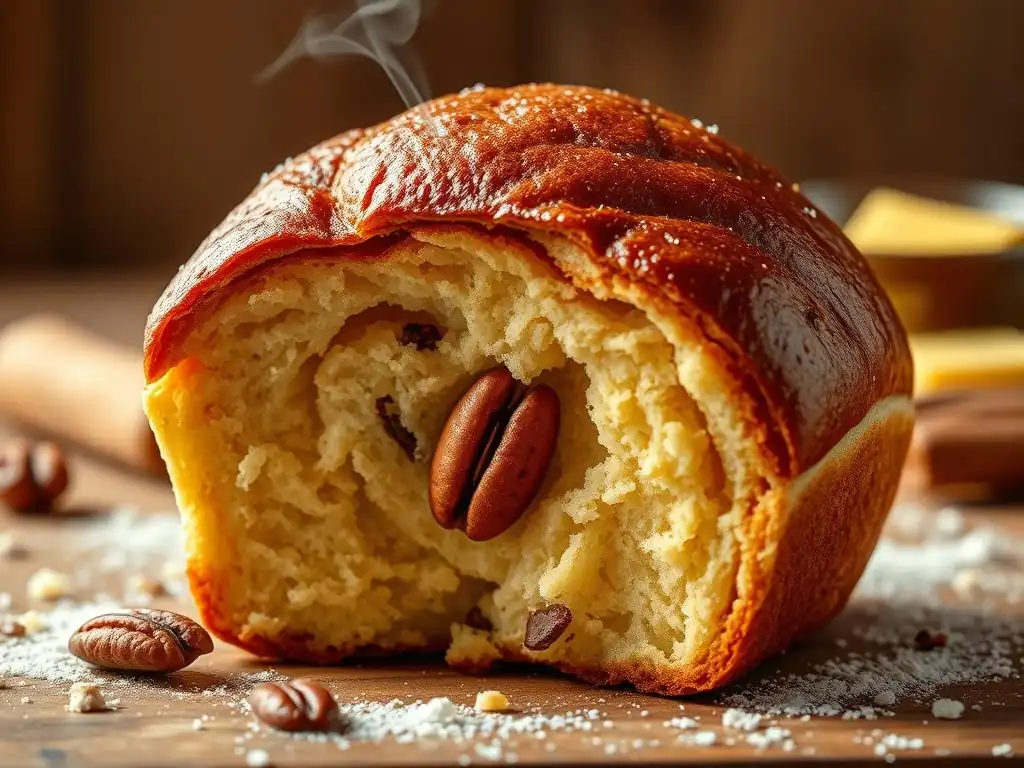
Welcome to BakeWithEase, where baking becomes a joy, not a chore! Ever wondered what creates that irresistible golden-brown crust and complex flavor in your favorite sweet rolls? Unlocking the secrets of the Maillard reaction is key, and we're about to show you how it transforms your dough into a masterpiece. Prepare to delve into the science behind perfect baking – your sweet roll creations will never be the same!
- Introduction to the Maillard Reaction and Sweet Rolls
- The Science Behind the Maillard Reaction in Sweet Roll Dough
- Optimizing the Maillard Reaction for Perfect Sweet Rolls
- Troubleshooting Maillard Reaction Issues in Sweet Rolls
- Sweet Roll Recipe Adaptations for Maillard Reaction Enhancement
- Advanced Techniques for Maillard Reaction Control in Sweet Roll Baking
- The Final Result: Deliciously Browned and Flavorful Sweet Rolls
-
Frequently Asked Questions
- What is the Maillard reaction, and why is it important in sweet roll baking?
- How does the sugar content in a sweet roll recipe affect the Maillard reaction?
- What temperature is optimal for achieving the Maillard reaction in sweet rolls?
- Besides sugar and temperature, what other factors influence the Maillard reaction in sweet roll baking?
- How can I troubleshoot if my sweet rolls aren't browning properly, despite following the recipe?
- Final Reflection: The Golden Crust and the Science of Sweetness
- Unleash Your Inner Baker: Master the Maillard Reaction!
Introduction to the Maillard Reaction and Sweet Rolls
What is the Maillard Reaction? A Baker's Explanation
At its heart, the Maillard reaction is a complex series of chemical interactions that occur when amino acids and reducing sugars are heated together. Far from a single reaction, it's a cascading process that begins around 280°F (140°C) and creates hundreds of different flavor compounds and brown pigments. Think of the amazing aroma that fills your kitchen when sweet rolls are baking – much of that is thanks to the Maillard reaction. It's responsible for those deep, rich, sometimes nutty or toasted notes and the beautiful golden-to-deep brown color on the crust of your baked goods.
Unlike simple browning caused by burning, the Maillard reaction is about building complexity. It's the same process that browns steaks on a grill, toasts marshmallows, or darkens roasted coffee beans. In sweet roll baking, this reaction happens primarily on the surface where temperatures get high enough and moisture evaporates. It’s crucial for developing the characteristic flavor profile and appealing crust texture that makes a warm sweet roll so irresistible. Getting this reaction right is key to moving beyond just "baked dough" to truly delicious sweet rolls.
The Importance of the Maillard Reaction in Sweet Roll Flavor and Crust Development
The Maillard reaction is absolutely fundamental to achieving the signature taste and texture of perfectly baked sweet rolls. Without it, the crust would remain pale, and the flavor would be flat and underdeveloped. This reaction is what transforms the simple ingredients – flour, sugar, eggs, milk – into a symphony of complex flavors. It generates compounds that contribute to notes like caramel, butterscotch, toasted nuts, and even savory undertones that balance the sweetness of the filling and glaze.
Furthermore, the Maillard reaction is directly responsible for the appealing brown color and the formation of a desirable crust on sweet rolls. While sweet rolls often have a softer crust than artisanal breads, some degree of surface browning is essential for texture contrast and visual appeal. The reaction creates melanoidins, the brown pigments that give the crust its color. Simultaneously, the drying and chemical changes on the surface contribute to a slightly firmer, more structured exterior that holds the roll together while the inside remains soft and tender.
How the Maillard Reaction Differs from Caramelization in Sweet Rolls
While both the Maillard reaction and caramelization produce delicious brown colors and complex flavors in sweet rolls, they are distinct chemical processes. The Maillard reaction involves the interaction of amino acids (from proteins, like those in flour, milk, or eggs) and reducing sugars. It typically starts at lower temperatures, around 280°F (140°C), although it proceeds faster at higher heats. The flavors produced are diverse and complex, including savory, nutty, and toasted notes alongside some sweetness.
Caramelization, on the other hand, is the browning of sugars alone when heated to high temperatures. It doesn't involve proteins or amino acids. For sucrose (table sugar), caramelization begins around 320°F (160°C), and for fructose (fruit sugar), it can start even lower.
The flavors created by caramelization are primarily sweet and buttery, with notes ranging from light caramel to deep toffee or even slightly bitter notes at very high temperatures. In sweet rolls, both reactions often occur simultaneously on the surface, with the Maillard reaction contributing the protein-sugar complexity and caramelization adding pure sugar depth, especially if there's sugar directly on the surface.
The Science Behind the Maillard Reaction in Sweet Roll Dough
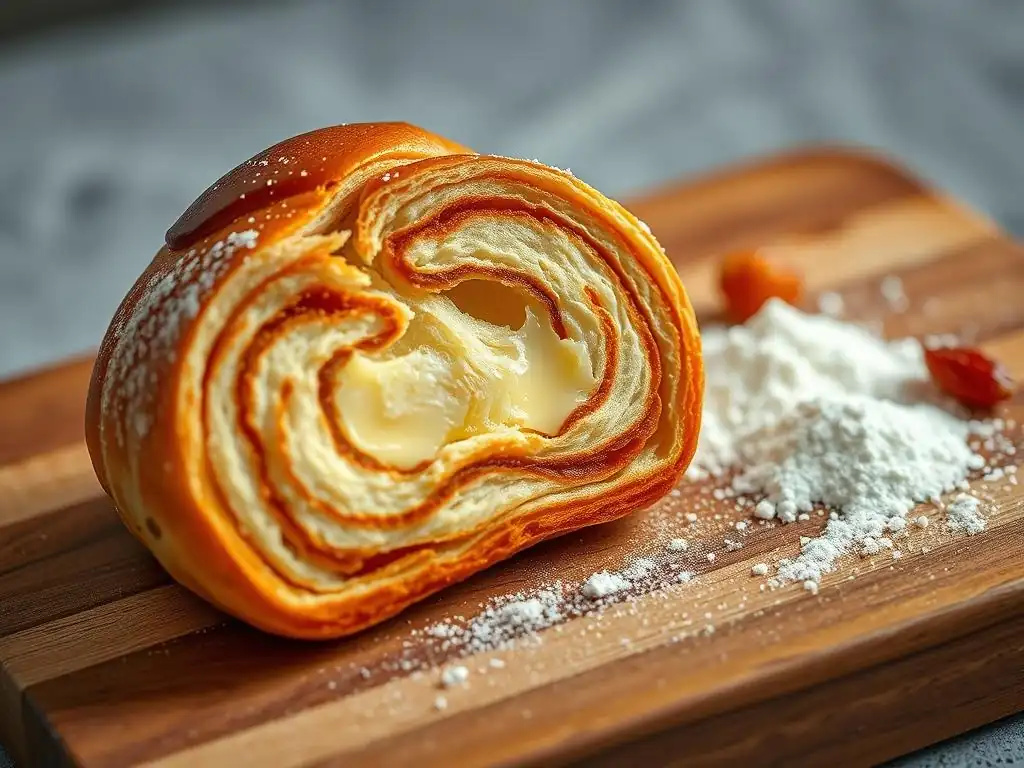
Key Ingredients that Influence the Maillard Reaction in Sweet Rolls: Sugars and Amino Acids
The presence and types of sugars and amino acids are paramount to the Maillard reaction in sweet roll baking. Sweet roll doughs are typically rich in both. Flour provides proteins (and thus amino acids), while milk, eggs, and added sugar contribute both amino acids and various types of sugars. Reducing sugars, such as glucose and fructose (found in honey, maple syrup, or produced when yeast breaks down sucrose), are particularly reactive in the Maillard process. Non-reducing sugars like sucrose (table sugar) are less reactive directly but can break down into reducing sugars under heat and acidic conditions.
The specific blend of ingredients in a sweet roll recipe significantly impacts the Maillard reaction. A dough made with milk and eggs will brown more readily than a lean bread dough due to the extra proteins (casein and whey from milk, albumin from eggs) and sugars (lactose from milk).
The amount and type of added sugar also play a role; too much sugar can actually inhibit the reaction by binding up water needed for the process, while different sugars yield slightly different flavor compounds. Understanding these interactions helps predict and control the browning and flavor development in your sweet rolls.
Temperature's Role: Achieving Optimal Crust Color in Sweet Rolls
Temperature is perhaps the most critical factor in driving the Maillard reaction in sweet roll baking. The reaction doesn't really get going until the surface temperature of the dough reaches around 280°F (140°C). The rate of the reaction increases significantly with temperature. Baking sweet rolls at too low a temperature will result in pale, underdeveloped crusts and weak flavor. Conversely, baking too hot can cause the surface to brown too quickly before the interior is fully cooked, potentially leading to a burnt exterior and raw center.
Typical baking temperatures for sweet rolls range from 350°F to 400°F (175°C to 200°C). The oven temperature directly influences how quickly the surface of the rolls heats up and dries out, creating the conditions necessary for the Maillard reaction. A higher oven temperature accelerates the process, leading to faster browning. However, it's the surface temperature of the dough itself that matters most for the reaction, which lags behind the oven temperature as moisture evaporates. Achieving that golden-brown sweet roll crust is a balance of applying enough heat for long enough to allow the reaction to occur without overdoing it.
pH Levels and Their Impact on Maillard Reaction Sweet Roll Baking
The pH level of the dough also influences the rate and outcome of the Maillard reaction, though its effect is often less dramatic than temperature. The Maillard reaction proceeds most rapidly in slightly alkaline conditions (pH 7-10). As pH decreases (becomes more acidic), the reaction slows down. Most sweet roll doughs are slightly acidic due to ingredients like flour, yeast fermentation byproducts (lactic and acetic acid), and sometimes acidic additions like buttermilk or sour cream.
A higher pH can lead to faster and sometimes darker browning. This is why adding a pinch of baking soda (alkaline) to some baked goods can enhance browning. Conversely, overly acidic doughs may brown less efficiently. For typical sweet roll recipes, the inherent pH from the ingredients and fermentation is usually within a range that allows the Maillard reaction to proceed effectively at standard baking temperatures. Significant deviations in pH are generally not a common issue unless unusual ingredients are used or fermentation is drastically off.
Optimizing the Maillard Reaction for Perfect Sweet Rolls
Tips for Enhancing Browning and Flavor Development in Sweet Roll Crust
To get that gorgeous, flavorful brown crust on your sweet rolls, several simple techniques can be employed. Ensuring adequate surface moisture is key before baking, as the surface needs to dry out to reach the temperatures required for the Maillard reaction. An egg wash, milk wash, or even a simple water wash applied just before baking adds sugars and/or proteins to the surface, which are prime candidates for the reaction. These washes not only contribute to browning but also give the crust a lovely sheen.
Another tip is to ensure the oven is properly preheated to the correct temperature. Putting rolls into a cool oven delays the surface drying and heating, resulting in less effective browning. Placing the baking sheet on a preheated baking stone or steel can also provide a burst of heat from below, helping the bottom crust brown nicely. Don't overcrowd the pan; allowing space between rolls helps hot air circulate efficiently, ensuring even browning on all sides.
Controlling Sugar Levels for Desired Maillard Reaction Outcomes
The amount and type of sugar in your sweet roll recipe play a significant role in browning. As mentioned, reducing sugars (glucose, fructose) are highly reactive. Recipes using honey, brown sugar (contains molasses which has reducing sugars), or allowing yeast to ferment longer (breaking down sucrose into glucose and fructose) can promote more intense browning. However, finding the right balance is crucial.
Adding too much sugar to the dough itself can sometimes hinder gluten development and water availability, potentially slowing down the Maillard reaction or leading to a gummy interior. The sugar in the filling, while contributing flavor, primarily caramelizes rather than participating in the Maillard reaction to the same extent as sugars on the surface. For optimal Maillard browning, focus on the sugar content and type on the surface and ensure the dough sugar is balanced for both flavor and texture. Experimenting with substituting a small percentage of granulated sugar with brown sugar or honey can subtly enhance Maillard flavors.
Adjusting Baking Time and Temperature for Enhanced Sweet Roll Color
Fine-tuning baking time and temperature is often necessary to achieve the perfect Maillard reaction in sweet rolls. If your rolls are consistently baking through but remaining too pale, try increasing the oven temperature by 10-25°F (5-15°C). This will accelerate the surface browning. Conversely, if they are browning too quickly before the inside is cooked, lower the temperature slightly and extend the baking time. This allows the interior to catch up without burning the exterior.
Monitoring is key. Start checking your sweet rolls a few minutes before the recipe's minimum recommended baking time. Look for a rich, golden-brown color on the top and sides. Remember that ovens can vary, so what works in one might need adjustment in another. Using an oven thermometer to verify your oven's actual temperature is a great way to ensure consistency. Don't be afraid to tent the rolls loosely with foil if the tops are browning perfectly but the rest needs more time.
Troubleshooting Maillard Reaction Issues in Sweet Rolls
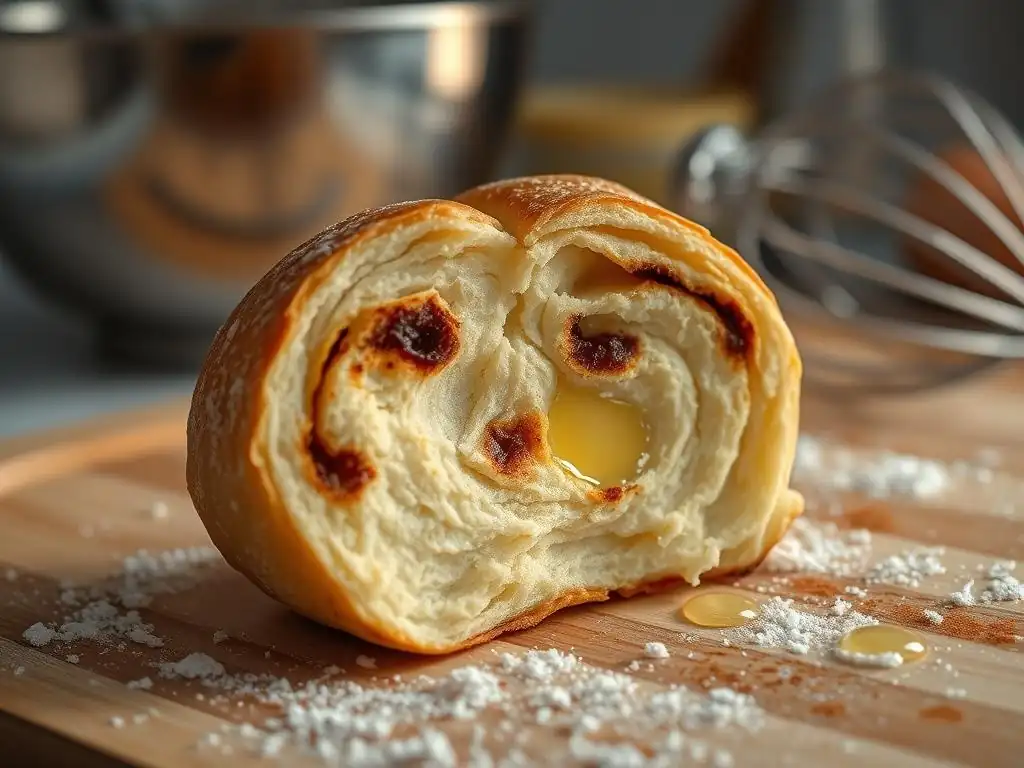
Sweet Rolls Not Browning Enough: Common Causes and Solutions
Pale sweet rolls can be disappointing after all your effort. Several factors can lead to insufficient browning. A common cause is too low an oven temperature or baking time that is too short. Ensure your oven is fully preheated and consider using an oven thermometer. If the issue persists, increasing the baking temperature slightly (as discussed above) can help. Another cause is insufficient sugar or protein on the surface. Applying an egg wash or milk wash before baking can significantly improve browning.
High humidity in the oven can also inhibit the surface from drying out, thus slowing the Maillard reaction. While some steam is beneficial initially for oven spring, excessive steam throughout the bake can prevent proper crust formation and browning. Ensure your oven is venting properly. Finally, very acidic doughs or doughs with very low sugar content might brown less. For standard sweet roll recipes, this is less likely the primary issue unless you've made significant ingredient substitutions.
Sweet Rolls Browning Too Quickly: Prevention and Recovery
Sweet rolls that brown too fast, resulting in a dark or even burnt exterior while the inside is still doughy, usually indicate too high an oven temperature or the rolls being placed too close to a heating element. Verify your oven temperature with a thermometer. If the temperature is accurate, try reducing it by 10-25°F (5-15°C) and extending the baking time. Moving the baking sheet to a different rack position, further away from the heat source, can also help.
If you notice your sweet rolls browning too quickly during baking, you can loosely tent the pan with aluminum foil. This reflects radiant heat away from the surface, slowing down the browning process while allowing the interior to continue cooking. It's a simple but effective rescue technique. Also, ensure your baking sheet isn't too dark or thin, as these can absorb and transfer heat too aggressively, leading to scorched bottoms.
Achieving Even Browning Across Your Sweet Roll Batches
Uneven browning can result in some rolls being perfectly colored while others are pale or overly dark. This is often due to inconsistent heat distribution within the oven. Many ovens have hot spots. Rotating your baking sheet halfway through the baking time is the simplest and most effective way to promote even browning. For example, if you're baking for 25 minutes, rotate the pan after 12-13 minutes.
Overcrowding the baking sheet prevents hot air from circulating evenly around each roll, leading to patchy browning. Give your rolls space! Using a good quality, light-colored baking sheet can also contribute to more even heat transfer compared to dark or warped pans. If using multiple racks, consider swapping their positions halfway through the bake as well, or bake one sheet at a time if your oven has significant temperature variations between racks.
Sweet Roll Recipe Adaptations for Maillard Reaction Enhancement
Using Different Flours to Achieve Unique Flavor Profiles and Browning in Sweet Rolls
The type of flour used in sweet rolls impacts the Maillard reaction through its protein content and the types of sugars it contains or produces during fermentation. All-purpose flour is standard, but using flour with slightly higher protein, like bread flour, can contribute more amino acids, potentially enhancing Maillard browning and flavor complexity. However, too much protein can result in a tougher roll, so it's a balance.
Whole wheat flour contains more protein and different compounds compared to white flour, often leading to faster and deeper browning and a more robust flavor profile from the Maillard reaction. Substituting a portion of the white flour with whole wheat can add nutty and earthy notes developed during the reaction. Conversely, using lower protein flours like cake flour will result in less Maillard browning and a softer, paler crust. The choice of flour should align with the desired texture and flavor outcome for your sweet rolls.
Adding Dairy or Egg Wash to Boost the Maillard Reaction
Dairy products like milk, butter, and cream, and eggs are common ingredients in sweet rolls and are excellent promoters of the Maillard reaction. Milk contains lactose (a reducing sugar) and proteins (casein and whey), while eggs provide proteins and some sugars. When these ingredients are incorporated into the dough or used as a wash on the surface, they provide ample reactants for the Maillard process.
An egg wash (egg beaten with a little water or milk) applied to the surface just before baking is a classic technique specifically designed to enhance browning and create a beautiful, shiny crust. The proteins and sugars in the egg brown intensely when exposed to oven heat. A milk wash or melted butter brushed on top also contributes dairy proteins and sugars, promoting a softer, less shiny but still well-browned crust. These simple additions are highly effective ways to ensure vibrant color and enhanced flavor from the Maillard reaction on your sweet rolls.
Advanced Techniques for Maillard Reaction Control in Sweet Roll Baking
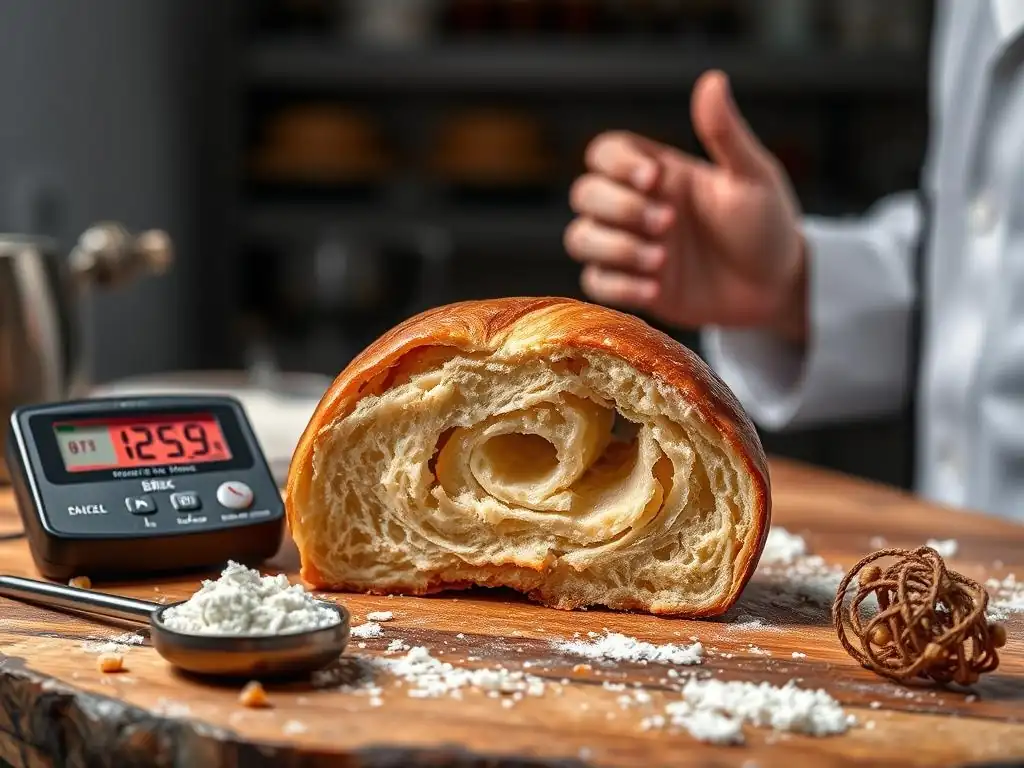
Using Steam for Crust Development and Maillard Reaction
While excessive humidity can hinder browning, a burst of steam at the beginning of the bake is beneficial for many baked goods, including some types of sweet rolls. Steam keeps the surface of the dough moist and elastic for the first 10-15 minutes in the oven. This allows the rolls to achieve maximum oven spring before the crust sets. A more expanded dough means a thinner, more delicate crust is formed later.
Once the steam dissipates (or is released from the oven), the surface temperature can rise rapidly, promoting a more vigorous Maillard reaction and caramelization. This can lead to a thinner, crispier crust initially, which then softens as the rolls cool. For very soft sweet rolls where minimal crust is desired, less steam or no steam might be preferred. However, for rolls where a slight exterior structure is desired, a steaming method (like placing a pan of hot water in the oven) can contribute to better overall crust development before the browning truly kicks in.
Cold Proofing and Its Effect on Maillard Reaction Development
Cold proofing, refrigerating the shaped sweet rolls for several hours or overnight before baking, is a technique that can significantly impact the Maillard reaction. During the slow, cold fermentation, yeast continues to work, albeit slowly, breaking down complex sugars (like sucrose) into simpler reducing sugars (glucose and fructose). This increases the pool of highly reactive sugars available for the Maillard reaction when the rolls finally hit the hot oven.
Additionally, cold dough is slower to heat up in the oven, allowing the interior to warm and expand before the crust sets. This can lead to better oven spring. The longer, slower fermentation also develops more complex flavors in the dough itself, which are then further enhanced by the Maillard reaction during baking. Cold proofing often results in sweet rolls with a deeper, richer brown color and more nuanced flavor compared to rolls proofed solely at room temperature.
Exploring Baking Stones for Even Heat Distribution
Baking stones or steels are thick slabs (ceramic, stone, or steel) placed in the oven during preheating. They absorb and radiate heat very effectively and evenly. When a baking sheet of sweet rolls is placed on a hot baking stone, it receives a significant, consistent burst of heat from below.
This direct, even heat transfer to the bottom of the pan promotes more uniform heating of the dough's base, leading to more consistent and effective Maillard reaction and caramelization on the bottom crust. This helps prevent pale or unevenly browned bottoms, a common issue with just a baking sheet on an oven rack. Using a stone can contribute to better overall color development and a more appealing final appearance for your sweet rolls.
The Final Result: Deliciously Browned and Flavorful Sweet Rolls
Assessing the Maillard Reaction in Your Baked Sweet Rolls
Once your sweet rolls emerge from the oven, take a moment to appreciate the outcome of the Maillard reaction. The ideal result is a beautiful, even golden-to-deep brown color across the surface, depending on the recipe and desired outcome. The color should be rich, not pale, and certainly not black or burnt. The aroma should be enticing – a mix of sweet, caramelized notes mingling with deeper, toasted, and perhaps nutty undertones.
Visually inspect the rolls from all angles. Are the tops evenly browned? Are the sides and bottoms also nicely colored? A cross-section of a roll should reveal a soft, fully cooked interior contrasting with the slightly firmer (though still tender in sweet rolls) exterior crust. The intensity of the brown color is a direct indicator of how much the Maillard reaction has occurred, and it should correspond with a rich, complex flavor profile beyond just sweetness.
Storing Sweet Rolls to Maintain Crust Quality and Flavor
Proper storage is key to preserving the texture and flavor developed by the Maillard reaction. The crust of sweet rolls, while not as hard as artisanal bread, can still be affected by moisture and air. Once the rolls have cooled completely (warm rolls will create condensation), store them in an airtight container at room temperature. This prevents them from drying out and becoming stale.
However, airtight storage will cause the crust to soften over time as moisture from the interior migrates to the surface. If you prefer a slightly firmer crust, you might store them loosely covered for the first day, accepting they may dry out faster. For longer storage, sweet rolls freeze exceptionally well. Wrap individual rolls or the entire pan tightly in plastic wrap and then foil before freezing. Thaw at room temperature and gently reheat in a warm oven (around 300°F or 150°C) for a few minutes to revitalize the crust and flavors, including those from the Maillard reaction.
Enjoying the Fruits of Your Labor: Serving Suggestions
The moment of truth! Serving perfectly baked sweet rolls is the culmination of your baking journey. Enjoy them warm, as this is when the aromas and flavors developed by the Maillard reaction are most pronounced. A classic glaze, cream cheese frosting, or a simple dusting of powdered sugar adds sweetness and moisture that perfectly complements the rich flavors of the browned crust and tender interior.
Consider serving them for breakfast, brunch, or as a special dessert. The complex flavors from the Maillard reaction pair wonderfully with coffee, tea, or a glass of milk. Share them with friends and family and explain a little about the Maillard reaction – you'll sound like a true baking expert! Whether it's a classic cinnamon roll, a sticky bun, or a fruit-filled swirl, understanding and optimizing the Maillard reaction sweet roll baking process elevates your baking from good to truly extraordinary.
Frequently Asked Questions
What is the Maillard reaction, and why is it important in sweet roll baking?
The Maillard reaction is a chemical reaction between amino acids and reducing sugars that occurs upon heating. In sweet rolls, it's crucial for creating the desirable golden-brown color and complex flavor.
How does the sugar content in a sweet roll recipe affect the Maillard reaction?
Higher sugar content generally leads to a more pronounced Maillard reaction. The reducing sugars provide fuel for the reaction, resulting in a deeper color and richer taste. However, too much sugar can lead to burning.
What temperature is optimal for achieving the Maillard reaction in sweet rolls?
The ideal temperature range for the Maillard reaction in sweet rolls is typically between 280°F (140°C) and 330°F (165°C). This temperature range allows for browning without burning, maximizing flavor development.
Besides sugar and temperature, what other factors influence the Maillard reaction in sweet roll baking?
The pH level and moisture content also play a role. A slightly alkaline environment can enhance the reaction, while a certain level of moisture is necessary for it to occur.
How can I troubleshoot if my sweet rolls aren't browning properly, despite following the recipe?
Check your oven temperature for accuracy. You may also need to increase the baking time or brush the rolls with an egg wash or milk to encourage browning if the Maillard reaction is not occurring as expected.
Final Reflection: The Golden Crust and the Science of Sweetness
The Maillard reaction isn't just about browning; it's the very essence of the irresistible aroma and flavor that defines a perfectly baked sweet roll. Understanding its intricacies allows us to move beyond simply following recipes and into a realm of true baking mastery, unlocking the potential for consistently delicious results every time. This knowledge empowers us to troubleshoot problems and create truly unique and exceptional sweet treats.
The impact of the Maillard reaction extends far beyond the confines of our kitchens. It's a fundamental process in countless culinary traditions, shaping our sensory experiences and cultural heritage. The Maillard reaction is the magic behind so many of our favorite foods, from the crust of a loaf of bread to the rich color of roasted coffee beans.
This simple truth highlights the profound influence of a seemingly small chemical process on our collective culinary landscape, a testament to the power of understanding the science behind the art. It's a reminder that even the most seemingly simple act of baking holds a universe of complex interactions waiting to be explored.
Now, consider your own baking journey. What have you learned about the Maillard reaction and its role in your sweet roll baking? Perhaps you've experimented with different sugars, adjusted baking times, or explored new techniques to optimize the browning process. I encourage you to continue exploring, experimenting, and refining your understanding of this fascinating reaction. The next time you bake, remember the science behind the golden crust, and let that knowledge guide you towards creating even more delicious and satisfying sweet rolls. The possibilities are endless.
Unleash Your Inner Baker: Master the Maillard Reaction!
Thanks for diving into the world of the Maillard reaction and its magic in sweet roll baking! You've now unlocked a key to creating truly exceptional pastries. Ready to put your newfound knowledge into action?
- Bake a batch of sweet rolls, focusing on techniques that enhance the Maillard reaction. Experiment with different sugars and baking temperatures to see the difference! This is your chance to put theory into practice.
- Share your baking triumphs (and even your flops!) with our community on social media using #BakeWithEaseMaillard. Let's learn from each other!
- Consider trying a new sweet roll recipe, focusing on techniques to maximize crust color and flavor development. Challenge yourself to push your baking skills further.
What delicious sweet roll creation will you bake next, now that you understand the power of the Maillard reaction?