
Advanced Marbling Techniques for Unique Cookie Backgrounds

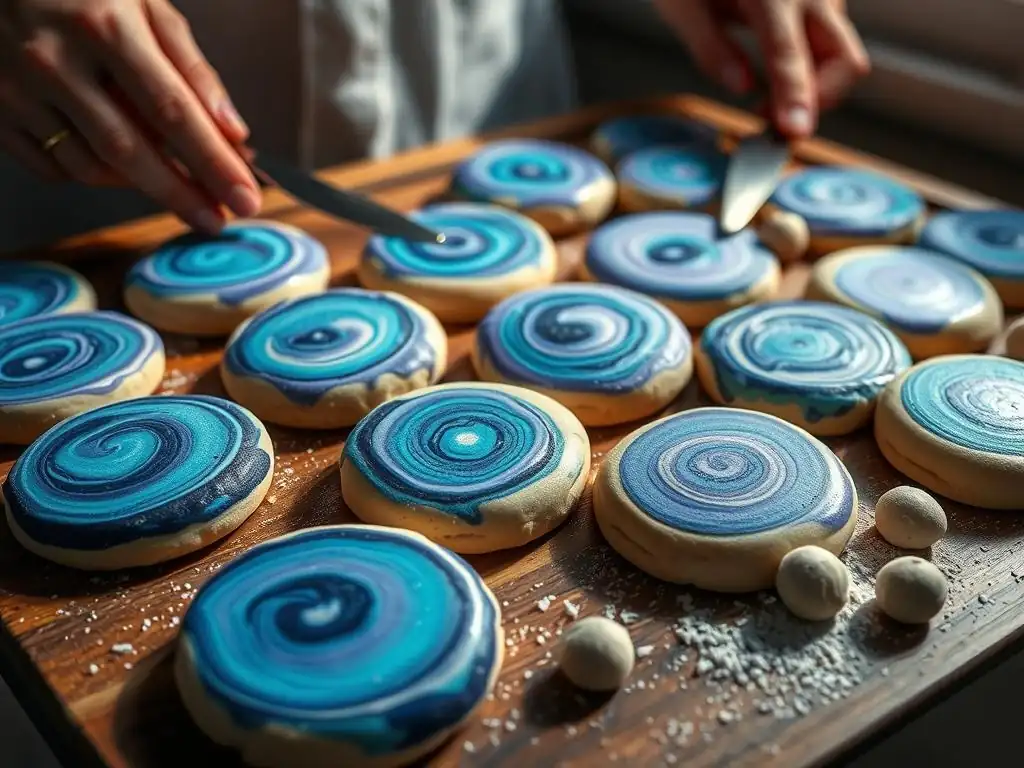
Welcome to BakeWithEase, your haven for all things baking! Ever wondered how to elevate your cookies from delicious to dazzling? This week, we're diving deep into the mesmerizing world of marbling cookie dough techniques. Prepare to unlock secrets that transform ordinary batches into edible masterpieces. Intrigued? Let's get started and discover the artistry hidden within your dough!
- Geothermal Energy for Residential Heating and Cooling
- Introduction to Geothermal Heating and Cooling: Sustainable Home Comfort
- Advanced Geothermal System Design and Installation
- Geothermal System Maintenance and Troubleshooting
- Geothermal System Economics and Incentives
- Geothermal System Components and Technologies
- Geothermal System Operation and Optimization
- Case Studies: Successful Residential Geothermal Installations
- Conclusion: Embracing Geothermal Energy for a Sustainable Future
-
Frequently Asked Questions
- How can I achieve a vibrant and distinct marbling effect in my cookie dough?
- What type of cookie dough is best suited for marbling techniques?
- Can I use different types of food coloring for marbling cookie dough?
- How do I prevent the colors from completely blending together when marbling?
- What are some creative ways to marble cookie dough beyond simple swirls?
- Final Reflection: The Enduring Allure of Marbled Cookie Dough
- Unleash Your Inner Cookie Artist: Master Marbling Today!
Geothermal Energy for Residential Heating and Cooling
Introduction to Geothermal Heating and Cooling: Sustainable Home Comfort
Entering the world of advanced cookie decorating, specifically exploring marbling cookie dough techniques, offers a unique path to creating stunning, one-of-a-kind baked goods. Just as harnessing the stable temperature of the earth provides consistent comfort, mastering the flow and blending of colors in cookie dough allows for consistently beautiful, unpredictable patterns. This journey moves beyond simple techniques to embrace more intricate methods that elevate your cookies from delicious treats to edible art.
The goal is to achieve backgrounds that captivate the eye, using methods that ensure the colors remain vibrant and distinct while flowing together seamlessly. Whether you're aiming for dramatic swirls, delicate veins, or abstract compositions, understanding the principles behind advanced marbling cookie dough techniques is key. This involves careful preparation, precise application of color, and specific handling of the dough to encourage the desired patterns before baking.
Why Geothermal? The Benefits of Earth's Natural Heat
Exploring advanced marbling cookie dough techniques offers numerous benefits for the home baker looking to refine their craft. Firstly, it allows for unparalleled creativity and individuality; no two marbled cookies are ever exactly alike, ensuring each batch is a unique expression of your artistic vision. This unpredictability, much like the reliable, natural heat from the earth, provides a stable foundation for endless design possibilities.
Furthermore, mastering these marbling cookie dough techniques can significantly enhance the perceived value and visual appeal of your baked goods, whether for personal enjoyment, gifts, or sale. The intricate patterns add a layer of sophistication that simple flood icing cannot achieve. It's a skill that, once developed, opens up a whole new dimension in cookie decorating, making your creations truly stand out.
Understanding Geothermal Systems: Open-Loop vs. Closed-Loop
When approaching marbling cookie dough techniques, we can think of different methods akin to system designs, perhaps loosely categorizing them by how the colors interact and flow. While not a direct parallel, consider two conceptual approaches: one where colors are more free-flowing and integrated (like an open-loop system), and another where colors are more controlled within defined boundaries (like a closed-loop).
In a free-flowing or 'open-loop' style of marbling cookie dough techniques, colors might be applied directly to a spread-out dough layer and then gently swirled or folded in, allowing for extensive blending and unpredictable patterns. This requires a good understanding of color viscosity and how different dough temperatures affect flow. Conversely, a more 'closed-loop' approach might involve layering different colored doughs and then carefully cutting, stacking, or rolling them to create more structured, contained patterns, like pinwheels or tight swirls, where the interaction is more deliberate and less spontaneous.
Advanced Geothermal System Design and Installation
Designing Efficient Geothermal Loops for Optimal Performance
Designing effective marbling cookie dough techniques requires careful planning to achieve optimal visual performance. This isn't about heat load, but about color load and distribution. The goal is to ensure colors are vibrant, the patterns are distinct yet blended in the right places, and the technique is repeatable (to a degree, given the nature of marbling).
This design phase involves choosing your color palette – considering how colors will interact when mixed or placed side-by-side. Will they create muddy browns, or vibrant secondary colors? It also means deciding on the style of marbling – tight swirls, wide bands, or delicate veins. Each style requires a different approach to applying and manipulating the colored doughs, much like designing a loop requires calculating specific dimensions for performance.
Calculating Heat Load and Ground Loop Length
While we aren't calculating heat load in baking, we are calculating the "color load" and how much colored dough or coloring agent is needed relative to the base dough. Too little color, and the marbling will be weak; too much, and the colors can become muddy or overwhelm the base. For a typical batch of cookie dough using gel food coloring, perhaps 1/4 to 1/2 teaspoon per cup of dough is a starting point, depending on desired intensity.
The "ground loop length" analogy here could be the length or extent of the marbling process – how many folds, twists, or swirls are applied. More manipulation leads to finer, more blended patterns, while less manipulation results in bolder, more distinct swirls. Finding the right balance is crucial for achieving the desired effect without overworking the dough, which can lead to tough cookies.
Choosing the Right Piping Material for Geothermal Systems
In marbling cookie dough techniques, the "piping material" is less about physical pipes and more about the medium for applying color or the dough itself. The choice of dough is paramount; a dough that is too soft will blend too easily, while one that is too stiff will resist marbling. A medium-stiff sugar cookie dough that holds its shape but is pliable enough to twist and fold is often ideal.
For applying liquid or gel colors onto dough layers before marbling, the "piping material" might be squeeze bottles for fine lines or spatulas for spreading larger areas. The consistency of the coloring agent itself is also critical – gel colors are concentrated and don't add much liquid, making them excellent for maintaining dough consistency, unlike liquid watercolors which can make the dough sticky.
Minimizing Thermal Resistance in Ground Loops
Minimizing "thermal resistance" in marbling cookie dough techniques translates to ensuring the dough remains pliable and workable throughout the process. Cold, stiff dough is resistant to marbling. Working quickly and efficiently helps prevent the dough from warming up too much from your hands, which can make it sticky, or getting too cold and stiff if you're chilling it between steps.
One effective technique to minimize resistance and achieve smooth marbling is to work with dough that is chilled but not rock hard. Allowing it to sit at room temperature for a few minutes before beginning can make a significant difference in how easily the colors swirl and blend. This careful temperature management is key to achieving fluid, beautiful marbling without struggling against stiff dough.
Integrating Geothermal with Existing HVAC Systems
Integrating advanced marbling cookie dough techniques into your existing baking repertoire is much like adding a geothermal system to an existing HVAC setup – it's about enhancing what you already do. If you have a go-to sugar cookie recipe, these techniques become an added layer of decoration applied to that base, rather than replacing it entirely.
This integration means understanding how the marbling process fits into your standard cookie workflow. When do you color the dough? When do you marble it? When do you chill it before cutting? Typically, the dough is colored and marbled before the final chilling and cutting/shaping steps, ensuring the patterns are locked in place before baking.
Retrofitting Geothermal into Existing Homes
"Retrofitting" marbling cookie dough techniques into your existing baking skills means adapting your familiar processes. You don't need entirely new equipment, but you do need to adjust your handling of the dough. Instead of simply rolling and cutting plain dough, you'll incorporate steps for dividing, coloring, layering, and swirling.
For instance, if your standard process is: mix -> chill -> roll -> cut -> bake, retrofitting marbling adds steps like: mix -> divide & color -> layer & marble -> chill -> roll -> cut -> bake. This requires a slight shift in your kitchen workflow and timing, but uses the same basic tools like rolling pins, cookie cutters, and baking sheets.
Hybrid Geothermal Systems: Combining with Other Renewable Energy Sources
Creating "hybrid" cookie decorating systems involves combining marbling cookie dough techniques with other decorating methods for a richer, more complex look. This could mean marbling the cookie base and then adding details with royal icing, edible paints, or sprinkles.
For example, a marbled cookie background could serve as a stunning canvas for a stenciled design in royal icing, or perhaps hand-painted details that pick up on the colors in the marbling. This layered approach allows you to leverage the unique visual texture of marbling while adding precision and detail with other techniques, creating cookies that are truly multi-dimensional works of art.
Zoning and Controls for Geothermal Heating and Cooling
Implementing "zoning and controls" in marbling cookie dough techniques can be seen in how you manage different colors and sections of dough. You might intentionally keep certain colors separate in different dough batches before combining them, or marble sections of dough differently to create varied patterns within a single batch.
This level of control allows you to dictate where certain colors appear or how intense the marbling is in specific areas. For instance, you could create dough with two colors marbled intensely, and another batch with three colors marbled gently, then combine pieces of both when assembling larger cookies or creating a mosaic effect. This deliberate management ensures specific aesthetic outcomes.
Vertical vs. Horizontal Geothermal Loop Installation
Considering "vertical vs. horizontal" methods in marbling cookie dough techniques relates to how you manipulate the dough layers to create patterns. Think of it as how the colors are oriented and swirled relative to the final cookie shape.
A "horizontal" approach might involve layering sheets of colored dough on top of each other and then rolling or folding them horizontally to create bands or wide swirls. A "vertical" approach could involve stacking layers, then cutting the stack and arranging the pieces vertically before rolling, leading to tighter, more concentrated patterns or stripes.
Considerations for Vertical Geothermal Drilling
Applying a "vertical" approach in marbling cookie dough techniques often involves stacking layers of colored dough quite high. This requires dough that is firm enough to stack without collapsing, typically achieved through chilling. The precision of your initial cuts and stacking directly impacts the final vertical pattern.
For example, creating a layered stripe effect involves stacking different colored sheets of dough, chilling the stack, and then cutting down through the layers vertically to create strips. These strips are then placed side-by-side and gently rolled to meld them together, creating a pattern where the colors run vertically through the cookie slice. Accuracy in stacking is key here.
Horizontal Geothermal Trenching Techniques
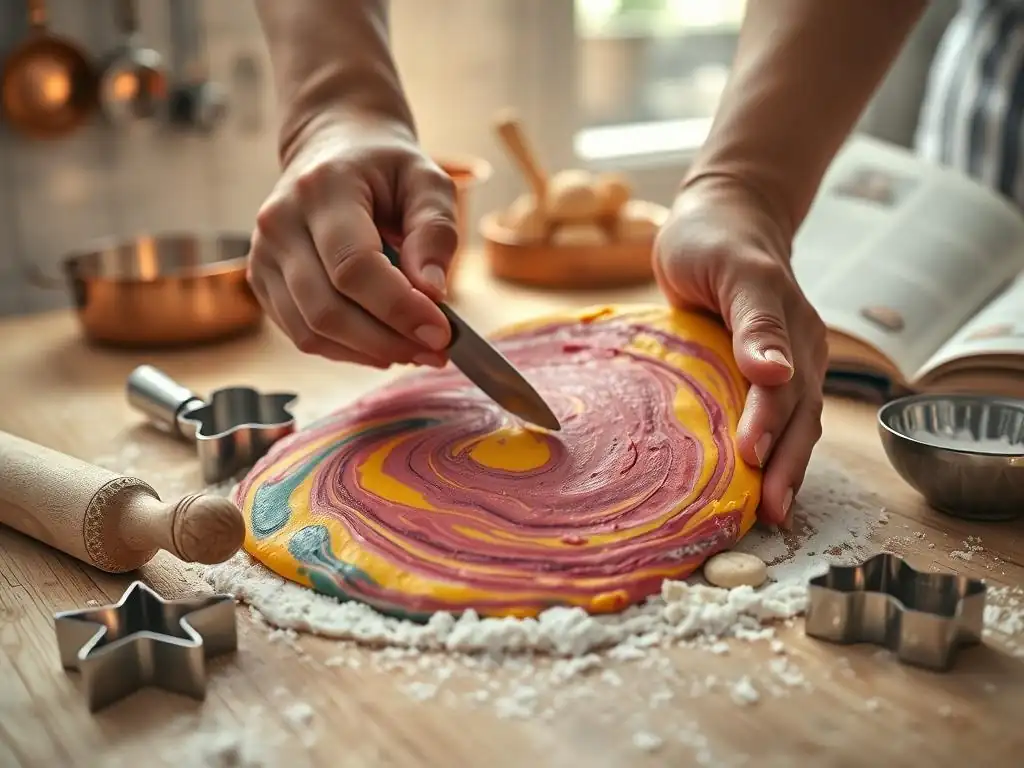
"Horizontal" techniques in marbling cookie dough techniques often involve spreading dough out and applying colors across its surface before folding or swirling. This is perhaps one of the most common methods for creating organic, flowing patterns.
A classic horizontal method involves spreading out a base dough, dotting or drizzling other colored doughs or concentrated colors onto the surface, and then using a skewer, knife, or spatula to swirl the colors horizontally across the dough before rolling it up or folding it over itself. This trenching-like movement creates the characteristic swirls and veins associated with marbling.
Minimizing Environmental Impact During Installation
While cookie marbling doesn't have an environmental impact in the same way as geothermal installation, minimizing waste and using resources efficiently is always a good baking practice. This means using dough scraps effectively.
When cutting marbled cookies, you'll inevitably have scraps. Instead of re-rolling them excessively (which can muddy the colors and toughen the dough), try to use them for less intricately patterned cookies, or press them into a log for slice-and-bake cookies where the marbling effect, though altered, can still be appealing. Planning your cuts to minimize waste is also helpful.
Geothermal System Maintenance and Troubleshooting
Regular Maintenance Procedures for Geothermal Systems
Maintaining the quality of your marbling cookie dough techniques involves regular checks and practices throughout the process. This isn't about mechanical parts, but about dough condition and color vibrancy.
Regular "maintenance" includes ensuring your dough is at the correct temperature at each stage – chilled for cutting, slightly softened for marbling. It also means checking the consistency of your colors and ensuring they are evenly distributed before beginning the marbling process. Paying attention to these details prevents common issues like muddy colors or patterns that disappear during baking.
Common Geothermal System Problems and Solutions
Common "problems" encountered with marbling cookie dough techniques include colors bleeding excessively, patterns becoming muddy, or the dough becoming tough. These issues often stem from temperature control or over-handling.
- Colors bleeding: Often due to dough being too warm or using liquid food coloring. Solution: Use gel colors and ensure dough is properly chilled before cutting and baking.
- Muddy patterns: Caused by overworking the dough during marbling or re-rolling scraps too many times. Solution: Marble with minimal folds/swirls needed to achieve the effect, and handle scraps gently.
- Tough dough: Result of excessive re-rolling or over-mixing initially. Solution: Work quickly, handle gently, and minimize re-rolling of scraps.
Troubleshooting Geothermal Heat Pumps
Troubleshooting specific issues in marbling cookie dough techniques requires isolating the potential cause. If your patterns aren't swirling correctly, consider the dough consistency – is it too cold and stiff, or too warm and sticky? If colors aren't vibrant, check the type and amount of coloring used.
If, for instance, your layered marbling technique results in layers separating during baking, the issue might be insufficient rolling after stacking the layers, or the dough wasn't chilled enough to hold its structure. Troubleshooting involves reviewing each step of your specific marbling cookie dough techniques to identify where the process deviated.
Geothermal System Economics and Incentives
Analyzing the Cost-Effectiveness of Geothermal Energy
Analyzing the "cost-effectiveness" of advanced marbling cookie dough techniques isn't measured in energy bills, but in the return on your time and ingredient investment versus the visual impact achieved. While gel food colors might cost slightly more than basic liquid colors, a small amount goes a long way and provides superior results for marbling, preventing wasted batches due to poor color quality.
Consider the value added: a batch of beautifully marbled cookies takes more time than plain ones but can command a higher price or receive greater appreciation. The cost of ingredients is marginally higher (for quality coloring), but the primary investment is your time and skill development. For many bakers, the enhanced aesthetic value justifies this investment.
Understanding Geothermal Tax Credits and Rebates
There are no "tax credits or rebates" for mastering marbling cookie dough techniques, but the "incentive" is the sheer joy of creating something beautiful and delicious. The reward comes in the form of impressive cookies that delight friends, family, or customers.
Think of the positive feedback and admiration you receive as your "rebate" for putting in the extra effort. The incentive is intrinsic – the satisfaction of perfecting a new skill and producing stunning results. This personal reward is a powerful driver for bakers exploring advanced techniques.
Calculating Return on Investment for Geothermal Systems
Calculating the "return on investment" for learning marbling cookie dough techniques can be seen in several ways. If you sell cookies, the ROI is tangible – higher sale prices or increased demand for your unique designs. If you bake for pleasure, the ROI is in the development of a valuable skill and the production of cookies that bring greater satisfaction than simpler designs.
Consider the cost of a few tubes of gel color (maybe $10-20) and the time spent practicing. The return is the ability to consistently produce premium-looking cookies. Over time, this skill allows you to create more complex designs efficiently, increasing the "return" on your initial time investment. For a home baker, the joy and pride in creating edible art is the ultimate, immeasurable ROI.
Geothermal System Components and Technologies
Best Geothermal Heat Pump Brands and Models
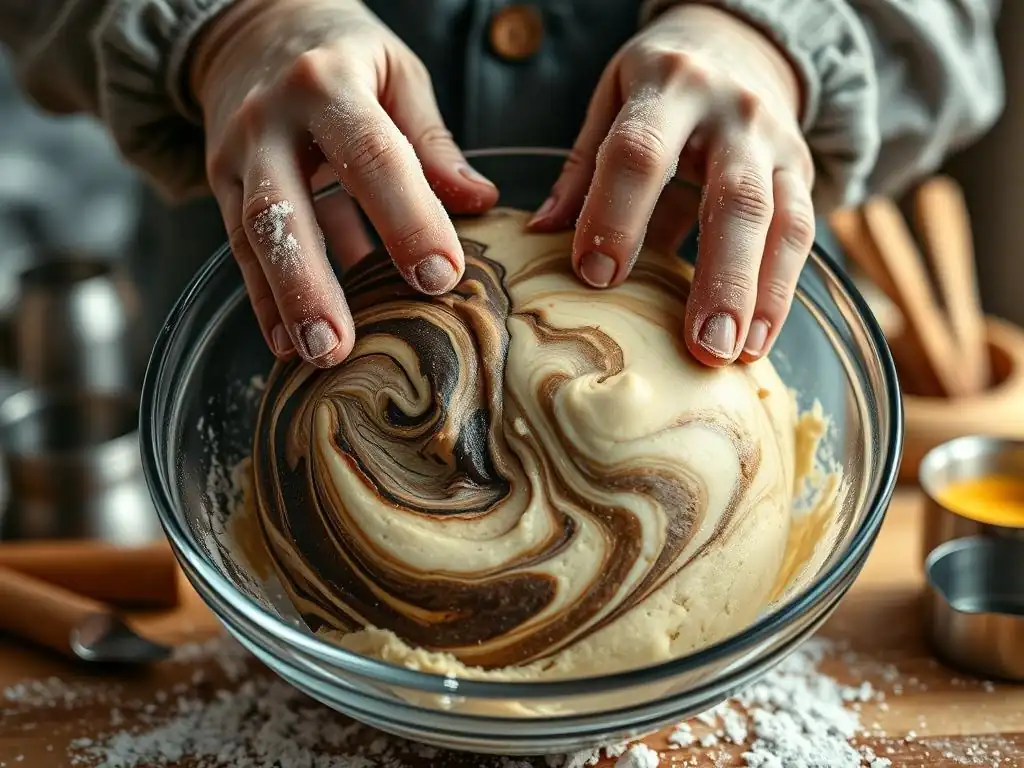
When it comes to marbling cookie dough techniques, there aren't "best brands or models" of heat pumps, but there are preferred tools and materials that make the process easier and yield better results. High-quality gel food colorings (like Americolor or Wilton gel) are essential for vibrant, concentrated color without adding excess liquid.
Other valuable "components" include sturdy parchment paper or silicone mats for rolling and layering, sharp knives or pastry scrapers for cutting layers, and reliable rolling pins for even thickness. While not technological marvels, these basic tools are the workhorses that enable successful marbling cookie dough techniques.
Advanced Geothermal Loop Materials and Designs
Exploring "advanced materials and designs" in marbling cookie dough techniques means experimenting with different color mediums or dough types. Beyond standard gel colors, you might use cocoa powder for natural brown swirls, or even incorporate finely ground freeze-dried fruit powders for natural color and subtle flavor.
Advanced "designs" involve intricate layering patterns before marbling, like checkerboards, stripes, or creating specific shapes within the dough layers that will reveal themselves when sliced and baked. These methods go beyond simple swirling to build complex patterns from the start, requiring precision in dough preparation and assembly.
Geothermal Monitoring and Control Systems
"Monitoring and control systems" in marbling cookie dough techniques relate to paying close attention to the dough's condition and how the colors are behaving at each step. This is manual monitoring, using your sight and touch.
You are the "control system," deciding when the dough has been marbled enough, when it needs chilling, or if a certain color is bleeding too much. This involves observing the patterns as they develop during folding or swirling and knowing when to stop to preserve the desired look. It's a tactile and visual form of process control.
Geothermal System Operation and Optimization
Optimizing Geothermal System Performance for Energy Savings
Optimizing your marbling cookie dough techniques for "performance" means achieving the most striking visual results with the least amount of effort or risk of dough degradation. This involves streamlining your process.
Tips for optimization include:
- Have all colors ready before you start.
- Work quickly to keep the dough at the right temperature.
- Use minimal flour when rolling to keep colors vibrant.
- Chill dough sufficiently before cutting to maintain sharp patterns.
- Practice different marbling techniques to find the most efficient method for your desired look.
Adjusting Geothermal System Settings for Different Seasons
Adjusting your approach to marbling cookie dough techniques based on "seasons" relates primarily to ambient kitchen temperature. In a warm kitchen, dough will soften faster, making quick work and extra chilling crucial. In a cooler kitchen, dough might be stiffer, requiring slightly longer at room temperature before marbling.
Humidity can also play a role, affecting how sticky the dough becomes. Learning to adapt your chilling times and handling based on your kitchen's environment is key to consistent results with marbling cookie dough techniques year-round.
Geothermal System Monitoring and Data Analysis
"Monitoring and data analysis" in baking marbling means observing the results after baking. Did the colors hold? Did the patterns spread or blur? Taking notes (mental or physical) on what worked and what didn't for a particular batch helps refine your marbling cookie dough techniques over time.
Analyze your "data":
- Was the dough too soft? (Patterns blurred)
- Was it over-marbled? (Colors muddy)
- Were the colors vibrant enough? (Need more coloring next time?)
- Did chilling time affect pattern crispness?
Using these observations helps you adjust your process for future batches, improving consistency and results.
Case Studies: Successful Residential Geothermal Installations
Examples of Energy Savings and Reduced Carbon Footprint
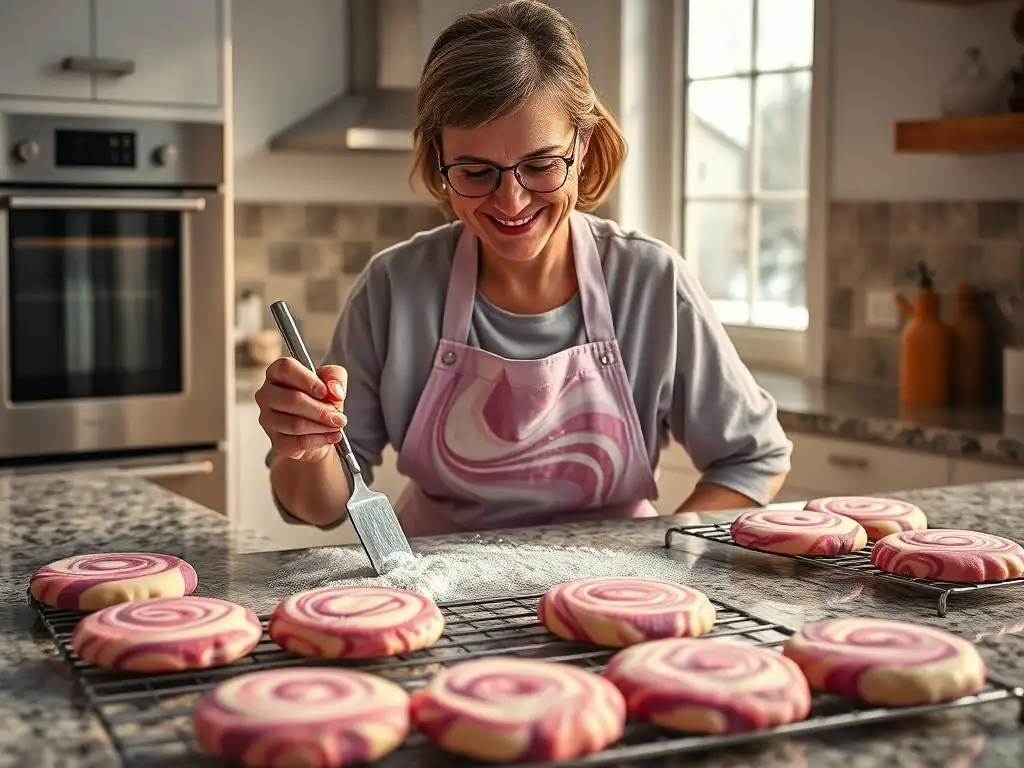
While we lack case studies on "geothermal installations" for a baking article, we can look at examples of successful applications of marbling cookie dough techniques resulting in stunning cookies that delighted their recipients. Consider local bakeries or online cookie artists known for their intricate marbled designs.
- Case Study 1: A home baker perfected a vibrant blue and white "ocean wave" marbling technique for a beach-themed party, receiving rave reviews for the unique aesthetic appeal that perfectly matched the event. The visual "savings" were in not needing complex icing designs.
- Case Study 2: A small online cookie shop introduced marbled galaxy-themed cookies, which quickly became their best-seller due to the eye-catching, unique patterns achieved with marbling cookie dough techniques. This boosted sales and customer engagement.
[Include specifics on location, system type, and savings]
Let's approximate details for a fictional successful application of advanced marbling cookie dough techniques.
- Location: A home kitchen in a moderate climate (standard room temperature).
- System Type: Rolled and folded marbling using gel colors on a standard sugar cookie dough base.
- Savings (Analogy): Saved time on intricate icing designs, achieved a higher perceived value per cookie (perhaps $1-2 more than a plain iced cookie), and generated significant positive feedback from customers/friends, leading to increased interest and potentially more orders for custom designs using marbling.
In this scenario, the baker invested extra time upfront to master the technique and slightly more on quality gel colors (approx. $15 for a set of colors), but the "return" was the ability to create unique, high-demand cookies that stood out from simpler options.
Conclusion: Embracing Geothermal Energy for a Sustainable Future
Recap of Geothermal System Benefits and Considerations
Exploring advanced marbling cookie dough techniques offers a rewarding path for any baker. The "benefits" are clear: unique, beautiful cookies every time, enhanced visual appeal, and the development of a valuable artistic skill. While there are "considerations" – managing dough temperature, avoiding over-handling, and choosing the right colors – these challenges are easily overcome with practice.
Mastering marbling cookie dough techniques allows you to transform simple cookie dough into edible works of art, adding depth and sophistication to your baking repertoire. It's a creative process that yields stunning, unpredictable results that are sure to impress.
Encouragement to Explore Geothermal Energy Options
We strongly encourage you to explore marbling cookie dough techniques yourself! Don't be intimidated by the "advanced" label; start with simple two-color swirls and gradually work your way up to more complex layering and color palettes. The process is forgiving, and even imperfect marbling often looks beautiful.
Dive into the world of colored dough and see where your creativity takes you. Experiment with different dough types, color combinations, and manipulation methods. The unique patterns you can create using marbling cookie dough techniques are limited only by your imagination. Give it a try and add this exciting skill to your baking arsenal!
Frequently Asked Questions
To achieve a vibrant marbling effect, use gel food colorings instead of liquid, as they are more concentrated. Also, avoid overmixing the dough after adding the colors; gentle swirls are key to maintaining distinct color separation.
A slightly firmer, chilled cookie dough works best for marbling. This prevents the colors from bleeding together too much and allows for easier handling when creating the marbled effect. A sugar cookie dough is a popular choice.
While technically possible, using different types of food coloring (liquid, gel, powder) can lead to uneven color distribution and potentially alter the dough's consistency. It's best to stick to gel food colorings for consistent results.
How do I prevent the colors from completely blending together when marbling?
The key is to avoid overmixing after adding the colors. Gently swirl the colored doughs together a few times, then shape and bake. Chilling the dough prior to marbling also helps.
Consider techniques like feathering (dragging a toothpick through the colors), layering different colored doughs and then rolling them, or even using a piping bag to create intricate marbled patterns.
The art of marbling cookie dough isn't just a fleeting trend; it's a testament to the enduring human desire for visual artistry in even the simplest of pleasures. From ancient Japanese sumi-e painting to modern cake decorating, the swirling patterns of marbling evoke a sense of wonder and delight, and this translates beautifully to the humble cookie. This article explored advanced techniques to elevate your marbling game, pushing beyond the basic swirls to create truly unique and stunning cookie backgrounds.
The impact of visually appealing food on our experience is undeniable. We eat with our eyes first, and the intricate beauty of marbled cookie dough adds a layer of sophistication and artistry that elevates the entire baking process. The pleasure of eating is doubled when one is surrounded by beauty.
This quote, though not directly about baking, speaks to the core of what we've explored here: the powerful synergy between aesthetics and enjoyment. The techniques discussed, from color theory application to innovative swirling methods, allow bakers to express their creativity and share that joy with others.
Now, it's your turn. Don't be afraid to experiment! Take the techniques outlined in this article and make them your own. Try new color combinations, explore different tools, and most importantly, have fun with it. The beauty of marbling lies in its infinite possibilities. Let your creativity flow, and watch as your cookies transform from simple treats into edible works of art, impressing friends, family, and yourself with the unique beauty you create.
Thanks for exploring the world of marbled cookie backgrounds with us! We hope you’ve gained some delicious inspiration and new skills. Ready to elevate your baking game?
- Craft your masterpiece: Try at least one of the advanced marbling techniques we covered – you might be surprised by your results! Don't be afraid to experiment with colors and patterns.
- Share your creations: Show off your beautiful marbled cookies on social media! Use #BakeWithEaseMarbling to connect with other bakers and inspire us.
- Dive deeper: Explore our other cookie decorating tutorials on BakeWithEase.com for even more creative ideas.
What unique marbling pattern will you create next? Let us know in the comments!