
Beginner's Guide to Baking a Classic Vanilla Cake

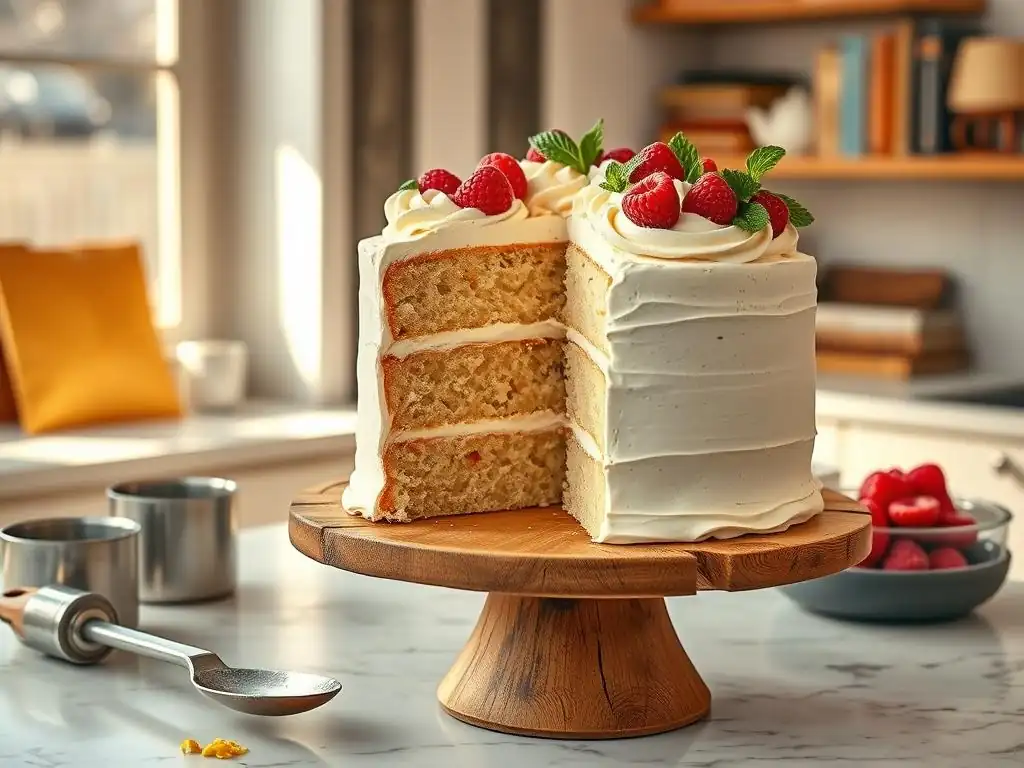
Welcome to BakeWithEase, your kitchen companion for conquering the sweet world of baking! Ever dreamed of effortlessly whipping up a show-stopping dessert? Then you're in the right place. Dive into our guide and discover the secrets to a perfectly moist and delicious easy vanilla cake recipe – a foundational skill that will unlock a universe of pastry possibilities. What are you waiting for? Let's get baking!
- Beginner's Guide to Baking a Classic Vanilla Cake: An Easy Vanilla Cake Recipe
- Introduction to Easy Vanilla Cake Baking with BakeWithEase
- Gathering Your Ingredients for the Perfect Vanilla Cake
- Step-by-Step: Baking Your First Easy Vanilla Cake
- Making a Simple Vanilla Buttercream Frosting
- Assembling and Decorating Your Easy Vanilla Cake
- Troubleshooting Common Vanilla Cake Baking Problems
- Storing Your Delicious Vanilla Cake
- Variations on the Classic Vanilla Cake Recipe
- Conclusion: Enjoy Your Homemade Easy Vanilla Cake!
-
Frequently Asked Questions
- What makes this vanilla cake recipe "easy" for beginners?
- What are the essential ingredients for a classic vanilla cake, according to BakeWithEase?
- How can BakeWithEase help me troubleshoot common vanilla cake baking problems?
- Does BakeWithEase offer variations or substitutions for this vanilla cake recipe?
- What other baking resources can I find on BakeWithEase besides this vanilla cake recipe?
- Final Reflection: The Sweet Simplicity of Baking
- Unleash Your Inner Baker: Bake a Perfect Vanilla Cake Today!
Beginner's Guide to Baking a Classic Vanilla Cake: An Easy Vanilla Cake Recipe
Introduction to Easy Vanilla Cake Baking with BakeWithEase
Why Vanilla Cake is the Perfect Baking Project for Beginners
Embarking on your baking journey can seem daunting, but starting with a classic easy vanilla cake recipe is one of the most rewarding ways to begin. Vanilla cake provides a fundamental foundation for understanding core baking techniques like creaming butter and sugar, mixing batter correctly, and judging when a cake is perfectly baked. Its simple flavor profile allows you to focus on the texture and structure, which are crucial skills for any aspiring baker.
Moreover, a basic vanilla cake recipe is incredibly versatile. Once you've mastered the simple version, you can easily adapt it with different frostings, fillings, or mix-ins. It's a universally loved flavor, making it a crowd-pleaser for any occasion, from casual weeknight desserts to special celebrations. This initial success with an easy vanilla cake recipe builds confidence and encourages further exploration in the kitchen.
BakeWithEase's Commitment to Simple Baking Recipes
At BakeWithEase, we believe that everyone can bake delicious treats, regardless of their experience level. Our platform is dedicated to demystifying baking, providing clear, step-by-step instructions that make even seemingly complex recipes approachable. We focus on using standard ingredients and techniques that yield consistent, delightful results every time.
Our easy vanilla cake recipe is a prime example of this commitment. We've streamlined the process, focusing on the essential steps needed to create a moist, tender, and flavorful cake. Our goal is to empower you to bake with confidence, turning potential kitchen mishaps into successful baking adventures. You'll find that following our guides makes baking a joy, not a chore.
Gathering Your Ingredients for the Perfect Vanilla Cake
The Essential Vanilla Cake Ingredients List
To bake this delightful easy vanilla cake recipe, gather the following items. Having everything measured and ready before you start mixing (a technique known as "mise en place") is a key step for smooth baking.
- [ ] All-purpose flour (or cake flour)
- [ ] Granulated sugar
- [ ] Unsalted butter, softened
- [ ] Large eggs
- [ ] Milk (whole milk recommended)
- [ ] Vanilla extract (pure extract is best)
- [ ] Baking powder
- [ ] Salt
Understanding the Role of Each Ingredient in Vanilla Cake Baking
Every ingredient in an easy vanilla cake recipe plays a vital role in creating the final product's texture, flavor, and structure. Understanding these functions helps you troubleshoot and adapt recipes in the future. For instance, flour provides the structure, while sugar adds sweetness, tenderness, and moisture.
Fats like butter or oil contribute to tenderness and moisture, and leaveners like baking powder ensure the cake rises. Eggs bind everything together and add richness and structure. Liquids like milk dissolve sugar and salt, activate leaveners, and contribute to the batter's consistency. And, of course, vanilla extract is crucial for that signature vanilla flavor in your vanilla cake.
Flour Types for Vanilla Cake: All-Purpose vs. Cake Flour
Choosing the right flour significantly impacts the texture of your easy vanilla cake recipe. All-purpose flour, commonly found in most kitchens, has a moderate protein content, typically ranging from 10% to 12%. This protein develops gluten, which provides structure to the cake. Using all-purpose flour results in a cake with a good crumb that is sturdy enough for layering and frosting.
Cake flour, on the other hand, has a lower protein content, usually around 7% to 9%. This lower protein level means less gluten development, resulting in a softer, finer, and more tender crumb. While all-purpose flour works perfectly fine for a delicious easy vanilla cake recipe, using cake flour can elevate the texture to be even lighter and more delicate. If using cake flour, you might need a slightly different measurement than with all-purpose, as it's lighter by volume.
Sugar's Impact on Texture and Sweetness
Sugar in an easy vanilla cake recipe does far more than just provide sweetness. Granulated sugar is a "tenderizer," meaning it interferes with gluten development and protein coagulation, resulting in a softer cake. It also contributes to moisture retention, helping to keep the cake from drying out quickly.
Furthermore, sugar aids in the creaming process with butter, creating tiny air pockets that contribute to the cake's rise and light texture. During baking, sugar also contributes to the browning of the crust through caramelization and the Maillard reaction. The amount of sugar is balanced to ensure sweetness without making the cake overly moist or heavy.
Butter vs. Oil: Choosing the Right Fat for Your Vanilla Cake
The choice of fat in your easy vanilla cake recipe affects both flavor and texture. Butter, especially unsalted butter, is often preferred for classic vanilla cakes because it contributes a rich, dairy flavor that complements the vanilla beautifully. Using softened butter and creaming it with sugar is a fundamental step that incorporates air, leading to a lighter cake crumb.
Oil, such as vegetable or canola oil, results in a cake that is generally more moist and tender, as oil is liquid at room temperature and coats flour proteins more effectively than solid butter. However, oil doesn't contribute flavor in the same way butter does, nor does it allow for the creaming process that adds air. For this easy vanilla cake recipe, we recommend butter for its classic flavor and contribution to texture through creaming.
Vanilla Extract: Elevating Your Vanilla Cake Flavor
Vanilla extract is the star flavor component in a classic easy vanilla cake recipe. Its quality significantly impacts the final taste. Pure vanilla extract, made from vanilla beans soaked in alcohol, offers a complex aroma and flavor profile that artificial vanilla simply cannot replicate.
Using a good quality pure vanilla extract ensures that the vanilla flavor is pronounced and pleasant, rather than tasting artificial or weak. While the quantity might seem small compared to other ingredients, the impact is huge. For an extra boost of vanilla flavor, some bakers like to add a tiny pinch of vanilla bean paste or scrape seeds from half a vanilla bean, though pure extract is sufficient for a delicious easy vanilla cake recipe.
Step-by-Step: Baking Your First Easy Vanilla Cake
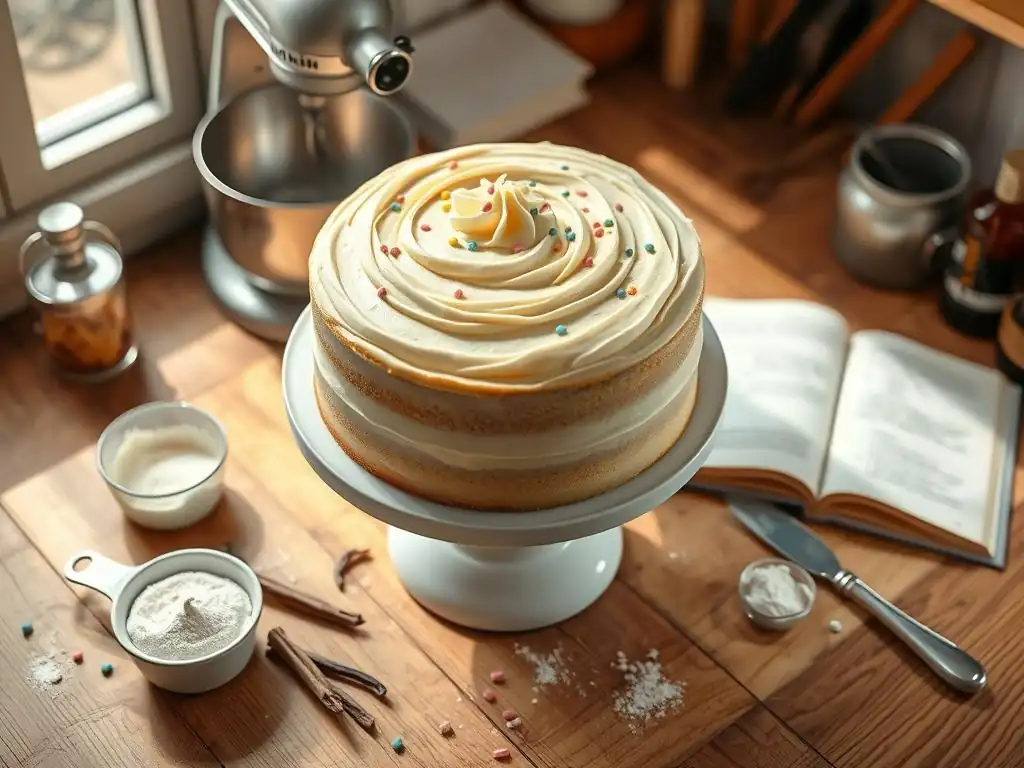
Step 1: Preparing Your Baking Pans for Vanilla Cake
Proper pan preparation is crucial to ensure your easy vanilla cake recipe doesn't stick. Start by choosing the correct size pans specified in the recipe, typically two 8-inch or 9-inch round pans for a layer cake. Grease the pans generously with butter or baking spray, making sure to coat the bottoms and sides thoroughly.
Next, line the bottom of each greased pan with a circle of parchment paper. This creates an extra layer of non-stick protection and makes removing the baked cake much easier. After placing the parchment paper, you can lightly grease the paper as well for extra security, though it's often not strictly necessary if the pan was well-greased initially. This simple step prevents frustration when it's time to turn out your perfectly baked vanilla cake layers.
Step 2: Creaming Butter and Sugar for a Light and Fluffy Cake
The creaming method is key to achieving a light and airy texture in your easy vanilla cake recipe. Begin with softened unsalted butter and granulated sugar. In a large bowl, ideally using an electric mixer (stand or hand), beat the butter and sugar together on medium speed.
Continue beating for several minutes, typically 3 to 5 minutes, until the mixture becomes pale yellow, light, and fluffy. You'll notice the volume increases as air is incorporated. This process creates tiny air pockets within the fat, which expand during baking and contribute to the cake's rise. Scrape down the sides and bottom of the bowl occasionally to ensure everything is evenly combined. Don't rush this step; it's foundational for a tender crumb.
Step 3: Incorporating Eggs into Your Vanilla Cake Batter
Eggs play multiple roles in your easy vanilla cake recipe: they add richness, help bind ingredients, contribute to structure, and aid in leavening. For best results, ensure your eggs are at room temperature before adding them to the creamed butter and sugar mixture. Room temperature eggs emulsify better with the fat, resulting in a smoother batter.
Add the eggs one at a time, beating well after each addition until fully incorporated. Scrape down the bowl as needed. Avoid adding all the eggs at once, as this can cause the mixture to curdle. The mixture might look slightly curdled even when adding one at a time, but don't worry; it will smooth out once the dry ingredients are added. Continue beating until the mixture is smooth and well-combined after the last egg.
Step 4: Combining Dry and Wet Ingredients for a Smooth Batter
This step involves alternating the addition of your dry ingredients (flour, baking powder, salt) and wet ingredients (milk, vanilla extract) to the creamed mixture. This method helps create a smooth, well-emulsified batter and prevents overmixing. Combine the dry ingredients in a separate bowl and the wet ingredients (milk with vanilla extract) in another.
Begin by adding about one-third of the dry ingredients to the butter-sugar-egg mixture and mixing on low speed just until combined. Then, add half of the wet ingredients and mix until combined. Repeat this process, adding another third of the dry ingredients, then the remaining wet ingredients, and finally the remaining dry ingredients. Mix on low speed only until just combined. Overmixing at this stage can develop too much gluten, resulting in a tough cake. A few small lumps are acceptable.
Step 5: Baking Your Vanilla Cake to Golden Perfection
Pour the prepared batter evenly into your greased and floured pans. Gently tap the pans on the counter a couple of times to remove any large air bubbles and level the batter. Place the pans in your preheated oven. Baking time will vary depending on your oven and pan size, but a typical range for 8 or 9-inch rounds is between 25 and 35 minutes.
Keep an eye on the cakes as they bake. They should rise, become golden brown around the edges, and start to pull slightly away from the sides of the pan. Avoid opening the oven door too early, especially in the first 20 minutes, as this can cause the cakes to sink.
Oven Temperature and Baking Time Tips
For a reliable easy vanilla cake recipe, preheating your oven correctly is vital. Most vanilla cake recipes call for a temperature of 350°F (175°C). It's a good idea to use an oven thermometer to verify your oven's accuracy, as many home ovens can be off by 25°F or more. Bake time is a guideline, and it's more important to check for doneness than strictly adhere to the clock.
As mentioned, for standard layer cakes, expect a baking time in the range of 25-35 minutes. If baking cupcakes from this easy vanilla cake recipe, the time will be significantly shorter, perhaps 18-22 minutes. Larger or smaller pans will also affect baking time. Always start checking for doneness at the lower end of the recommended time range.
Checking for Doneness: The Toothpick Test
The most common and reliable way to check if your vanilla cake is done is the toothpick test. Gently insert a toothpick or a thin skewer into the center of the cake. If it comes out clean or with just a few moist crumbs attached, the cake is ready. If it comes out with wet batter, the cake needs more time.
Another sign of doneness is that the edges of the cake will begin to shrink away from the sides of the pan. The top of the cake should also spring back lightly when gently pressed. Once the cake passes these tests, remove it from the oven and let it cool in the pans on a wire rack for about 10-15 minutes before attempting to remove them. This allows the cake to set and prevents it from breaking.
Making a Simple Vanilla Buttercream Frosting
Ingredients for a Classic Vanilla Buttercream
No easy vanilla cake recipe is complete without a delicious frosting! A classic vanilla buttercream is the perfect complement. You'll need just a few ingredients for this simple recipe:
- [ ] Unsalted butter, softened
- [ ] Powdered sugar (confectioners' sugar)
- [ ] Milk or heavy cream
- [ ] Pure vanilla extract
- [ ] Pinch of salt (optional, balances sweetness)
Step-by-Step Guide to Making Vanilla Buttercream
Making vanilla buttercream is straightforward. Start with softened butter in a large bowl, ideally using an electric mixer. Beat the butter on medium speed until it is smooth and creamy, about 2-3 minutes. Gradually add the powdered sugar, about a cup at a time, mixing on low speed to avoid a cloud of sugar dust. Once a cup is incorporated, increase speed to medium and beat until smooth before adding the next.
Once all the sugar is added, the mixture will be quite thick. Now, add the milk or cream and the vanilla extract. Start with a smaller amount of liquid (e.g., 2 tablespoons) and beat on medium-high speed for 3-5 minutes. The mixture will become lighter in color and fluffy. If the frosting is too thick, add more liquid, a tablespoon at a time, beating well after each addition until the desired consistency is reached.
Tips for Achieving the Perfect Buttercream Consistency
The key to perfect vanilla buttercream is adjusting the liquid until it's spreadable but holds its shape. If your buttercream is too thick or stiff, add milk or cream one tablespoon at a time, beating thoroughly until it's smooth and easy to spread. Be careful not to add too much at once.
If your buttercream is too thin or runny, this usually means you added too much liquid or the butter was too soft. You can fix this by adding more powdered sugar, a quarter cup at a time, beating until the desired consistency is achieved. Chilling the buttercream for 15-30 minutes can also help firm it up slightly if needed before frosting your easy vanilla cake recipe.
Assembling and Decorating Your Easy Vanilla Cake
Leveling Your Cake Layers for a Professional Finish
Once your vanilla cake layers have cooled completely on a wire rack (this takes at least an hour, sometimes longer), you'll want to level them if they have a dome. This creates flat surfaces that stack neatly, giving your easy vanilla cake recipe a professional look. Use a long serrated knife or a cake leveler.
Hold the knife parallel to the counter and gently saw back and forth to slice off the dome, making the top perfectly flat. You can save these cake scraps for snacking or use them in trifles or cake pops! Leveling ensures your layers stack evenly and the frosting goes on smoothly without bulges.
Frosting Your Vanilla Cake: A Smooth and Even Application
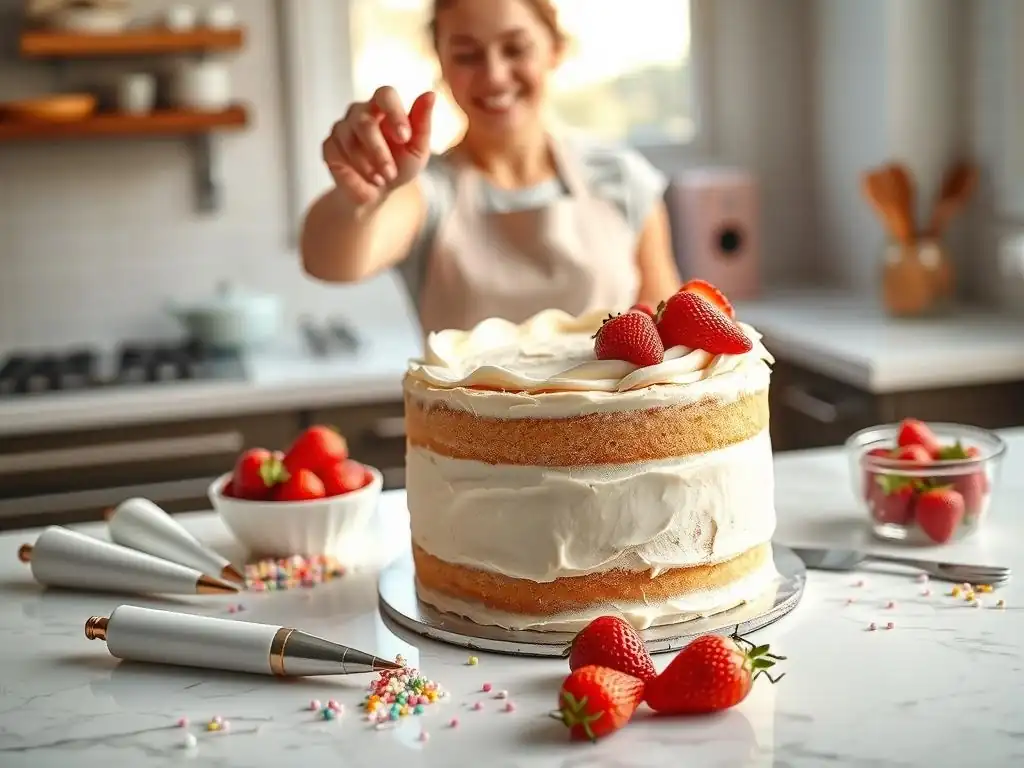
Now for the fun part: frosting your easy vanilla cake recipe! Place one leveled cake layer on your serving plate or cake stand. Dollop a generous amount of vanilla buttercream onto the center of the layer. Use an offset spatula to spread the frosting evenly over the top, going all the way to the edges.
Carefully place the second cake layer on top, aligning it as best as possible. Apply a thin layer of frosting all over the outside of the cake – the top and sides. This is called the "crumb coat" and traps any loose crumbs. Chill the cake in the refrigerator for 15-30 minutes until the crumb coat is firm. Then, apply a thicker, final layer of frosting, using your spatula to smooth it out or create decorative swirls.
Simple Decoration Ideas for Your Homemade Vanilla Cake
Decorating your easy vanilla cake recipe doesn't have to be complicated. Even a simple frosting job looks beautiful, but a few easy additions can elevate it. You can use the offset spatula or the back of a spoon to create swirls or texture in the frosting.
Another simple idea is to pipe decorative borders around the top and bottom edges using a piping bag fitted with a star or round tip. Don't worry about perfection; homemade charm is part of the appeal!
Sprinkles and Other Easy Decorations
Sprinkles are a classic and easy way to decorate your easy vanilla cake recipe. You can apply them to the sides, the top, or just around the base. Jimmies, nonpareils, or sanding sugar all work well. Just gently press them into the frosting before it sets.
Other simple decorations include fresh berries (strawberries, raspberries), chocolate shavings, toasted coconut flakes, or finely chopped nuts if allergies aren't an issue. Even a simple dusting of powdered sugar or a few strategically placed candles can make your homemade vanilla cake celebration-ready.
Troubleshooting Common Vanilla Cake Baking Problems
Cake is Dry: Causes and Solutions
A dry vanilla cake is a common issue, often resulting from over-baking. Baking the cake for too long at too high a temperature evaporates too much moisture. To avoid this with your easy vanilla cake recipe, always check for doneness at the earliest recommended time using the toothpick test.
Another cause can be insufficient fat or liquid in the recipe, or inaccurate measuring (too much flour, not enough butter/milk). Ensure you measure ingredients correctly, ideally using a kitchen scale for flour. If your cake turns out dry, you can try brushing the layers with a simple syrup (equal parts sugar and water heated until sugar dissolves) or milk after baking to add moisture back before frosting.
Cake is Dense: Possible Reasons and Fixes
If your easy vanilla cake recipe turns out dense instead of light and fluffy, several factors could be at play. Overmixing the batter is a primary culprit; it develops too much gluten, leading to a tough, heavy texture. Remember to mix dry and wet ingredients only until just combined.
Using ingredients that are too cold (especially butter and eggs) can also result in a dense cake because they don't emulsify properly or incorporate air effectively during the creaming stage. Ensure your butter is softened and eggs are at room temperature. Check that your baking powder is fresh and active, as expired leavening won't provide enough lift.
Cake Sank in the Middle: How to Prevent It
A sunken vanilla cake is frustrating! This usually happens when the cake is removed from the oven before it's fully baked. The underbaked center doesn't have enough structure to support itself as it cools. Opening the oven door too early or too frequently during baking can also cause temperature fluctuations that lead to sinking.
To prevent this with your easy vanilla cake recipe, resist the urge to check the cake until at least two-thirds of the way through the baking time. Always perform the toothpick test in the center of the cake to confirm it's fully baked before removing it. Ensure your oven temperature is accurate and consistent.
Frosting is Too Runny or Too Thick: Adjusting the Consistency
Buttercream consistency can be tricky, but it's easily fixable. If your vanilla buttercream is too runny, it likely needs more powdered sugar. Add it gradually, a quarter cup at a time, beating well until the desired thickness is reached. Sometimes, if the butter was too soft initially, chilling the finished buttercream for 15-30 minutes can help firm it up.
If the buttercream is too thick or stiff, add more liquid (milk or cream) one tablespoon at a time, beating until smooth and spreadable. You can also add a tiny amount of softened butter if it's still too stiff. Adjusting consistency is all about finding the right balance of powdered sugar to liquid for easy spreading and piping on your easy vanilla cake recipe.
Storing Your Delicious Vanilla Cake
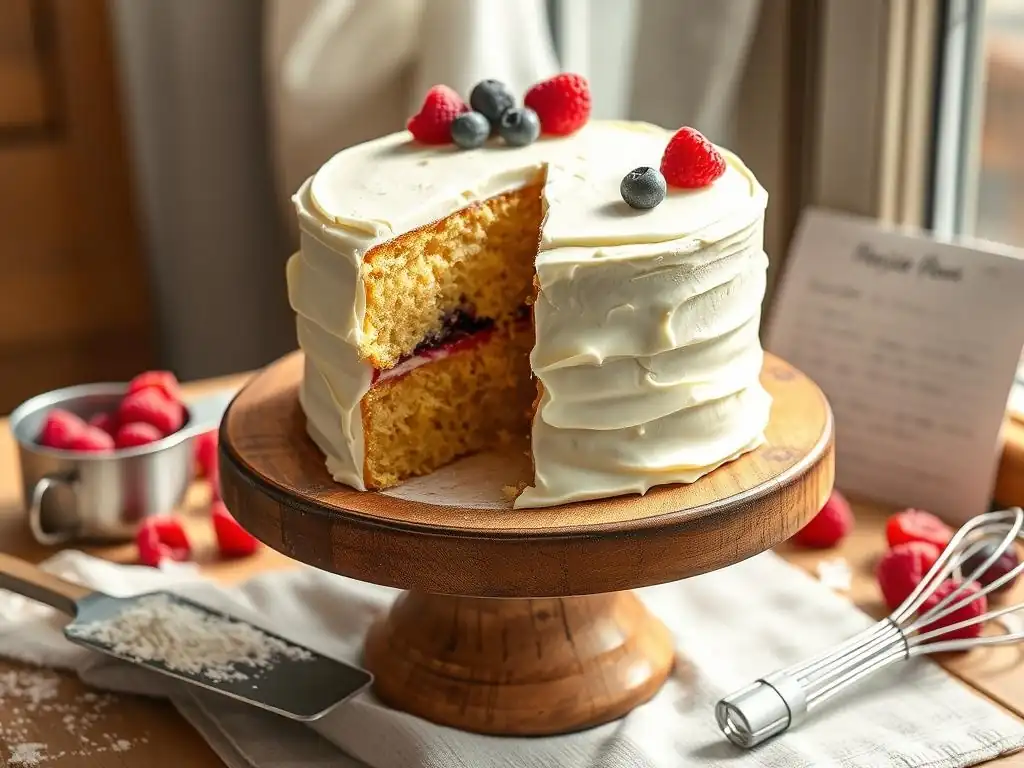
Proper Storage Methods for Vanilla Cake
Proper storage is key to keeping your easy vanilla cake recipe fresh and moist. If the cake is unfrosted and cooled, wrap each layer tightly in plastic wrap, then in aluminum foil. Store at room temperature for 1-2 days, or refrigerate for up to 5 days.
Frosted cake should be stored in an airtight cake carrier or container. If you don't have one, you can cover the cut surfaces with plastic wrap and then loosely cover the entire cake. Storing at room temperature is generally best for frosted cake (unless it contains perishable fillings like cream cheese or fresh fruit), as refrigeration can dry it out.
How Long Does Vanilla Cake Last?
An unfrosted vanilla cake stored correctly at room temperature will typically stay fresh for 1 to 2 days. If refrigerated, it can last up to 5 days. Frosted vanilla cake, stored in an airtight container at room temperature, is usually best enjoyed within 3 to 4 days.
For longer storage, vanilla cake freezes exceptionally well. Wrap unfrosted layers tightly in plastic wrap and foil, then place in a freezer bag. Frosted cake can be frozen after chilling until the frosting is firm, then wrapped similarly. Frozen vanilla cake can last for 2-3 months. Thaw overnight in the refrigerator before bringing to room temperature to serve.
Variations on the Classic Vanilla Cake Recipe
Adding Chocolate Chips for a Chocolate Vanilla Cake
Easily transform your easy vanilla cake recipe into a chocolate chip vanilla cake! After combining the dry and wet ingredients in Step 4, gently fold in about 1 to 1.5 cups of your favorite chocolate chips (milk, dark, or white).
Be careful not to overmix when adding the chocolate chips. Just a few gentle folds with a spatula until they are evenly distributed throughout the batter is sufficient. Pour into prepared pans and bake as directed. This simple addition adds pockets of melted chocolate goodness to every slice of your vanilla cake.
Lemon Infused Vanilla Cake
For a bright and zesty twist on your easy vanilla cake recipe, add some lemon zest and juice. In Step 4, add the zest of one large lemon (about 1 tablespoon) to the dry ingredients and about 2 tablespoons of fresh lemon juice to the milk before combining wet and dry ingredients.
The lemon zest contains oils that provide intense lemon flavor, while the juice adds a subtle tang and moisture. This creates a delicious lemon vanilla cake that pairs wonderfully with either vanilla buttercream or a simple lemon glaze.
Vanilla Cupcakes: A Mini Vanilla Cake Version
The batter from your easy vanilla cake recipe is perfect for making cupcakes! Simply line a muffin tin with paper liners and fill each cavity about two-thirds full with batter. The baking time will be significantly shorter than for a layer cake.
Bake vanilla cupcakes at the same temperature (350°F or 175°C) for approximately 18-22 minutes, or until a toothpick inserted into the center comes out clean. Let them cool in the tin for a few minutes before transferring to a wire rack to cool completely before frosting. This makes for easy-to-serve individual portions of your delicious vanilla cake.
Conclusion: Enjoy Your Homemade Easy Vanilla Cake!
Celebrate Your Baking Success with BakeWithEase
Congratulations! You've successfully baked your first easy vanilla cake recipe with BakeWithEase. Taking on a baking project, especially a classic like vanilla cake, is a fantastic achievement. You've practiced essential techniques like creaming, mixing, and checking for doneness, building a solid foundation for future baking endeavors.
Enjoy the delicious fruits of your labor! There's nothing quite like a slice of warm, homemade vanilla cake, especially one you've baked yourself. This easy vanilla cake recipe is just the beginning; explore other recipes on BakeWithEase to continue expanding your baking skills and confidence.
We love seeing what our community bakes! Sharing your experience, photos of your finished easy vanilla cake recipe, or even questions you encountered can inspire and help others on their baking journey. Connecting with fellow bakers is a great way to learn new tips and tricks.
Whether your vanilla cake is picture-perfect or has a few charming imperfections, every baking attempt is a step forward. Don't hesitate to share your vanilla cake creations. Join the conversation, ask questions, and celebrate your successes with the supportive BakeWithEase community! Happy baking!
Frequently Asked Questions
What makes this vanilla cake recipe "easy" for beginners?
This recipe focuses on simple instructions and readily available ingredients. It avoids complicated techniques, making it perfect for those new to baking.
What are the essential ingredients for a classic vanilla cake, according to BakeWithEase?
The recipe emphasizes using basic pantry staples like flour, sugar, butter, eggs, and vanilla extract. No special equipment is required!
How can BakeWithEase help me troubleshoot common vanilla cake baking problems?
BakeWithEase provides step-by-step guides and helpful tips to prevent issues like dry cake or uneven baking. Check the comments section for additional support.
Does BakeWithEase offer variations or substitutions for this vanilla cake recipe?
While the recipe focuses on a classic vanilla cake, BakeWithEase encourages experimentation with flavors and provides guidance on ingredient substitutions where possible.
What other baking resources can I find on BakeWithEase besides this vanilla cake recipe?
BakeWithEase offers a wide range of recipes and tutorials covering various baking categories, including pastries, breads, cookies, and more, catering to all skill levels.
Final Reflection: The Sweet Simplicity of Baking
The seemingly simple act of baking a vanilla cake transcends mere culinary creation; it's a gateway to creativity, comfort, and connection. This guide aimed to demystify the process, offering an accessible path for even the most hesitant beginner to experience the joy of baking a classic vanilla cake. The ease of the recipe, coupled with the universally appealing nature of the final product, makes it a perfect starting point for anyone looking to explore the world of baking.
The enduring appeal of the vanilla cake lies not just in its deliciousness, but in its symbolic power. It represents comfort, celebration, and the simple pleasures of life. From childhood birthdays to adult gatherings, the vanilla cake holds a special place in our collective memory. A cake is a celebration of life, a moment of joy, a symbol of happiness.
This sentiment, though not directly about vanilla cake, perfectly encapsulates the emotional resonance this simple dessert holds. The process itself, from measuring ingredients to the satisfying aroma filling the kitchen, offers a meditative quality, a welcome respite from the often-hectic pace of modern life.
Now, I invite you to take what you've learned and embark on your own baking journey. Don't be afraid to experiment, to adjust the recipe to your liking, and most importantly, to share the joy of your creation with others. The simple act of baking a vanilla cake can be a powerful act of self-care, a way to connect with loved ones, and a testament to the enduring power of simple pleasures. So, preheat your oven, gather your ingredients, and let the sweet aroma of success guide you.
Unleash Your Inner Baker: Bake a Perfect Vanilla Cake Today!
Thanks for joining us on this baking journey! We hope you've gained the confidence to tackle a classic vanilla cake. Now it's time to put your new skills to the test.
- Bake your masterpiece! Use the recipe and tips from the article to create your own delicious vanilla cake. Don't be afraid to experiment with different frostings or decorations.
- Share your creation! Snap a photo of your finished cake and share it on social media using #BakeWithEaseVanilla. We'd love to see your baking success!
- Leave a comment: What was your favorite part of the baking process? What variations are you planning to try next?
What exciting flavor combinations will you explore in your next baking adventure?