
Easy Chocolate Orange Cake Recipe with Glaze


Welcome to BakeWithEase, where delicious baking becomes effortlessly achievable! Ever dreamt of a decadent chocolate orange cake, perfectly finished with a vibrant, glossy glaze? Get ready to ditch the complicated methods and embrace simplicity. This week, we're diving into an easy chocolate orange cake glaze recipe that will elevate your baking game. Curious how to achieve that professional-looking finish with minimal fuss? Keep reading to unlock the secrets!
- Lemon Poppy Seed Cake Recipe with Lemon Glaze
- A Classic Lemon Poppy Seed Cake: A Delightful Treat
- Why You'll Love This Lemon Poppy Seed Cake Recipe
- Ingredients for the Best Lemon Poppy Seed Cake
- Step-by-Step Instructions for Baking Your Lemon Poppy Seed Cake
- Tips for the Perfect Lemon Poppy Seed Cake
- Lemon Glaze Variations
- Storing Your Lemon Poppy Seed Cake
- Serving Suggestions for Your Delectable Cake
- Troubleshooting Your Lemon Poppy Seed Cake
- More Delicious Cake Recipes
- Frequently Asked Questions
- Final Reflection: The Enduring Delight of a Simple Chocolate Orange Cake
- Unleash Your Inner Baker: Bake This Cake Today!
Lemon Poppy Seed Cake Recipe with Lemon Glaze
A Classic Lemon Poppy Seed Cake: A Delightful Treat
There's something truly special about a classic Lemon Poppy Seed Cake. It evokes feelings of sunny afternoons, cozy tea times, and simple baking pleasures. This beloved cake is a staple in bakeries and home kitchens alike, cherished for its bright, cheerful flavor and delightful texture. The combination of tangy lemon and tiny, slightly crunchy poppy seeds creates a unique and satisfying experience that is both refreshing and comforting. It's a cake that appeals to a wide range of palates, making it perfect for everything from casual family gatherings to more formal celebrations.
Mastering an easy Lemon Poppy Seed Cake recipe allows you to bring this ray of sunshine into your own home. Unlike some more complex bakes, the steps for this cake are straightforward, making it an excellent project for bakers of all skill levels. Whether you're just starting your baking journey or looking for a reliable, delicious recipe to add to your repertoire, this simple approach ensures a successful and rewarding outcome. The aroma filling your kitchen as it bakes is just the first reward; the true delight comes with that first moist, zesty bite.
Why You'll Love This Lemon Poppy Seed Cake Recipe
Bright and Zesty Flavor Profile
The star of any great lemon cake is, of course, the lemon. In this recipe, we utilize both fresh lemon zest and juice to maximize that vibrant, tangy flavor. The zest contains the essential oils of the lemon, providing an intense, aromatic punch that citrus lovers crave. When combined with the sharp acidity of the fresh juice, it creates a multi-layered lemon experience that is both invigorating and perfectly balanced, cutting through the sweetness of the cake.
Complementing the bright lemon is the subtle, nutty flavor and unique texture of the poppy seeds. While not overpowering, the poppy seeds add a delicate crunch that contrasts beautifully with the soft cake crumb. They distribute evenly throughout the batter, ensuring that almost every bite includes that satisfying pop. This combination of sharp citrus and mild, textured seeds is what makes the lemon poppy seed cake a truly unique and beloved treat.
Moist and Tender Crumb with a Delicate Crunch
Achieving a perfectly moist and tender crumb is key to a truly exceptional cake. This recipe focuses on techniques and ingredient ratios designed to lock in moisture, resulting in a cake that is never dry or crumbly. Using ingredients like sour cream or yogurt, which are acidic and fatty, helps to break down gluten development, leading to a softer, more tender texture. Proper mixing techniques, avoiding overmixing, also play a crucial role in preventing a tough cake.
The poppy seeds, while adding crunch, also contribute slightly to the texture within the moist crumb. Their small size means they integrate seamlessly without disrupting the overall tenderness. The goal is a cake that is soft and yielding when you cut into it, yet holds together beautifully, with the delightful surprise of the poppy seeds providing that signature delicate crunch in each bite. It's a textural harmony that is incredibly satisfying.
Easy Lemon Glaze: The Perfect Finishing Touch
No Lemon Poppy Seed Cake is complete without a simple, yet impactful, lemon glaze. This easy lemon glaze recipe requires just a few common ingredients and comes together in minutes. It adds an extra layer of intense lemon flavor and a beautiful, glossy finish that makes the cake look as good as it tastes. The glaze also helps to seal in moisture, keeping the cake fresh longer.
The balance of powdered sugar and fresh lemon juice in the glaze is crucial. Too little juice, and it's thick and pasty; too much, and it's too thin and runs off the cake entirely. Getting the consistency just right allows it to cascade down the sides and pool slightly on top, creating an inviting look. This sweet and tangy coating is the ideal counterpoint to the cake itself, elevating it from a simple loaf or bundt into a truly finished dessert.
Ingredients for the Best Lemon Poppy Seed Cake
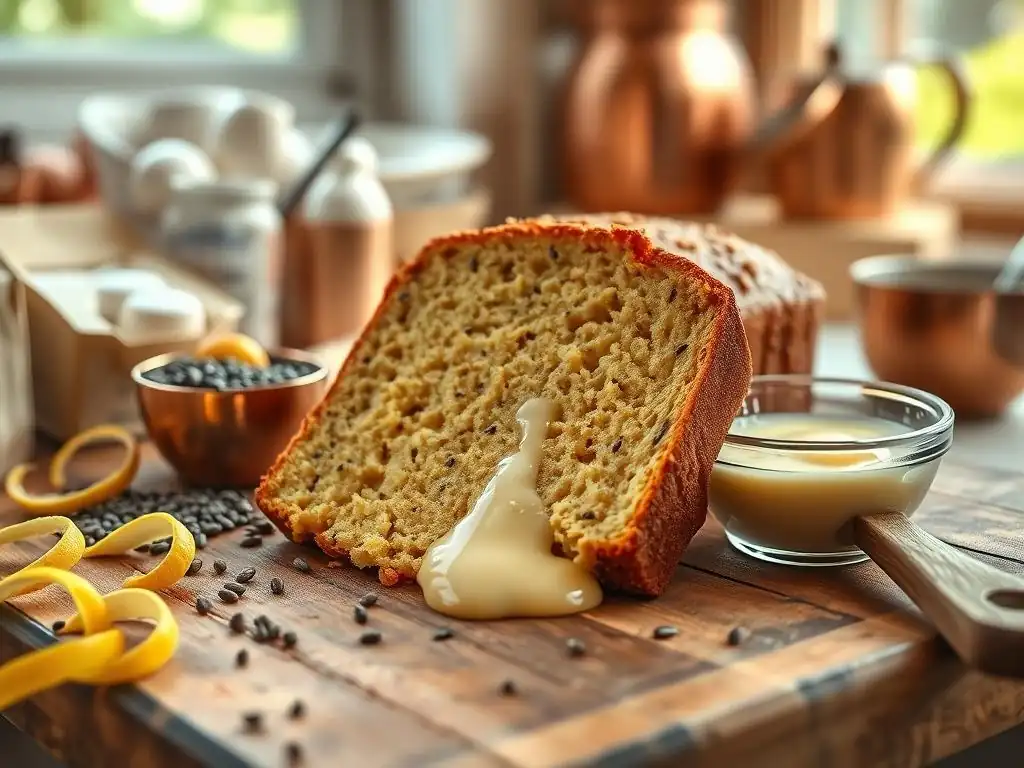
Cake Ingredients: What You'll Need
To bake a delicious Lemon Poppy Seed Cake, gather the following ingredients. Having everything measured and ready before you begin, a process known as mise en place, makes the baking process smoother and helps prevent errors. You'll typically need about 2 and 1/4 cups of all-purpose flour, measured correctly by spooning it into the measuring cup and leveling off. Baking powder and baking soda, around 1 and 1/2 teaspoons of baking powder and 1/4 teaspoon of baking soda, will provide the lift.
You'll also need about 1/2 teaspoon of salt to balance the sweetness, approximately 1 and 3/4 cups of granulated sugar, and the zest of 2-3 large lemons for intense flavor. Around 1/2 cup of unsalted butter, softened, is standard, along with 2 large eggs at room temperature. About 1 cup of buttermilk or a mixture of milk and yogurt/sour cream works well for moisture, and 1/4 cup of fresh lemon juice adds tang. Finally, you'll need 2-3 tablespoons of poppy seeds. Ensure your dairy and eggs are at room temperature for better emulsification and texture.
Lemon Glaze Ingredients: The Essential List
Creating the easy lemon glaze requires minimal ingredients, typically just two main components. You will need about 1 and 1/2 to 2 cups of confectioners' sugar, also known as powdered sugar or icing sugar. Sifting the sugar before mixing can help prevent lumps, resulting in a smoother glaze, although it's not always strictly necessary if you whisk vigorously.
The liquid component is fresh lemon juice. Start with about 3 to 4 tablespoons of fresh lemon juice. The exact amount can vary depending on the desired consistency – less for a thicker glaze, more for a thinner one. You can also add a tiny pinch of salt to the glaze to enhance the lemon flavor, and sometimes a bit of lemon zest is stirred in for extra visual appeal and a more intense citrus punch. Using fresh juice is key for the brightest flavor; bottled juice simply won't yield the same vibrant result.
Step-by-Step Instructions for Baking Your Lemon Poppy Seed Cake
Preparing the Cake Batter: A Simple Guide
Begin by preheating your oven to 350°F (175°C). Grease and flour your chosen baking pan – a 9x5 inch loaf pan is common, or a bundt pan. In a medium bowl, whisk together the dry ingredients: the flour, baking powder, baking soda, and salt. Set this aside. In a large mixing bowl, cream the softened butter and granulated sugar together until the mixture is light and fluffy, which typically takes 3-5 minutes with an electric mixer. This step incorporates air, contributing to the cake's light texture.
Next, beat in the eggs one at a time, ensuring each is fully incorporated before adding the next. Scrape down the sides of the bowl as needed. Stir in the lemon zest. In a separate small bowl or jug, whisk together the buttermilk (or milk/yogurt mixture) and fresh lemon juice.
Gradually add the dry ingredients to the wet ingredients, alternating with the liquid mixture, beginning and ending with the dry ingredients (e.g., add about a third of the dry, mix, half of the wet, mix, another third of the dry, mix, remaining wet, mix, final third of the dry, mix). Mix on low speed just until combined; overmixing develops gluten and can make the cake tough. Gently fold in the poppy seeds by hand using a spatula. Pour the batter into the prepared pan and smooth the top.
Baking the Lemon Poppy Seed Cake to Perfection
Place the prepared cake pan in the preheated oven. The baking time will vary depending on the type and size of your pan. A 9x5 inch loaf cake typically bakes for 50-65 minutes, while a bundt cake might take 45-55 minutes. Keep an eye on the cake as it bakes; it should turn a beautiful golden brown and the top should spring back gently when lightly pressed.
To test for doneness, insert a wooden skewer or toothpick into the center of the cake. If it comes out clean or with only a few moist crumbs attached, the cake is ready. If it comes out with wet batter, continue baking for a few more minutes and test again.
Avoid opening the oven door too early in the baking process, as this can cause the cake to sink. Once baked, remove the cake from the oven and let it cool in the pan on a wire rack for 10-15 minutes before inverting it onto the wire rack to cool completely. Cooling on a rack allows air circulation, preventing the bottom from becoming soggy.
Making the Easy Lemon Glaze
While the cake is cooling, prepare the easy lemon glaze. In a medium bowl, measure out the confectioners' sugar. If you're sifting it, do so directly into the bowl. Gradually add the fresh lemon juice, starting with about 3 tablespoons, whisking continuously.
Continue adding lemon juice, a teaspoon at a time, and whisking until you achieve the desired consistency. For a thicker, more opaque glaze, use less liquid. For a thinner, more translucent glaze that soaks into the cake slightly, add a little more. The glaze should be thick enough to coat the back of a spoon but pourable. If you are adding lemon zest, stir it in now. Taste the glaze and add a tiny pinch of salt if desired to brighten the flavor.
Glazing and Decorating Your Cake for a Beautiful Finish
Ensure the Lemon Poppy Seed Cake is completely cool before glazing. Applying the glaze to a warm cake will cause it to melt and run off, soaking into the cake rather than forming a distinct layer on top. Place the cooled cake on a wire rack set over a baking sheet or parchment paper to catch any drips.
Once the glaze is ready, pour it over the top of the cake. You can pour it all at once in the center and let it spread naturally, or use a spoon or offset spatula to guide it down the sides. For a loaf cake, you might pour it down the length, allowing it to drip artfully.
For a bundt cake, pouring it evenly over the top ridge will create beautiful drips down the fluted sides. Allow the glaze to set for at least 20-30 minutes before slicing and serving. For an extra touch, you can sprinkle a few additional poppy seeds or a little lemon zest on top of the wet glaze before it sets.
Tips for the Perfect Lemon Poppy Seed Cake
Achieving a Moist and Tender Cake Crumb
Several factors contribute to a moist and tender crumb in your Lemon Poppy Seed Cake. Firstly, using room temperature ingredients is crucial. Softened butter creams better with sugar, incorporating more air, and room temperature eggs and dairy emulsify more smoothly into the batter, creating a more uniform texture. Cold ingredients can cause the batter to curdle and result in a denser cake.
Secondly, be mindful of your mixing. Overmixing the batter after adding the flour develops gluten, leading to a tough cake. Mix only until the dry ingredients are just incorporated. Additionally, the inclusion of moistening agents like buttermilk, yogurt, or sour cream adds fat and acidity, which tenderizes the cake. Using a little oil in conjunction with butter can also enhance moisture retention. Finally, avoid overbaking; test for doneness using a skewer and remove the cake promptly when it's ready.
Avoiding Common Baking Mistakes
One common mistake when baking cakes is inaccurate ingredient measurement, particularly with flour. Spooning flour into the measuring cup and leveling it off (rather than scooping directly from the bag) prevents packing too much flour into the cup, which can result in a dry, dense cake. Another pitfall is incorrect oven temperature; using an oven thermometer can ensure your oven is preheating to the correct temperature, preventing under or overbaking.
Forgetting to bring ingredients to room temperature is another frequent error that impacts texture. Also, resist the urge to open the oven door repeatedly while the cake is baking, especially during the first two-thirds of the bake time, as this can cause temperature fluctuations that prevent the cake from rising properly or cause it to sink in the center. Lastly, ensure the cake is fully cooled before applying the glaze; patience here is key for a beautiful finish.
How to Get the Best Lemon Flavor in Your Cake
To ensure your Lemon Poppy Seed Cake has a vibrant and intense lemon flavor, use fresh lemons. The zest contains the most potent lemon oils, so don't skip this ingredient. Using a microplane zester is ideal for finely grating the zest without including the bitter white pith underneath the skin. The amount of zest from 2-3 large lemons is usually sufficient for a standard cake recipe.
Freshly squeezed lemon juice provides a bright, tangy acidity that complements the zest. While bottled juice is convenient, its flavor is often less vibrant and can sometimes have an off-putting taste compared to fresh. Adding a small amount of lemon extract can further boost the flavor, but use it sparingly as extracts can be very strong. For the glaze, using pure fresh lemon juice is paramount for that perfect sweet-tart balance.
Lemon Glaze Variations

Classic Lemon Glaze Recipe
The classic easy lemon glaze is simple, relying on just confectioners' sugar and fresh lemon juice. The ratio is key to achieving the right consistency. Typically, you start with 1.5 to 2 cups of sifted confectioners' sugar and gradually add 3-4 tablespoons of fresh lemon juice, whisking until smooth. This creates a pourable glaze that sets up nicely, providing a clean, bright lemon flavor.
This basic recipe can be adjusted easily. If the glaze is too thick, add more lemon juice a teaspoon at a time. If it's too thin, whisk in more sifted confectioners' sugar a tablespoon at a time until the desired consistency is reached. A well-made classic lemon glaze should be opaque enough to provide coverage but thin enough to drip attractively down the sides of the cake.
Adding Zest for an Intense Lemon Flavor
For those who crave an even more pronounced lemon flavor, incorporating finely grated lemon zest into the glaze is an excellent variation. After mixing the confectioners' sugar and lemon juice to your desired consistency, stir in the zest of half to one whole lemon. The zest not only boosts the citrus punch but also adds beautiful flecks of yellow to the glaze, making it visually appealing.
When adding zest, ensure it is very finely grated using a microplane. Larger pieces of zest can make the glaze look clumpy. The oils in the zest contribute significantly to the aroma and intensity of the lemon flavor, creating a more complex and layered citrus note compared to juice alone. This variation is particularly popular among serious lemon enthusiasts.
Using Different Citrus Fruits in Your Glaze
While lemon is traditional, you can experiment with other citrus fruits to create delightful variations of the glaze. Lime juice can be substituted for lemon juice to create a tangy lime glaze, which pairs wonderfully with the poppy seeds. Orange juice can be used for a sweeter, less acidic orange glaze, offering a different but equally pleasant citrus profile.
For a more complex flavor, consider using a mix of citrus juices, such as lemon and lime, or lemon and orange. You can also use juices from Meyer lemons, which are sweeter and less acidic than standard lemons. When substituting, start with a smaller amount of the new juice and adjust the sugar and liquid as needed to achieve the right consistency, as the acidity and sweetness levels vary between fruits.
Storing Your Lemon Poppy Seed Cake
How to Keep Your Cake Fresh
Proper storage is essential to maintain the moisture and flavor of your Lemon Poppy Seed Cake. Once the glaze has fully set, the cake should be stored at room temperature in an airtight container. A cake keeper, a large plastic container with a lid, or even wrapping the cake tightly in plastic wrap and then placing it in a zip-top bag works well.
Storing the cake at room temperature is generally preferred over refrigeration, as the cold can dry out the cake and dull its flavor. An airtight container prevents the cake from drying out and protects it from absorbing odors from the surroundings. Stored this way, a Lemon Poppy Seed Cake will typically remain fresh and delicious for 3-4 days. If it lasts that long!
Freezing Lemon Poppy Seed Cake for Later
Lemon Poppy Seed Cake freezes exceptionally well, making it perfect for baking ahead or saving leftovers. It's best to freeze the cake before applying the glaze if you plan to glaze it later. Ensure the cake is completely cooled. Wrap the whole cake or individual slices tightly in plastic wrap, then wrap again in aluminum foil or place in a freezer-safe bag or container. Double wrapping prevents freezer burn.
Frozen cake can be stored for up to 2-3 months. To thaw, remove the cake from the freezer and let it thaw at room temperature, still wrapped, for several hours (a whole loaf might take 4-6 hours). Once thawed, you can make and apply the fresh lemon glaze. Thawing while wrapped helps trap moisture and prevents the cake from drying out.
Serving Suggestions for Your Delectable Cake
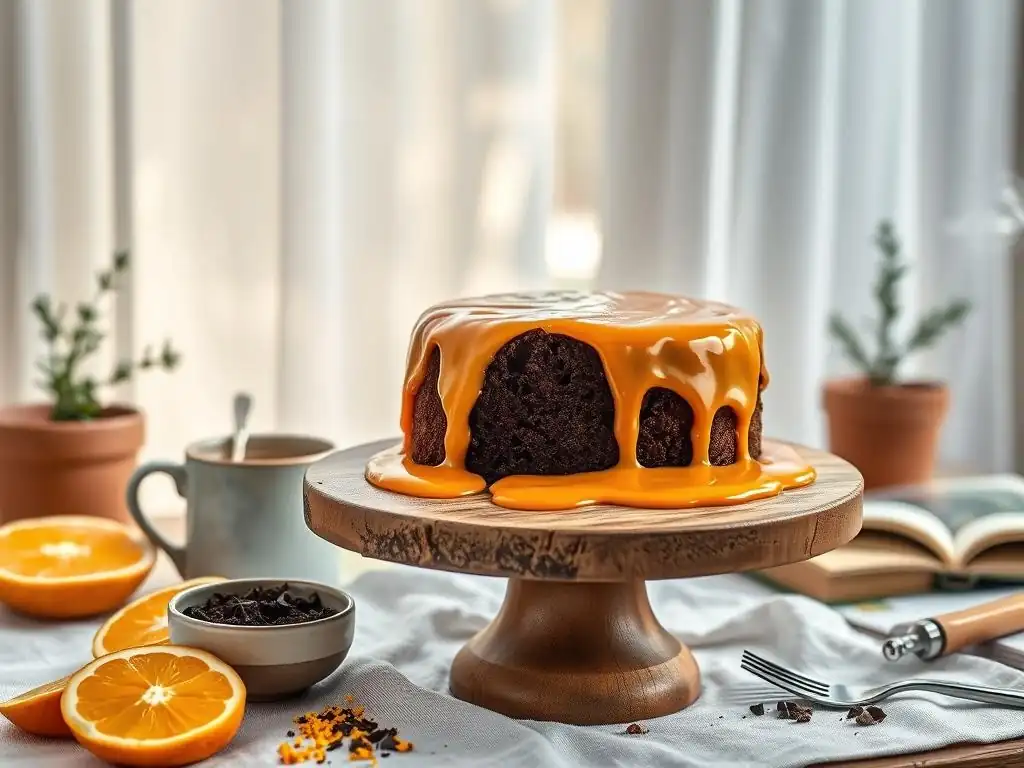
Pairing Your Cake with Drinks
Lemon Poppy Seed Cake pairs wonderfully with a variety of beverages. For a classic pairing, serve it with a cup of tea – English breakfast, Earl Grey, or even a floral herbal tea like chamomile or lavender complements the lemon flavor beautifully. Coffee is also a great choice, particularly a medium roast that won't overpower the delicate citrus notes.
For something a bit different, consider serving it with a glass of sparkling wine or prosecco, whose bubbles and slight acidity can cut through the cake's richness. A sweet dessert wine, like a Moscato, can also be a delightful match, enhancing the cake's sweetness while adding its own fruity notes. For a non-alcoholic option, a cold glass of lemonade or iced tea makes a refreshing accompaniment, leaning into the sunny theme.
Serving Ideas for Brunch or Dessert
Lemon Poppy Seed Cake is versatile enough to be served at various occasions. It's a perfect addition to a brunch spread. Slice it and serve alongside fresh fruit, yogurt parfaits, or other pastries. Its bright flavor is a refreshing contrast to richer brunch items like eggs or bacon. The easy nature of the recipe makes it ideal for preparing ahead of time for a relaxed brunch gathering.
As a dessert, the cake is delicious on its own, especially with the tangy lemon glaze. For a more elaborate presentation, you could serve slices with a dollop of whipped cream or a scoop of vanilla ice cream. A berry compote or fresh berries, such as raspberries or blueberries, make an excellent accompaniment, their tartness and sweetness complementing the lemon cake beautifully. A light dusting of powdered sugar or a few extra poppy seeds on the plate can add a touch of elegance.
Troubleshooting Your Lemon Poppy Seed Cake
Cake is Dry: Solutions to Improve Moisture
If your Lemon Poppy Seed Cake turned out dry, several factors might be the cause. The most common culprit is overbaking. Ensure you are testing the cake for doneness using the skewer method and removing it from the oven as soon as it tests clean, not letting it bake "just a little longer." Using an oven thermometer to verify your oven's temperature is accurate is also helpful; ovens can run hot, leading to faster drying.
Another reason for dryness can be inaccurate measurement of flour, especially if you've packed too much into the measuring cup. Ensure you are spooning and leveling. Insufficient fat or liquid in the recipe can also lead to a dry cake; sticking to the specified amounts of butter, oil (if used), eggs, and dairy is important. Using room temperature ingredients helps with emulsification, which contributes to a moist texture. If all else fails, a simple syrup infused with lemon can be brushed over the warm cake after baking to add moisture.
Glaze is Too Thin/Thick: Adjusting the Consistency
Achieving the perfect easy lemon glaze consistency is simple and just requires minor adjustments. If your glaze is too thin and runny, it means you've added too much liquid (lemon juice). To fix this, simply whisk in more sifted confectioners' sugar, one tablespoon at a time, until the glaze thickens to your desired consistency.
Conversely, if your glaze is too thick and doesn't pour or spread easily, you need to add more liquid. Add fresh lemon juice, a teaspoon at a time, whisking well after each addition, until the glaze reaches a smooth, pourable state. Remember that the glaze will thicken slightly as it sits, so it's better to aim for a consistency that is slightly thinner than you think you need just before pouring it over the cake.
Cake Didn't Rise: Possible Causes and Fixes
A cake that doesn't rise properly can be disappointing. Several factors could be responsible for a dense or flat Lemon Poppy Seed Cake. First, check the freshness of your leavening agents – baking powder and baking soda. Baking powder should be bubbly when mixed with hot water, and baking soda should fizz when mixed with vinegar. Expired leaveners are a common cause of poor rise.
Other issues include incorrect measurement of ingredients, particularly too much flour or not enough leavening. Overmixing the batter after adding the flour can also inhibit rise by developing too much gluten and deflating air bubbles. Ensure your oven is preheated to the correct temperature; an oven that isn't hot enough can affect how the cake rises. Lastly, opening the oven door too early or too frequently can cause the cake to collapse before it's set. Ensure you wait until the cake is mostly set before checking on it.
More Delicious Cake Recipes
Here are a couple more cake recipes you might enjoy exploring on BakeWithEase.com.
[Link to a Vanilla Bean Cake Recipe]
If you love classic flavors, our Vanilla Bean Cake recipe offers a moist and fragrant option perfect for any occasion. It focuses on simple techniques to bring out the rich flavor of real vanilla bean.
[Link to a Carrot Cake Recipe]
For those who enjoy cakes with added texture and spice, our Carrot Cake recipe is a must-try. It's packed with flavor and moisture, often featuring ingredients like shredded carrots, nuts, and warm spices.
Frequently Asked Questions
What makes this chocolate orange cake recipe "easy"?
The recipe emphasizes simple steps and easy-to-find ingredients, making it approachable for bakers of all skill levels. No complicated techniques or specialized equipment are required.
What is unique about the chocolate orange cake glaze recipe?
The glaze provides a smooth, glossy finish and perfectly complements the cake with its chocolate and orange flavor profile. It's also quick and easy to prepare.
Can I substitute ingredients in this recipe?
While the recipe is designed for optimal results, some substitutions are possible. For example, you could use a different type of orange extract or alternative chocolate types, but this could affect the final flavor.
How long does it take to bake the chocolate orange cake?
The baking time will vary depending on your oven, but typically it takes around 30-40 minutes at the specified temperature. Always check for doneness with a toothpick.
Where can I find more baking recipes and tips from BakeWithEase?
BakeWithEase.com is your go-to resource for mastering baking. You'll find simple recipes, techniques, and tips for pastries, breads, cakes, cookies, and more.
Final Reflection: The Enduring Delight of a Simple Chocolate Orange Cake
The perfect chocolate orange cake isn't just about a delicious recipe; it's about the joy of creating something beautiful and comforting, a sentiment that resonates deeply in our increasingly fast-paced world. This simple recipe, designed to be easily accessible and enjoyable for bakers of all skill levels, offers a welcome respite from the complexities of modern life. The ease of preparation allows for a moment of mindful creation, a counterpoint to the constant demands on our time and attention.
The enduring appeal of chocolate and orange lies in its classic combination, a flavor profile that transcends generations and cultures. It's a taste that evokes feelings of warmth, nostalgia, and simple pleasure. A cake is a celebration; it's a moment of joy, a symbol of happiness.
This sentiment perfectly encapsulates the experience of baking and sharing this particular cake. The aroma alone, filling the kitchen with the sweet scent of chocolate and citrus, is enough to lift the spirits and create a positive atmosphere. The simple act of baking, and the subsequent sharing of the cake, fosters connection and strengthens bonds.
Now, I invite you to consider the power of simple pleasures. Don't let the pursuit of perfection overshadow the joy of the process. This recipe is a starting point; feel free to experiment, to personalize it, to make it your own. Bake this cake for yourself, for a loved one, or simply to experience the satisfaction of creating something delicious and beautiful. Let the simple act of baking bring a little more joy and connection into your life.
Unleash Your Inner Baker: Bake This Cake Today!
Thanks for joining us on this delicious journey! We hope you've gained some inspiration and confidence to tackle this irresistible chocolate orange cake. Ready to get baking?
- Whip up this cake: Grab your ingredients and let's get baking! The recipe is straightforward, and the results are unbelievably rewarding. This is your chance to impress yourself (and maybe some friends! ).
- Share your creation: Snap a photo of your masterpiece and share it with us – we'd love to see your bake! Use #BakeWithEaseChocolateOrange on social media.
- Try a twist: Experiment with different citrus fruits or add some chopped nuts for a unique flavor profile. Let your creativity shine!
So, what delicious variations will you create with this fantastic chocolate orange cake?