
Foolproof Chocolate Buttercream Frosting Guide

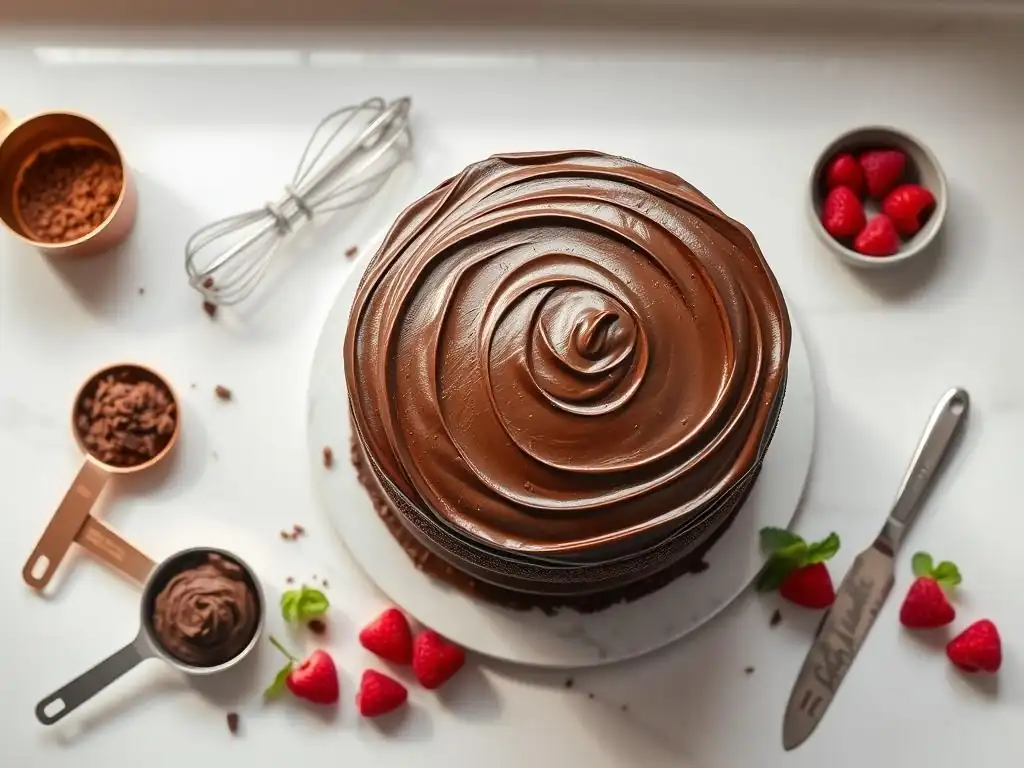
Welcome to BakeWithEase, your kitchen companion for all things baking! Are you ready to transform your desserts with a luscious, melt-in-your-mouth frosting? Uncover the secrets to our Foolproof Chocolate Buttercream Frosting, a recipe so easy, even beginners can achieve professional-looking results. But what's the real secret ingredient that takes this frosting from good to unforgettable? Keep reading to find out and elevate your baking game!
- Rich & Creamy Chocolate Buttercream Frosting: A Baker's Guide
- Introduction to Chocolate Buttercream Frosting
- Ingredients for Superior Chocolate Buttercream Frosting
- Step-by-Step Instructions: Crafting Your Chocolate Buttercream
- Tips for Flawless Chocolate Buttercream Frosting
- Variations on Classic Chocolate Buttercream
- Applications for Your Chocolate Buttercream Frosting
- Chocolate Buttercream Recipe & Summary
- Conclusion: Elevating Your Baking with Chocolate Buttercream
-
Frequently Asked Questions
- How can I make my chocolate buttercream frosting extra smooth?
- What's the best type of chocolate to use in this Easy chocolate buttercream frosting recipe?
- Can I use salted butter in this recipe?
- How do I store leftover chocolate buttercream frosting?
- What can I use chocolate buttercream frosting on?
- Final Reflection: The Enduring Allure of Effortless Chocolate
- Unlock Your Inner Pastry Chef: Master the Perfect Chocolate Buttercream!
Rich & Creamy Chocolate Buttercream Frosting: A Baker's Guide
Introduction to Chocolate Buttercream Frosting
Chocolate buttercream frosting is a classic in the baking world, beloved for its rich flavor and versatile texture. It's the perfect partner for everything from simple vanilla cupcakes to elaborate chocolate layer cakes. Mastering an easy chocolate buttercream frosting recipe is a fundamental skill that opens up a world of decorating possibilities. This guide will walk you through creating a consistently smooth and delicious frosting, perfect for any occasion.
This guide focuses on a simple yet effective method for achieving a stable and flavorful chocolate buttercream. We'll explore the role of each ingredient, provide step-by-step instructions, and offer tips for troubleshooting common issues. Whether you're a beginner looking for your first reliable easy chocolate buttercream frosting recipe or an experienced baker aiming to perfect your technique, you'll find valuable insights here to make your frosting truly shine.
Achieving a Smooth and Stable Chocolate Buttercream
Achieving a smooth, stable chocolate buttercream requires careful attention to ingredient temperature and mixing technique. The foundation of stability lies in the butter. Using butter that is at the correct room temperature – typically between 68°F and 72°F (20°C and 22°C) – is crucial. If the butter is too cold, it won't cream properly, leading to lumps.
If it's too warm, the frosting can become greasy and unable to hold its shape. Whipping the butter sufficiently at the beginning incorporates air, which contributes significantly to the frosting's light texture and stability. Aim to whip the butter for 3-5 minutes until it becomes pale and fluffy.
Beyond the butter, the gradual addition of powdered sugar is key to smoothness. Adding too much at once can result in a lumpy texture that's difficult to smooth out. Sifting your powdered sugar and cocoa powder before adding them helps prevent lumps from the start. Furthermore, ensuring all ingredients are at a similar temperature helps them emulsify properly, preventing separation and ensuring a homogenous, stable easy chocolate buttercream frosting recipe result. Proper mixing speed – starting low to combine ingredients and increasing to medium-high to whip – also plays a vital role in developing a smooth, stable structure.
Secrets to a Perfect Chocolate Buttercream
The secret to a perfect chocolate buttercream often lies in the quality of ingredients and the balance of flavors. High-quality cocoa powder makes a significant difference. Dutch-processed cocoa, for instance, offers a deeper, less acidic chocolate flavor and a darker color compared to natural cocoa. Using a good quality vanilla extract enhances the chocolate notes without overpowering them. A pinch of salt can also be a secret weapon, balancing the sweetness and intensifying the chocolate taste.
Another crucial element is achieving the correct consistency, which is often adjusted with a liquid like heavy cream or milk. Adding liquid a tablespoon at a time allows you to control the thickness precisely. For piping intricate designs, a slightly thicker consistency is needed, while a thinner frosting is easier to spread smoothly over a cake. Understanding how each ingredient contributes and carefully balancing them is what elevates a simple easy chocolate buttercream frosting recipe from good to exceptional, resulting in a frosting that is both delicious and beautiful.
Ingredients for Superior Chocolate Buttercream Frosting
Understanding Key Ingredient Functions
Each ingredient in an easy chocolate buttercream frosting recipe plays a specific role in contributing to its texture, flavor, and stability. Understanding these functions helps you troubleshoot issues and adjust the recipe to your desired outcome. The fat from the butter provides richness and structure, while the sugar adds sweetness and body. Cocoa powder delivers the essential chocolate flavor and color. Liquids like heavy cream or milk adjust consistency, and vanilla enhances the overall flavor profile.
The interaction between these ingredients is also important. The fat molecules in the butter encapsulate the sugar particles and the liquid, creating a smooth emulsion. If this emulsion breaks, you get a greasy, separated frosting. This is why using ingredients at the correct temperature and mixing them in the right order are fundamental steps in creating a successful easy chocolate buttercream frosting recipe.
Unsalted Butter for Optimal Flavor Control
Unsalted butter is generally preferred in baking, especially for frosting, because it allows the baker to control the salt level precisely. Different brands of salted butter contain varying amounts of salt, which can lead to inconsistent results and potentially an overly salty frosting. Using unsalted butter ensures a clean, pure buttery flavor that pairs beautifully with chocolate.
For an easy chocolate buttercream frosting recipe, the butter should be at room temperature, as mentioned earlier. This ensures it creams smoothly and incorporates air effectively. A typical recipe might call for 1 cup (2 sticks or 226g) of unsalted butter. Quality butter with a higher fat content (often European-style butter, around 82% fat) can sometimes yield a richer, more stable frosting compared to standard American butter (around 80% fat), though standard butter works perfectly well for most home baking.
Dutch-Processed Cocoa Powder for Deep Color and Flavor
Dutch-processed cocoa powder is treated with an alkali to neutralize its acidity. This process results in a darker color, a smoother, less bitter flavor, and it dissolves more easily in liquids. For a rich, deep chocolate flavor in your easy chocolate buttercream frosting recipe, Dutch-processed cocoa is often the superior choice. It pairs well with baking powder (which is often used with Dutch-processed cocoa in cakes) but relies on baking soda when using natural cocoa.
While natural cocoa powder can be used, it will result in a lighter colored frosting with a sharper, slightly more acidic chocolate note. A standard easy chocolate buttercream recipe might use anywhere from 1/2 cup to 1 cup (45g to 90g) of cocoa powder, depending on the desired intensity of chocolate flavor. Sifting the cocoa powder is essential to prevent lumps in the final frosting.
Powdered Sugar (Confectioners' Sugar) for Smooth Texture
Powdered sugar, also known as confectioners' sugar or icing sugar, is the sweetener and primary thickener in an easy chocolate buttercream frosting recipe. Its fine texture allows it to dissolve easily into the butter, creating a smooth consistency. Most powdered sugar contains a small amount of cornstarch (usually 3-5%) to prevent clumping, which also helps stabilize the frosting.
The amount of powdered sugar used dictates the thickness and sweetness of the buttercream. A typical recipe might call for 3-4 cups (360g-480g) of powdered sugar. It's best to add the powdered sugar gradually, usually 1 cup at a time, mixing well after each addition. This allows you to control the consistency and sweetness, and it prevents the sugar from creating a cloud of dust when you turn on the mixer. Sifting the powdered sugar is highly recommended, especially if it appears lumpy.
Vanilla Extract: Enhancing the Chocolate Profile
Vanilla extract might seem secondary in an easy chocolate buttercream frosting recipe, but it plays a crucial role in enhancing and rounding out the chocolate flavor. Good quality pure vanilla extract adds complexity and depth, preventing the chocolate from tasting flat. It doesn't make the frosting taste like vanilla, but rather amplifies the cocoa notes.
Typically, 1 to 2 teaspoons of vanilla extract are added to a batch of chocolate buttercream. The amount can be adjusted based on personal preference. Using pure vanilla extract is preferable to imitation vanilla for the best flavor. Add the vanilla towards the end of the mixing process to ensure its delicate aroma isn't lost.
Heavy Cream: Achieving Desired Consistency
Heavy cream (also known as whipping cream) is commonly used to adjust the consistency of an easy chocolate buttercream frosting recipe. Its high fat content (typically 36% or more) contributes to a rich, creamy texture without making the frosting watery. Milk or even water can be used, but they may result in a less rich or stable frosting.
Liquid is added gradually, usually 1 tablespoon at a time, until the desired consistency is reached. For a frosting that needs to hold stiff peaks for piping, you'll use less liquid. For a softer, spreadable frosting, you'll add more. A standard batch might require anywhere from 2 to 4 tablespoons of heavy cream. Always add liquid slowly and mix thoroughly before adding more, as a little goes a long way.
Step-by-Step Instructions: Crafting Your Chocolate Buttercream
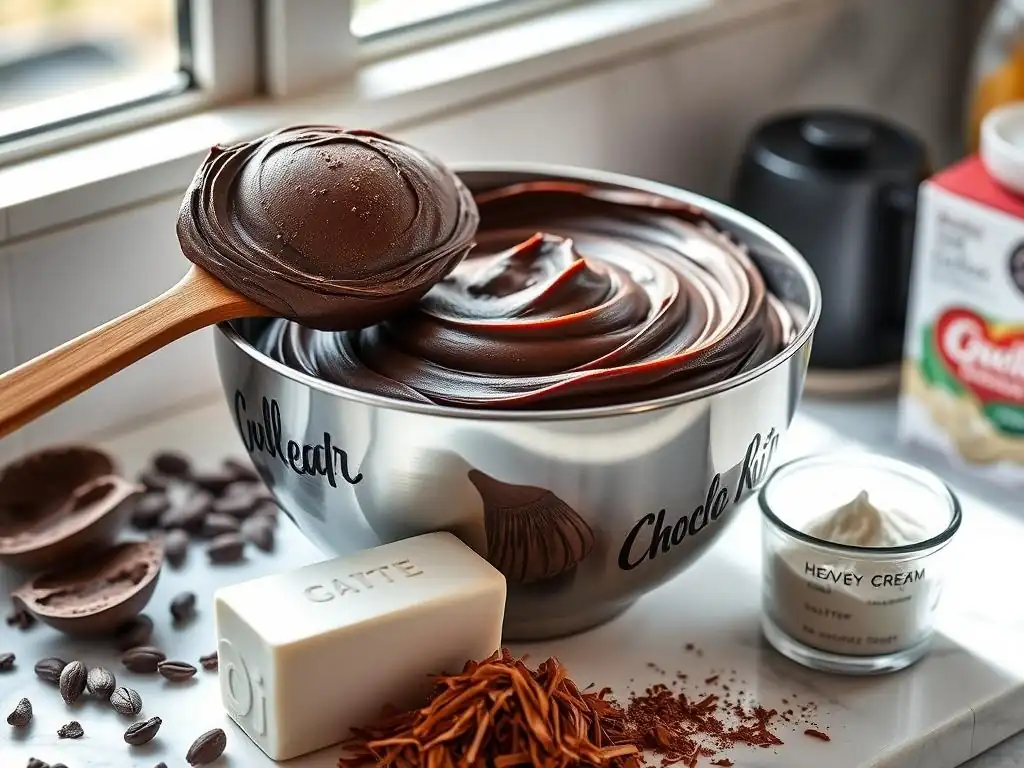
Creating an easy chocolate buttercream frosting recipe from scratch is simple with the right technique. Follow these steps for a smooth, delicious result every time.
Step 1: Whipping the Butter to Lightness
Begin with your room temperature unsalted butter. Cut it into smaller pieces (about 1-inch cubes) to help it whip more evenly. Place the butter in the bowl of a stand mixer fitted with the paddle attachment, or use a large bowl and a hand mixer. Start mixing on low speed until the butter is slightly softened, then increase the speed to medium-high.
Whip the butter for 3 to 5 minutes, scraping down the sides and bottom of the bowl periodically with a rubber spatula. The goal is to incorporate air and make the butter light and fluffy. It should turn noticeably paler in color, almost white, and have a very soft, smooth consistency. This creaming step is vital for creating a light, airy easy chocolate buttercream frosting recipe.
Step 2: Gradually Incorporating Powdered Sugar
Once the butter is light and fluffy, it's time to add the sifted powdered sugar. Lower the mixer speed to the lowest setting. Add the powdered sugar gradually, about 1 cup at a time. Allow each addition to be mostly incorporated before adding the next. This prevents the sugar from flying out of the bowl and helps ensure a smooth mixture.
After all the powdered sugar has been added, the mixture will be very thick and crumbly. Continue mixing on low speed until most of the sugar is incorporated. Scrape down the sides and bottom of the bowl frequently to ensure everything is mixing evenly. This gradual addition is key to avoiding a grainy texture in your easy chocolate buttercream frosting recipe.
Step 3: Blending in the Cocoa Powder
With the powdered sugar mostly incorporated, add the sifted Dutch-processed cocoa powder to the bowl. Keep the mixer speed on low to avoid a cocoa cloud. Mix until the cocoa powder is just incorporated into the mixture. The frosting will start to take on its chocolate color and a slightly thicker consistency.
Scrape down the bowl again to ensure all the cocoa is mixed in evenly. At this point, the frosting base is formed, but it will still be quite thick and not yet the desired consistency for spreading or piping. Ensure the cocoa powder is fully integrated before moving on, as streaks of unmixed cocoa will affect the final appearance and texture of your easy chocolate buttercream frosting recipe.
Step 4: Integrating the Vanilla Extract
Now, add the vanilla extract to the bowl. Continue mixing on low speed until the vanilla is evenly distributed throughout the frosting. This step adds a crucial layer of flavor that complements the chocolate.
The frosting will become slightly more fragrant after adding the vanilla. Mix for just long enough to incorporate it, typically about 30 seconds. Avoid overmixing at this stage. The focus now shifts from incorporating dry ingredients to adjusting the texture and whipping the frosting to its final state for your easy chocolate buttercream frosting recipe.
Step 5: Adjusting Consistency with Heavy Cream
This is where you adjust the frosting to your desired consistency. Increase the mixer speed to medium-low. Begin adding the heavy cream (or other liquid) one tablespoon at a time. Mix thoroughly after each addition, scraping down the bowl as needed. Observe the frosting's texture; it will gradually become smoother and more pliable.
Add just enough liquid to reach the desired spreading or piping consistency for your easy chocolate buttercream frosting recipe. For a stiff piping consistency, you might only need 2-3 tablespoons. For a softer, more spreadable frosting, you might need 4-5 tablespoons or even slightly more. Be patient and add slowly to avoid making the frosting too thin.
Step 6: Achieving a Silky Smooth Texture
Once the desired consistency is reached, increase the mixer speed to medium-high. Beat the frosting for 2 to 3 minutes. This final whipping stage is crucial for achieving a light, airy, and silky smooth texture. The air incorporated during this step makes the frosting easier to spread and pipe and gives it a pleasant mouthfeel.
Scrape down the bowl one last time halfway through this final whipping. The frosting should look glossy, smooth, and significantly lighter in texture than it was after adding the powdered sugar. This final step transforms the dense mixture into a perfect easy chocolate buttercream frosting recipe ready for decorating.
Tips for Flawless Chocolate Buttercream Frosting
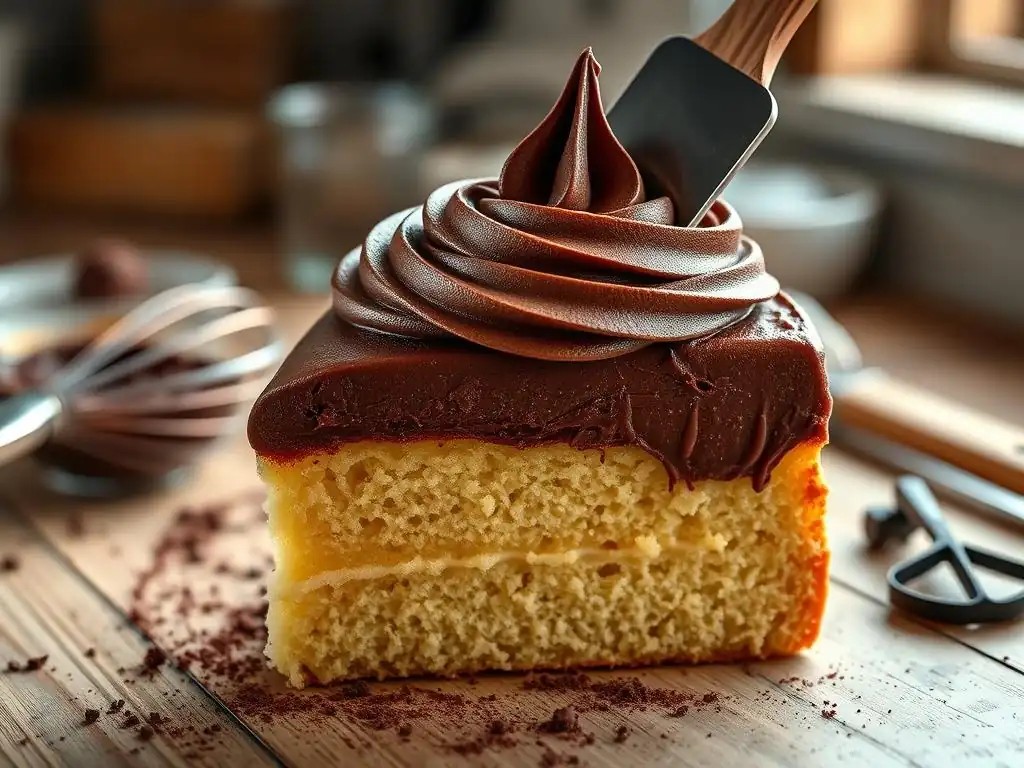
Creating a flawless chocolate buttercream involves more than just following the steps; a few key tips can elevate your results and help you troubleshoot common issues.
Preventing a Grainy Texture
A grainy texture in buttercream is usually caused by undissolved sugar or cocoa powder. The best way to prevent this is by sifting your powdered sugar and cocoa powder before adding them to the butter. Even if the bag says "pre-sifted," sifting again can break up any clumps that have formed.
Adding the powdered sugar gradually and mixing thoroughly on low speed after each addition also helps ensure the sugar dissolves into the fat. Finally, the final whipping step (Step 6) helps to further smooth out the frosting by incorporating air and helping any remaining fine sugar particles dissolve into the mixture, resulting in a smooth easy chocolate buttercream frosting recipe.
Troubleshooting Common Buttercream Problems
Even with the best intentions, buttercream can sometimes present challenges. Knowing how to troubleshoot common issues can save your batch and ensure you still get a wonderful easy chocolate buttercream frosting recipe.
Correcting Overly Thick Buttercream
If your chocolate buttercream is too thick to spread or pipe easily, it needs more liquid. Add heavy cream (or milk) one teaspoon at a time, mixing well after each addition, until the desired consistency is reached. Be patient and add slowly; it's much easier to add more liquid than to correct frosting that is too thin.
Correcting Overly Thin Buttercream
If your frosting is too thin, it likely has too much liquid or the butter was too warm. To thicken it, you can add more sifted powdered sugar, about 1/4 cup at a time, mixing on low speed until incorporated, then whipping on medium-high for a minute. Alternatively, if the butter was too warm, chilling the frosting in the refrigerator for 15-30 minutes can help firm it up before re-whipping.
Re-Emulsifying Separated Buttercream
Separated buttercream looks curdled or greasy. This often happens if ingredients are not at the correct temperature or if liquids are added too quickly. To fix it, try beating the frosting on medium speed for several minutes. If it's still separated, try adding 1-2 teaspoons of warm milk or melted butter (not hot!) while beating on low speed, then increase speed to medium-high to bring it back together. Sometimes, chilling the frosting for 15 minutes and then re-whipping helps.
Intensifying Chocolate Flavor
To make your easy chocolate buttercream frosting recipe even more chocolatey, you can increase the amount of cocoa powder slightly (up to an additional 1/4 cup) or use a higher quality, darker cocoa powder. Another trick is to dissolve the cocoa powder in a small amount of hot liquid (like hot cream or coffee) before adding it to the butter/sugar mixture. This "blooms" the cocoa, intensifying its flavor.
Adding a small amount of espresso powder (1/2 to 1 teaspoon) is also a classic way to deepen and enhance the chocolate flavor without adding a coffee taste. Melted and slightly cooled unsweetened or bittersweet chocolate can also be incorporated for an even richer chocolate experience, though this changes the base recipe slightly.
Using Room Temperature Ingredients for Best Results
As emphasized earlier, using room temperature butter is critical. Similarly, ensuring other ingredients like heavy cream and vanilla extract are not fridge-cold helps everything emulsify smoothly. Cold ingredients can cause the butter to seize up or the mixture to curdle.
Plan ahead and take your butter and cream out of the refrigerator at least 30-60 minutes before you plan to start mixing your easy chocolate buttercream frosting recipe. The butter should yield slightly when gently pressed with a finger but should not be greasy or melted.
Variations on Classic Chocolate Buttercream
The basic easy chocolate buttercream frosting recipe is incredibly adaptable. Here are a few popular variations to try.
Dark Chocolate Buttercream
For a more intense, less sweet chocolate experience, use a larger proportion of Dutch-processed cocoa powder or incorporate melted unsweetened or bittersweet chocolate into the frosting base. A common ratio might increase the cocoa powder by 25-50% compared to the standard recipe.
Mexican Chocolate Buttercream (Cinnamon & Spice)
Add ground cinnamon (1-2 teaspoons) and a pinch of cayenne pepper (1/8 - 1/4 teaspoon) to the frosting along with the cocoa powder. This gives the easy chocolate buttercream frosting recipe a warm, spicy kick characteristic of Mexican chocolate.
Peanut Butter Chocolate Buttercream
Whip in creamy peanut butter (1/2 to 1 cup) after the cocoa powder has been incorporated. Adjust the amount of heavy cream needed, as peanut butter will thicken the frosting. This creates a delicious peanut butter swirl effect if not fully blended, or a homogenous peanut butter chocolate flavor.
Salted Caramel Chocolate Buttercream
Reduce the salt added to the base recipe (if any) and swirl in homemade or good quality store-bought salted caramel sauce (1/4 to 1/2 cup) at the end of the mixing process. This adds a sweet and salty dimension to the easy chocolate buttercream frosting recipe.
Applications for Your Chocolate Buttercream Frosting
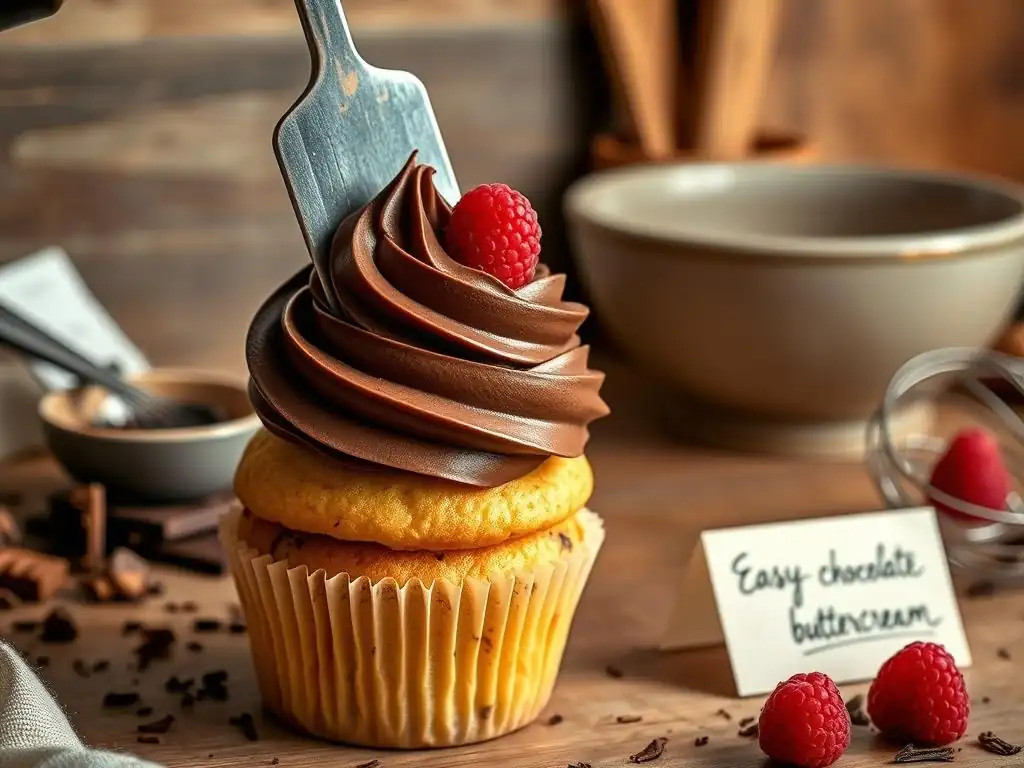
Your freshly made easy chocolate buttercream frosting recipe is ready to be used! It's incredibly versatile and perfect for a variety of baked goods.
Frosting Cakes, Cupcakes, and Other Desserts
This frosting is ideal for spreading onto layer cakes, swirling high on cupcakes, filling sandwich cookies, or topping brownies and bar cookies. Its smooth texture makes it easy to work with for simple spreading with an offset spatula.
For a standard 8-inch or 9-inch two-layer cake, a batch made with 1 cup of butter and 3-4 cups of powdered sugar is usually sufficient to cover the top and sides. For 12-18 cupcakes, the same batch size typically provides a generous swirl on each.
Mastering Piping Techniques for Elegant Decoration
Chocolate buttercream is excellent for piping. Ensure your frosting is the correct consistency – firm enough to hold its shape but soft enough to flow smoothly through a piping bag and tip. If it's too soft, chill it briefly. If too stiff, add a tiny bit more liquid.
Common piping tips like the star tip (like Wilton 1M or 2D) are perfect for classic swirls on cupcakes. Round tips (like Wilton 1A or 12) can be used for smooth mounds or dots. Practice on a piece of parchment paper before decorating your dessert to get a feel for the consistency and pressure needed.
Chocolate Buttercream Frosting Storage Guidelines
Knowing how to store leftover frosting properly is essential for minimizing waste and ensuring freshness.
Proper Storage of Leftover Frosting
Leftover chocolate buttercream frosting should be stored in an airtight container in the refrigerator. It will keep well for about 1-2 weeks. Before using refrigerated frosting, let it come back to room temperature (this may take 30-60 minutes depending on the amount) and then re-whip it briefly with a mixer or whisk to restore its smooth, fluffy texture. You may need to add a tiny splash of milk or cream if it seems stiff.
Freezing Chocolate Buttercream for Later Use
Chocolate buttercream freezes beautifully. Place the frosting in an airtight container or heavy-duty freezer bag, pressing out as much air as possible. It can be frozen for up to 3 months. To use, thaw the frosting overnight in the refrigerator. Once thawed, let it come to room temperature and re-whip it thoroughly until smooth and fluffy again. This makes it incredibly convenient to have easy chocolate buttercream frosting recipe ready for spontaneous baking projects.
Chocolate Buttercream Recipe & Summary
Easy Chocolate Buttercream Recipe: A Quick Overview
This easy chocolate buttercream frosting recipe provides a reliable method for creating a delicious and versatile frosting. It typically involves creaming room temperature butter until light, gradually adding sifted powdered sugar and cocoa powder, incorporating vanilla, and finally adjusting the consistency with heavy cream. The key is using room temperature ingredients, sifting dry ingredients, and whipping sufficiently to achieve a smooth, airy texture.
The basic ratio often starts with 1 cup (2 sticks) of butter, 3-4 cups of powdered sugar, 1/2 - 1 cup cocoa powder, 1-2 tsp vanilla, and 2-4 tbsp heavy cream, but these amounts can be adjusted based on desired sweetness, chocolate intensity, and consistency.
Printable Chocolate Buttercream Recipe
[Note: As per instructions, a printable link or element cannot be included here. Please refer to the recipe overview above or find the full recipe card elsewhere on the BakeWithEase website.]
Conclusion: Elevating Your Baking with Chocolate Buttercream
Mastering this easy chocolate buttercream frosting recipe is a significant step in enhancing your baking repertoire. With its rich flavor and smooth, versatile texture, it's the perfect finishing touch for countless desserts. By understanding the role of each ingredient, following the simple steps, and utilizing the troubleshooting tips, you can confidently create flawless chocolate buttercream every time.
Practice makes perfect, and the more you make this easy chocolate buttercream frosting recipe, the more intuitive the process will become. Experiment with variations to find your favorite flavor combinations, and don't be afraid to play with piping techniques. This reliable recipe will quickly become a go-to in your kitchen, helping you elevate everyday treats into spectacular creations. Enjoy the process and the delicious results!
Frequently Asked Questions
How can I make my chocolate buttercream frosting extra smooth?
For an exceptionally smooth frosting, use a powdered sugar sifted to remove clumps and ensure your butter is at room temperature. Whipping the frosting for an extended period also helps.
What's the best type of chocolate to use in this Easy chocolate buttercream frosting recipe?
Semi-sweet chocolate is generally recommended for a balanced flavor. However, you can adjust the type of chocolate based on your personal preference, from milk chocolate for a sweeter taste to dark chocolate for a richer one.
Can I use salted butter in this recipe?
While unsalted butter is preferred for precise control over the salt content, you can use salted butter. Just be sure to omit the added salt or reduce it significantly to avoid an overly salty frosting.
How do I store leftover chocolate buttercream frosting?
Leftover frosting should be stored in an airtight container in the refrigerator. It will keep for up to a week. Bring to room temperature and re-whip before using.
What can I use chocolate buttercream frosting on?
Our Easy chocolate buttercream frosting recipe is perfect for cakes, cupcakes, and cookies. It can also be used as a filling for pastries or as a dip.
Final Reflection: The Enduring Allure of Effortless Chocolate
The pursuit of the perfect chocolate buttercream frosting is, surprisingly, a reflection of our desire for simple pleasures in a complex world. A flawlessly smooth, intensely chocolatey frosting isn't just a culinary achievement; it's a symbol of comfort, celebration, and the joy of creating something delicious with relative ease. This guide aimed to demystify the process, proving that even the most decadent treats can be surprisingly accessible.
The impact of a good chocolate buttercream frosting recipe extends far beyond the individual cake or cupcake. It's a cornerstone of countless cherished memories – from childhood birthday parties to sophisticated wedding cakes. The simple act of spreading that rich, creamy texture onto a baked good evokes feelings of warmth, nostalgia, and shared joy. As the renowned pastry chef, Jacques Torres, once said, Chocolate is a gift from the gods. It's a comfort, a celebration, a reward.
This sentiment perfectly encapsulates the enduring power of a well-made frosting, transforming a simple cake into something truly special.
Now, I invite you to consider the possibilities. Don't just bake a cake; create a memory. Experiment with different chocolate types, perhaps adding a hint of espresso or sea salt to elevate the flavor profile. Most importantly, embrace the process, find joy in the simplicity, and share your delicious creation with those you love. The perfect chocolate buttercream frosting is waiting to be made – and shared – by you.
Unlock Your Inner Pastry Chef: Master the Perfect Chocolate Buttercream!
Thanks for taking the time to explore the world of flawlessly smooth chocolate buttercream! We hope you gained valuable tips and tricks to elevate your baking game. Now it’s time to put your newfound knowledge into practice.
- Whip up a batch of your own incredible chocolate buttercream: Use our recipe as a starting point, but don't be afraid to experiment with flavor additions! Think sea salt, espresso powder, or even a hint of chili.
- Share your creation: Post a picture of your masterpiece on social media and tag us – we'd love to see it!
- Challenge yourself: Try frosting a cake using different techniques, like a crumb coat or a smooth finish. What new techniques will you master next?
Ready to transform your baking? What delicious flavor combinations will you explore next?