
Easy Vanilla Sheet Cake for a Crowd: Feeds Everyone!

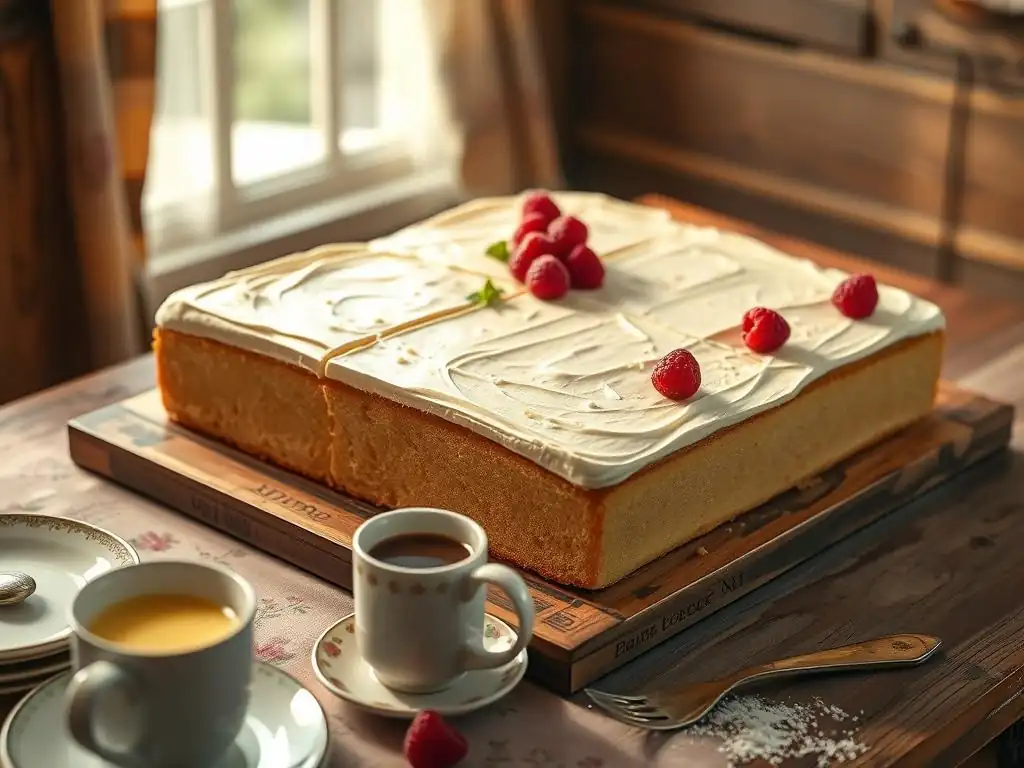
Welcome to BakeWithEase, your kitchen companion for creating delectable treats! Ever wished for a cake recipe so simple, so satisfying, and so shareable it would become your go-to for any occasion? Look no further! Dive into our Easy Vanilla Sheet Cake Recipe, perfect for feeding a crowd and guaranteed to impress. But that's just the beginning... discover the secrets to perfecting pastries and desserts, unlocking a world of baking bliss one delicious recipe at a time. What other baking wonders await?
- Classic Vanilla Sheet Cake: Perfect for Parties! - BakeWithEase.com
- Why This Vanilla Sheet Cake Recipe is Perfect for Parties
- Mastering the Vanilla Sheet Cake: Ingredients & Equipment
- Step-by-Step Guide to the Easiest Vanilla Sheet Cake Recipe
- Vanilla Sheet Cake Variations: Customize Your Bake!
- Tips for Baking the Perfect Vanilla Sheet Cake
- Serving Your Easy Vanilla Sheet Cake
- Enjoy Your Delicious and Easy Vanilla Sheet Cake!
-
Frequently Asked Questions
- What makes this vanilla sheet cake recipe considered "easy"?
- How many people does this "Easy Vanilla Sheet Cake" recipe feed?
- Can I adapt the "Easy Vanilla Sheet Cake" recipe to make cupcakes instead?
- What kind of frosting is recommended for this "Easy Vanilla Sheet Cake"?
- What are some tips for ensuring the "Easy Vanilla Sheet Cake" comes out moist and tender?
- Final Reflection: The Enduring Power of Simple Pleasures
- Unleash Your Inner Baker: Make This Cake a Reality!
Classic Vanilla Sheet Cake: Perfect for Parties! - BakeWithEase.com
Why This Vanilla Sheet Cake Recipe is Perfect for Parties
Simple Vanilla Cake for Large Gatherings: A BakeWithEase Staple
Hosting a gathering, big or small, often calls for a dessert that can easily serve everyone without requiring hours of intricate work. This is where a simple vanilla cake, specifically an easy vanilla sheet cake recipe, truly shines. Unlike tiered cakes that can be challenging to transport and slice for many people, a sheet cake is baked in a single, rectangular pan, making it incredibly convenient for events like birthday parties, potlucks, or office celebrations. Its flat surface is also a dream for frosting and decorating, allowing you to get creative or keep it beautifully minimalist.
The real beauty of an easy vanilla sheet cake recipe lies in its scalability and straightforward nature. A standard half-sheet pan (approximately 18x13 inches) can comfortably yield 20 to 30 servings, depending on how you cut it. This eliminates the need to bake multiple smaller cakes or worry about complex assembly. It's a reliable classic that appeals to almost everyone, providing a comforting, sweet base that pairs well with a variety of frostings and toppings. At BakeWithEase, we believe baking for a crowd should be enjoyable, not stressful, and this recipe embodies that philosophy perfectly.
The Best Vanilla Sheet Cake: Quick, Easy, and Delicious
Finding an easy vanilla sheet cake recipe that consistently delivers moist, tender results is a game-changer for any home baker. This recipe is designed to be forgiving and fast, perfect for those times when you need a delicious dessert with minimal fuss. The process involves simple mixing steps and a single bake time, cutting down significantly on the active time spent in the kitchen compared to more elaborate cake types. You won't need specialized techniques or hard-to-find ingredients; everything required is likely already in your pantry or easily accessible at your local grocery store.
Beyond its ease, the flavor of a well-made vanilla sheet cake is simply delightful. It offers a clean, sweet canvas that highlights the quality of your vanilla extract and complements any frosting you choose. The texture is typically light and fluffy, yet moist enough to hold up beautifully when sliced. Whether you're a beginner baker making your first large cake or an experienced pro looking for a reliable crowd-pleaser, this easy vanilla sheet cake recipe provides a fantastic foundation. It’s designed for busy lives, ensuring you can bring a homemade treat that tastes incredible without sacrificing your entire afternoon.
Mastering the Vanilla Sheet Cake: Ingredients & Equipment
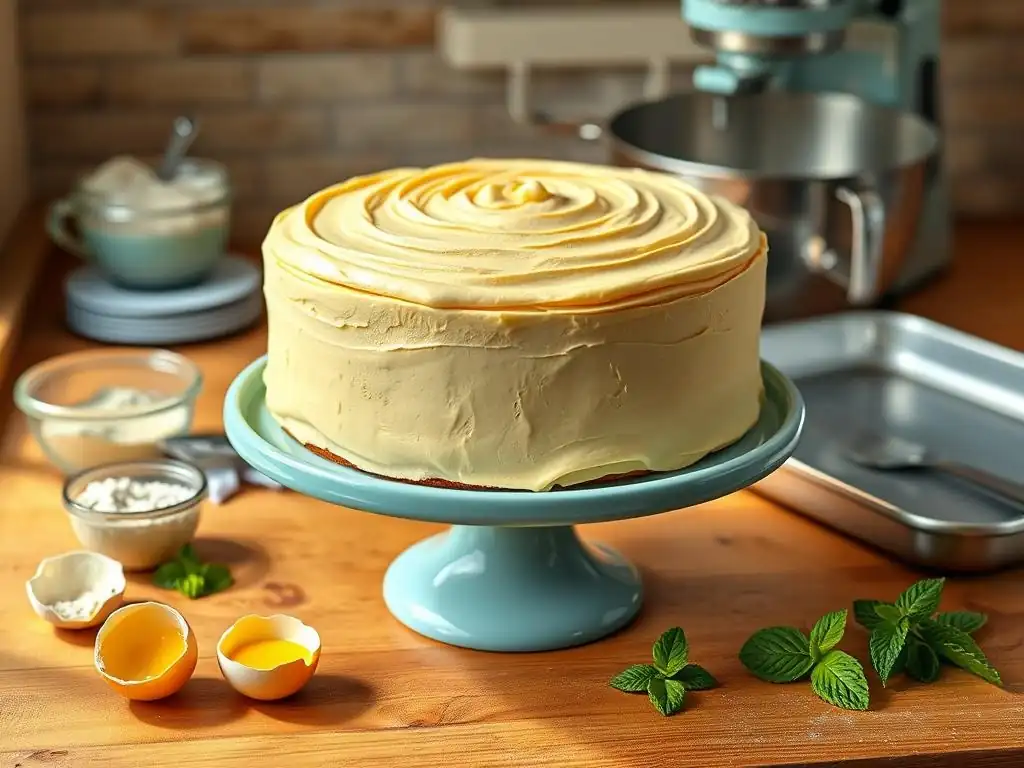
Essential Ingredients for a Moist Vanilla Sheet Cake
Flour Power: Choosing the Right Flour for Your Vanilla Cake
The type of flour you use plays a significant role in the texture of your easy vanilla sheet cake. All-purpose flour is the most common choice and works well, providing a sturdy yet tender crumb. However, for an even lighter and softer cake, consider using cake flour.
Cake flour has a lower protein content (around 8-10%) compared to all-purpose (10-13%), which results in less gluten development. Less gluten means a finer, more delicate crumb. If you don't have cake flour, you can approximate it by removing two tablespoons of all-purpose flour per cup and replacing it with two tablespoons of cornstarch, sifting them together thoroughly.
Using the correct amount of flour is also crucial. Too much flour can lead to a dry, dense cake. Weighing your flour with a kitchen scale is the most accurate method (approximately 120-125 grams per cup), but if you measure by volume, be sure to spoon the flour lightly into your measuring cup and level it off without packing it down. This ensures you get the ideal ratio of dry to wet ingredients for that perfectly moist and tender vanilla sheet cake.
Sweet Success: The Best Sugar for Vanilla Sheet Cake
Granulated sugar is the standard choice for most cake recipes, including this easy vanilla sheet cake recipe, and it works beautifully to provide sweetness and contribute to the cake's structure and moisture. The fine crystals dissolve easily into the batter, creating a smooth texture. When creaming butter and sugar, the sharp edges of the sugar crystals cut into the butter, creating tiny air pockets. These air pockets expand during baking, contributing to the cake's light texture.
While granulated sugar is the primary sweetener, some recipes might incorporate a small amount of brown sugar for added moisture and a hint of molasses flavor, although for a classic vanilla cake, pure granulated sugar is typical. Ensure your sugar is fresh and free-flowing. Proper creaming of the butter and sugar is a foundational step; aim for a light and fluffy mixture, which indicates plenty of trapped air that will give your vanilla sheet cake a good rise and tender crumb.
The Secret Ingredient: Buttermilk for Richness
Buttermilk is often hailed as a secret weapon in baking, especially for cakes, and it brings wonderful qualities to an easy vanilla sheet cake recipe. Its acidity reacts with baking soda, helping the cake rise higher and giving it a lighter texture. More importantly, the fat content and acidity of buttermilk contribute significantly to the cake's moisture and tenderness. The acid helps break down gluten strands, resulting in a softer crumb, while the subtle tang adds a depth of flavor that complements the sweet vanilla beautifully without being overpowering.
If you don't have buttermilk on hand, you can create a simple substitute. For every cup of buttermilk needed, measure one cup of milk (whole or 2%) and stir in one tablespoon of white vinegar or lemon juice. Let the mixture sit for 5-10 minutes until it thickens slightly and looks curdled. While this substitute works in a pinch, using real buttermilk will generally yield the best results in terms of flavor and texture for your vanilla sheet cake.
Must-Have Equipment for Baking a Sheet Cake
Sheet Pan Perfection: Choosing the Right Size
The defining piece of equipment for a sheet cake is, naturally, the sheet pan. This easy vanilla sheet cake recipe is typically designed for a standard half-sheet pan, which measures approximately 18 inches by 13 inches and is about 1 inch deep. This size is ideal for feeding a substantial crowd, yielding roughly 24-36 servings depending on how large you cut the pieces.
Using the correct pan size is critical because it affects the cake's thickness and baking time. If you use a smaller pan, the cake will be thicker and require longer baking, potentially leading to a drier result if not adjusted carefully.
Ensure your sheet pan is made of a sturdy material, like aluminum or aluminized steel, which conducts heat evenly. Darker pans can sometimes cause the edges to brown faster, so keep an eye on that during baking. Always prepare your pan properly by greasing and flouring it, or lining it with parchment paper, to prevent the cake from sticking. This ensures your beautiful vanilla sheet cake releases easily after cooling.
Mixing Made Easy: Stand Mixer vs. Hand Mixer
When preparing the batter for your easy vanilla sheet cake recipe, you have a couple of options for mixing: a stand mixer or a hand mixer. A stand mixer is incredibly convenient, especially for creaming the butter and sugar, as it provides consistent power and frees up your hands. The paddle attachment is typically used for cake batters, allowing you to achieve that crucial light and fluffy stage when incorporating air into the butter and sugar.
A hand mixer is also perfectly capable of creating a delicious vanilla sheet cake batter. It requires a bit more manual effort, especially during the creaming stage, but it offers more control over the mixing process, allowing you to easily scrape down the sides of the bowl as you go. Whether you use a stand or hand mixer, the key is to avoid overmixing once the flour is added. Overmixing can develop too much gluten, resulting in a tough cake. Mix just until the ingredients are combined.
Step-by-Step Guide to the Easiest Vanilla Sheet Cake Recipe
Step 1: Preparing the Batter for Your Vanilla Sheet Cake
Creaming Butter and Sugar: The Key to a Light and Airy Cake
The first crucial step in creating a light and tender easy vanilla sheet cake recipe is properly creaming the butter and sugar. Begin with softened, but not melted, unsalted butter. Room temperature butter (around 65-68°F or 18-20°C) creams best, allowing air to be incorporated efficiently. In your mixing bowl, combine the softened butter with the granulated sugar. Use a stand mixer fitted with the paddle attachment or a hand mixer on medium-high speed. Beat the mixture for several minutes, typically 3 to 5 minutes, until it becomes noticeably lighter in color and fluffy in texture.
This creaming process is vital because the sugar crystals cut into the butter, creating tiny air pockets. These trapped air bubbles are one of the main leavening agents in the cake; they expand in the oven, contributing to the cake's rise and creating a tender crumb structure. Don't rush this step; taking the time to cream properly will make a significant difference in the final texture of your vanilla sheet cake. Scrape down the sides and bottom of the bowl occasionally to ensure even mixing.
Adding Eggs: Ensuring Smooth Incorporation
After the butter and sugar are light and fluffy, the next step is to add the eggs to your vanilla sheet cake batter. Eggs serve multiple purposes: they add richness, moisture, structure, and also contribute to leavening. It's best to add the eggs one at a time, beating well after each addition. This allows each egg to be fully incorporated into the butter-sugar mixture, preventing the batter from separating or curdling. Ensure your eggs are also at room temperature, as cold eggs can cause the mixture to seize up and become lumpy.
Beat each egg for about 30-60 seconds on medium speed until no streaks of yolk or white remain visible. The mixture may look slightly curdled after adding the first egg or two, but it should come back together as you continue mixing and add the subsequent eggs. This gradual addition ensures a smooth, emulsified batter, which is essential for a uniform and moist vanilla sheet cake. After the last egg is incorporated, beat for another minute to ensure everything is well combined and slightly aerated.
Combining Dry and Wet Ingredients: Avoiding Overmixing
Once the wet ingredients (creamed butter and sugar, eggs, vanilla, and buttermilk) are mixed, it's time to incorporate the dry ingredients (flour, baking powder, baking soda, salt). This stage requires a gentle touch to avoid developing too much gluten. Too much gluten leads to a tough, rubbery cake, which is the opposite of the tender crumb desired in an easy vanilla sheet cake recipe. Begin by alternating adding the dry ingredients and the liquid (buttermilk in this case) to the wet mixture.
Start and end with the dry ingredients. For example, add about one-third of the dry ingredients, mix on low speed just until combined, then add half of the buttermilk, mix until combined. Repeat this process, ending with the remaining dry ingredients. On the final addition of dry ingredients, mix only until no dry streaks of flour are visible. Stop the mixer immediately. A few small lumps are preferable to an overmixed batter. Finish by giving the batter a final gentle fold with a spatula to ensure everything is incorporated, scraping down the sides and bottom of the bowl.
Step 2: Baking Your Vanilla Sheet Cake to Perfection
Oven Temperature: Finding the Sweet Spot
Baking your easy vanilla sheet cake at the correct oven temperature is crucial for achieving an even rise and proper doneness without drying out the edges or leaving the center undercooked. Most vanilla sheet cake recipes call for a moderate oven temperature, typically around 325°F (160°C) or 350°F (175°C). A slightly lower temperature like 325°F is often preferred for larger cakes like sheet cakes because it allows the cake to bake more slowly and evenly throughout, reducing the risk of the edges setting and drying out before the center is cooked.
Always preheat your oven thoroughly before putting the cake in. It can take 15-20 minutes or even longer for an oven to reach and stabilize at the set temperature. Consider using an oven thermometer to verify your oven's accuracy, as many home ovens can be off by 25°F or more. Placing the sheet cake on the center rack of the oven allows for the most even heat distribution, ensuring your vanilla sheet cake bakes uniformly from edge to center.
Baking Time: Knowing When Your Cake is Done
The baking time for a vanilla sheet cake will vary depending on your specific oven, the exact dimensions of your pan, and even the altitude. For a standard half-sheet pan (18x13 inches) at 350°F, the cake typically bakes for 25 to 35 minutes. If using a slightly lower temperature like 325°F, it might take a bit longer, perhaps 30-40 minutes. It's essential to start checking for doneness around the lower end of the suggested time range to avoid overbaking.
You can tell your vanilla sheet cake is done when the edges start to pull away slightly from the sides of the pan, the top is golden brown and springs back gently when lightly touched, and most reliably, when a wooden skewer or toothpick inserted into the center comes out clean or with only a few moist crumbs attached. If you see wet batter, it needs more time.
Avoid opening the oven door too frequently during the first 20-25 minutes, as this can cause the cake to fall. Once baked, remove the cake from the oven and let it cool in the pan on a wire rack for the time specified in the recipe, usually 10-15 minutes, before inverting it (if the recipe calls for it) or frosting it directly in the pan.
Step 3: Frosting Your Easy Vanilla Sheet Cake
Making a Simple Vanilla Frosting
A classic easy vanilla sheet cake recipe pairs perfectly with a simple yet delicious frosting. A basic American-style buttercream is a popular choice for sheet cakes because it's easy to make, stable, and provides a creamy, sweet topping. This type of frosting typically involves creaming softened butter with powdered sugar, a splash of milk or cream, and vanilla extract. For a richer, less sweet option, a Swiss meringue or ermine frosting can also work beautifully, offering a smoother texture.
To make a simple vanilla buttercream, beat softened unsalted butter until creamy. Gradually add sifted powdered sugar, alternating with small amounts of milk or cream, until you reach your desired consistency. Add a generous amount of high-quality vanilla extract for that pure vanilla flavor. Beat until smooth and fluffy. Ensure the vanilla sheet cake is completely cooled before applying the frosting. Frosting a warm cake will cause the frosting to melt and slide off.
Tips for a Smooth and Even Frosting Application
Applying frosting smoothly and evenly to a large surface like a sheet cake can seem daunting, but it's quite manageable with a few simple tips. First, ensure your frosting is the right consistency – spreadable but not too runny. If it's too thick, add a tiny bit more milk or cream; if it's too thin, add a little more sifted powdered sugar. Use an offset spatula for easy spreading. Start by placing a generous dollop of frosting in the center of the cooled vanilla sheet cake.
Working from the center outwards, gently spread the frosting towards the edges, using the offset spatula. Don't press down too hard, as this can tear the cake. Once the cake is covered, you can use the spatula to create swirls or peaks for a rustic look, or use a bench scraper or large offset spatula held at a slight angle to smooth the top for a more polished finish. For extra smooth sides if frosting outside the pan, chill the cake slightly after applying a thin "crumb coat" layer of frosting, then apply a final, thicker layer.
Vanilla Sheet Cake Variations: Customize Your Bake!
Adding Extracts: Exploring Different Vanilla Flavors
While a classic easy vanilla sheet cake recipe focuses on pure vanilla extract, you can easily introduce subtle complexities by combining vanilla with other complementary extracts. For instance, adding a small amount of almond extract alongside vanilla can enhance the overall flavor profile, giving the cake a slightly nutty undertone that pairs wonderfully with the sweet vanilla. Just a half teaspoon of almond extract in a standard recipe is usually sufficient to make a noticeable difference without overpowering the main vanilla flavor.
Another delightful variation is to incorporate a hint of lemon or orange zest into the batter. The bright, citrusy notes lift the sweetness and add a layer of freshness to the vanilla sheet cake. You could also experiment with different types of vanilla extract, such as Tahitian or Mexican vanilla, each offering slightly different aromatic qualities compared to the more common Madagascar bourbon vanilla. These simple additions allow you to customize your easy vanilla sheet cake recipe to suit different tastes or occasions.
Berry Vanilla Sheet Cake: A Crowd-Pleasing Twist
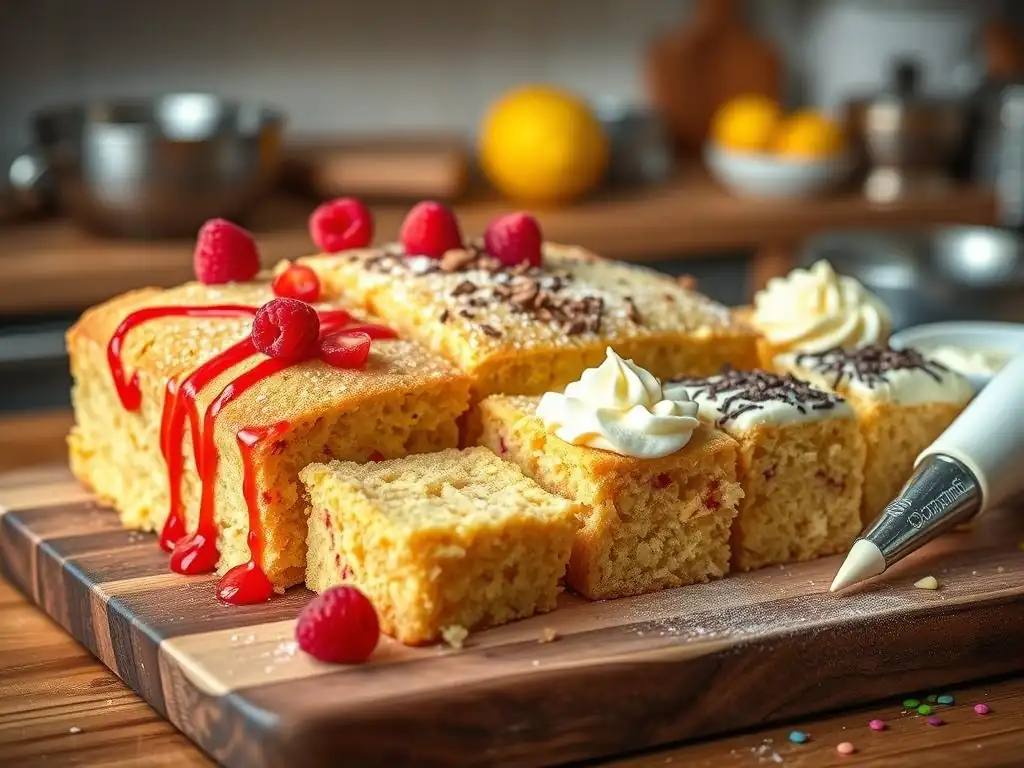
Adding berries is a fantastic way to introduce color, moisture, and a burst of fruity flavor to your easy vanilla sheet cake recipe. Fresh or frozen berries like blueberries, raspberries, or sliced strawberries can be gently folded into the batter just before pouring it into the sheet pan. If using frozen berries, don't thaw them first; toss them with a tablespoon or two of the dry flour mixture before folding them in to help prevent them from sinking to the bottom of the cake.
The berries bake into the vanilla sheet cake, creating sweet pockets of fruit that contrast beautifully with the soft vanilla crumb. This variation is particularly popular in spring and summer when berries are in season. A berry vanilla sheet cake pairs exceptionally well with a simple vanilla or cream cheese frosting and can be garnished with more fresh berries for a visually appealing and delicious dessert that’s sure to be a crowd-pleaser.
Swirl Vanilla Sheet Cake: A Fun Variation
For a visually appealing and slightly different texture, consider making a Swirl Vanilla Sheet Cake. This involves dividing the vanilla cake batter into two portions. You can leave one portion plain vanilla and mix a simple swirl component into the other. A common swirl is a chocolate swirl made by melting chocolate or mixing cocoa powder with a bit of sugar and milk into one portion of the batter. Alternatively, you could create a cinnamon-sugar swirl or even a fruit puree swirl.
To create the swirl, drop spoonfuls of the two batters alternately into the prepared sheet pan. Then, using a knife or skewer, gently swirl the batters together a few times. Be careful not to over-swirl, as you want distinct ribbons of each color/flavor rather than a muddy mix. This technique adds visual interest and an extra layer of flavor to the classic easy vanilla sheet cake recipe, making it a fun option for parties and special occasions.
Tips for Baking the Perfect Vanilla Sheet Cake
Avoiding Common Baking Mistakes: Troubleshooting Guide
Even with an easy vanilla sheet cake recipe, common baking mistakes can sometimes occur. One frequent issue is a dry cake, often caused by overmeasuring flour, overmixing the batter, or overbaking. To avoid this, always measure flour accurately (preferably by weight), mix the batter only until just combined, and check for doneness using the toothpick test at the minimum suggested baking time. If the cake is dense, it might be due to under-creaming the butter and sugar, using expired leavening agents (baking powder/soda), or opening the oven door too early during baking, causing the cake to collapse.
Another potential pitfall is uneven baking, where edges are done but the center is still raw. This is often a sign that your oven temperature is inconsistent or you're not using the center rack. Using an oven thermometer can help verify accuracy. If the top browns too quickly before the inside is done, you can loosely tent the cake with aluminum foil during the last part of the baking time. By being mindful of these common issues, you can significantly improve your chances of baking a perfect vanilla sheet cake every time.
Ensuring a Moist and Tender Cake: Expert Tips
Achieving a consistently moist and tender vanilla sheet cake relies on several key factors. First, using room temperature ingredients (butter, eggs, buttermilk) is crucial for proper emulsification and texture. Cold ingredients don't cream or mix together as effectively. Second, don't overmix the batter once the dry ingredients are added; mix only until just combined. Overmixing develops gluten, which leads to toughness.
Third, using ingredients like buttermilk, sour cream, or even oil (in addition to or instead of butter, depending on the specific easy vanilla sheet cake recipe) adds moisture and richness. Buttermilk, as mentioned, also aids in leavening and tenderizing. Finally, be careful not to overbake the cake. Even a few extra minutes in a hot oven can turn a moist cake dry. Remove the cake as soon as the toothpick test indicates it's done, and let it cool according to recipe instructions to retain moisture.
Storing Your Vanilla Sheet Cake: Keeping it Fresh
Proper storage is key to keeping your easy vanilla sheet cake fresh and delicious for as long as possible. If the cake is frosted and kept in the sheet pan, cover the pan tightly with plastic wrap or aluminum foil once the frosting has set. This prevents air from drying out the cake. A frosted vanilla sheet cake can typically be stored at room temperature for 2-3 days, provided your kitchen isn't excessively warm.
For longer storage or in warmer conditions, the frosted cake can be refrigerated. Ensure it's well-wrapped to prevent it from absorbing odors from the fridge. Bring refrigerated cake to room temperature before serving for the best flavor and texture. If you need to store unfrosted cake layers, wrap them tightly in plastic wrap once completely cooled and store at room temperature for a day or two, or refrigerate/freeze them for longer periods. Frozen unfrosted cake layers can last for a couple of months. Thaw frozen cake in the refrigerator before frosting.
Serving Your Easy Vanilla Sheet Cake
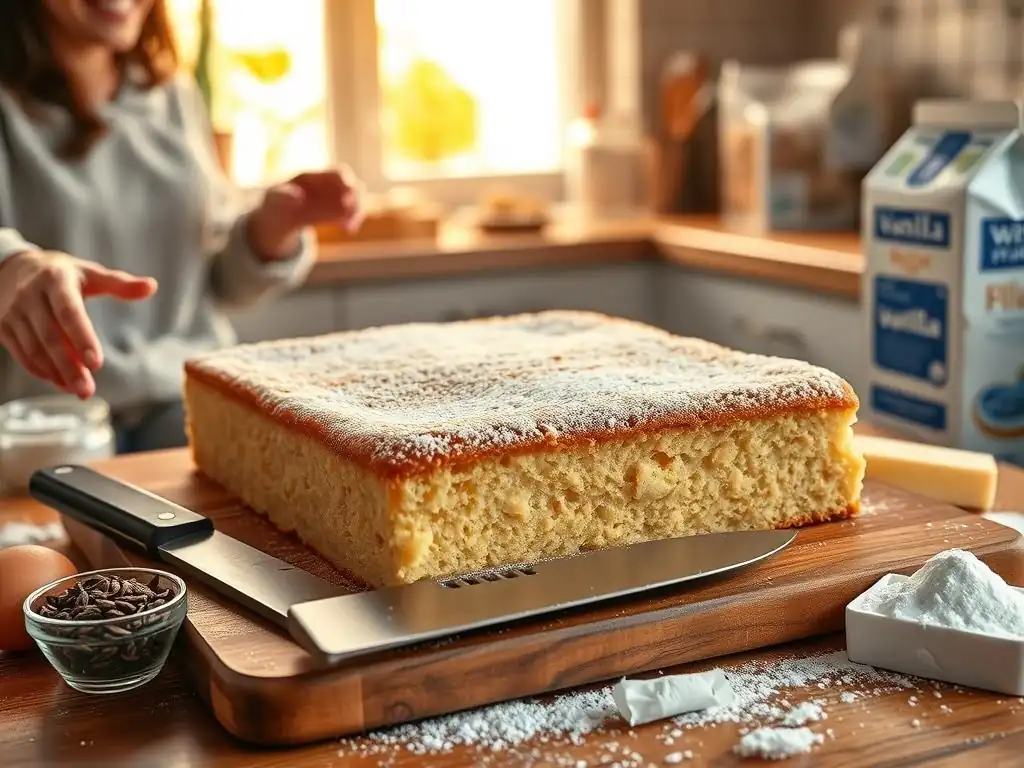
Perfect Pairings: What to Serve with Vanilla Sheet Cake
An easy vanilla sheet cake recipe is incredibly versatile and pairs well with a variety of accompaniments, making it ideal for diverse crowds. While delicious on its own with just frosting, you can elevate the serving experience by offering simple additions. Fresh berries (strawberries, raspberries, blueberries) are a classic pairing, providing a burst of freshness and a slight tartness that balances the sweetness of the cake and frosting. A dollop of whipped cream is another light and airy option that adds richness without being heavy.
Consider serving slices with a scoop of ice cream, especially vanilla bean or a complementary flavor like strawberry or coffee. A simple fruit sauce or coulis (like raspberry or mixed berry) can also add a touch of elegance and extra flavor. For a warmer, comforting feel, a drizzle of caramel or hot fudge sauce can turn a simple slice into a more decadent treat. The clean flavor of the vanilla sheet cake acts as a perfect base for these delicious pairings.
Decorating Ideas for a Festive Vanilla Sheet Cake
One of the advantages of an easy vanilla sheet cake recipe is the large, flat surface it provides for decoration. You can keep it simple or go all out depending on the occasion. For a quick and easy decoration, simply swirl the frosting with an offset spatula and maybe sprinkle some sprinkles, colored sugar, or edible glitter over the top. A dusting of powdered sugar through a stencil can also create a lovely pattern.
For a more festive look, pipe borders or decorative elements using a piping bag fitted with different tips. Fresh fruit, like berries or sliced kiwi, can be arranged artfully on top. Edible flowers add a touch of elegance. For birthdays or celebrations, candles, edible images, or small toys can be placed on the frosting. The large canvas allows for creative messages written in frosting. Even a simple, smooth layer of frosting cut into neat squares is visually appealing and highlights the cake's clean design.
Scaling the Recipe: Adjusting for Smaller or Larger Crowds
This easy vanilla sheet cake recipe is designed to feed a crowd using a standard half-sheet pan (approx. 18x13 inches), yielding 24-36 servings. However, you might need to adjust the recipe for different pan sizes or crowd counts. For a smaller gathering, you could bake the cake in a 9x13 inch pan. This is typically half the volume of a half-sheet pan, so you would generally halve all the ingredients. The baking time will be slightly shorter, likely around 25-35 minutes at 350°F, so start checking early.
For an even larger crowd, you could double the recipe to fit a full-sheet pan (approx. 26x18 inches). This pan size is often used in commercial bakeries and fits large professional ovens. If using a full sheet pan, you'll need to ensure your oven is large enough and might need to adjust the oven rack position for even baking.
Doubling the recipe means doubling all ingredients carefully. The baking time for a full sheet pan will be longer, potentially 40-50 minutes or more, again requiring careful monitoring with the toothpick test. Always check doneness thoroughly, as underbaked large cakes can be problematic.
Enjoy Your Delicious and Easy Vanilla Sheet Cake!
Frequently Asked Questions
What makes this vanilla sheet cake recipe considered "easy"?
This recipe focuses on simple ingredients and a straightforward method, requiring minimal specialized baking knowledge. The goal is to create a delicious cake without complex steps.
How many people does this "Easy Vanilla Sheet Cake" recipe feed?
The recipe is designed to feed a large group, typically ranging from 12 to 16 people depending on serving sizes. It's perfect for parties and gatherings.
Can I adapt the "Easy Vanilla Sheet Cake" recipe to make cupcakes instead?
Yes, you can! Simply adjust the baking time and use cupcake liners. Monitor them closely, as cupcakes bake much faster than a full sheet cake, aiming for a golden brown color and a springy texture.
What kind of frosting is recommended for this "Easy Vanilla Sheet Cake"?
While the recipe may suggest a specific frosting, a classic vanilla buttercream or a simple glaze works exceptionally well. Feel free to experiment with different flavors to suit your preferences.
What are some tips for ensuring the "Easy Vanilla Sheet Cake" comes out moist and tender?
Avoid overbaking the cake! Overbaking leads to dryness. Also, using room temperature ingredients helps create a smooth batter, resulting in a more tender crumb.
Final Reflection: The Enduring Power of Simple Pleasures
The humble sheet cake, a symbol of celebration and togetherness, remains surprisingly relevant in our fast-paced world. Its ease of preparation and ability to feed a multitude speaks to a deep-seated human need for connection and shared experiences, a need that transcends trends and technological advancements. In a world obsessed with elaborate creations, the simple joy of a perfectly baked vanilla sheet cake offers a refreshing counterpoint.
The enduring appeal of this classic dessert lies not just in its deliciousness, but in its capacity to foster community and create lasting memories. It's the centerpiece of countless childhood birthdays, family gatherings, and potlucks, a silent witness to countless moments of joy and shared laughter. As Maya Angelou wisely said, >“I’ve learned that people will forget what you said, people will forget what you did, but people will never forget how you made them feel.” And a delicious, homemade vanilla sheet cake certainly contributes to making people feel good.
Now, I invite you to consider the power of simple pleasures in your own life. Think about the moments you’ve shared around a simple, delicious cake – the laughter, the conversation, the feeling of connection. Don't underestimate the impact of these seemingly small gestures. The next time you're looking for a way to bring people together, remember the magic of a perfectly baked vanilla sheet cake. Bake one, share it, and create your own lasting memories.
Unleash Your Inner Baker: Make This Cake a Reality!
Thanks for joining us on this delicious journey! We hope you're feeling inspired and ready to bake something amazing. You now have the recipe to create a crowd-pleasing vanilla sheet cake that's both simple and stunning. Ready to take the next step?
- Bake the cake today! Grab your ingredients and let's get baking. This recipe is designed for success, even for beginners.
- Share your creation: Post a picture of your finished cake on social media and tag us! We'd love to see your baking masterpiece.
- Explore other recipes: Head over to our website for more easy and delicious cake recipes – we have something for everyone.
What flavor will you add to your next sheet cake masterpiece?