
Mastering the Art of Vanilla Cake Batter

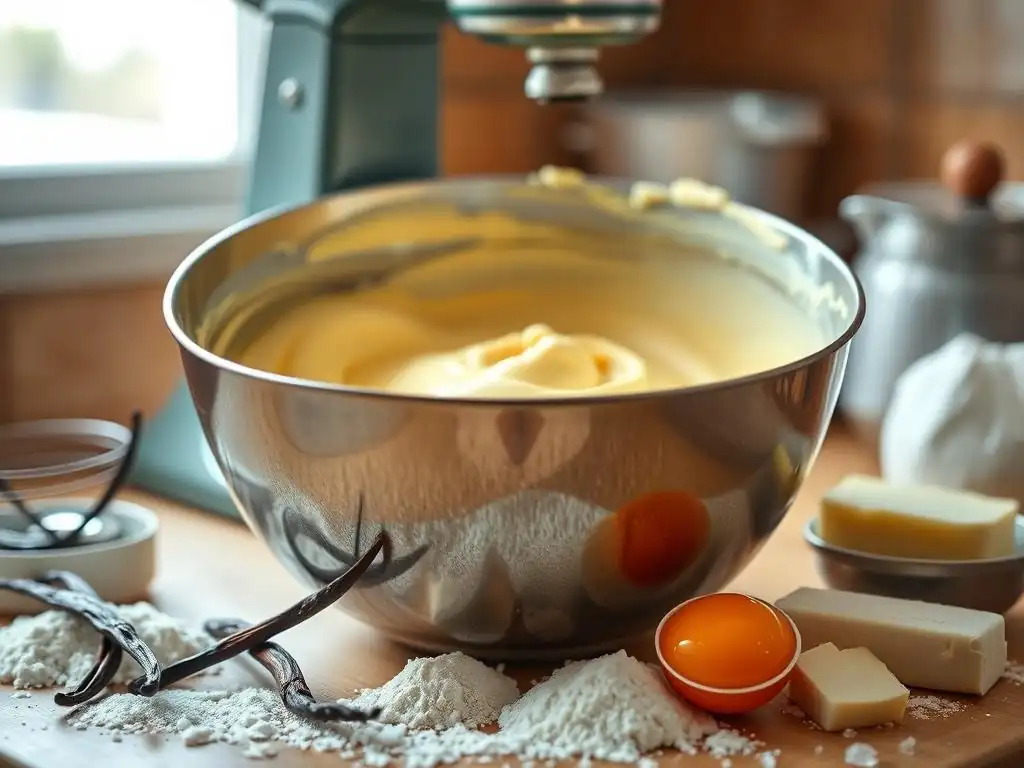
Welcome to BakeWithEase!
Ever wondered what separates a good vanilla cake from a truly extraordinary one? The secret, as many seasoned bakers know, lies in the perfect vanilla cake batter recipe. This isn't just about mixing ingredients; it's about understanding the science and art behind achieving that light, moist, and utterly irresistible crumb. Get ready to unlock the secrets to a flawless batter and elevate your baking game. Let's begin your journey to a masterful vanilla cake!
- Mastering the Art of Vanilla Cake Batter: BakeWithEase Guide
- Introduction: Elevate Your Baking with the Perfect Vanilla Cake Batter Recipe
- Understanding the Fundamentals of Vanilla Cake Batter
-
Step-by-Step Guide to Perfecting Vanilla Cake Batter Recipe
- Step 1: Creaming Butter and Sugar for Light and Airy Texture
- Step 2: Incorporating Eggs for Emulsion and Structure
- Step 3: Dry Ingredients: Measuring and Combining Flour, Baking Powder, and Salt
- Step 4: Wet and Dry Ingredient Alternation: Achieving the Right Consistency
- Step 5: Adding Vanilla Extract: Enhancing the Flavor
- Step 6: Optional Add-Ins: Variations on Vanilla Cake Batter
- Troubleshooting Common Vanilla Cake Batter Issues
- Tips and Tricks for Enhancing Your Vanilla Cake
- Baking and Cooling Your Vanilla Cake
- Storing Vanilla Cake for Optimal Freshness
- Vanilla Cake Batter Recipe: A BakeWithEase Exclusive
- Conclusion: Your Journey to Baking Perfection Begins Now
-
Frequently Asked Questions
- What makes the BakeWithEase vanilla cake batter recipe different from others?
- What are some common mistakes to avoid when preparing vanilla cake batter?
- Can I substitute ingredients in the BakeWithEase vanilla cake batter recipe?
- How can I ensure my vanilla cake rises evenly?
- What are some variations I can make to the BakeWithEase vanilla cake batter recipe?
- Final Reflection: The Enduring Allure of the Perfect Vanilla Cake
- Unlock Your Inner Baker: Vanilla Cake Perfection Awaits!
Mastering the Art of Vanilla Cake Batter: BakeWithEase Guide
Introduction: Elevate Your Baking with the Perfect Vanilla Cake Batter Recipe
Why Vanilla Cake Batter is a Baking Essential
Vanilla cake batter is the foundation for countless delicious desserts, serving as a true cornerstone in the world of baking. Its simple yet elegant flavor profile makes it incredibly versatile, capable of being dressed up with various frostings, fillings, and mix-ins. Mastering the art of creating a perfectly balanced vanilla cake batter is a skill that every baker, from novice to experienced, should cultivate. It's the benchmark against which many other cake recipes are measured, and a well-executed vanilla cake is often a crowd-pleaser, offering a comforting and familiar taste.
Beyond its popularity, understanding how to create a flawless vanilla cake batter teaches fundamental baking principles. Techniques like creaming butter and sugar, alternating wet and dry ingredients, and proper ingredient measurement are critical skills transferable to many other recipes, including muffins, cupcakes, and quick breads. Dedicating time to perfecting vanilla cake batter recipe techniques lays a solid groundwork for expanding your baking repertoire and achieving consistent success in the kitchen.
BakeWithEase's Commitment to Simple Baking Techniques
At BakeWithEase, we believe that baking should be accessible and enjoyable for everyone. Our philosophy centers around breaking down complex processes into simple, manageable steps, empowering you to create delicious treats with confidence. We focus on clear instructions, easy-to-find ingredients, and reliable methods that yield consistent results, helping you master essential skills like perfecting vanilla cake batter recipe fundamentals without feeling overwhelmed.
Our guides are designed to be your friendly companion in the kitchen, offering tips, explanations, and troubleshooting advice along the way. Whether you're baking your very first cake or aiming to refine your technique, BakeWithEase provides the resources you need to succeed. We aim to demystify baking, making it a rewarding and fun experience, ensuring that your journey towards creating the perfect vanilla cake batter is smooth and successful.
Understanding the Fundamentals of Vanilla Cake Batter
Key Ingredients for a Delicious Vanilla Cake
Crafting a delicious vanilla cake begins with understanding the role of each ingredient. While the list might seem simple – flour, sugar, fat, eggs, leavening, liquid, and vanilla – the quality and interaction of these components are crucial for achieving the desired texture, flavor, and rise. Each ingredient contributes uniquely to the final outcome, influencing everything from the cake's crumb structure to its moisture level and overall taste.
Using high-quality ingredients is often the first step towards perfecting vanilla cake batter recipe results. Fresh eggs, good quality butter or oil, and pure vanilla extract can make a significant difference in flavor. Similarly, accurately measuring each ingredient ensures the chemical reactions needed for a successful cake occur correctly. A slight mismeasurement, particularly of flour or leavening, can drastically alter the batter's consistency and the cake's final texture.
Flour Selection for Vanilla Cake: Cake Flour vs. All-Purpose
The type of flour you choose significantly impacts the texture of your vanilla cake. Cake flour, with its lower protein content (typically 6-8%) compared to all-purpose flour (10-12%), produces a softer, finer crumb. It absorbs less liquid, resulting in a more tender cake. Many professional bakers prefer cake flour for achieving that light, delicate texture often associated with classic bakery-style vanilla cakes.
While cake flour is ideal for a very tender crumb, all-purpose flour can also be used successfully, especially for a slightly sturdier cake that holds up well to frosting and stacking. If using all-purpose flour when a recipe calls for cake flour, you might need to adjust the quantity slightly or even remove a small amount of flour and replace it with cornstarch (e.g., for every cup of all-purpose flour, remove 2 tablespoons and replace with 2 tablespoons of cornstarch) to mimic the lower protein content.
Regardless of the type, always measure flour accurately by spooning it into the measuring cup and leveling it off, rather than scooping directly from the bag, which can compact the flour and result in too much being used.
The Role of Sugar in Vanilla Cake Texture and Flavor
Sugar does more than just sweeten your vanilla cake; it plays a vital role in its structure, moisture, and browning. Granulated sugar is the most common choice for vanilla cake batter. It helps tenderize the cake by interfering with gluten development in the flour. During creaming with butter, sugar crystals cut into the fat, creating tiny air pockets that contribute to the cake's lift and texture.
Furthermore, sugar is hygroscopic, meaning it attracts and retains moisture, contributing to a moist crumb. It also aids in the Maillard reaction during baking, which contributes to the golden-brown color of the crust and develops complex flavors. Using too little sugar can result in a tough, dry, and pale cake, while too much can make the cake overly sweet, dense, and potentially cause it to sink. Achieving the correct balance is key to perfecting vanilla cake batter recipe results.
Choosing the Right Fat: Butter vs. Oil in Vanilla Cake Batter
The type of fat used significantly influences the flavor, texture, and moisture of your vanilla cake. Butter, especially unsalted butter, is a classic choice for its rich flavor and its ability to be creamed with sugar, which incorporates air into the batter for a lighter texture. Cakes made with butter often have a lovely golden crust and a slightly more complex flavor profile due to the milk solids present in butter.
Oil, on the other hand, yields a cake that is generally more moist and tender, and stays moist for longer. Since oil is liquid at room temperature, it coats the flour proteins more effectively, inhibiting gluten development and resulting in a softer crumb. Vegetable oil, canola oil, or other neutral-flavored oils are typically used.
While oil-based cakes might lack some of the rich flavor notes that butter provides, they are often simpler to make as they don't require the creaming step and are less prone to drying out. Some recipes use a combination of butter and oil to get the best of both worlds: flavor from butter and moisture from oil.
Importance of Eggs in Vanilla Cake Structure
Eggs are multifaceted ingredients crucial to perfecting vanilla cake batter recipe structure and richness. They provide structure through the coagulation of their proteins when heated, helping the cake hold its shape. Eggs also contribute to leavening; when beaten, they incorporate air, and their liquid content turns to steam in the oven, further lifting the cake.
Beyond structure and leavening, eggs add richness, flavor, and moisture. The yolks contribute fat and emulsifiers (like lecithin) that help bind the batter's ingredients smoothly, preventing separation and contributing to a tender crumb. The number and size of eggs used are important; a standard large egg weighs about 50 grams. Using too many eggs can result in a rubbery or dense cake, while too few can lead to a fragile structure that might crumble or sink.
Vanilla Extract: Enhancing the Vanilla Flavor Profile
Vanilla extract is the star flavor component in vanilla cake. It provides the signature warm, aromatic notes that define this classic dessert. The quality of your vanilla extract can significantly impact the final flavor. Pure vanilla extract, made by macerating vanilla beans in alcohol and water, offers a complex and nuanced flavor compared to imitation vanilla extract, which is typically made from synthetic vanillin.
For the best flavor, use pure vanilla extract. Madagascar bourbon vanilla is a popular choice known for its sweet, creamy notes, while Mexican vanilla offers smoky, spicy undertones, and Tahitian vanilla is more floral. Adding the vanilla extract at the correct stage, typically with the wet ingredients or at the very end of mixing, ensures its delicate flavor is preserved. Using a sufficient quantity is also important; many recipes call for 1 to 2 teaspoons, but for a truly pronounced vanilla flavor, some bakers even use a tablespoon or add vanilla bean paste or seeds.
Essential Baking Tools for Vanilla Cake Success
Having the right tools makes the process of perfecting vanilla cake batter recipe much smoother and more enjoyable. Accurate measuring tools are paramount: dry measuring cups and spoons for flour, sugar, leavening, and extracts, and a liquid measuring cup for milk, oil, or other liquids. Using a kitchen scale is even better for precise measurement, especially for flour and sugar, as it eliminates the variability of volume measurements.
A stand mixer or a good quality electric hand mixer is invaluable for creaming butter and sugar and incorporating eggs, ensuring adequate aeration for a light cake. Mixing bowls of various sizes, a rubber spatula or scraper for folding and scraping down the bowl, and a whisk for combining dry ingredients are also essential. For baking, you'll need cake pans (round, square, or loaf, depending on the recipe) and parchment paper to line the bottoms, preventing sticking and ensuring easy removal. A wire rack is necessary for cooling the baked cake layers properly.
Step-by-Step Guide to Perfecting Vanilla Cake Batter Recipe
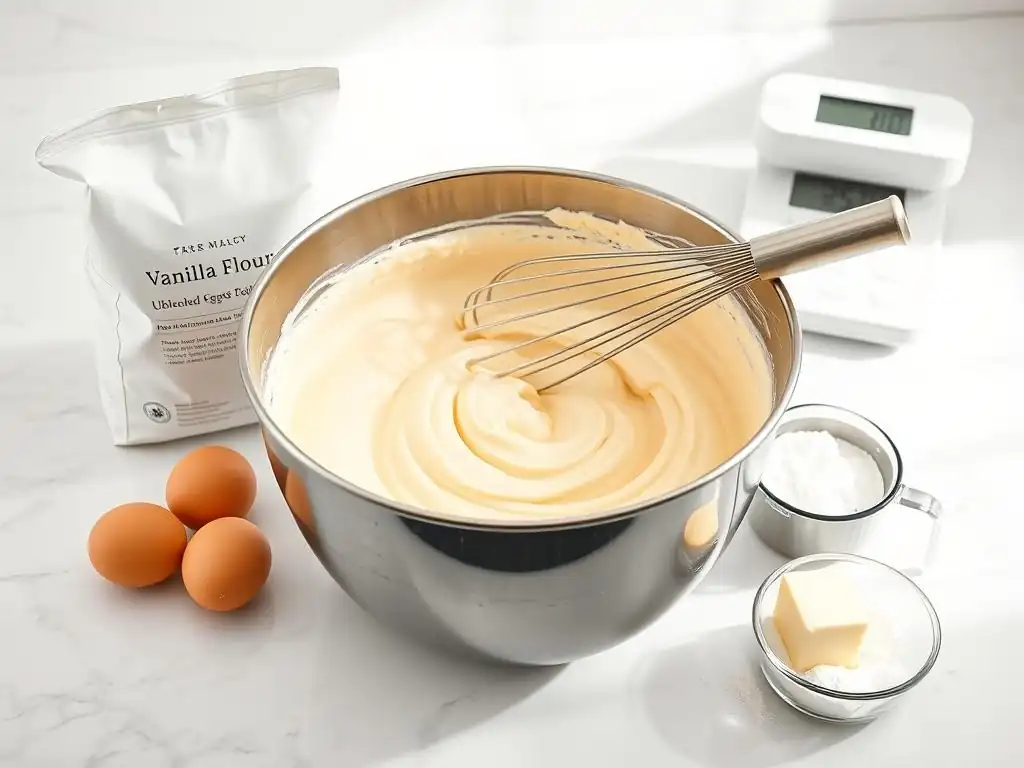
Step 1: Creaming Butter and Sugar for Light and Airy Texture
The creaming method is fundamental to many classic cake recipes, including vanilla cake. This step involves beating softened butter with granulated sugar until the mixture becomes light, fluffy, and pale yellow. As the sugar crystals rub against the butter, they create tiny air pockets. These air pockets expand during baking, contributing significantly to the cake's rise and delicate crumb structure.
To execute this step correctly, ensure your butter is properly softened – not melted, but soft enough to easily indent with your finger. Cold butter won't cream effectively, and melted butter will result in a dense, greasy cake. Use a stand mixer with the paddle attachment or an electric hand mixer.
Start on low speed to combine, then increase to medium-high speed, beating for 3-5 minutes, or until the mixture is noticeably lighter in color and texture. Scrape down the sides and bottom of the bowl occasionally to ensure even creaming. This step is vital for perfecting vanilla cake batter recipe lightness.
Step 2: Incorporating Eggs for Emulsion and Structure
Once the butter and sugar are creamed, eggs are added, usually one at a time, beating well after each addition. This process emulsifies the batter, meaning it helps the fat and liquid components combine smoothly and prevents the batter from separating or looking curdled. Eggs also add structure and richness, as discussed earlier.
Add the eggs gradually, allowing each one to be fully incorporated into the batter before adding the next. Beat on medium speed until no streaks of egg yolk are visible. If the mixture looks slightly curdled, don't worry; it often smooths out once the dry ingredients are added. Adding a tablespoon of the dry ingredients along with the last egg can sometimes help prevent curdling. Proper egg incorporation is crucial for a stable and well-structured vanilla cake batter.
Step 3: Dry Ingredients: Measuring and Combining Flour, Baking Powder, and Salt
The dry ingredients typically include flour, baking powder (or baking soda, depending on the recipe's acid content), and salt. Baking powder is a common leavening agent in vanilla cake, providing lift through a double-acting process: once when mixed with liquid and again when heated in the oven. Salt balances the sweetness and enhances the overall flavor profile of the cake.
Accurate measurement of dry ingredients is critical. Too much flour will result in a dry, dense cake, while too little can make it crumble. Leavening agents must also be measured precisely; too much can cause the cake to rise too quickly and then collapse, while too little will result in a flat, heavy cake. It's best practice to whisk the dry ingredients together thoroughly in a separate bowl before adding them to the wet ingredients. This ensures that the leavening agents and salt are evenly distributed throughout the flour, guaranteeing a consistent rise and flavor in every bite.
Step 4: Wet and Dry Ingredient Alternation: Achieving the Right Consistency
After creaming the butter and sugar and incorporating the eggs, the dry ingredients and liquid (usually milk or buttermilk) are added to the batter in alternating additions. This method helps develop a tender crumb and prevents the batter from becoming too stiff or too liquid at any one point. A common pattern is to start and end with the dry ingredients, for example: 1/3 dry, 1/2 wet, 1/3 dry, 1/2 wet, 1/3 dry.
Begin by adding about one-third of the whisked dry ingredients to the batter and mixing on low speed just until combined. Then, add about half of the liquid and mix until incorporated. Repeat with the second third of the dry ingredients, the remaining liquid, and finally the last third of the dry ingredients. Mix only until the last bit of flour disappears. Overmixing at this stage develops gluten, leading to a tough cake. This alternating method is key to perfecting vanilla cake batter recipe consistency and texture.
Step 5: Adding Vanilla Extract: Enhancing the Flavor
Vanilla extract is typically added with the wet ingredients or during the final stages of mixing. Adding it later helps preserve its delicate aromatic compounds, which can be diminished by prolonged mixing or exposure to heat. Ensure you use pure vanilla extract for the best flavor, as discussed previously.
Pour the measured vanilla extract into the batter and mix on low speed for just a few seconds, or fold it in gently with a rubber spatula, until it is evenly distributed. You might also add other flavorings at this stage, such as almond extract or lemon zest, if desired. This final touch ensures that the signature vanilla flavor is prominent and well-integrated throughout the cake.
Step 6: Optional Add-Ins: Variations on Vanilla Cake Batter
While a classic vanilla cake is wonderful on its own, the versatile vanilla cake batter is an excellent base for incorporating various mix-ins to create exciting flavor and texture variations. Adding mix-ins allows you to customize your cake for different occasions or personal preferences, transforming the basic recipe into something new and special.
When adding mix-ins, be mindful of their weight and distribution. Heavier additions, like chocolate chips, can sink to the bottom if the batter is too thin or if they aren't properly coated. Gently folding in mix-ins at the very end of the mixing process is usually best to avoid overworking the batter.
Chocolate Chips in Vanilla Cake Batter
Adding chocolate chips is a simple yet popular way to enhance vanilla cake batter. The little pockets of melted chocolate provide bursts of intense flavor and a pleasing texture contrast to the soft cake crumb. Semi-sweet, milk, or white chocolate chips can be used, depending on your preference.
For best results, toss the chocolate chips with a tablespoon or two of the dry flour mixture before folding them into the batter. This light coating of flour helps suspend the chips in the batter, preventing them from all sinking to the bottom during baking. Fold them in gently using a spatula until they are just evenly distributed. A standard 8 or 9-inch cake might use anywhere from 1/2 cup to 1 cup of chocolate chips.
Sprinkles for a Funfetti Vanilla Cake
Transforming vanilla cake batter into a funfetti cake is incredibly easy and adds a festive touch perfect for birthdays and celebrations. Jimmies (the rod-shaped sprinkles) are typically used for funfetti as they hold their color and shape better during baking than nonpareils (the tiny round balls), which can sometimes melt or bleed color.
Gently fold the sprinkles into the batter right before pouring it into the pan. Use about 1/4 to 1/2 cup of sprinkles for a standard cake recipe. Be careful not to overmix once the sprinkles are added, as this can cause the colors to bleed into the batter, resulting in a muddy appearance instead of distinct pops of color. The vibrant look makes perfecting vanilla cake batter recipe with sprinkles a visual delight.
Fruit Zest for Added Aroma
Adding finely grated fruit zest, such as lemon, orange, or lime zest, is a fantastic way to introduce a bright, aromatic lift to vanilla cake batter. The oils in the zest infuse the cake with a fresh, fragrant flavor that complements the sweetness of the vanilla beautifully. Lemon zest is a classic pairing, adding a subtle tanginess that brightens the overall taste.
Use a microplane or fine grater to remove only the colored part of the peel, avoiding the bitter white pith underneath. Add the zest along with the vanilla extract or with the wet ingredients. The warmth of baking helps release the aromatic compounds. For an 8 or 9-inch cake, the zest of one medium lemon or half an orange is typically sufficient to impart a noticeable, pleasant aroma and flavor.
Troubleshooting Common Vanilla Cake Batter Issues
Lumpy Vanilla Cake Batter: Causes and Solutions
Lumpy batter is a common issue when perfecting vanilla cake batter recipe, often caused by incomplete mixing of ingredients, particularly the dry ones, or adding ingredients that are too cold. If your butter wasn't properly softened, it will create lumps that are difficult to incorporate smoothly with sugar. Similarly, not whisking dry ingredients together before adding them can result in pockets of unmixed flour or leavening.
To avoid lumps, ensure all ingredients, especially butter and eggs, are at room temperature. Whisk your dry ingredients thoroughly in a separate bowl. When combining wet and dry ingredients, mix on low speed just until no streaks of dry flour are visible. If you find small lumps of flour (not butter) in your batter, you can gently mix a few more seconds, but be careful not to overdevelop gluten. If the lumps are from cold butter, it's harder to fix at the batter stage, emphasizing the importance of starting with properly softened butter.
Overmixing Vanilla Cake Batter: Preventing Tough Cakes
Overmixing is one of the quickest ways to ruin a perfectly good vanilla cake batter, resulting in a tough, dense cake. When flour is mixed with liquid, gluten develops. While some gluten is necessary for structure, too much creates a chewy, bread-like texture rather than a tender cake crumb. This is particularly important when perfecting vanilla cake batter recipe techniques.
To prevent overmixing, especially after adding the dry ingredients, mix only until the flour is just incorporated and no dry streaks remain. Use the lowest speed on your mixer or fold gently by hand. Stop mixing as soon as the batter looks uniform. It's better to have a few tiny streaks of flour than to overmix. Remember that any additional mixing when adding liquid or mix-ins should also be kept to a minimum.
Dense Vanilla Cake: Achieving a Light and Fluffy Texture
A dense vanilla cake can stem from several factors, often related to leavening, fat, or mixing technique. Insufficient leavening (old baking powder or baking soda, or inaccurate measurement) won't produce enough lift. Using melted butter or too little fat can also result in a heavier crumb. Overmixing, as mentioned, develops gluten and compacts the cake.
To achieve a light and fluffy texture when perfecting vanilla cake batter recipe, ensure your leavening is fresh (test baking powder by adding a teaspoon to hot water; it should bubble vigorously). Use properly softened butter and cream it thoroughly with sugar to incorporate air. Add eggs one at a time, beating well. Finally, mix dry ingredients gently and only until just combined. Baking at the correct temperature is also important, as too low a temperature can affect the cake's rise.
Sinking Vanilla Cake: Understanding Oven Temperature and Baking Time
A vanilla cake that sinks in the center after baking is a frustrating issue, usually related to improper baking conditions. The most common culprits are opening the oven door too early during baking, an oven temperature that is too low, or underbaking the cake. If the oven isn't hot enough, the cake's structure sets too slowly, and it might collapse before it's fully baked. Opening the door lets in a rush of cool air, interrupting the setting process.
Ensure your oven is accurately preheated to the specified temperature (an oven thermometer is a useful tool here; many ovens are inaccurate). Avoid opening the oven door until the cake is nearly done baking – usually not before two-thirds of the recommended baking time has passed. Bake the cake for the minimum recommended time, then check for doneness using a toothpick. If it's not ready, continue baking for a few more minutes and test again. Removing the cake too early means the center hasn't fully set, and it will likely sink upon cooling.
Tips and Tricks for Enhancing Your Vanilla Cake
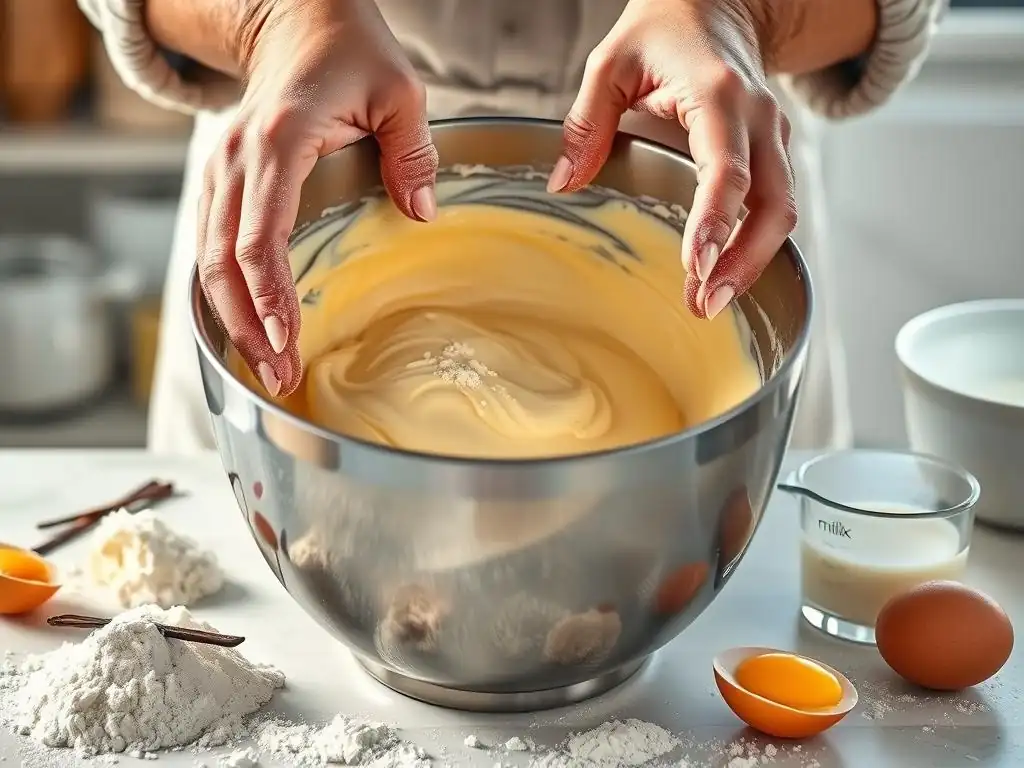
Achieving a Moist Vanilla Cake
Dry vanilla cake is disappointing. Several factors contribute to a moist cake, including the right balance of fat and sugar, proper mixing, and using moistening ingredients. Using oil as the fat tends to produce a moister cake than butter. Adding ingredients like buttermilk, sour cream, or yogurt instead of plain milk can significantly increase moisture due to their fat content and acidity, which also helps tenderize the cake.
Avoid overbaking, as this dries out the cake quickly. Check for doneness at the minimum recommended time. Storing the cake properly also helps retain moisture. Some recipes incorporate ingredients like applesauce or mashed banana, though these will alter the flavor profile slightly. Using the creaming method correctly incorporates air, which contributes to a tender, moist crumb structure. Perfecting vanilla cake batter recipe moisture is key to a delicious result.
Leveling Vanilla Cake Layers for Perfect Stacking
Achieving flat cake layers is essential for easy stacking and decorating. Often, cakes dome slightly in the center during baking. To level layers, you can use a serrated knife or a specialized cake leveler tool. Once the cake is completely cooled, place it on a flat surface and carefully slice off the domed top to create a flat surface.
Alternatively, you can use cake strips (fabric strips soaked in water and wrapped around the outside of the pan) during baking. These insulate the sides of the pan, causing the cake to bake more evenly from the edges to the center and resulting in a flatter top. Using the correct oven temperature and avoiding overmixing can also help reduce doming.
Flavor Variations for Vanilla Cake Batter
The basic vanilla cake batter recipe is a fantastic canvas for adding other flavors. While vanilla is the primary flavor, subtle additions can create exciting new dimensions without overpowering the classic taste. Experimenting with these variations adds versatility to your baking skills.
Consider swapping out some of the vanilla extract for another complementary extract, or adding zest, spices, or even a touch of coffee or tea. The possibilities are vast, allowing you to tailor the cake to different palates and occasions.
Almond Extract for a Nutty Vanilla Cake
A touch of almond extract pairs beautifully with vanilla, adding a subtle nutty depth that enhances the overall flavor complexity. Almond extract is potent, so a little goes a long way. Start by substituting about 1/4 teaspoon of almond extract for 1/4 teaspoon of the vanilla extract, or add 1/4 to 1/2 teaspoon of almond extract in addition to the full amount of vanilla extract.
This variation results in a cake with a more sophisticated flavor profile, reminiscent of classic French pastries. It pairs wonderfully with almond-flavored frostings or fillings, or even a simple vanilla buttercream. The combination of vanilla and almond creates a comforting yet elegant taste.
Lemon Zest for a Citrusy Vanilla Cake
As mentioned earlier, lemon zest adds a bright, refreshing citrus note to vanilla cake. The fragrant oils in the zest complement the vanilla beautifully and cut through the sweetness, resulting in a lighter-tasting cake. Use the zest of one medium lemon for a standard cake recipe, adding it with the wet ingredients or at the end of mixing.
This citrus-vanilla combination is particularly refreshing in warmer months and pairs well with berry fillings or cream cheese frosting. The acidity from the lemon zest also helps tenderize the cake slightly, contributing to a moist crumb. It's a simple addition that elevates the basic vanilla flavor.
Brown Butter Vanilla Cake for a Rich, Caramelized Flavor
Browning the butter before adding it to the vanilla cake batter introduces a rich, nutty, caramelized flavor that is truly exceptional. To make brown butter, melt unsalted butter in a saucepan over medium heat, swirling occasionally. It will foam, then start to brown, and nutty brown bits will appear at the bottom. Remove from heat immediately once it reaches an amber color and smells nutty.
Allow the brown butter to cool slightly but remain liquid before using it in your recipe. You'll typically use brown butter in place of the softened butter called for in the recipe. This variation adds significant depth and complexity to the vanilla cake, making it incredibly flavorful and sophisticated. It's a simple technique that takes perfecting vanilla cake batter recipe to a gourmet level.
Baking and Cooling Your Vanilla Cake
Oven Temperature and Baking Time Guidelines
Baking at the correct oven temperature for the appropriate time is critical for a successful vanilla cake. Most vanilla cake recipes call for a temperature between 325°F (160°C) and 350°F (175°C). Lower temperatures tend to result in a more even rise and flatter top, while higher temperatures can produce a faster rise but might lead to more doming or a drier cake if not monitored carefully.
Always preheat your oven fully for at least 15-20 minutes before baking. Use an oven thermometer to verify the temperature. Baking times vary depending on the pan size and depth; a standard 8 or 9-inch round cake might bake for 25-35 minutes, while a loaf cake could take 50-60 minutes. Refer to your specific recipe's guidelines, but be prepared to adjust based on your oven.
Checking for Doneness: The Toothpick Test
The toothpick test is the classic method for checking if your vanilla cake is fully baked. Once the cake looks golden brown around the edges and the center appears set, insert a toothpick or a thin wooden skewer into the center of the cake.
If the toothpick comes out clean or with just a few moist crumbs attached, the cake is done. If it comes out with wet batter, the cake needs more time. Check the cake at the minimum recommended baking time and continue baking in 2-5 minute intervals, testing each time, until the toothpick test is successful. Avoid overbaking, which can lead to a dry cake.
Cooling Your Vanilla Cake: Preventing Cracking and Sticking
Proper cooling is just as important as proper baking for a successful vanilla cake. Immediately after removing the cake from the oven, let it cool in the pan on a wire rack for 10-15 minutes. This allows the cake to finish setting and makes it easier to remove from the pan without breaking.
After the initial cooling period in the pan, invert the cake onto the wire rack and gently lift off the pan. Cool the cake completely on the wire rack before frosting or storing. Cooling on a wire rack allows air circulation around the entire cake, preventing condensation that can make the bottom soggy and ensuring even cooling. Attempting to frost or move a warm cake can cause it to crumble or crack.
Storing Vanilla Cake for Optimal Freshness
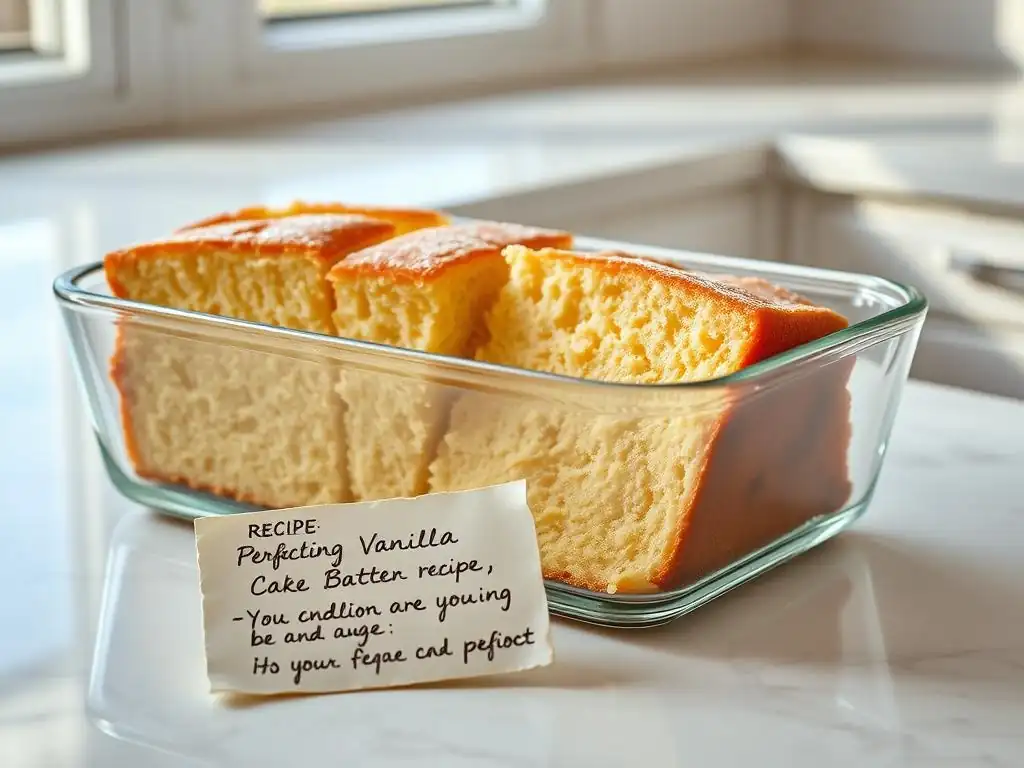
Proper storage is essential for keeping your vanilla cake moist and delicious. The method depends on whether the cake is frosted or unfrosted and how long you plan to store it. Air is the enemy of freshness, causing cakes to dry out, so minimizing exposure is key.
Always ensure the cake is completely cooled before storing. Storing a warm cake creates condensation, which can make it soggy and promote bacterial growth. Use airtight containers or wrap the cake securely to protect it from air.
Storing Unfrosted Vanilla Cake Layers
Unfrosted vanilla cake layers can be stored at room temperature for 1-2 days, wrapped tightly in plastic wrap. For longer storage, they can be refrigerated for up to 5 days or frozen for up to 2 months. To refrigerate or freeze, wrap each cooled layer individually in plastic wrap, then in aluminum foil or place in a freezer-safe bag or container.
When ready to use frozen layers, thaw them in the refrigerator overnight. Leaving the wrapping on while thawing helps trap moisture. Freezing layers ahead of time is a great way to break up the baking process, making perfecting vanilla cake batter recipe and assembly for a special occasion less stressful.
Storing Frosted Vanilla Cake
Frosted vanilla cake needs to be stored differently depending on the type of frosting. Cakes frosted with buttercream (butter-based) can typically be stored at room temperature for 2-3 days, provided the room isn't excessively warm. Cover the cake with a cake dome or store sliced cake in an airtight container.
Cakes frosted with cream cheese frosting or fillings containing dairy or fresh fruit should be stored in the refrigerator. Cover the cake loosely with plastic wrap or place it in an airtight container. Refrigerated frosted cakes are best consumed within 3-4 days. For longer storage, slice the cake and freeze individual portions wrapped tightly.
Vanilla Cake Batter Recipe: A BakeWithEase Exclusive
Ingredients List
- 2 1/4 cups (270g) Cake Flour, sifted
- 1 1/2 teaspoons Baking Powder
- 1/4 teaspoon Salt
- 1 cup (227g) Unsalted Butter, softened
- 1 3/4 cups (350g) Granulated Sugar
- 3 large Eggs, at room temperature
- 2 teaspoons Pure Vanilla Extract
- 1 cup (240ml) Buttermilk, at room temperature
Detailed Instructions
- Preheat your oven to 350°F (175°C). Grease and flour two 8-inch round cake pans, or line the bottoms with parchment paper.
- In a medium bowl, whisk together the sifted cake flour, baking powder, and salt. Set aside.
- In a large bowl or the bowl of a stand mixer fitted with the paddle attachment, cream the softened butter and granulated sugar on medium-high speed for 3-5 minutes, until light and fluffy, scraping down the bowl as needed.
- Add the eggs one at a time, beating well after each addition until fully incorporated. Scrape down the bowl.
- Add the vanilla extract and mix briefly until combined.
- With the mixer on low speed, alternate adding the dry ingredients and the buttermilk to the butter mixture. Begin and end with the dry ingredients (add 1/3 of the dry ingredients, mix until just combined; add 1/2 of the buttermilk, mix until just combined; add 1/3 of the dry ingredients, mix until just combined; add the remaining 1/2 of the buttermilk, mix until just combined; add the remaining 1/3 of the dry ingredients, mix until just combined). Do not overmix; stop as soon as no dry streaks are visible.
- Divide the batter evenly between the prepared cake pans. Smooth the tops with a spatula.
- Bake for 28-35 minutes, or until a toothpick inserted into the center comes out clean or with a few moist crumbs.
- Let the cakes cool in the pans on a wire rack for 10-15 minutes before inverting them onto the wire rack to cool completely.
- Once completely cooled, the layers are ready to be frosted, stacked, or stored. This recipe is a key step in perfecting vanilla cake batter recipe results.
Conclusion: Your Journey to Baking Perfection Begins Now
The Versatility of a Well-Made Vanilla Cake
Mastering the art of creating a well-made vanilla cake batter opens up a world of possibilities in your baking journey. A perfectly baked vanilla cake is a versatile foundation, ready to be paired with an endless array of frostings, fillings, and decorations. From classic vanilla buttercream and fresh berries to rich chocolate ganache or tangy lemon curd, the simple elegance of vanilla cake complements nearly any flavor combination.
It's the ideal base for celebration cakes, cupcakes, or even simple tea cakes. Understanding the principles behind perfecting vanilla cake batter recipe techniques means you can confidently adapt recipes, troubleshoot issues, and consistently produce delicious results that impress. This fundamental skill is a valuable asset for any home baker looking to expand their repertoire.
At BakeWithEase, we love seeing what you create! Baking is a joyous activity, meant to be shared and celebrated. Whether you've just baked your very first successful vanilla cake using our guide or have experimented with adding your own unique twist to the vanilla cake batter recipe, we encourage you to share your experiences and photos.
Connect with the BakeWithEase community online. Sharing your successes, and even your learning moments, helps inspire others and fosters a supportive environment for bakers of all levels. Your journey towards perfecting vanilla cake batter recipe skills is something to be proud of, and we're excited to be a part of it. Happy Baking!
Frequently Asked Questions
What makes the BakeWithEase vanilla cake batter recipe different from others?
Our recipe focuses on easy-to-find ingredients and step-by-step instructions, ensuring even beginner bakers can achieve excellent results. We also emphasize specific techniques like creaming butter and sugar properly for optimal texture.
What are some common mistakes to avoid when preparing vanilla cake batter?
Overmixing the batter is a big one, as it can lead to a tough cake. Also, ensure your ingredients are at room temperature for proper emulsification. Finally, avoid overbaking to keep the cake moist.
Can I substitute ingredients in the BakeWithEase vanilla cake batter recipe?
While some substitutions are possible, be cautious. For example, you might be able to substitute gluten-free flour blend for all-purpose flour, but you'll need to adjust the liquid. Fat content is also important, so changes should be considered carefully.
How can I ensure my vanilla cake rises evenly?
Use cake strips around the pans to insulate the sides and promote even baking. Also, make sure your oven is properly preheated and the temperature is accurate. Consider weighing your batter for consistent distribution.
What are some variations I can make to the BakeWithEase vanilla cake batter recipe?
You can add different extracts, like almond or lemon, for a flavor twist. Sprinkling in chocolate chips or fresh berries is another simple way to customize the recipe. You could also layer the cake with frosting.
Final Reflection: The Enduring Allure of the Perfect Vanilla Cake
The seemingly simple vanilla cake batter holds a power far beyond its delicate texture and sweet aroma. It's a gateway to culinary creativity, a blank canvas for countless variations, and a symbol of comfort and celebration across cultures and generations. Mastering its creation isn't just about following a recipe; it's about understanding the fundamental principles of baking and unlocking the potential for truly exceptional results.
The pursuit of the perfect vanilla cake batter has profoundly shaped my own baking journey, teaching me patience, precision, and the importance of quality ingredients. It's a reminder that even the simplest creations can hold immense satisfaction. The best things in life are simple,
a sentiment often echoed in baking, rings especially true when considering the enduring appeal of a perfectly executed vanilla cake. The subtle nuances of flavor, the delicate crumb, the sheer joy it brings – these are the rewards of dedication and understanding.
Now, it's your turn. Don't just bake a cake; create a cake. Experiment with different techniques, explore variations in ingredients, and most importantly, savor the process. The journey to mastering the art of vanilla cake batter is a continuous one, filled with learning, discovery, and the sweet satisfaction of sharing your creations with others. Embrace the challenge, and let the simple elegance of the vanilla cake inspire you to bake your own masterpiece.
Unlock Your Inner Baker: Vanilla Cake Perfection Awaits!
Thanks for joining us on this delicious journey into the world of vanilla cake! We hope you gained valuable insights and are ready to create something truly special. Now, it's time to put your new knowledge into practice.
- Bake your masterpiece! Try out one of the recipes mentioned in the article, and let your creativity shine with unique flavor additions or frostings. This is your chance to perfect your technique!
- Share your baking triumph! Post a picture of your creation on social media and tag us – we’d love to see your results!
- Consider experimenting with different vanilla extracts – compare the subtle differences in flavor profiles. What's your favorite type?
What unexpected ingredient will you add to your next vanilla cake to elevate its flavor?