
Mastering Thanksgiving Baking: Techniques Made Easy for Everyone

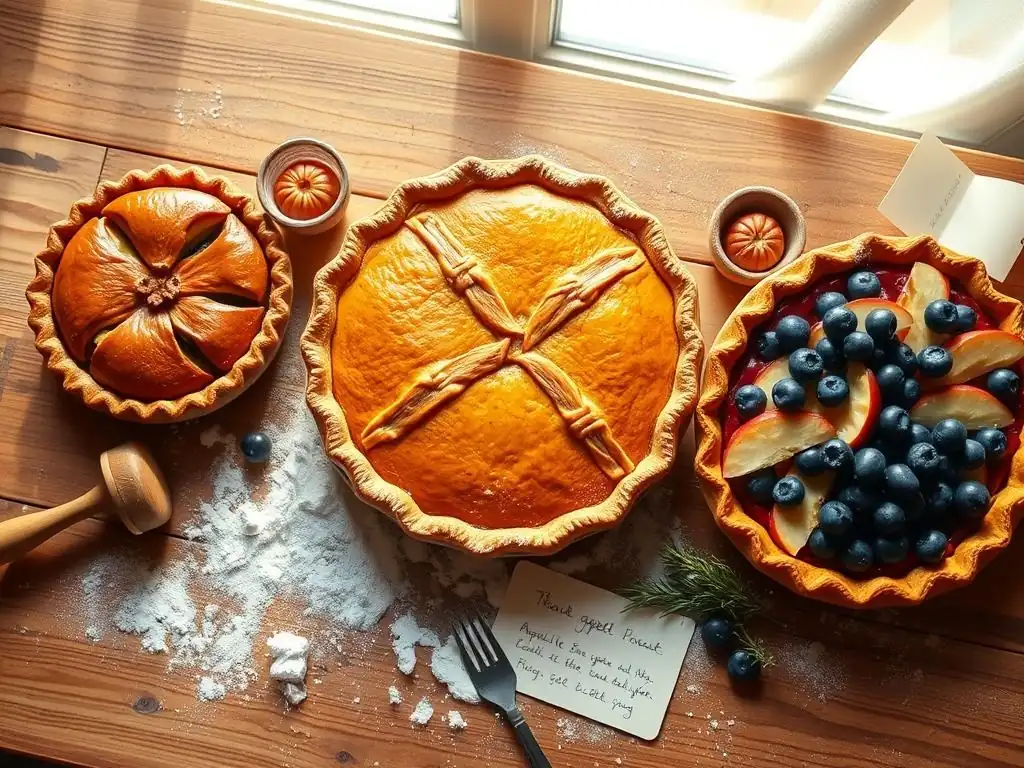
Welcome to BakeWithEase!
Ready to wow your Thanksgiving guests with a stunning pie? BakeWithEase is here to guide you through creating unforgettable desserts, no matter your baking experience. Forget complicated techniques and endless ingredients lists! Discover our collection of easy Thanksgiving pie recipes and unlock the secrets to perfect pastry and delectable fillings. Intrigued? Let's get baking and create Thanksgiving memories that taste as good as they look!
- Welcome to Easy Thanksgiving Baking with BakeWithEase
- Easy Thanksgiving Pie Recipes: A Beginner's Guide
- Essential Techniques for Thanksgiving Baking Success
- Baking Thanksgiving Pies: Tips and Tricks for Perfect Results
- Easy Thanksgiving Desserts Beyond Pie
- Troubleshooting Your Thanksgiving Baking: Common Issues and Solutions
- Storing and Serving Your Easy Thanksgiving Pies
-
Frequently Asked Questions
- What makes a Thanksgiving pie recipe "easy" according to BakeWithEase?
- What types of Thanksgiving pies are typically featured on BakeWithEase?
- Does BakeWithEase offer guidance for beginner bakers attempting Thanksgiving pies?
- Are the Thanksgiving pie recipes on BakeWithEase customizable for dietary restrictions?
- Where can I find step-by-step guides for perfecting my Thanksgiving pie crust on BakeWithEase?
- Final Reflection: The Sweetness of Shared Tradition
- Unlock Your Inner Baking Star This Thanksgiving!
Welcome to Easy Thanksgiving Baking with BakeWithEase
Thanksgiving is a time for gathering, gratitude, and, of course, delicious food! While the thought of baking for a crowd can feel daunting, especially if you're new to the kitchen, BakeWithEase is here to make your holiday preparations stress-free and enjoyable. We believe that everyone can master the art of creating delightful Thanksgiving treats, from flaky pies to simple cookies. This guide is designed to walk you through essential techniques, offer easy-to-follow recipes, and provide tips to ensure your Thanksgiving baking is a resounding success, leaving you with more time to spend with loved ones.
Whether you're aiming to bake your very first pumpkin pie or looking for simple variations on classic desserts, our focus is on simplifying the process. We'll cover everything from preparing perfect pie crusts to troubleshooting common baking mishaps, all with a friendly, easy-to-understand approach. Get ready to impress your guests and yourself with beautiful, homemade baked goods this Thanksgiving. Let's dive into the wonderful world of easy Thanksgiving pie recipes and beyond!
Easy Thanksgiving Pie Recipes: A Beginner's Guide
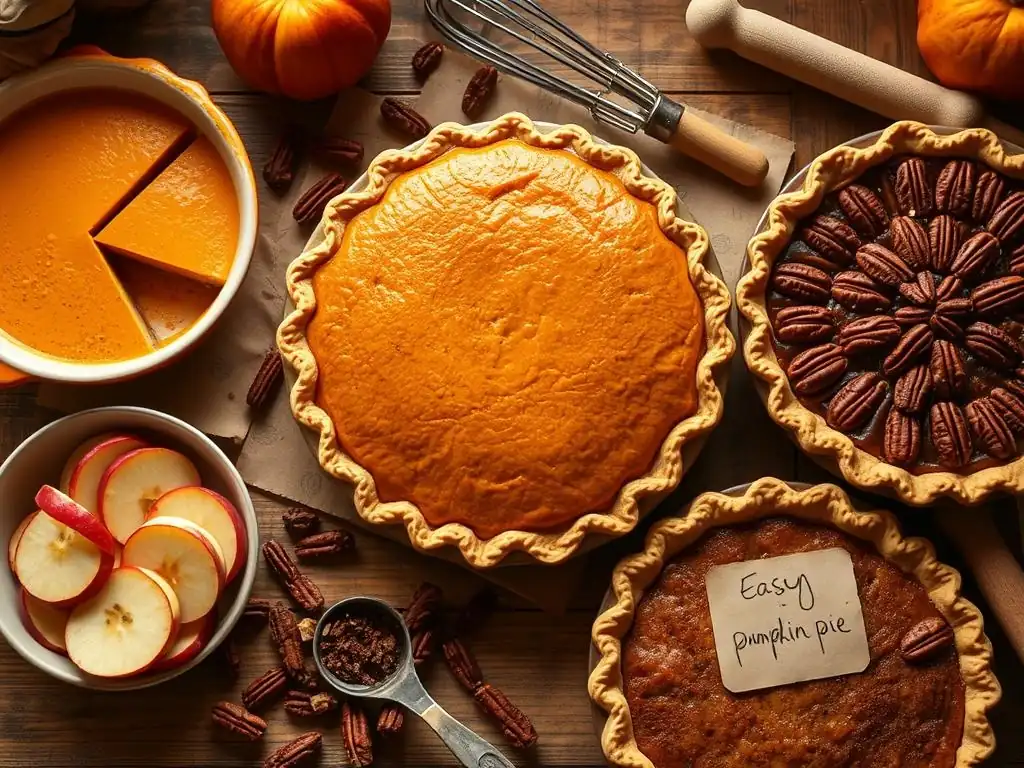
For many, Thanksgiving isn't complete without pie. While traditional recipes can seem complex, there are many easy Thanksgiving pie recipes perfect for beginners or those short on time. The key is often in simplifying steps or choosing recipes known for their straightforward nature. We'll explore how to select the right recipe and discover the simple secrets behind achieving delicious results without the fuss.
Focusing on easy Thanksgiving pie recipes means prioritizing reliability and manageable steps. Think about recipes with fewer ingredients, no-roll crust options, or fillings that come together quickly on the stovetop before baking. Our goal is to demystify pie baking, making it an accessible and rewarding experience for every home baker this holiday season.
The Secret to Effortless Thanksgiving Pies
The true secret to effortless Thanksgiving pies lies in preparation and simplification. Planning your baking schedule in advance can drastically reduce stress. Decide which pies you want to make, gather all your ingredients, and read through the recipes before you start. Many components, like pie dough or certain fillings, can be made a day or two ahead of time and stored properly, saving precious time on Thanksgiving day itself.
Another key is embracing simpler techniques. For example, instead of rolling out delicate pastry dough, consider a press-in cookie crust or a simple crumble topping. For fillings, focus on recipes that use common pantry staples and straightforward mixing methods. A simple pumpkin pie might require just blending ingredients, while an apple pie can be simplified by tossing sliced apples directly with sugar and spice before pouring into the crust. It's about smart choices that yield delicious results without unnecessary complexity, making your easy Thanksgiving pie recipes truly easy.
Choosing the Right Easy Pie Recipe for Your Skill Level
Selecting an easy Thanksgiving pie recipe that matches your current baking confidence is crucial for a positive experience. If you're a complete novice, start with a classic like a simple pumpkin pie with a store-bought or easy press-in crust. These often involve just mixing ingredients and baking, minimizing complex techniques. A pecan pie is another excellent option, as the filling is typically a simple pour-and-bake mixture.
As you gain confidence, you might try an easy Thanksgiving pie recipe involving fruit, like a straightforward apple crisp pie or a simple berry pie. These might require a bit more hands-on work with fruit preparation but often use forgiving crumble toppings or easy lattice work. Don't be afraid to start simple and gradually challenge yourself; the joy of baking comes from the process and the delicious outcome, and there are plenty of easy Thanksgiving pie recipes suitable for every level.
Essential Techniques for Thanksgiving Baking Success
Mastering a few core techniques can elevate all your Thanksgiving baking, especially your pies. While the goal is easy Thanksgiving pie recipes, understanding the basics of crust preparation and filling consistency will ensure consistent, delicious results. These techniques aren't complicated; they just require a little patience and practice.
We'll break down the fundamentals of creating a beautiful pie crust, whether you're making it from scratch or opting for a simpler method. We'll also explore how to handle classic Thanksgiving pie fillings to achieve the perfect texture and flavor. These essential skills will serve you well beyond Thanksgiving, opening up a world of baking possibilities.
Preparing the Perfect Pie Crust: A Step-by-Step Guide
A great pie starts with a great crust. While it might seem intimidating, making a flaky, tender pie crust from scratch is achievable, even for beginners, with the right approach. The key components are cold ingredients (especially butter or shortening), minimal handling, and proper hydration.
- Step 1: Measure Ingredients: Use precise measurements for flour, fat, salt, and ice water. For a standard single crust, you might use about 1 ¼ cups all-purpose flour, ½ teaspoon salt, ½ cup very cold unsalted butter (cut into cubes), and 2-4 tablespoons ice water.
- Step 2: Cut in the Fat: Combine flour and salt. Add the cold fat (butter or shortening). Use a pastry blender, fork, or your fingertips to cut the fat into the flour until the mixture resembles coarse crumbs with some pea-sized pieces of fat visible. These pieces are crucial for flakiness.
- Step 3: Add Ice Water: Gradually add the ice water, one tablespoon at a time, mixing lightly with a fork until the dough just comes together. Be careful not to add too much water, as this can make the crust tough. The dough should be shaggy but hold together when squeezed gently.
- Step 4: Chill the Dough: Gather the dough into a ball, flatten it into a disk, wrap it tightly in plastic wrap, and refrigerate for at least 30 minutes (preferably an hour or more). Chilling is essential; it allows the gluten to relax and solidifies the fat, making the dough easier to roll and ensuring flakiness.
- Step 5: Roll and Shape: On a lightly floured surface, roll the chilled dough from the center outwards, rotating the dough occasionally to prevent sticking and cracking. Roll to about 1/8-inch thickness, large enough to fit your pie plate. Gently transfer the rolled dough to the pie plate, pressing it into the bottom and up the sides. Trim and crimp the edges as desired.
Following these steps meticulously will significantly improve your chances of creating a beautiful, flaky crust for your easy Thanksgiving pie recipes. Patience during the chilling phase is truly rewarding.
Making a Flaky Butter Crust for Thanksgiving Pies
A flaky butter crust is the gold standard for many Thanksgiving pies, offering rich flavor and a wonderfully crisp texture. The flakiness comes from the steam created by the melting butter pockets during baking, which pushes apart the layers of dough. Using very cold butter cut into small pieces is paramount. Some bakers even freeze their butter and grate it into the flour for maximum coldness and even distribution.
When you cut the cold butter into the flour, aim for a mixture with visible pieces ranging from the size of small peas to lima beans. These larger pieces are what create those desirable flaky layers. Avoid overmixing once you add the water; you want the dough to be just hydrated enough to hold together, not a smooth, uniform mass. Handling the dough minimally keeps the butter cold and prevents gluten development, both of which contribute to flakiness. This attention to temperature and technique is key to successful easy Thanksgiving pie recipes with homemade crusts.
Easy No-Roll Pie Crust Recipe for Beginners
For the ultimate in easy Thanksgiving pie recipes, a no-roll crust is a game-changer. These often involve crushing cookies or crackers and mixing them with melted butter, then pressing the mixture into the pie plate. They are incredibly simple, require no special skills beyond crushing and mixing, and result in a sturdy, flavorful base perfect for creamy or no-bake fillings.
A classic example is a graham cracker crust: combine about 1 ½ cups of graham cracker crumbs (from about 10-12 full sheets) with ½ cup melted unsalted butter and ¼ cup granulated sugar. Mix thoroughly and press firmly into the bottom and up the sides of a 9-inch pie plate. You can use the bottom of a glass or measuring cup to help press it evenly.
Bake at 375°F (190°C) for 8-10 minutes until lightly golden, then let cool completely before adding your filling. This method eliminates the stress of rolling and handling traditional dough, making your easy Thanksgiving pie recipes even more approachable.
Mastering Common Thanksgiving Pie Fillings
Once you have your crust ready, the filling is the heart of your Thanksgiving pie. The most popular fillings - pumpkin, apple, and pecan - each have their own characteristics, but mastering them for easy Thanksgiving pie recipes is simpler than you might think. The goal is proper consistency and balanced flavor.
We'll explore straightforward methods for preparing these classic fillings. Focus on using quality ingredients and following the recipe steps carefully, paying attention to cooking times and temperatures, especially for baked fillings. These techniques are designed to be accessible, ensuring delicious results with minimal fuss, perfect for any easy Thanksgiving pie recipes you choose to make.
Pumpkin Pie Filling: The Easy BakeWithEase Method
Our easy pumpkin pie filling method focuses on simple mixing and achieving a smooth, creamy texture. You'll need canned pumpkin puree (not pumpkin pie mix), evaporated milk, eggs, sugar, and spices. The key is to blend the ingredients thoroughly but gently, avoiding incorporating too much air, which can cause the filling to crack during baking.
Combine 1 can (15 ounces) pumpkin puree, 1 can (12 fluid ounces) evaporated milk, 2 large eggs, ¾ cup granulated sugar, ½ teaspoon salt, and 1 teaspoon ground cinnamon, ½ teaspoon ground ginger, ¼ teaspoon ground cloves, and ¼ teaspoon ground nutmeg in a large bowl. Whisk until just combined and smooth. Pour the filling into your prepared pie crust.
Bake at a higher initial temperature (like 425°F or 220°C) for 15 minutes, then reduce the temperature to a lower setting (like 350°F or 175°C) and continue baking for 35-45 minutes, or until a knife inserted near the center comes out clean. This two-temperature method helps set the edges while keeping the center creamy, leading to a perfect, crack-free finish for your easy Thanksgiving pie recipes.
Apple Pie Filling: Simple Steps for Thanksgiving
A classic apple pie filling requires balancing sweetness, tartness, and spice, along with achieving the right texture – tender apples that aren't mushy. For an easy Thanksgiving pie recipe with apples, choose firm baking apples like Granny Smith, Honeycrisp, or Fuji. You'll need about 6-8 medium apples for a standard 9-inch pie.
Peel, core, and slice the apples into uniform ½-inch thick pieces. Toss the apple slices in a large bowl with about ¾ cup granulated sugar (adjust to apple sweetness), 2 tablespoons all-purpose flour (to help thicken juices), 1 teaspoon ground cinnamon, ¼ teaspoon ground nutmeg, and a pinch of salt. For extra flavor, you can add a tablespoon of lemon juice. Let the mixture sit for 10-15 minutes; this allows the sugar to start drawing out juices from the apples.
Pour the apple mixture into your prepared pie crust, mounding slightly in the center. Top with a second crust or crumble topping. Bake according to your crust's directions, typically around 375-400°F (190-200°C) for 45-60 minutes, or until the crust is golden brown and the filling is bubbly.
Pecan Pie Filling: A Foolproof Recipe for the Holidays
Pecan pie is a rich, sweet Thanksgiving staple, and thankfully, the filling is one of the easiest to master. The key is a simple mixture of eggs, sugar, corn syrup, butter, and pecans. Using light or dark corn syrup works, with dark corn syrup providing a deeper flavor.
In a medium bowl, whisk together 3 large eggs, 1 cup light or dark corn syrup, ½ cup granulated sugar, ¼ cup melted unsalted butter, 1 teaspoon vanilla extract, and a pinch of salt until well combined. Stir in about 1 ½ cups of pecan halves or pieces. Pour the mixture into your prepared, unbaked pie crust. Arrange a few extra pecan halves decoratively on top, if desired.
Bake at 350°F (175°C) for 40-50 minutes, or until the center is set but still slightly soft. The filling will continue to set as it cools. Avoid overbaking, which can make the filling hard or dry. This simple pour-and-bake approach makes pecan pie one of the most reliable easy Thanksgiving pie recipes.
Baking Thanksgiving Pies: Tips and Tricks for Perfect Results
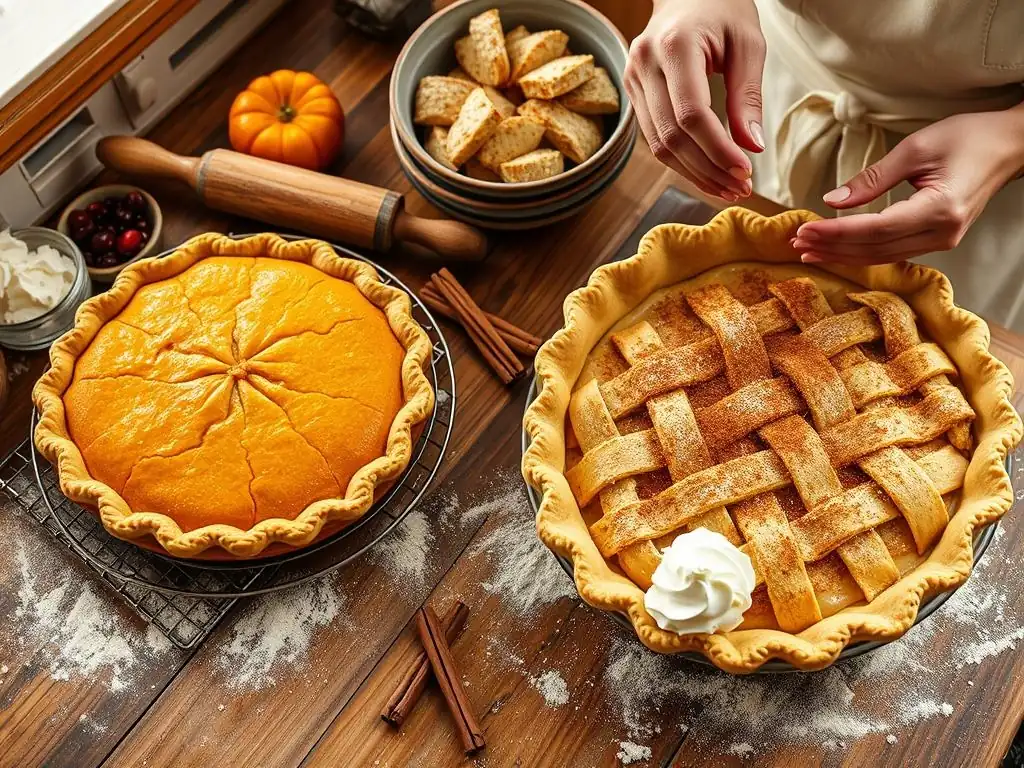
Getting your pie into the oven is a big step, but a few simple tips can ensure it bakes up beautifully. Achieving a golden-brown crust, preventing dreaded soggy bottoms, and adding a touch of decoration are all within reach with these easy techniques.
These final baking steps are crucial for the presentation and texture of your easy Thanksgiving pie recipes. Don't skip them – they can make the difference between a good pie and a truly spectacular one that everyone will rave about.
Achieving a Golden-Brown Crust Every Time
A perfectly golden-brown crust is visually appealing and indicates that the crust is fully cooked and crisp. For many pies, baking at the correct temperature and for the right amount of time is sufficient. However, sometimes parts of the crust, like the edges, brown faster than the rest of the pie.
To prevent the edges from burning while the center finishes baking, you can shield them. This is easily done with aluminum foil. Cut a large square of foil and fold it into quarters. Cut out the center, leaving a ring.
Unfold the ring and gently place it over the edges of the pie crust about halfway through the baking time. Alternatively, you can buy pre-made silicone pie crust shields. For a beautiful, even golden color across the entire top crust (for double-crust pies), you can brush the top with an egg wash (one egg whisked with a tablespoon of water or milk) before baking. This also helps sugar or cinnamon sprinkled on top adhere better.
Preventing Soggy Bottoms in Your Thanksgiving Pies
A soggy bottom crust is a common frustration, especially with fruit pies. It happens when the pie filling releases juices during baking, which then steam and soften the bottom crust before it has a chance to cook through and crisp up. Fortunately, there are several effective strategies to prevent this, making your easy Thanksgiving pie recipes turn out perfectly from top to bottom.
One popular method is blind baking (or par-baking) the bottom crust before adding the filling. Line the raw crust with parchment paper, fill it with pie weights, dried beans, or rice, and bake for 15-20 minutes until the edge is set. Remove the weights and paper and bake for another 5-10 minutes until the bottom looks dry.
Another technique is to brush the bottom crust with a thin layer of egg white or melted butter before adding the filling; this creates a barrier against moisture. For fruit pies, letting the fruit sit with sugar for a bit and draining off some excess juice before filling can also help. Using a metal or glass pie plate tends to conduct heat better than ceramic, aiding in crisping the bottom crust.
Easy Ways to Decorate Your Thanksgiving Pies
Even the simplest easy Thanksgiving pie recipes can look festive with a little decoration. You don't need to be an artist to add a touch of flair. Simple techniques can make a big visual impact and show you put extra care into your holiday baking.
For a double-crust pie, instead of a full top crust, try a simple lattice top by cutting the dough into strips and weaving them over the filling. This looks elegant and allows steam to escape. If you have leftover dough scraps from trimming, you can cut out shapes like leaves or acorns using cookie cutters and place them on top of the pie before baking.
For single-crust pies like pumpkin or pecan, consider adding a decorative crimp to the edges of the crust. You can use your fingers, a fork, or even the back of a spoon to create different patterns. A simple dusting of powdered sugar or a swirl of whipped cream just before serving can also elevate the look of any pie.
Easy Thanksgiving Desserts Beyond Pie
While pies are traditional, Thanksgiving dessert doesn't have to only be pie. Offering a variety of treats ensures there's something for everyone, and many other desserts are incredibly easy to make, perfect for expanding your Thanksgiving menu without adding stress.
Exploring easy Thanksgiving desserts beyond pie allows you to cater to different preferences and dietary needs, perhaps offering something lighter or quicker to prepare. These options are great additions or alternatives to your easy Thanksgiving pie recipes.
Cookies are always a crowd-pleaser and are often much faster to bake than pies. Simple drop cookies like oatmeal or chocolate chip can be adapted with Thanksgiving flavors. Consider adding pumpkin spice, cranberries, or pecans to a basic cookie dough.
Another easy option is slice-and-bake cookies. Prepare the dough a day or two ahead, form it into logs, chill, and then simply slice and bake on Thanksgiving day. Sugar cookies are also versatile; use Thanksgiving-themed cookie cutters (like turkeys, leaves, or pumpkins) and decorate with simple icing or sprinkles. A batch of gingerbread cookies can also add a festive touch. Most cookie recipes require less than 15 minutes of active prep time and bake in under 20 minutes per batch, making them a truly quick addition to your easy Thanksgiving pie recipes lineup.
Thanksgiving Cake Recipes for Beginners
Baking a cake might sound complicated, but many simple cake recipes are perfect for beginners. Sheet cakes or loaf cakes require less fuss than layered cakes. A simple spice cake, apple cake, or pumpkin bread (which is essentially a type of cake) can be baked in a single pan and served sliced.
Consider an easy Thanksgiving dessert like a Bundt cake. Bundt pans create an instantly decorative shape with minimal effort. A simple apple cider or pumpkin spice Bundt cake can be drizzled with a glaze or dusted with powdered sugar for an elegant finish. Many basic cake batters come together with just a bowl and whisk, requiring only mixing wet and dry ingredients separately before combining. These offer a nice alternative or complement to your selection of easy Thanksgiving pie recipes.
Simple Thanksgiving Dessert Alternatives
Beyond traditional baked goods, many simple desserts require minimal baking or no baking at all, making them fantastic easy Thanksgiving dessert alternatives. Puddings, crisps, crumbles, and parfaits are often quick to assemble and delicious.
An apple crisp or pear crumble, for instance, involves tossing fruit with sugar and spice and topping it with a simple mix of flour, oats, butter, and sugar. It bakes in one dish and is served warm, often with ice cream. A pumpkin mousse or parfait layered with whipped cream and crumbled gingersnaps offers the flavors of pumpkin pie without the crust or extensive baking time.
Even a simple fruit salad with a festive twist, like adding cranberries or pomegranate seeds, can be a refreshing end to a heavy meal. These options are perfect for expanding your dessert table with minimal effort compared to some easy Thanksgiving pie recipes.
Troubleshooting Your Thanksgiving Baking: Common Issues and Solutions
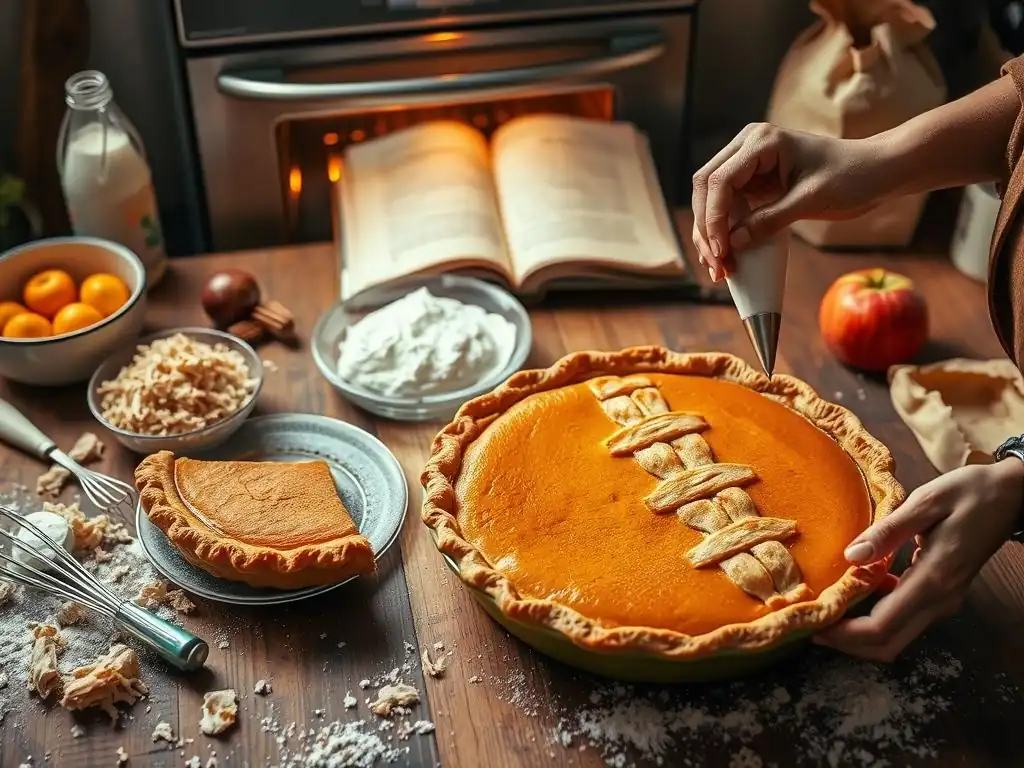
Even with easy Thanksgiving pie recipes, sometimes things don't go exactly as planned. Don't panic! Most common baking issues have simple fixes or ways to salvage your creation. Knowing how to troubleshoot can save your dessert and your sanity on a busy holiday.
We'll look at a few frustrating scenarios you might encounter while working on your easy Thanksgiving pie recipes and provide straightforward solutions to get you back on track.
My Pie Crust Cracked! What Now?
It's common for pie dough, especially homemade dough, to crack when you're rolling it out or transferring it to the pie plate. This is often due to the dough being too cold or not having enough moisture, or sometimes just the nature of a very tender dough. A crack is not the end of the world!
If the crack happens during rolling, you can often just press the edges back together with your fingers. If it's a larger crack or a tear when transferring, gently patch it with a piece of leftover dough. Dip your fingers in a little water, moisten the edges of the crack, press the patch on, and smooth the edges.
For small imperfections, the filling will often hide them anyway. If the crack is on the edge after placing it in the plate, you can use leftover dough scraps to fill it in before crimping. Don't stress over perfection; a patched crust will bake up just fine for your easy Thanksgiving pie recipes.
My Filling is Too Runny! How to Fix It?
A runny pie filling, particularly in fruit pies, is usually a sign that there wasn't enough thickener or the pie wasn't baked long enough for the thickener to activate and the juices to reduce. For fruit pies, ensure you're using the specified amount of flour, cornstarch, or tapioca in the recipe. Cornstarch and tapioca generally provide a clearer, glossier filling than flour.
If your fruit pie comes out of the oven and seems too watery, you can try letting it cool completely. Sometimes, the filling continues to thicken as it cools. If it's still too runny after cooling, you can scoop out the filling, return it to a saucepan, and gently heat it on the stovetop, whisking in a slurry of cornstarch or flour mixed with a little water or juice.
Simmer until thickened, then pour back into the baked crust (or a new crust if the original is too soggy). For custard pies like pumpkin or pecan, a runny center usually means it needed more baking time; check doneness by inserting a knife near the edge – it should come out mostly clean.
My Pie is Burning! Easy Prevention Tips
Seeing your beautiful crust start to brown too quickly or even burn while the filling is still raw is disheartening. This is a common issue, especially with longer baking times required for some fillings. The edges of the crust, being thinner and more exposed, tend to brown faster than the rest of the pie.
The easiest way to prevent burning is to use a pie crust shield or strips of aluminum foil to cover the edges of the crust. Apply the shield about halfway through the baking time, or sooner if you notice the edges are browning rapidly. If the entire top of a double-crust pie is browning too fast, you can tent the whole pie loosely with foil.
Simply create a foil tent over the pie, being careful not to touch the crust, which allows the filling to continue cooking without the top burning. Lowering the oven temperature slightly for the remainder of the baking time can also help slow down the browning process.
Storing and Serving Your Easy Thanksgiving Pies
You've mastered your easy Thanksgiving pie recipes, baked them to perfection, and now it's time to think about storing them until the big meal and serving them beautifully. Proper storage is key to maintaining freshness and texture, while thoughtful serving can enhance the enjoyment of your homemade treats.
These final steps ensure your hard work pays off and your delicious easy Thanksgiving pie recipes are enjoyed at their very best.
Keeping Your Thanksgiving Pies Fresh
How you store your Thanksgiving pies depends on the type of pie. Fruit pies (like apple, cherry, or pecan) that don't contain eggs or dairy in the filling can typically be stored at room temperature, loosely covered with foil or plastic wrap, for up to 2 days. The crust can become soggy if the pie is sealed too tightly, trapping moisture.
Custard-based pies (like pumpkin, sweet potato, or chess pie) that contain eggs and dairy must be refrigerated to prevent spoilage. Once cooled completely on a wire rack (which is crucial before storing any pie), cover the pie loosely with plastic wrap or foil and refrigerate. They will keep well for 3-4 days in the refrigerator. For longer storage, many pies can be frozen, though the texture of fruit fillings and custards may change slightly upon thawing. Cool completely, wrap tightly in plastic wrap, then in foil, and freeze for up to 1-2 months.
Serving Suggestions for Thanksgiving Desserts
Presentation matters! Simple serving suggestions can make your easy Thanksgiving pie recipes feel extra special. Always serve pies at the recommended temperature – fruit pies are often best slightly warm, while custard pies are usually served chilled or at room temperature.
Slice pies using a sharp knife dipped in hot water and wiped clean between slices for neat portions. Offer classic accompaniments like whipped cream (homemade is easy and delicious! ), vanilla ice cream (especially wonderful with warm fruit pies), or a drizzle of caramel sauce. For variety, consider setting up a dessert station with all your pies and other easy Thanksgiving desserts, allowing guests to choose their favorites. Labeling each dessert can also be helpful, especially if you have multiple types of pie or options for dietary restrictions.
Easy Make-Ahead Thanksgiving Dessert Options
To reduce stress on Thanksgiving day, prepare as much as possible in advance. Many easy Thanksgiving pie recipes and other desserts are well-suited for making ahead. Pie dough can be made 2-3 days in advance and stored in the refrigerator, or even frozen for longer.
Many pie fillings, like pumpkin or pecan, can be mixed a day ahead and stored in the refrigerator, ready to be poured into the crust and baked on the day. Whole baked pies can also be made a day in advance and stored appropriately (room temperature for fruit/pecan, refrigerated for pumpkin/custard).
For other desserts, cookie dough can be prepared and chilled or frozen, cakes can be baked and frosted the day before, and non-baked items like crumbles (assembled but not baked) or puddings can be prepared ahead. Planning which easy Thanksgiving desserts are best suited for making ahead is a smart strategy for a relaxed holiday.
Frequently Asked Questions
What makes a Thanksgiving pie recipe "easy" according to BakeWithEase?
BakeWithEase defines an "easy" Thanksgiving pie recipe as one that uses simple ingredients, offers clear step-by-step instructions, and avoids complex techniques.
What types of Thanksgiving pies are typically featured on BakeWithEase?
BakeWithEase focuses on classic Thanksgiving pies like pumpkin, apple, and pecan. They also offer variations and twists on these traditional recipes.
Does BakeWithEase offer guidance for beginner bakers attempting Thanksgiving pies?
Yes, BakeWithEase provides beginner-friendly tips and techniques, such as pre-made crust options and simplified filling preparations, to make Thanksgiving baking accessible.
Are the Thanksgiving pie recipes on BakeWithEase customizable for dietary restrictions?
While not all recipes are inherently gluten-free or vegan, BakeWithEase often includes substitution suggestions for ingredients to accommodate common dietary needs, like using gluten-free flour or plant-based alternatives.
Where can I find step-by-step guides for perfecting my Thanksgiving pie crust on BakeWithEase?
BakeWithEase offers dedicated articles and tutorials on pie crust techniques, including blind baking, crimping, and achieving a flaky texture, all designed to help you create the perfect base for your Thanksgiving pies.
Mastering Thanksgiving baking isn't just about creating delicious pies; it's about fostering connection and celebrating the spirit of togetherness. The recipes shared in this article aim to demystify the process, making the joy of baking accessible to everyone, regardless of skill level. This accessibility is crucial in a time when many are seeking simpler ways to connect with loved ones and create meaningful memories.
The enduring appeal of Thanksgiving pies lies not only in their delectable flavors but also in their symbolic representation of shared traditions and family gatherings. These recipes, passed down through generations or innovated upon, become vessels for storytelling and the passing of cultural heritage. Food is symbolic of love when words are inadequate.
– Alan D. Wolfelt. This quote perfectly encapsulates the emotional weight and significance imbued in the simple act of baking and sharing a pie. The warmth of the oven, the scent of spices filling the air – these sensory experiences contribute to the rich tapestry of Thanksgiving memories.
Now, I invite you to consider your own Thanksgiving traditions. Will you try a new recipe this year? Will you share your baking skills with a loved one, creating a shared experience? Perhaps you’ll even adapt one of these easy recipes to make it your own, adding a personal touch that will be cherished for years to come. Embrace the simplicity, savor the process, and let the sweetness of shared tradition fill your home this Thanksgiving.
Unlock Your Inner Baking Star This Thanksgiving!
Thanks for joining us on this Thanksgiving baking adventure! We hope you've picked up some delicious new techniques and are feeling confident about creating a truly memorable feast. Ready to take your baking to the next level?
- Bake your show-stopping Thanksgiving pie this week! Use the tips and tricks you learned today to create a masterpiece your family will rave about. Don't forget to share a picture with us on social media – we love seeing your creations!
- Explore our extensive recipe archive for more seasonal baking inspiration. We've got everything from classic pumpkin pie to unique twists on traditional favorites.
- Challenge a friend to a Thanksgiving baking competition! Share this article and see who can create the most stunning dessert.
What innovative twist will you add to your Thanksgiving baking this year? Let us know in the comments below!