
Simple Vanilla Loaf Cake: Perfect for Tea Time

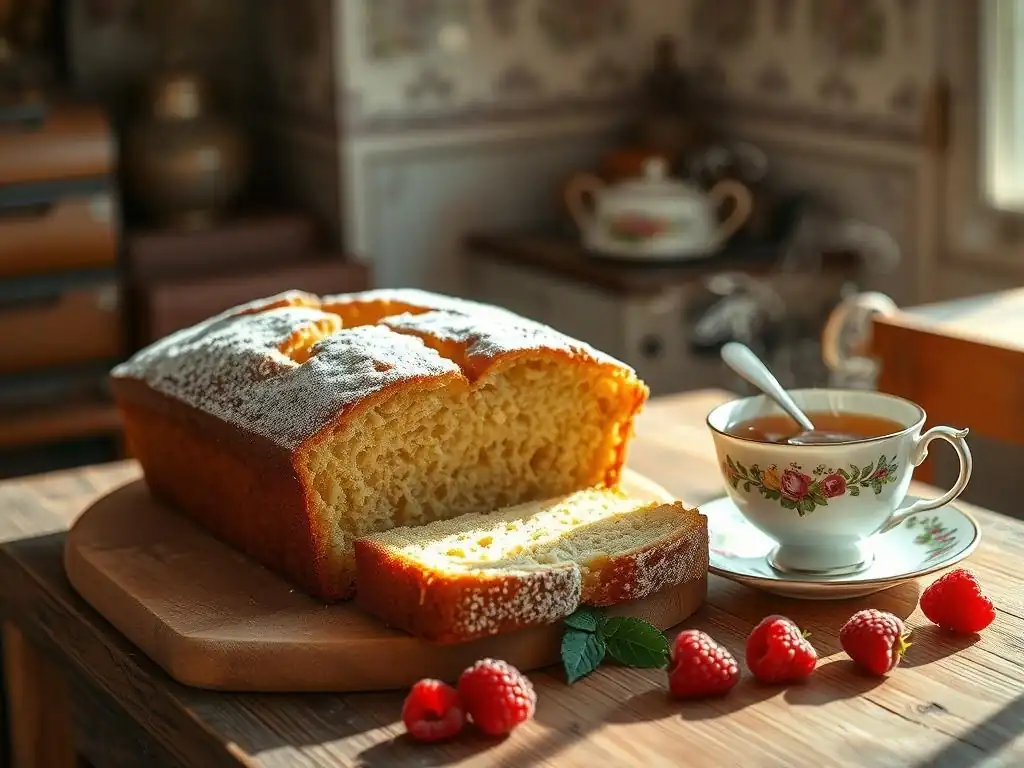
Welcome to BakeWithEase, your passport to baking bliss! Ever dreamed of effortlessly creating a melt-in-your-mouth treat? Dive into our world of simplified baking techniques and discover how even the most novice baker can achieve delicious results. Today, we're unwrapping the secrets to the perfect Easy Vanilla Loaf Cake – a classic recipe that's surprisingly simple. Ready to transform everyday ingredients into a teatime masterpiece? Let's get started and unlock the secrets to a moist, flavorful cake that will impress your friends and family. But first, what makes this loaf cake so easy and irresistible?
- Simple Vanilla Loaf Cake: Perfect for Tea Time - BakeWithEase
- Introduction: The Joy of Baking an Easy Vanilla Loaf Cake
- Mastering the Classic Vanilla Loaf Cake: A Step-by-Step Guide
- Variations and Additions to Your Easy Vanilla Loaf Cake
- Troubleshooting Common Vanilla Loaf Cake Baking Problems
- Serving Suggestions: Enjoying Your Vanilla Loaf Cake
- Conclusion: Baking Made Easy with Our Vanilla Loaf Cake Recipe
- Frequently Asked Questions
- Final Reflection: The Enduring Comfort of a Simple Cake
- Unlock Your Inner Baker: Bake This Loaf Today!
Simple Vanilla Loaf Cake: Perfect for Tea Time - BakeWithEase
Introduction: The Joy of Baking an Easy Vanilla Loaf Cake
Welcome to BakeWithEase: Your Guide to Simple Baking
At BakeWithEase, our mission is to demystify baking and make it an enjoyable, accessible activity for everyone. We believe that creating delicious treats in your own kitchen shouldn't be intimidating. Whether you're taking your first steps into the world of flour and sugar or you're a seasoned baker looking for reliable, straightforward recipes, you'll find guidance and inspiration here. We focus on clear instructions, common ingredients, and techniques that build confidence with every successful bake.
This philosophy is perfectly embodied by the classic vanilla loaf cake. It's a fundamental recipe that teaches core baking principles while delivering a consistently delightful result. It requires minimal fuss but offers maximum satisfaction, proving that simple can indeed be spectacular. Mastering an easy vanilla loaf cake is a fantastic milestone for any home baker, and we're here to guide you through it.
Why This Vanilla Loaf Cake Recipe is Perfect for Any Baker
This particular vanilla loaf cake recipe is designed with simplicity and reliability in mind. It uses standard pantry ingredients and follows a straightforward method that minimizes the risk of common baking pitfalls. You won't need fancy equipment or advanced techniques to achieve a beautifully golden, tender loaf. It's the kind of recipe that becomes a go-to favorite, perfect for last-minute guests or a simple weekend treat.
Beyond its ease of preparation, the easy vanilla loaf cake is wonderfully versatile. It stands alone as a comforting classic, pairs beautifully with a cup of tea or coffee, and serves as an excellent base for simple variations like glazes or fruit additions. Its universal appeal makes it a crowd-pleaser for potlucks, bake sales, or just enjoying a quiet moment at home. This recipe empowers you to create something delicious from scratch with minimal effort.
Mastering the Classic Vanilla Loaf Cake: A Step-by-Step Guide
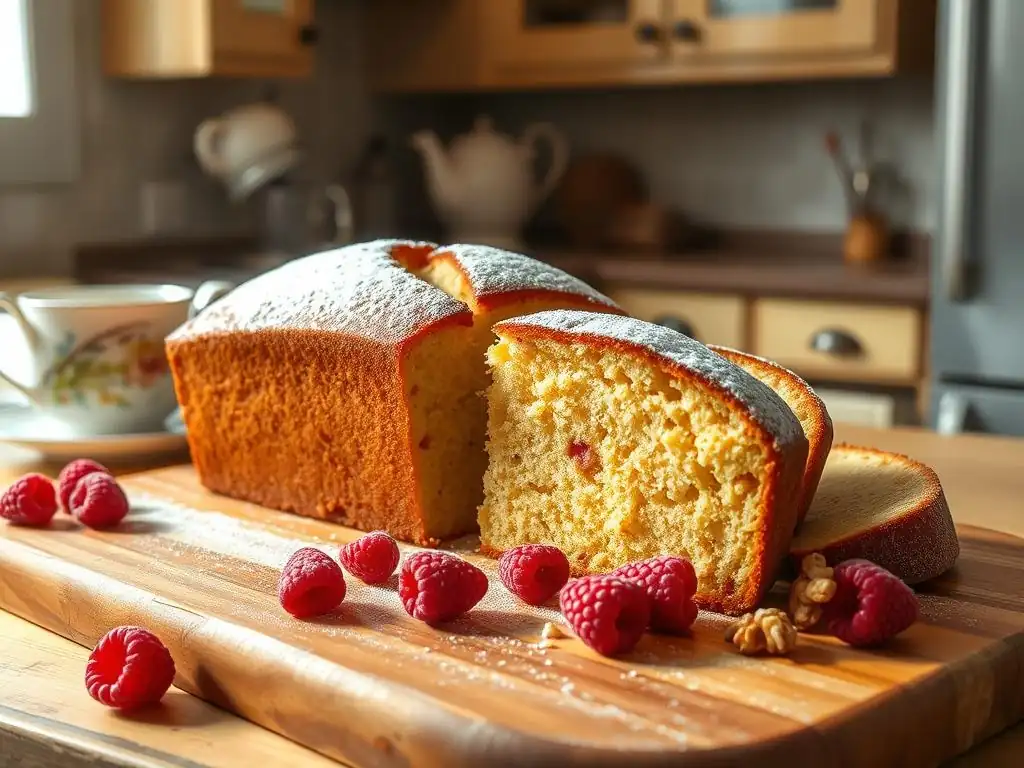
Essential Ingredients for Your Homemade Vanilla Loaf
Creating a wonderful homemade vanilla loaf starts with understanding the role each ingredient plays. While the list is simple, the quality and preparation of these few items make a significant difference in the final texture and flavor of your easy vanilla loaf cake. We'll walk through the key components you'll need to gather before you begin mixing.
Having your ingredients measured out and at the correct temperature before you start is a practice known as "mise en place," and it's incredibly helpful for smooth baking. For this vanilla loaf cake, ensure your butter and eggs are at room temperature, as this is crucial for achieving the proper batter consistency and structure during mixing.
High-Quality Flour for a Tender Loaf Cake
For most easy vanilla loaf cake recipes, all-purpose flour is the standard choice. It has a moderate protein content, which provides enough structure for the cake without making it tough. When measuring flour, it's best to spoon it lightly into your measuring cup and level it off with a straight edge, rather than scooping directly from the bag, which can compact the flour and lead to using too much – potentially resulting in a dry cake. A standard cup of all-purpose flour typically weighs between 120 and 130 grams.
While sifting flour is sometimes recommended to aerate it and remove lumps, for a simple vanilla loaf cake, it's often not strictly necessary unless your flour is particularly lumpy. The mixing process usually incorporates enough air. What is important is not overmixing the batter once the flour is added. Overmixing develops gluten, which can make your cake tough and chewy instead of tender and moist.
The Importance of Vanilla Extract in Baking
Vanilla extract is the star flavor in a vanilla loaf cake, so choosing a good quality one is paramount. Pure vanilla extract is made by macerating vanilla beans in alcohol and water, resulting in a complex, rich flavor. Imitation vanilla extract, while less expensive, is made from synthetic compounds and offers a flatter, less nuanced taste. For the best flavor in your homemade vanilla loaf, invest in pure vanilla extract.
The amount of vanilla extract used can vary depending on the recipe and personal preference, but typically, an easy vanilla loaf cake recipe calls for about 1 to 2 teaspoons. Adding it with the wet ingredients ensures it's evenly distributed throughout the batter. Don't be tempted to skip or skimp on the vanilla; it's what gives this cake its signature comforting aroma and taste.
Choosing the Right Fat: Butter vs. Oil for Vanilla Cake
The fat source significantly impacts the texture and flavor of your easy vanilla loaf cake. Butter provides a rich, classic flavor and contributes to the cake's structure when creamed with sugar. It results in a cake with a lovely golden crust and a slightly denser, but still tender, crumb. Ensure your butter is properly softened to room temperature (it should indent easily when pressed, but not be melted) for successful creaming.
Oil, on the other hand, results in a cake that is typically more moist and tender, as oil is liquid at room temperature and coats flour particles more effectively than solid fat. It also tends to keep cakes moist for longer. Some vanilla loaf cake recipes use only butter, some use only oil, and others use a combination to get the best of both worlds – flavor from butter and moisture from oil. The amount of fat typically ranges from about 1/2 cup to 3/4 cup (approximately 113g to 170g).
Equipment You'll Need to Bake Your Vanilla Loaf Cake
You don't need a professional bakery setup to make a delicious easy vanilla loaf cake. The necessary equipment is quite basic and likely already in your kitchen. Having the right tools ready before you begin makes the process smoother and more enjoyable, allowing you to focus on the simple steps of the recipe.
Gathering your equipment alongside your ingredients (mise en place) helps prevent last-minute scrambling. A few key pieces will ensure you can measure, mix, and bake your vanilla loaf cake with ease and efficiency, leading to a successful result.
Loaf Pan Size Matters: Selecting the Perfect Pan
The size of your loaf pan is crucial as it affects baking time and how high your cake rises. A standard loaf pan size is typically 9x5 inches (approximately 23x13 cm). This size is ideal for most easy vanilla loaf cake recipes, allowing the batter to fill the pan about two-thirds to three-quarters full, providing room for it to rise without overflowing.
If you use a smaller pan, you might need to reduce the amount of batter or face overflow. A larger pan might result in a flatter cake that bakes faster. Regardless of size, properly preparing your pan is essential to prevent your homemade vanilla loaf from sticking. This usually involves greasing the pan thoroughly with butter or baking spray, then dusting it with flour, or lining it with parchment paper, leaving some overhang for easy lifting.
Mixing Bowls and Utensils for Effortless Baking
You'll need at least one, preferably two, medium to large mixing bowls. One can be used for dry ingredients and another for wet, or one large bowl can be used for combining everything. Glass, metal, or plastic bowls all work fine. Having a sturdy whisk is essential for combining dry ingredients and sometimes for whisking wet ingredients like eggs.
A rubber spatula is invaluable for scraping down the sides of the bowl during mixing and for transferring the batter into the loaf pan. Accurate measuring cups and spoons are also non-negotiable for consistent results. While a hand mixer can make creaming butter and sugar faster, an easy vanilla loaf cake can absolutely be made successfully using just a whisk and spatula for mixing by hand.
Preparing the Vanilla Loaf Cake Batter: A Simple Process
Making the batter for your easy vanilla loaf cake follows a standard method that ensures ingredients are properly combined and the texture is just right. It generally involves combining dry ingredients, preparing the wet ingredients (often starting with creaming butter and sugar), and then gently mixing the two together. The order of operations is important for developing the correct structure.
Paying attention to the consistency at each stage and avoiding the urge to overmix are key steps in this simple process. Room temperature ingredients integrate much more smoothly than cold ones, leading to a more homogenous batter and a finer crumb in your baked vanilla loaf cake.
Creaming Butter and Sugar: Achieving the Right Consistency
Creaming butter and sugar is a fundamental step in many cake recipes, including an easy vanilla loaf cake. This process involves beating softened butter and granulated sugar together until the mixture becomes light in color and fluffy in texture. As the sugar crystals cut through the butter, tiny air pockets are created.
These air pockets are crucial because they expand in the oven, helping the cake to rise and contributing to a tender crumb. Creaming typically takes 3 to 5 minutes with a hand mixer or stand mixer on medium speed, or longer if creaming by hand with a whisk or wooden spoon. The mixture should look pale yellow and airy before you move on to the next step.
Incorporating Eggs for Richness and Structure
Eggs play multiple roles in your homemade vanilla loaf: they provide richness, help bind the ingredients together, and contribute to the cake's structure and rise. After creaming the butter and sugar, eggs are typically added one at a time, with thorough mixing after each addition. This helps to emulsify the batter, preventing it from separating or looking curdled.
Ensure your eggs are at room temperature before adding them. Cold eggs are harder to incorporate smoothly into the creamed butter mixture, which can lead to a less even batter. Mixing until each egg is fully incorporated before adding the next is important for a stable and well-structured vanilla loaf cake.
Gradually Adding Dry Ingredients: Avoiding Overmixing
Once the wet ingredients are combined, the dry ingredients (flour, baking powder/soda, salt) are added. In many cake recipes, wet and dry ingredients are added alternately, often starting and ending with the dry. For example, you might add one-third of the flour mixture, mix gently, then half of the milk (or other liquid), mix, another third of flour, the rest of the milk, and finally the remaining flour.
The critical point here is to mix just until the dry ingredients are incorporated. Use a rubber spatula and fold gently, or use a mixer on the lowest speed for only a few seconds. Overmixing at this stage develops gluten, leading to a tough, dense easy vanilla loaf cake. A few small lumps of flour are preferable to a smooth, overmixed batter.
Baking Your Vanilla Loaf Cake to Perfection
Baking is where the magic happens, transforming your simple batter into a fragrant, golden vanilla loaf cake. Proper oven temperature and baking time are key to ensuring the cake is cooked through without being dry or burnt on the outside. Trusting your oven and using visual cues and tests are essential skills.
Preheating your oven properly is a step that shouldn't be skipped. Placing the cake into a preheated oven ensures it starts baking immediately and evenly, contributing to a good rise and consistent texture throughout the homemade vanilla loaf.
Oven Temperature and Baking Time for Optimal Results
Most vanilla loaf cake recipes call for baking at a moderate temperature, typically around 350°F (175°C). This temperature allows the cake to rise evenly and cook through without the outside browning too quickly. Always preheat your oven fully before putting the cake in. An oven thermometer can help verify your oven's accuracy, as they can sometimes be off by as much as 25-50°F (approx. 15-30°C).
The baking time for a standard easy vanilla loaf cake in a 9x5 inch pan is usually between 50 and 65 minutes. However, baking times vary significantly based on your oven, the exact pan size, and even humidity. Start checking the cake towards the earlier end of the time range. The cake should be golden brown on top and the edges should start pulling away slightly from the sides of the pan.
The Toothpick Test: Ensuring Your Cake is Fully Baked
The most reliable way to check if your vanilla loaf cake is done is the toothpick test. Gently insert a wooden toothpick, cake tester, or even a thin knife into the deepest part of the cake, usually the center. Be careful not to poke into any cracks on the surface, as these might trap wet batter.
When you pull the toothpick out, it should come out clean or with just a few moist crumbs attached. If you see wet batter on the toothpick, the cake needs more time. Put it back in the oven for 5-minute increments and test again until it passes the test. An overbaked cake will be dry, while an underbaked one might sink in the middle.
Cooling and Storing Your Delicious Vanilla Loaf Cake
Proper cooling is just as important as baking for achieving the best texture in your homemade vanilla loaf. Rushing the cooling process can result in a cake that is gummy or falls apart. Once the cake is baked, a two-stage cooling process is generally recommended to ensure it sets properly and maintains a pleasant texture.
Storing your easy vanilla loaf cake correctly after it has cooled completely will keep it fresh and moist for several days. This means protecting it from air, which can quickly dry out the cake and diminish its lovely flavor.
Cooling Your Cake Properly to Prevent Soggy Bottoms
After taking your vanilla loaf cake out of the oven, let it cool in the pan on a wire rack for about 10-15 minutes. This allows the cake to finish cooking slightly from residual heat and firm up enough to be safely removed from the pan without breaking. The wire rack allows air circulation underneath the pan, preventing the bottom from becoming soggy.
After the initial cooling period in the pan, carefully invert the cake onto the wire rack to cool completely. Cooling on a wire rack allows air to circulate all around the cake, preventing moisture from getting trapped underneath and ensuring an even texture throughout. Do not attempt to wrap or store the cake until it is entirely cool to the touch, which can take 1-2 hours.
Storing Your Vanilla Loaf Cake for Freshness
Once your easy vanilla loaf cake is completely cool, the best way to store it is to wrap it tightly. Use plastic wrap, aluminum foil, or place it in an airtight container. The goal is to prevent air exposure, which causes the cake to dry out. If the cake is glazed, wait for the glaze to set completely before wrapping.
A properly stored vanilla loaf cake will remain fresh and delicious at room temperature for about 3 to 4 days. For longer storage, you can freeze the cooled, well-wrapped cake. Wrap it first in plastic wrap, then a layer of foil, or place it in a freezer-safe bag. Frozen vanilla loaf cake can last for several months and is easily thawed at room temperature.
Variations and Additions to Your Easy Vanilla Loaf Cake
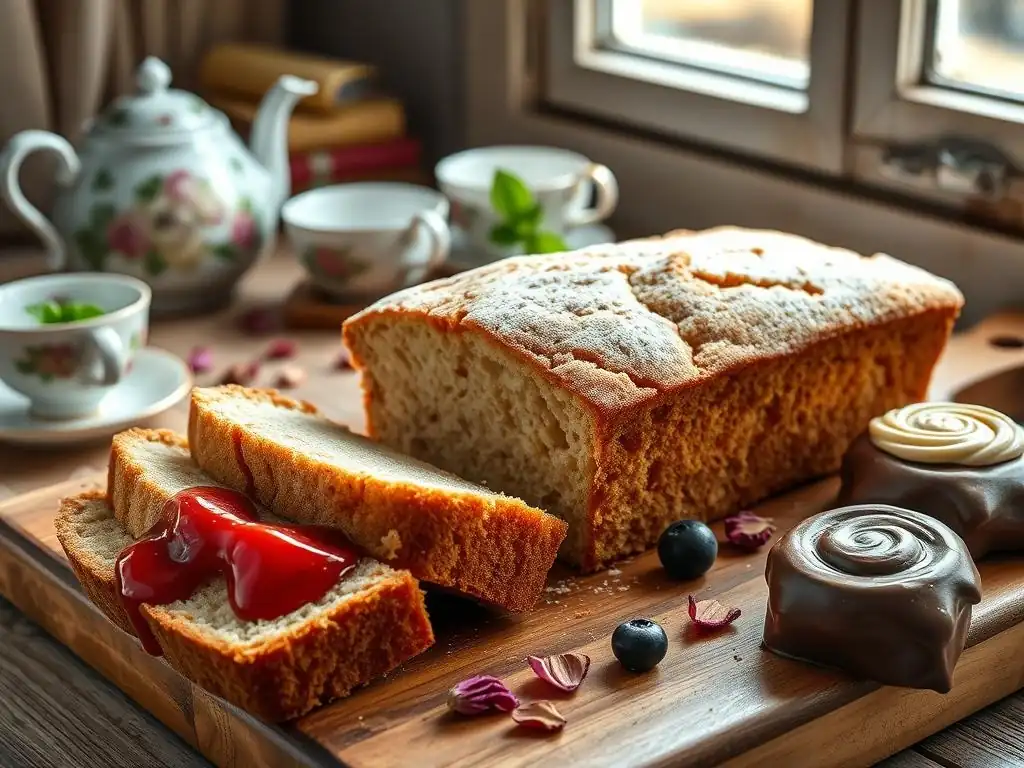
While a classic vanilla loaf cake is perfect in its simplicity, it also serves as a fantastic canvas for adding other flavors and textures. These simple additions can elevate your homemade vanilla loaf and offer delightful twists on the basic recipe, catering to different tastes and occasions. Experimenting with variations is a fun way to make the recipe your own.
Adding just one or two extra ingredients can transform the character of your easy vanilla loaf cake without complicating the baking process significantly. From bright citrus notes to pockets of melted chocolate, these variations keep the recipe exciting and versatile.
Elevate Your Cake: Adding Citrus Zest for a Zingy Flavor
Adding citrus zest is a wonderful way to introduce a bright, fresh counterpoint to the sweetness and richness of a vanilla loaf cake. Lemon zest is a popular choice, offering a tangy lift, but orange or even lime zest can also work beautifully depending on your preference. Zest contains aromatic oils that impart intense flavor without adding extra liquid to the batter.
To add citrus zest, grate the colored part of the peel (avoiding the bitter white pith) using a fine microplane or zester. You'll typically need the zest of one medium lemon or orange, which yields about 1 to 2 teaspoons of zest. For the best infusion of flavor, rub the zest into the granulated sugar with your fingertips before creaming it with the butter. This helps release the oils and distribute the citrus flavor evenly throughout the batter.
Chocolate Chip Vanilla Loaf Cake: A Delightful Twist
Combining vanilla and chocolate is a classic pairing, and adding chocolate chips to your easy vanilla loaf cake is a simple yet incredibly satisfying variation. The chocolate chips melt slightly during baking, creating delicious pockets of gooey chocolate throughout the tender vanilla crumb. You can use milk, semi-sweet, or dark chocolate chips, or even white chocolate chips, depending on what you love.
A good starting point is to fold in about 1/2 cup to 1 cup (approximately 85g to 170g) of chocolate chips into the batter. To prevent the chocolate chips from sinking to the bottom of the loaf during baking, you can lightly toss them with a tablespoon of the dry flour mixture before folding them into the batter. Add them gently during the final mixing stage, just until they are evenly distributed.
Glazing Your Vanilla Loaf Cake: Simple Glaze Recipes
A simple glaze adds an extra layer of sweetness, moisture, and visual appeal to your homemade vanilla loaf. It's an easy way to dress up the cake and add another dimension of flavor. Glazes are typically made from powdered sugar mixed with a small amount of liquid, creating a pourable or spreadable icing.
Ensure your easy vanilla loaf cake is completely cool before applying any glaze. Applying glaze to a warm cake will cause it to melt and soak in unevenly. A basic glaze requires minimal ingredients and effort but makes a significant difference in the final presentation and taste.
Vanilla Glaze for Extra Vanilla Flavor
For those who truly love vanilla, a simple vanilla glaze is the perfect finishing touch. It reinforces the cake's primary flavor while adding a smooth, sweet coating. This glaze is incredibly easy to make and requires only three ingredients.
Combine about 1 cup (approximately 120g) of powdered sugar in a bowl. Gradually whisk in 1 to 2 tablespoons of milk (or water) and 1/2 teaspoon of pure vanilla extract. Start with 1 tablespoon of liquid and add more, a teaspoon at a time, until you reach your desired consistency. You want it thick enough to coat the back of a spoon but thin enough to drizzle or spread easily over the cooled cake.
Lemon Glaze for a Tangy Finish
If you prefer a little tang to balance the sweetness of your vanilla loaf cake, a lemon glaze is an excellent choice. The acidity of the lemon juice provides a bright, refreshing contrast to the rich vanilla flavor. This glaze is just as simple to make as the vanilla version.
Whisk together about 1 cup (approximately 120g) of powdered sugar with 1 to 2 tablespoons of fresh lemon juice. Start with 1 tablespoon of juice and add more gradually until the glaze reaches a pourable consistency. The amount of juice needed will depend on how thick or thin you want the glaze. Drizzle or spread it over the cooled cake for a zesty finish.
Troubleshooting Common Vanilla Loaf Cake Baking Problems
Even with an easy vanilla loaf cake recipe, sometimes things don't go exactly as planned. Understanding common issues and how to troubleshoot them can help you learn from mistakes and achieve perfect results on your next bake. Most problems related to texture or rise can be traced back to measuring, mixing, or baking temperature/time.
Don't be discouraged if your first attempt isn't absolutely perfect. Baking is a skill that improves with practice. Identifying the potential cause of a problem with your homemade vanilla loaf makes it easier to prevent it from happening again.
Avoiding a Dry Vanilla Loaf Cake: Tips and Tricks
A dry vanilla loaf cake is often the result of one or a combination of factors: overbaking, using too much flour, or not enough fat or liquid. Overbaking is perhaps the most common culprit; even a few minutes too long in the oven can significantly dry out a cake. Always use the toothpick test and check your cake at the minimum recommended baking time.
Accurate measuring, especially of flour, is crucial. Using a kitchen scale to measure flour (1 cup is roughly 120-130g) is more accurate than volume measuring, as flour can compact in the cup. Ensure you haven't accidentally reduced the amount of butter, oil, or milk/liquid called for in the recipe. Also, double-check your oven temperature; if it runs hot, your cake will bake faster and be more prone to drying out.
Preventing a Sunken Cake: Ensuring Even Baking
A vanilla loaf cake that sinks in the middle can be frustrating. Common causes include opening the oven door too early during baking (especially in the first 20-30 minutes, before the cake has set), the oven temperature being too low, using too much leavening agent (baking powder/soda), underbaking the center, or the batter being too wet.
Ensure your oven is fully preheated and maintain the correct temperature throughout baking. Avoid opening the oven door unnecessarily. Measure your leavening agents accurately, as too much can cause the cake to rise too quickly and then collapse. Always perform the toothpick test in the center to confirm the cake is fully baked through before removing it from the oven.
Dealing with a Dense Loaf Cake: Achieving a Light Texture
A dense, heavy texture in your easy vanilla loaf cake is often caused by overmixing the batter, especially after the flour has been added. Overmixing develops gluten, resulting in a tough, dense crumb. Other factors include ingredients being too cold (especially butter and eggs, which affect creaming and emulsification), using stale or too little leavening, or inaccurate measurement of ingredients.
Mix the batter just until the dry ingredients are incorporated, using a gentle hand or the lowest speed on a mixer. Ensure all cold ingredients are brought to room temperature before you start baking. Check the expiration date on your baking powder; it can lose its effectiveness over time. Finally, double-check your measurements to ensure you're using the correct proportions of flour, fat, and leavening.
Serving Suggestions: Enjoying Your Vanilla Loaf Cake
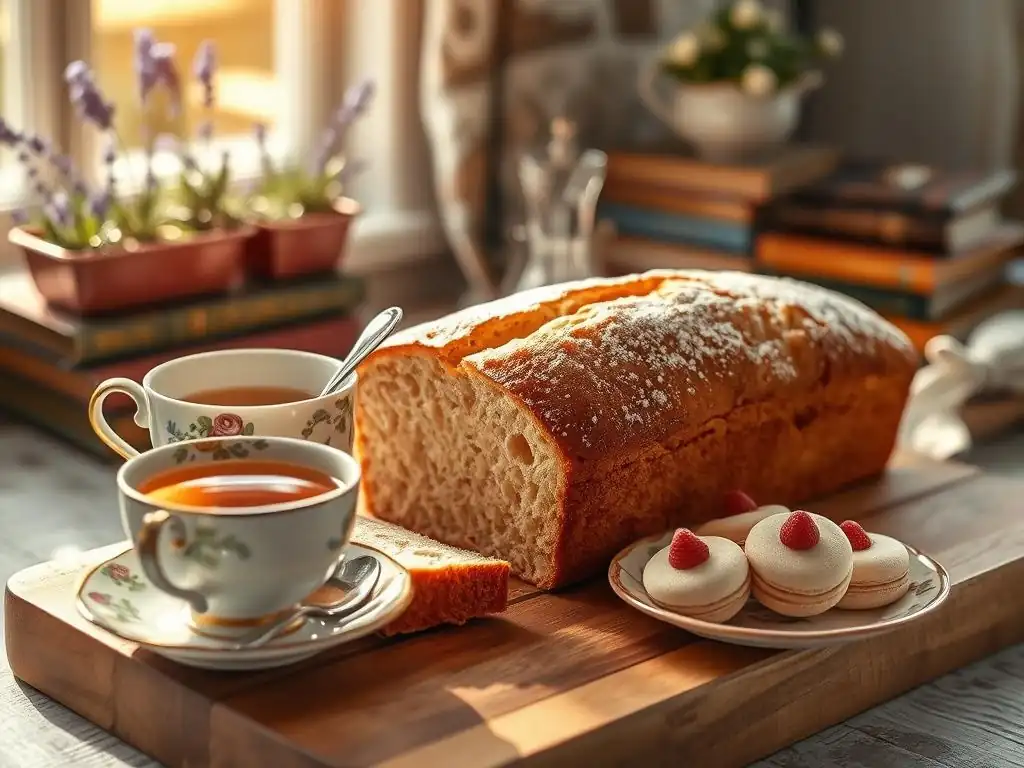
Once your beautiful easy vanilla loaf cake is baked and cooled, the best part is enjoying it! This simple cake is incredibly versatile when it comes to serving. Whether you enjoy it plain, with a simple dusting of sugar, or dressed up slightly, it's guaranteed to be a comforting and delicious treat.
The classic pairing is undoubtedly with a warm beverage, making it the perfect companion for a relaxing tea time or coffee break. However, you can also elevate the presentation slightly for a more special occasion without much extra effort.
Pairing Your Vanilla Loaf Cake with Tea or Coffee
The tender crumb and sweet, aromatic flavor of a vanilla loaf cake make it an ideal partner for a hot drink. A slice pairs wonderfully with a classic black tea like Earl Grey or English Breakfast, where the tea's robustness complements the cake's sweetness. Herbal teas, such as chamomile or peppermint, also offer a refreshing contrast.
For coffee lovers, a simple drip coffee or a latte provides a comforting pairing. The warmth and slight bitterness of coffee can enhance the vanilla notes in the cake. Whether it's a quiet morning moment or an afternoon pick-me-up, enjoying a slice of homemade vanilla loaf with your favorite hot beverage is a simple pleasure.
Creating a Beautiful Cake Presentation
Even a simple vanilla loaf cake can look elegant with minimal effort. After it's cooled, a light dusting of powdered sugar using a sieve adds a delicate, snowy finish. If you've made a glaze, drizzling it artfully over the top elevates the look. For a pop of color and freshness, consider serving slices with a few fresh berries like raspberries or strawberries, or a small dollop of whipped cream.
Slicing the cake neatly with a sharp, non-serrated knife (wiping the blade between slices for a clean cut) and arranging slices on a nice plate also enhances the presentation. Remember, the charm of an easy vanilla loaf cake lies in its humble elegance; simple presentations often work best.
Conclusion: Baking Made Easy with Our Vanilla Loaf Cake Recipe
Celebrate the Simplicity of Baking
Baking doesn't always need to be complicated to be rewarding. This easy vanilla loaf cake recipe is a perfect example of how simple ingredients and straightforward steps can yield a truly delightful result. It's a recipe that's approachable for beginners but reliable enough for experienced bakers looking for a quick, satisfying bake. The process of creaming butter, whisking eggs, and watching the batter transform in the oven is a joyful experience in itself.
We hope this guide has shown you how easy and rewarding it is to make a delicious homemade vanilla loaf. It’s a comforting classic that brings warmth and lovely aromas to your kitchen. Embrace the simplicity, follow the steps, and enjoy the process of creating something wonderful from scratch.
We love seeing what you bake! The BakeWithEase community is built on sharing the joy of simple baking. Whether your easy vanilla loaf cake turned out perfectly golden or you learned something new from a little challenge, we encourage you to celebrate your efforts. Baking is a journey, and every bake is a step forward.
Keep this vanilla loaf cake recipe handy for whenever you need a reliable, delicious treat. It's perfect for sharing with family and friends, or simply enjoying a quiet moment with a cup of tea. Happy baking, and we look forward to being part of your baking adventures!
Frequently Asked Questions
What makes this vanilla loaf cake "easy"?
The recipe emphasizes simple ingredients and a straightforward mixing method, making it accessible even for beginner bakers. There are no complicated techniques involved.
What size loaf pan is recommended for this recipe?
The BakeWithEase recipe is designed for a standard 9x5 inch loaf pan. Using a different size may affect the baking time and texture of the cake.
Can I substitute any ingredients in the vanilla loaf cake recipe?
While substitutions are possible, it's recommended to follow the recipe for the best results. However, you can experiment with different extract flavors instead of vanilla.
How long does this vanilla loaf cake stay fresh?
Properly stored in an airtight container at room temperature, the loaf cake will stay fresh for 3-4 days. You can also freeze it for longer storage.
What are some variations I can try with this basic vanilla loaf cake recipe?
You can add chocolate chips, nuts, or a citrus glaze to customize the flavor of the basic vanilla loaf cake. The possibilities are endless!
Final Reflection: The Enduring Comfort of a Simple Cake
The humble vanilla loaf cake, a seemingly simple creation, holds a power far beyond its ingredients. It's a testament to the enduring appeal of comfort food, a sweet reminder of simpler times, and a surprisingly versatile canvas for culinary creativity. In a world obsessed with complex recipes and elaborate presentations, the ease and satisfaction of a perfectly baked vanilla loaf cake offer a refreshing counterpoint.
The enduring popularity of this classic recipe speaks volumes about our collective desire for uncomplicated pleasures. It's a recipe passed down through generations, adapted and tweaked to suit individual tastes, yet always retaining its core essence. The aroma alone evokes feelings of warmth, nostalgia, and shared moments. A cake is a celebration; it's a moment of joy, a symbol of happiness.
This sentiment perfectly captures the emotional resonance of a simple vanilla loaf cake, transcending its mere culinary function.
Now, I invite you to consider the possibilities. Don't just bake this cake; experience it. Share it with loved ones, savor each bite, and appreciate the simple act of creating something delicious and comforting from scratch. Let this recipe be a reminder that sometimes, the most profound experiences come from the simplest of things. The next time you crave a moment of peace and sweetness, remember the power of a perfectly baked vanilla loaf cake.
Unlock Your Inner Baker: Bake This Loaf Today!
Thanks for joining us on this baking adventure! We hope you’ve gained some delicious inspiration and feel confident tackling this simple, yet elegant, vanilla loaf. Now it's time to get baking!
- Whip up your own loaf: Grab those ingredients and let's get baking! Follow the recipe again, this time making it your own – experiment with different extracts or add-ins!
- Share your masterpiece: Snap a picture of your finished loaf and tag us on social media – we’d love to see your creations!
- Explore more easy recipes: Dive into our recipe collection for even more delightful treats perfect for tea time and beyond.
What unique twist will you add to your perfect vanilla loaf? Let's discuss in the comments below!