
Using NonDairy Milks for Creamy Vegan Ice Cream

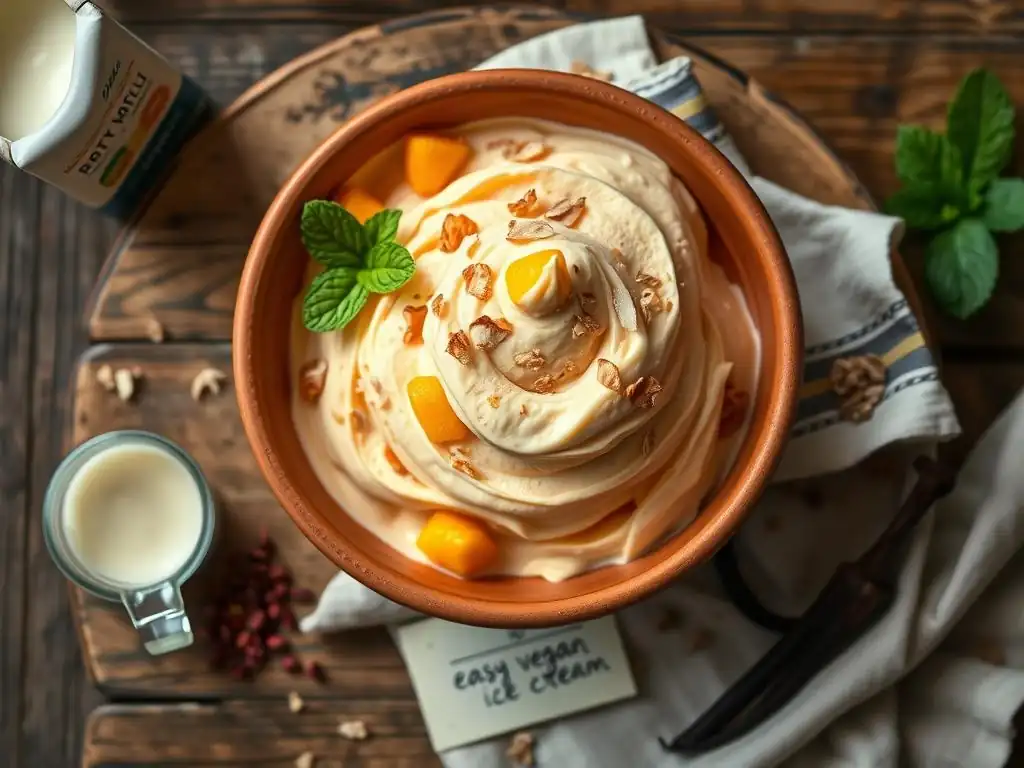
Welcome to BakeWithEase, where the joy of baking meets simplicity! Ever wondered how to achieve unbelievably creamy vegan ice cream without any dairy? You're in the right place. Prepare to unlock the secrets of using non-dairy milks to create frozen delights that are as delicious as they are ethical. Discover our easy vegan ice cream recipes and embark on a guilt-free, flavor-packed adventure. What's the secret ingredient that makes it so creamy? Let's find out...
- Using Non-Dairy Milks for Creamy Vegan Ice Cream: BakeWithEase Guide
- Introduction to Vegan Ice Cream and Non-Dairy Milk Options
- Achieving Creamy Texture: The Secret to Perfect Vegan Ice Cream
- Best Non-Dairy Milks for Vegan Ice Cream: A Comparison
- Tips for Making Easy Vegan Ice Cream Recipes with Non-Dairy Milk
- Troubleshooting Common Vegan Ice Cream Problems
- Easy Vegan Ice Cream Recipes
- Conclusion: Mastering Vegan Ice Cream with Non-Dairy Milks
-
Frequently Asked Questions
- What types of non-dairy milks work best for making vegan ice cream?
- How can I prevent my vegan ice cream from becoming icy?
- Can I use different sweeteners in vegan ice cream recipes?
- What are some common ingredients used to enhance the flavor of vegan ice cream?
- How long does vegan ice cream typically take to churn in an ice cream maker?
- Final Reflection: The Sweet Revolution of Easy Vegan Ice Cream
- Unlock the Creamy Secrets of Vegan Ice Cream!
Using Non-Dairy Milks for Creamy Vegan Ice Cream: BakeWithEase Guide
Introduction to Vegan Ice Cream and Non-Dairy Milk Options
Why Choose Non-Dairy Milk for Vegan Ice Cream?
Choosing non-dairy milk is fundamental for creating delicious vegan ice cream. Traditional ice cream relies heavily on dairy fat and protein for its rich texture and structure. When shifting to a plant-based approach, milk alternatives become the essential base ingredient. This choice caters to individuals following a vegan lifestyle, those with lactose intolerance or dairy allergies, or simply anyone looking to explore new flavors and textures in frozen desserts.
Beyond dietary needs, using non-dairy milks opens up a world of unique characteristics. Each type of plant milk brings its own subtle flavor profile and compositional properties – from fat content to protein and carbohydrate levels – which directly influence the final outcome of your vegan ice cream. Understanding these differences is key to mastering easy vegan ice cream recipes and achieving that desired creamy, scoopable consistency without any dairy.
Exploring the World of Non-Dairy Milk Alternatives for Baking
The market for non-dairy milk alternatives has exploded, offering bakers and dessert makers an unprecedented variety. While many plant milks are suitable for general baking, not all are created equal when it comes to crafting the perfect vegan ice cream. Options range from nut-based milks like almond, cashew, and macadamia to grain-based like oat and rice, and seed-based like hemp, alongside the popular coconut milk.
For ice cream, the ideal non-dairy milk needs to provide a certain level of richness and viscosity to prevent excessive ice crystal formation. Options like full-fat canned coconut milk, barista-blend oat milk, or rich cashew milk tend to perform better than thinner alternatives like standard almond or rice milk. Experimenting with different types or even blends is part of the fun in discovering your favorite easy vegan ice cream recipes.
Achieving Creamy Texture: The Secret to Perfect Vegan Ice Cream
Understanding Fat Content in Non-Dairy Milks and its Impact on Texture
Fat is a crucial player in creating creamy, smooth ice cream, whether dairy or non-dairy. It interferes with the formation of large ice crystals during freezing. The higher the fat content in your ice cream base, the smaller the ice crystals tend to be, resulting in a smoother, more luxurious texture that isn't hard or icy. This is why traditional ice cream often uses heavy cream, which boasts a fat content upwards of 30-35%.
In the realm of non-dairy milks, fat content varies significantly. Full-fat canned coconut milk typically contains around 20-24% fat, making it an excellent base for rich vegan ice cream. Barista-style oat milk might have 3-4% fat, while standard unsweetened almond or rice milk can be as low as 0.5-1.5%. Using a milk with a lower fat content will generally require additional techniques, like incorporating stabilizers or extra sugar, to compensate and achieve a desirable texture in your easy vegan ice cream recipes.
How Different Non-Dairy Milks Affect Vegan Ice Cream Consistency
Beyond just fat, the overall composition of non-dairy milk – including protein, carbohydrates, and stabilizers added by manufacturers – impacts the final ice cream texture. Milks higher in protein, like soy milk (around 3-4% protein), can contribute to a smoother mouthfeel but might also introduce a slight grittiness if not processed correctly. Milks high in starches, like oat milk, can lend a natural creaminess but may also become slightly gummy or viscous.
Thinner milks, such as almond or rice milk, often result in a more icy texture because their low fat and solids content doesn't adequately interfere with ice crystal growth. Achieving a creamy result with these options usually necessitates adding other ingredients like soaked cashews, avocado, or specific stabilizers to boost the total solids and fat, transforming a potentially icy mix into truly easy vegan ice cream recipes.
Best Non-Dairy Milks for Vegan Ice Cream: A Comparison
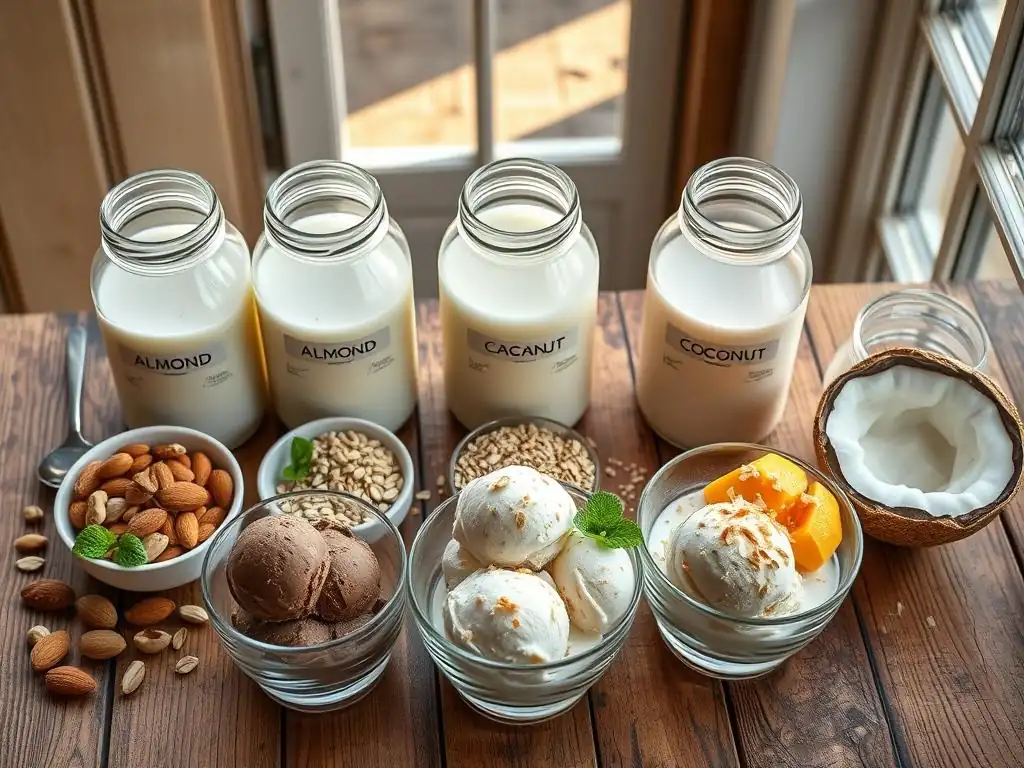
Coconut Milk: Rich and Creamy Vegan Ice Cream
Full-fat canned coconut milk is arguably the reigning champion for achieving maximum creaminess in vegan ice cream. Its high fat content mimics the richness of dairy cream, providing a naturally smooth and scoopable result. It's a go-to for many easy vegan ice cream recipes due to its reliable performance.
Pros and Cons of Using Coconut Milk in Vegan Ice Cream
- Pros:
- High fat content leads to excellent creaminess and reduced iciness.
- Readily available in most grocery stores.
- Provides a rich base that pairs well with tropical flavors.
- Cons:
- Distinct coconut flavor which may not be desirable for all flavor profiles (though refined coconut oil/cream can mitigate this).
- Can freeze very hard if not combined with enough sugar or other texture enhancers.
Oat Milk: Naturally Sweet and Smooth Vegan Ice Cream
Oat milk, especially barista blends or those labeled as "extra creamy," has gained popularity for its neutral flavor and inherent smoothness, attributed to its starch content. It provides a good balance and can create lovely easy vegan ice cream recipes without a strong competing flavor.
Pros and Cons of Using Oat Milk in Vegan Ice Cream
- Pros:
- Generally neutral, slightly sweet flavor that works well with many additions.
- Naturally smooth texture.
- Often contains beta-glucans which contribute to a creamy mouthfeel.
- Cons:
- Lower fat content than coconut milk, potentially requiring stabilizers for optimal texture.
- Can sometimes develop a slightly gummy texture due to starches.
Almond Milk: Light and Refreshing Vegan Ice Cream
Unsweetened almond milk is a lighter option, lower in calories and fat compared to other plant milks. It's a good choice for creating refreshing, less rich easy vegan ice cream recipes, particularly those featuring fruit.
Pros and Cons of Using Almond Milk in Vegan Ice Cream
- Pros:
- Very neutral flavor, allowing other ingredients to shine.
- Lower in calories and fat for a lighter dessert.
- Widely available and often cost-effective.
- Cons:
- Very low fat content makes it highly prone to iciness.
- Requires significant support from stabilizers, sugar, or other ingredients (like cashews) to achieve creaminess.
Soy Milk: A Versatile Option for Vegan Ice Cream
Soy milk was one of the earliest widely available non-dairy milks and remains a solid choice. Opting for a full-fat or "creamy" variety provides a decent base for easy vegan ice cream recipes, offering a balance of protein and fat.
Pros and Cons of Using Soy Milk in Vegan Ice Cream
- Pros:
- Contains a good amount of protein, which can contribute to texture.
- Fairly neutral flavor in unsweetened varieties.
- Widely available.
- Cons:
- Can sometimes have a slight "beany" aftertaste depending on the brand.
- Texture can vary significantly between brands, impacting results.
Cashew Milk: Ultra-Creamy and Luxurious Vegan Ice Cream
Especially when made from soaked cashews (often combined with water and sometimes another plant milk), cashew milk offers exceptional creaminess and a smooth, rich texture. It's a favorite for achieving a luxurious consistency in easy vegan ice cream recipes without a strong flavor.
Pros and Cons of Using Cashew Milk in Vegan Ice Cream
- Pros:
- Yields an incredibly smooth and creamy texture due to the emulsified nuts.
- Very neutral, slightly sweet flavor.
- Excellent for rich, decadent ice creams.
- Cons:
- Homemade version requires soaking cashews and a high-speed blender.
- Store-bought versions vary greatly in thickness; look for "creamy" or higher fat options.
- Can be more expensive than other options.
Tips for Making Easy Vegan Ice Cream Recipes with Non-Dairy Milk
Choosing the Right Sweetener for Your Vegan Ice Cream
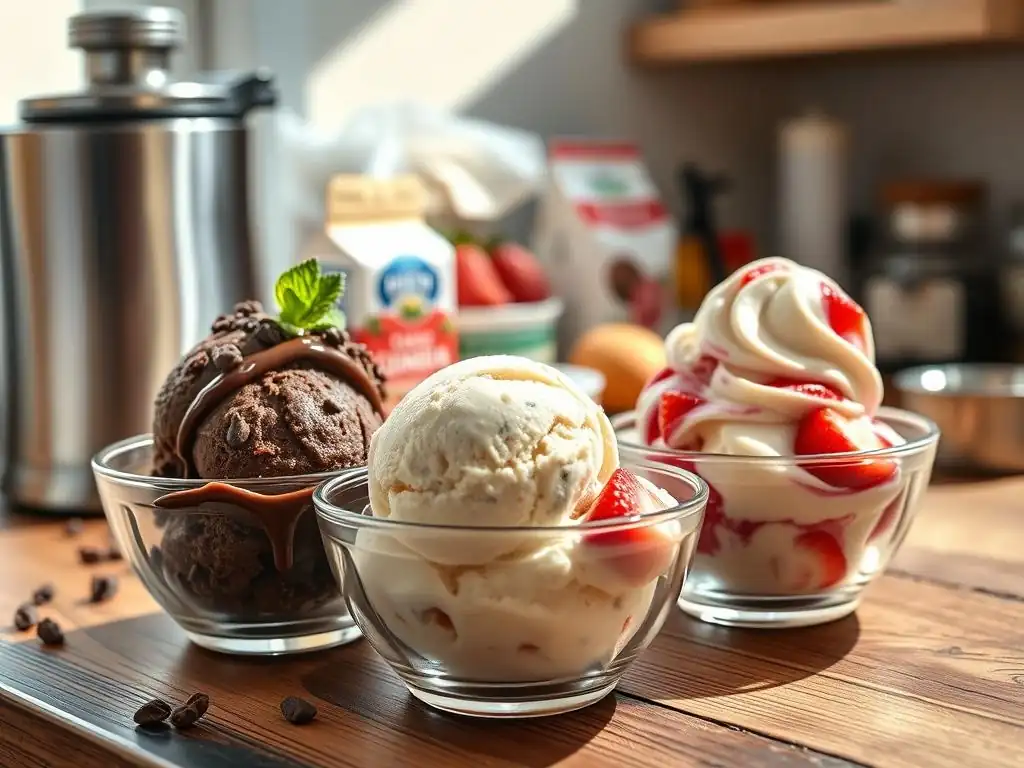
Sweeteners do more than just add sweetness; they also play a vital role in texture by lowering the freezing point of the mixture, which helps prevent excessive ice crystal formation. Granulated sugars like cane sugar are common, but liquid sweeteners like agave nectar, maple syrup, or corn syrup are particularly effective at improving scoopability in vegan ice cream recipes easy to make at home. Using a combination of both can offer the best of both worlds: sweetness from sugar and improved texture from liquid syrup.
When substituting sweeteners, remember that they vary in sweetness intensity and water content. For instance, maple syrup is less sweet than sugar and adds moisture, so adjustments might be needed. For the creamiest results, aim for a total sugar content typically between 15-25% of the total base volume, adjusting based on the specific non-dairy milk and desired sweetness.
Adding Flavor and Texture to Your Non-Dairy Ice Cream
Incorporating Fruits, Nuts, and Chocolate
Adding mix-ins is a fantastic way to enhance both the flavor and texture of your easy vegan ice cream recipes. Fruits, either pureed and swirled or chopped and folded in, add natural sweetness and moisture. Roasted nuts or seeds provide a delightful crunch, while chocolate chips, chunks, or swirls of fudge sauce offer rich indulgence.
It's generally best to add solid mix-ins like chopped nuts, chocolate, or fruit pieces after the ice cream has been churned to a soft-serve consistency, just before transferring it to the freezer to harden. This prevents them from being broken down too much during churning and ensures they are evenly distributed.
For fruit purees or sauces, you can often swirl them in during the last few minutes of churning or layer them with the churned ice cream in the freezer container. Consider roasting nuts beforehand to enhance their flavor and crunch.
Using Extracts and Spices for Unique Vegan Ice Cream Flavors
Elevate your easy vegan ice cream recipes by incorporating extracts and spices. Classic vanilla extract is a staple, enhancing the flavor of almost any base. Almond extract, peppermint extract, or citrus zests can create distinct profiles. Spices like cinnamon, cardamom, ginger, or even a pinch of cayenne can add warmth and complexity.
Add extracts and spices to your base mixture before chilling and churning to allow their flavors to meld. Start with a small amount and taste, adding more as needed, as flavors can become slightly muted when frozen. For intense flavors like mint or coffee, consider steeping fresh leaves or coffee grounds in the warmed non-dairy milk base before chilling and straining.
Stabilizing Your Vegan Ice Cream for a Smoother Texture
Stabilizers help prevent ice crystals from forming and contribute to a smoother, more stable frozen structure. While not always strictly necessary, especially with high-fat bases like coconut milk, they can significantly improve the texture of easy vegan ice cream recipes made with lower-fat milks.
Using Natural Stabilizers like Guar Gum or Cornstarch
Natural thickeners like guar gum or cornstarch are effective stabilizers. Guar gum is a powerful thickener used in very small amounts, typically around 1/4 to 1/2 teaspoon per quart (about 1 liter) of base mixture. It can usually be whisked directly into the cold base, though some prefer to mix it with a little sugar first to prevent clumping.
Cornstarch requires heating the base; typically, 1-2 tablespoons per quart are dissolved in a small amount of cold liquid, then whisked into the heated base and cooked until thickened, similar to making a pudding base. This cooked base then needs to be thoroughly chilled before churning. Pectin or agar-agar are other plant-based options, each with specific usage instructions, often requiring heating.
Mastering the Churning Process for Perfect Vegan Ice Cream
The churning process is where air is incorporated into the base while it freezes, preventing it from becoming a solid block of ice. Proper churning is essential for achieving that desirable light and scoopable texture in any easy vegan ice cream recipe.
Before churning, ensure your ice cream base is very cold – ideally chilled in the refrigerator for at least 4-6 hours, or even overnight, to around 4°C (40°F). Also, if using a machine with a freezer bowl, make sure the bowl is frozen solid according to the manufacturer's instructions (usually 12-24 hours). Churn the base in your ice cream maker for the time recommended by the machine's manual, which is typically between 15 and 30 minutes, until it reaches a soft-serve consistency.
Don't over-churn, as this can negatively affect texture. Immediately transfer the churned ice cream to an airtight container and freeze for several hours to firm up before serving.
Troubleshooting Common Vegan Ice Cream Problems
Preventing Icy Vegan Ice Cream
Icy texture is the most common challenge with vegan ice cream, often due to insufficient fat, sugar, or stabilizers, or improper chilling/churning. To combat this in your easy vegan ice cream recipes, ensure you're using a non-dairy milk with adequate fat (like full-fat coconut or creamy cashew/oat). Increase the total sugar content, potentially using a portion of liquid sweetener like agave or corn syrup, as sugar lowers the freezing point.
Incorporating a stabilizer like guar gum or cornstarch can also make a significant difference by binding water and preventing large ice crystals. Finally, make sure your base is thoroughly chilled and your ice cream maker's freezer bowl is completely frozen before churning.
Another trick is adding a small amount of alcohol (like a tablespoon of vodka) to the base, as alcohol doesn't freeze and helps keep the ice cream softer. However, this should be used sparingly to avoid affecting the flavor.
Dealing with a Grainy Texture in Vegan Ice Cream
Graininess can occur in vegan ice cream for a few reasons, often related to undissolved sugar crystals or protein clumping (more common with soy or nut milks if heated too aggressively). To avoid this, make sure all your sugar is fully dissolved in the liquid base. Heating the base gently while whisking can help dissolve sugar completely. If using ingredients like cocoa powder or certain protein powders, ensure they are thoroughly whisked in without clumps.
Straining your base through a fine-mesh sieve after mixing and before chilling can help remove any small undissolved particles or clumps, resulting in a smoother starting point for your easy vegan ice cream recipes. If using homemade nut milk, ensure the nuts were blended until very smooth and potentially strained.
Achieving the Right Sweetness Level in Your Vegan Ice Cream
Sweetness perception changes with temperature; frozen desserts taste less sweet than their unfrozen bases. Therefore, your ice cream base should taste slightly too sweet when chilled before churning. To test this, chill a small amount of your base in the freezer until very cold, then taste it. Adjust the sweetness before churning the whole batch.
Remember that different sweeteners have different sweetness levels. Maple syrup is less sweet volume-for-volume than granulated sugar. When adapting easy vegan ice cream recipes or creating your own, start with a recommended amount and adjust based on your tasting test of the chilled base. It's easier to add a little more sweetener (preferably liquid) than to fix an overly sweet base.
Easy Vegan Ice Cream Recipes
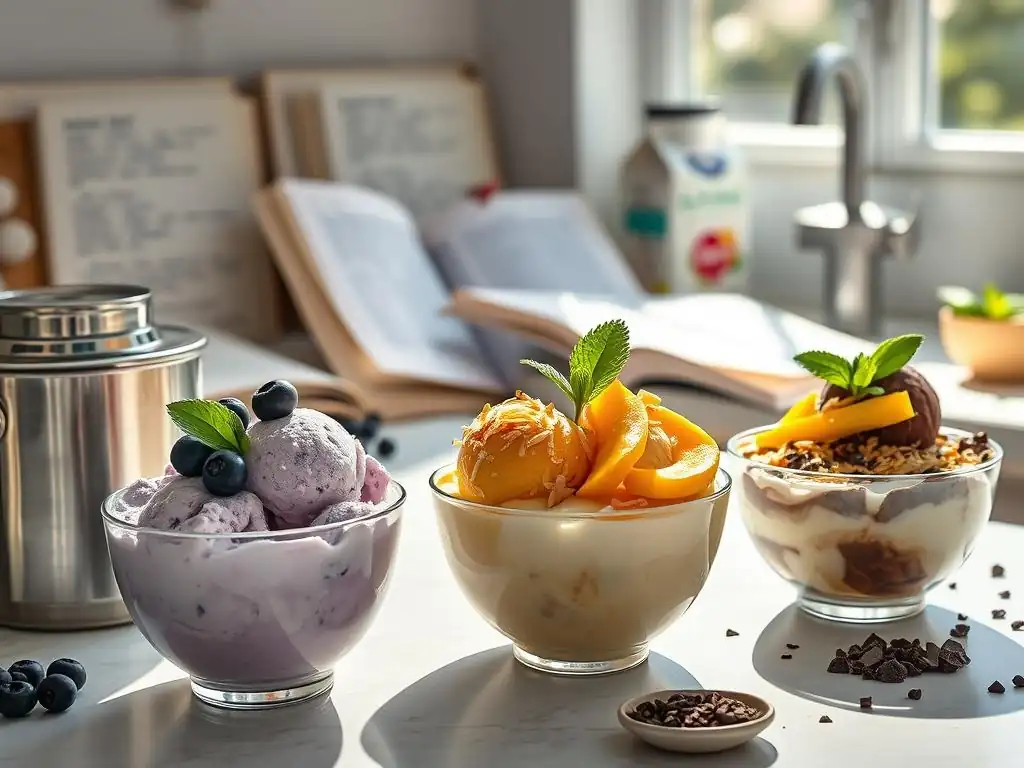
Creamy Coconut Mango Vegan Ice Cream
This tropical delight highlights the natural richness of full-fat canned coconut milk. The high fat content of the coconut milk provides an incredibly creamy base, while the addition of fresh mango puree adds vibrant flavor and natural sweetness. It's an easy vegan ice cream recipe that captures the essence of summer with minimal effort, relying on the coconut milk's inherent texture-enhancing properties.
Simple Vanilla Bean Oat Milk Vegan Ice Cream
A straightforward and universally loved option, this recipe leverages the smooth, neutral profile of oat milk, ideally a barista or extra-creamy variety. Infused with real vanilla bean or high-quality vanilla extract, it creates a classic, easy vegan ice cream that is subtly sweet and wonderfully smooth. Oat milk's natural starches contribute to its pleasant texture, making this a reliable choice for beginners.
Refreshing Berry Almond Milk Vegan Ice Cream
For a lighter, fruit-forward frozen treat, almond milk serves as the base for this refreshing ice cream featuring mixed berries. While almond milk is lower in fat, combining it with pureed or crushed berries adds body and natural sugars, which help mitigate iciness. This easy vegan ice cream recipe is bright, invigorating, and perfect for showcasing seasonal fruits.
Conclusion: Mastering Vegan Ice Cream with Non-Dairy Milks
Enjoying Delicious and Easy Vegan Ice Cream at Home
Mastering vegan ice cream is an achievable goal with the right understanding of non-dairy milks and a few key techniques. By recognizing how factors like fat content, sugar type, and stabilizers influence texture, you can confidently choose the best plant milk for your desired outcome, from rich and decadent to light and refreshing. The world of non-dairy options offers incredible versatility for creating easy vegan ice cream recipes tailored to your taste.
Experiment with different milks, sweeteners, and flavor combinations. Don't be afraid to try adding a natural stabilizer if your initial attempts are too icy. With a little practice, you'll be whipping up creamy, delicious, and easy vegan ice cream at home that rivals any store-bought pint, bringing joy to every scoop.
Frequently Asked Questions
What types of non-dairy milks work best for making vegan ice cream?
The best non-dairy milks for vegan ice cream are those with a high fat content. Coconut milk and cashew milk are often favored for their creaminess. Soy milk can also work, but may require additional stabilizers.
How can I prevent my vegan ice cream from becoming icy?
To avoid an icy texture, use a high-fat non-dairy milk and add a stabilizer like guar gum or cornstarch. Properly churning the ice cream and storing it in an airtight container also helps. Rapid freezing is also key.
Can I use different sweeteners in vegan ice cream recipes?
Yes, you can substitute sweeteners, but the type and amount will affect the texture and sweetness. Consider using agave, maple syrup, or even a sugar substitute. Adjust the liquid content accordingly.
What are some common ingredients used to enhance the flavor of vegan ice cream?
Common flavor enhancers include vanilla extract, chocolate chips, fruit purees, and nut butters. Experiment with different combinations to create your own unique flavors. Spices like cinnamon or nutmeg can also add depth.
How long does vegan ice cream typically take to churn in an ice cream maker?
Churning time varies depending on the ice cream maker and the recipe, but it typically takes between 20 to 30 minutes. The ice cream should have a soft-serve consistency when it's ready. Avoid over-churning.
Final Reflection: The Sweet Revolution of Easy Vegan Ice Cream
The quest for creamy, delicious vegan ice cream has been democratized. No longer relegated to specialty shops or complicated recipes, the ability to craft delightful dairy-free frozen treats at home is now within everyone's reach. This article has explored simple techniques and readily available ingredients, proving that achieving that perfect, smooth texture isn't a culinary feat reserved for the experts.
The shift towards plant-based diets is undeniable, and the increasing demand for accessible vegan options reflects a growing awareness of ethical and environmental concerns. This extends beyond just the choice of milk; it speaks to a broader cultural movement embracing sustainability and compassionate food choices. Food is symbolic of love when words are inadequate.
– Alan D. Wolfelt. This sentiment rings true for vegan ice cream, offering a delicious way to express values and share joy with others.
Now, it's your turn. Don't be intimidated by the seemingly complex world of vegan ice cream making. Experiment with different non-dairy milks, explore flavor combinations that excite your palate, and most importantly, enjoy the process of creating something delicious and meaningful. The creamy, cool reward awaits, and the satisfaction of crafting your own perfect vegan ice cream is a sweet victory in itself.
Unlock the Creamy Secrets of Vegan Ice Cream!
Thanks for exploring the world of creamy vegan ice cream with us! You've now got the knowledge to create delicious, dairy-free treats. Ready to take your skills to the next level?
- Whip up your own dreamy batch: Use your newfound expertise and experiment with different non-dairy milks to discover your perfect creamy texture. What flavor will you try first?
- Share your frosty creations: Show off your ice cream masterpieces on social media using #BakeWithEaseVeganIceCream – we'd love to see them!
- Dive deeper: Explore other delicious vegan recipes on BakeWithEase.com – from cakes to cookies, the possibilities are endless!
What's your favorite non-dairy milk for achieving that ultimate creamy consistency? Let us know in the comments!