
Bake With Ease: The Best Way to Use Spring Strawberries

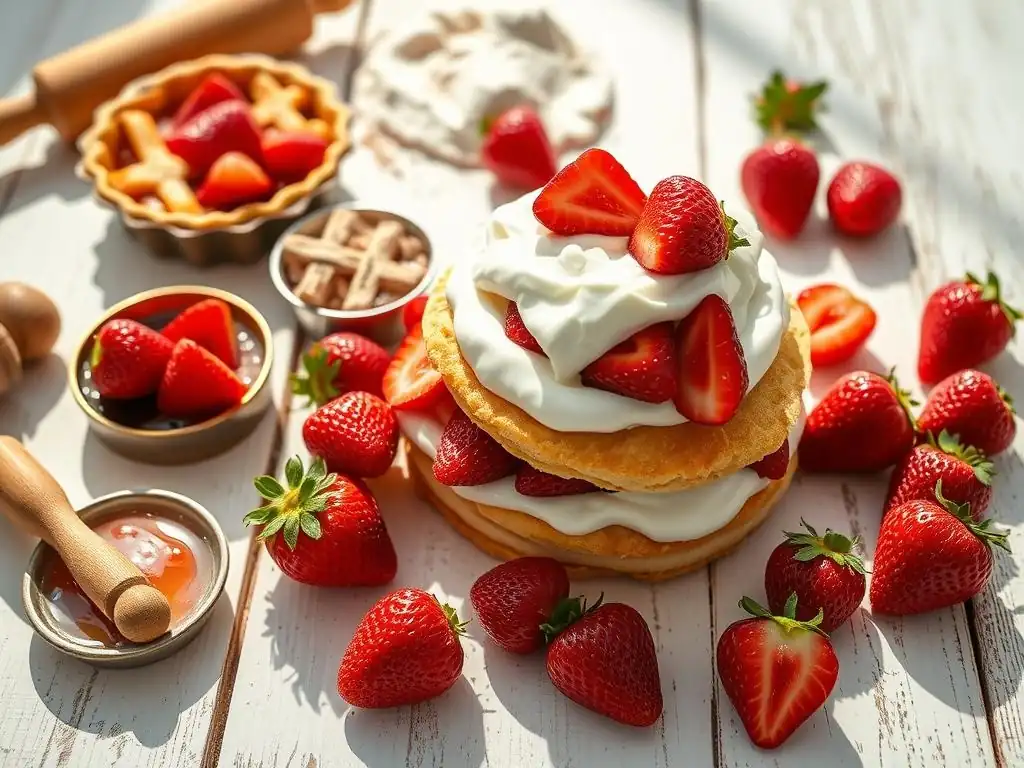
Welcome to BakeWithEase, your baking sanctuary! Ever wondered how to transform the vibrant flavors of spring into delightful treats? Discover the secrets to creating unforgettable desserts with our easy Spring strawberry baking recipes. Get ready to unlock a world of simple, delicious, and seasonal baking – the journey starts here!
- Baking with Spring Strawberries: Delicious & Easy Recipes
- The Joys of Baking with Fresh Spring Strawberries
- Why Spring Strawberries Elevate Your Baking
- Delicious & Easy Spring Strawberry Recipes: Step-by-Step
- Expert Tips for Baking with Fresh Strawberries
- Storing Your Strawberry Baked Goods
- Variations and Customizations: Strawberry Baking Your Way
- Savor the Flavors of Spring with These Strawberry Baking Recipes!
-
Frequently Asked Questions
- What makes BakeWithEase.com the best resource for spring strawberry baking recipes?
- Are the strawberry recipes on BakeWithEase suitable for beginner bakers?
- What types of spring strawberry baking recipes can I find on BakeWithEase.com?
- Does BakeWithEase.com offer tips and techniques specifically for working with strawberries in baking?
- Where can I find the ingredients needed for the spring strawberry baking recipes on BakeWithEase.com?
- Final Reflection: The Sweet Simplicity of Spring Baking
- Unlock Your Inner Pastry Chef: Let's Bake!
Baking with Spring Strawberries: Delicious & Easy Recipes
The Joys of Baking with Fresh Spring Strawberries
Spring arrives with a burst of color and flavor, and for bakers, few ingredients are as exciting as the first ripe strawberries. These ruby-red gems signal warmer days and offer a natural sweetness and vibrant tang that are simply unparalleled. Baking with fresh spring strawberries allows you to capture the essence of the season, transforming simple ingredients into delightful treats. Whether you're a seasoned pro or just starting out, incorporating these seasonal berries into your repertoire is a rewarding experience, leading to beautiful and incredibly tasty results that embody freshness.
The versatility of strawberries makes them a favorite for many spring strawberry baking recipes easy to prepare. From classic pies and tarts to simple muffins and quick breads, they lend themselves beautifully to a wide array of baked goods. Their natural moisture and sugar content interact wonderfully with flours, fats, and leavening agents, creating textures and flavors that are both comforting and invigorating. Getting your hands on locally sourced, peak-season strawberries truly elevates the final product, making your spring baking efforts shine.
Why Spring Strawberries Elevate Your Baking
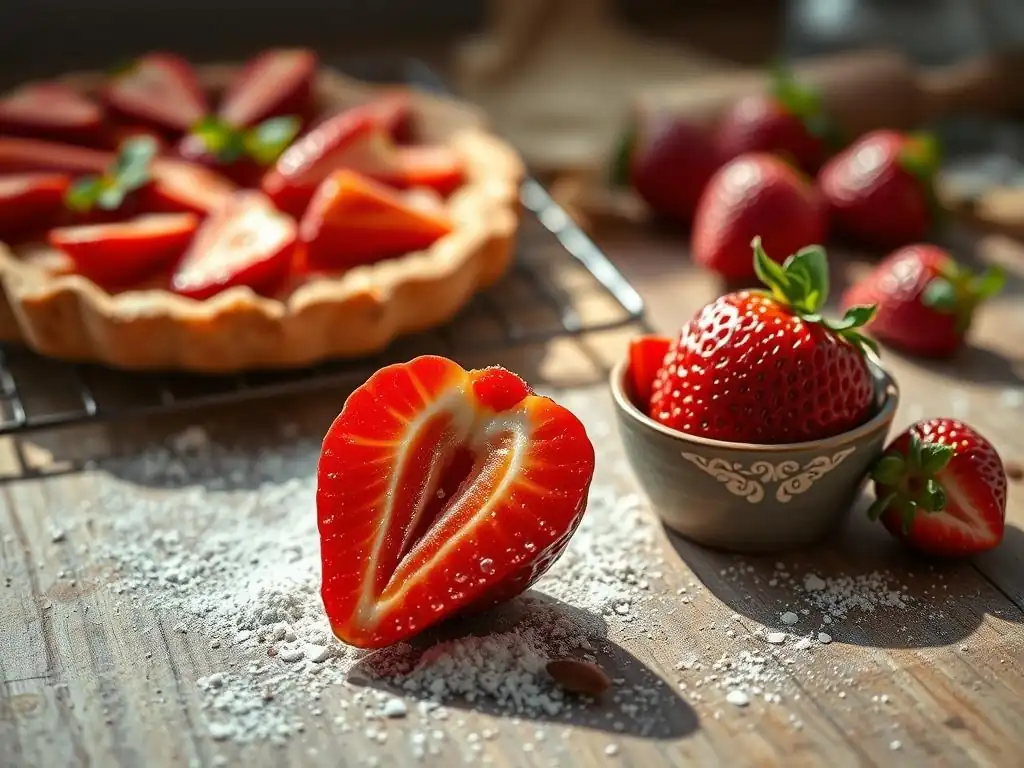
Peak Season Sweetness: The Best Time for Strawberry Flavor
Strawberries harvested during their peak spring season boast an intensity of flavor that is simply unmatched by berries grown at other times of the year or transported long distances. This is largely due to the ideal growing conditions of spring – a combination of increasing sunlight hours and moderate temperatures. These factors allow the berries to ripen slowly on the vine, developing their full sugar content and complex aromatic compounds.
When you use these perfectly ripe, sweet strawberries in your baking, you'll find that the flavors are more pronounced and vibrant. They contribute a natural sweetness that can sometimes allow for a slight reduction in added sugar in your recipes, letting the fruit's true character shine through. The difference between a dish made with peak-season berries versus those picked prematurely or grown in less-than-ideal conditions is palpable, resulting in baked goods that taste genuinely like a celebration of spring.
Nutritional Perks: Vitamins and Antioxidants in Strawberries
Beyond their delightful taste, spring strawberries pack a significant nutritional punch, adding healthy benefits to your baked goods. They are famously high in Vitamin C; just a single cup provides well over the daily recommended intake for adults. This essential vitamin is crucial for immune function and skin health, acting as a powerful antioxidant.
Furthermore, strawberries are rich in other antioxidants, such as anthocyanins, which give them their vibrant red color, and ellagic acid. These compounds are being studied for their potential health benefits, including anti-inflammatory properties. While baking does impact the nutritional content to some degree, incorporating fresh strawberries still adds valuable vitamins and antioxidants to your diet, making your delicious spring treats a little bit healthier.
Delicious & Easy Spring Strawberry Recipes: Step-by-Step
If you're searching for easy spring strawberry baking recipes, these three options offer fantastic ways to use up your bounty of fresh berries. They are designed to be approachable for bakers of all skill levels and highlight the natural goodness of strawberries.
Recipe 1: Strawberry Rhubarb Pie - A Classic Combination
The pairing of sweet strawberries and tart rhubarb is a beloved classic for a reason. This pie captures the essence of spring in every slice, offering a perfect balance of flavors and textures. It's a quintessential bake that is surprisingly manageable for beginners.
Ingredients for a Flaky Strawberry Rhubarb Pie Crust
A great pie starts with a flaky crust. You'll typically need standard pantry staples like all-purpose flour, cold unsalted butter (cut into cubes is key for flakiness), a pinch of salt, and ice water. Some recipes might include a bit of sugar for sweetness or a touch of shortening for extra tenderness. The trick to a flaky crust is keeping everything very cold and handling the dough as little as possible, allowing small pieces of butter to remain intact before baking, which create steam pockets and layers in the oven.
Preparing the crust involves combining the dry ingredients, cutting in the cold fat until the mixture resembles coarse crumbs with some pea-sized pieces of butter remaining, and then adding just enough ice water, a tablespoon at a time, until the dough comes together. The dough is then divided, flattened into discs, wrapped, and chilled thoroughly before rolling. This chilling step is crucial for ease of handling and achieving that desired flaky texture.
Creating the Perfect Sweet & Tart Strawberry Rhubarb Filling
The filling is where the magic happens, blending the sweetness of strawberries with the vibrant tartness of rhubarb. You'll need fresh, sliced strawberries and chopped rhubarb. To balance the tartness and thicken the filling, you'll combine the fruit with sugar (adjusting the amount based on how sweet your strawberries are and how tart you like it), a thickener like cornstarch or flour, and often a pinch of salt and perhaps a touch of lemon juice or vanilla extract to enhance the flavors.
Gently tossing the fruit with the sugar and thickener ensures even distribution and helps draw out some of the fruit's juices, which the thickener will then manage during baking. Allowing the mixture to sit for a few minutes before filling the pie shell can help start this process. The goal is a filling that is not overly runny, allowing the slices to hold their shape, but still wonderfully juicy and flavorful.
Baking Your Pie to Golden Perfection
Once the crust is filled and the top crust or lattice is applied, the pie is ready for the oven. Baking temperature is typically medium-high to start, then often reduced to ensure the crust browns nicely without the filling bubbling over excessively. Baking time varies but is generally around 45-60 minutes, or until the crust is golden brown and you can see the filling bubbling through vents, indicating the thickener has activated and the fruit is tender.
Placing the pie on a baking sheet can catch any drips. If the crust edges start to brown too quickly, you can loosely tent them with foil. Cooling the pie properly on a wire rack after baking is just as important as the baking itself; this allows the filling to set completely, ensuring clean slices when you serve. Patience during the cooling phase is key to a perfect pie experience.
Recipe 2: Strawberry Lemon Muffins - A Bright & Zesty Treat
For a quicker, equally delightful easy spring strawberry baking recipe, look no further than strawberry lemon muffins. This combination is incredibly refreshing, with the sweet berries playing off the bright, zesty lemon flavor. Muffins are perfect for breakfast, a snack, or dessert.
Simple Muffin Batter with Strawberries and Lemon Zest
Muffin batter is typically straightforward, often following the "muffin method" where wet ingredients are combined separately from dry ingredients, and then the two are gently mixed until just combined. Key components usually include all-purpose flour, sugar, baking powder and possibly baking soda for lift, a pinch of salt, eggs, milk or buttermilk, melted butter or oil, and importantly, fresh lemon zest for that vibrant aroma and flavor.
Once the basic batter is ready, diced fresh strawberries are folded in. It's important not to overmix after adding the strawberries, as this can result in tough muffins. The goal is a slightly lumpy batter. The lemon zest is usually added with the wet ingredients or right before the strawberries, ensuring its oils infuse throughout the batter during baking. Using ripe but firm strawberries helps prevent them from completely breaking down during mixing and baking.
Baking Fluffy and Moist Strawberry Lemon Muffins
Muffins bake relatively quickly compared to pies or cakes. The batter is spooned into prepared muffin tins, usually filled about two-thirds to three-quarters full to allow for a nice dome. Baking temperature is typically medium-high. The muffins are done when they are golden brown around the edges, a toothpick inserted into the center (avoiding a strawberry piece) comes out clean, and they spring back lightly when touched.
Baking time is generally around 20-25 minutes. Overbaking can lead to dry muffins, so keeping an eye on them towards the end of the baking time is essential. Letting them cool in the tin for a few minutes before transferring them to a wire rack helps them hold their shape and cool properly.
Lemon Glaze for Added Zest and Sweetness
While delicious on their own, strawberry lemon muffins are often enhanced with a simple lemon glaze. This adds an extra layer of sweetness and intensifies the lemon flavor. The glaze is typically made from powdered sugar whisked with fresh lemon juice until it reaches a pourable consistency.
The glaze can be drizzled over the cooled or slightly warm muffins. Applying it while the muffins are still a little warm allows the glaze to set nicely without melting completely. This simple addition elevates the muffins, making them even more appealing and adding that final touch of bright, citrusy sweetness that complements the strawberries so well.
Recipe 3: Strawberry Galette - A Rustic Free-Form Tart
A galette is essentially a free-form tart, offering all the deliciousness of a pie with a more relaxed, rustic charm. It's an excellent easy spring strawberry baking recipe because it's forgiving – imperfections in the shape just add to its appeal!
Making a Simple Galette Dough
The dough for a galette is similar to pie crust dough, requiring flour, cold fat (butter is traditional), a pinch of salt, and ice water. Some recipes might include a little sugar or even a touch of cornmeal for texture. The method is also similar: cut cold fat into the dry ingredients, then add ice water until the dough just comes together.
The key difference is that the entire dough is usually formed into one large disc, wrapped, and chilled. When ready to use, it's rolled out into a rough circle or free-form shape on a floured surface or directly onto parchment paper. The rustic nature means you don't need to worry about fitting it perfectly into a pie plate; the edges are simply folded over the filling.
Preparing the Strawberry Filling with a Hint of Almond
For a strawberry galette filling, sliced fresh strawberries are the star. They are typically tossed with sugar (again, adjusting to your taste and the sweetness of the berries), a thickener like cornstarch or flour, and often flavor enhancers. A wonderful complement to strawberries is almond extract or a sprinkle of almond flour or ground almonds, which adds a subtle nutty depth that pairs beautifully.
Other additions can include a pinch of cinnamon, a splash of vanilla, or a squeeze of lemon juice to brighten the flavor. The fruit mixture is then piled onto the center of the rolled-out dough, leaving a border of several inches around the edge. The dough border is then folded up and over the edge of the filling, creating pleats.
Baking and Serving Your Rustic Strawberry Galette
The filled galette is usually transferred onto a baking sheet (if not already assembled on parchment paper on one). The dough edges can be brushed with an egg wash for shine and sprinkled with sugar for a sweet, crisp finish. It's then baked in a medium-high oven until the crust is golden brown and the filling is bubbly and thickened.
Baking time is typically around 30-40 minutes. Once baked, the galette should be allowed to cool slightly on the baking sheet before transferring it to a wire rack. Galettes are often served warm, perhaps with a scoop of vanilla ice cream or a dollop of whipped cream, allowing the warm, gooey strawberry filling and crisp crust to be enjoyed at their best.
Expert Tips for Baking with Fresh Strawberries
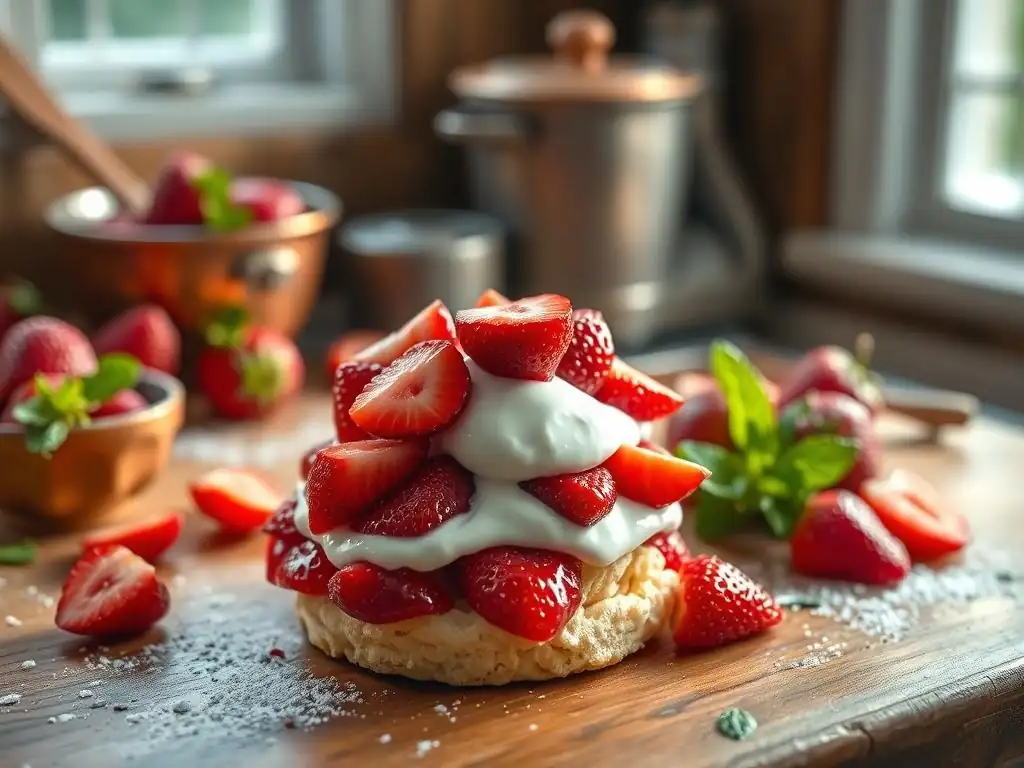
Working with fresh strawberries in baking requires a few considerations to ensure the best results. Following these tips can help you avoid common pitfalls and achieve perfectly baked goods every time.
Selecting Ripe and Flavorful Strawberries for Baking
Choosing the right strawberries is the first step to successful spring baking. Look for berries that are bright red all over, indicating they are fully ripe. The caps should be green and fresh-looking, not wilted or brown. Ripe strawberries will also have a wonderful, sweet aroma. Avoid berries with white or green spots, as they were likely picked too early and won't develop more sweetness after harvesting.
While larger berries might seem more appealing, sometimes smaller strawberries can be sweeter and more flavorful. If possible, taste a berry before buying a large quantity. For baking, firmer berries are often preferable as they hold their shape better during the heat of the oven compared to very soft ones, which can turn mushy.
Preparing Strawberries to Prevent a Soggy Bake
One of the biggest challenges when baking with strawberries is managing their moisture content, as they can release a lot of liquid when heated, potentially leading to a soggy result. After washing the strawberries (do this just before using them to prevent them from absorbing excess water), gently pat them completely dry with paper towels. Hulling the strawberries (removing the green tops and white core) should also be done after washing and drying.
If using sliced or diced strawberries in a recipe where excess moisture is a concern, such as pies or tarts, you can toss them with a small amount of flour, cornstarch, or tapioca starch before adding them to the filling mixture. This extra bit of thickener helps absorb some of the released juices during baking. For muffins or cakes, ensuring the berries are dry before folding them into the batter is usually sufficient.
Achieving Perfect Texture: Balancing Moisture in Strawberry Recipes
Balancing moisture is key to achieving the desired texture in your strawberry baked goods. In recipes like pies and galettes, using a thickener (cornstarch, tapioca, flour) is essential to gel the released fruit juices into a cohesive filling rather than a watery mess. The amount needed will depend on the quantity of strawberries and the desired consistency.
For batters like muffins or cakes, the moisture from the strawberries adds to the overall liquid content. Recipes are usually formulated to account for this, but starting with dry berries is important. If you find a recipe consistently yields a soggy bottom when adding lots of strawberries, you might try slightly reducing the liquid elsewhere in the recipe or increasing the amount of flour or a dry thickener like cornstarch added directly to the fruit before folding it in. Baking at the correct temperature for the specified time also helps ensure the structure sets properly around the moist fruit.
Storing Your Strawberry Baked Goods
Proper storage helps maintain the freshness and quality of your delicious easy spring strawberry baking recipes. Different types of baked goods require slightly different approaches to keep them tasting their best.
Best Practices for Storing Strawberry Pie
After your strawberry rhubarb pie has cooled completely (this is crucial! ), it can typically be stored at room temperature for about 1-2 days. Cover it loosely with plastic wrap or foil, or place it in a pie carrier. For longer storage, or if your kitchen is warm, it's best to refrigerate the pie.
When refrigerating, cover the pie more securely to prevent it from drying out or absorbing odors. Refrigerated pie can last for 3-4 days. The crust may lose some of its crispness in the refrigerator, but the filling will remain delicious. You can gently reheat individual slices in an oven or toaster oven to warm them through and help crisp up the crust slightly before serving.
Maintaining Freshness of Strawberry Lemon Muffins
Strawberry lemon muffins are best enjoyed fresh, ideally within 1-2 days of baking. Once completely cooled, store them in an airtight container at room temperature. Lining the container with a paper towel and placing another paper towel on top of the muffins can help absorb excess moisture and prevent sogginess.
For longer storage, muffins can be frozen. Wrap individual muffins tightly in plastic wrap, then place them in a freezer-safe bag or container. Frozen muffins can last for up to 2-3 months. Thaw them at room temperature or gently warm them in a microwave or oven.
Storing Strawberry Galette for Optimal Taste
Similar to pie, a strawberry galette is often best the day it's baked, especially for the crispness of the crust. Once cooled, a galette can be stored loosely covered at room temperature for 1-2 days. If your kitchen is warm or you need to store it longer, refrigeration is recommended.
Refrigerate the galette wrapped in plastic wrap or foil; it will keep for 2-3 days. The crust will soften in the refrigerator. To revive some of the crispness, you can reheat slices in a moderate oven for a few minutes before serving. Freezing a baked galette is also an option; wrap it well and store for up to 2 months, then thaw and reheat gently in the oven.
Variations and Customizations: Strawberry Baking Your Way
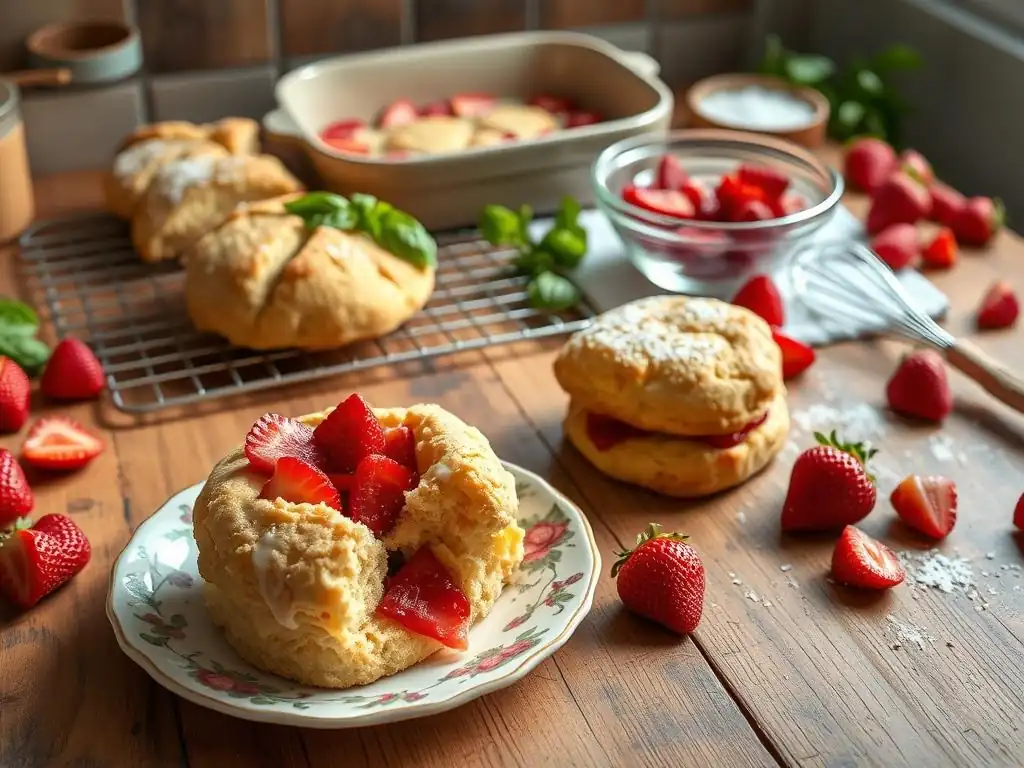
These easy spring strawberry baking recipes serve as excellent starting points, but don't hesitate to experiment! Customizing your bakes allows you to put your own spin on classic flavors and discover new favorites.
Incorporating Different Herbs: Basil, Mint, or Thyme
Adding fresh herbs can bring an unexpected and delightful dimension to strawberry bakes. Basil, for instance, pairs surprisingly well with the sweetness of strawberries, adding a slightly peppery, aromatic note. A little finely chopped fresh basil can be added to the strawberry filling for pies or galettes, or even stirred into muffin batter.
Mint is another classic pairing for strawberries, offering a refreshing coolness. Chopped mint can be added to fillings or used as a garnish. Thyme provides an earthy, slightly floral note that can complement the fruit's sweetness without overpowering it. Start with small amounts, taste, and adjust as you explore these exciting flavor combinations.
Exploring Alternative Crusts: Graham Cracker, Nut-Based
While a traditional pastry crust is delicious, you can easily switch things up for your pies or galettes. A simple graham cracker crust, made from crushed graham crackers mixed with melted butter and sugar, offers a sweet, crumbly base that requires no rolling and minimal effort – perfect for an easy spring strawberry baking recipe. It's especially good for no-bake or chilled strawberry desserts, but works for baked pies too.
Nut-based crusts, made from ground nuts (like almonds, pecans, or walnuts) mixed with a binder, offer a gluten-free option and a different flavor profile. An almond flour crust would pair wonderfully with the almond notes suggested for the galette, adding richness and a slightly different texture.
Adding Citrus: Lemon, Orange, or Lime Zest to Enhance Flavor
Citrus zest is a fantastic way to brighten and enhance the flavor of strawberries. As seen with the strawberry lemon muffins, lemon zest adds a vibrant, tangy note that cuts through the sweetness. Orange zest offers a slightly sweeter, aromatic citrus flavor that complements strawberries beautifully.
Lime zest provides a sharper, more acidic brightness. A little zest stirred into fillings, batters, or glazes can elevate the overall taste profile, making the strawberry flavor pop. Experiment with different types of citrus to find your favorite combination; even just a teaspoon of zest can make a noticeable difference.
Savor the Flavors of Spring with These Strawberry Baking Recipes!
Embrace the season and get baking with these delightful easy spring strawberry baking recipes. There's truly nothing quite like the taste of fresh, peak-season strawberries baked into a warm pie, fluffy muffin, or rustic galette. These recipes are designed to be accessible and enjoyable, allowing you to make the most of this fleeting, delicious time of year. So grab a basket of beautiful berries and head to your kitchen – sweet spring awaits!
Frequently Asked Questions
What makes BakeWithEase.com the best resource for spring strawberry baking recipes?
BakeWithEase.com provides simple and easy-to-follow recipes, step-by-step guides, and readily available ingredients, making it perfect for bakers of all skill levels looking to create delicious spring strawberry treats.
Are the strawberry recipes on BakeWithEase suitable for beginner bakers?
Yes! BakeWithEase.com focuses on easy-to-understand techniques and simple recipes, ensuring that even beginners can successfully create delicious spring strawberry baking recipes.
What types of spring strawberry baking recipes can I find on BakeWithEase.com?
You can find a variety of recipes, including strawberry pastries, cakes, cookies, and other easy-to-make strawberry-themed treats perfect for spring.
Does BakeWithEase.com offer tips and techniques specifically for working with strawberries in baking?
Absolutely! The site provides tips and tricks for handling strawberries, ensuring they retain their flavor and texture throughout the baking process for optimal results in your spring strawberry baking recipes.
Where can I find the ingredients needed for the spring strawberry baking recipes on BakeWithEase.com?
The recipes on BakeWithEase.com use easy-to-find ingredients that are readily available at most grocery stores, making it convenient to bake delicious strawberry creations.
Final Reflection: The Sweet Simplicity of Spring Baking
The vibrant burst of spring strawberries, once a fleeting seasonal delight, can now be captured and savored all year round through the simple art of baking. This isn't just about creating delicious treats; it's about preserving the essence of spring, a moment of vibrant renewal, in every bite. The recipes explored in this article offer a gateway to effortless baking, proving that even the most novice baker can create stunning results with minimal effort.
The joy of baking, particularly with seasonal ingredients like spring strawberries, transcends mere culinary skill; it becomes a form of self-expression and a connection to the natural world. The act of transforming fresh, sun-ripened fruit into something beautiful and delicious is deeply satisfying. It's a reminder of the simple pleasures in life, a sentiment echoed by the words of Julia Child: Find something you're passionate about and keep tremendously interested in it.
For me, that passion is found in the alchemy of baking, and sharing that joy with others.
Now, I invite you to step into your kitchen and embrace the ease and elegance of spring strawberry baking. Don't be intimidated by complex recipes or fancy techniques; let the simplicity of these recipes inspire you. Choose your favorite from the article, gather your ingredients, and allow the sweet aroma of baking strawberries to fill your home. More than just a recipe, it's an experience, a connection to the season, and a delicious reward for your efforts. Let the sweet taste of spring linger long after the last bite.
Unlock Your Inner Pastry Chef: Let's Bake!
Thanks for joining us on this delicious journey into the world of spring strawberries! We hope you've gained some fantastic new ideas for incorporating these sweet treats into your baking. Now it's time to put your newfound knowledge into action.
- Bake your favorite strawberry creation: Choose one of the recipes we highlighted (or one of your own! ), and get baking! Let the sweet aroma fill your kitchen.
- Share your baking triumphs: Snap a photo of your masterpiece and share it with us on social media – we'd love to see your culinary creations! Use #BakeWithEaseSpring to join the fun.
- Explore our other seasonal recipes: Dive into our recipe archive for more inspiring ideas using seasonal ingredients – we have something to satisfy every sweet tooth.
Ready to transform your kitchen into a strawberry paradise? What delicious treat will you bake first?