
Intriguing Flavors: Earl Grey Tea Cakes for Spring

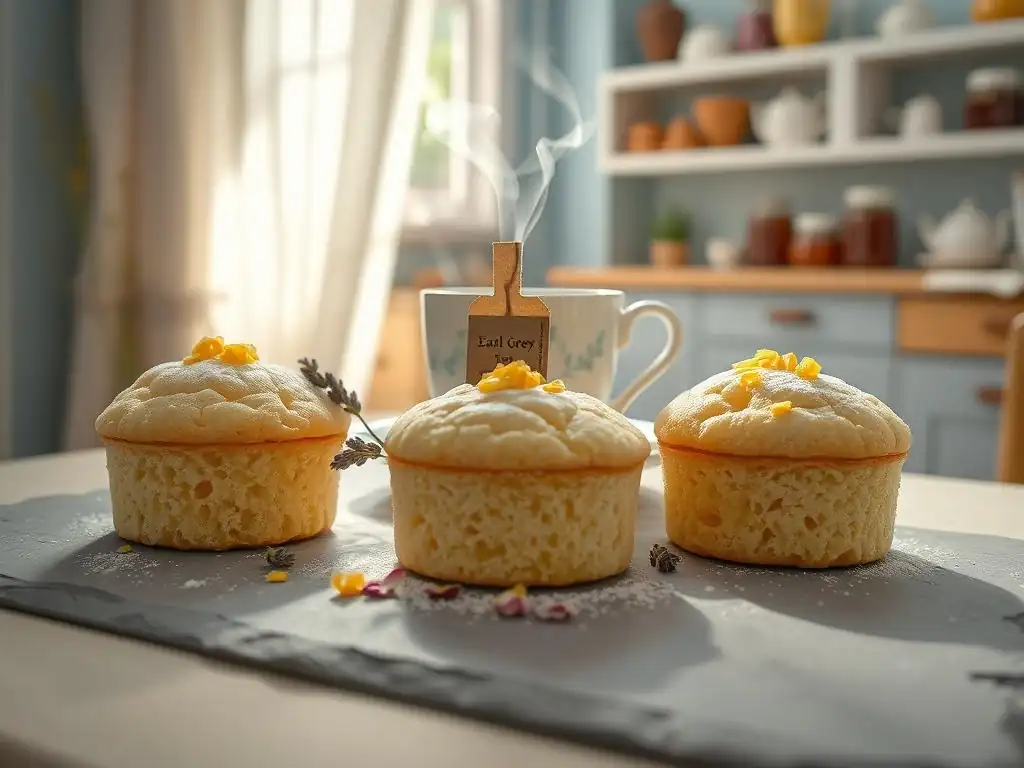
Welcome to BakeWithEase!
Ready to infuse your spring baking with a touch of elegance? Discover the secrets to crafting a perfectly moist and flavorful Earl Grey tea cake. Intrigued by the delicate blend of bergamot and warm, comforting cake? Dive into our easy-to-follow Earl Grey tea cake recipe and unlock a new level of deliciousness. Let's get baking!
- Intriguing Flavors: Earl Grey Tea Cakes for Spring | BakeWithEase
- Introduction to Earl Grey Tea Cakes: A Spring Baking Delight
- Unveiling the Essence: What Makes These Earl Grey Tea Cakes Special?
-
Step-by-Step: Baking Your Own Earl Grey Tea Cakes
- Preparing the Earl Grey Tea Infusion for Baking
- Steeping Tea in Warm Milk for Optimal Flavor Extraction
- Combining Dry Ingredients: Flour, Sugar, and More
- Using Cake Flour for a Tender Crumb
- Incorporating Wet Ingredients: Butter, Eggs, and Earl Grey Tea
- Ensuring Room Temperature Ingredients for Smooth Emulsion
- Baking Instructions: Temperature and Time for Perfect Earl Grey Tea Cakes
- Bake at 350°F (175°C) for 25-30 Minutes
- Achieving the Ideal Texture: Moist and Tender Earl Grey Tea Cakes
-
Elevating Your Earl Grey Tea Cakes: Glazes and Garnishes
- Simple Earl Grey Glaze Recipe for Added Flavor
- Earl Grey Glaze: Powdered Sugar, Earl Grey Tea, and Milk
- Lemon Glaze: A Zesty Complement to Earl Grey
- Balancing the Floral Notes of Earl Grey with Bright Lemon
- Garnishing Ideas: Edible Flowers, Citrus Zest, and More
- Candied Orange Peel and Dried Cornflowers for Visual Appeal
-
Tips and Tricks for Baking Perfect Earl Grey Tea Cakes Every Time
- Troubleshooting Common Earl Grey Tea Cake Baking Issues
- Preventing Dryness: Don't Overbake and Use Enough Fat
- Storing Your Earl Grey Tea Cakes for Optimal Freshness
- Store in an Airtight Container at Room Temperature
- Earl Grey Tea Cake Variations: Experiment with Flavors
- Lavender or Orange Zest Infusion for Unique Flavors
- The Perfect Pairing: Serving Suggestions for Your Earl Grey Tea Cakes
- Conclusion: Savor the Flavors of Spring with Earl Grey Tea Cakes
-
Frequently Asked Questions
- What makes an Earl Grey tea cake unique?
- Can I substitute other types of tea in the Earl Grey tea cake recipe?
- What are some common pitfalls to avoid when baking Earl Grey tea cakes?
- How can I store Earl Grey tea cakes to keep them fresh?
- What are some variations or additions I could make to the basic Earl Grey tea cake recipe?
- Final Reflection: The Enduring Allure of Earl Grey
- Unlock the Magic of Earl Grey: Bake Your Spring!
Intriguing Flavors: Earl Grey Tea Cakes for Spring | BakeWithEase
Introduction to Earl Grey Tea Cakes: A Spring Baking Delight
Embrace Spring Baking with Earl Grey Tea Infusion
Spring arrives with a gentle warmth, inspiring us to open windows, welcome fresh flowers, and, of course, bake! As the days lengthen and nature awakens, our cravings often shift towards lighter, more aromatic treats. This season is perfect for incorporating delicate, floral notes into your baking, moving away from the heavier spices of winter. An Earl Grey tea infusion offers just that – a subtle yet sophisticated fragrance that beautifully complements the fresh, clean feeling of spring. It's an exciting way to elevate classic baked goods.
Incorporating Earl Grey into a cake batter introduces a unique dimension, infusing every bite with the distinctive aroma of bergamot. This citrusy, slightly floral note is not overpowering but provides a wonderful complexity that pairs wonderfully with the season's mood. Think of it as adding a touch of elegance to your afternoon tea or dessert spread. Mastering this technique opens up a world of possibilities for transforming everyday cakes into something truly special.
Why Earl Grey Tea Cakes are Perfect for Spring
Earl Grey tea cakes capture the essence of spring baking through their light texture and fragrant profile. Unlike rich, dense winter cakes, an Earl Grey tea cake recipe often results in a tender crumb that feels airy and delicate, perfectly suited for warmer weather. The bergamot flavor is refreshing and uplifting, much like the season itself, making it an ideal choice for spring gatherings, brunches, or simply enjoying with a quiet cup of tea.
Furthermore, the versatility of an Earl Grey tea cake recipe allows for beautiful seasonal decorations. Imagine garnishing your cake with edible spring flowers like pansies or violets, or perhaps some vibrant lemon zest to enhance the citrus notes. These visual elements, combined with the intriguing flavor, make Earl Grey tea cakes a delightful centerpiece that celebrates the arrival of spring in a delicious way. It's a simple yet sophisticated bake that truly embodies the spirit of the season.
BakeWithEase Presents: Our Signature Earl Grey Tea Cake Recipe
At BakeWithEase, we believe that creating delicious treats should be accessible and enjoyable for everyone. Our signature Earl Grey tea cake recipe has been developed to be straightforward for bakers of all levels, ensuring a successful and satisfying result. We guide you through each step, from infusing the tea to achieving that perfect moist crumb, so you can confidently bring this exquisite flavor into your kitchen.
This specific Earl Grey tea cake recipe focuses on balancing the distinctive bergamot with classic cake ingredients to create a harmonious flavor profile. We've tested different tea strengths and infusion methods to find the optimal technique for transferring the tea's essence into the cake batter without bitterness. Get ready to discover a new favorite spring bake that will impress your friends and family with its unique and delightful taste.
Unveiling the Essence: What Makes These Earl Grey Tea Cakes Special?
The Distinctive Flavor Profile of Earl Grey Tea in Baking
The magic of Earl Grey tea in baking lies in its unique flavor profile, dominated by bergamot oil. This essential oil, extracted from the rind of the bergamot orange, provides a bright, citrusy, and slightly floral note that is distinct from traditional black tea. When infused into a cake, this flavor transforms the bake, adding a layer of sophistication that is both intriguing and refreshing. It's a subtle complexity that elevates a simple cake into a memorable dessert.
Unlike using plain black tea, which might just add a tannic note, the bergamot in Earl Grey brings a fragrant lift. This citrusy aroma pairs exceptionally well with common cake ingredients like butter, sugar, and vanilla, creating a balanced and aromatic result. The flavor is not just 'tea-flavored'; it's specifically 'Earl Grey-flavored', offering a light, perfumed quality that is perfect for cakes meant to be enjoyed with tea or coffee.
Using Bergamot-Infused Black Tea for Authentic Flavor
To achieve the authentic flavor in your Earl Grey tea cake recipe, it's crucial to use high-quality Earl Grey tea leaves or bags. The quality of the bergamot oil used in the tea directly impacts the final taste of your cake. Look for teas that clearly list bergamot oil as an ingredient, as some cheaper versions might use artificial flavorings which won't provide the same natural, fragrant notes. Loose leaf tea often yields a more intense and pure flavor compared to tea bags, although quality tea bags can also work well.
When preparing the infusion, ensure the tea has enough time to steep properly. A stronger infusion in the liquid component of your cake batter (often milk or cream) will result in a more pronounced Earl Grey flavor in the final bake. For instance, steeping 2-3 tea bags or 1-2 tablespoons of loose leaf tea in about 1/2 cup of warm milk for 10-15 minutes is a good starting point to extract sufficient flavor without making it bitter.
Key Ingredients for the Best Earl Grey Tea Cake
Creating the perfect Earl Grey tea cake requires a few key ingredients working in harmony. Beyond the crucial Earl Grey tea itself, you'll need standard cake components like butter, sugar, eggs, flour, and a leavening agent (baking powder or baking soda). Using unsalted butter allows you to control the salt level, ensuring it doesn't interfere with the delicate tea flavor. Granulated sugar provides sweetness and helps create a tender crumb.
For the best texture in this Earl Grey tea cake recipe, consider using cake flour or a blend of all-purpose flour and cornstarch. Cake flour has a lower protein content (around 8-10%) compared to all-purpose flour (around 10-12%), resulting in a softer, finer crumb. Eggs add structure and richness, while milk or buttermilk provides moisture. Ensuring all refrigerated ingredients like butter, eggs, and milk are at room temperature before mixing is vital for a smooth, emulsified batter and a consistent bake.
Step-by-Step: Baking Your Own Earl Grey Tea Cakes
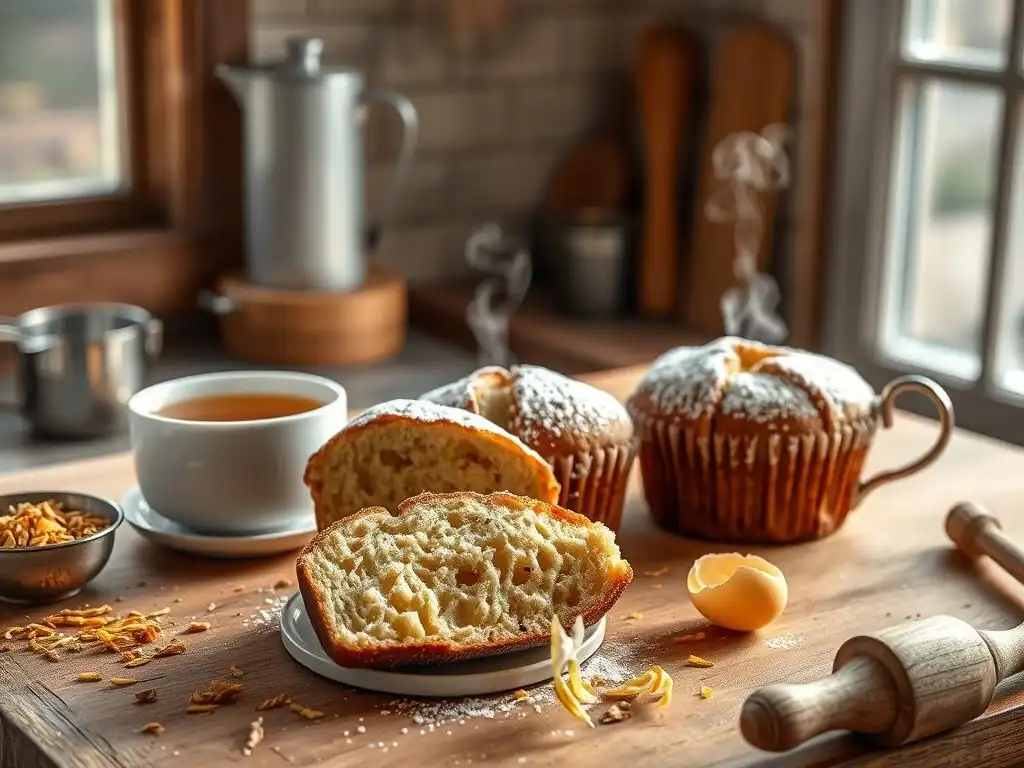
Preparing the Earl Grey Tea Infusion for Baking
The first crucial step in our Earl Grey tea cake recipe is preparing a potent tea infusion. This ensures the bergamot flavor is truly present in your final cake. You'll typically infuse the tea into the liquid component of the batter, most commonly milk or cream, as fat helps carry the flavor. Start by heating the milk gently on the stovetop or in the microwave until it is warm, but not boiling – around 150-180°F (65-82°C) is ideal.
Once the milk is warm, add your Earl Grey tea leaves or bags directly to the milk. For a standard cake using about 1 cup of liquid, we recommend using 2-3 good quality tea bags or 1-2 tablespoons of loose leaf tea. Stir gently to submerge the tea. This process is essential for extracting the maximum bergamot flavor into the liquid that will become part of your Earl Grey tea cake batter.
Steeping Tea in Warm Milk for Optimal Flavor Extraction
Allow the tea to steep in the warm milk for a sufficient amount of time to extract the full flavor. A steeping time of 10 to 15 minutes is generally recommended for this Earl Grey tea cake recipe. During this time, the bergamot oils and tea flavors will infuse into the milk. You'll notice the milk changing color slightly and becoming fragrant with the scent of Earl Grey. Avoid steeping for too long (e.g., over 20 minutes), as this can extract tannins from the black tea, potentially leading to a slightly bitter taste in your cake.
After steeping, strain the milk to remove the tea leaves or bags. If using loose leaf tea, a fine-mesh sieve works best. Gently squeeze the tea bags if using them to extract any remaining liquid, but be careful not to tear them. The infused milk should then be set aside to cool slightly before being incorporated into the cake batter. It's important that the infused milk is at room temperature or slightly warm, not hot, when you add it to the other ingredients to prevent affecting the batter's structure.
Combining Dry Ingredients: Flour, Sugar, and More
In a separate large bowl, whisk together your dry ingredients for the Earl Grey tea cake recipe. This typically includes the flour, granulated sugar, baking powder (and sometimes baking soda, depending on the recipe), and salt. Whisking them together thoroughly ensures that the leavening agents and salt are evenly distributed throughout the flour. This even distribution is crucial for the cake to rise properly and have a uniform texture.
For a truly tender Earl Grey tea cake, using cake flour is highly recommended. If you don't have cake flour, you can create a substitute by measuring 1 cup of all-purpose flour, removing 2 tablespoons, and replacing them with 2 tablespoons of cornstarch. Sift this mixture together multiple times (2-3 times) to ensure it's light and aerated, mimicking the properties of cake flour. This step contributes significantly to achieving that desired light and airy crumb texture.
Using Cake Flour for a Tender Crumb
As mentioned, cake flour is a game-changer for achieving a tender crumb in your Earl Grey tea cake. Its lower protein content means less gluten development when mixed with liquid. Gluten provides structure but too much can result in a tough or dense cake. By using cake flour, you minimize gluten formation, allowing the cake to remain soft and delicate. This is particularly desirable in a subtle, fragrant cake like an Earl Grey tea cake recipe, where a heavy texture would detract from the delicate flavor.
The fine milling of cake flour also helps distribute fat more evenly throughout the batter, further contributing to a soft and moist texture. While you can certainly make a delicious Earl Grey tea cake with all-purpose flour, using cake flour will elevate the result to a professional level of tenderness. It's a simple ingredient swap that makes a noticeable difference in the final texture and mouthfeel of your baked goods.
Incorporating Wet Ingredients: Butter, Eggs, and Earl Grey Tea
In a separate bowl, you will typically cream the softened butter with the sugar until light and fluffy. This process incorporates air into the batter, which helps with the cake's rise and texture. Add the eggs one at a time, beating well after each addition to ensure they are fully incorporated. Scrape down the sides of the bowl as needed to ensure everything is mixed evenly.
Now, it's time to incorporate the dry ingredients and the prepared Earl Grey tea-infused milk. Using the standard creaming method, you'll typically alternate adding portions of the dry ingredients with portions of the wet ingredients (the infused milk). For example, add one-third of the dry ingredients, mix until just combined, then add half of the infused milk, mix, then another third of the dry, the remaining milk, and finally the last third of the dry. Be careful not to overmix once the flour is added, as this can develop too much gluten.
Ensuring Room Temperature Ingredients for Smooth Emulsion
Using room temperature ingredients is a fundamental principle in baking, especially for cakes, and it's critical for this Earl Grey tea cake recipe. Room temperature butter creams smoothly with sugar, creating tiny air pockets that contribute to the cake's structure and lightness. Cold butter will not cream properly, resulting in a dense texture. Similarly, room temperature eggs emulsify better with the creamed butter and sugar mixture, creating a stable batter.
Cold milk or other liquids can shock the batter, causing the mixture to curdle or separate. Using the Earl Grey tea-infused milk at room temperature allows it to blend seamlessly with the other ingredients, resulting in a smooth, homogeneous batter. This proper emulsion is key to achieving a moist, tender, and evenly textured Earl Grey tea cake. Plan ahead and take your butter, eggs, and infused milk out of the refrigerator about 30-60 minutes before you plan to start baking.
Baking Instructions: Temperature and Time for Perfect Earl Grey Tea Cakes
Proper oven temperature and baking time are critical for achieving a perfectly baked Earl Grey tea cake. Preheat your oven to the specified temperature before you even start mixing the batter. For most standard-sized cakes (like loaf cakes or bundt cakes suitable for this recipe), a temperature of 350°F (175°C) is common. Ensure your oven is accurately calibrated; an oven thermometer can be a valuable tool to verify this.
The baking time will vary depending on the size and shape of your cake pan. For individual tea cakes or muffins, it might be as short as 20-25 minutes. For a standard 9x5 inch loaf pan, it will likely be closer to 50-60 minutes. Always refer to the specific Earl Grey tea cake recipe you are following for precise times, but be prepared to adjust based on your oven.
Bake at 350°F (175°C) for 25-30 Minutes
For smaller Earl Grey tea cakes, such as those baked in muffin tins or individual loaf pans, a baking time of 25-30 minutes at 350°F (175°C) is a good estimate. Start checking for doneness around the 20-minute mark. You can tell the cake is done when a wooden skewer or toothpick inserted into the center comes out clean, with no wet batter attached. A few moist crumbs are acceptable and indicate a perfectly moist cake.
The top of the cake should be golden brown and spring back lightly when gently pressed. Baking at this moderate temperature allows the cake to rise evenly and cook through without the edges becoming dry or the center sinking. Keep an eye on the cakes during the last few minutes of baking, as they can go from perfectly baked to slightly overdone quite quickly.
Achieving the Ideal Texture: Moist and Tender Earl Grey Tea Cakes
The goal for this Earl Grey tea cake recipe is a moist and tender crumb that melts in your mouth. Several factors contribute to this ideal texture. Firstly, using the right ingredients, like cake flour and room temperature butter and eggs, as discussed earlier, is foundational. Secondly, ensuring you do not overmix the batter once the dry ingredients are added is crucial to prevent toughness from excess gluten development. Mix only until the ingredients are just combined.
Finally, and perhaps most importantly, avoid overbaking. Baking for too long will dry out the cake, making it crumbly and less pleasant to eat. Rely on the toothpick test and the visual cues (golden top, springy texture) rather than strictly adhering to a timer, as ovens can vary. Allowing the cake to cool in the pan for a few minutes before transferring it to a wire rack also helps it set properly and retain moisture. Following these steps will result in a delightfully moist and tender Earl Grey tea cake that perfectly showcases the delicate tea flavor.
Elevating Your Earl Grey Tea Cakes: Glazes and Garnishes
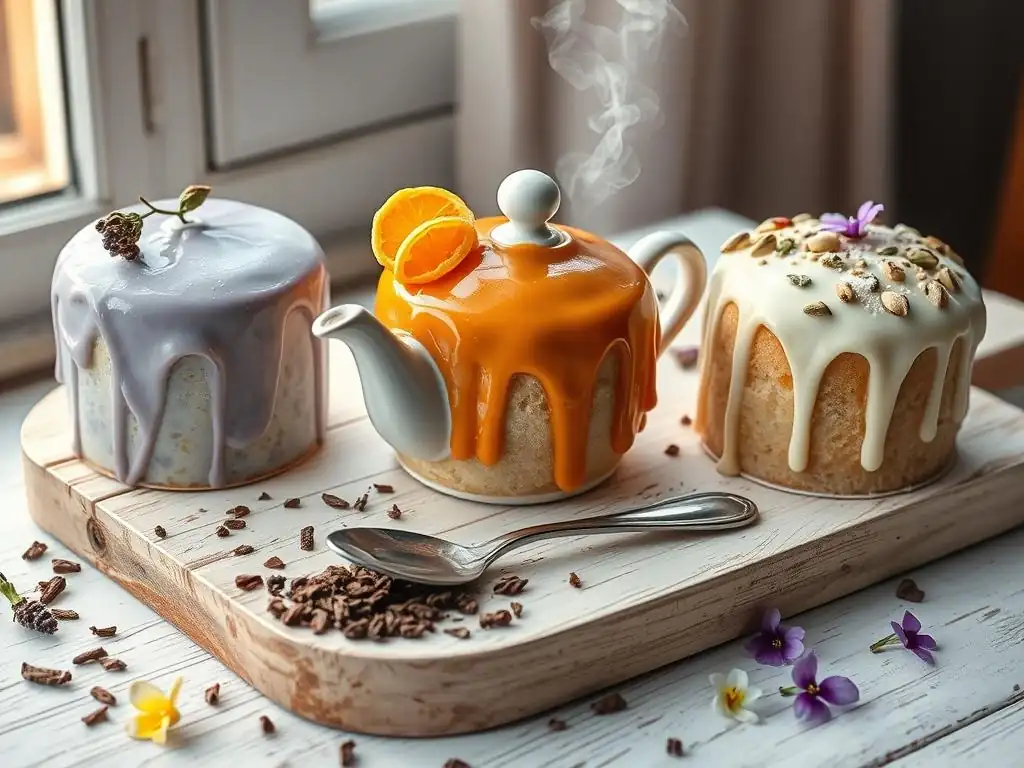
Simple Earl Grey Glaze Recipe for Added Flavor
A simple glaze can add an extra layer of flavor and moisture to your Earl Grey tea cakes, enhancing the overall experience. An Earl Grey glaze is a fantastic way to double down on the bergamot notes. To make it, you'll need powdered sugar, a small amount of strong Earl Grey tea infusion, and possibly a touch of milk or lemon juice for consistency. The key is to make a very concentrated tea infusion for the glaze liquid.
Steep 1-2 tea bags or 1 tablespoon of loose leaf tea in just 2-3 tablespoons of hot water for about 5-10 minutes. Strain the liquid and let it cool slightly. Gradually whisk this cooled, concentrated tea infusion into powdered sugar until you reach a smooth, pourable consistency. You might need about 1 cup of powdered sugar to 1-2 tablespoons of liquid. Drizzle or spread this glaze over your cooled Earl Grey tea cake for an extra burst of flavor and a beautiful finish.
Earl Grey Glaze: Powdered Sugar, Earl Grey Tea, and Milk
Another variation of the Earl Grey glaze uses milk instead of just water for a slightly richer texture. Combine about 1 cup of powdered sugar with 1-2 tablespoons of strong Earl Grey tea infusion (prepared by steeping tea in warm milk, similar to the cake batter). Whisk until smooth. If the glaze is too thick, add milk (or more tea infusion) teaspoon by teaspoon until it reaches the desired drizzling consistency.
If the glaze is too thin, whisk in a little more powdered sugar. This glaze provides a sweet counterpoint to the cake while reinforcing the Earl Grey flavor. It sets into a slightly firm layer, making it ideal for individual tea cakes or muffins. Ensure the cake is completely cool before applying the glaze, otherwise, it will melt and soak into the cake instead of forming a distinct layer.
Lemon Glaze: A Zesty Complement to Earl Grey
While an Earl Grey glaze enhances the tea flavor, a lemon glaze offers a bright, zesty contrast that beautifully complements the bergamot's citrus notes. Lemon and bergamot are both citrus, but lemon brings a sharper, more acidic brightness. A simple lemon glaze is made by whisking powdered sugar with fresh lemon juice. Start with about 1 cup of powdered sugar and add 1-2 tablespoons of lemon juice, whisking until smooth and pourable.
The amount of lemon juice can be adjusted to achieve your desired consistency and level of tartness. For a thicker glaze, use less juice; for a thinner, more translucent glaze, use more. This glaze adds a refreshing tang that cuts through the richness of the cake and highlights the citrusy aspect of the Earl Grey tea flavor. It's a vibrant alternative to a tea-based glaze and adds a sunny touch perfect for spring.
Balancing the Floral Notes of Earl Grey with Bright Lemon
The bergamot in Earl Grey tea has both citrusy and subtly floral undertones. While delicious on its own, these floral notes can sometimes be enhanced or balanced with other flavors. Lemon is an excellent choice for this, as its acidity and bright citrus flavor provide a perfect counterpoint. The lemon glaze interacts with the bergamot in the Earl Grey tea cake, creating a more complex and layered taste experience.
The tartness of the lemon glaze prevents the overall flavor from being overly sweet or solely tea-focused. It lifts the bergamot, making the citrus notes more prominent and creating a delightful interplay between the floral hints of the tea and the sharp brightness of the lemon. This combination is particularly appealing for a spring Earl Grey tea cake recipe, evoking feelings of freshness and vibrancy.
Garnishing Ideas: Edible Flowers, Citrus Zest, and More
Beyond glazes, garnishes can elevate the visual appeal and sometimes the flavor of your Earl Grey tea cakes. For a spring-themed cake, edible flowers are a beautiful and fitting choice. Pansies, violets, or borage flowers add a touch of natural beauty and can be gently placed on top of the glaze or directly onto the cake before serving. Ensure any flowers used are certified edible and free from pesticides.
Other simple yet effective garnishes include finely grated citrus zest, such as lemon or orange zest, which reinforces the citrus notes inherent in Earl Grey. A sprinkle of chopped pistachios adds a lovely green color and a bit of crunch. For a more sophisticated touch, consider candied orange peel, which pairs wonderfully with the bergamot flavor and adds a chewy texture.
Candied Orange Peel and Dried Cornflowers for Visual Appeal
Candied orange peel is a classic pairing with citrus and tea flavors and makes an elegant garnish for an Earl Grey tea cake. You can make it yourself by simmering orange peel in sugar syrup until tender and slightly translucent, then rolling it in sugar. A few thin strips placed artfully on the glazed cake add both visual interest and a burst of intense orange flavor that complements the bergamot beautifully.
Dried cornflowers, with their vibrant blue petals, offer another visually striking option. A light sprinkle of dried cornflower petals over a white or lemon glaze creates a delicate, ethereal look reminiscent of a spring meadow. While cornflowers have a very subtle flavor, their primary contribution is aesthetic, adding a pop of color that makes your Earl Grey tea cake look as appealing as it tastes.
Tips and Tricks for Baking Perfect Earl Grey Tea Cakes Every Time
Troubleshooting Common Earl Grey Tea Cake Baking Issues
Even with a great Earl Grey tea cake recipe, sometimes things don't go perfectly. One common issue is the cake sinking in the middle. This can happen if the oven door is opened too early during baking, the cake is underbaked, or there's too much leavening agent. Ensure your oven temperature is accurate and resist the urge to open the oven door until the cake is close to being done.
Another issue is a cake that is too dense or tough. This is often a result of overmixing the batter, especially after adding the flour. Mix only until the dry ingredients are just incorporated. Using room temperature ingredients and not overbaking also contribute to a lighter, more tender crumb. If your cake is dry, it's almost always due to overbaking or not using enough fat or liquid relative to the dry ingredients.
Preventing Dryness: Don't Overbake and Use Enough Fat
Dryness is the nemesis of any good cake, and an Earl Grey tea cake is no exception. The most common culprit for a dry cake is simply baking it for too long. As mentioned, rely on visual cues and the skewer test rather than just the timer. Ovens can vary, so test for doneness slightly before the recipe's minimum suggested time. For instance, if the recipe says 25-30 minutes, start checking at 23 minutes.
Ensuring your recipe has the correct ratio of fat (butter, oil, eggs) and liquid (milk, tea infusion) to flour is also key. Fat coats the flour particles, inhibiting gluten development and keeping the cake moist. Our Earl Grey tea cake recipe is formulated with these ratios in mind, but slight variations in ingredient measurement can impact the outcome. Accurate measuring, particularly of flour, is important. Using a kitchen scale is the most accurate way to measure flour.
Storing Your Earl Grey Tea Cakes for Optimal Freshness
To keep your Earl Grey tea cakes tasting their best, proper storage is essential. Once the cake has cooled completely, store it in an airtight container at room temperature. If the cake is glazed, ensure the glaze has fully set before placing it in the container to prevent sticking. A whole cake or loaf will stay fresh for about 2-3 days stored this way.
Individual tea cakes or slices can also be stored in an airtight container. For longer storage, Earl Grey tea cakes can be frozen. Wrap the cooled cake tightly in plastic wrap, then again in aluminum foil, or place it in a freezer-safe bag or container. Frozen cake can last for up to 2-3 months. Thaw overnight in the refrigerator or at room temperature before serving. Glazed cakes are best frozen without the glaze and glazed after thawing.
Store in an Airtight Container at Room Temperature
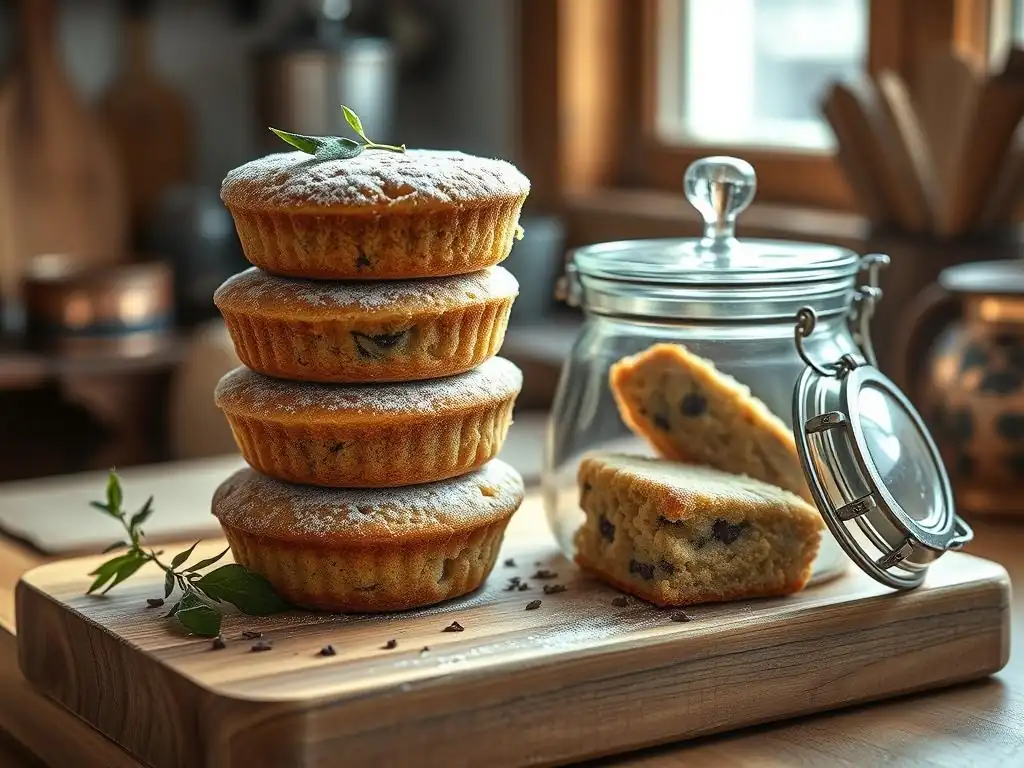
Storing your cooled Earl Grey tea cake in an airtight container at room temperature is generally the best way to maintain its moisture and flavor for short-term storage (2-3 days). Avoid refrigerating plain cakes unless they contain a perishable filling or frosting, as refrigeration can actually dry out the crumb. An airtight container prevents the cake from being exposed to air, which causes it to stale more quickly.
Make sure the container is truly airtight. Plastic containers with locking lids or cake carriers work well. If storing slices, place parchment paper between them to prevent sticking. This simple storage method helps preserve the tender texture and the delicate bergamot fragrance of your homemade Earl Grey tea cake, ensuring each slice is as delicious as the first.
Earl Grey Tea Cake Variations: Experiment with Flavors
Once you've mastered the basic Earl Grey tea cake recipe, feel free to experiment with variations to create unique flavor combinations. The bergamot flavor pairs well with other complementary notes. Consider adding the zest of other citrus fruits like orange or grapefruit to the batter along with the Earl Grey infusion. Orange zest, in particular, enhances the citrusy aspect of the bergamot beautifully.
Another delightful variation is adding a floral element. Lavender and Earl Grey are a classic pairing. You can infuse a small amount of culinary lavender buds into the warm milk along with the Earl Grey tea leaves. Use sparingly, as lavender can be quite potent. About 1/2 to 1 teaspoon of dried culinary lavender per cup of milk is usually sufficient. This creates a beautifully fragrant Earl Grey lavender tea cake.
Lavender or Orange Zest Infusion for Unique Flavors
Adding lavender or orange zest directly to the Earl Grey tea infusion step can create exciting new flavor dimensions for your Earl Grey tea cake recipe. To make an Earl Grey lavender infusion, simply add about 1/2 to 1 teaspoon of dried culinary lavender buds to the warm milk along with your Earl Grey tea leaves before steeping. Strain thoroughly before adding the milk to the batter. The resulting cake will have a subtle, calming floral note alongside the bergamot.
For an Earl Grey orange tea cake, you can either add finely grated orange zest directly to the dry ingredients or infuse strips of orange peel (avoiding the bitter white pith) into the warm milk along with the tea leaves. Using zest provides a brighter, fresher orange flavor, while infusing the peel can give a deeper, more complex orange note. Both variations offer a delightful twist on the classic Earl Grey tea cake.
The Perfect Pairing: Serving Suggestions for Your Earl Grey Tea Cakes
Pairing Earl Grey Tea Cakes with Complementary Beverages
The beauty of an Earl Grey tea cake lies in its delicate flavor, which makes it a wonderful companion to various beverages. Naturally, a fresh cup of Earl Grey tea is the quintessential pairing, reinforcing the cake's core flavor profile. The warmth and aroma of the tea mirror the cake, creating a harmonious experience. Consider serving it with or without milk, depending on preference.
Beyond tea, other beverages can also complement the Earl Grey tea cake recipe. A light-bodied white wine, such as a Pinot Grigio or a dry Riesling, can pair well, as its acidity and sometimes subtle floral notes can enhance the bergamot. Coffee, particularly a lighter roast, can also work, providing a slightly contrasting bitterness that highlights the cake's sweetness. For a non-alcoholic option, sparkling water with a twist of lemon or lime is refreshing.
Pair with a Fresh Cup of Earl Grey Tea or a Light White Wine
Serving your homemade Earl Grey tea cake with a freshly brewed cup of Earl Grey tea is the most classic and satisfying pairing. The shared flavor profile of bergamot creates a cohesive tasting experience. Ensure the tea is brewed to your liking – perhaps slightly stronger than usual to stand up to the cake's sweetness. This pairing is perfect for a relaxing afternoon break or a casual get-together.
Alternatively, for a more sophisticated pairing, consider serving the Earl Grey tea cake with a light white wine. A crisp, dry wine with floral or citrus undertones can beautifully complement the bergamot without overpowering the cake's delicate flavor. Avoid heavy or oaky wines, which would clash. The acidity of the wine also helps cleanse the palate between bites, allowing you to fully appreciate the cake's nuanced taste.
Creating a Spring-Themed Afternoon Tea Spread
An Earl Grey tea cake is a natural fit for a spring-themed afternoon tea spread. This classic British tradition is perfect for showcasing delicate pastries and savory bites. Build your spread around the Earl Grey tea cake as the centerpiece. Alongside the cake, offer an assortment of classic afternoon tea items.
Finger sandwiches with light fillings like cucumber and cream cheese, smoked salmon, or egg salad are traditional. Scones, served with clotted cream and jam, are another essential component. Add a selection of fresh fruit, such as strawberries, raspberries, or melon slices, to bring in seasonal freshness and color. Small tarts or cookies can also fill out the spread. Serve with plenty of hot tea, including Earl Grey, of course!
Conclusion: Savor the Flavors of Spring with Earl Grey Tea Cakes
Recap of the Earl Grey Tea Cake Recipe and Baking Tips
We've explored the delightful world of Earl Grey tea cakes, a perfect bake for welcoming spring. We discussed how the unique bergamot flavor of Earl Grey tea infuses a classic cake with sophistication and aroma. Our signature Earl Grey tea cake recipe guides you through creating a tender, moist cake by focusing on key steps like preparing a strong tea infusion, using room temperature ingredients, and avoiding overmixing.
We also covered essential tips for success, such as the importance of using cake flour for a tender crumb and checking for doneness accurately to prevent dryness. Elevating your bake with simple glazes, like a complementary lemon glaze or an enhanced Earl Grey glaze, and thoughtful garnishes like edible flowers or candied orange peel can transform your cake into a true masterpiece. Remember proper storage in an airtight container keeps your Earl Grey tea cake fresh.
BakeWithEase: Your Guide to Effortless and Delicious Baking
At BakeWithEase, our mission is to empower you to create delicious baked goods with confidence and joy. Our Earl Grey tea cake recipe is just one example of how we break down seemingly complex bakes into manageable, step-by-step instructions suitable for everyone. We provide the guidance, tips, and inspiration you need to explore new flavors and techniques in your kitchen.
Whether you're a complete novice or looking to perfect your skills, BakeWithEase is here to help you on your baking journey. We believe that baking should be a source of pleasure and relaxation, resulting in treats that bring smiles to faces. Let us be your trusted resource for mastering everything from simple cookies to elegant cakes like this fragrant Earl Grey tea cake.
We love seeing what you bake! After trying our Earl Grey tea cake recipe, we encourage you to share your creations. Baking is a wonderful way to express creativity and connect with others. Whether you stick to the classic recipe or try one of the variations, your finished Earl Grey tea cake is a testament to your skills and effort.
Sharing photos and experiences helps inspire other bakers in our community. Did you add a special garnish? Perfect the glaze? We'd love to hear about it! Baking is more fun when shared, and your success with this Earl Grey tea cake recipe could encourage someone else to give it a try. Happy baking, and enjoy every fragrant bite of your spring Earl Grey tea cake!
Frequently Asked Questions
What makes an Earl Grey tea cake unique?
Earl Grey tea cakes stand out because they incorporate the distinctive bergamot flavor of Earl Grey tea. This infuses the cake with a delicate floral aroma and a subtle citrusy taste, making it a unique treat.
Can I substitute other types of tea in the Earl Grey tea cake recipe?
While you can substitute other teas, it won't be an Earl Grey tea cake. The signature flavor comes from the Earl Grey tea. Experiment with other black teas if you wish, but expect a different result.
What are some common pitfalls to avoid when baking Earl Grey tea cakes?
Overmixing the batter can lead to a tough cake. Also, ensure the tea leaves are finely ground or infused into a liquid to prevent a gritty texture. Finally, avoid overbaking, as this will dry out the cake.
How can I store Earl Grey tea cakes to keep them fresh?
Store Earl Grey tea cakes in an airtight container at room temperature for up to three days. You can also freeze them for longer storage; wrap individually in plastic wrap and then foil.
What are some variations or additions I could make to the basic Earl Grey tea cake recipe?
Consider adding lemon zest or a lemon glaze to complement the bergamot flavor. You could also incorporate poppy seeds for texture or a sprinkle of chopped nuts for added crunch.
Final Reflection: The Enduring Allure of Earl Grey
The simple act of baking an Earl Grey tea cake transcends mere culinary creation; it's a fragrant journey through time and taste, a testament to the enduring power of familiar flavors. In a world increasingly focused on fleeting trends, the comforting aroma and delicate taste of this classic cake offer a welcome respite, a reminder of simpler pleasures and the joy found in traditional recipes. This enduring appeal is reflected in the continued popularity of Earl Grey tea itself, a testament to its timeless elegance.
The influence of Earl Grey tea, and by extension, recipes like this cake, extends far beyond the kitchen. It speaks to a deeper cultural connection with tea as a ritual, a moment of pause and reflection in our busy lives. A cup of tea is an excuse to sit down and think.
This sentiment perfectly encapsulates the meditative quality of baking and enjoying this cake, transforming a simple recipe into a mindful experience. The subtle citrus notes and bergamot fragrance evoke a sense of spring, a time of renewal and hope, making it a perfect treat for the season.
Now, I invite you to consider the possibilities. Perhaps you'll try your hand at this recipe, adapting it to your own preferences and creating your own unique twist. Or maybe you'll simply savor the memory of a perfectly brewed cup of Earl Grey, paired with a slice of this delightful cake. Regardless, I hope this exploration of the Earl Grey tea cake has inspired you to appreciate the simple joys in life, the comforting rituals, and the enduring power of classic flavors. Let the aroma guide you, and may your baking be filled with joy and deliciousness.
Unlock the Magic of Earl Grey: Bake Your Spring!
Thanks for taking the time to explore the delightful world of Earl Grey tea cakes with us! We hope you've gained inspiration and a newfound appreciation for this classic flavor profile. Now it's time to put your newfound knowledge into action!
- Bake a batch of Earl Grey tea cakes: Use our recipe (or your own creative spin!) and share the fragrant results with friends and family. This is your chance to showcase your baking prowess and surprise everyone with this unique treat.
- Experiment with different citrus additions: Try adding lemon zest, orange blossom water, or even a hint of bergamot oil to further enhance the Earl Grey aroma. What unexpected flavour combinations can you create?
- Share your creations: Post pictures of your Earl Grey tea cakes on social media and tag us – we'd love to see your baking journey!
What unique twist will you add to your Earl Grey tea cakes to make them truly your own?