
Why Your Pumpkin Bread Sinks (And How to Fix It)

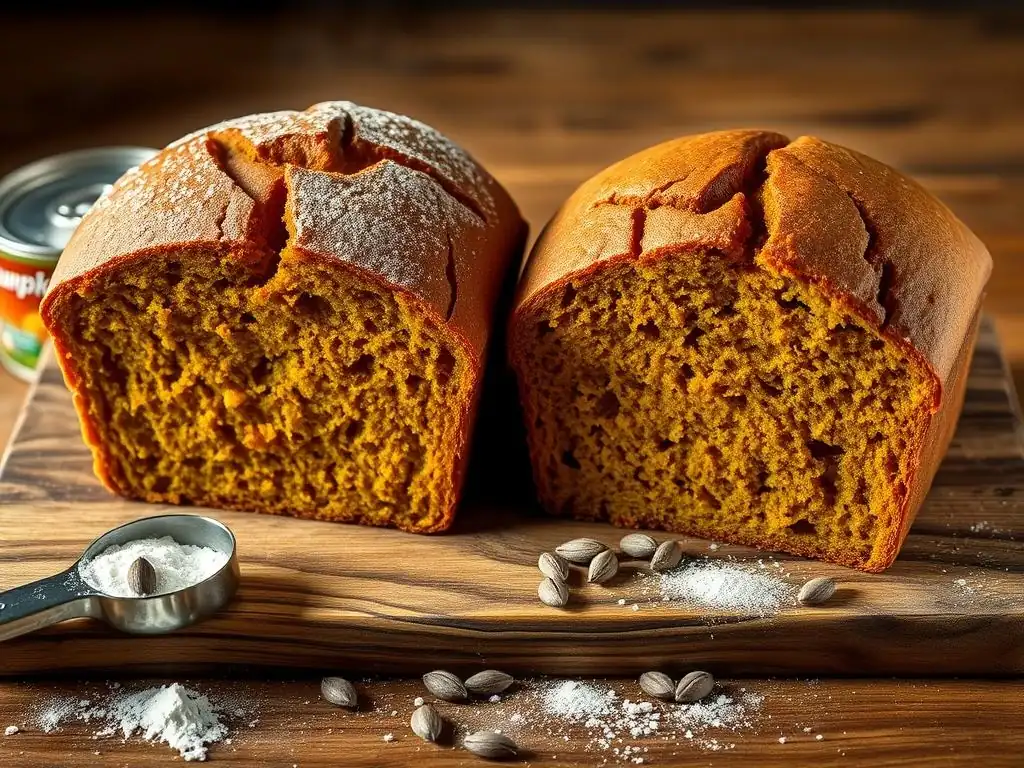
Welcome to BakeWithEase, your trusted companion on your baking journey! Ever wondered why your delicious pumpkin bread deflates faster than a forgotten soufflé? You're not alone! This season, we're diving deep into the secrets of achieving that perfect rise and preventing the dreaded sink. Discover the common culprits behind why your pumpkin bread sinks quickly and, more importantly, learn proven techniques to bake a loaf that's both beautiful and scrumptious. Get ready to elevate your seasonal baking game!
- Why Your Banana Bread Sinks (And How to Fix It) - BakeRight.com
- Understanding Why Banana Bread Collapses: A Baker's Guide
- Troubleshooting Sunken Banana Bread: Identifying the Culprit
- How to Prevent Banana Bread from Sinking: Proven Baking Techniques
- Banana Bread Baking Tips for Success: Expert Advice
- Recipes for Success: Banana Bread Recipes That Won't Sink
- Conclusion: Enjoying Perfectly Risen Banana Bread Every Time
-
Frequently Asked Questions
- Why does my pumpkin bread sink in the middle after baking?
- What role does the oven temperature play in preventing pumpkin bread from sinking?
- Can the type of flour I use affect whether my pumpkin bread sinks?
- How does the amount of sugar in my pumpkin bread recipe contribute to sinking?
- What are some quick tips to prevent my pumpkin bread from sinking next time?
- Final Reflection: The Rise and Fall (and Rise Again!) of Pumpkin Bread
- Unlock Perfectly Fluffy Pumpkin Bread!
Why Your Banana Bread Sinks (And How to Fix It) - BakeRight.com
Understanding Why Banana Bread Collapses: A Baker's Guide
Introduction: The Disappointing Sink in Banana Bread
There's little more frustrating in baking than pulling a beautiful loaf of banana bread from the oven, only to watch its proud dome deflate into a sad, sunken valley as it cools. Many home bakers encounter this issue, leading to dense, gummy centers instead of the light, moist texture they envisioned. Understanding the common culprits behind why your banana bread sinks is the first step to achieving consistent, perfectly risen loaves every time you bake.
This guide will walk you through the primary reasons why banana bread falls in the middle, from ingredient ratios to baking technique. We'll explore how seemingly small errors in measurement or oven temperature can have a dramatic impact on your final bake. By identifying these pitfalls, you'll be better equipped to adjust your methods and prevent that disappointing collapse, ensuring your next batch of banana bread is a triumph.
Why Does Banana Bread Fall in the Middle? Common Causes
The structural integrity of a baking loaf relies on a delicate balance of ingredients, leavening, and heat. When this balance is disrupted, often by too much moisture, insufficient structure, or improper baking conditions, the center of the banana bread can fail to support itself, leading to a significant sink. Recognizing these issues is crucial for troubleshooting.
Several factors frequently contribute to a sunken banana bread loaf. These range from simple measurement errors, like adding too much liquid or too many bananas, to more complex interactions between ingredients and oven dynamics. Let's delve into the most common reasons why banana bread sinks and how each one impacts the final structure of your bake.
Too Many Bananas: The Moisture Overload Problem
Using an excessive amount of bananas, especially very ripe ones, introduces too much moisture into the batter. While moisture is essential for a tender loaf, too much can weigh down the structure before it has a chance to set properly. Imagine trying to build a house on very soggy ground – the foundation struggles to hold. This excess liquid also dilutes the effectiveness of your leavening agents.
Overmixing the Batter: Gluten Development Issues
When you mix flour and liquid, gluten begins to develop. While some gluten is necessary for structure, overmixing a quick bread batter like banana bread develops too much gluten, making the texture tough. More importantly, overmixing incorporates too much air early on. This air creates large bubbles that can collapse during baking or cooling, contributing to the sink. The goal is just to combine ingredients until no dry streaks remain.
Incorrect Oven Temperature: Baking at the Wrong Heat
An oven that is too hot can cause the outside of the banana bread to set and brown too quickly, creating a crust before the inside has fully cooked and set. The interior continues to rise, but without a fully developed internal structure, it can collapse under its own weight once removed from the oven. Conversely, an oven that's too cool might prevent sufficient oven spring, leading to a dense loaf that sinks as it cools.
Expired Leavening Agents: Baking Powder and Baking Soda Concerns
Baking powder and baking soda are responsible for creating the gas bubbles (primarily carbon dioxide) that cause banana bread to rise. If these leavening agents are old or expired, they won't produce enough gas. The batter won't rise adequately, resulting in a dense loaf that is prone to sinking in the middle because it lacks the necessary lift and internal structure to support itself.
Opening the Oven Door Too Soon: Temperature Fluctuations
Resisting the urge to peek is hard, but opening the oven door, especially in the first two-thirds of the baking time, causes a significant drop in temperature. This sudden cool down can shock the developing structure of the banana bread. The rising batter, still fragile and not fully set, can deflate and collapse when exposed to the cooler air and lack of consistent heat needed to solidify its structure.
Troubleshooting Sunken Banana Bread: Identifying the Culprit
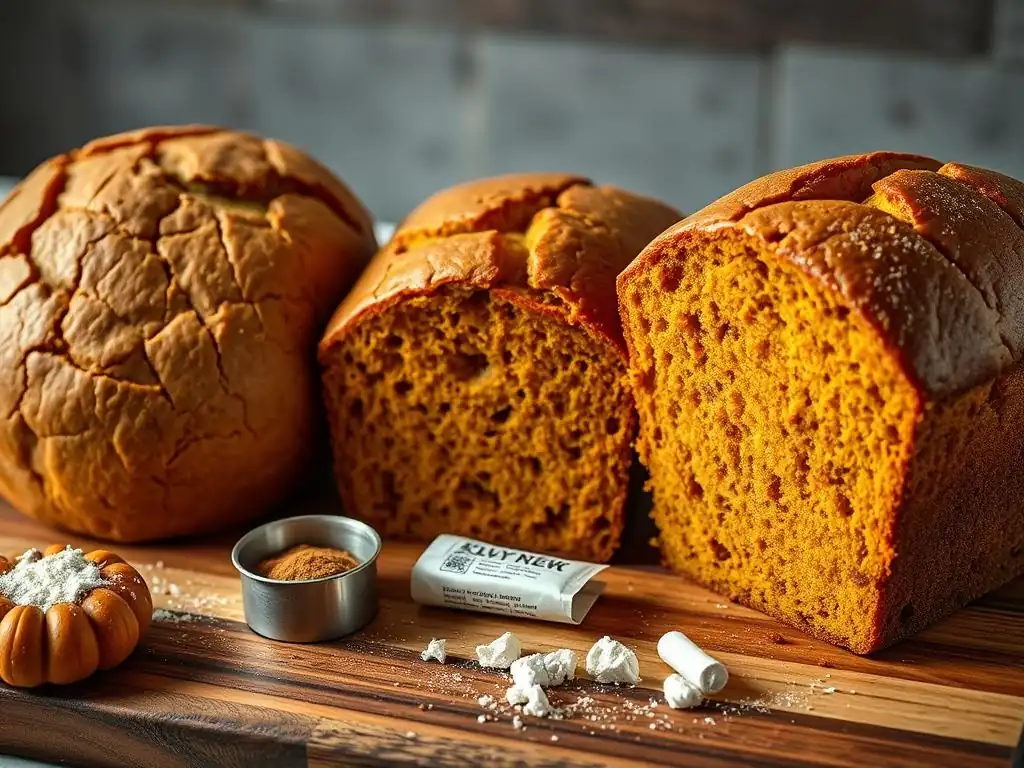
Diagnosing the Cause: A Step-by-Step Checklist
When your banana bread sinks, it's time to play detective. Examining the texture, crust, and even remembering your process steps can provide crucial clues. Was the crust very dark while the inside was still gooey? Did the batter seem unusually wet? Did you hear a hiss when you added the leavening agents to the wet ingredients? These observations help pinpoint the specific issue, whether it's related to moisture, leavening, or heat.
Start by reviewing the recipe you used and comparing it to your process. Think back to how you measured the flour and sugar. Was the batter liquidy or thick? Did you use a brand-new box of baking powder or one that's been sitting in your pantry for a year? Consider the oven – do you trust its thermostat, or have you noticed it runs hot or cold? A systematic review of these factors is key to diagnosing why your banana bread sinks.
Evaluating the Batter's Consistency: Is it Too Wet?
Before baking, did the batter seem looser or more liquid than expected? This could indicate too many bananas, wet measuring errors for liquids (like oil or milk), or insufficient dry ingredients. A batter that is too wet struggles to build a strong structure.
Checking Your Leavening Agents: Are They Still Active?
You can test baking soda by adding a teaspoon to a few tablespoons of vinegar; it should fizz vigorously. For baking powder, add a teaspoon to hot water; it should also bubble actively. If there's little to no reaction, your leavening agents are likely expired and need replacing.
Confirming Your Oven Temperature: Using an Oven Thermometer
Oven thermostats can be inaccurate, sometimes by as much as 50 degrees Fahrenheit (about 10-15 degrees Celsius). An inexpensive oven thermometer placed inside the oven will show you the true temperature, helping you determine if your oven is running hot or cold, a common reason why banana bread sinks.
How to Prevent Banana Bread from Sinking: Proven Baking Techniques
Achieving the Perfect Banana Bread Texture: Prevention is Key
Preventing your banana bread from sinking starts long before it goes into the oven. It involves careful preparation, precise execution, and understanding the science behind baking. By mastering a few fundamental techniques, you can dramatically increase your chances of achieving a beautifully domed, evenly baked loaf with a perfect crumb texture every time.
Implementing preventative measures addresses the root causes of collapse. From weighing your ingredients for accuracy to understanding the gentle art of folding rather than vigorous mixing, each step contributes to building a stable structure that can withstand the heat of the oven and cool without deflating. Let's explore the essential techniques that will help you bake banana bread that rises high and stays that way.
Measuring Ingredients Accurately: The Importance of Precision
Baking is often described as a science, and accurate measurement is critical. Using a kitchen scale to weigh flour, sugar, and even mashed bananas provides far more consistent results than volume measurements (cups), which can vary widely depending on how the ingredient is scooped and leveled. Precision ensures the correct balance of wet and dry ingredients.
Properly Mixing the Batter: Achieving the Right Consistency
Mix wet and dry ingredients just until combined. Use a spatula or wooden spoon and fold gently rather than beating. Overmixing develops tough gluten and incorporates too much air, which can lead to collapse. A few small lumps of flour are perfectly acceptable and will disappear during baking.
Baking at the Correct Temperature: Ensuring Even Baking
Always preheat your oven thoroughly and consider using an oven thermometer to verify the temperature. Baking at the specified temperature allows the banana bread to rise and set correctly. If your oven runs hot, slightly lower the temperature; if it runs cool, increase it slightly.
Using Fresh Leavening Agents: Maximizing Rising Power
Ensure your baking powder and baking soda are fresh and active. Replace them every 6-12 months, depending on storage conditions. Proper leavening provides the lift necessary for the banana bread to rise fully and develop a strong internal structure capable of supporting itself.
Cooling the Banana Bread Properly: Preventing Collapse After Baking
Allow the banana bread to cool in the pan for about 10-15 minutes before transferring it to a wire rack to cool completely. This allows the internal structure to stabilize outside the intense heat of the oven. Cooling on a wire rack ensures air circulation, preventing moisture from accumulating on the bottom, which can also contribute to a gummy texture or slight sinking.
Banana Bread Baking Tips for Success: Expert Advice
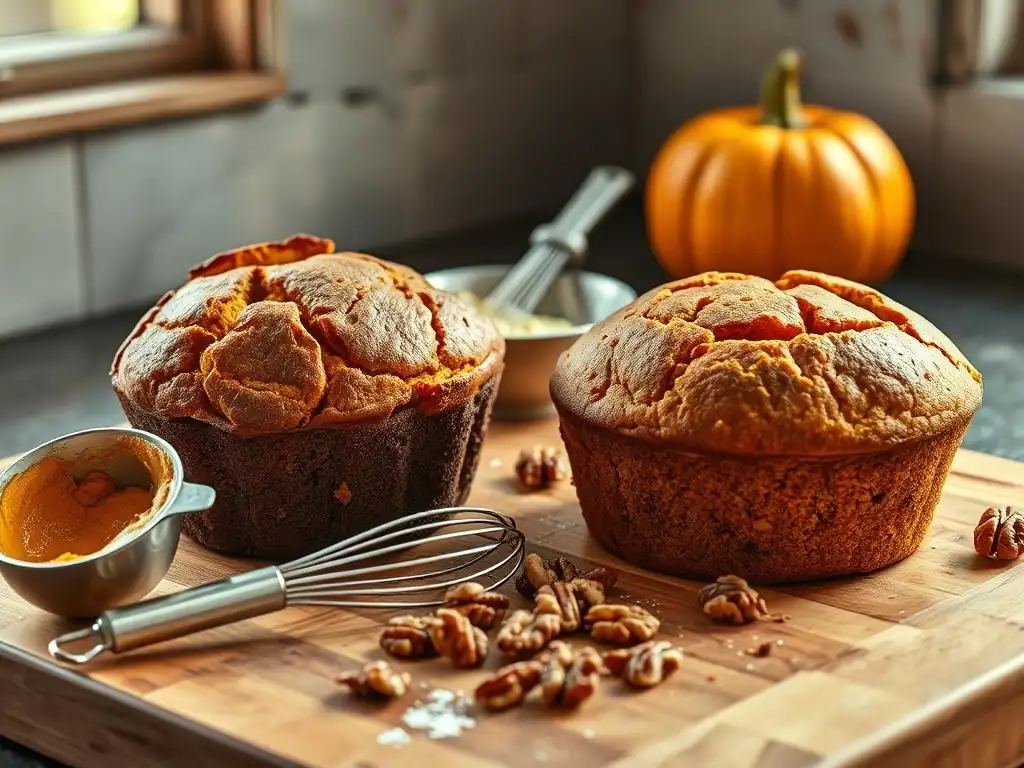
Achieving a Perfectly Risen Banana Bread Loaf: Pro Tips
Beyond the fundamental techniques, a few expert tips can elevate your banana bread baking and virtually eliminate the risk of it sinking. These insights come from experience and address common nuances that can make a significant difference in the final outcome, ensuring your loaf achieves that desirable height and texture.
Incorporating these pro tips into your baking routine will help you consistently produce beautiful, perfectly risen banana bread. They focus on maximizing the effectiveness of your ingredients and managing the baking environment for optimal results. Let's look at some simple yet powerful strategies used by seasoned bakers.
Tip #1: Use Room Temperature Ingredients for Better Emulsification
Eggs, butter, and even milk (if using) should be at room temperature. This allows them to emulsify more easily with other ingredients, creating a smoother, more uniform batter. A well-emulsified batter bakes more evenly, contributing to a better rise and preventing dense spots that could cause the banana bread to sink.
Tip #2: Don't Overfill the Loaf Pan: Leaving Room for Rising
Fill your loaf pan no more than two-thirds full. Overfilling means the batter will rise too high relative to the pan's walls, making the structure less stable. As it rises, the center may lack sufficient support from the sides and be more prone to collapsing during baking or cooling.
Tip #3: Tent the Bread with Foil if it Browns Too Quickly
If the top of your banana bread is browning significantly before the inside is fully cooked (check with a skewer – it should come out clean), loosely tent the pan with aluminum foil. This protects the top crust from burning while allowing the inside to continue baking and setting properly, reducing the chance that your banana bread sinks due to an uncooked center.
Recipes for Success: Banana Bread Recipes That Won't Sink
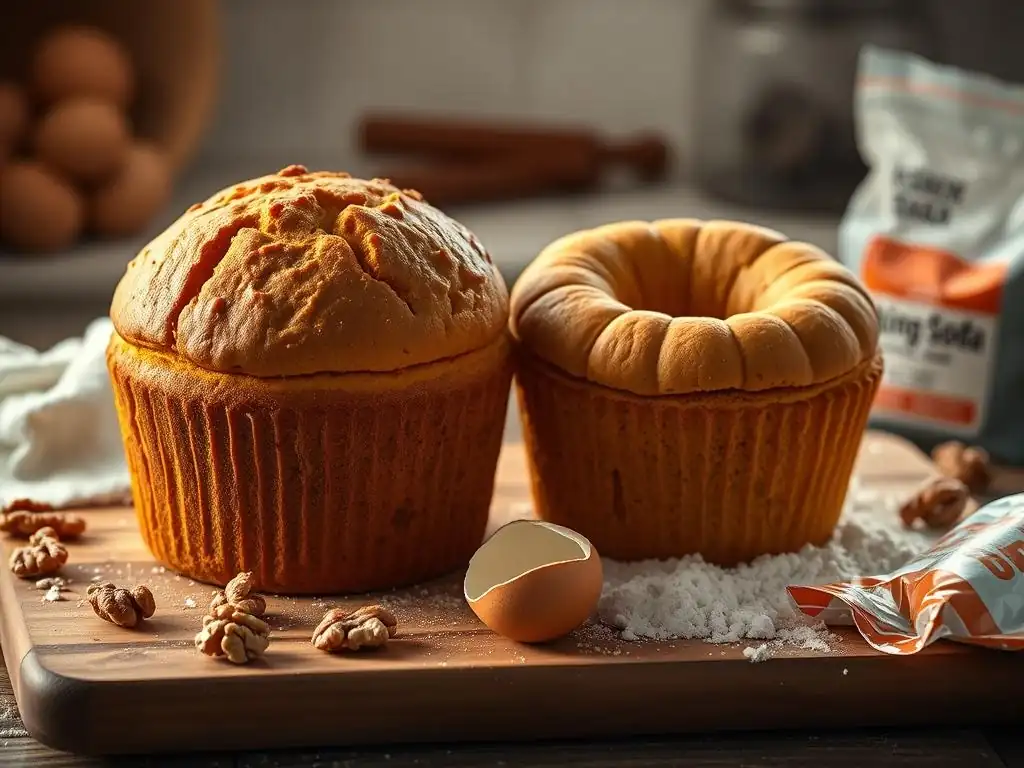
Classic Banana Bread Recipe (Guaranteed No Sink)
A reliable classic banana bread recipe is the foundation for consistent success. Such recipes typically feature a balanced ratio of wet to dry ingredients, often specifying the weight or volume of mashed bananas needed to prevent moisture overload. They also emphasize the correct amount of leavening agents relative to the flour quantity to ensure adequate lift.
These tried-and-true recipes often include detailed instructions on mixing technique, stressing the importance of not overworking the batter. They are formulated to bake through evenly at a standard temperature, minimizing the risk of a raw center that could cause the banana bread to sink. Following such a recipe meticulously is one of the best ways to avoid common pitfalls.
Chocolate Chip Banana Bread Recipe (Sink-Proof)
Adding chocolate chips to banana bread can sometimes slightly alter the batter's consistency and weight. A sink-proof chocolate chip banana bread recipe accounts for this by potentially adjusting the leavening slightly or ensuring the base batter is particularly robust. The key is to maintain the correct balance despite the addition.
Successful chocolate chip variations often recommend tossing the chocolate chips with a tablespoon of flour before adding them to the batter. This helps prevent the chips from sinking to the bottom of the pan, which can create a dense layer that contributes to the overall loaf sinking. It's a small step that makes a big difference in achieving an even bake.
Conclusion: Enjoying Perfectly Risen Banana Bread Every Time
Mastering the Art of Banana Bread Baking: A Recap of Key Points
Achieving a perfectly risen banana bread loaf that doesn't sink is entirely within your reach. It boils down to a few key principles: accurate measurement, gentle mixing, proper leavening, correct oven temperature, and patient cooling. By paying attention to these details, you address the most common reasons why banana bread sinks and ensure a successful bake.
Remember to measure ingredients precisely, preferably by weight, and avoid overmixing your batter. Always use fresh leavening agents and verify your oven temperature with a thermometer. Finally, resist the urge to open the oven door too soon and allow the bread to cool properly in the pan before transferring it. By following these steps, you'll enjoy delicious, beautifully risen banana bread consistently.
Frequently Asked Questions
Why does my pumpkin bread sink in the middle after baking?
The most common reason is overmixing the batter, which develops too much gluten. This creates a structure that initially rises well but then collapses under its own weight. Another factor is using too much liquid, making the loaf heavy and prone to sinking.
What role does the oven temperature play in preventing pumpkin bread from sinking?
Oven temperature is crucial. If the oven is too low, the bread won't set properly, leading to a sunken center. Conversely, an oven that's too hot can cause the outside to bake too quickly, leaving the inside undercooked and prone to collapsing.
Can the type of flour I use affect whether my pumpkin bread sinks?
Yes! Using a flour with too much protein (like bread flour) can lead to a tough, glutenous bread that sinks. All-purpose flour is generally recommended for a tender crumb and to avoid sinking.
How does the amount of sugar in my pumpkin bread recipe contribute to sinking?
Excessive sugar can weaken the structure of the bread. Sugar attracts moisture, which can make the loaf heavy and cause it to sink after baking. It's important to follow the recipe's sugar measurements carefully.
What are some quick tips to prevent my pumpkin bread from sinking next time?
Avoid overmixing, measure ingredients accurately (especially liquids), use the correct oven temperature, and don't open the oven door frequently during baking. Ensure the internal temperature reaches the recipe's recommendation before removing from the oven.
Final Reflection: The Rise and Fall (and Rise Again!) of Pumpkin Bread
The seemingly simple act of baking pumpkin bread reveals a surprising depth of culinary science, a truth underscored by the frustratingly common problem of sinking loaves. This isn't just about a slightly less aesthetically pleasing dessert; it's a lesson in precision, patience, and the delicate balance of ingredients that transforms humble flour and spices into a comforting autumnal treat. Understanding the science behind a successful pumpkin bread is key to unlocking baking mastery.
The quest for the perfect pumpkin bread transcends mere culinary ambition; it's a reflection of our desire for control and mastery over seemingly simple processes. The sinking loaf becomes a symbol of our own imperfections, a reminder that even the most carefully crafted plans can sometimes fall short. Yet, the very act of troubleshooting, of learning from our mistakes, and ultimately achieving that perfectly risen loaf, is deeply satisfying. The best way to find yourself is to lose yourself in the service of others.
- Mahatma Gandhi. While not directly about baking, this quote speaks to the personal growth that comes from facing challenges and persevering. The journey of perfecting pumpkin bread mirrors this personal journey of self-discovery.
Now, armed with the knowledge gleaned from this article, I invite you to embark on your own baking adventure. Don't be discouraged by a sunken loaf; see it as an opportunity to learn, to experiment, and to ultimately create a pumpkin bread that is not only delicious but also a testament to your perseverance and newfound baking expertise. The next time you encounter a sinking loaf, remember the lessons learned here, and rise to the challenge – quite literally!
Unlock Perfectly Fluffy Pumpkin Bread!
Thanks for taking the time to learn the secrets of perfectly risen pumpkin bread! We hope you found the tips helpful and are ready to bake up a storm. Now, let's put that knowledge to the test!
- Bake your best pumpkin bread yet! Grab your ingredients and try out the techniques we discussed—you'll be amazed at the difference!
- Share your baking success (or challenges!) with us in the comments below. Let's learn from each other's experiences and create a thriving baking community.
- Consider experimenting with different spices or add-ins to create your own signature pumpkin bread recipe.
What delicious variations will you create with your newfound baking expertise?