
Quick Guide: Baking with Different Apple Varieties

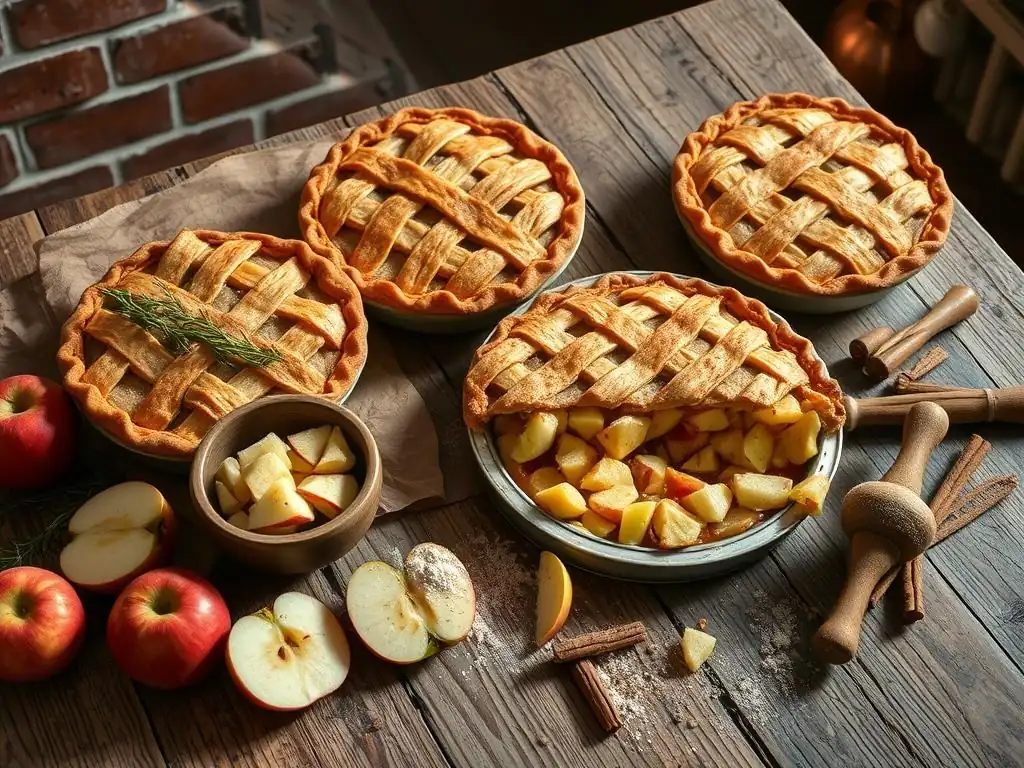
Welcome to BakeWithEase, your secret ingredient to baking success!
Ever wondered which apple variety unlocks the ultimate apple pie flavor? This Quick Guide: Baking with Different Apple Varieties dives deep into the delicious world of seasonal baking, offering invaluable apple pie baking tips to elevate your next creation. Get ready to discover the perfect apple for a pie that's bursting with flavor – your baking adventure starts now!
- Quick Guide: Baking with Different Apple Varieties - BakeWithEase
- Introduction to Baking with Apples: Choosing the Right Variety
- Apple Pie Baking Tips: Understanding Apple Characteristics
- Best Apple Varieties for Apple Pie Baking: A Detailed Guide
- Beyond Apple Pie: Other Apple Baking Ideas with Different Varieties
- Mastering the Apple Pie Filling: Combining Varieties for Optimal Flavor
- Preparing Apples for Baking: Peeling, Slicing, and Preventing Browning
- Apple Pie Baking Tips for Beginners: Ensuring Success
- Storing Your Apple Pie: Keeping it Fresh
-
Frequently Asked Questions
- What are the best apple varieties for apple pie baking, according to BakeWithEase?
- How does BakeWithEase suggest preparing apples for apple pie to avoid a soggy crust?
- What key baking tips does BakeWithEase offer for achieving a perfectly golden crust on an apple pie?
- What are some common mistakes bakers make when baking apple pies, as highlighted by BakeWithEase?
- Where can I find more detailed apple pie baking instructions and recipes on BakeWithEase?
- Final Reflection: The Sweet Science of Apple Pie Perfection
- Unleash Your Inner Apple Pie Master!
Quick Guide: Baking with Different Apple Varieties - BakeWithEase
Introduction to Baking with Apples: Choosing the Right Variety
Embrace Fall Baking with Apples: A World of Flavor
Fall is synonymous with apple season, bringing an abundance of varieties perfect for baking. From crisp tarts to comforting crumbles and, of course, the quintessential apple pie, the possibilities are endless. Baking with fresh apples captures the essence of the season, filling your kitchen with delightful aromas and delivering warm, satisfying desserts. Understanding how different apples behave when heated is key to achieving the best results in your baked goods.
The sheer variety of apples available means you can tailor your dessert's flavor and texture precisely. Some apples become incredibly soft and meld together, creating a smooth filling, while others retain their shape, offering distinct chunks of fruit. This guide will walk you through selecting the ideal apples for your next baking project, particularly focusing on essential apple pie baking tips to elevate your homemade pies.
Why Apple Variety Matters for Baking Success
Not all apples are created equal when it comes to enduring the heat of an oven. The internal structure, sugar content, and acidity levels vary significantly from one variety to the next. Using an apple that turns to mush too quickly can result in a watery or inconsistent filling, while one that's too firm might remain hard even after baking.
Selecting the appropriate apple variety directly impacts the texture, sweetness, and overall flavor balance of your final baked good. For instance, a classic apple pie benefits from a mix of textures and flavors, often combining a tart apple with a sweeter, firmer one. This careful selection is one of the most crucial apple pie baking tips you can learn, ensuring your filling isn't overly sweet, too tart, or lacking in structural integrity.
Apple Pie Baking Tips: Understanding Apple Characteristics
Sweetness Levels: How They Affect Your Apple Pie
The natural sweetness of an apple variety plays a significant role in how much added sugar your apple pie filling will require. Apples like Fuji or Honeycrisp are naturally high in sugar, meaning you'll need less granulated sugar in your recipe compared to using tart apples like Granny Smith. Using too much added sugar with already sweet apples can result in an cloyingly sweet pie that overpowers the fruit's natural flavor.
Conversely, relying solely on very tart apples without adequate added sugar can lead to a filling that is unpleasantly sour. A good rule of thumb in apple pie baking tips is to taste your chosen apples raw and adjust the sugar in your filling recipe accordingly. For a standard 9-inch pie using a mix of sweet and tart apples, a common range for added sugar might be between 1/2 cup and 3/4 cup, but this can vary by as much as 1/4 cup depending on the specific apple varieties used.
Texture and Firmness: Choosing Apples that Hold Their Shape
The texture of an apple after baking is paramount, especially for apple pie. You want apples that soften but don't completely disintegrate into sauce. Varieties known for holding their shape, such as Honeycrisp, Braeburn, or Granny Smith (despite its tartness, it bakes down nicely without turning to liquid), are excellent choices. These apples provide pleasant chunks of fruit within the pie, offering a satisfying bite.
Apples that break down easily, like McIntosh or Gala, are better suited for recipes where a smoother texture is desired, such as applesauce or apple butter. When baking apple pie, combining apples with different firmness levels can create a dynamic texture profile – some pieces will soften more, while others remain distinct. This textural contrast is a hallmark of great apple pie baking tips.
Acidity and Flavor Profiles: Balancing Flavors in Your Apple Pie Filling
Acidity in apples provides a crucial counterpoint to sweetness, adding brightness and complexity to baked goods. Tart apples, high in acidity, like Granny Smith, are fantastic for cutting through the richness of pie crust and added sugar. Their sharp flavor mellows beautifully during baking.
Sweet apples, on the other hand, offer a softer, often more aromatic flavor profile. Varieties like Fuji or Honeycrisp bring their own unique sweetness and sometimes floral or honeyed notes. Blending apples with different acidity levels is a classic apple pie baking tip used by bakers to achieve a balanced and nuanced flavor that isn't just sweet but truly highlights the apple's character.
Best Apple Varieties for Apple Pie Baking: A Detailed Guide
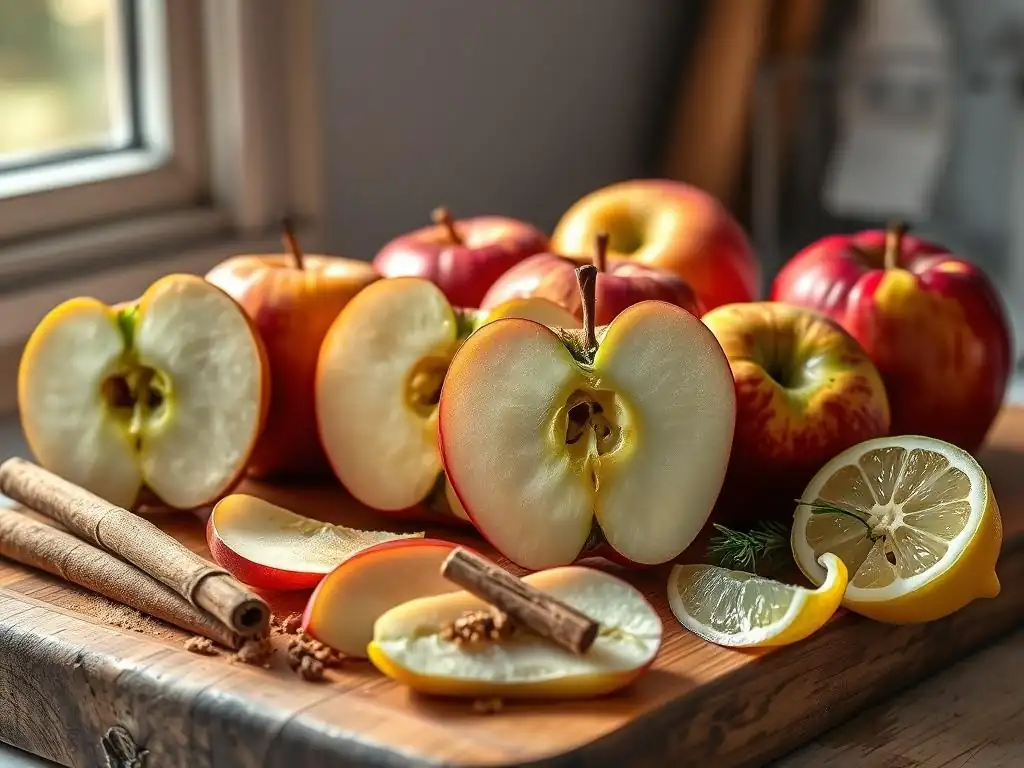
Granny Smith Apples: The Tart and Tangy Classic
Granny Smith apples are arguably the most iconic baking apple, especially for pie. Known for their bright green skin and intensely tart flavor, they possess a high acidity that provides a wonderful contrast to the sweetness typically found in apple pie filling. While firm, they soften adequately during baking without turning to mush, holding their shape well enough to provide distinct apple pieces in the final product.
Their tartness means they require a generous amount of sugar to balance the flavor in a pie filling, often more than sweeter varieties. However, this balance is what many bakers seek, resulting in a classic sweet-tart apple pie. Despite their popularity, some find a pie made solely with Granny Smiths a bit one-dimensional; they are frequently combined with sweeter or more aromatic apples for complexity.
Tips for Baking with Granny Smith Apples
When using Granny Smiths for apple pie, don't shy away from the sugar called for in your recipe, or even slightly more if you prefer a sweeter filling. A standard 9-inch pie using mostly Granny Smiths might require 3/4 cup to 1 cup of granulated sugar, depending on your crust and filling thickness. It's also beneficial to pair them with a sweeter, softer-baking apple like Golden Delicious or Fuji to add complexity and a smoother texture element.
Slice Granny Smiths relatively uniformly, perhaps 1/4 to 1/2 inch thick, to ensure even cooking. Because they are quite firm, they benefit from sufficient baking time to soften properly. Ensure your oven temperature is consistent and bake until the filling is bubbling and the crust is golden brown, typically 45-60 minutes at 375°F (190°C) for a standard double-crust pie.
Honeycrisp Apples: Sweet, Crisp, and Juicy
Honeycrisp apples are a relatively newer variety but have quickly become a favorite for eating and baking. As their name suggests, they are exceptionally crisp and juicy with a predominantly sweet flavor profile, often described as having notes of honey. Unlike some other sweet apples, Honeycrisps maintain a pleasant firmness when baked, offering a delightful bite in pies and other desserts.
Their high sugar content means they require less added sugar in recipes compared to tart varieties. Their juicy nature is a double-edged sword; while it adds moisture, it can sometimes lead to a slightly more liquid filling if not managed. Despite this, their excellent flavor and texture retention make them a top contender for apple pie baking tips.
Tips for Baking with Honeycrisp Apples
Due to their sweetness, reduce the amount of sugar you'd typically use with tart apples. For a pie using primarily Honeycrisp, aim for around 1/2 cup to 2/3 cup of sugar. To mitigate excess juiciness, consider adding a bit more thickener (like flour, cornstarch, or tapioca starch) to your filling – perhaps an extra tablespoon per 6-8 cups of sliced apples.
Honeycrisps bake down beautifully, retaining much of their crispness. Slice them about 1/4 inch thick. They pair wonderfully with a slightly tarter apple like Braeburn or even a small amount of Granny Smith to add a layer of acidity and complexity. Baking time is standard, but watch for the filling to thicken nicely.
Braeburn Apples: A Balanced Sweet-Tart Option
Braeburn apples offer a fantastic balance of sweetness and tartness, making them a versatile choice for baking. They have a rich, aromatic flavor with hints of spice. Braeburns are firm and hold their shape exceptionally well during baking, contributing a satisfying texture to pies, crisps, and tarts.
This balanced flavor profile means they often work well on their own in a pie filling without needing to be blended with other varieties, although they certainly complement others. Their firmness ensures your pie won't turn into apple sauce. They are a reliable option for consistent results in various baked goods, fitting well into essential apple pie baking tips.
Tips for Baking with Braeburn Apples
Because of their sweet-tart balance, the amount of sugar needed for Braeburns falls somewhere between that required for Granny Smiths and Honeycrisps, perhaps around 2/3 to 3/4 cup for a standard pie. Their firmness means they benefit from being sliced slightly thinner, maybe closer to 1/4 inch, to ensure they soften evenly throughout the pie.
Braeburns are excellent as a base apple in a blend. Try combining them with a sweeter apple like Fuji for added aroma or a few Granny Smiths for extra zing. Their robustness makes them forgiving for beginners learning apple pie baking tips.
Golden Delicious Apples: Mild and Sweet
Golden Delicious apples are widely available and known for their mild, sweet flavor and tender flesh. Unlike their green counterpart, they are low in acidity. While they are sweet, they tend to soften considerably when baked, sometimes breaking down more than firmer varieties.
Despite softening, their sweet flavor is pleasant, and they contribute a smooth element to fillings when mixed with firmer apples. They are less commonly used as the sole apple in a pie due to their tendency to lose shape, but they are a valuable component in blends, adding sweetness and a smooth texture.
Tips for Baking with Golden Delicious Apples
When using Golden Delicious apples, anticipate that they will soften significantly. This makes them ideal for blending with apples that hold their shape firmly, like Braeburn or Honeycrisp. Use them to add sweetness and a smoother texture alongside firmer chunks. Slice them slightly thicker, around 1/2 inch, to give them the best chance of retaining some structure.
Reduce added sugar when using Golden Delicious, aiming for around 1/2 to 2/3 cup for a pie blend depending on the other apples used. They pair well with spices like cinnamon and nutmeg, which enhance their mild flavor. They are a good choice for beginners looking for easy apple pie baking tips as their sweetness is forgiving.
Fuji Apples: Exceptionally Sweet and Aromatic
Fuji apples are celebrated for their intense sweetness, crisp texture, and often slightly floral or honey-like aroma. They are high in sugar and low in acidity, providing a purely sweet flavor profile. Fujis maintain a good amount of crispness even after baking, offering a pleasant bite in pies and tarts.
Their sweetness means they require minimal added sugar in baking, letting their natural flavor shine. Like Honeycrisp, their juiciness can sometimes be a factor to manage. Fujis are excellent for adding sweetness and a unique aromatic quality to apple pie blends.
Tips for Baking with Fuji Apples
Use Fuji apples when you want a distinctly sweet pie with minimal added sugar. A pie made primarily with Fuji might need only 1/4 to 1/2 cup of sugar. Be prepared for their juiciness and consider adding a bit more thickener, perhaps 1-2 extra teaspoons of cornstarch or tapioca starch per pie.
Slice Fujis about 1/4 to 1/2 inch thick. They are wonderful blended with tarter apples like Granny Smith or Braeburn to create a complex sweet-tart flavor. Their crispness holds up well, ensuring nice apple chunks in your finished pie. Integrating Fujis is a great way to enhance your apple pie baking tips with a unique sweetness.
Beyond Apple Pie: Other Apple Baking Ideas with Different Varieties
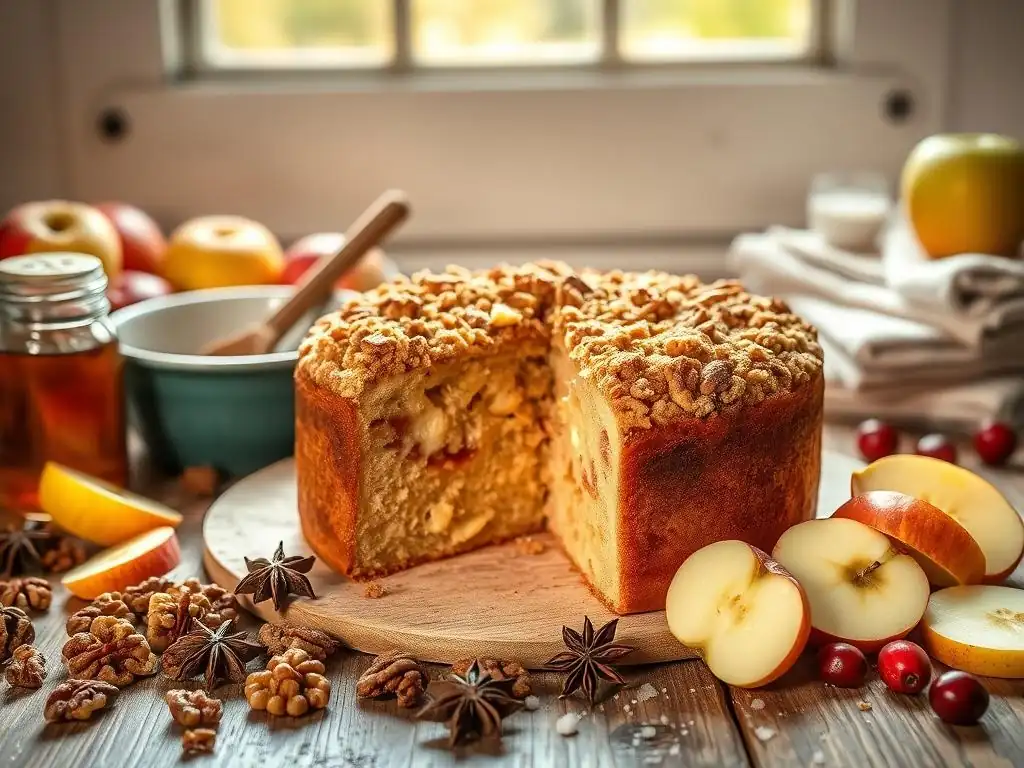
Apple Crisp and Apple Crumble: Variety Recommendations
For apple crisp and apple crumble, the choice of apple variety is slightly less critical than for pie, as the topping provides texture. However, using apples that don't turn completely to mush is still preferred to avoid a watery base. A mix of sweet and tart apples works beautifully here for balanced flavor.
- Good varieties include:
- Granny Smith (for tartness)
- Honeycrisp (for sweetness and texture)
- Braeburn (for balance)
- Cortland (holds shape well, slightly tart)
- Northern Spy (classic baking apple, firm and flavorful)
Combining a tart apple like Granny Smith with a sweeter one like Honeycrisp or Fuji creates a delicious depth of flavor under the buttery crumble topping. Slice them uniformly, typically 1/2 inch thick, to ensure even softening.
Apple Cakes and Muffins: Choosing the Best Apples
In cakes, muffins, and quick breads, apples add moisture and flavor. Apples that soften nicely but don't disappear completely are often preferred. Varieties that break down a bit help distribute apple flavor throughout the batter, while those that hold their shape provide distinct pieces.
- Recommended varieties include:
- Honeycrisp (holds shape, sweet)
- Fuji (sweet, holds shape)
- Braeburn (balanced, holds shape)
- Gala (softens well, sweet)
- McIntosh (breaks down easily, good for distributing flavor)
Using a softer apple like Gala or McIntosh can contribute more moisture to the batter, while firmer apples like Honeycrisp or Braeburn will give you noticeable apple chunks. Peel and dice apples into smaller pieces (1/4 to 1/2 inch) for even distribution and cooking within the cake or muffin structure.
Apple Tarts and Galettes: Exploring Different Textures
Apple tarts and galettes often feature apples arranged decoratively, making apples that hold their shape particularly desirable. The thinner layer of filling compared to a pie means apples cook faster, so choosing varieties that soften relatively quickly while retaining some structure is key.
- Excellent choices include:
- Braeburn (holds shape well, balanced flavor)
- Honeycrisp (holds shape, sweet)
- Granny Smith (holds shape, tart - often used in combination)
- Pink Lady (firm, sweet-tart)
For tarts and galettes, slicing consistency is crucial for even baking and aesthetic appeal. Thin, uniform slices (1/8 to 1/4 inch) are common. Using a mix of colors, like red-skinned Fuji or Pink Lady with green Granny Smith, can also enhance the visual appeal of open-faced desserts.
Mastering the Apple Pie Filling: Combining Varieties for Optimal Flavor
Blending Apple Varieties for a Complex Flavor Profile
One of the best apple pie baking tips is to use a combination of apple varieties in your filling. Blending apples allows you to achieve a more complex flavor and texture than using a single type. A common strategy is to mix a tart apple (like Granny Smith) with one or two sweeter, firmer apples (like Honeycrisp, Braeburn, or Fuji).
For a standard 9-inch pie, using approximately 6-8 cups of sliced apples, a good starting ratio might be 40% tart, 60% sweet/balanced. For example, you could use 3 cups of sliced Granny Smith and 5 cups of a mix of Honeycrisp and Braeburn. This blend provides acidity, sweetness, and a mix of textures, ensuring a well-rounded and delicious apple pie experience. Experimenting with different combinations is part of the fun of mastering apple pie baking tips.
Adjusting Sugar Based on Apple Sweetness Levels
As mentioned earlier, the amount of added sugar in your apple pie filling should be adjusted based on the natural sweetness of your chosen apple blend. If you are using a significant proportion of tart apples like Granny Smith, you will need more sugar (e.g., 3/4 to 1 cup for a pie).
If your blend leans heavily towards sweet varieties like Fuji and Honeycrisp, you can reduce the sugar considerably (e.g., 1/4 to 1/2 cup). A good practice is to toss a small amount of your sliced apples with a little sugar and taste them raw. This gives you an indication of the starting sweetness and helps you decide how much additional sugar is needed to achieve your desired level of sweetness in the final baked pie. This fine-tuning is a valuable apple pie baking tip.
Adding Spices to Enhance Apple Flavor: Cinnamon, Nutmeg, and More
Spices are essential partners to apples in baking, enhancing their natural flavors. Cinnamon is the most classic choice, adding warmth and sweetness. Freshly grated nutmeg provides a deeper, slightly earthy warmth that complements apples beautifully.
Other spices to consider include allspice, ground cloves (use sparingly, as it's potent), and a pinch of cardamom for a unique twist. The amount of spice can vary, but a common starting point for a 9-inch pie is 1-2 teaspoons of cinnamon and 1/4 teaspoon of nutmeg. Adjusting spices is another key element in perfecting your apple pie baking tips, allowing you to customize the flavor profile.
Preparing Apples for Baking: Peeling, Slicing, and Preventing Browning
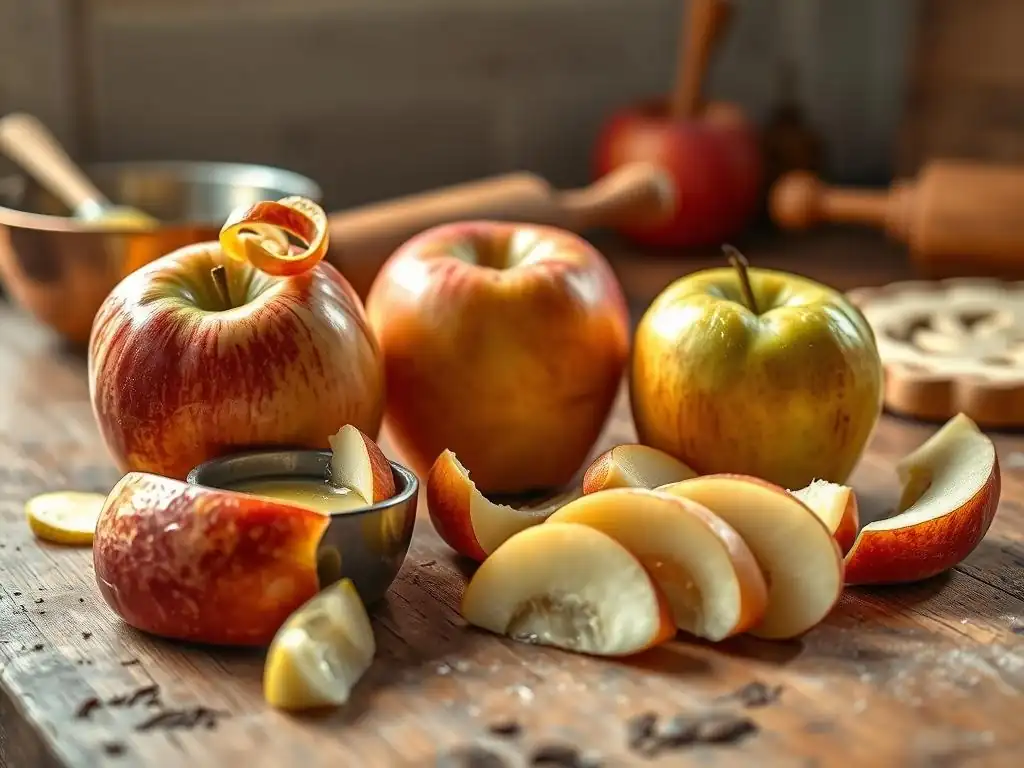
The Best Way to Peel and Core Apples for Baking
Efficient peeling and coring are the first steps in preparing apples for baking. A sharp vegetable peeler or a swivel peeler works well for removing the skin. For coring, an apple corer tool makes quick work of removing the core in one piece. Alternatively, you can quarter the apple and use a paring knife to cut out the core and seeds from each quarter.
For large batches, an apple peeler, corer, and slicer machine can save considerable time and effort, creating uniform spirals that are then easily cut into slices. Whichever method you choose, ensure all skin and core material is removed for the best texture in your baked goods.
Slicing Techniques for Even Cooking
Uniform slicing is crucial for ensuring that all the apple pieces in your pie or dessert cook at the same rate. If slices are too thick or too thin, you'll end up with some pieces that are hard and others that are mushy. Aim for a consistent thickness, typically between 1/4 and 1/2 inch for pies and crisps, and potentially slightly thinner for tarts.
Slice the peeled and cored apple quarters or halves evenly using a sharp knife. Some bakers prefer slicing the apple halves flat-side down for stability. For galettes or decorative tarts, careful, thin slicing by hand is often preferred for presentation. Consistency in slicing is a fundamental apple pie baking tip.
Preventing Apple Browning: Lemon Juice and Other Methods
Once apples are peeled and sliced, they are exposed to air and begin to oxidize, turning brown. While this doesn't affect the flavor significantly once baked, it can be unappealing during preparation. To prevent browning, toss the sliced apples with a small amount of acid immediately after slicing.
A common method is to toss the slices in a bowl with the juice of half a lemon or about 1-2 tablespoons of lemon juice per 6-8 cups of apples. The citric acid in the lemon juice inhibits oxidation. Other acidic options include a solution of water and a small amount of white vinegar or using a commercial fruit protector powder containing ascorbic acid (Vitamin C). Drain any excess liquid before adding the apples to your filling mixture.
Apple Pie Baking Tips for Beginners: Ensuring Success
Choosing the Right Baking Dish: Size and Material
Selecting the correct baking dish is an important step for beginners tackling apple pie baking tips. A standard apple pie recipe is typically designed for a 9-inch pie plate. These plates come in various materials, including glass, ceramic, and metal.
Glass and ceramic dishes conduct heat gently and allow you to see when the bottom crust is browning, which is helpful for preventing a soggy bottom. Metal pie pans, particularly aluminum or steel, conduct heat more quickly and evenly, often resulting in a crispier bottom crust. Ensure your dish is deep enough to hold the generous amount of apple filling required for a full pie, usually around 1.5 to 2 inches deep.
Blind Baking the Pie Crust: Preventing a Soggy Bottom
A common challenge in apple pie baking tips is preventing a soggy bottom crust, especially with juicy apple fillings. Blind baking (or par-baking) the bottom crust before adding the filling is an effective technique. This partially cooks the crust, making it more resistant to moisture from the apples.
To blind bake, line your chilled pie crust with parchment paper and fill it with pie weights, dried beans, or rice. Bake at 375°F (190°C) for about 15-20 minutes, or until the edges are set. Remove the weights and parchment and bake for another 5-10 minutes until the bottom appears dry and slightly golden. Let it cool slightly before filling and adding the top crust.
Achieving a Golden-Brown Crust: Egg Wash and Sugar
A beautiful, golden-brown crust is the crowning glory of a homemade apple pie. To achieve this, an egg wash is often applied to the top crust before baking. An egg wash is typically made by whisking one egg (or just the yolk or white) with a tablespoon or two of milk or water.
Brush the egg wash lightly over the entire top crust. This helps the crust brown evenly and gives it a lovely sheen. For extra sparkle and a slightly crisp texture, you can also sprinkle coarse sugar (like turbinado or sanding sugar) over the egg-washed crust. These simple steps significantly enhance the visual appeal and texture of your pie crust, making them essential apple pie baking tips for beginners.
Storing Your Apple Pie: Keeping it Fresh
Proper Storage Techniques for Apple Pie
Once your delicious apple pie has cooled completely, proper storage is key to maintaining its freshness and quality. A cooled apple pie can typically be left at room temperature for up to 2 days, loosely covered with foil or plastic wrap. This is often preferred as refrigeration can sometimes alter the texture of the crust, making it less crisp.
For longer storage, or in very warm or humid environments, refrigerate the pie. Cover it tightly with plastic wrap or store it in an airtight container. Refrigerated apple pie will keep well for 3-4 days. For even longer storage, apple pie can be frozen, either whole or in slices, wrapped tightly in plastic wrap and then foil, for up to 3-4 months. Thaw in the refrigerator before reheating.
Reheating Apple Pie for Optimal Taste
Reheating apple pie can bring back some of that fresh-baked warmth and flaky crust texture. The best way to reheat a slice of apple pie is in a conventional oven or toaster oven. Place the slice on a baking sheet and heat at 325°F (160°C) for about 10-15 minutes, or until warmed through and the crust is crisp again.
Avoid using a microwave if possible, as it tends to make the crust soggy, although it is the quickest method for simply warming the filling. If microwaving, heat in short intervals (30-60 seconds) until warm. For a whole pie, cover it loosely with foil to prevent the crust from over-browning and reheat in a 325°F (160°C) oven for 20-30 minutes, or until the center is warm.
Frequently Asked Questions
What are the best apple varieties for apple pie baking, according to BakeWithEase?
The best apple varieties for apple pie baking often include a mix of sweet and tart apples. Granny Smith apples offer tartness, while Honeycrisp provide sweetness and hold their shape well. A combination usually yields the most flavorful result.
How does BakeWithEase suggest preparing apples for apple pie to avoid a soggy crust?
BakeWithEase recommends pre-cooking the apple slices slightly. This helps to release excess moisture before baking, preventing a soggy crust. They also advise using a thickener like cornstarch or flour.
What key baking tips does BakeWithEase offer for achieving a perfectly golden crust on an apple pie?
For a golden crust, BakeWithEase suggests using an egg wash before baking. Brushing the crust with milk or cream also works. Furthermore, they advise baking at a high initial temperature to set the crust quickly.
What are some common mistakes bakers make when baking apple pies, as highlighted by BakeWithEase?
Common mistakes include using the wrong apple varieties, not pre-cooking the apples, and not using enough thickener. Another is over-baking the pie, which can lead to a dry filling.
Where can I find more detailed apple pie baking instructions and recipes on BakeWithEase?
You can find more detailed instructions and recipes on BakeWithEase by exploring their website. Look for sections on pies, desserts, and baking techniques. Search for "apple pie" to find specific recipes and tips.
Final Reflection: The Sweet Science of Apple Pie Perfection
The seemingly simple act of baking an apple pie is, in reality, a journey into the diverse world of apple varieties and their unique contributions to flavor and texture. A perfectly crafted pie isn't just about following a recipe; it's about understanding the subtle nuances of each apple and how those nuances translate into a harmonious whole. This understanding elevates the experience from mere baking to an art form.
The exploration of different apple varieties for baking has profoundly impacted my own approach to cooking, shifting my focus from simply achieving a "good" pie to creating a truly exceptional one. The subtle differences – the tartness of a Granny Smith contrasting with the sweetness of a Honeycrisp, the firmness of a Braeburn holding its shape against the softer texture of a Fuji – are revelations that continue to inspire me. The best things in life are simple, but not easy.
This quote perfectly encapsulates the journey of mastering apple pie baking; it's a simple pursuit, but achieving true excellence requires dedication and understanding.
Now, it's your turn. Don't just follow a recipe; experience it. Experiment with different apple combinations, explore the textures and tastes, and discover the unique magic each variety brings to your apple pie. Embrace the imperfections, learn from each bake, and most importantly, savor the delicious results. The journey to the perfect apple pie is a rewarding one, filled with sweet discoveries and the satisfaction of creating something truly special.
Unleash Your Inner Apple Pie Master!
Thanks for joining us on this delicious journey through the world of apple baking! We hope you’ve discovered new ways to elevate your desserts. Ready to put your newfound knowledge to the test?
- Bake your perfect apple creation! Choose your favorite apple variety from the guide and get baking. Let the aroma fill your kitchen!
- Share your baking triumphs (or tales!) with us on social media! Use #BakeWithEaseApple and tag @BakeWithEase (fictional social media handle).
- Explore our other baking guides for more recipe inspiration – find your next baking adventure!
What unique apple variety are you most excited to experiment with now?