
Simple Steps to Mastering Rhubarb Pie

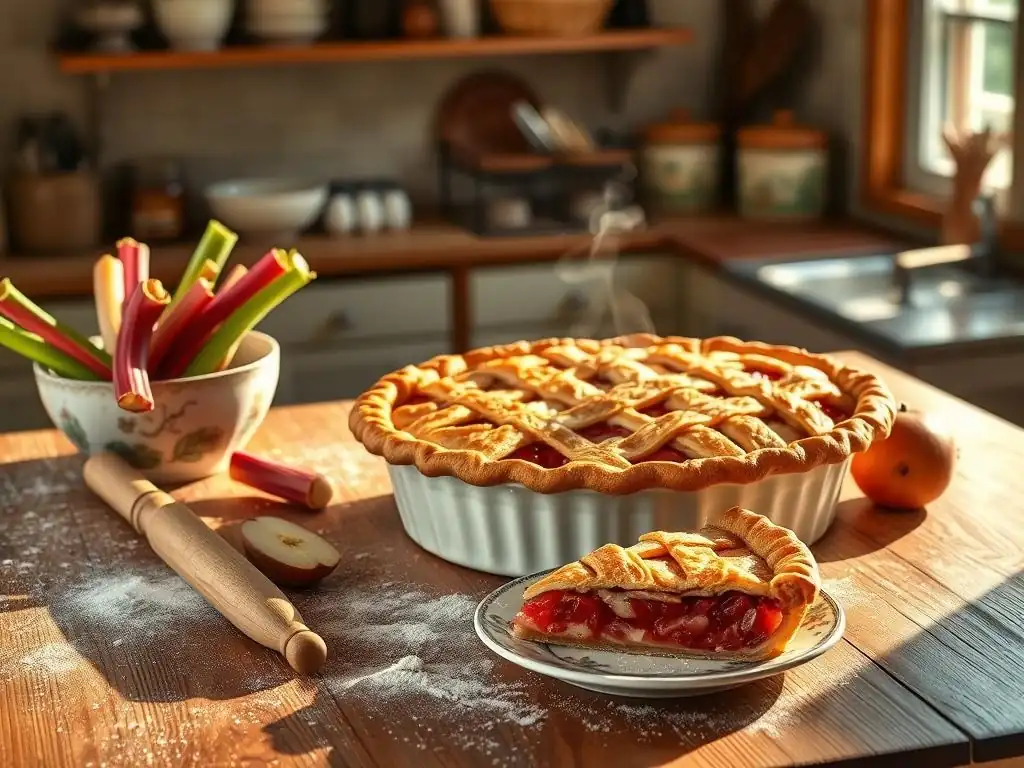
Welcome to BakeWithEase, your haven for baking bliss! Ever dreamt of a perfectly tangy and sweet rhubarb pie? Well, dream no more! We're diving into a delightfully easy rhubarb pie recipe that's guaranteed to impress. But beyond the recipe itself, discover the secrets to a flaky crust and the perfect balance of flavors. Intrigued? Let's get baking!
- Simple Steps to Mastering Rhubarb Pie: An Easy Rhubarb Pie Recipe
- Introduction to Easy Rhubarb Pie Baking with BakeWithEase
- Gathering Your Ingredients for the Perfect Rhubarb Pie
- Step-by-Step Guide to Making a Delicious Rhubarb Pie
- Tips and Tricks for a Flawless Rhubarb Pie
- Serving and Storing Your Homemade Rhubarb Pie
- Troubleshooting Common Rhubarb Pie Problems
- Enjoy Your Easy Rhubarb Pie Recipe from BakeWithEase!
-
Frequently Asked Questions
- What makes this rhubarb pie recipe so easy?
- What kind of rhubarb should I use for the easy rhubarb pie recipe?
- How can I prevent my rhubarb pie from being too tart?
- Can I make the pie crust ahead of time for this easy rhubarb pie recipe?
- What are some tips for ensuring a perfectly golden and flaky pie crust when baking this easy rhubarb pie recipe?
- Final Reflection: The Sweetness of Simplicity in Baking
- Unlock Your Inner Pastry Chef: Bake the Perfect Rhubarb Pie!
Simple Steps to Mastering Rhubarb Pie: An Easy Rhubarb Pie Recipe
Introduction to Easy Rhubarb Pie Baking with BakeWithEase
Welcome to Spring Baking: Your Rhubarb Pie Journey Begins
Spring arrives with a bounty of fresh produce, and for bakers, few ingredients signal the season quite like vibrant, tart rhubarb. Often called "pie plant," rhubarb's unique flavor profile makes it a beloved star in classic desserts. If you've ever been intimidated by baking a pie from scratch, especially one featuring this distinctive stalk, fear not! Our guide to making an easy rhubarb pie recipe is designed for everyone, from novice bakers to those looking for a reliable, simple method.
This journey into mastering rhubarb pie will walk you through each stage, from selecting the perfect stalks to achieving that golden, bubbly finish. We'll demystify the process, breaking it down into manageable steps that build confidence with every whisk and roll. By the end, you'll have a delicious, homemade easy rhubarb pie ready to share, proving that this classic spring treat is well within your reach.
Why Rhubarb Pie is the Perfect Spring Dessert
Rhubarb pie embodies the essence of spring with its bright, tangy flavor that cuts through the richness of a buttery crust. It's a refreshing change from the heavier desserts of winter, offering a taste that is both nostalgic and invigorating. The seasonality of rhubarb, typically peaking from April to June, makes baking a pie a timely celebration of the changing seasons and the availability of fresh, local produce.
Beyond its seasonal appeal, rhubarb pie offers a delightful contrast of textures – the crisp, flaky pastry against the tender, slightly yielding filling. While undeniably tart on its own, rhubarb pairs beautifully with sugar, creating a sweet-tart balance that is utterly captivating. This simple rhubarb pie recipe highlights these qualities, resulting in a dessert that is not just a treat for the taste buds but a true taste of springtime.
Gathering Your Ingredients for the Perfect Rhubarb Pie
The Best Rhubarb for Pie: Fresh vs. Frozen
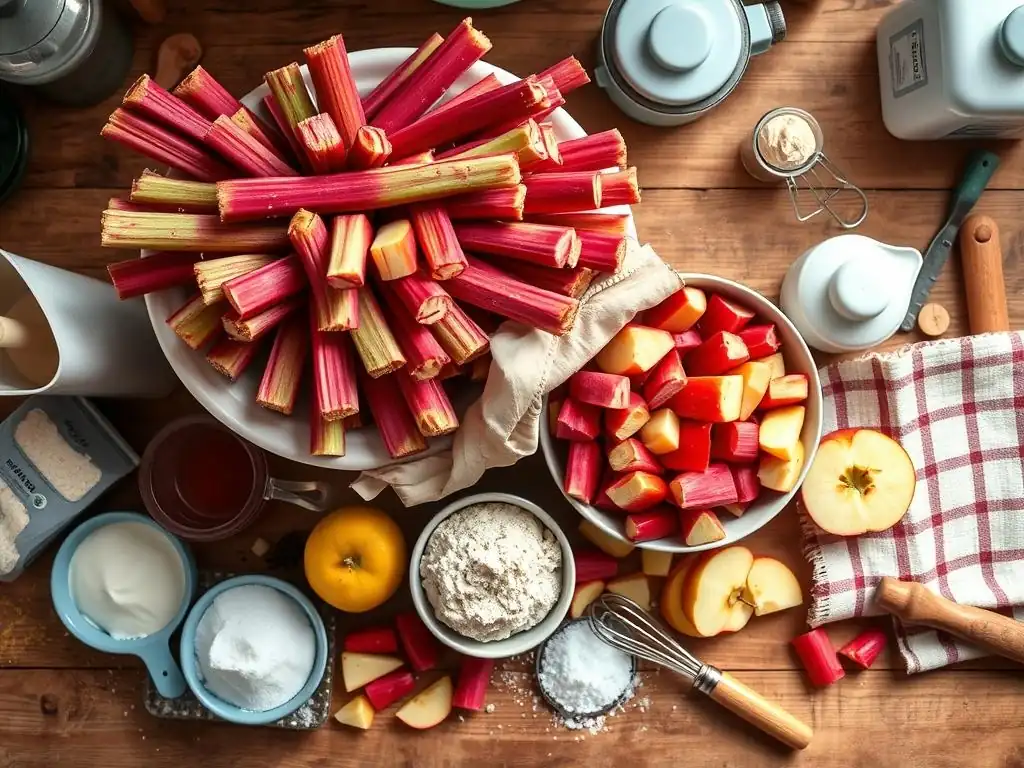
When it comes to selecting rhubarb for your easy rhubarb pie recipe, fresh is often preferred for its vibrant color and firm texture. Look for stalks that are crisp, straight, and brightly colored, ranging from deep red to pale green – the color doesn't necessarily indicate sweetness or ripeness, but rather the variety. Avoid limp or bruised stalks. Typically, a standard 9-inch pie requires about 5-6 cups of chopped rhubarb, which translates to roughly 1 ½ to 2 pounds of stalks before trimming.
Using frozen rhubarb is also a perfectly viable option, especially if fresh isn't in season or readily available. Frozen rhubarb is usually pre-cut and ready to go, saving a step. However, it contains more moisture than fresh. To compensate when using frozen rhubarb for your simple rhubarb pie, do not thaw it completely before mixing with the other filling ingredients. Some bakers even add a tablespoon or two of extra thickener (like flour or cornstarch) or drain off excess liquid if it thaws slightly while preparing other components.
Essential Pantry Staples: Flour, Sugar, and Spices
Three crucial pantry ingredients form the backbone of your easy rhubarb pie recipe: flour, sugar, and spices. All-purpose flour is standard for both the crust and often as a thickener in the filling. For the filling, flour helps absorb the juices released by the rhubarb during baking, preventing a watery result. A typical recipe might call for 1/4 to 1/2 cup of flour mixed with the rhubarb and sugar.
Sugar is vital for balancing the intense tartness of rhubarb. The amount needed can vary depending on the sweetness of the rhubarb variety and personal preference, but a common ratio is about 1 cup of granulated sugar for every 4 cups of chopped rhubarb. Some recipes might use a mix of granulated sugar and brown sugar for added depth of flavor. Spices like cinnamon and nutmeg are classic additions, enhancing the rhubarb's flavor without overpowering it. A dash of cinnamon (maybe ½ teaspoon) and a pinch of nutmeg can elevate your simple rhubarb pie significantly.
Achieving the Perfect Crust: Butter, Shortening, or Lard?
The fat you choose for your pie crust significantly impacts its texture and flavor. Butter is a popular choice for an easy rhubarb pie recipe crust because it provides superior flavor and creates lovely flaky layers when properly handled. Using cold, diced unsalted butter (typically around 1 cup for a double-crust pie) is key. As the butter melts in the oven, it releases steam, pushing apart the dough layers and creating flakiness.
Shortening is another common option, often favored for its ability to create a very tender and flaky crust that holds its shape well. It has a higher melting point than butter, which can sometimes lead to even flakier results.
A mix of half butter and half shortening (e.g., ½ cup butter, ½ cup shortening) is a compromise many bakers use to get the best of both worlds: good flavor from the butter and excellent texture from the shortening. Lard, less common today, historically produced incredibly tender and flaky crusts due to its unique fat structure, but it does impart a distinct flavor.
Step-by-Step Guide to Making a Delicious Rhubarb Pie
Step 1: Preparing the Rhubarb Filling: A Simple Method
The filling for an easy rhubarb pie recipe comes together quickly once the rhubarb is prepped. Start by gently washing the rhubarb stalks and trimming off the very ends and any leaves (rhubarb leaves are toxic and should never be consumed). There's typically no need to peel the stalks unless they are exceptionally thick and fibrous, in which case a light peel might improve texture.
Next, cut the rhubarb into pieces. Aim for uniform pieces, typically about ½ to ¾ inches thick. Consistency in size ensures that the rhubarb cooks evenly within the pie. Measure the chopped rhubarb – usually 5 to 6 cups for a standard 9-inch pie.
In a large bowl, combine the chopped rhubarb with your sugar, flour or other thickener (like cornstarch or tapioca starch), and any spices like cinnamon or nutmeg. Stir gently to coat all the rhubarb pieces evenly. Letting this mixture sit for about 10-15 minutes can help draw out some liquid and start the thickening process, although it's not strictly necessary for a simple rhubarb pie.
Cutting and Measuring Rhubarb for Consistent Results
Properly cutting rhubarb is key to a successful pie. After washing and trimming the ends, place the stalks on a cutting board. Using a sharp knife, cut the stalks crosswise into pieces of consistent size, generally between ½ inch and ¾ inch. Uniform pieces ensure that every bite of your easy rhubarb pie has the same tender texture, as they will cook down at the same rate. Avoid cutting pieces that are too large, as they may remain tough, or too small, as they might turn mushy.
Measure your chopped rhubarb after cutting. A typical 9-inch pie requires approximately 5 to 6 cups of chopped rhubarb. This usually means starting with about 1 ½ to 2 pounds of fresh, untrimmed stalks. For accuracy, lightly spoon the chopped rhubarb into your measuring cup rather than packing it down, which could lead to using too much and an overly liquidy filling.
Balancing Sweetness and Tartness in Your Rhubarb Pie Filling
Balancing the inherent tartness of rhubarb with sweetness is crucial for a delicious easy rhubarb pie recipe. The amount of sugar needed will vary based on the tartness of the specific rhubarb batch and your personal preference, but a good starting point is around 1 cup of granulated sugar for 5-6 cups of chopped rhubarb. Some bakers prefer a more tart pie and use less sugar, while others like it sweeter.
Beyond granulated sugar, you can experiment with adding a few tablespoons of brown sugar for a richer flavor, or a touch of honey or maple syrup. A common technique to enhance the flavor and balance the tartness is adding a bright counterpoint, such as the zest of half an orange or a teaspoon of vanilla extract. These additions complement the rhubarb beautifully without masking its unique taste, contributing to a perfectly balanced simple rhubarb pie.
Step 2: Crafting the Pie Crust: From Dough to Dish
A great easy rhubarb pie recipe starts with a reliable crust. Making a flaky pie crust from scratch requires just a few simple steps, focusing on keeping ingredients cold and handling the dough minimally. You'll typically combine flour and salt, cut in cold fat (butter, shortening, or a mix) until it resembles coarse crumbs with some pea-sized pieces, and then add just enough ice water to bring the dough together.
Divide the dough in half, flatten each half into a disk, wrap tightly, and chill for at least 30 minutes. This chilling period is vital; it allows the gluten to relax, making the dough easier to roll, and firms up the fat, which is essential for flakiness. Once chilled, roll out one disk for the bottom crust and gently transfer it to your pie plate.
Making a Flaky Pie Crust: A Beginner's Guide
Creating a flaky pie crust is simpler than it sounds for your easy rhubarb pie recipe. Begin with very cold ingredients: cold flour, cold fat (cut into small pieces), and ice water. In a bowl, whisk together 2 ½ cups all-purpose flour and 1 teaspoon salt. Cut in 1 cup of cold unsalted butter (or a mix of butter and shortening) using a pastry blender, fork, or your fingertips until the mixture resembles coarse meal with some larger, pea-sized pieces of fat remaining. These fat pieces are key to creating flaky layers.
Next, add 6-8 tablespoons of ice water, one tablespoon at a time, mixing lightly with a fork until the dough just comes together. Be careful not to add too much water, as this can result in a tough crust. The dough should be moist enough to hold together but not sticky. Gather the dough into two balls, flatten into disks, wrap in plastic wrap, and refrigerate for at least 30 minutes before rolling. This minimal handling and cold temperature are the secrets to a tender, flaky crust for your simple rhubarb pie.
Blind Baking Your Pie Crust: Preventing a Soggy Bottom
For pies with wet fillings like rhubarb, blind baking the bottom crust is a highly recommended step to prevent a soggy bottom. Blind baking means partially or fully baking the bottom crust before adding the filling. After fitting the rolled-out dough into your pie plate, crimp the edges and prick the bottom all over with a fork (this prevents puffing). Line the crust with parchment paper or foil and fill it with pie weights, dried beans, or rice, ensuring the weights go up the sides slightly.
Bake the weighted crust in a preheated oven (often around 375°F or 190°C) for about 15-20 minutes until the edges are set. Remove the weights and parchment/foil. If the recipe calls for a partially blind-baked crust, you can stop here. If it calls for fully blind-baked, return the crust to the oven for another 5-10 minutes, or until the bottom is lightly golden and dry. This initial bake creates a barrier that helps your easy rhubarb pie crust stay crisp beneath the juicy filling.
Step 3: Assembling and Baking Your Rhubarb Pie
Once your filling is prepped and your bottom crust is ready (either blind-baked or raw, depending on your preferred recipe variation), it's time to assemble your easy rhubarb pie. Pour the rhubarb filling evenly into the bottom pie crust. Distribute the fruit and any accumulated juices evenly. If you are using a double crust, roll out your second dough disk for the top.
You can create a solid top crust, cut vents in it, or make a lattice top. A lattice top not only looks beautiful but also allows steam to escape during baking, which is important for preventing a bubbly overflow and ensuring the filling thickens properly. Carefully place the top crust over the filling, trim any excess dough, and crimp the edges of the top and bottom crusts together to seal. If using a solid top, remember to cut several vents in it with a knife.
Filling the Crust: Tips for Avoiding Overflow
Filling the crust for your easy rhubarb pie recipe requires a bit of care to prevent the filling from bubbling over the sides during baking. First, ensure your filling isn't piled excessively high. Leave about ½ inch of space between the top of the filling and the rim of the pie plate, especially if you're using a double crust. Rhubarb shrinks as it cooks, but the juices can expand and bubble up.
Using a proper thickener (flour, cornstarch, or tapioca starch) mixed thoroughly with the rhubarb and sugar is the primary defense against overflow. These thickeners absorb moisture and help the filling set. Placing the pie on a baking sheet lined with foil or parchment paper before putting it in the oven is also a wise precaution. This catches any drips or bubbles-overs, making cleanup much easier.
Baking Time and Temperature: Achieving Golden Perfection
Baking time and temperature are critical for an easy rhubarb pie recipe to ensure the crust is golden and the filling is bubbly and cooked through. Most rhubarb pies bake in a preheated oven at temperatures ranging from 375°F to 400°F (190°C to 200°C). A slightly higher initial temperature can help set the crust quickly. The total baking time is typically between 45 to 60 minutes for a standard 9-inch pie.
You'll know your simple rhubarb pie is done when the crust is a beautiful golden brown and the filling is visibly bubbling in the center (you can see this through vents or around the edges). If the crust starts browning too quickly before the filling is done, loosely tent the pie with aluminum foil. Let the pie cool completely on a wire rack for at least 2-3 hours before slicing. This cooling time is essential for the filling to finish setting properly.
Tips and Tricks for a Flawless Rhubarb Pie
Preventing a Soggy Crust: Expert Baking Advice
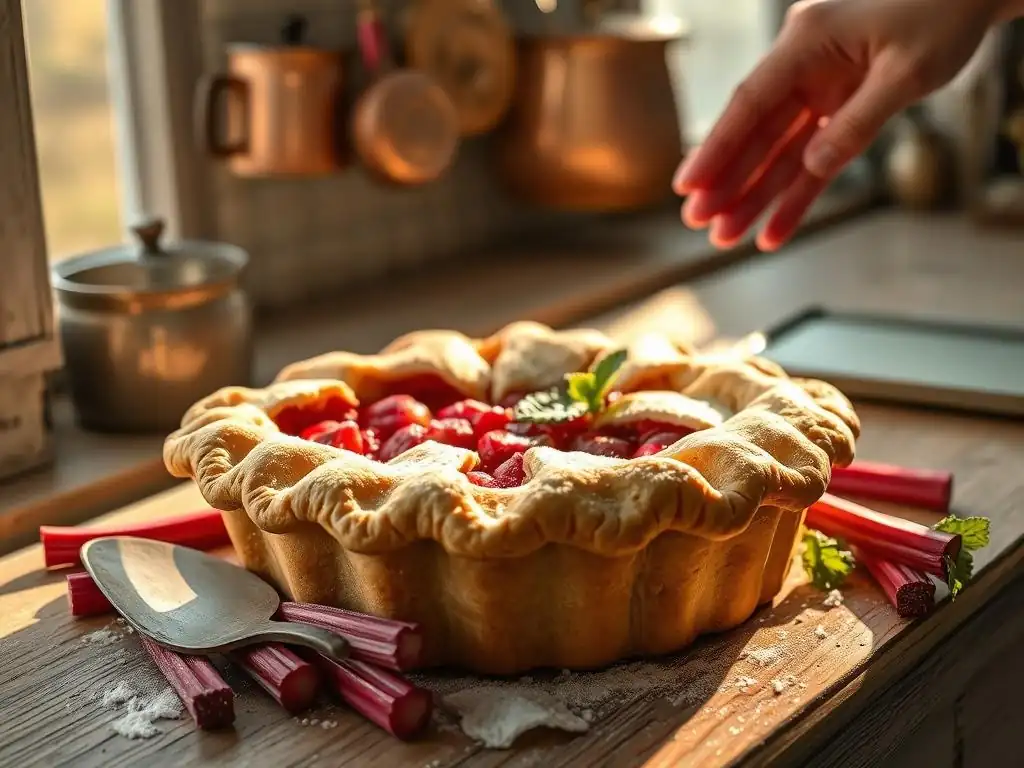
A soggy bottom crust is a common pitfall when baking fruit pies, particularly those with juicy fillings like rhubarb. To prevent this in your easy rhubarb pie recipe, consider blind baking the bottom crust as discussed earlier. This creates a pre-cooked barrier. Another technique is to brush the bottom crust with a thin layer of egg wash (an egg beaten with a tablespoon of water or milk) before adding the filling. The egg protein coagulates during baking, forming a waterproof layer.
Additionally, you can sprinkle a thin layer of dry breadcrumbs, crushed cookies (like graham crackers or vanilla wafers), or even a tablespoon of uncooked rice or quick oats on the bottom crust before adding the filling. These absorbent materials can soak up excess moisture released by the rhubarb, helping to keep the bottom crust crisp. Ensuring your oven is properly preheated and baking the pie on the lowest rack can also help direct heat towards the bottom crust.
Achieving the Perfect Rhubarb Pie Texture
The ideal rhubarb pie filling is tender, yielding rhubarb suspended in a thick, slightly gelled sauce – not a watery puddle. The type and amount of thickener used in your easy rhubarb pie recipe are key. Flour is a traditional thickener, but it can sometimes leave the filling a bit cloudy. Cornstarch is a stronger thickener than flour and results in a clearer filling, often used at a ratio of 2 tablespoons per 4 cups of fruit.
Tapioca starch (specifically instant tapioca) is another excellent choice for fruit pies. It thickens effectively, creates a clear filling, and works well with juicy fruits like rhubarb. About 3 tablespoons of instant tapioca per 5-6 cups of rhubarb is a good starting point. Allow the filling mixture to sit for 15 minutes before baking if using tapioca to give it time to absorb some liquid. Baking the pie until the filling is actively bubbling in the center confirms that the thickener has reached its activation temperature.
Adding Variations: Strawberry Rhubarb Pie and Other Twists
While a classic easy rhubarb pie recipe is delightful on its own, it's also a fantastic base for variations. The most popular twist is the classic strawberry rhubarb pie. The sweetness of strawberries perfectly complements the tartness of rhubarb. A common ratio is a 1:1 mix of chopped strawberries and rhubarb, keeping the overall fruit volume the same (5-6 cups). You might need slightly less sugar depending on the sweetness of the strawberries.
Other delicious additions include a tablespoon of fresh ginger (grated or finely minced) for a warm, spicy note, or the zest and a splash of juice from one orange to brighten the flavor profile. A cup of raspberries or blueberries can also be added to the rhubarb mix for extra color and flavor complexity. Don't be afraid to experiment with spices beyond cinnamon and nutmeg – a pinch of cardamom or a tiny amount of ground cloves can add intriguing depth to your simple rhubarb pie.
Serving and Storing Your Homemade Rhubarb Pie
Serving Suggestions: Warm or Cold?
One of the great debates among pie lovers is whether to serve rhubarb pie warm or cold. Serving your easy rhubarb pie recipe warm, perhaps 30-60 minutes after it comes out of the oven, allows the aromas to fill the air and the crust to retain a lovely crispness. A warm slice is particularly wonderful when paired with a scoop of cold vanilla ice cream, creating a delightful contrast of temperatures and textures. The melting ice cream mingling with the warm, sweet-tart filling is pure comfort.
However, serving rhubarb pie cold has its own merits. When chilled, the filling sets up more firmly, making for cleaner slices. Some people simply prefer the texture and flavor of cold fruit pie. A slice of cold simple rhubarb pie is excellent on its own, or perhaps topped with a dollop of freshly whipped cream. Ultimately, the best way to serve your homemade rhubarb pie is whichever way you enjoy it most!
Storing Rhubarb Pie: Keeping it Fresh
Proper storage ensures your easy rhubarb pie recipe stays delicious for as long as possible. A freshly baked fruit pie like rhubarb pie can typically be stored at room temperature for up to 24 hours, loosely covered with foil or plastic wrap. This is usually sufficient if you plan to finish it within a day.
For longer storage, especially in warmer environments, or if the pie contains dairy (like in the crust or if using a custard-style filling variation), it's best to refrigerate it. Cover the cooled pie tightly with plastic wrap or foil, or transfer slices to an airtight container. Refrigerated rhubarb pie will keep well for 3-4 days. To reheat a slice, you can warm it gently in a microwave or in a low oven (around 300°F or 150°C) until just heated through.
Troubleshooting Common Rhubarb Pie Problems
My Pie Crust is Tough: What Went Wrong?
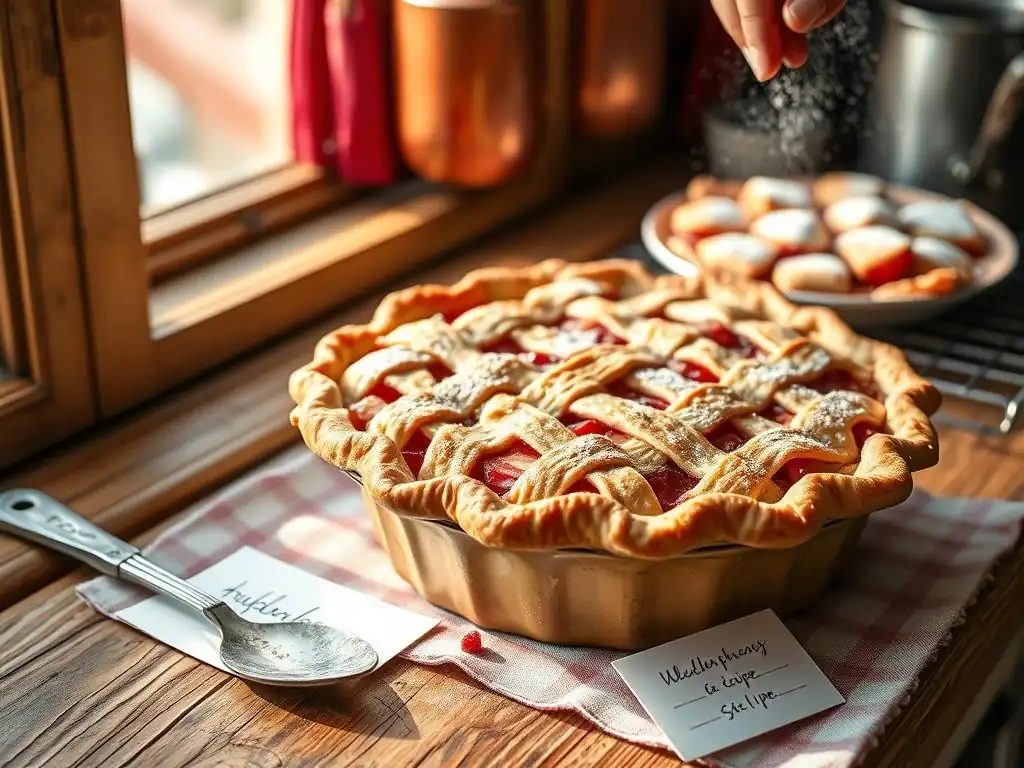
If your easy rhubarb pie recipe resulted in a tough crust, the most common culprit is overworking the dough. When you mix flour and water, gluten develops. The more you mix or handle the dough after adding liquid, the more gluten develops, leading to a tough, elastic texture rather than a tender, flaky one. Using cold ingredients and handling the dough just enough to bring it together is crucial.
Another reason for tough crust is adding too much liquid. Excess water creates more opportunity for gluten development. Add ice water gradually, just until the dough barely comes together. Warm ingredients can also contribute to toughness; warm fat incorporates too fully into the flour, inhibiting flakiness. Always start with cold butter or shortening and ice water. Re-chilling the dough if it becomes warm during rolling can also help prevent toughness.
My Rhubarb Pie Filling is Too Runny: How to Fix It
A runny filling in your easy rhubarb pie recipe often means the thickener wasn't sufficient or wasn't properly activated. Ensure you used the correct amount of thickener (flour, cornstarch, or tapioca starch) specified in your recipe. If using flour, some recipes benefit from slightly more. If using cornstarch or tapioca, make sure the filling gets hot enough to bubble vigorously in the oven, as this activates their thickening power.
Another cause is excess moisture from the rhubarb. If your rhubarb was very wet (e.g., frozen and not drained well), it could dilute the thickener. Some bakers pre-cook their rhubarb filling slightly on the stovetop before putting it in the pie shell to reduce some of the liquid.
If your baked pie is still too runny after cooling completely, it's difficult to fix the whole pie. For future attempts at your simple rhubarb pie, confirm thickener amounts, ensure proper baking time until bubbling, and consider blind baking the crust to give the filling more time to set without the bottom getting soggy.
My Pie is Burning on Top: Solutions and Prevention
If the top crust of your easy rhubarb pie is browning too quickly while the filling isn't yet bubbly, the oven temperature might be too high or the pie is positioned too close to the top heating element. A simple solution is to tent the pie loosely with aluminum foil. Create a dome shape with foil and place it over the pie about halfway through the baking time, or as soon as the crust reaches your desired level of goldenness.
To prevent this problem in the first place, ensure your oven thermostat is accurate (an oven thermometer can help). You can also try baking the pie on a lower oven rack, which provides more direct heat to the bottom crust and less intense heat to the top. Some bakers also place a pie shield (a silicone ring that fits around the crust edge) from the start or partway through baking to protect the crimped edges from burning.
Enjoy Your Easy Rhubarb Pie Recipe from BakeWithEase!
Celebrate Spring with This Classic Dessert
You've successfully navigated the steps to creating a beautiful and delicious easy rhubarb pie! From selecting the perfect rhubarb to achieving a flaky crust and bubbly filling, you've mastered the fundamentals of this beloved spring dessert. The aroma filling your kitchen is the first reward, promising a delightful balance of sweet and tart flavors.
Making a simple rhubarb pie from scratch is a rewarding experience that connects you to seasonal baking traditions. Whether you serve it warm with ice cream or chilled with whipped cream, this homemade treat is sure to be a hit. We hope this easy rhubarb pie recipe from BakeWithEase becomes a staple in your spring baking repertoire, bringing joy to your table season after season.
Frequently Asked Questions
What makes this rhubarb pie recipe so easy?
This recipe emphasizes simple ingredients and straightforward steps, eliminating complex techniques often found in traditional pie recipes. We focus on achieving delicious results without requiring advanced baking skills.
What kind of rhubarb should I use for the easy rhubarb pie recipe?
You can use either garden-fresh rhubarb or frozen rhubarb. If using frozen, thaw it beforehand and drain off any excess liquid to prevent a soggy pie crust.
How can I prevent my rhubarb pie from being too tart?
The key is to balance the rhubarb's tartness with sufficient sugar. Our recipe provides a balanced ratio, but you can adjust it slightly to your personal preference.
Can I make the pie crust ahead of time for this easy rhubarb pie recipe?
Absolutely! Making the pie crust ahead of time is a great time-saver. Wrap it tightly in plastic wrap and store it in the refrigerator for up to 2 days or the freezer for up to 2 months.
What are some tips for ensuring a perfectly golden and flaky pie crust when baking this easy rhubarb pie recipe?
Ensure your ingredients are cold when making the crust. Also, avoid overworking the dough, and consider using a pie shield during baking to prevent the crust edges from burning.
Final Reflection: The Sweetness of Simplicity in Baking
Mastering the art of rhubarb pie isn't about complex techniques; it's about understanding the fundamental interplay of sweet and tart. This seemingly simple dessert holds a surprising depth, a testament to the power of quality ingredients and a few well-executed steps. The ease with which you can create a delicious rhubarb pie, as outlined in this guide, makes it accessible to everyone, regardless of baking experience.
The enduring appeal of rhubarb pie lies not just in its deliciousness, but in its ability to connect us to simpler times, to the comforting rituals of home baking. It's a recipe that transcends generations, passed down through families, each baker adding their own personal touch. Baking is at once child's play and adult joy. And love, of course.
This quote perfectly captures the spirit of this classic dessert; it's a labor of love that yields immense satisfaction. The process itself, from selecting the perfect rhubarb to the final dusting of powdered sugar, is a meditative experience, a welcome escape from the hustle of daily life.
Now, I invite you to roll up your sleeves and embark on your own rhubarb pie journey. Don't be intimidated by the seemingly simple steps; embrace the process, experiment with variations, and most importantly, savor the sweet reward of your creation. Share your pie with loved ones, and let the simple act of baking bring a little extra sweetness into your life. The journey to mastering rhubarb pie is just the beginning; let it inspire you to explore the boundless possibilities within the world of baking.
Unlock Your Inner Pastry Chef: Bake the Perfect Rhubarb Pie!
Thanks for joining us on this delicious journey into the world of rhubarb pie! We hope you've gained the confidence and knowledge to create a truly unforgettable dessert. Ready to take your baking skills to the next level?
- Bake your masterpiece: Gather your ingredients and put your newfound knowledge to the test! Follow the recipe, and don't be afraid to experiment with different spices or toppings. This is your pie, so make it shine!
- Share your success: Snap a photo of your beautiful rhubarb pie and share it on social media – tag us @BakeWithEase! We'd love to see your creation.
- Explore more rhubarb recipes: Dive into our extensive recipe library for even more delicious ways to use this versatile fruit. You might be surprised by what you discover!
What's your favorite unexpected ingredient to add to a rhubarb pie? Let us know in the comments below!