
The Ultimate Guide to Homemade Popsicle Flavors

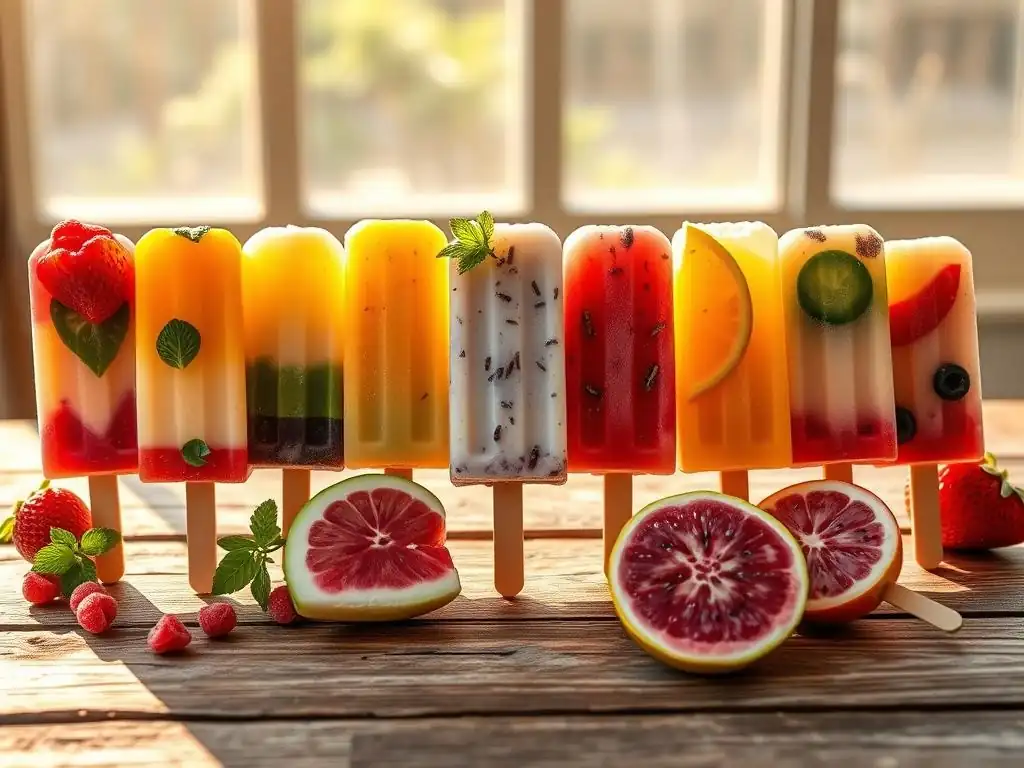
Welcome to BakeWithEase, your trusted guide to baking bliss! Ever dreamt of crafting the perfect, refreshing treat on a hot summer day? Dive into our Ultimate Guide to Homemade Popsicle Flavors and unlock a world of delicious possibilities. Forget store-bought options – we're about to reveal the secrets to creating incredible, vibrant, and utterly irresistible frozen delights. What unique flavor combinations await your tastebuds? Let's explore!
- Introduction: Beat the Heat with Delicious Homemade Popsicles
- Essential Equipment for Making Homemade Popsicles
- Mastering the Base: Simple Popsicle Recipes to Start With
- Unleashing Your Creativity: Unique Homemade Popsicle Flavor Combinations
- Pro Tips for Perfect Homemade Popsicles
- Delicious Homemade Popsicle Recipes: Step-by-Step Guides
- Storing Your Homemade Popsicles for Maximum Freshness
- Troubleshooting Common Popsicle Making Problems
- Conclusion: Enjoy Your Frozen Creations and Experiment with Flavors
-
Frequently Asked Questions
- What are some easy homemade popsicle flavor combinations for beginners?
- How can I prevent my homemade popsicles from becoming too icy?
- What are some unique and unexpected flavor combinations for homemade popsicles?
- What are some tips for layering different flavors in my homemade popsicles?
- Can I use alcoholic beverages in my homemade popsicles, and if so, how much?
- Final Reflection: The Sweet Symphony of Homemade Flavor
- Unlock Your Inner Popsicle Artist!
Introduction: Beat the Heat with Delicious Homemade Popsicles
Why Make Your Own Popsicles? Freshness and Flavor Control
Making popsicles at home offers unparalleled control over the ingredients you use, ensuring maximum freshness and quality. Unlike many store-bought varieties that might contain artificial flavors, colors, and excessive sugar, you can choose ripe, seasonal fruits and natural sweeteners. This means your frozen treats are not only delicious but also tailored to your health preferences, whether you prefer less sugar, organic ingredients, or need to accommodate dietary restrictions like dairy allergies or gluten intolerance.
Beyond health benefits, crafting your own popsicles is significantly more cost-effective. A single store-bought gourmet popsicle might cost anywhere from $2 to $5, while a batch of 8-12 homemade popsicles using fresh fruit might cost just a few dollars in total ingredients. It's a fun, engaging activity for individuals or families, transforming simple ingredients into delightful frozen creations. Plus, the satisfaction of enjoying a treat you made yourself, perfectly suited to your taste buds, is truly rewarding.
The Appeal of Creative Popsicle Combinations
One of the most exciting aspects of making popsicles at home is the vast universe of flavor possibilities you can explore. You're not limited to the standard few options found in the freezer aisle. From classic fruit blends to adventurous pairings involving herbs, spices, or even creamy textures, the potential for unique homemade popsicle flavor combinations is virtually limitless. This creative freedom allows you to tailor flavors to specific occasions, seasons, or simply your current cravings.
Experimenting with different bases – like fruit juice, yogurt, coconut milk, or even brewed tea – opens up even more avenues for innovation. You can recreate beloved dessert flavors in frozen form, like cookies and cream, or invent entirely new taste experiences, perhaps combining tropical fruits with a hint of chili or pairing berries with fresh basil. Discovering your favorite homemade popsicle flavor combinations is a delicious journey in itself, making every batch an exciting new adventure in the kitchen.
Essential Equipment for Making Homemade Popsicles
Popsicle Molds: Choosing the Right Type for Your Needs
Popsicle molds are the fundamental tool for creating perfectly shaped frozen treats. They come in a variety of materials, including plastic, silicone, and stainless steel. Plastic molds are often the most budget-friendly and widely available, typically coming with reusable sticks. Silicone molds offer flexibility, making it easier to release the frozen pops, and often come in fun shapes. Stainless steel molds are durable, non-reactive, and considered a more eco-friendly option, though they tend to be more expensive.
When selecting molds, consider the number of popsicles you want to make at once (molds typically range from 4 to 10 cavities), the size and shape of the pops, and ease of cleaning. Some molds require traditional wooden popsicle sticks, while others come with integrated reusable plastic handles. For easy removal, particularly with plastic or stainless steel molds, a quick dip in warm water for 10-20 seconds is often recommended to loosen the popsicle.
Blenders and Food Processors: Achieving the Perfect Texture
Achieving a smooth, consistent texture is key to delicious popsicles, especially when using fresh or frozen fruits and vegetables. A good blender or food processor is essential for breaking down ingredients, ensuring there are no large chunks unless desired for texture contrast. High-powered blenders are excellent for creating very smooth purees, capable of handling fibrous fruits and even leafy greens for healthier options.
For recipes involving creamier bases like yogurt or coconut milk, or those incorporating solid add-ins like cookie pieces or chocolate chips, a food processor or a standard blender works well. Ensure your equipment can handle frozen fruit if you plan to use it directly, as this can create a thicker, colder mixture that freezes faster. Proper blending ensures flavors are evenly distributed and prevents separation during the freezing process, resulting in uniform homemade popsicle flavor combinations.
Other Useful Tools: Measuring Cups, Spoons, and Funnels
Beyond the main equipment, a few basic kitchen tools will make your popsicle-making process much smoother. Accurate measuring cups and spoons are crucial for following recipes and ensuring the right balance of sweetness and flavor, especially when experimenting with different homemade popsicle flavor combinations. Consistency in measurements helps replicate successful batches.
Funnels are incredibly helpful for neatly pouring your liquid mixture into the popsicle molds without spills, which can be particularly tricky with molds that have small openings. A whisk or spoon is needed for stirring ingredients, especially when combining different liquids or incorporating sweeteners. Having these simple tools on hand streamlines the process from preparation to pouring, making homemade popsicle creation enjoyable and mess-free.
Mastering the Base: Simple Popsicle Recipes to Start With
Classic Fruit Popsicle Base: A Foundation for Flavor
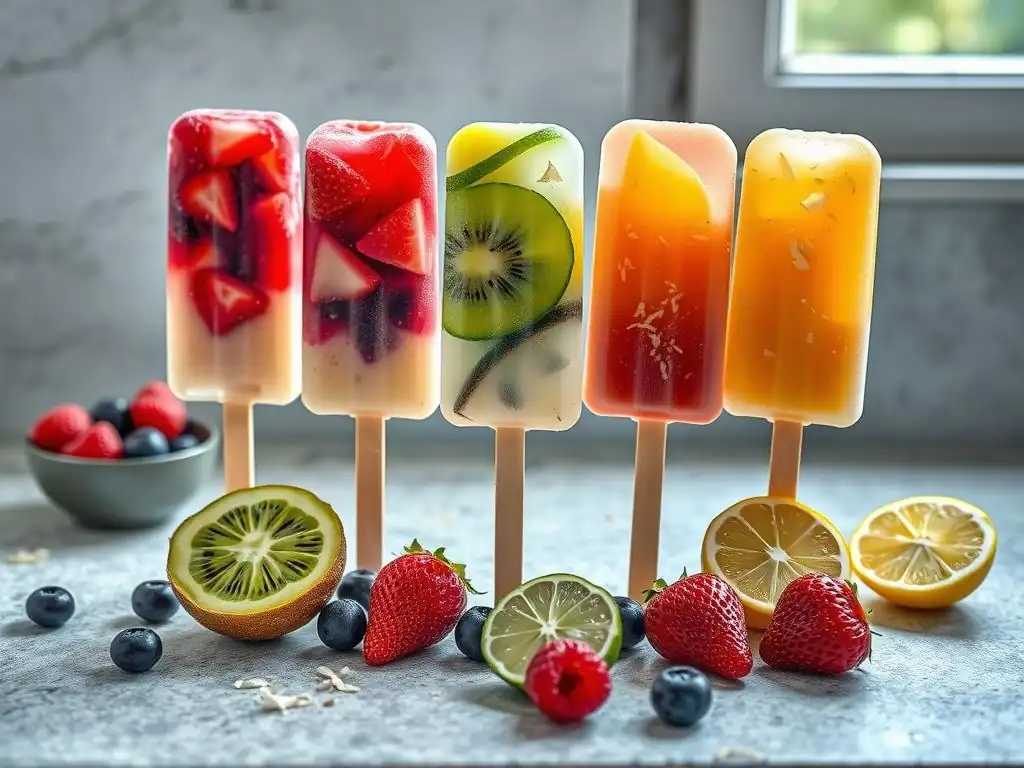
The classic fruit popsicle base is perhaps the simplest and most versatile starting point. It typically involves blending fresh or frozen fruit with a liquid, such as water, fruit juice (like apple or orange), or even a light simple syrup. The ratio of fruit to liquid can be adjusted based on the desired intensity of flavor and sweetness. A common starting point is about 2 parts fruit to 1 part liquid, though this varies greatly depending on the fruit's juiciness.
For example, a basic strawberry base might use 2 cups of hulled strawberries blended with 1 cup of water or apple juice and perhaps a tablespoon or two of honey or sugar, depending on the berries' sweetness. This simple base is the perfect canvas for exploring various fruit-forward homemade popsicle flavor combinations, from single-fruit options like pure mango or watermelon to exciting mixes like pineapple-coconut or berry-lemon.
Creamy Yogurt Popsicle Base: Richness and Tang
A creamy yogurt base adds a delightful richness and a pleasant tang to homemade popsicles. Greek yogurt is a popular choice due to its thickness and protein content, but regular yogurt works well too. This base is often combined with fruit purees, honey, maple syrup, or other flavorings like vanilla extract. The natural acidity of yogurt can balance the sweetness of added fruits or sweeteners.
Creating a yogurt base might involve mixing 1 cup of plain or vanilla yogurt with 1/2 cup of fruit puree (like peach or cherry) and sweetener to taste. This base lends itself beautifully to dessert-style homemade popsicle flavor combinations, such as strawberry cheesecake (using cream cheese and graham cracker crumbs), key lime pie (with lime juice and zest), or simple fruit-on-the-bottom style popsicles by layering yogurt mixture with fruit puree.
Coconut Milk Popsicle Base: Dairy-Free and Creamy
For a dairy-free yet wonderfully creamy popsicle, coconut milk is an excellent choice. Full-fat canned coconut milk provides the richest texture, mimicking the mouthfeel of dairy-based popsicles. Lighter coconut milk from a carton can also be used for a less rich, more hydrating option. This base pairs exceptionally well with tropical fruits but is also versatile enough for other flavor profiles.
A basic coconut milk base could involve blending 1 can (about 13.5 oz or 400ml) of full-fat coconut milk with sweetener (like agave or maple syrup) and flavorings such as vanilla or extracts. Combining this base with fruit purees like mango, pineapple, or passion fruit creates luscious, tropical homemade popsicle flavor combinations. It also works well for richer flavors like chocolate or coffee, offering a creamy alternative for those avoiding dairy.
Unleashing Your Creativity: Unique Homemade Popsicle Flavor Combinations
Fruity Popsicle Flavor Ideas: Sweet and Tangy Delights
Fruity popsicles are a quintessential summer treat, and the possibilities for combining flavors are endless. Starting with simple pairings allows you to explore how different fruits interact. For instance, the classic combination of strawberries and bananas yields a naturally sweet and creamy texture, while tart berries like raspberries or cranberries pair beautifully with citrus notes.
Consider unexpected fruit pairings that offer complex flavors. A blend of ripe peaches with a splash of lime juice creates a vibrant, slightly tart pop. Mixing watermelon with cucumber and a touch of mint provides an incredibly refreshing and hydrating option. Don't hesitate to combine different types of berries or mix tropical fruits like pineapple with papaya for exotic homemade popsicle flavor combinations.
Raspberry Lemonade Popsicles: A Refreshing Classic
Raspberry lemonade is a beloved drink flavor that translates perfectly into a bright, tangy popsicle. To make these, you'd typically blend fresh or frozen raspberries with freshly squeezed lemon juice, water, and a sweetener like sugar, honey, or agave nectar. The key is balancing the tartness of the raspberries and lemon with just enough sweetness.
A common ratio might be 1 cup of raspberries, 1/4 cup fresh lemon juice, 1 cup water, and 1/4 cup sweetener, adjusted to taste. Straining the mixture after blending can remove seeds for a smoother texture, though leaving them in adds a rustic appeal. These popsicles are a vibrant pink or red hue, making them visually appealing as well as deliciously tart and sweet.
Strawberry Banana Popsicles: Simple and Sweet
The combination of strawberries and bananas is a classic for a reason – it's naturally sweet, creamy, and widely loved. Ripe bananas provide a wonderful natural sweetness and smooth texture, reducing the need for added sugar, while strawberries add bright flavor and color.
To make strawberry banana popsicles, blend ripe bananas with fresh or frozen strawberries. A good starting ratio is often 1 part banana to 2 parts strawberries, though you can adjust based on preference. Adding a splash of milk (dairy or non-dairy) or yogurt can enhance the creaminess. This is one of the easiest and most forgiving homemade popsicle flavor combinations, perfect for beginners.
Blueberry Lavender Popsicles: Floral and Fruity
For a sophisticated and aromatic twist on a fruity pop, consider the pairing of blueberries and lavender. The sweet-tart flavor of blueberries is beautifully complemented by the subtle, calming floral notes of culinary lavender. This combination offers a unique taste experience beyond standard fruit pops.
Creating these involves simmering blueberries with a small amount of water and culinary lavender (ensure it's food-grade and unsprayed) to infuse the flavor, then straining out the lavender before blending the blueberries. Alternatively, make a lavender simple syrup to add to a blueberry puree. A typical ratio might be 1 cup of blueberry puree to a few tablespoons of lavender syrup, adjusted carefully as lavender can be potent. This is a more adventurous but highly rewarding addition to your repertoire of homemade popsicle flavor combinations.
Creamy Popsicle Flavor Inspirations: Indulgent Treats
Creamy popsicles offer a richer, more dessert-like experience. Using bases like yogurt, coconut milk, heavy cream, or even avocado can create a smooth, melt-in-your-mouth texture. These bases are perfect for mimicking popular dessert flavors or creating decadent new ones.
Think beyond just fruit. Creamy bases are ideal for incorporating ingredients like chocolate, nuts, coffee, or even spices. Vanilla bean, cinnamon, or a hint of cardamom can elevate a simple cream base. These popsicles often feel more like a frozen dessert bar than a traditional ice pop, offering a satisfyingly indulgent treat perfect for cooling down.
Cookies and Cream Popsicles: A Sweet Treat
Translating the beloved flavor of cookies and cream into a frozen pop is surprisingly simple and incredibly delicious. This involves incorporating crushed chocolate sandwich cookies into a creamy base, typically made from milk, cream, or a blend of both, often with added sugar and vanilla extract.
A popular method is to create a sweet cream base (like a thin ice cream mix without churning) and stir in generous amounts of crushed cookies just before pouring into molds. Some variations blend a portion of the cookies into the base for flavor throughout, while leaving larger chunks for texture. Using about 1/2 cup of crushed cookies per 2 cups of liquid base yields a good cookie distribution. This is a guaranteed crowd-pleaser among homemade popsicle flavor combinations.
Peanut Butter Banana Popsicles: A Flavorful Combination
Peanut butter and banana are a classic pairing that works exceptionally well in a creamy popsicle. The natural sweetness and creaminess of ripe bananas blend perfectly with the rich, nutty flavor of peanut butter. This combination often requires minimal added sugar, relying on the fruit's natural sweetness.
Blend ripe bananas with peanut butter (smooth or crunchy) and a liquid base like milk (dairy or non-dairy), yogurt, or coconut milk. A ratio of 2 ripe bananas to 1/4 cup peanut butter and 1 cup milk is a good starting point. Adding a touch of honey or maple syrup can boost sweetness if needed. This provides a satisfyingly creamy and flavorful pop, reminiscent of a frozen smoothie.
Salted Caramel Popsicles: Sweet and Salty
For those who love the irresistible combination of sweet and salty, salted caramel popsicles are a dream come true. This involves creating a caramel sauce, either from scratch or using a high-quality store-bought version, and incorporating it into a creamy base. The hint of salt cuts through the sweetness of the caramel, creating a complex and addictive flavor.
A typical approach is to whisk caramel sauce into a base of milk, cream, or coconut milk, perhaps with a bit of brown sugar for depth. Adding a pinch of sea salt is crucial to achieve the signature salted caramel taste. Swirling the caramel sauce into a plain cream base just before freezing can create beautiful marbled patterns. This is a more gourmet entry into homemade popsicle flavor combinations, offering a sophisticated treat.
Herb and Spice Infused Popsicle Recipes: Adding Depth and Complexity
Incorporating fresh herbs and warm spices can elevate popsicles beyond simple sweetness, adding layers of complexity and refreshing or comforting notes. Herbs like mint, basil, cilantro, or rosemary pair surprisingly well with fruits, offering bright, aromatic counterpoints. Spices like ginger, cinnamon, cardamom, or even a pinch of chili can add warmth and intrigue.
Infusing liquids (like water, milk, or juice) with herbs or spices before blending with fruit or a creamy base is a common technique. This allows the flavors to meld without leaving fibrous bits in the final product. These combinations are often less common but offer unique and memorable homemade popsicle flavor combinations for the adventurous palate.
Mint Chocolate Chip Popsicles: A Refreshing Dessert
Mint and chocolate are a classic pairing, and bringing them into a popsicle offers a cooling, refreshing dessert. This typically involves infusing a creamy base with fresh mint or peppermint extract and adding chocolate in the form of chips, shavings, or a swirl of chocolate sauce.
For a vibrant mint flavor, steep fresh mint leaves in warm milk or cream, then strain before cooling and mixing with other ingredients like sugar and vanilla. Alternatively, a few drops of peppermint extract can be used, but be cautious as it's potent. Stir in mini chocolate chips or finely chopped chocolate for the "chip" element. This creates a cool green (if using food coloring, otherwise it will be off-white) and chocolatey pop that's incredibly satisfying.
Ginger Peach Popsicles: A Zesty Combination
The sweet, slightly fuzzy flavor of ripe peaches finds a perfect partner in the warm, zesty kick of ginger. This combination is both refreshing and warming in a subtle way, making for a unique and flavorful popsicle. Fresh ginger adds a more vibrant, spicy note than ground ginger.
To make these, blend ripe peaches into a puree. Grate fresh ginger and either blend a small amount directly into the peach puree or, for a smoother finish, simmer grated ginger in a small amount of water to make a ginger syrup, then strain and add to the peach puree. The amount of ginger can be adjusted based on how much zest you prefer. This creates a beautiful orange-hued pop with a delightful spicy undertone.
Cinnamon Apple Popsicles: Warm and Comforting
Bringing the comforting flavors of apple pie into a frozen treat might seem counterintuitive, but cinnamon apple popsicles are surprisingly delicious and perfect for a crisp autumn day or whenever you crave cozy flavors. This combination relies on the natural sweetness of apples enhanced by the warm spice of cinnamon.
Simmer chopped apples with a little water, cinnamon sticks or ground cinnamon, and perhaps a touch of brown sugar until soft. Puree the mixture until smooth. A splash of lemon juice can brighten the flavor and prevent browning. For extra creaminess, you can mix the apple puree with a bit of yogurt or coconut milk. These popsicles offer a taste of fall in a refreshing, frozen format, showcasing a different side of homemade popsicle flavor combinations.
Pro Tips for Perfect Homemade Popsicles
Achieving the Right Sweetness Level: Natural Sweeteners vs. Sugar
Controlling sweetness is key to a balanced popsicle, as freezing can dull flavors slightly. When using fruit, its natural sweetness is a major factor. Very ripe fruit requires less added sweetener than tart varieties. Taste your mixture before freezing – it should taste slightly sweeter than you want the final popsicle to be.
You can use granulated sugar, but natural sweeteners like honey, maple syrup, agave nectar, or date puree also work well and can add subtle flavor notes. For low-sugar options, consider using ripe fruit alone or incorporating sugar substitutes, though the texture might be affected. Experimenting with different sweeteners and quantities is part of finding your perfect homemade popsicle flavor combinations.
Preventing Ice Crystals: Techniques for Smooth Texture
One common issue with homemade popsicles is the formation of large ice crystals, which results in a less smooth, sometimes crunchy texture. This often happens when there is too much water in the mixture. Using ripe, less watery fruits or incorporating ingredients like sugar, fat (from cream, yogurt, or coconut milk), or alcohol (in very small amounts, though generally avoided in popsicles) can help lower the freezing point and create a smoother consistency.
Adding a small amount of a stabilizer like corn syrup, honey, or even a tiny pinch of xanthan gum (used sparingly as per package directions) can also help inhibit crystal formation. Freezing the popsicles quickly and at a consistent, very cold temperature (like -10°F or -23°C) is also beneficial. Ensure your freezer door isn't opened frequently while they set.
Layering Flavors and Colors: Creating Visually Appealing Popsicles
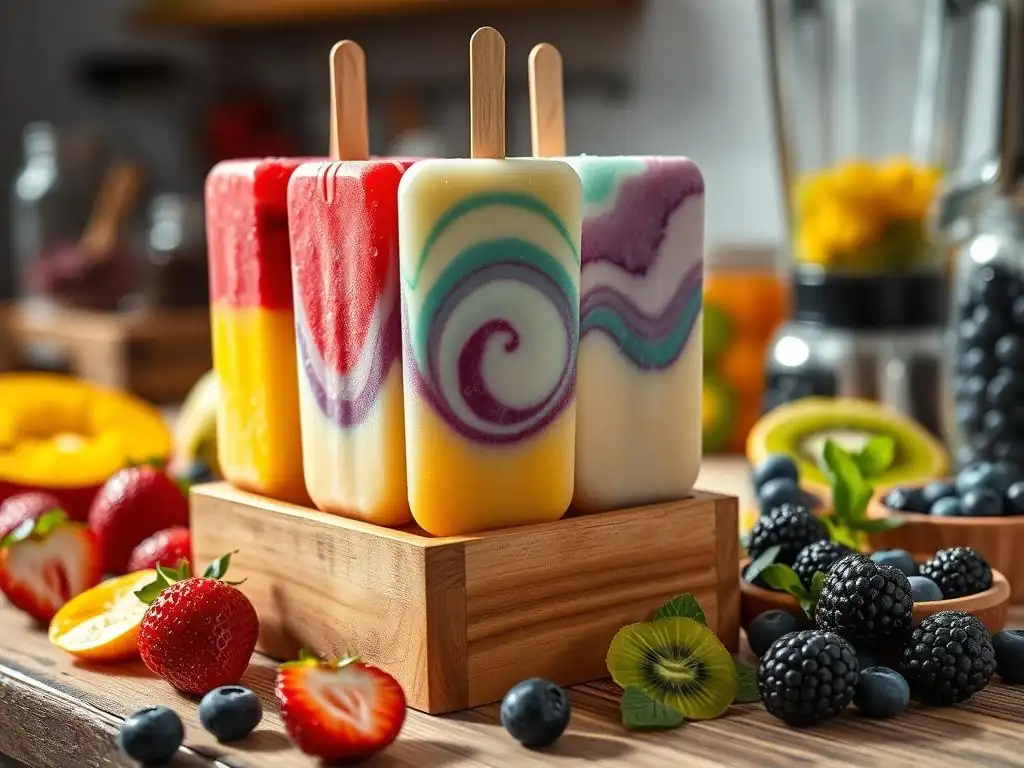
Layering different flavored mixtures in your molds can create beautiful, multi-colored, and multi-flavored popsicles. To achieve distinct layers, freeze each layer partially before adding the next. Pour in the first layer and freeze for 30-60 minutes, or until slushy but not completely solid. Then carefully pour in the next layer and repeat.
Consider complementary homemade popsicle flavor combinations for layering, such as strawberry and lemonade, mango and coconut, or different berry colors. The thickness of your mixtures matters; thicker purees will layer more easily than very thin liquids. This technique requires a bit more time and patience but results in stunning, impressive popsicles.
Adding Texture: Fruit Pieces, Chocolate Shavings, and More
Adding small pieces of fruit, chocolate chips, nuts, or even cookie chunks can provide delightful bursts of texture and flavor within your popsicles. These additions make the eating experience more interesting and can enhance specific homemade popsicle flavor combinations.
Ensure any solid additions are small enough to fit within the mold and won't prevent the popsicle from freezing solid. Stir them into your mixture just before pouring into the molds, distributing them as evenly as possible. For ingredients that tend to sink (like chocolate chips), you might need to give the mixture a quick stir between filling each mold cavity to ensure even distribution.
Delicious Homemade Popsicle Recipes: Step-by-Step Guides
Recipe 1: Strawberry Basil Popsicles
This recipe combines the sweetness of strawberries with the aromatic, slightly peppery notes of fresh basil for a surprisingly refreshing twist.
Ingredients List
- 2 cups fresh or frozen strawberries, hulled
- 1/4 cup fresh basil leaves, packed
- 1/4 cup water or orange juice
- 1-3 tablespoons honey or sugar (adjust to taste based on strawberry sweetness)
- 1 tablespoon fresh lemon juice (optional, for brightness)
Step-by-Step Instructions
- Wash and hull the strawberries. If using frozen, let them thaw slightly or use a powerful blender.
- Gently wash the basil leaves.
- Combine strawberries, basil leaves, water or juice, sweetener, and lemon juice (if using) in a blender.
- Blend until completely smooth. Taste and adjust sweetness if necessary.
- Pour the mixture into your popsicle molds, leaving about 1/2 inch of space at the top (liquid expands when freezing).
- Insert popsicle sticks.
- Freeze for at least 4-6 hours, or until completely solid.
- To unmold, briefly run the outside of the mold under warm water (10-20 seconds).
Recipe 2: Mango Coconut Popsicles
A tropical delight, these popsicles are creamy, sweet, and full of sunny flavor, perfect for exploring delicious homemade popsicle flavor combinations.
Ingredients List
- 2 cups ripe mango chunks (fresh or frozen)
- 1 can (13.5 oz / 400ml) full-fat coconut milk
- 2-4 tablespoons maple syrup or agave nectar (adjust to taste)
- 1/2 teaspoon vanilla extract (optional)
Step-by-Step Instructions
- If using fresh mango, peel and cut it into chunks. If using frozen, you may need a powerful blender or let it thaw slightly.
- Combine mango chunks, coconut milk, maple syrup or agave, and vanilla extract (if using) in a blender.
- Blend until the mixture is smooth and creamy. Taste and adjust sweetness as needed.
- Pour the mixture into your popsicle molds, again leaving a little room at the top.
- Insert popsicle sticks.
- Freeze for at least 4-6 hours, or until completely solid.
- Unmold by briefly running the outside of the mold under warm water.
Recipe 3: Watermelon Mint Popsicles
Incredibly refreshing and hydrating, these popsicles are simple, light, and bursting with summery taste.
Ingredients List
- 4 cups seedless watermelon chunks
- 1/4 cup fresh mint leaves
- 1 tablespoon fresh lime juice (optional, for zest)
- 1-2 tablespoons sugar or honey (optional, depending on watermelon sweetness)
Step-by-Step Instructions
- Cut the watermelon into chunks, removing any seeds.
- Gently wash the mint leaves.
- Combine watermelon chunks, mint leaves, lime juice (if using), and sweetener (if needed) in a blender.
- Blend until smooth. For a perfectly smooth popsicle, you can strain the mixture through a fine-mesh sieve to remove any pulp or small mint pieces, though leaving them in is fine.
- Taste and adjust sweetness.
- Pour the mixture into popsicle molds, leaving space at the top.
- Insert popsicle sticks.
- Freeze for at least 4-6 hours, or until completely solid.
- Unmold by briefly running the outside of the mold under warm water.
Storing Your Homemade Popsicles for Maximum Freshness
Proper Freezing Techniques: Preventing Freezer Burn
To ensure your homemade popsicles maintain their quality and flavor over time, proper freezing techniques are essential. Once your popsicles are fully frozen in their molds, the next step is to protect them from freezer burn. Freezer burn occurs when frozen food is exposed to air, causing dehydration and oxidation, leading to dry, discolored spots and loss of flavor.
The best way to prevent this is to minimize air contact. Ensure your freezer is kept at a consistent temperature, ideally around 0°F (-18°C) or colder. Avoid placing hot items in the freezer, as this can cause temperature fluctuations that affect everything inside. Once popsicles are solid, remove them from the mold for longer-term storage.
Best Practices for Popsicle Storage: Containers and Wraps
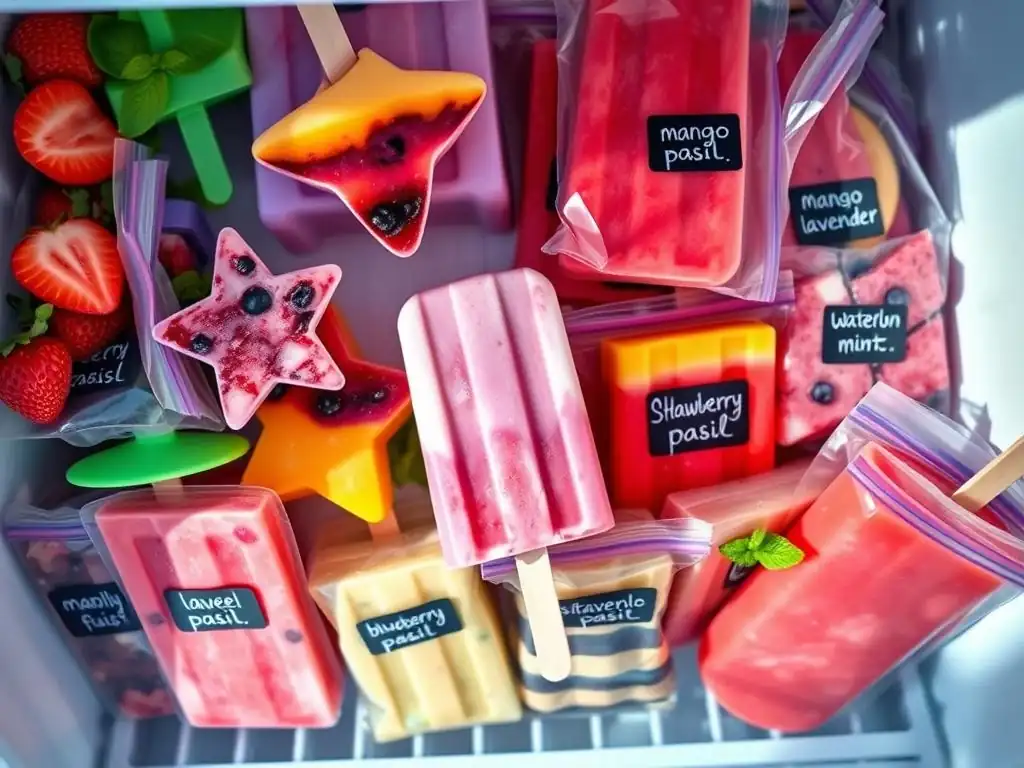
For optimal storage after unmolding, wrap each individual popsicle tightly. Plastic wrap is a common choice, ensuring a close seal around the pop. Reusable options include beeswax wraps or silicone food wraps designed for freezing. This individual wrapping protects each popsicle from air exposure and prevents them from sticking together.
Once individually wrapped, store the popsicles in an airtight container or a heavy-duty freezer bag. This provides a second layer of protection against air and freezer odors. Stored correctly, homemade popsicles can maintain good quality for several weeks, though the texture and flavor are often best enjoyed within the first 2-3 weeks. Clearly label the container with the flavor and date to keep track of your delicious homemade popsicle flavor combinations.
Troubleshooting Common Popsicle Making Problems
Popsicles Not Freezing Properly
If your popsicles aren't freezing solid, several factors could be at play. First, check your freezer temperature; it might not be cold enough. Ensure the molds are placed in the coldest part of the freezer, usually towards the back. Overfilling the molds can also hinder freezing, as can using a mixture with too much sugar or alcohol (though alcohol is rarely used in typical homemade popsicles).
Another cause could be a mixture that is too thin or has too much water content. Adding a bit more fruit puree, yogurt, or a thickener like a tiny pinch of xanthan gum can help. Sometimes, simply giving them more time is the solution; very large popsicles or those made with creamy bases can take up to 8 hours or even longer to freeze completely solid.
Popsicles Sticking to the Mold
Popsicles sticking stubbornly to the mold is a frustrating but common issue. Plastic molds can be particularly prone to this. The most reliable solution is to use the warm water trick: briefly dip the bottom and sides of the mold (up to the top of the popsicle level) into a container of warm, not hot, water for about 10-20 seconds.
Avoid holding it in the water for too long, or your popsicle will start to melt. The slight warming of the mold material helps it expand just enough to release the frozen pop. For silicone molds, gently pushing from the bottom usually works. Stainless steel molds often benefit from a brief warm water dip as well. Patience and a gentle twist are key when trying to extract your delicious homemade popsicle flavor combinations.
Popsicles with an Icy Texture
As mentioned earlier, an icy or crunchy texture is usually caused by the formation of large ice crystals, often due to high water content or slow freezing. If your popsicles turn out icy, analyze your recipe. Did you use a lot of watery fruit like watermelon or cucumber without balancing it with something creamier or a stabilizer?
To improve texture in future batches, try reducing the amount of water or juice and increasing the proportion of fruit puree, yogurt, or coconut milk. Adding a small amount of sugar, honey, or corn syrup can also help create a smoother consistency by interfering with crystal formation. Ensure your freezer is cold and the popsicles freeze quickly to minimize the time crystals have to grow large.
Conclusion: Enjoy Your Frozen Creations and Experiment with Flavors
The Joy of Homemade Popsicles: A Refreshing and Rewarding Experience
Making homemade popsicles is a delightful way to beat the heat and enjoy fresh, flavorful treats tailored exactly to your liking. From selecting your favorite fruits to blending creative ingredients, the process is enjoyable and the results are incredibly satisfying. You have complete control over the quality of ingredients, sweetness levels, and dietary considerations, making them a healthier alternative to many store-bought options.
Sharing your homemade creations with family and friends adds to the experience, bringing smiles with every frozen bite. Whether you're making a simple fruit pop or an elaborate creamy dessert popsicle, the sense of accomplishment is as sweet as the treat itself. It's a perfect kitchen activity for bakers of all levels, requiring minimal skill but yielding maximum deliciousness.
Encouragement to Try New Homemade Popsicle Flavor Combinations.
Don't be afraid to step outside the box and experiment with new homemade popsicle flavor combinations! The world of flavors is vast, and your kitchen is the perfect laboratory. Try pairing fruits with herbs, mixing creamy bases with unexpected spices, or recreating your favorite dessert flavors in frozen form.
Think about seasonal ingredients – berries in summer, apples and cinnamon in fall, citrus in winter. Consider adding small pieces of fruit, chocolate chips, or nuts for added texture. Keep notes on what you try, what works, and what you'd change next time. The beauty of making popsicles at home is that you can continuously explore and refine your favorite homemade popsicle flavor combinations, ensuring you always have a unique and refreshing treat ready to enjoy.
Frequently Asked Questions
What are some easy homemade popsicle flavor combinations for beginners?
For a simple start, try fruit purees like strawberry and banana, or even just blended berries with a touch of honey. These options require minimal preparation and are very refreshing!
How can I prevent my homemade popsicles from becoming too icy?
Adding a small amount of sugar or corn syrup can help prevent large ice crystals from forming. Also, using ripe fruit contributes to a smoother texture.
What are some unique and unexpected flavor combinations for homemade popsicles?
Consider combining herbs with fruits, such as basil with strawberry or mint with watermelon. Don't be afraid to experiment with spices like ginger or chili!
What are some tips for layering different flavors in my homemade popsicles?
Partially freeze each layer before adding the next to prevent them from mixing. Use different densities of liquids to help them separate.
Can I use alcoholic beverages in my homemade popsicles, and if so, how much?
Yes, but use sparingly! Too much alcohol will prevent the popsicle from freezing solid. Stick to small amounts of liqueurs or wine and adjust to your taste.
Final Reflection: The Sweet Symphony of Homemade Flavor
The art of crafting homemade popsicles isn't just about beating the heat; it's about unlocking a world of creative culinary expression. From the simplest fruit combinations to the most adventurous gourmet blends, the possibilities are truly endless, and the resulting refreshment is unparalleled. This guide has explored a spectrum of flavor profiles, demonstrating that the perfect popsicle is as unique as the individual who creates it.
The enduring appeal of homemade popsicles lies in their ability to connect us to simpler times, to the joy of creating something delicious and beautiful with our own hands. It's a tangible expression of care, whether shared with loved ones or enjoyed in quiet solitude. The best things in life are homemade.
This sentiment rings especially true when considering the satisfaction derived from transforming fresh ingredients into vibrant, refreshing treats. The process itself becomes a meditative experience, a mindful escape from the everyday rush.
Now, it's your turn. Don't just passively consume this guide; actively create. Experiment with the flavor combinations we've explored, and then push the boundaries even further. What unique ingredients can you incorporate? What unexpected pairings will surprise and delight your taste buds? Embrace the freedom of culinary exploration, and let the sweet symphony of homemade popsicle flavors become your own personal summer soundtrack. The possibilities are as limitless as your imagination.
Unlock Your Inner Popsicle Artist!
Thanks for joining us on this delicious journey into the world of homemade popsicles! We hope you've gained the inspiration and knowledge to create icy treats that are both refreshing and uniquely yours. Ready to dive into the fruity fun?
- Whip up your dream popsicle flavor today! Use the recipes and tips from this guide to experiment with your favorite fruits, herbs, and spices. Don't be afraid to get creative!
- Share your creations! Post a picture of your homemade popsicle masterpiece on social media and tag us – we'd love to see what you come up with!
- Challenge a friend to a popsicle-making duel! See who can come up with the most inventive flavor combination.
What unexpected ingredient will you add to your next batch of homemade popsicles?