
Frozen Desserts for Beginners: Your First Steps to Chilled Perfection

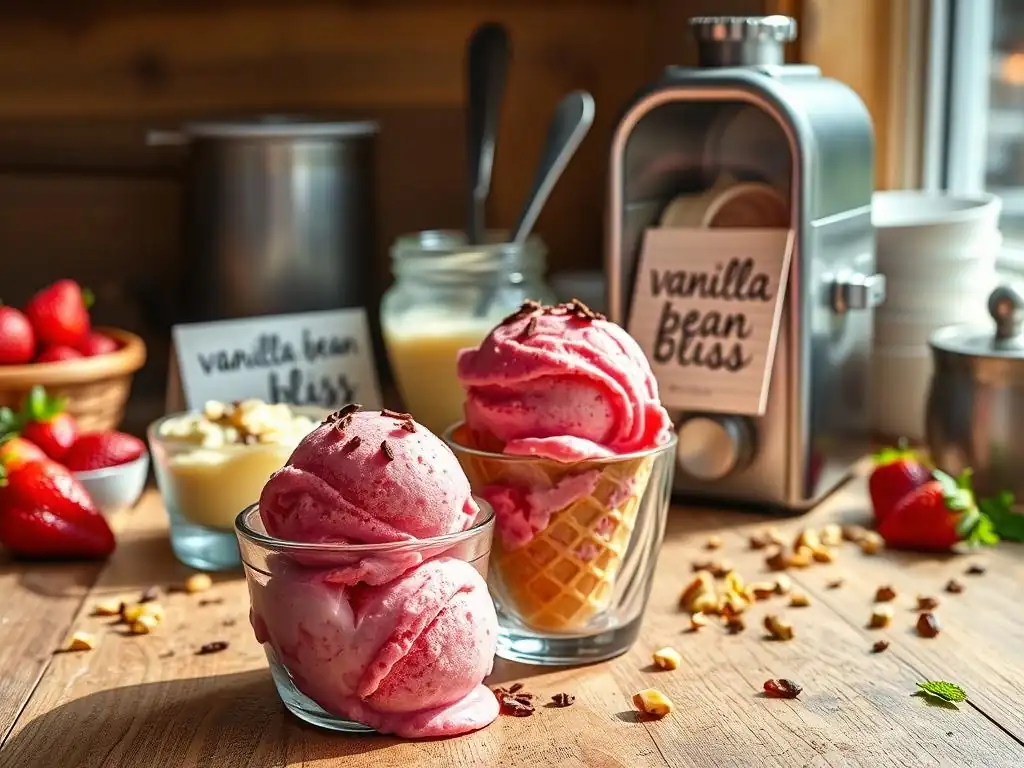
Welcome to BakeWithEase, your trusted companion on your baking journey! Are you ready to dive into the delightful world of frozen desserts, even if you're just starting out? This guide unlocks the secrets to crafting easy frozen dessert recipes beginners can master, transforming your kitchen into a haven of chilled perfection. Intrigued? Let's explore the simple steps that will have you whipping up delicious treats in no time!
- Homemade Ice Cream: A Beginner's Guide to Frozen Delights
- Introduction to Homemade Ice Cream
- Essential Equipment for Making Ice Cream
- Basic Ingredients for Ice Cream
- Easy Ice Cream Recipes for Beginners
- Troubleshooting Common Ice Cream Problems
- Tips and Tricks for Perfect Ice Cream
- Conclusion: Enjoying Your Homemade Ice Cream
-
Frequently Asked Questions
- What qualifies a recipe as an "easy frozen dessert recipe for beginners" according to BakeWithEase?
- What types of frozen desserts are typically recommended for beginners on BakeWithEase?
- Where can I find the step-by-step guides mentioned on BakeWithEase for frozen desserts?
- What if I have dietary restrictions? Does BakeWithEase offer variations for frozen dessert recipes?
- What are some common mistakes beginners make when making frozen desserts, and how can BakeWithEase help avoid them?
- Final Reflection: The Sweetness of Simple Beginnings
- Unlock Your Inner Ice Cream Artist!
Homemade Ice Cream: A Beginner's Guide to Frozen Delights
Introduction to Homemade Ice Cream
Why Make Ice Cream at Home?
Making ice cream at home is a rewarding experience that offers complete control over ingredients, flavors, and texture. Forget artificial additives and preservatives; you can create pure, simple frozen desserts tailored exactly to your preferences. It's also surprisingly cost-effective compared to buying premium pints from the store. For those just starting their culinary journey, exploring easy frozen dessert recipes beginners can master is a fantastic way to build confidence in the kitchen. The process itself is enjoyable, transforming simple ingredients into something truly delightful.
Beyond the financial and ingredient benefits, crafting your own ice cream provides immense creative freedom. Want to infuse vanilla bean or swirl in homemade caramel? You can! It's an opportunity to experiment with unique flavor combinations not found in commercial options. Furthermore, for individuals with dietary restrictions or allergies, making ice cream at home ensures safety and allows for customization, such as using dairy-free alternatives or reducing sugar content. This guide focuses on easy frozen dessert recipes beginners will find accessible and fun, proving that delicious frozen treats are well within reach.
This Guide to Simple Ice Cream Recipes
This guide is specifically designed for beginners eager to dip their toes into the world of frozen desserts. We'll walk you through the fundamental steps, from understanding essential equipment and ingredients to mastering basic techniques. The focus is on simple, approachable recipes that don't require complex skills or hard-to-find items. Our goal is to demystify the process, proving that crafting delightful frozen treats at home is achievable for anyone, regardless of prior baking or dessert-making experience.
We will cover several types of easy frozen dessert recipes beginners can tackle successfully. This includes a classic churned ice cream base (Philadelphia-style, which uses no eggs), a refreshing frozen yogurt, and simple fruit popsicles. Each recipe is presented with clear, step-by-step instructions and helpful tips for success. By the end of this guide, you'll have the confidence and knowledge to create your own delicious frozen desserts, opening the door to a world of chilled perfection right from your kitchen.
Essential Equipment for Making Ice Cream
Must-Have Tools
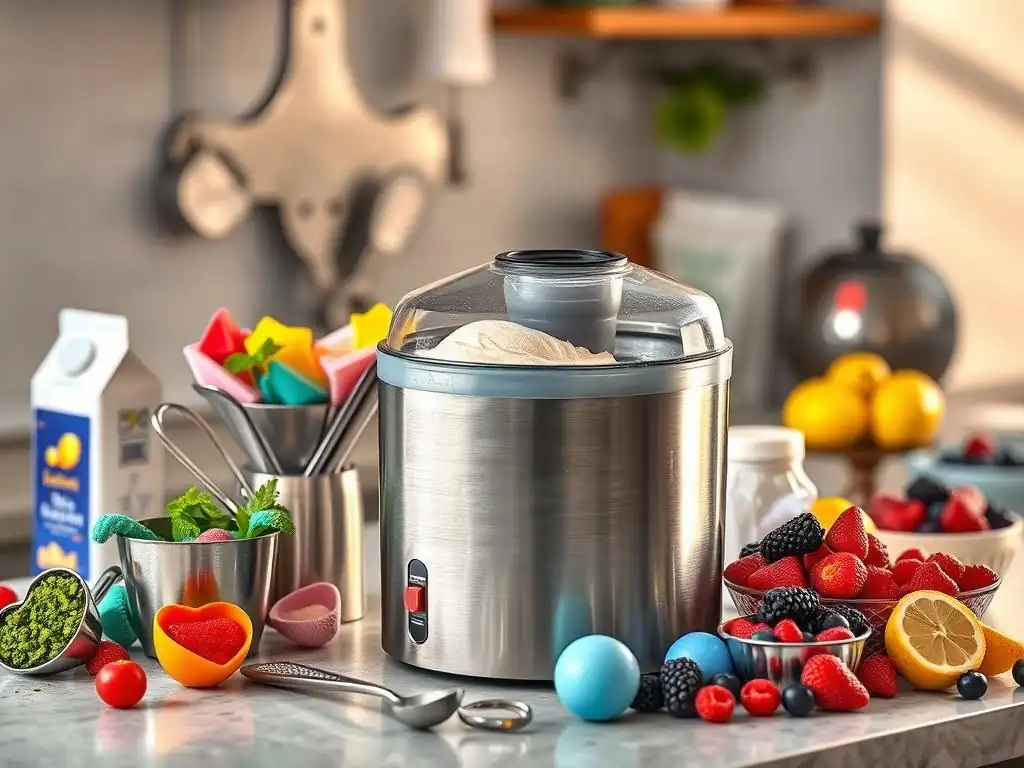
To make traditional churned ice cream at home, an ice cream maker is undeniably the most crucial piece of equipment. These machines come in various types, but the most common for beginners are those with a freezer bowl that needs to be pre-frozen for 12-24 hours or compressor models that freeze as they churn.
A standard 1.5 or 2-quart capacity machine is usually sufficient for home use, yielding enough ice cream for a family or small gathering. While some very basic recipes exist that don't require a machine (like "no-churn" methods), using an ice cream maker generally produces a smoother, more consistent texture by churning the mixture while it freezes, which minimizes ice crystal formation.
Besides the ice cream maker, you'll need a few other standard kitchen tools. A large bowl is essential for mixing your ice cream base. A whisk or spatula is needed for stirring the ingredients together until fully combined. For cooking custard bases (though our beginner recipes avoid this for simplicity), a saucepan is necessary. Measuring cups and spoons are vital for accurately portioning ingredients, which is key to achieving the right balance of flavor and texture in any dessert, including easy frozen dessert recipes beginners are attempting for the first time.
Helpful, But Not Required Tools
While not strictly necessary for every recipe, certain tools can make the ice cream-making process easier or more efficient. An immersion blender or a regular blender can be incredibly useful for ensuring your base mixture is smooth and emulsified, especially when incorporating ingredients like fruit or cocoa powder. For straining mixtures to remove any lumps or solids (like vanilla bean seeds), a fine-mesh sieve is a valuable asset.
Having dedicated containers for storing your finished ice cream is also highly recommended. Airtight containers, preferably shallow and wide, help the ice cream freeze faster and more evenly, reducing the risk of ice crystals. Plastic or metal loaf pans lined with parchment paper are also popular alternatives for freezing, particularly for no-churn recipes. While you could technically use any freezer-safe container, specialized ice cream tubs are designed to minimize air exposure and thermal shock, contributing to a better final texture.
Basic Ingredients for Ice Cream
Core Ingredients and Their Roles
Most classic ice cream recipes rely on a combination of dairy, sugar, and flavorings. The dairy components, typically heavy cream and milk, provide the richness and creamy texture. Heavy cream, with its high fat content (around 36% or more), is crucial for a smooth mouthfeel. Milk (usually whole milk, around 3.25% fat) adds liquid and helps balance the richness. The fat globules in the cream and milk are essential for creating the desirable structure of ice cream, trapping air during churning and preventing large ice crystals from forming.
Sugar serves multiple purposes beyond just sweetness. It lowers the freezing point of the mixture, preventing it from freezing rock solid and contributing to a softer, scoopable texture. Different types of sugar can affect the final result; granulated sugar is standard, but some recipes might use liquid sweeteners like corn syrup or honey, which can further improve smoothness by interfering with ice crystal formation. Flavorings, such as vanilla extract, cocoa powder, or fruit purées, provide the characteristic taste. Using high-quality flavorings is key to delicious results in any of these easy frozen dessert recipes beginners are trying.
Understanding Ratios for Texture and Flavor
The ratio of ingredients, particularly dairy and sugar, is fundamental to achieving the desired texture in homemade ice cream. A higher fat content from cream generally results in a richer, smoother ice cream. Conversely, too little fat can lead to an icy texture.
Sugar content is also critical; too little sugar results in a harder, icier product that's difficult to scoop, while too much sugar can make the mixture difficult to freeze properly and overly sweet. A common starting point for many churned bases (like the Philadelphia-style we'll explore) might involve roughly a 2:1 ratio of cream to milk, with sugar making up about 15-20% of the total liquid volume by weight.
For non-dairy or lower-fat frozen desserts like sorbet or frozen yogurt, the ratios change significantly. Sorbet relies primarily on fruit juice or purée and sugar, with sugar content being even more critical (often 25-30% or more) to prevent it from freezing solid. Frozen yogurt uses yogurt as its base, often combined with milk or cream and sugar. The lower fat content of yogurt means these can be slightly icier than traditional ice cream, but the tangy flavor is a pleasant trade-off. Understanding how these basic components interact allows beginners to start experimenting confidently with easy frozen dessert recipes.
Easy Ice Cream Recipes for Beginners
Recipe 1: Classic Vanilla Ice Cream (Philadelphia-Style)
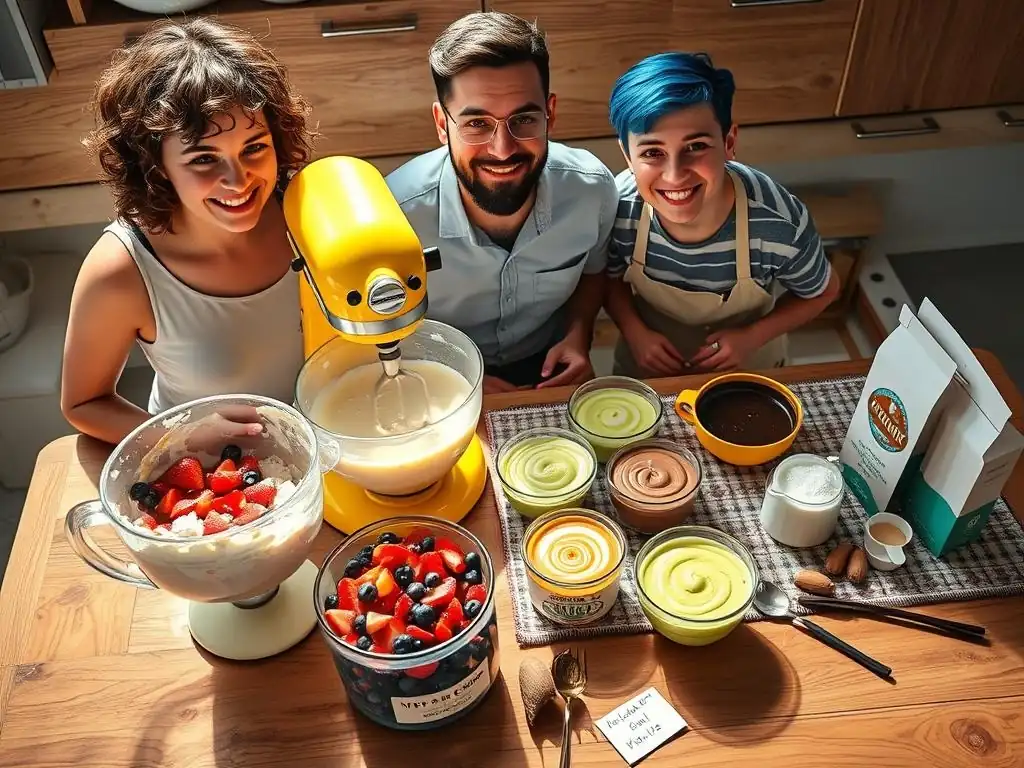
Philadelphia-style ice cream is perfect for beginners because it doesn't involve cooking a custard base with eggs, simplifying the process significantly. It relies on just dairy, sugar, and flavorings. This method is quick to prepare, requiring only chilling before churning. The result is a clean, pure vanilla flavor and a wonderfully creamy texture, making it a staple among easy frozen dessert recipes beginners can master.
This base recipe provides a fantastic foundation. Once you've made it successfully, you can easily adapt it by adding mix-ins or using different extracts. It demonstrates the core principle of churning a chilled liquid base to create a smooth frozen dessert. With minimal steps and common ingredients, it's an ideal starting point for anyone new to making ice cream at home.
Ingredients for Philadelphia-Style Vanilla Ice Cream
- 2 cups (480ml) heavy cream
- 1 cup (240ml) whole milk
- ¾ cup (150g) granulated sugar
- 1 ½ teaspoons pure vanilla extract
- Pinch of salt (optional, enhances flavor)
Step-by-Step Instructions
- In a large bowl, whisk together the heavy cream, whole milk, granulated sugar, and pinch of salt (if using) until the sugar is completely dissolved. Ensure there are no granules remaining by rubbing a little mixture between your fingers.
- Stir in the vanilla extract.
- Cover the bowl and refrigerate the mixture for at least 2-3 hours, or preferably overnight, until it is thoroughly chilled. This chilling step is crucial for the ice cream maker to churn the mixture effectively.
- Pour the chilled mixture into your ice cream maker and churn according to the manufacturer's instructions. This usually takes about 20-30 minutes, until the mixture is thickened to the consistency of soft-serve ice cream.
- Transfer the soft ice cream to an airtight container and freeze for at least 4 hours, or until firm enough to scoop.
Tips for Flavor Variations
Once you've mastered the classic vanilla, you can easily create variations. For chocolate ice cream, whisk in ½ cup (about 45g) unsweetened cocoa powder with the sugar, ensuring it's fully dissolved. For mint chocolate chip, add 1 teaspoon of peppermint extract with the vanilla and fold in ½ cup of mini chocolate chips after churning. You can also add fruit purées (like raspberry or peach) after churning, swirling them gently for a ripple effect. Always ensure any added liquid ingredients are cold to avoid warming the base.
Recipe 2: Strawberry Frozen Yogurt
Frozen yogurt is a lighter alternative to ice cream, offering a tangy flavor and refreshing texture. It's incredibly simple to make, often requiring fewer ingredients than traditional ice cream. This recipe uses plain yogurt as its base, combined with fresh strawberries and a sweetener. It's a fantastic example of the variety found within easy frozen dessert recipes beginners can explore.
The key to good frozen yogurt is using thick, full-fat yogurt for the best texture. Greek yogurt works wonderfully, resulting in a creamier consistency than regular yogurt. The sweetness level can be adjusted based on the ripeness of your strawberries and personal preference.
Ingredients for Strawberry Frozen Yogurt
- 4 cups (about 600g) fresh or frozen strawberries, hulled
- ½ cup (100g) granulated sugar (adjust to taste based on strawberry sweetness)
- 2 tablespoons fresh lemon juice
- 2 cups (480g) plain whole-milk Greek yogurt
Instructions for Making Frozen Yogurt
- If using fresh strawberries, wash and hull them. Cut larger berries into smaller pieces.
- In a blender or food processor, combine the strawberries, granulated sugar, and lemon juice. Blend until completely smooth. Taste and add more sugar if needed.
- Add the Greek yogurt to the blender/food processor with the strawberry purée. Blend until just combined and smooth. Do not overmix.
- Pour the mixture into a covered container and chill in the refrigerator for at least 2-3 hours, or until very cold.
- Pour the chilled mixture into your ice cream maker and churn according to the manufacturer's instructions, usually 15-25 minutes, until thickened.
- Transfer to an airtight container and freeze for at least 3-4 hours to firm up.
Variations and Add-ins
This strawberry base is versatile. You can substitute other fruits like raspberries, blueberries, or peaches. Just be sure to adjust the sugar based on the fruit's natural sweetness. For a creamier texture, you can replace some of the yogurt with heavy cream, though this moves it closer to ice cream. Swirl in a tablespoon or two of balsamic glaze after churning for a sophisticated twist, or fold in some chopped fresh mint for added freshness.
Recipe 3: Watermelon Popsicles
Popsicles are arguably the easiest frozen dessert to make, requiring no special equipment beyond popsicle molds. They are perfect for using up fresh fruit and are incredibly refreshing, especially during warmer months. This simple watermelon recipe is a prime example of easy frozen dessert recipes beginners can whip up in minutes.
Watermelon's high water content makes it ideal for freezing into popsicles. The natural sweetness is often enough, but a little added sweetener can enhance the flavor. Ensure you use ripe, flavorful watermelon for the best results.
Base Recipe for Watermelon Popsicles
- 4 cups (about 600g) cubed seedless watermelon
- 1-2 tablespoons granulated sugar or honey (optional, depending on watermelon sweetness)
- 1 tablespoon fresh lime juice (optional, brightens flavor)
Flavor Combinations
Get creative with your watermelon popsicles! Blend in a handful of fresh mint or basil leaves with the watermelon for an herbaceous note. Combine watermelon with other fruits like strawberries, raspberries, or kiwi before blending. A splash of coconut water can add a tropical twist and slightly change the texture. For a layered effect, freeze one layer (like plain watermelon) for an hour, then add another layer (like a kiwi purée) and freeze completely.
Tips for Perfect Popsicle Freezing
Ensure your popsicle molds are clean and dry before filling. Fill the molds carefully, leaving a little headspace at the top as the liquid will expand slightly when freezing. Insert popsicle sticks once the mixture is in the molds. For easy removal, run the outside of the mold under warm water for a few seconds – don't use hot water or soak them, as this can melt the edges too much. Freeze for at least 4-6 hours, or until completely solid.
Troubleshooting Common Ice Cream Problems
Preventing Icy Texture
An icy texture, characterized by large, hard ice crystals, is a common issue for beginners. It usually happens when the ice cream mixture freezes too slowly or when there's too much water content relative to fat and sugar. To prevent this, ensure your ice cream maker bowl is thoroughly frozen (usually at least 12-24 hours). Chilling your ice cream base mixture completely before churning is also critical; warm bases don't churn and freeze efficiently.
Adding a small amount of alcohol (like a tablespoon of vodka) or a liquid sweetener like corn syrup or honey can also help lower the freezing point and disrupt ice crystal formation. A higher proportion of fat (using more heavy cream) contributes to a smoother texture. Finally, freeze the churned ice cream as quickly as possible in a very cold part of your freezer, ideally in a shallow, airtight container.
Dealing with Ice Crystals
If you find small ice crystals forming even after following the steps, it could be due to temperature fluctuations in your freezer (often from opening the door frequently) or insufficient chilling/churning time. If the ice cream hasn't frozen completely solid yet, you might be able to re-churn it if your ice cream maker instructions allow, though this isn't always successful.
For ice cream that has already developed significant crystals, unfortunately, there's no way to reverse the process and get back to a perfectly smooth texture. However, you can repurpose it! Use it in milkshakes, smoothies, or blend it with a little milk and refreeze in popsicle molds. Learning from these occurrences is part of mastering easy frozen dessert recipes beginners encounter.
Fixing Soft or Runny Ice Cream
Soft or runny ice cream straight from the churner usually means it hasn't churned long enough or the base wasn't cold enough initially. Ensure your base is thoroughly chilled (ideally below 40°F or 4°C) and your ice cream maker's freezer bowl is completely frozen solid. Churn for the full recommended time, or until the mixture resembles soft-serve.
If the issue is that the ice cream doesn't freeze firm enough in the freezer, this could be due to too much sugar or alcohol in the recipe, as these lower the freezing point significantly. It could also indicate your freezer isn't cold enough (it should be set to 0°F or -18°C). Ensure the storage container is airtight to prevent freezer burn, which can also affect texture over time.
Tips and Tricks for Perfect Ice Cream
Achieving the Ideal Consistency
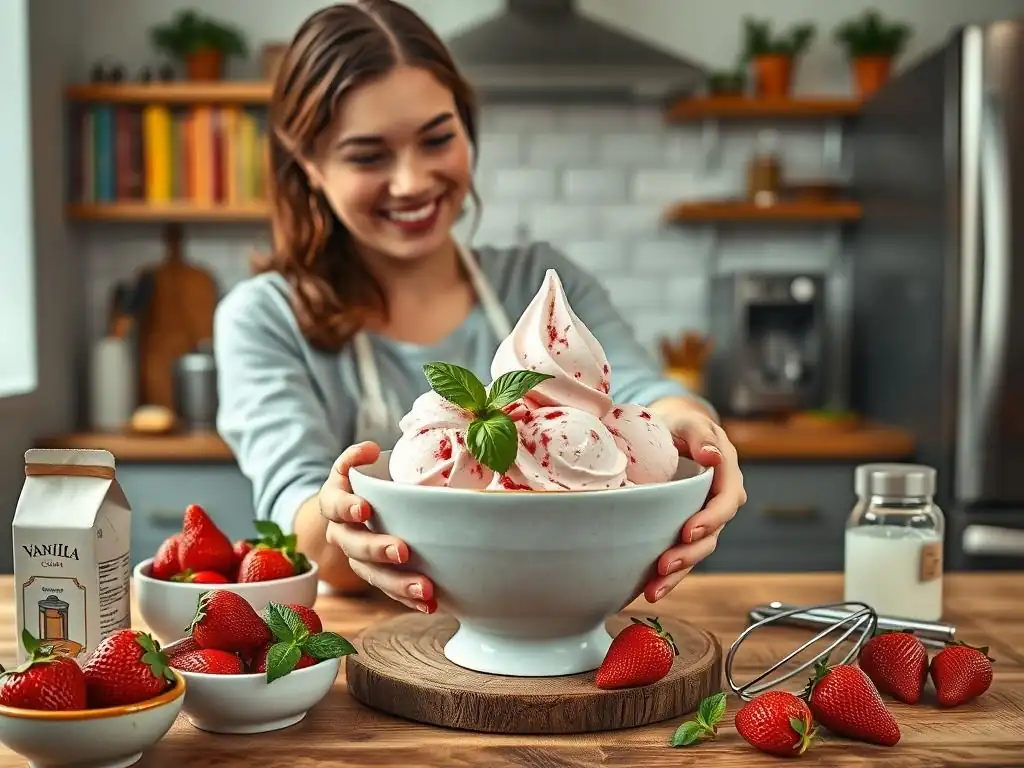
The key to achieving that perfect scoopable consistency lies in a few factors. First, the balance of ingredients – sufficient fat and sugar are crucial. Secondly, proper chilling of the base mixture before churning is non-negotiable. A well-chilled base churns more efficiently and incorporates air better. Thirdly, adequate churning time allows the ice cream maker to break up ice crystals as they form and incorporate air, which gives ice cream its light, smooth texture.
Finally, the freezing process after churning is important. Freeze the churned ice cream quickly in a very cold freezer. Using a shallow container helps the center freeze faster than a deep one. Aim for a freezer temperature of 0°F (-18°C) or colder.
Storing Ice Cream Correctly
Proper storage is vital to maintain the quality of your homemade ice cream and prevent freezer burn and ice crystal formation. Always store ice cream in an airtight container. This minimizes exposure to air, which is a major cause of freezer burn and encourages ice crystal growth.
Store the container in the coldest part of your freezer, typically towards the back, rather than in the door, where temperatures fluctuate more. If using a loaf pan, press plastic wrap directly onto the surface of the ice cream before covering the pan with foil or placing it in a large freezer bag. Homemade ice cream is best enjoyed within 1-2 weeks for optimal texture, as it doesn't contain the stabilizers found in commercial varieties.
Serving Suggestions
Once your easy frozen dessert recipes beginners batch is perfectly frozen, the fun begins! For the best texture, let your ice cream sit at room temperature for 5-10 minutes before scooping. This allows it to soften slightly to the ideal consistency.
Serve your homemade creation in cones, bowls, or alongside warm desserts like apple pie or brownies. Don't forget the toppings! Fresh fruit, chocolate sauce, caramel sauce, chopped nuts, or sprinkles can elevate your simple ice cream into a special treat. Consider pairing your vanilla ice cream with a warm berry compote or topping your strawberry frozen yogurt with granola for breakfast.
Conclusion: Enjoying Your Homemade Ice Cream
Celebrating Your Ice Cream Making Success
Congratulations! You've taken your first steps into the delightful world of homemade frozen desserts. Whether you whipped up classic vanilla ice cream, refreshing strawberry frozen yogurt, or fun watermelon popsicles, you've successfully created delicious treats from scratch. Mastering these easy frozen dessert recipes beginners can be proud of is a significant achievement and opens up a whole new realm of culinary possibilities.
Don't be discouraged if your first batch isn't absolutely perfect. Ice cream making is a skill that improves with practice. Each attempt teaches you more about the process and how your specific ingredients and equipment behave. Keep experimenting with flavors and techniques. The joy of making your own frozen treats, knowing exactly what went into them, and sharing them with friends and family is incredibly rewarding. So, grab a spoon, scoop out your masterpiece, and savor the sweet, chilled perfection you created!
Frequently Asked Questions
What qualifies a recipe as an "easy frozen dessert recipe for beginners" according to BakeWithEase?
BakeWithEase considers a recipe "easy" if it requires minimal ingredients and simple techniques. The focus is on achieving delicious results without extensive prior baking experience.
What types of frozen desserts are typically recommended for beginners on BakeWithEase?
Beginner-friendly recipes often include no-churn ice cream, popsicles, and easy sorbets. These desserts require minimal equipment and avoid complicated steps.
Where can I find the step-by-step guides mentioned on BakeWithEase for frozen desserts?
You can find the step-by-step guides directly on the BakeWithEase website under the "Frozen Desserts" section. Look for the "Easy Frozen Dessert Recipes Beginners" category.
What if I have dietary restrictions? Does BakeWithEase offer variations for frozen dessert recipes?
BakeWithEase often provides alternative ingredients and recipe variations to accommodate common dietary restrictions. Look for notes on substitutions within each recipe.
What are some common mistakes beginners make when making frozen desserts, and how can BakeWithEase help avoid them?
Common mistakes include improper mixing and not freezing for the required time. BakeWithEase provides detailed instructions and troubleshooting tips to help avoid these pitfalls.
Final Reflection: The Sweetness of Simple Beginnings
The pursuit of delicious, homemade frozen desserts doesn't have to be daunting; in fact, it can be surprisingly accessible. Mastering even a few basic techniques opens up a world of creamy delights, proving that chilled perfection is within everyone's reach, regardless of experience. This isn't just about recipes; it's about unlocking a new level of culinary confidence.
The joy of creating something cool and refreshing from scratch is deeply satisfying, a feeling that transcends the simple act of eating a delicious dessert. It's about connecting with the process, experimenting with flavors, and sharing the fruits (or should I say, desserts) of your labor with loved ones. As Julia Child wisely said, Find something you're passionate about and keep tremendously interested in it.
For me, that passion is found in the simple act of transforming everyday ingredients into something extraordinary, something that brings joy and a little bit of magic to the table.
Now, it's your turn. Don't be intimidated by the freezer; embrace the challenge! Pick a recipe from this article, gather your ingredients, and embark on your own frozen dessert adventure. The journey might be sweet, but the destination—a delicious, homemade treat—is even sweeter. Remember, every scoop is a step closer to mastering the art of chilled perfection.
Unlock Your Inner Ice Cream Artist!
Thanks for joining us on this delicious journey into the world of frozen desserts! You've now got the foundational knowledge to create amazing chilled treats. Ready to take your skills to the next level?
- Dive into your first recipe: Choose one of the simpler recipes from the article and give it a try! Don't be afraid to experiment with flavors.
- Share your creations: Post a picture of your frozen masterpiece on social media and tag us! We’d love to see your chilled triumphs.
- Explore our other dessert recipes: Discover a whole new world of baking possibilities on BakeWithEase.com – we've got plenty more sweet treats waiting for you!
What incredible frozen dessert are you dreaming up next?