
Making Frozen Custard: Richer Texture, Easier Method

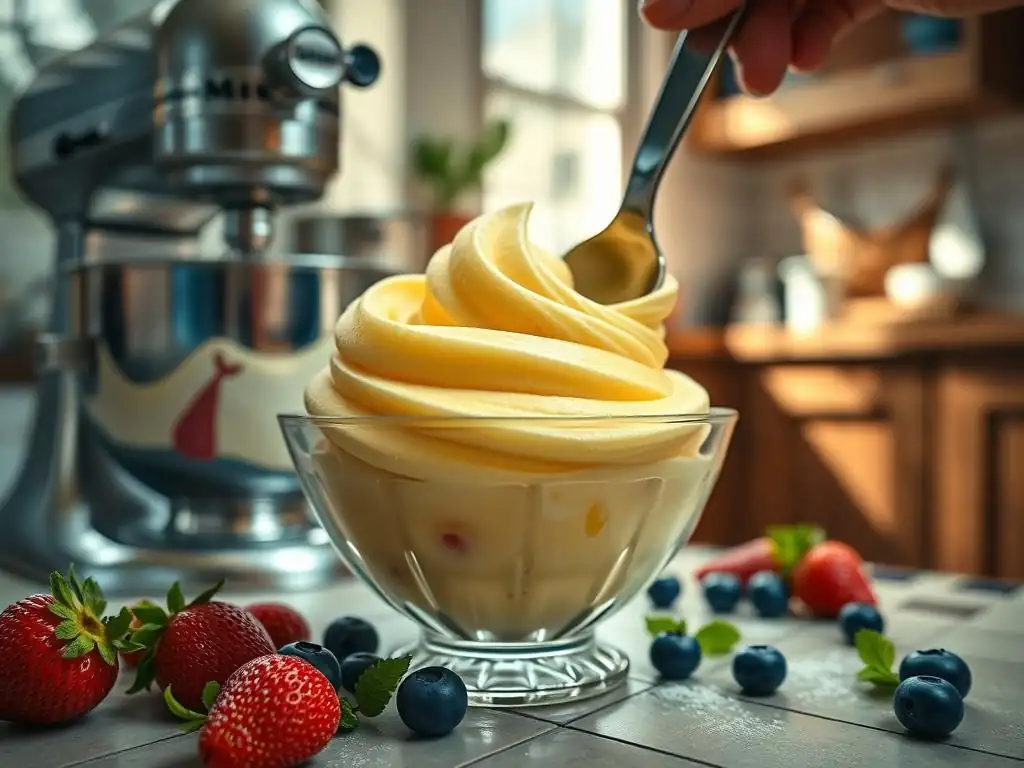
Welcome to BakeWithEase, your partner in creating delicious moments! Ever wondered how to achieve that luxuriously smooth, melt-in-your-mouth texture that elevates frozen desserts to a whole new level? Our Frozen Custard Recipe Easy Method article unlocks the secrets to crafting this decadent treat at home. Prepare to discover a simpler approach to a richer, more satisfying indulgence – and perhaps, a new favorite dessert. Ready to scoop up the delicious details?
- Introduction to Frozen Custard: A BakeWithEase Guide
- The Secret to Rich and Creamy Frozen Custard: Ingredients Breakdown
- Easy Frozen Custard Recipe: A Step-by-Step Guide
- Tips and Tricks for Perfect Frozen Custard Every Time
- Serving Suggestions and Flavor Variations for Your Frozen Custard
- Comparing Frozen Custard to Ice Cream: Key Differences
- Conclusion: Enjoying Your Effortless Homemade Frozen Custard
- Frequently Asked Questions
- Final Reflection: The Sweet Simplicity of Frozen Custard
- Unleash Your Inner Custard Artist!
Introduction to Frozen Custard: A BakeWithEase Guide
What is Frozen Custard? Exploring Richer Frozen Desserts
Frozen custard is a luxurious frozen dessert that shares similarities with ice cream but boasts a distinctively richer, creamier texture. The key difference lies in its composition: while ice cream primarily uses milk, cream, and sugar, frozen custard adds a significant amount of egg yolks to the base. These egg yolks, typically comprising at least 1.4% of the finished product by weight according to some standards, act as an emulsifier and thickener.
This addition creates a smoother, denser, and more intensely flavored dessert that melts slower than traditional ice cream. Imagine the velvety texture of a perfect créme brûlée or pastry cream, translated into a cold, scoopable treat.
Beyond the egg yolks, frozen custard is often churned using specialized machines that incorporate less air than standard ice cream makers. This lower overrun (the amount of air incorporated) contributes significantly to its characteristic density and richness.
While commercial frozen custard machines can be large and complex, achieving a wonderful homemade version is absolutely possible with standard home ice cream makers, especially when you follow an easy frozen custard recipe that optimizes the base for a smooth, creamy result even with more air incorporation. The result is a dessert experience that is both decadent and deeply satisfying, perfect for any occasion.
Why Choose This Easy Frozen Custard Recipe?
Making frozen custard at home might sound intimidating, conjuring images of tempering eggs and precise cooking temperatures. However, this easy frozen custard recipe is designed to simplify the process without compromising on that signature rich texture and incredible flavor. We've streamlined the steps to minimize complexity while maximizing the delicious outcome, making it accessible even for those new to homemade frozen desserts. Forget the fear of scrambled eggs in your base; we'll guide you through a gentle, foolproof method.
Opting for this easy frozen custard recipe means you get to enjoy the superior quality and taste of homemade custard, free from artificial flavors or stabilizers often found in store-bought versions. You have complete control over the ingredients, allowing you to use high-quality dairy and fresh eggs for the best possible flavor. Plus, mastering an easy method for making frozen custard gives you a fantastic base to experiment with countless flavors and additions, opening up a world of dessert possibilities right in your own kitchen. It's a rewarding project that yields a truly exceptional treat.
The Secret to Rich and Creamy Frozen Custard: Ingredients Breakdown
Key Ingredients for Homemade Frozen Custard
The foundation of any great frozen custard recipe easy method lies in a few simple, high-quality ingredients. You'll need whole milk and heavy cream, providing the essential dairy base for richness and body. The higher fat content in cream contributes significantly to the smooth mouthfeel.
Sugar is crucial not only for sweetness but also for lowering the freezing point of the mixture, which helps prevent it from freezing solid and keeps it scoopable. Granulated sugar is standard, but some recipes might use a mix with a touch of corn syrup for added smoothness, although it's not strictly necessary for an easy recipe.
The star ingredient that elevates frozen custard beyond ice cream is, of course, the egg yolks. A typical recipe for about 1 quart of frozen custard might call for anywhere from 6 to 10 large egg yolks. Using fresh, large eggs is recommended for the best flavor and emulsifying power.
A pinch of salt is often included to balance the sweetness and enhance the overall flavor profile. Finally, pure vanilla extract is a classic addition, providing a warm, comforting aroma and taste that complements the rich base beautifully. Using a good quality extract makes a noticeable difference in the final product.
Understanding the Role of Egg Yolks in Frozen Custard's Texture
Egg yolks are the secret weapon in achieving frozen custard's signature rich, dense, and incredibly smooth texture. They contain lecithin, a natural emulsifier that helps bind the fat and water components of the dairy base together. This emulsification prevents ice crystals from growing large during the freezing process, resulting in a finer, almost silky texture. Without sufficient emulsifiers, ice cream can become grainy or icy. Think of how egg yolks make mayonnaise smooth and stable – they perform a similar function here, but in a frozen environment.
Furthermore, when gently heated, the proteins in egg yolks thicken the custard base. This creates a more viscous liquid before churning, which contributes to the final product's body and density. The thickening allows the base to hold less air during churning compared to a thinner, egg-free base, leading to that characteristic low overrun we discussed earlier. This combined action of emulsification and thickening is what gives frozen custard its luxurious mouthfeel and slower melt, making it a truly premium frozen dessert. Mastering the gentle cooking of the egg-rich base is key to this easy frozen custard recipe.
Optional Flavor Additions: Customizing Your Frozen Custard
While classic vanilla is divine, one of the joys of making an easy frozen custard recipe at home is the ability to customize flavors. Once you have your basic custard base, the possibilities are vast. For a chocolate version, whisk in high-quality cocoa powder or melted chocolate into the warm base before chilling. Coffee lovers can dissolve instant espresso powder or add cooled, strong brewed coffee. Citrus zest, like lemon or orange, can be steeped in the warm milk/cream mixture for a bright, refreshing twist, just remember to strain it out before chilling.
Other popular additions include incorporating fruit purees (stirred in after churning), adding spices like cinnamon or nutmeg during the cooking process, or infusing the dairy with ingredients like mint leaves or lavender before straining. Consider swirling in caramel, hot fudge, or fruit sauces after churning but before freezing. For a boozy kick, a small amount of alcohol can be added, but be mindful that too much will prevent the custard from freezing properly. Experimenting with different extracts, spices, or infusions allows you to create bespoke frozen custard flavors tailored exactly to your preference.
Easy Frozen Custard Recipe: A Step-by-Step Guide
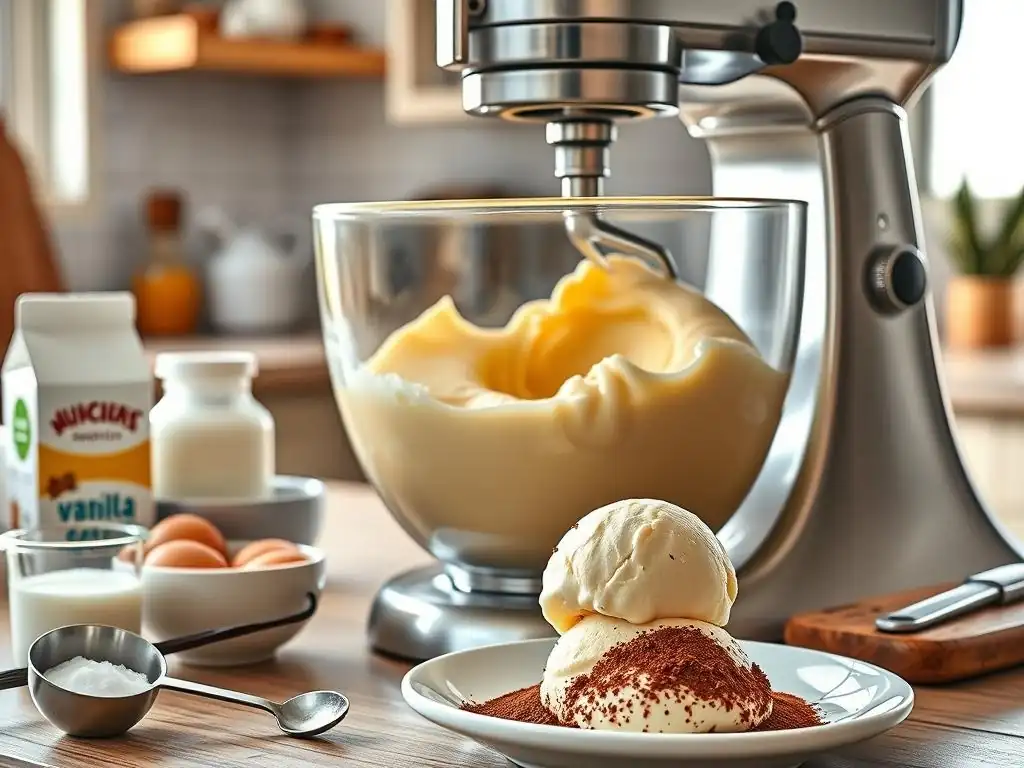
Step 1: Preparing the Custard Base
Begin by combining the milk, cream, sugar, and salt in a medium saucepan. Heat this mixture over medium heat, stirring occasionally, until it is warm and the sugar is completely dissolved. Do not let it boil. In a separate medium bowl, whisk the egg yolks until they are smooth and slightly lighter in color. This usually takes about 1-2 minutes of vigorous whisking.
Once the milk mixture is warm, you need to temper the egg yolks. This crucial step prevents the eggs from scrambling. Slowly pour about half a cup of the warm milk mixture into the whisked egg yolks while continuously whisking the yolks. This gradually raises the temperature of the yolks. Once tempered, slowly pour the warmed yolk mixture back into the saucepan with the remaining milk mixture, whisking constantly to ensure everything is combined smoothly.
Step 2: Cooking the Custard: Achieving the Perfect Consistency
Now, place the saucepan over medium-low heat. Stir the mixture continuously with a wooden spoon or heatproof spatula, making sure to scrape the bottom and sides of the pan. The key here is gentle, consistent heat and constant movement. You are looking for the custard to thicken enough to coat the back of a spoon (Nappe consistency). This typically happens when the temperature reaches around 170°F (77°C) to 175°F (79°C). Using an instant-read thermometer is highly recommended for accuracy.
Do not let the custard boil, as this can curdle the eggs. If you see any signs of scrambling (small lumps), immediately remove the pan from the heat and whisk vigorously, or pass the mixture through a fine-mesh sieve. Continue stirring gently until the desired thickness is reached. This cooking process usually takes about 8-12 minutes after the tempered yolks are added back to the pot. The custard should be thick enough that when you draw a line on the back of the spoon with your finger, the line holds its shape.
Step 3: Chilling the Custard Base: Essential for Smooth Texture
Once the custard base is cooked to the proper consistency, remove it from the heat. For the smoothest texture and best results during churning, it's absolutely essential to chill the base thoroughly. Strain the hot custard immediately through a fine-mesh sieve into a clean bowl. This removes any potential small cooked egg bits and ensures a silky smooth texture.
Cover the surface of the custard directly with plastic wrap to prevent a skin from forming. Place the bowl in the refrigerator and chill for at least 4 hours, though overnight chilling is highly recommended. A well-chilled base (ideally below 40°F or 4°C) freezes faster in the ice cream maker, resulting in smaller ice crystals and a creamier final product. Rushing this step is a common mistake that can lead to an icy texture, even with an easy frozen custard recipe.
Step 4: Churning the Frozen Custard: The Easy Method
Once your custard base is thoroughly chilled, it's time to churn! Ensure your ice cream maker bowl has been frozen for the time recommended by the manufacturer (usually 12-24 hours). Set up your ice cream maker according to the instructions. Pour the chilled custard base into the frozen churner bowl.
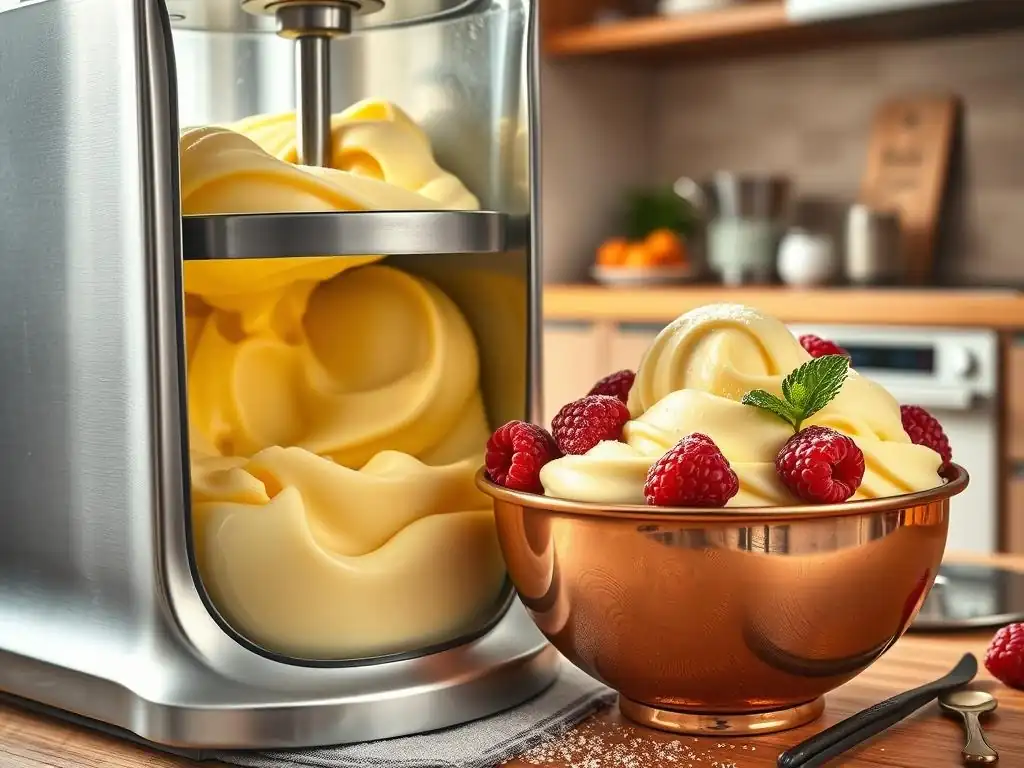
Turn on the machine and let it churn. The churning process typically takes between 20 to 30 minutes, depending on your machine and the temperature of your base. The custard will thicken as it churns, incorporating a small amount of air and freezing simultaneously. You'll know it's ready when it has the consistency of soft-serve ice cream. It will be thick but still relatively soft. Avoid over-churning, as this can sometimes negatively impact texture. This step is the 'easy' part of the frozen custard recipe easy method – the machine does the work!
Step 5: Hardening and Storing Your Homemade Frozen Custard
After churning, your frozen custard will be soft, similar to soft-serve. To achieve the firmer, scoopable consistency typically associated with frozen custard, you need to harden it in the freezer. Transfer the churned custard from the ice cream maker bowl into an airtight container. A shallow container is often better for faster freezing.
Press plastic wrap directly onto the surface of the custard to minimize air contact and prevent freezer burn. Seal the container tightly. Place the container in the coldest part of your freezer (usually towards the back) for at least 2-4 hours, or until it reaches your desired firmness. For best results and texture, consume homemade frozen custard within 1-2 weeks, though it can last longer if stored properly. Freezing at a consistent temperature of 0°F (-18°C) or colder is ideal for maintaining quality.
Tips and Tricks for Perfect Frozen Custard Every Time
Avoiding Common Mistakes When Making Frozen Custard
Making delicious frozen custard recipe easy method style is straightforward, but a few common pitfalls can impact the final result. One major mistake is not properly tempering the egg yolks, which leads to scrambled egg bits in your smooth base. Always add the hot liquid slowly to the yolks while whisking constantly. Another error is overheating the custard base during cooking; boiling will curdle the eggs. Keep the heat low to medium-low and stir constantly, using a thermometer to stay below 180°F (82°C).
Insufficient chilling of the base before churning is also a frequent issue. A warm base takes longer to freeze in the machine, allowing larger ice crystals to form, resulting in an icy texture. Aim for a base temperature below 40°F (4°C). Finally, not hardening the custard sufficiently after churning will leave you with soft-serve rather than scoopable frozen custard. Allow adequate time in a cold freezer for it to firm up properly. Avoiding these steps ensures a smoother, creamier outcome for your easy frozen custard recipe.
Achieving the Ultra-Smooth Texture: Expert Tips
To truly maximize the ultra-smooth texture of your homemade frozen custard, consider a few expert techniques. Firstly, the quality of your ingredients matters greatly; using fresh, high-fat dairy and eggs will inherently produce a creamier base. Secondly, straining the cooked custard base through a very fine-mesh sieve or even cheesecloth after cooking is a crucial step many skip, but it catches any tiny imperfections and ensures a perfectly smooth liquid before chilling.
Thirdly, chilling the base for an extended period, ideally 8-12 hours or even overnight, is more effective than the minimum 4 hours. This allows the fats to solidify and the flavors to meld, contributing to a richer mouthfeel and finer ice crystal formation during churning. Lastly, ensure your ice cream maker bowl is completely frozen – any residual warmth will hinder efficient freezing and lead to larger ice crystals.
Some recommend storing the bowl in the coldest part of the freezer for at least 24 hours before use. Following these tips will help you achieve that coveted, velvety frozen custard consistency.
Troubleshooting Your Frozen Custard: Solutions to Common Problems
Even with an easy frozen custard recipe, you might encounter issues. If your custard base curdled during cooking, it means the eggs overheated. You can try saving it by immediately removing it from the heat and whisking vigorously over an ice bath. If there are only small lumps, straining it through a fine-mesh sieve might suffice. For major curdling, it might be unsalvageable, so it's best to start over, cooking more gently.
If your finished frozen custard is icy, the base likely wasn't chilled enough before churning, or the freezer bowl wasn't cold enough. Ensure proper chilling times and freezer temperatures for the bowl (0°F/-18°C or colder). Another cause could be not enough fat or sugar in the recipe (though this is less likely with a standard frozen custard recipe easy method).
If it's too hard to scoop, it might have frozen too long or at too low a temperature. Let it sit at room temperature for a few minutes before scooping. If the flavor is bland, ensure you used a good quality vanilla extract or sufficient flavorings, and perhaps added a pinch of salt to enhance sweetness.
Serving Suggestions and Flavor Variations for Your Frozen Custard
Classic Frozen Custard Serving Ideas
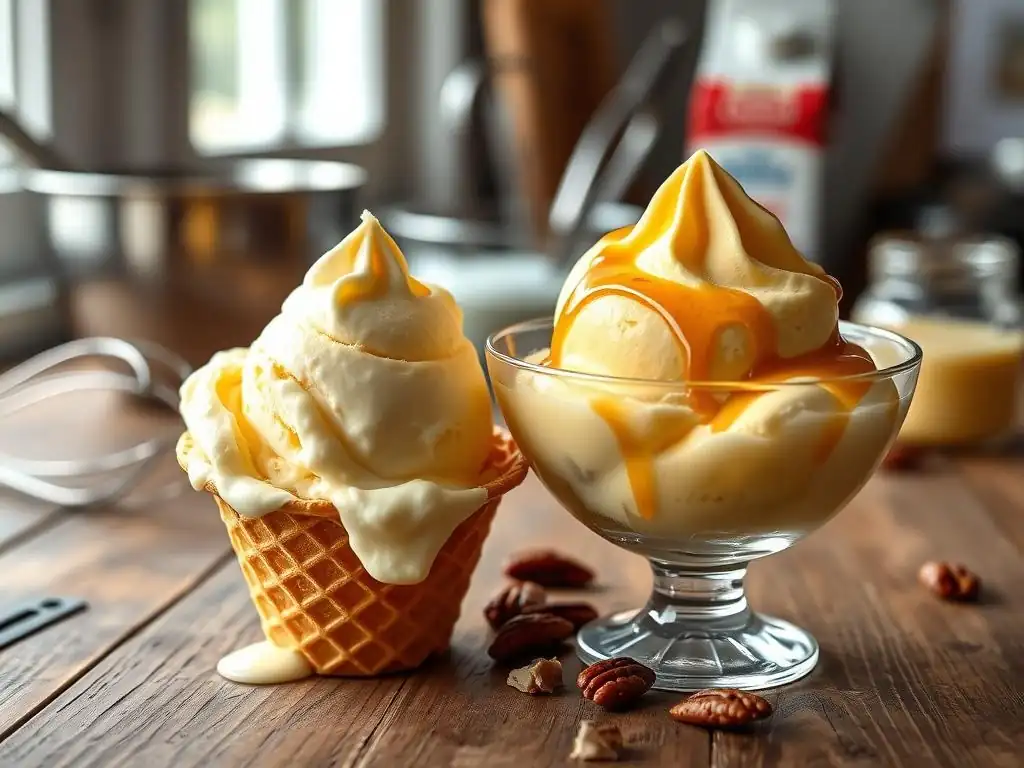
Classic vanilla frozen custard is delicious on its own, served in a simple bowl or cone. For a timeless treat, pair it with warm toppings. A drizzle of hot fudge or caramel sauce is always a crowd-pleaser. You can also serve it alongside warm desserts like apple pie, cherry cobbler, or brownies, where the contrast between the warm pastry and cold, rich custard is simply divine.
Another classic way to enjoy frozen custard is in a concrete or shake. A concrete is a very thick shake made by blending frozen custard with mix-ins like candies, cookies, or fruits. Because frozen custard is so dense, it creates an exceptionally thick, spoonable concoction. Simply blend scoops of your homemade frozen custard with your desired additions in a powerful blender or food processor until thick and combined. A simple shake involves blending with a splash of milk until desired consistency is reached.
Creative Flavor Combinations for Homemade Frozen Custard
Beyond the classic vanilla, your easy frozen custard recipe base is a canvas for creative flavor exploration. For a sophisticated twist, try a Lavender Honey frozen custard by infusing warm milk with dried food-grade lavender before straining and proceeding with the recipe, then swirling in honey after churning. A Bourbon Pecan flavor can be achieved by adding a tablespoon or two of good quality bourbon to the base after cooking (alcohol content helps keep it softer) and stirring in toasted pecans after churning.
Consider fruit-based variations like Roasted Strawberry or Peach Cobbler. For the strawberry, roast fresh strawberries with a little sugar until caramelized, then puree and swirl into the churned custard. For peach cobbler, swirl in roasted peaches and crumbled streusel topping. Spice-infused custards are also wonderful; think Cardamom Pistachio, Ginger Molasses, or even a subtle Black Pepper Cherry flavor. Don't be afraid to experiment with extracts like almond, peppermint, or even floral essences in small amounts.
Frozen Custard Topping Ideas: From Simple to Spectacular
Toppings can elevate your easy frozen custard recipe creation from delicious to spectacular. Simple toppings include sprinkles, chopped nuts (like peanuts, almonds, or pecans), or a spoonful of fresh berries. For something slightly more involved, consider making a quick berry compote by simmering fresh or frozen berries with a little sugar and lemon juice until thickened.
More decadent options include homemade hot fudge sauce, salted caramel sauce, or a vibrant fruit coulis. Crumbled cookies (like Oreos or shortbread), brownie pieces, or chunks of candy bars make excellent mix-ins or toppings. For a sophisticated touch, try toasted coconut flakes, candied ginger, or a sprinkle of flaky sea salt over caramel or chocolate flavors. A dollop of fresh whipped cream is always a welcome addition. The dense, rich nature of frozen custard holds up beautifully to a wide variety of textures and flavors in toppings.
Comparing Frozen Custard to Ice Cream: Key Differences
Frozen Custard vs. Ice Cream: Texture and Ingredients
The primary difference between frozen custard and traditional ice cream lies in their ingredients and resulting texture. As mentioned, frozen custard contains a significant proportion of egg yolks (legally, often defined by a minimum percentage, like 1.4% egg yolk solids in the US). Standard ice cream, while it can contain eggs, does not require them and often contains few or none. This higher egg yolk content in custard contributes significantly to its richness, smoothness, and density.
Texture-wise, frozen custard is typically denser and creamier than ice cream. This is due to the emulsifying and thickening power of the egg yolks and often, though not always in home versions, lower overrun (less air incorporated during churning). Ice cream, especially commercial varieties, can have a higher overrun, making it lighter and fluffier. Frozen custard also tends to melt slower because of its density and composition. If you prefer a rich, velvety mouthfeel that lingers on the palate, frozen custard is often the preferred choice.
Healthier Frozen Custard Options: Reducing Sugar and Fat
While frozen custard is inherently a rich dessert, there are ways to adapt an easy frozen custard recipe to be slightly lighter, though the core definition relies on fat and eggs. Reducing the amount of sugar is one common modification. You can experiment with decreasing the granulated sugar by 10-20%, tasting the base before chilling. Artificial or natural sugar substitutes can also be used, but they may affect texture and freezing properties, often requiring experimentation.
Reducing fat is trickier, as it's crucial for the creamy texture. Substituting some heavy cream with additional whole milk is possible, but it will impact the richness and density. Using low-fat milk is not recommended as it will likely result in an icy texture due to the higher water content. Focusing on portion control is often the most straightforward way to enjoy the traditional richness of frozen custard while managing intake. Some recipes might explore using alternative thickeners like cornstarch or arrowroot alongside fewer yolks, but this changes the fundamental definition and texture of true frozen custard.
Conclusion: Enjoying Your Effortless Homemade Frozen Custard
Making frozen custard at home might have seemed like a complex endeavor, but with this easy frozen custard recipe, you've seen how accessible and rewarding it can be. By understanding the simple science behind the key ingredients, particularly the magical role of egg yolks, and following a clear, step-by-step process, you can create a dessert with unparalleled richness and a wonderfully smooth texture right in your own kitchen.
From preparing and cooking the base gently to the essential chilling step and the final churn, each stage contributes to the final, luxurious result. Now that you've mastered the basic frozen custard recipe easy method, you're equipped to explore endless flavor variations and serving possibilities. Whether enjoyed simply on its own or dressed up with creative toppings, your homemade frozen custard is sure to impress. So grab your ingredients, fire up your ice cream maker, and get ready to savor the ultimate creamy, dreamy frozen treat.
Frequently Asked Questions
What makes frozen custard different from ice cream?
Frozen custard is richer because it contains egg yolks in addition to cream, milk, and sugar. This creates a denser and smoother texture compared to traditional ice cream.
Is this "easy method" for frozen custard still authentic?
Yes, this method aims to simplify the process while maintaining the classic frozen custard flavor and texture. It focuses on streamlined steps and readily available ingredients.
What equipment do I need to make frozen custard at home?
You'll need a saucepan, a whisk, a bowl for chilling, and most importantly, an ice cream maker. A candy thermometer is also helpful for monitoring the custard base temperature.
Can I customize the flavor of this frozen custard recipe?
Absolutely! You can add extracts like vanilla or almond, mix in chocolate chips, or swirl in fruit purees. Experiment with different flavor combinations to find your favorite.
How should I store homemade frozen custard?
Store your frozen custard in an airtight container in the freezer. For best results, consume within 1-2 weeks to prevent ice crystal formation.
Final Reflection: The Sweet Simplicity of Frozen Custard
The pursuit of creamy, dreamy frozen custard just got easier. This article has explored a simplified method for achieving that rich, decadent texture we all crave, proving that homemade frozen custard doesn't have to be a culinary Everest. The ease of this recipe democratizes the dessert, making it accessible to home cooks of all skill levels.
The impact of readily available, high-quality recipes extends far beyond the kitchen. It fosters a sense of accomplishment and connection, reminding us of the simple joys found in creating something delicious from scratch. The best things in life are homemade,
a sentiment often repeated, rings especially true when considering the satisfaction of a perfectly smooth, homemade frozen custard. This recipe, I hope, contributes to a renewed appreciation for the art of home cooking and the shared experience of enjoying a truly special dessert.
Now, I invite you to consider your own culinary adventures. Will you try your hand at this simplified frozen custard recipe? Perhaps you'll even experiment with different flavor combinations, adding your own unique twist to this classic dessert. The kitchen is your canvas, and the possibilities are endless. Embrace the simplicity, savor the process, and enjoy the sweet rewards of your labor.
Unleash Your Inner Custard Artist!
Thanks for joining us on this creamy journey! You've now unlocked the secrets to making unbelievably rich and delicious frozen custard – easier than you ever thought possible. Ready to take your dessert game to the next level?
- Master the perfect frozen custard: Try our recipe again, experimenting with different flavor combinations – maybe a touch of cardamom or a swirl of salted caramel?
- Share your custard creations: Tag us on social media with your photos – we'd love to see your masterpieces!
- Join the BakeWithEase community and share your tips and tricks for achieving the perfect frozen custard texture. Let’s collaborate and create even more amazing desserts together!
What unique flavor profile will you create with your newfound custard expertise?