
Stand Mixers for Every Budget: From EntryLevel to HighEnd Models

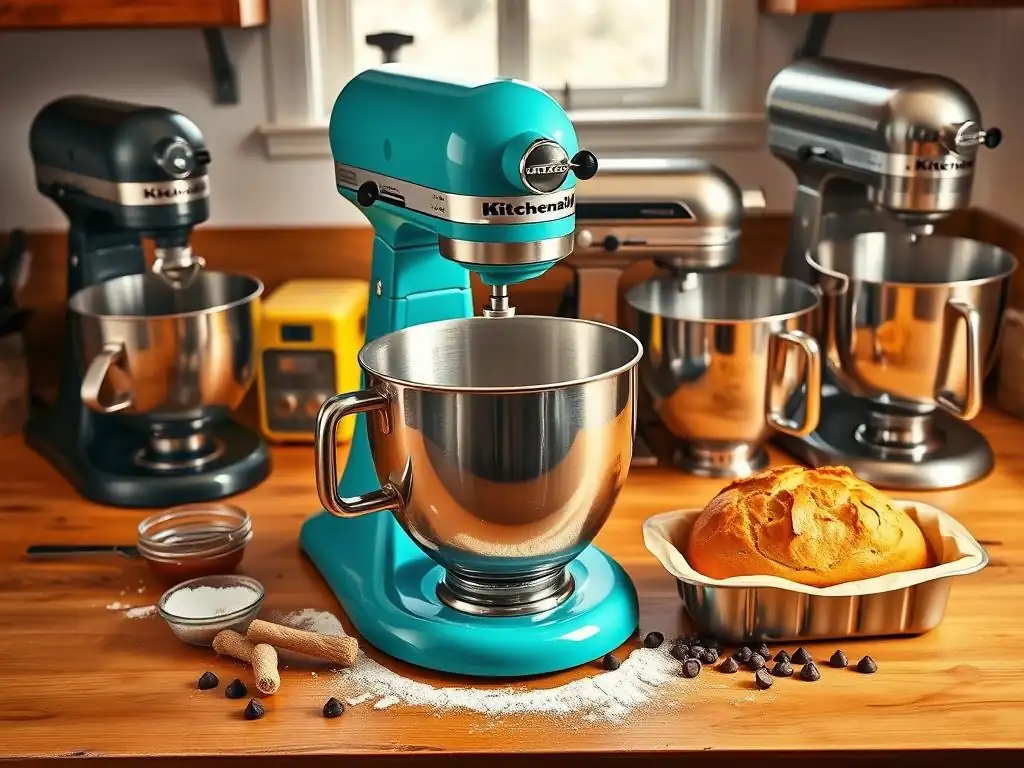
Welcome to BakeWithEase, your guide to effortless baking! Are you ready to take your baking game to the next level? Choosing the right equipment can make all the difference. This time we are tackling the best stand mixer for beginners. But which one is right for you? We've sifted through the options, offering reviews and recommendations for every budget, helping you find the perfect stand mixer to ignite your baking passion. Let's get started!
- Finding the Best Stand Mixer for Beginners: A Comprehensive Guide
- Entry-Level Stand Mixers: Affordable Options for New Bakers
- Mid-Range Stand Mixers: Balancing Price and Performance
- High-End Stand Mixers: Investing in Baking Excellence
-
Stand Mixer Buying Guide: Factors to Consider
- Bowl Size: Choosing the Right Capacity for Your Needs
- Motor Power: How Much Power Do You Really Need?
- Attachments: What Comes Standard and What Can You Add?
- Tilt-Head vs. Bowl-Lift: Which Design is Right for You?
- Weight and Stability: Keeping Your Mixer Grounded
- Speed Settings: Finding the Right Pace for Every Recipe
- Choosing the Best Stand Mixer for Your Baking Style
- Maintaining Your Stand Mixer: Tips for Longevity
- Final Thoughts: Selecting the Perfect Stand Mixer for Your Baking Journey
-
Frequently Asked Questions
- What is the most important feature to look for in a stand mixer for beginners?
- Are expensive stand mixers always better for beginners?
- What type of recipes can a beginner expect to make with a stand mixer?
- How important is the bowl size of a stand mixer for a beginner?
- What are some common mistakes beginners make when using a stand mixer?
- Final Reflection: The Joy of Baking, Within Reach
- Unleash Your Inner Baker: Find Your Perfect Stand Mixer!
Finding the Best Stand Mixer for Beginners: A Comprehensive Guide
Why a Stand Mixer is Essential for Home Bakers
Stepping into the world of baking often involves whisking, creaming, and kneading by hand, which can be quite a workout! A stand mixer transforms these strenuous tasks into effortless motions, freeing up your hands and energy for other steps in the recipe. Imagine whipping egg whites into stiff peaks in minutes while you prepare your cake batter, or kneading sticky bread dough without getting it all over your hands.
This automation is particularly valuable when you're learning, as it allows you to focus on technique and timing rather than manual labor. For anyone looking for the best stand mixer for beginners, understanding its core function as a time-saver and consistency-enhancer is key.
Beyond simply saving effort, a stand mixer delivers results that are often difficult to achieve manually, especially for complex recipes. It provides consistent, powerful mixing action, ensuring ingredients are thoroughly combined and doughs are properly developed. This consistency is crucial for successful baking outcomes, from light and airy meringues to perfectly elastic bread doughs.
As a beginner, having this reliable tool helps eliminate variables related to mixing, allowing you to troubleshoot other aspects of your baking and build confidence. It’s an investment that pays off in both the quality of your baked goods and the enjoyment of the baking process itself.
Understanding Your Baking Needs Before You Buy
Before you start browsing models, take a moment to honestly assess your baking habits and aspirations. Are you primarily interested in occasional cookie baking, or do you dream of tackling sourdough bread and elaborate layered cakes? How often do you plan to bake? The types of recipes you anticipate making most frequently will significantly influence the kind of power, capacity, and attachments you need. For instance, someone baking large batches of heavy bread dough will require a much more robust machine than someone whipping up small batches of cupcakes.
Consider your kitchen space and budget as well. Stand mixers are countertop appliances and can be quite heavy and bulky, so ensure you have a designated spot for it. They also represent a significant financial investment, ranging from under $100 to over $700 or more. Determining a realistic budget upfront will help narrow down your options considerably. Thinking about these factors – what you bake, how often, your space, and your budget – is the first crucial step in finding the best stand mixer for beginners like you, tailored to your specific needs.
Entry-Level Stand Mixers: Affordable Options for New Bakers
Best Budget-Friendly Stand Mixer for Beginners: Dash Everyday Stand Mixer Review
For bakers just starting out who aren't ready to commit to a large, expensive machine, the Dash Everyday Stand Mixer often comes up as a popular, budget-friendly option. It's designed with simplicity and ease of use in mind, making it a strong contender for the best stand mixer for beginners on a tight budget. While it may not have the power or capacity of higher-end models, it capably handles standard tasks like mixing cake batters, cookie doughs, and whipping cream or egg whites, which are common starting points for new bakers.
The Dash Everyday Stand Mixer is notably compact and lightweight compared to its larger counterparts, making it easy to store and move. Its smaller size and lower price point make it accessible for those unsure if baking will become a long-term hobby. It typically comes with essential attachments like dough hooks, mixing beaters, and whisks. While its motor power is modest, often around 250 watts, it's sufficient for smaller batches of lighter doughs and batters, aligning well with the typical needs of a novice baker experimenting with basic recipes.
Key Features of the Dash Everyday Stand Mixer
- Compact and lightweight design
- Typically includes dough hooks, mixing beaters, and whisk
- Multiple speed settings (often 6)
- Usually comes with a smaller bowl, around 3 quarts
Pros and Cons of the Dash Everyday Stand Mixer
Pros:
- Significantly more affordable than mid-range or high-end mixers.
- Easy to store due to its small footprint.
- Simple to operate, ideal for those new to stand mixers.
- Handles common beginner tasks like whipping and mixing batters well.
Cons:
- Lower power motor struggles with stiff doughs or large batches.
- Smaller bowl capacity limits batch size.
- Less durable construction compared to heavier models.
- Fewer available attachments or accessories.
Why This is a Great Beginner Stand Mixer
The Dash Everyday Stand Mixer is a great starter mixer because it offers the core functionality of a stand mixer – hands-free mixing, whipping, and kneading (for light doughs) – without the high cost or complexity of larger machines. It allows beginners to experience the benefits of using a stand mixer for common recipes like cake mixes, simple cookies, or whipped toppings. Its ease of use means less time figuring out controls and more time baking.
For many, it's the perfect entry point to see if a stand mixer fits into their baking routine before considering a more significant investment in the future. It provides a taste of stand mixer convenience, making it a strong candidate for the best stand mixer for beginners focused on simple recipes and affordability.
Alternative Affordable Stand Mixer Options
While the Dash Everyday is a popular budget pick, there are other affordable stand mixers that offer slightly different features or capabilities, still suitable for beginners. These alternatives often provide a bit more power or capacity than the absolute entry-level models, without jumping into the mid-range price bracket. Exploring these options ensures you find the best stand mixer for your specific beginner needs and budget.
Hamilton Beach Eclectrics - A Solid Choice for Small Batches
The Hamilton Beach Eclectrics line often features mixers with slightly more robust motors, sometimes around 300 watts, and larger bowl sizes, typically 4 quarts. These mixers offer a step up in power compared to the most basic models, allowing them to handle slightly thicker batters or smaller bread doughs more comfortably. They often come in various colors and have a durable feel for their price point. While still not suited for heavy-duty use, their increased capacity and power make them a versatile option for beginners who anticipate baking slightly larger batches or a wider variety of recipes early on.
Aucma Stand Mixer - Powerful Motor on a Budget
Aucma stand mixers are known for offering surprisingly powerful motors, often listed between 500 and 660 watts, at a very competitive price point. They usually feature larger bowls, around 6 quarts, and come with the standard dough hook, whisk, and paddle attachments.
While they may lack the brand recognition or long-term durability track record of more established names, their high wattage can be appealing for beginners who want the capability to handle tougher doughs or larger volumes without the high cost. It's a budget option that focuses heavily on raw power and capacity, potentially making it the best stand mixer for beginners who want to jump straight into bread making or larger batches on a tight budget, though build quality might be a consideration.
Mid-Range Stand Mixers: Balancing Price and Performance
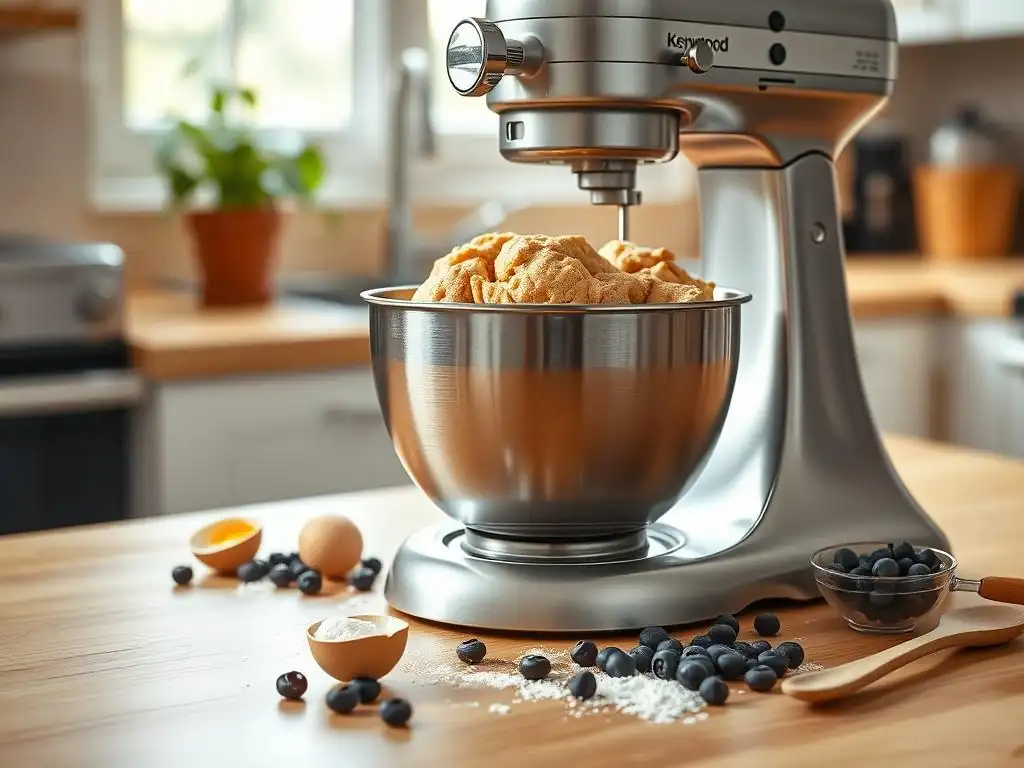
Stepping Up Your Baking Game: Mid-Range Stand Mixers Compared
Mid-range stand mixers represent a significant step up from entry-level models in terms of power, durability, and capacity. These mixers are designed for the home baker who has moved beyond the basics and is ready for a machine that can handle more demanding tasks like frequent bread making, larger batches of cookies, or more complex cake recipes. They offer a better balance between cost and performance, providing features and build quality that justify the higher price point without reaching the premium cost of high-end professional-style machines.
This category is popular because it meets the needs of a large segment of home bakers. Mixers in this range typically feature motors from 300 to 500 watts and bowl capacities ranging from 4.5 to 6 quarts. They are built with more metal components for increased durability and stability and often offer a wider range of available attachments, allowing bakers to expand their repertoire over time. Choosing a mid-range mixer is often seen as a long-term investment for those committed to baking as a serious hobby.
KitchenAid Artisan Series: The Popular Choice for Serious Home Bakers
The KitchenAid Artisan Series is arguably the most iconic and widely recognized stand mixer line in the world, and for good reason. It has become a staple in many home kitchens, representing a blend of reliable performance, durable construction, and timeless design. While it's a step up in price from basic models, its reputation for quality and versatility makes it a frequent answer when people ask about the best stand mixer for beginners who are ready to invest in a machine that will grow with their skills.
KitchenAid Artisan mixers typically feature a 325-watt motor and a 5-quart bowl, a versatile size suitable for most common home baking tasks. They are known for their planetary mixing action, which ensures thorough incorporation of ingredients. The all-metal construction provides stability and longevity. Available in a vast array of colors, the Artisan series also serves as a stylish kitchen appliance. It's this combination of function, form, and reliability that makes it a beloved choice among home bakers.
KitchenAid Artisan Features and Benefits
- Powerful enough (325W) for most home baking tasks, including moderate bread dough.
- Generous 5-quart bowl capacity.
- Planetary mixing action for complete bowl coverage.
- Durable all-metal construction.
- Iconic tilt-head design for easy bowl access.
- Single attachment hub compatible with dozens of optional accessories.
- Wide variety of colors available.
Is the KitchenAid Artisan Worth the Price?
For many home bakers, yes, the KitchenAid Artisan is considered worth the investment. While more expensive than entry-level models, its durability means it can last for many years, often a decade or more, with proper care. The reliable performance handles a wide range of recipes confidently, reducing frustration often experienced with underpowered machines.
Furthermore, the extensive ecosystem of available attachments dramatically expands its functionality beyond just mixing, allowing it to tackle tasks like pasta making, meat grinding, or vegetable spiraling. For a beginner who is serious about developing their baking skills and wants a versatile, long-lasting machine, the Artisan is often seen as the best stand mixer for beginners looking for a quality step-up.
KitchenAid Attachments: Expanding Your Baking Possibilities
One of the most compelling aspects of the KitchenAid stand mixer, including the Artisan series, is the universal attachment hub located on the front of the mixer head. This hub allows you to connect a wide variety of optional accessories, transforming the mixer into a multi-purpose kitchen appliance. Beyond the standard dough hook, flat beater, and wire whisk included, you can purchase attachments for making pasta, grinding meat, slicing vegetables, juicing citrus, milling grain, making ice cream, and much more.
This expandability means your stand mixer can evolve with your culinary interests, adding significant value over its lifetime. Investing in an Artisan opens up a world of possibilities beyond just baking.
Cuisinart Stand Mixer: A Robust and Reliable Alternative
While KitchenAid dominates the mid-range conversation, Cuisinart offers stand mixers that are robust, reliable alternatives, often competing directly on features and price. Cuisinart mixers are known for their solid build quality and powerful motors, making them capable of handling demanding tasks with ease. They often feature higher wattage motors than comparable KitchenAid models in the same price bracket, sometimes exceeding 500 watts, which can be particularly appealing for bakers who frequently work with heavy doughs or large volumes.
Cuisinart stand mixers typically come with generous bowl sizes, often 5.5 quarts or more, and include the standard set of attachments. They feature sturdy construction and multiple speed options. While they may not have the same iconic aesthetic or vast attachment ecosystem as KitchenAid, they are highly functional machines that perform exceptionally well at their core task: mixing. For a beginner looking for a powerful, dependable mixer without necessarily needing the extensive range of specialized attachments, a Cuisinart model is a strong contender for the best stand mixer for beginners prioritizing performance per dollar.
Cuisinart Stand Mixer Strengths and Weaknesses
Strengths:
- Often feature higher wattage motors for better performance with heavy doughs.
- Durable, solid construction.
- Generous bowl capacities.
- Multiple speed options provide good control.
- Generally reliable for core mixing tasks.
Weaknesses:
- Fewer optional attachments available compared to KitchenAid.
- Design may be less aesthetically varied than competitors.
- Brand recognition in the stand mixer category is less dominant than KitchenAid.
Cuisinart Attachments and Accessories
Cuisinart stand mixers typically include the essential paddle, dough hook, and whisk attachments needed for most baking tasks. While their range of optional accessories is not as extensive as KitchenAid's, Cuisinart does offer some useful add-ons. These can include pasta makers, meat grinders, and spiralizers, among others, though the selection is more limited. The focus is generally on attachments that complement the mixer's primary function of mixing, kneading, and whipping. For many home bakers, the standard attachments are sufficient, making the robust core performance of the Cuisinart mixer the main draw.
High-End Stand Mixers: Investing in Baking Excellence
The Pinnacle of Baking Power: High-End Stand Mixer Reviews
High-end stand mixers represent the top tier of home baking equipment, designed for serious enthusiasts, prolific bakers, or those who frequently tackle challenging recipes like large batches of stiff bread dough or complex pastries. These machines are built for power, durability, and high capacity, often featuring innovative designs and robust components that distinguish them from mid-range models. Investing in a high-end mixer is a significant commitment, but for bakers who demand the best performance and reliability, these machines deliver exceptional results.
Mixers in this category often boast powerful motors (500 watts and above), extra-large bowl capacities (6 quarts and up), and heavy-duty construction built to withstand years of demanding use. They are engineered for efficiency and stability, handling tasks that would strain or break lesser machines. While the price is considerably higher, the performance, longevity, and often unique features justify the cost for those dedicated to achieving professional-level results in their home kitchen.
Bosch Universal Plus: The Bread Baker's Dream
The Bosch Universal Plus mixer stands out in the high-end category, particularly beloved by bread bakers. Unlike traditional stand mixers with an overhead motor and oscillating head, the Bosch features a motor base with a central drive shaft and a rotating bowl. This unique design allows for incredible power transfer and efficiency, especially when kneading large quantities of dough. It's often cited as one of the best stand mixers for beginners who specifically want to focus on bread from the start and are willing to invest in a specialized machine.
The Bosch Universal Plus is renowned for its ability to handle vast amounts of dough – often up to 15 pounds or the equivalent of 8 loaves of bread – without overheating or straining. Its open bowl design makes it easy to add ingredients while mixing, and the dual dough hooks mimic hand kneading effectively. The powerful motor, typically around 800 watts, ensures thorough development of gluten, crucial for great bread texture. Its design and performance make it a powerhouse for anyone serious about baking bread frequently and in significant quantities.
Bosch Universal Plus Features for Bread Making
- Powerful 800-watt motor located below the bowl.
- Unique rotating bowl and central drive shaft design.
- Double dough hooks designed to mimic hand kneading.
- Exceptional capacity, often handling up to 15 lbs of dough.
- Open bowl design for easy ingredient addition.
- Multiple speed settings plus pulse.
Bosch Universal Plus Capacity and Durability
The sheer capacity of the Bosch Universal Plus is one of its most defining features. Its ability to handle large volumes of heavy dough is unparalleled by most other home mixers. This makes it ideal for large families, prolific bakers, or those who bake bread for events or freezing. The motor is designed to run efficiently and coolly even under heavy loads, contributing to the machine's impressive durability. The build quality, with robust components, ensures that this mixer is a long-term investment capable of withstanding consistent, demanding use over many years.
Bosch Accessories: Extending Functionality
While the Bosch Universal Plus is a bread-making champion, it's also a versatile machine thanks to its range of available accessories. Beyond the standard dough hooks, wire whips, and cake paddles, you can purchase attachments that utilize the central drive or a high-speed drive on the lid. These include a blender attachment, meat grinder, food processor, citrus juicer, pasta maker, and more. This expandability allows the Bosch to perform many tasks beyond kneading dough, making it a powerful multi-tool for the kitchen, although its primary strength remains its dough handling capabilities.
Ankarsrum Assistant Original: Power and Precision for Professional-Level Baking
Hailing from Sweden, the Ankarsrum Assistant Original is another high-end mixer with a unique design and a loyal following, particularly among those seeking exceptional power and precise control. Like the Bosch, it features a motor in the base and a rotating bowl, but it uses an arm that holds the attachments (like a roller and scraper for dough, or whisks) and pivots to mix the ingredients. This design allows for very efficient mixing and kneading, especially of doughs. For beginners aiming straight for professional-level results and willing to invest significantly, the Ankarsrum offers a different approach to high-power mixing.
The Ankarsrum Assistant Original is renowned for its powerful and quiet motor, often exceeding 600 watts. Its open bowl design is made of stainless steel and is typically very large, around 7 liters (approximately 7.4 quarts), offering substantial capacity. The unique roller and scraper system is excellent for kneading bread dough, gently developing gluten. It also includes whisks and a paddle attachment for batters and meringues. The solid metal construction and high-quality components contribute to its premium feel and long-term durability.
Ankarsrum Assistant Original Design and Performance
The design of the Ankarsrum Assistant Original is distinctly different from the planetary mixers most people are familiar with. The bowl rotates while the arm holding the attachment moves or is stationary. The roller attachment, combined with the scraper (which can be locked in place), effectively kneads dough against the side of the rotating bowl, mimicking hand kneading. This method is particularly effective for sticky or wet doughs. For batters and whipping, the included whisk attachments perform admirably in the large bowl. The powerful motor handles heavy loads smoothly and quietly, providing consistent performance even with large batches.
Ankarsrum Assistant Original: A Premium Investment
The Ankarsrum Assistant Original sits at the very top of the price spectrum for home stand mixers, representing a significant investment. However, its proponents argue that its durability, power, capacity, and unique kneading method make it worth the cost for serious bakers. It's built to last for decades and handle the most demanding tasks with ease. While it might be overkill for a beginner who only bakes occasionally, for someone committed to mastering advanced baking techniques, especially bread, and who values high-quality engineering and performance, the Ankarsrum is a premium machine that delivers professional-level results in the home kitchen.
Stand Mixer Buying Guide: Factors to Consider
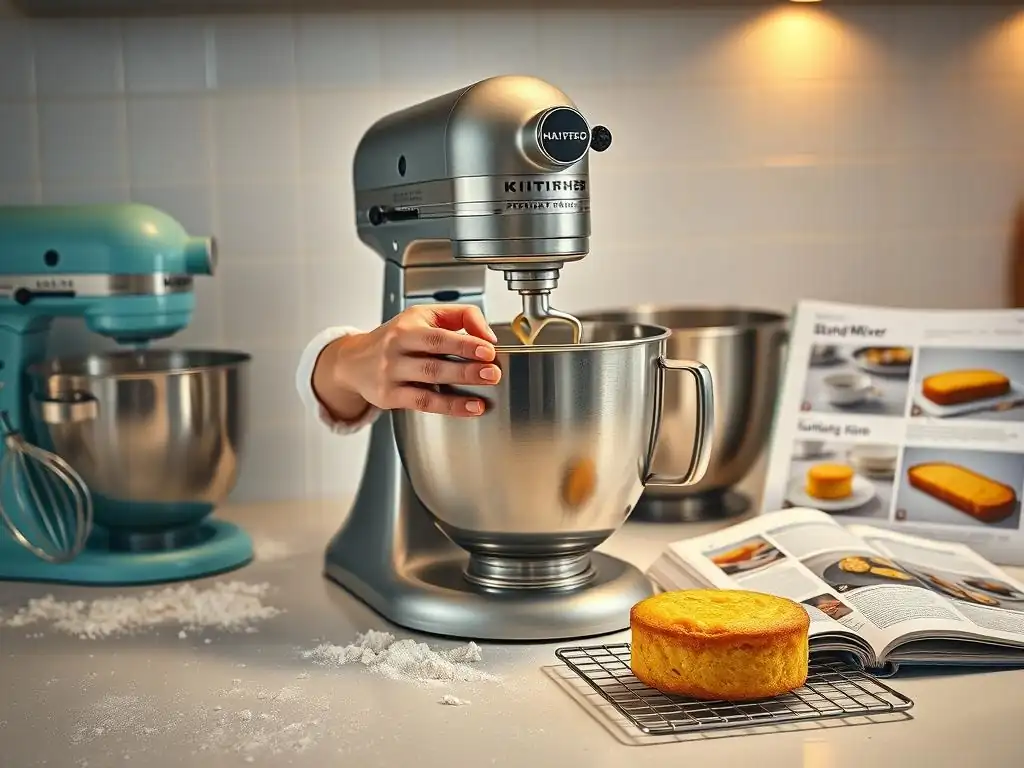
Choosing the best stand mixer for beginners involves weighing several key factors to ensure the machine meets current needs and potential future aspirations. It's not just about the price tag; it's about finding the right combination of features that will support your baking journey.
- Bowl Size
- Motor Power
- Attachments
- Tilt-Head vs. Bowl-Lift Design
- Weight and Stability
- Speed Settings
Bowl Size: Choosing the Right Capacity for Your Needs
The size of the mixing bowl determines how much dough or batter the mixer can handle at once. Bowl capacities are typically measured in quarts.
For beginners or those baking small batches, a 3 to 4.5-quart bowl is usually sufficient for standard cookie recipes (maybe 2-3 dozen), single cake layers, or whipping a few egg whites. If you plan to bake larger batches frequently, entertain often, or want to make multiple loaves of bread at once, a 5-quart bowl or larger (up to 7+ quarts on high-end models) will be more suitable.
Keep in mind that while a larger bowl offers more capacity, it can sometimes be less effective at whipping very small quantities, like just one or two egg whites. Assess the typical batch sizes you anticipate making.
Motor Power: How Much Power Do You Really Need?
Motor power, measured in watts, indicates how effectively the mixer can handle thick batters and heavy doughs. Generally, higher wattage means more power, but motor design and efficiency also play a significant role.
For basic tasks like mixing cake batter, cookie dough, or whipping cream, a motor in the 250-300 watt range (common in entry-level mixers) is usually adequate for smaller batches. If you plan to make bread dough regularly, especially recipes with lower hydration or larger volumes, you'll want a mixer with a more powerful motor, ideally 300 watts or more in a planetary mixer, or significantly higher (500W+) in specialized dough mixers like Bosch or Ankarsrum. A stronger motor reduces strain on the machine and ensures thorough kneading.
Attachments: What Comes Standard and What Can You Add?
Most stand mixers come standard with three essential attachments: a flat beater (for batters, cookies, mashed potatoes), a wire whisk (for whipping cream, egg whites, light batters), and a dough hook (for kneading yeast doughs). These three attachments cover the vast majority of common baking tasks and are usually sufficient for a beginner.
Beyond the standard set, many mixers, especially mid-range and high-end models, offer a wide array of optional attachments that connect via a power hub. These can include pasta makers, meat grinders, vegetable slicers, grain mills, and more. If you envision using your mixer for tasks beyond baking in the future, investigate the range and availability of optional attachments for different models. KitchenAid is particularly known for its extensive attachment ecosystem.
Tilt-Head vs. Bowl-Lift: Which Design is Right for You?
Stand mixers typically come in two main designs: tilt-head and bowl-lift. The tilt-head design, common on smaller and mid-range models (like the KitchenAid Artisan), allows the head of the mixer to tilt back, providing easy access to the bowl and attachments. This is generally considered more convenient for scraping down the bowl or adding ingredients during mixing.
The bowl-lift design, usually found on larger, more powerful, and high-end mixers, keeps the mixer head stationary. The bowl is attached to arms that are then lifted into place using a lever. This design is more stable, especially when mixing heavy doughs or large volumes, and is preferred for larger capacity mixers. For beginners, the tilt-head is often slightly easier to use for everyday tasks and bowl access, but the bowl-lift offers greater stability for heavy-duty work.
Weight and Stability: Keeping Your Mixer Grounded
Stand mixers are heavy appliances, and their weight contributes significantly to their stability during operation. A mixer needs to stay firmly planted on the countertop, especially when kneading stiff doughs at higher speeds, to prevent it from "walking" or vibrating excessively.
Entry-level mixers made primarily of plastic tend to be lighter and can sometimes vibrate more. Mid-range and high-end mixers, often featuring all-metal construction, are considerably heavier. A KitchenAid Artisan, for example, weighs around 26 pounds, while a larger bowl-lift model can exceed 30 pounds. High-end mixers like Bosch or Ankarsrum are also substantial. Consider where you will store the mixer – if you need to move it frequently, a lighter model might be preferable, but be aware that this can sometimes compromise stability during heavy use.
Speed Settings: Finding the Right Pace for Every Recipe
Most stand mixers offer multiple speed settings, ranging from very slow stirring to high-speed whipping. The number of speeds varies by model, but having a good range provides versatility and control over the mixing process.
A slow speed is essential for gently incorporating dry ingredients without creating a cloud of flour or for carefully folding ingredients. Medium speeds are used for creaming butter and sugar or mixing batters. High speeds are necessary for whipping egg whites or cream into stiff peaks. Look for a mixer that offers at least 6-10 distinct speeds, including a very slow "stir" or "fold" setting. Some mixers also include a "soft start" feature to prevent splashing when beginning to mix.
Choosing the Best Stand Mixer for Your Baking Style

The "best" stand mixer isn't a one-size-fits-all answer; it depends heavily on what you love to bake. Understanding how different mixer features cater to specific baking tasks will help you make the right choice.
Stand Mixers for Bread Baking: Power and Capacity are Key
Bread baking, especially yeast breads with stiff doughs, puts the most strain on a stand mixer's motor and dough hook. For frequent or large-batch bread baking, prioritize mixers with:
- High Wattage: Motors of 300W+ (planetary) or 500W+ (base-drive like Bosch/Ankarsrum) are recommended.
- Durable Dough Hook: Look for a sturdy, well-designed dough hook that effectively kneads the dough against the bowl.
- Large Capacity: A 5-quart bowl or larger is beneficial for making standard loaf sizes or multiple loaves. High-end mixers like Bosch (up to 15 lbs dough) or Ankarsrum (7+ quarts) excel here.
- Stable Design: Bowl-lift models or base-drive designs (Bosch, Ankarsrum) offer greater stability under the load of heavy dough.
For a beginner specifically interested in bread, a mid-range KitchenAid (like the Artisan) can handle occasional bread batches, but a Cuisinart with higher wattage or saving up for a Bosch might be the best stand mixer for beginners with a strong focus on bread.
Baking cakes and cookies involves a variety of tasks: creaming butter and sugar, mixing batters, whipping egg whites or cream. For these tasks, versatility and effective scraping are important:
- Good Speed Range: Needed for everything from slow incorporation to high-speed whipping.
- Effective Flat Beater: A well-designed paddle attachment ensures ingredients are mixed thoroughly.
- Tilt-Head Design: Often preferred for ease of scraping down the bowl sides while mixing batters.
- Moderate Capacity: A 4.5 to 5-quart bowl is usually ample for typical cake and cookie recipes.
- Optional Flex Edge Beater: This attachment, often available separately, has a silicone edge that scrapes the bowl sides as it mixes, reducing the need to stop and scrape manually, a great convenience for beginners and experienced bakers alike.
Many mid-range mixers, like the KitchenAid Artisan or various Cuisinart models, are excellent choices for cake and cookie bakers, offering a good balance of power and features for these tasks. Even some high-end models perform these tasks beautifully, though they might be more power than necessary.
Stand Mixers for Meringues and Whipped Cream: Achieve Perfect Peaks
Whipping air into egg whites or heavy cream requires a good whisk attachment and sufficient speed. While most stand mixers can perform this task, some are more effective than others:
- Effective Wire Whisk: A well-designed whisk attachment with enough wires is crucial for incorporating air.
- High Speed: The mixer needs to reach a sufficiently high speed to create stiff peaks.
- Planetary Mixing Action: This ensures the whisk reaches all parts of the bowl, including the bottom, which is important for whipping smaller quantities effectively.
- Bowl Shape: Some bowl shapes are better suited for whipping than others, allowing the whisk to make good contact with the ingredients.
Most mid-range and high-end planetary mixers (like KitchenAid models) excel at whipping tasks. Even some entry-level mixers with a good whisk can achieve decent results with moderate quantities. For the best stand mixer for beginners focused on delicate tasks like meringues, a mixer with a strong whisk and good high-speed capability is key.
Maintaining Your Stand Mixer: Tips for Longevity
Once you've found the best stand mixer for your needs, proper maintenance is crucial to ensure it lasts for years and continues to perform optimally. A little care goes a long way in protecting your investment.
Cleaning and Care for Your Stand Mixer
Regular cleaning after each use is the most important maintenance step.
- Unplug: Always unplug the mixer before cleaning or attaching/removing accessories.
- Attachments: Wash attachments (flat beater, dough hook, whisk) immediately after use. Most non-coated attachments are dishwasher safe, but check your manual. Coated attachments may warp or chip in the dishwasher and are often best washed by hand with warm, soapy water.
- Bowl: Stainless steel bowls are generally dishwasher safe, but hand washing is recommended for glass or ceramic bowls.
- Mixer Body: Wipe down the mixer body with a damp cloth and mild soap. Never immerse the mixer base in water. Ensure all surfaces, especially around the attachment hub and speed control, are clean and free of dried dough or batter.
- Ventilation: Keep the ventilation slots on the mixer body clear of dust and debris to prevent overheating.
Troubleshooting Common Stand Mixer Problems
Even the best stand mixer for beginners might encounter minor issues. Knowing how to troubleshoot common problems can save you time and frustration.
- Mixer Stops Mid-Use: This often indicates the motor has overheated, usually from mixing a very heavy dough or running for too long. Turn the mixer off, unplug it, and let it cool down completely (this can take 20-30 minutes). Refer to your manual for maximum run times or dough capacities.
- Attachments Not Reaching Bottom: On tilt-head models, the clearance between the attachment and the bowl can sometimes need adjustment. Your manual will have instructions on how to do this using a screw near the head. This ensures proper mixing and whipping, especially for small quantities.
- Excessive Shaking or Walking: This usually happens when mixing stiff doughs or large volumes. Ensure the mixer is on a stable, flat surface. If it's a lighter model, this might indicate it's being pushed beyond its capacity. Heavier, more stable models are less prone to this.
- Strange Noises: A new noise can indicate an internal issue. Stop the mixer and consult the manual. If the noise persists or seems serious, contact customer support.
Final Thoughts: Selecting the Perfect Stand Mixer for Your Baking Journey
Choosing the best stand mixer for beginners is an exciting step into expanding your baking capabilities. It's a tool that can significantly enhance your efficiency, consistency, and enjoyment in the kitchen. Remember that the "perfect" mixer is subjective and depends entirely on your individual needs, budget, and baking aspirations. Don't feel pressured to buy the most expensive model right away unless your goals clearly align with its capabilities.
Recommendations Based on Budget and Baking Style
- For the Budget-Conscious Beginner: Look at entry-level options like the Dash Everyday or Hamilton Beach Eclectrics. They are affordable, easy to use, and handle basic tasks well, serving as a great introduction to stand mixing.
- For the Serious Home Baker Ready to Invest: The KitchenAid Artisan or a comparable Cuisinart model offers a fantastic balance of performance, durability, and versatility for a wide range of baking projects, from cakes and cookies to moderate bread batches. This is often considered the sweet spot for a long-term investment.
- For the Dedicated Bread Baker or High-Volume Enthusiast: If bread is your passion or you need to bake large quantities, exploring high-end mixers like the Bosch Universal Plus or Ankarsrum Assistant Original might be worthwhile. Their power and capacity are specifically designed for demanding dough tasks.
Consider which category best fits your current situation and future plans. The best stand mixer for your beginner journey is one that empowers you to bake more easily and effectively, encouraging you to explore new recipes and techniques with confidence.
Where to Buy Your Stand Mixer
Stand mixers are widely available from various retailers. You can find them at major department stores, kitchen supply stores, and online marketplaces. Comparing prices and reading recent customer reviews from different sources can be helpful before making your final decision. Many retailers offer warranties and return policies, which can provide peace of mind, especially when purchasing a more expensive model. Take your time, do your research based on your needs, and get ready to elevate your baking game!
Frequently Asked Questions
What is the most important feature to look for in a stand mixer for beginners?
For beginners, ease of use is paramount. Look for a mixer with simple controls, clear instructions, and easy-to-clean attachments.
Are expensive stand mixers always better for beginners?
Not necessarily. While high-end models offer more features, entry-level mixers often provide sufficient power and functionality for basic baking needs at a lower cost.
What type of recipes can a beginner expect to make with a stand mixer?
A beginner can confidently make a variety of recipes, including cakes, cookies, and simple breads. The stand mixer simplifies the mixing process.
How important is the bowl size of a stand mixer for a beginner?
Bowl size depends on baking volume. A smaller bowl (4-5 quarts) is often sufficient for beginners making smaller batches, while a larger bowl is better for bigger families or advanced recipes.
What are some common mistakes beginners make when using a stand mixer?
Overmixing is a common mistake. Beginners should also ensure the ingredients are properly combined and that the mixer is not overloaded, damaging the motor.
Final Reflection: The Joy of Baking, Within Reach
The perfect stand mixer isn't a luxury, it's a gateway to culinary creativity, regardless of budget. This exploration of stand mixers across price points reveals that the dream of effortless baking is more accessible than many believe. From the entry-level models offering surprising capabilities to the high-end powerhouses delivering unparalleled precision, there's a perfect fit for every baker, regardless of skill level or financial constraints.
Choosing the right stand mixer is more than just selecting an appliance; it's about investing in a passion, a journey of culinary exploration. The impact of these machines extends beyond the kitchen; they foster a sense of community, connecting bakers through shared recipes and experiences. The simple act of creating something delicious, from scratch, using a tool that empowers and inspires, is profoundly rewarding. Baking is at once child's play and adult joy. And love, of course.
– Alma Flor Ada
So, what will you bake next? Consider this article not just a guide to purchasing a stand mixer, but a springboard to unleashing your inner baker. Don't let perceived limitations hold you back. Research your options, find the perfect fit for your needs and budget, and embark on a delicious adventure. The world of baking awaits, and the perfect tool to help you explore it is closer than you think.
Unleash Your Inner Baker: Find Your Perfect Stand Mixer!
Thanks for exploring the world of stand mixers with us! We hope you've gained a clearer understanding of what's available at every price point. Now it's time to take the next step towards baking deliciousness.
- Find your dream mixer: Use our guide to compare features and prices, then head to your favorite retailer to start shopping! This is your chance to upgrade your baking game!
- Share your baking journey: Show off your new mixer (or your favorite recipe made with your current one!) on social media using #BakeWithEase.
- Join our baking community: Head to the BakeWithEase forums to share your baking experiences and tips with fellow enthusiasts!
What exciting recipes will you create with your new stand mixer?