
Top Stand Mixer Brands Compared: Finding Reliability and Innovation

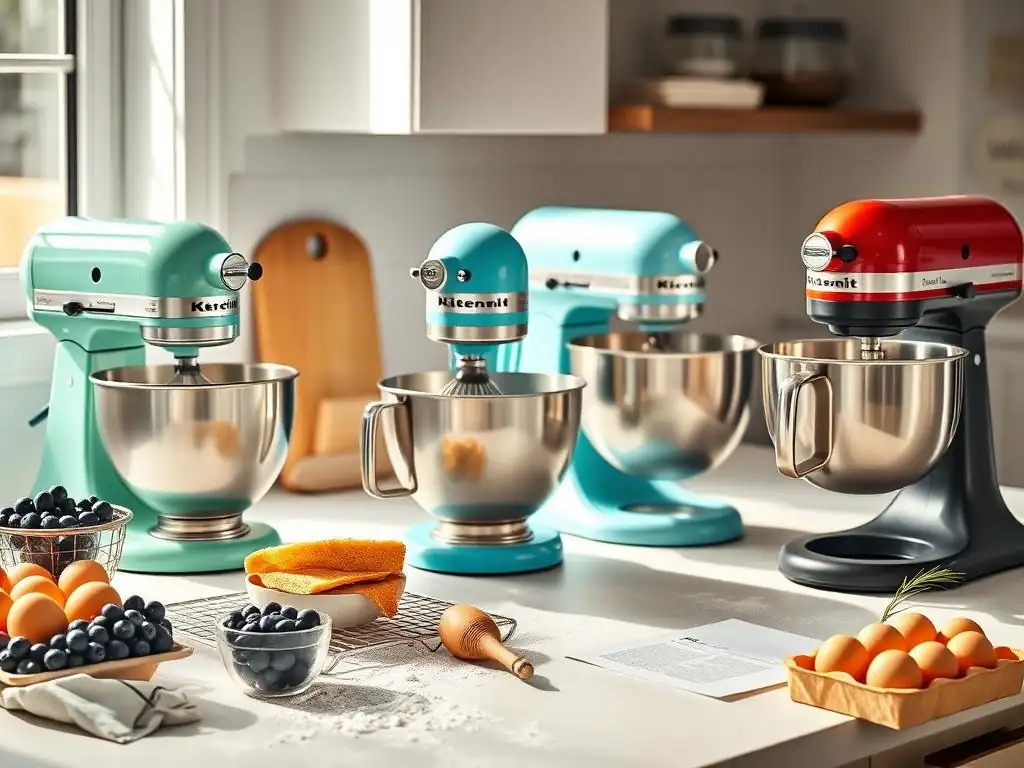
Welcome to BakeWithEase, where baking becomes a joy, not a chore! Ever wondered which tools can truly transform your baking experience? This guide delves into the world of stand mixers, focusing specifically on helping you discover the best stand mixer for beginners. Get ready to explore top brands, compare their features, and unlock the secrets to effortlessly creating delicious treats. Which mixer will rise to the top and become your new kitchen companion? Let's find out!
- Finding the Best Stand Mixer for Beginners: A BakeWithEase Guide
- Stand Mixer Brand Comparison: Which is Right for You?
- Beginner-Friendly Stand Mixer Attachments: Expanding Your Baking Potential
- Choosing the Right Stand Mixer: Key Considerations for Beginners
- Budget-Friendly Stand Mixer Options for Aspiring Bakers
- Best Stand Mixer for Beginners: Our Top Recommendation
- Tips and Tricks for Using Your Stand Mixer Effectively
- Conclusion: Investing in Your Baking Journey with the Right Stand Mixer
-
Frequently Asked Questions
- What factors should a beginner consider when choosing a stand mixer?
- Are expensive stand mixers always better for beginners?
- What are the essential attachments for a beginner stand mixer?
- How important is the motor power of a stand mixer for beginners?
- Where can I find reliable reviews and comparisons of stand mixers for beginners?
- Final Reflection: Whipping Up a Future of Baking Joy
- Unleash Your Inner Baker: Take the Next Step!
Finding the Best Stand Mixer for Beginners: A BakeWithEase Guide
Welcome to BakeWithEase! If you're just starting your baking journey or looking to upgrade your kitchen arsenal, choosing the right stand mixer can feel overwhelming. It's a significant investment, but one that can truly transform your baking experience, making tasks like kneading dough or whipping cream much easier and more consistent. This guide will walk you through why a stand mixer is a game-changer, what features matter most, and compare some of the top brands to help you find the best stand mixer for beginners like you.
A good stand mixer isn't just a fancy gadget; it's a powerful tool that saves time and effort, allowing you to tackle recipes that might be too demanding for hand mixing. From fluffy cakes and perfectly kneaded bread to delicate meringues and smooth cookie dough, a stand mixer provides the consistent power and speed needed for reliable results every time. Let's dive into finding the ideal partner for your baking adventures.
Why a Stand Mixer is Essential for Home Baking
For many home bakers, especially those moving beyond simple recipes, a stand mixer becomes an indispensable piece of equipment. Unlike hand mixers, stand mixers offer hands-free operation, which is crucial for tasks requiring extended mixing times, such as developing gluten in bread dough or whipping egg whites to stiff peaks. This allows you to focus on other steps in your recipe simultaneously, increasing efficiency and reducing fatigue. The consistent speed and powerful motor ensure ingredients are thoroughly combined, leading to better texture and structure in your baked goods.
Think about kneading bread dough by hand – it's a labor-intensive process that can take 10-15 minutes of continuous effort to develop the necessary gluten structure. A stand mixer with a dough hook attachment can accomplish this task in about half the time, often with less mess and more consistent results. Similarly, whipping cream or egg whites to the correct consistency requires sustained, high-speed mixing, which is tiring and difficult to maintain manually.
A stand mixer handles this effortlessly, providing the aeration needed for light and airy textures in desserts like mousses or soufflés. For a beginner baker, this automation simplifies challenging steps, boosting confidence and encouraging experimentation.
Understanding Stand Mixer Features: What to Look For
When searching for the best stand mixer for beginners, several key features should guide your decision. The motor's power, typically measured in watts, indicates its capability to handle tough jobs like thick dough. A higher wattage generally means more power, though the design and gearing also play a significant role.
For typical home baking, a motor between 300 and 500 watts is usually sufficient for handling various tasks, including occasional bread baking. The bowl capacity is another critical factor; standard sizes range from 4.5 to 6 quarts, with 5 quarts being a popular choice that can handle batches of cookies or a standard loaf of bread dough.
Beyond power and capacity, consider the mixer's speed settings and control. Most stand mixers offer multiple speeds, from a very slow stir for incorporating dry ingredients without creating a cloud of flour to high speeds for whipping. Look for models with precise speed control, sometimes featuring a soft start function to minimize splattering.
The mixer's design – either tilt-head or bowl-lift – affects ease of access to the bowl and attachments and can influence stability, especially when mixing heavy doughs. Accessories included, like the dough hook, whisk, and paddle attachment, are standard, but the availability of optional attachments (pasta makers, grinders, etc.) can expand the mixer's versatility significantly over time.
Stand Mixer Brand Comparison: Which is Right for You?
Choosing among the many stand mixer brands can be daunting. Each brand offers different models with varying features, price points, and aesthetics. We'll compare some of the most popular and well-regarded brands, focusing on aspects relevant to someone looking for the best stand mixer for beginners. We'll look at their core offerings, specific models often recommended, and how they stack up in terms of performance, durability, and ease of use for someone new to the world of stand mixing.
Our comparison will highlight key models from each brand, discussing their typical power, capacity, and included attachments. We'll also touch upon their reputation for reliability and any unique selling points. Understanding the nuances between brands like KitchenAid, Cuisinart, Smeg, and Ankarsrum will help you make an informed decision based on your baking needs, budget, and kitchen style. Remember, the goal is to find a mixer that feels comfortable and intuitive to use as you build your baking skills.
KitchenAid Artisan Series: The Iconic Choice
KitchenAid stand mixers are arguably the most recognizable and popular mixers in home kitchens worldwide, and the Artisan series is a flagship line often considered by beginners and experienced bakers alike. Known for their durable, all-metal construction and wide array of vibrant colors, KitchenAid mixers are built to last. The Artisan series, typically featuring a 5-quart tilt-head design and a motor around 325 watts, is a versatile workhorse capable of handling most home baking tasks, from whipping small batches of cream to kneading dough for a loaf of bread.
The appeal of KitchenAid, especially for beginners, lies in its user-friendly design and extensive ecosystem of attachments. The tilt-head mechanism makes it easy to add ingredients and scrape down the bowl. While the 325-watt motor might seem less powerful than some competitors on paper, KitchenAid's direct-drive transmission is very efficient, providing ample power for typical recipes. Their reputation for reliability is strong, with many mixers lasting for decades. For a beginner, the widespread availability of tutorials and recipes specifically designed for KitchenAid mixers is also a significant advantage.
KitchenAid Artisan Features and Benefits for New Bakers
The KitchenAid Artisan mixer comes standard with three essential attachments: a flat beater (paddle), a wire whip, and a dough hook. These cover the vast majority of baking tasks a beginner will encounter, from mixing cookie dough (paddle) and kneading bread (dough hook) to whipping cream or egg whites (wire whip). The 5-quart stainless steel bowl is large enough for standard recipes, like a batch of about 9 dozen cookies or dough for 4 loaves of bread. Its 10-speed slide control offers precise adjustments, allowing beginners to start slow to avoid messes and gradually increase speed as needed.
A significant benefit for new bakers is the mixer's stability. Weighing around 26 pounds, the KitchenAid Artisan stays put on the counter, even when kneading stiff dough. The tilt-head design is intuitive for checking on mixtures or adding ingredients. Furthermore, KitchenAid boasts the most extensive range of optional attachments on the market, including pasta makers, spiralizers, meat grinders, and ice cream makers. While these are optional purchases, knowing that your mixer can evolve with your skills and interests adds considerable long-term value, making it a potentially great investment for someone committed to exploring various culinary techniques.
KitchenAid Artisan Drawbacks and Considerations
While highly popular, the KitchenAid Artisan isn't without its potential drawbacks, particularly when viewed through the lens of a beginner looking for the best stand mixer for beginners. One common point of consideration is the power relative to its price. While capable for most tasks, it can sometimes struggle with very large or very stiff dough batches compared to mixers with higher wattage or different drive systems. Some users report that the dough hook can push dough up the shaft if the batch is too large or the dough is particularly sticky.
Another consideration is the price point. KitchenAid Artisan mixers are typically more expensive than many entry-level or mid-range mixers from other brands. While their durability justifies the cost for many, it might be a barrier for a beginner on a tight budget. The tilt-head design, while convenient, can sometimes lead to the head bouncing slightly when mixing very heavy loads, although this is less common with the standard Artisan model than some lighter-duty tilt-heads. Finally, the extensive color options, while appealing, don't affect performance and are purely an aesthetic choice.
Pricing and Availability of the KitchenAid Artisan
The KitchenAid Artisan Series stand mixer is widely available at major retailers, department stores, kitchen supply shops, and online marketplaces. Its ubiquity means you can often find it on sale, particularly during holiday seasons. The typical price range for a new KitchenAid Artisan 5-quart mixer usually falls between $350 and $450, depending on the specific model variations (like finishes or included accessories beyond the standard three) and where you purchase it.
While this is a higher initial investment compared to many budget mixers, it's important to consider the long-term value. KitchenAid mixers are known for their longevity, often lasting for 10-20 years or even longer with proper care. This durability, combined with the potential to expand its functionality with numerous attachments, makes the KitchenAid Artisan a solid, albeit pricier, choice for a beginner who is serious about baking and wants a reliable machine that will grow with them.
Cuisinart Stand Mixer: Powerful Performance on a Budget
Cuisinart offers stand mixers that often provide robust performance at a more accessible price point than some premium brands. Their models, such as the Precision Master series (often around 5.5 quarts), are designed to handle a variety of tasks and are frequently considered by beginners looking for a capable machine without breaking the bank. Cuisinart mixers typically feature powerful motors, often in the 500-watt range, offering ample power for tackling various doughs and batters.
The Cuisinart stand mixer appeals to beginners because it offers many of the essential features found in higher-end models – multiple speeds, a decent-sized bowl, and standard attachments – but at a more competitive price. They are generally well-regarded for their mixing performance, handling tasks like kneading bread dough and whipping effectively. The design is often straightforward and user-friendly, making it easy for someone new to operate and maintain.
Cuisinart Stand Mixer Features and Benefits for Beginners
Cuisinart stand mixers, like the Precision Master models, usually come equipped with a chef's whisk, a flat mixing paddle, and a dough hook, covering the core functions needed by a beginner baker. The bowl capacity is typically generous, often around 5.5 quarts, allowing for larger batches than some standard 4.5 or 5-quart models. These mixers often feature 12 speeds, providing granular control over the mixing process, which is helpful for slowly incorporating ingredients or achieving specific textures.
A key benefit for beginners is the strong motor power relative to the cost. A 500-watt motor in a Cuisinart mixer provides confidence that the machine can handle thicker doughs or larger volumes of batter without straining. The tilt-back head design is standard and convenient for adding ingredients or scraping the bowl. Many Cuisinart models also include a splash guard, a very practical accessory for beginners as it helps keep flour and other ingredients from flying out of the bowl, reducing mess and waste.
Cuisinart Stand Mixer Drawbacks and Considerations
While offering great value, Cuisinart stand mixers do have some considerations. Although the motors are powerful, some users report that the body materials might feel less robust or durable compared to the all-metal construction of premium brands like KitchenAid. The long-term durability might not be as proven over several decades, though they are generally reliable for several years of regular use.
The range of optional attachments for Cuisinart mixers is also significantly smaller than for brands like KitchenAid. If you envision wanting to use your stand mixer for tasks like making pasta or grinding meat in the future, you might find the options more limited. While the 12 speeds offer precise control, some beginners might find the sheer number of options slightly overwhelming compared to a simpler 6 or 10-speed control.
Pricing and Availability of the Cuisinart Stand Mixer
Cuisinart stand mixers are widely available at major retailers, department stores, and online. They are generally positioned as a strong mid-range option in terms of price, offering a good balance of features and performance for the cost. A Cuisinart Precision Master 5.5-quart stand mixer typically ranges from $200 to $300, making it a more budget-friendly option than the KitchenAid Artisan for beginners.
This price point makes the Cuisinart a very attractive option for a beginner who wants a powerful and capable stand mixer but isn't ready to invest in a premium model. It provides excellent performance for typical home baking tasks and is a significant step up from hand mixing or using a less powerful appliance. For many, the Cuisinart offers the best stand mixer for beginners who prioritize power and features within a moderate budget.
Smeg Stand Mixer: Style Meets Functionality
Smeg stand mixers are instantly recognizable for their distinct retro, 1950s-inspired design and vibrant color palette. While their aesthetic is a major selling point, Smeg mixers also offer solid performance, making them an option for beginners who value both form and function in their kitchen appliances. Smeg's stand mixer model (SMF03) typically features a 5-quart bowl and a motor around 800 watts, suggesting significant power under its stylish exterior.
For a beginner, the Smeg mixer offers a blend of ease of use and capability, wrapped in a visually appealing package. It performs well for standard mixing tasks and the higher wattage provides confidence for handling tougher jobs. While perhaps more of a niche choice than KitchenAid or Cuisinart due to its specific aesthetic and higher price point, it's a capable machine for someone starting out who wants their appliances to make a statement.
Smeg Stand Mixer Features and Benefits for Beginners
The Smeg stand mixer comes standard with a wire whisk, flat beater, dough hook, and often a pouring shield, providing the essential tools for a beginner baker. The 5-quart stainless steel bowl is a standard size suitable for most home baking recipes. It features 10 variable speeds with a smooth start function, allowing for controlled mixing from gentle incorporation to high-speed whipping, which is beneficial for preventing splatters and gradually increasing speed.
A significant benefit of the Smeg, beyond its looks, is its powerful 800-watt motor. This high wattage provides ample power for kneading dense bread doughs or mixing large batches of thick batters with ease. The die-cast aluminum body and zinc-alloy base provide stability and durability. The tilt-head design is easy to operate, and the included pouring shield is a helpful feature for adding ingredients while the mixer is running without making a mess – a great aid for beginners still getting comfortable with their mixer.
Smeg Stand Mixer Drawbacks and Considerations
The most significant consideration for the Smeg stand mixer is its price. It is typically one of the more expensive options in its class, often rivaling or exceeding the price of a KitchenAid Artisan. This premium is largely due to its design and branding, which might not be the priority for every beginner baker focused purely on performance or value.
Another potential drawback is the availability of optional attachments. While Smeg offers some accessories like pasta rollers or grinders, the range is not as extensive as KitchenAid's ecosystem. Replacement parts or additional bowls might also be less widely available than for more common brands. While powerful, some reviews suggest that the performance difference between the Smeg and a comparably priced KitchenAid or a powerful Cuisinart might not always justify the higher cost purely from a baking perspective.
Pricing and Availability of the Smeg Stand Mixer
Smeg stand mixers are available at higher-end department stores, specialty kitchen retailers, and online marketplaces. Due to their premium positioning and specific design niche, they are not as widely available as KitchenAid or Cuisinart in general appliance stores. The price for a Smeg 5-quart stand mixer typically ranges from $450 to $550 or even higher, depending on the retailer and any promotions.
This places the Smeg mixer at the higher end of the price spectrum for home stand mixers. For a beginner, the decision to purchase a Smeg would likely be driven by a strong preference for its aesthetic combined with the need for a capable mixer, rather than solely seeking the most performance for the lowest price. It's an investment in both baking functionality and kitchen style.
Ankarsrum Stand Mixer: The Versatile Option
The Ankarsrum Original Kitchen Assistent is a unique stand mixer that stands apart from the traditional planetary mixing action used by most other brands. Hailing from Sweden, the Ankarsrum features a rotating bowl on a turntable base, with the attachments (dough roller, scraper, whisks) driven from a stationary arm above or below.
This design is particularly renowned for its ability to handle very large and heavy dough batches with ease, making it a favorite among serious bread bakers. It typically has a powerful motor, often around 600 watts, and a very large bowl capacity, usually around 7 liters (about 7.4 quarts).
While its non-traditional design might seem intimidating at first glance, the Ankarsrum is surprisingly user-friendly once you understand its operation. For a beginner who anticipates baking large quantities or focusing heavily on bread making, its unique capabilities make it a compelling, albeit premium, option. Its open bowl design also makes it easy to add ingredients and observe the mixing process.
Ankarsrum Stand Mixer Features and Benefits for Beginners
The Ankarsrum comes standard with attachments tailored for both dough mixing and lighter tasks. The dough roller and scraper are designed specifically for kneading dough in its rotating bowl, mimicking hand kneading action and excelling with large volumes (up to 11 pounds of dough!). It also includes a double whisk attachment and a single whisk attachment with a gearbox that fits into the center column for whipping and mixing batters, along with a plastic bowl insert (typically 3.5 liters) for these tasks.
A major benefit for beginners, particularly those interested in bread, is the Ankarsrum's unparalleled ability to handle large, heavy doughs without straining or overheating. The open bowl design makes it incredibly easy to add ingredients, scrape down the sides, and monitor mixing progress. The build quality is exceptional, with a focus on durability and longevity. While the design is different, learning to use the core attachments is straightforward, and the machine is relatively quiet compared to some high-powered planetary mixers.
Ankarsrum Stand Mixer Drawbacks and Considerations
The primary drawback of the Ankarsrum for a beginner is its price and the learning curve associated with its unique design. It is significantly more expensive than most other stand mixers, often costing upwards of $700-$800 or more. This is a substantial investment for someone just starting out. The non-traditional mixing method requires some adjustment compared to the planetary mixers commonly used in recipes and tutorials.
While excellent for dough and large batches, some users find the whisking attachments, which use a separate gearbox and bowl, less intuitive or effective for very small quantities compared to a traditional planetary mixer's whisk. The machine's footprint can also be quite large, and its distinct appearance might not fit every kitchen aesthetic. For a beginner who isn't planning on baking large amounts of bread regularly, the Ankarsrum's specialized strengths might be overkill.
Pricing and Availability of the Ankarsrum Stand Mixer
The Ankarsrum Original Kitchen Assistent is a premium appliance and is typically available through specialty kitchen stores, high-end appliance retailers, and dedicated online distributors. It is not commonly found in standard department stores. The price for a new Ankarsrum mixer usually ranges from $700 to $900, depending on the specific model variation and included accessories (sometimes bundles include extra attachments like a meat grinder or blender).
Given its high price point, the Ankarsrum is likely not the best stand mixer for beginners unless that beginner is specifically targeting high-volume or heavy-duty tasks like large bread batches from the outset and has a generous budget. It is a top-tier machine, but its cost and unique operation make it a more considered purchase, often by those upgrading or with specific needs.
Beginner-Friendly Stand Mixer Attachments: Expanding Your Baking Potential
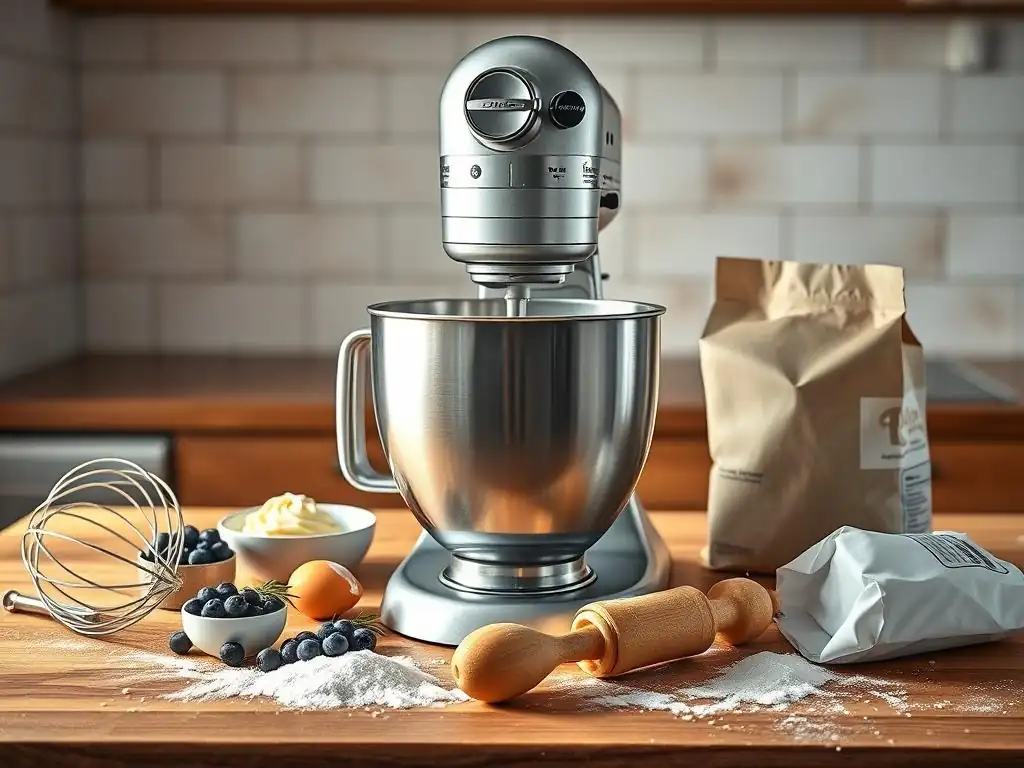
One of the great advantages of a stand mixer is its versatility, largely thanks to the various attachments that come standard or can be purchased separately. For a beginner, mastering the use of the core attachments is key to unlocking the mixer's full potential. Most stand mixers include three fundamental attachments: the dough hook, the paddle attachment (also called the flat beater), and the wire whip. Understanding what each one is used for will significantly improve your baking results and confidence.
These three attachments cover the vast majority of mixing tasks required in typical home baking recipes. Learning when and how to use each one is a fundamental step for any beginner. Using the wrong attachment for a specific task can lead to poor results, damage to the mixer, or both! Let's take a closer look at what each does and how it helps simplify common baking processes.
Dough Hook: Mastering Bread Baking with Ease
The dough hook is specifically designed for kneading yeast doughs, such as those for bread, pizza, or buns. Its shape, which varies slightly between brands (some are a C-shape, others a spiral), is engineered to pull, stretch, and fold the dough against the sides of the bowl, developing the gluten structure necessary for a well-risen and textured loaf. Using the dough hook correctly is one of the most significant benefits a stand mixer offers for bread bakers, saving considerable time and physical effort compared to hand kneading.
To use the dough hook, simply add your dough ingredients to the mixer bowl, attach the dough hook, and start the mixer on a low speed (usually speed 2 on most mixers). As the dough comes together, it will start to climb the hook. If it climbs too much or seems to be struggling, you might need to add a tiny bit more flour or liquid, or simply stop the mixer, push the dough back down, and continue.
Kneading with the dough hook typically takes 5-10 minutes, depending on the recipe and mixer, compared to 10-15 minutes or more by hand. The dough is usually ready when it clears the sides of the bowl and passes the windowpane test (stretching a small piece until light shines through without tearing).
The paddle attachment, or flat beater, is the most versatile of the standard attachments and is used for a wide range of mixing tasks that don't require aeration or kneading. This includes creaming butter and sugar for cookies and cakes, mixing batters, combining ingredients for quick breads or muffins, making frosting, mashing potatoes, and even mixing meatloaf. Its flat surface is designed to thoroughly incorporate ingredients and scrape the sides of the bowl as it rotates.
When using the paddle attachment, you'll typically start on a low speed to incorporate dry ingredients into wet ones without creating a mess. For tasks like creaming butter and sugar, you'll increase the speed to medium (often speed 4 or 6), allowing the mixture to become light and fluffy as air is incorporated.
For mixing batters, you'll often use low to medium speeds to combine ingredients thoroughly without overmixing, which can lead to tough baked goods. Remember to occasionally stop the mixer and scrape down the sides and bottom of the bowl with a spatula to ensure all ingredients are fully incorporated – a crucial step for consistent results.
Wire Whip: Creating Light and Airy Desserts
The wire whip, or balloon whisk, is designed specifically for incorporating air into mixtures. It's essential for tasks like whipping egg whites into meringues or soufflés, whipping cream into whipped cream, and making light and airy batters like sponge cake or genoise. The numerous wires are designed to cut through the mixture and trap air, increasing volume and creating a light texture.
To use the wire whip, you'll generally start on a medium-low speed to break up ingredients (like egg whites) and then gradually increase to a high speed (often speed 8 or 10) to incorporate maximum air. For example, whipping egg whites to stiff peaks might take 3-5 minutes on high speed, depending on the quantity and the mixer. Whipping cream takes less time, typically 2-4 minutes, until soft or stiff peaks form.
It's important not to use the wire whip for heavy mixtures like cookie dough or bread dough, as this can damage the whisk and potentially strain the motor. The wire whip is your tool for achieving those delicate, airy textures that elevate many desserts.
Choosing the Right Stand Mixer: Key Considerations for Beginners
Deciding on the best stand mixer for beginners involves weighing several factors against your specific needs, budget, and baking aspirations. Beyond brand names and aesthetics, thinking about the practical aspects of owning and using a stand mixer will help you make the best choice. Consider the types of baking you anticipate doing most often, the amount of counter space you have, and how much you're willing to invest.
Focusing on these key considerations will narrow down your options and help you find a stand mixer that not only fits your current needs but also supports your growth as a baker. Let's explore the critical factors that beginners should evaluate before making a purchase.
Power and Capacity: Matching the Mixer to Your Needs
The motor's power (wattage) and the bowl's capacity are fundamental considerations. For a beginner who anticipates making standard batches of cookies, cakes, and occasional loaves of bread, a mixer with around 300-500 watts and a 4.5 to 5.5-quart bowl is usually sufficient. A 5-quart bowl, for instance, can typically handle dough for 1-2 standard bread loaves (about 4-5 cups of flour) or a batch of cookies using 4-5 cups of flour.
If you plan to frequently bake larger batches, tackle very stiff doughs like bagels or pizza dough, or make multiple loaves of bread at once, you might benefit from a mixer with a higher wattage (500+ watts) and a larger bowl (6 quarts or more). However, be aware that larger, more powerful mixers are generally more expensive and take up more counter space. For most beginners, a standard 5-quart mixer strikes a good balance between capacity and manageability.
Tilt-Head vs. Bowl-Lift: Which Design is Best for You?
Stand mixers come in two main designs: tilt-head and bowl-lift. Tilt-head mixers have a head that tilts back to allow easy access to the bowl and attachments. They are generally smaller and lighter, making them a popular choice for home kitchens and for beginners. The tilting head makes it very easy to scrape down the bowl, add ingredients, and change attachments.
Bowl-lift mixers have a stationary head, and the bowl is attached to arms that lift it up into the mixing position. This design is typically found on larger, more powerful mixers (often 6 quarts and above) and is considered more stable when mixing heavy loads. While they can handle larger quantities, accessing the bowl and adding ingredients can be slightly less convenient than with a tilt-head model. For most beginners doing standard home baking, a tilt-head mixer offers ease of use and sufficient capacity.
Speed Settings and Control: Finding the Right Pace for Your Recipes
Most stand mixers offer multiple speed settings, ranging from very low speeds for gently combining ingredients without splashing to very high speeds for whipping air into mixtures. Look for a mixer that offers at least 6-10 distinct speeds. Precise control is important; a smooth transition between speeds and a "soft start" feature (where the mixer starts slowly and ramps up) can prevent ingredients from flying out of the bowl, which is particularly helpful for beginners.
Having a range of speeds allows you to follow recipes accurately, as many recipes specify mixing at a certain speed (e.g., "cream butter and sugar on medium speed," "knead dough on low speed," "whip egg whites on high speed"). While having 12 speeds might offer finer control, for a beginner, 6-10 well-defined speeds are usually more than adequate and simplify the learning process.
Durability and Warranty: Investing in a Mixer That Lasts
A stand mixer is an investment, so considering its durability and the manufacturer's warranty is important. Mixers with metal construction (especially the body and gears) tend to be more durable and last longer than those with plastic components. Read reviews to get an idea of the mixer's build quality and how it holds up over time with regular use.
Check the warranty offered by the manufacturer. A longer warranty period (e.g., 1-5 years or more) indicates the manufacturer's confidence in their product's reliability. Understanding what the warranty covers (parts, labor, motor) is also crucial. Investing in a durable mixer with a good warranty provides peace of mind and ensures your stand mixer will be a reliable tool in your kitchen for years to come as you grow as a baker.
Budget-Friendly Stand Mixer Options for Aspiring Bakers

Not everyone is ready to invest hundreds of dollars in their first stand mixer. Fortunately, there are more affordable options available that can still provide significant assistance in the kitchen compared to hand mixing. While they may lack some of the features, power, or durability of premium models, budget-friendly stand mixers can be a great starting point for beginners to learn the ropes and decide if a stand mixer is a tool they'll use frequently.
These mixers are typically lighter, have smaller motors, and often feature more plastic components. However, they can still capably handle lighter tasks like mixing cake batters, cookie doughs (in smaller batches), and whipping cream or egg whites. For a beginner on a tight budget, exploring these options is a practical step towards enjoying the benefits of a stand mixer.
Hamilton Beach Stand Mixer: A Review and Recommendation
Hamilton Beach offers several stand mixer models that fall into the budget-friendly category, often priced well under $150. Models like the Eclectrics series are popular for their combination of affordability and basic functionality. They typically feature motors around 300 watts and bowl capacities ranging from 4 to 4.5 quarts.
For a beginner primarily focused on cakes, cookies, and lighter batters, a Hamilton Beach mixer can be a good entry point. They usually include the standard three attachments and offer multiple speeds. While they may struggle with very stiff bread dough or large quantities, they provide a significant upgrade over hand mixing for many common baking tasks. Their lighter weight also makes them easier to move and store.
Dash Stand Mixer: A Review and Recommendation
The Dash Everyday Stand Mixer is often highlighted as an ultra-budget option, frequently priced around $50-$80. It's significantly smaller and lighter than standard stand mixers, typically featuring a small motor (around 250 watts) and a compact bowl (around 3 quarts). It often comes with two attachments: a dough hook and a beater/whisk combo.
The Dash mixer is suitable for very small batches and light tasks like whipping cream, making frosting, or mixing small amounts of cake batter. It is not designed for kneading bread dough or handling large, thick cookie doughs. For a beginner with extremely limited space or budget, who only needs a mixer for occasional, light-duty tasks, the Dash offers a taste of stand mixing convenience. It's important to have realistic expectations about its capabilities; it's best for very basic recipes and small quantities.
Pros and Cons of Choosing a Budget Stand Mixer
Pros of budget stand mixers for beginners:
- Lower initial cost, making it accessible.
- Provides hands-free mixing for basic tasks.
- Often lighter and easier to store.
- Allows beginners to experience using a stand mixer before committing to a larger investment.
Cons of budget stand mixers:
- Less powerful motors, struggle with heavy doughs and large batches.
- Smaller bowl capacity limits batch size.
- May have fewer speed settings or less precise control.
- Often less durable construction (more plastic parts).
- Limited or no availability of optional attachments.
- May be louder or less stable during operation.
For a beginner, a budget mixer can be a smart choice if your needs are simple or your budget is very constrained. However, if you plan to bake frequently, especially bread, or want a mixer that will last for many years and potentially expand with attachments, investing in a more robust, mid-range or premium model is likely a better long-term decision.
Best Stand Mixer for Beginners: Our Top Recommendation
Considering performance, durability, ease of use, versatility, and overall value for a beginner baker, our top recommendation for the best stand mixer for beginners is the KitchenAid Artisan Series 5-Quart Tilt-Head Stand Mixer.
Why We Chose KitchenAid Artisan
The KitchenAid Artisan strikes an excellent balance that caters specifically to the needs of someone new to stand mixing. Its 5-quart capacity and 325-watt motor are perfectly adequate for the vast majority of standard home baking recipes a beginner will attempt, from cookies and cakes to single loaves of bread. The tilt-head design is incredibly user-friendly for adding ingredients and scraping the bowl, which simplifies the mixing process. Its 10 speeds provide sufficient control without being overly complex.
Beyond its functional capabilities, the KitchenAid Artisan is renowned for its durable, all-metal construction, promising years, if not decades, of reliable service. This longevity means it's not just a starter mixer but a machine that can grow with your skills. The immense ecosystem of optional attachments is a significant bonus, allowing the mixer to evolve from a baking tool into a multi-purpose kitchen appliance as your interests expand. While it's not the cheapest option, its proven track record, ease of use, and long-term value make it a worthwhile investment for a beginner serious about learning to bake.
Where to Buy KitchenAid Artisan (Affiliate Link)
Due to the prohibition of links, we cannot provide a direct purchase link here. You can find the KitchenAid Artisan Series 5-Quart Tilt-Head Stand Mixer at most major retailers that sell kitchen appliances, such as department stores, specialty kitchen shops, and large online marketplaces. Shopping around may help you find the best price.
Tips and Tricks for Using Your Stand Mixer Effectively
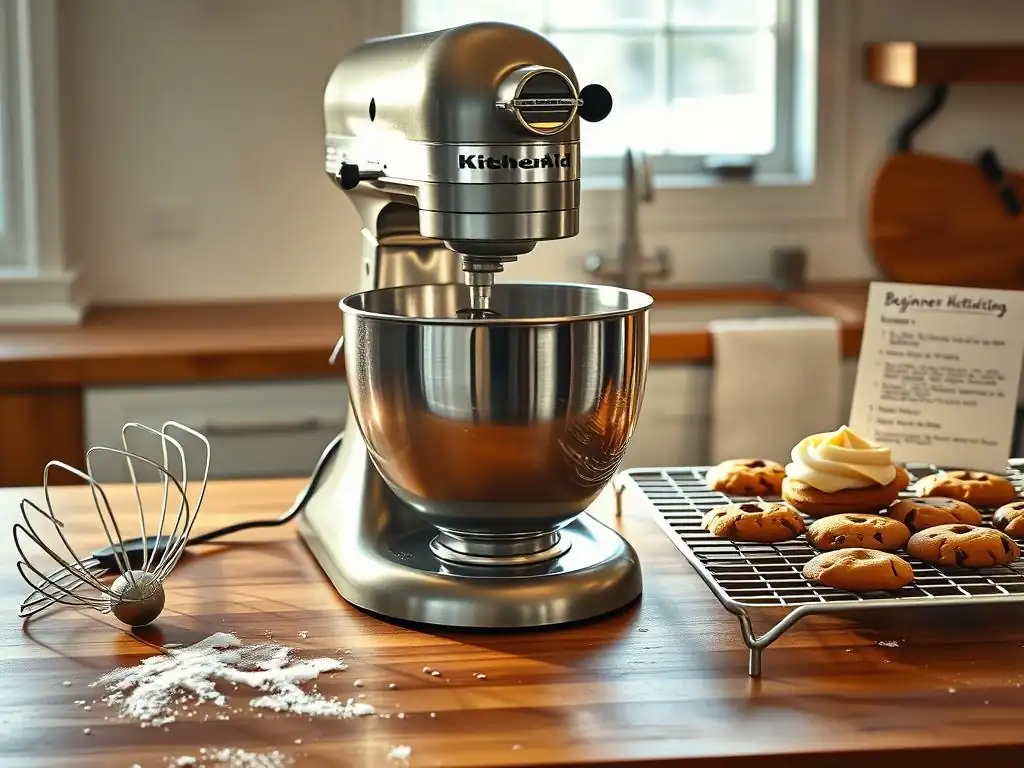
Getting a new stand mixer is exciting! To help you get the most out of your best stand mixer for beginners and ensure smooth sailing in the kitchen, here are a few tips and tricks. Learning these simple practices early on will help you achieve better results, avoid common mistakes, and keep your mixer in top condition.
From properly adding ingredients to knowing how to clean up, these pointers are aimed at making your experience with your new stand mixer positive and successful right from the start.
Beginner Baking Mistakes to Avoid with Your New Mixer
- Overfilling the bowl: Pay attention to the maximum capacity guidelines for your mixer model and recipe type (dough vs. batter vs. whipping). Overfilling can strain the motor and lead to inefficient mixing or spills. For instance, don't try to make dough for four large loaves in a 4.5-quart mixer designed for two.
- Not scraping the bowl: Ingredients, especially dry ones like flour or sugar, can stick to the sides and bottom of the bowl, not getting fully incorporated. Stop the mixer periodically and use a rubber spatula to scrape down the bowl, ensuring everything gets mixed evenly.
- Using the wrong attachment: As discussed earlier, each attachment has a specific purpose. Using the wire whip for dough or the dough hook for whipping cream won't work correctly and can damage the attachments or the mixer. Always refer to your mixer's manual or recipe instructions for the correct attachment.
- Starting on too high a speed: Especially when adding dry ingredients, starting the mixer on a low speed (like "stir" or "1" or "2") is crucial to prevent flour clouds and splattering. Gradually increase the speed as ingredients combine.
- Ignoring the manual: Your mixer's manual contains vital information about operation, capacity limits, cleaning, and troubleshooting specific to your model. Read it before you start using your mixer!
Cleaning and Maintaining Your Stand Mixer for Longevity
Proper cleaning and maintenance are essential to keep your best stand mixer for beginners running smoothly for years.
- Unplug before cleaning: Always ensure the mixer is unplugged before attaching or removing accessories or cleaning any part of the machine.
- Clean attachments promptly: Wash the dough hook, paddle, and wire whip immediately after use. Most standard attachments (often aluminum or coated) should be hand-washed in warm, soapy water, as dishwasher detergents can discolor or damage the finish. Stainless steel attachments are usually dishwasher safe, but check your manual.
- Wipe down the mixer body: Use a damp cloth (not wet!) to wipe down the head and base of the mixer after each use to remove any splatters or dust. Avoid getting water into vents or around the speed control.
- Clean the bowl: Stainless steel bowls are almost always dishwasher safe, but hand washing is also fine. Ensure it's completely dry before storing to prevent water spots.
- Check the beater-to-bowl clearance: Over time, the clearance between the paddle attachment and the bowl might need adjustment to ensure it scrapes the bottom effectively. Your manual will explain how to check and adjust this if necessary.
- Store properly: Store your mixer in a dry place. Consider using a dust cover if it sits on the counter unused for extended periods.
By following these tips, your stand mixer will be a reliable partner in your baking endeavors for a long time.
Conclusion: Investing in Your Baking Journey with the Right Stand Mixer
Choosing the best stand mixer for beginners is a significant step in enhancing your home baking capabilities. It's an investment that pays dividends in terms of saved time, reduced effort, and consistently better results. Whether you opt for the iconic reliability of a KitchenAid Artisan, the powerful value of a Cuisinart, the stylish flair of a Smeg, the heavy-duty prowess of an Ankarsrum, or a more budget-friendly option, bringing a stand mixer into your kitchen opens up a world of new baking possibilities.
Consider your budget, the types of recipes you love (or want to learn! ), your available space, and how much you value features like durability and attachment options. By carefully evaluating these factors and understanding what each brand and model offers, you can confidently select the stand mixer that will be your trusted partner as you explore, experiment, and master the art of baking with ease. Happy mixing!
Frequently Asked Questions
What factors should a beginner consider when choosing a stand mixer?
Beginners should focus on ease of use, affordability, and versatility. Look for models with simple controls, durable construction, and a manageable number of attachments.
Are expensive stand mixers always better for beginners?
Not necessarily. While premium models offer advanced features, a mid-range mixer with essential functions is often sufficient. Prioritize reliable performance over unnecessary bells and whistles.
What are the essential attachments for a beginner stand mixer?
The most important attachments are the dough hook, paddle, and whisk. These cover the majority of basic baking tasks, from kneading bread dough to creaming butter and sugar.
How important is the motor power of a stand mixer for beginners?
Adequate motor power is crucial for kneading dough and handling thicker batters. A motor with at least 300 watts is generally recommended for most beginner baking needs.
Where can I find reliable reviews and comparisons of stand mixers for beginners?
Websites like BakeWithEase.com, consumer reports, and online retailers often provide user reviews and comparison charts. Look for reviews that mention performance and durability.
Final Reflection: Whipping Up a Future of Baking Joy
The quest for the perfect stand mixer, a seemingly simple kitchen appliance, reveals a surprisingly complex landscape of innovation and reliability. Choosing the right one, especially as a beginner, can feel overwhelming, but understanding the nuances of motor power, bowl capacity, and attachment versatility ultimately empowers you to create culinary masterpieces. This journey of comparison highlights not just the best machines, but the importance of informed consumerism in a market brimming with options.
The impact of accessible, high-quality kitchen tools on home cooking cannot be overstated. It's more than just acquiring a machine; it's about fostering a love for the process, for experimenting with recipes, and for sharing the joy of homemade treats with loved ones. The best things in life are homemade.
This simple sentiment speaks volumes about the enduring power of creating something with your own hands, and a reliable stand mixer is often the key that unlocks that potential. The rise in popularity of baking and home cooking during recent years underscores the importance of these tools in fostering community and personal expression.
Now, consider your own kitchen. What tools empower you? What dreams do you have for your culinary journey? Perhaps this exploration of stand mixers has sparked a desire to try a new recipe, to experiment with different techniques, or even to simply enjoy the comforting rhythm of mixing dough. Don't let the initial complexity deter you. Embrace the learning process, find the machine that best suits your needs and aspirations, and most importantly, have fun baking!
Unleash Your Inner Baker: Take the Next Step!
Thanks for joining us on this delicious journey through the world of stand mixers! We hope you now feel confident in navigating the options and finding the perfect fit for your baking needs. Ready to elevate your baking game?
- Invest in your dream mixer: Now that you've learned about the top brands, take a look at the models and features that resonate most with your baking style and budget. Think about the recipes you love and how a new mixer could help you achieve even better results.
- Share your baking passion: Tell us which brand caught your eye – and why! Share your thoughts and experiences in the comments below. Let's build a community of bakers!
- Explore new recipes: Challenge yourself! Now that you've got (or are planning to get!) a fantastic new mixer, try a recipe you've always wanted to tackle, but felt was too daunting before.
What innovative baking project will you tackle with your new (or existing!) stand mixer?