
The Secret Ingredient for Extra Moist Vanilla Cakes

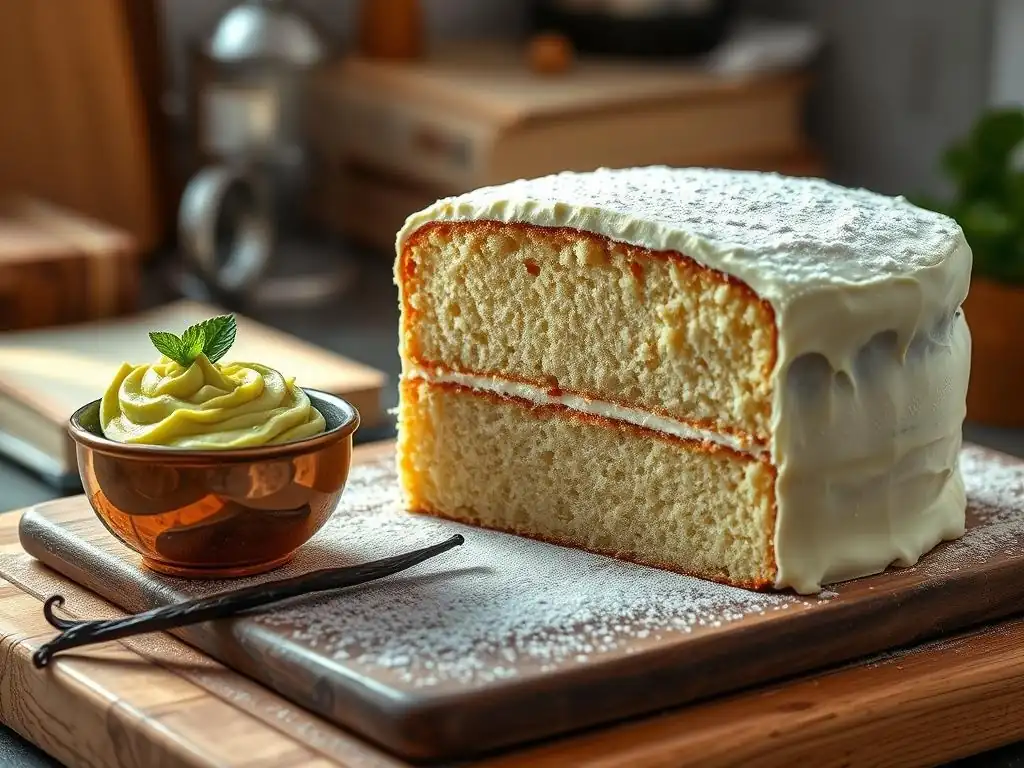
Welcome to BakeWithEase, where baking dreams become delicious realities! Ever wondered what the secret is to achieving that perfectly tender, melt-in-your-mouth vanilla cake? You're in the right place. Dive into our exploration of the extra moist vanilla cake recipe that will transform your baking game. Discover the crucial ingredient and techniques that separate a good cake from an unforgettable one, and prepare to impress with every slice. Ready to unlock the secrets? Let's get baking!
- Introduction: Achieving the Perfect Moist Vanilla Cake
- Understanding the Science Behind Moist Cakes
- Revealing the Secret Ingredient: Sour Cream
- Extra Moist Vanilla Cake Recipe Using Sour Cream
- Tips and Tricks for Maximizing Moisture in Vanilla Cakes
- Variations and Adaptations for Your Moist Vanilla Cake Recipe
- Troubleshooting Common Vanilla Cake Problems
- Conclusion: Enjoy Your Deliciously Moist Vanilla Cake
-
Frequently Asked Questions
- What is the "secret ingredient" that makes vanilla cake extra moist, according to BakeWithEase.com?
- Is this extra moist vanilla cake recipe suitable for beginner bakers?
- Where can I find the full recipe for this extra moist vanilla cake?
- What kind of tips and techniques does BakeWithEase.com offer for baking cakes in general?
- Does BakeWithEase.com offer recipes beyond just vanilla cake?
- Final Reflection: The Enduring Allure of a Perfectly Moist Cake
- Unlock Your Cake's Full Potential!
Introduction: Achieving the Perfect Moist Vanilla Cake
Baking a truly perfect vanilla cake can feel like chasing a mythical creature. We've all experienced it: the beautiful rise, the golden-brown crust, only to slice into a crumb that's dry, crumbly, and utterly disappointing. A moist vanilla cake is the hallmark of a skilled baker, a treat that melts in your mouth and leaves you wanting more. But what exactly makes a cake moist, and how can you consistently achieve that desirable texture, especially when crafting a classic vanilla cake? It's a balance of ingredients, technique, and a little bit of baking science.
This article will guide you through the essential elements that contribute to cake moisture, demystifying the process so you can consistently bake an extra moist vanilla cake. We'll explore the fundamental roles of different ingredients, share crucial tips for baking success, and reveal a simple yet incredibly effective secret ingredient that can transform your vanilla cake from good to absolutely unforgettable in terms of moisture and texture. Get ready to elevate your baking game and master the art of the moistest vanilla cake you've ever made.
Why is Moisture Crucial in Vanilla Cakes?
Moisture is arguably the most critical factor determining a cake's palatability and perceived quality. A cake lacking sufficient moisture feels dry in the mouth, crumbles easily, and often tastes bland. The texture of a moist cake, on the other hand, is tender, soft, and melts beautifully on the tongue, enhancing the flavor experience significantly. For a simple flavor like vanilla, where the texture is paramount, achieving optimal moisture is non-negotiable for a truly satisfying result.
Beyond just the eating experience, moisture also impacts a cake's shelf life. A well-hydrated cake tends to stay fresh and tender for longer than a dry one. Imagine baking a beautiful vanilla cake for a special occasion; you want it to remain delightful for guests enjoying it hours or even a day later. Ensuring your extra moist vanilla cake recipe delivers on this front means less waste and more enjoyment, making moisture a key goal for any baker aiming for excellence.
Introducing the Secret Ingredient for Unparalleled Moistness
While many factors contribute to a moist vanilla cake, there's one ingredient that stands out for its ability to dramatically enhance the cake's texture and moisture level: sour cream. Often overlooked in basic vanilla cake recipes, sour cream brings a unique combination of fat, acidity, and liquid that works wonders in the baking process. Its creamy texture translates directly into a richer, more tender crumb.
Incorporating sour cream into your extra moist vanilla cake recipe is a simple step that yields remarkable results. It not only adds moisture but also contributes to a finer crumb structure and a subtle tang that complements the sweet vanilla flavor beautifully without overpowering it. We'll delve deeper into why sour cream is such a powerful ally in the quest for the moistest vanilla cake later in this article, providing you with a concrete method to utilize this secret ingredient effectively.
Understanding the Science Behind Moist Cakes
Baking is essentially kitchen chemistry, and understanding how ingredients interact is key to controlling outcomes like moisture. The tenderness and hydration of a cake are influenced by the delicate balance between wet and dry ingredients, fats, sugars, and proteins. When these elements are in harmony, they prevent the formation of a tough gluten network and ensure that moisture is both incorporated and retained throughout the baking process and beyond.
Consider the structure of a cake. It's a matrix of proteins (primarily from flour and eggs) interspersed with air pockets and coated with fat and sugar. The moisture is held within this structure. Too much gluten development, often caused by overmixing or insufficient fat, results in a tough, dry cake. Conversely, the right ratios and techniques ensure a tender, moist crumb where hydration is locked in, making every bite a pleasure.
The Role of Fat in Cake Moisture
Fat plays a crucial role in creating a moist and tender cake. Ingredients like butter, oil, and shortenings interfere with gluten development by coating the flour particles, preventing the proteins from bonding excessively when liquid is added. This results in a softer, more tender crumb. Additionally, fat adds richness and contributes to the overall moist sensation in your mouth.
Different types of fat behave differently. Butter adds flavor but also contains water, which can contribute to gluten development if not handled carefully. Oil, being 100% fat, is particularly effective at inhibiting gluten and often yields cakes that stay moist longer, though it may not provide the same depth of flavor as butter. Many extra moist vanilla cake recipes utilize a combination of fats or ingredients high in fat content to achieve the best results.
How Sugar Affects Cake Texture and Humidity
Sugar is not just for sweetness; it's a hygroscopic ingredient, meaning it attracts and holds onto moisture. In a cake batter, sugar competes with other ingredients, particularly flour, for the available liquid. This interaction helps to keep the gluten network tender. During baking, sugar melts and contributes to the cake's browning and crust formation.
Moreover, sugar's ability to retain moisture helps the cake stay soft and moist after it has cooled. A cake with sufficient sugar content will generally have a more tender crumb and a longer shelf life compared to one with very little sugar. Balancing the sugar content is vital in an extra moist vanilla cake recipe – enough to ensure moisture retention and tenderness, but not so much that it makes the cake overly sweet or gummy.
The Importance of Liquid Ingredients in Vanilla Cakes
Liquid ingredients, such as milk, buttermilk, eggs (which contain liquid), and extracts, are essential for hydrating the dry ingredients and activating chemical leaveners like baking soda and baking powder. They provide the necessary moisture for the gluten to develop (though we want to control this development) and for the cake to rise and set properly. The type and amount of liquid significantly impact the final texture.
Using liquids that are slightly acidic, like buttermilk or sour cream, can be particularly beneficial in baking. The acid reacts with baking soda, producing carbon dioxide gas that aids in leavening, contributing to a lighter texture. Furthermore, the acid helps to break down proteins, leading to a more tender crumb. This is one reason why ingredients like sour cream are so effective in creating an extra moist vanilla cake.
Revealing the Secret Ingredient: Sour Cream
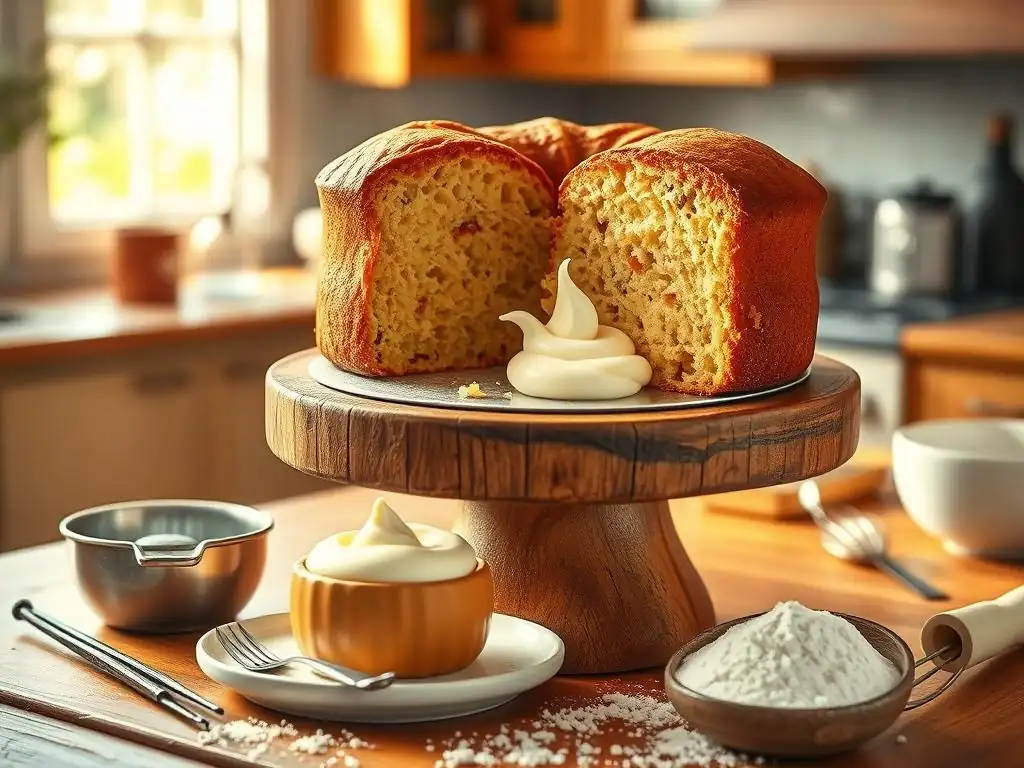
As hinted earlier, the secret ingredient that can significantly elevate the moisture level and texture of your vanilla cake is sour cream. This common dairy product is a game-changer for bakers seeking that elusive, incredibly moist crumb. It's readily available, easy to use, and makes a noticeable difference in the final product.
Incorporating sour cream into your existing or a new extra moist vanilla cake recipe is straightforward. It typically replaces a portion of the liquid and/or fat called for in traditional recipes. The result is a cake with a richer flavor, a finer, more tender crumb, and exceptional moisture that lasts. It's a simple swap or addition that yields professional-level results in home baking.
What is Sour Cream and Why it Works?
Sour cream is a dairy product made by fermenting cream with lactic acid bacteria. This process thickens the cream and gives it its characteristic tangy flavor. It's relatively high in fat (typically around 18-20% for regular sour cream) and contains lactic acid. This unique composition is why it's so effective in baking, particularly for achieving a moist vanilla cake.
The fat content in sour cream adds richness and interferes with gluten development, contributing to a tender crumb, similar to butter or oil. The acidity helps break down tough protein strands in the flour and eggs, further tenderizing the cake. The acid also reacts with baking soda, producing carbon dioxide which aids in leavening, resulting in a lighter texture despite the richness. Finally, the liquid content provides hydration to the dry ingredients. It's a multi-tasking ingredient that tackles dryness from several angles, making it perfect for an extra moist vanilla cake recipe.
The Unique Properties of Sour Cream for Baking
Sour cream's balance of fat, liquid, and acidity sets it apart. Unlike milk or water, its higher fat content adds tenderness directly. Unlike butter or oil alone, its liquid and acidic components contribute to leavening and protein breakdown. For example, while adding more butter adds richness, it doesn't provide the same tenderizing effect through acidity. Using only oil might make the cake moist but could result in a slightly greasy texture without the complex flavor and tenderizing benefits of sour cream.
Consider a standard vanilla cake recipe using only milk. Swapping half or all of the milk for sour cream introduces significant fat and acid. This leads to a cake that not only feels more moist but also has a more delicate structure. The slight tang from the sour cream also brightens the sweet vanilla flavor, adding another layer of complexity. These unique properties make sour cream an invaluable tool for creating an extra moist vanilla cake.
Sourcing the Best Sour Cream for Your Vanilla Cake
The quality and type of sour cream can influence the outcome of your extra moist vanilla cake. Full-fat sour cream is generally recommended for baking as it provides the most richness and tenderizing fat. Low-fat or fat-free versions contain more water and less fat, which can negatively impact the texture and moisture compared to using regular sour cream. While they might work in a pinch, for the best, most moist vanilla cake, opt for full-fat.
When selecting sour cream, look for one that is thick and smooth. Avoid products with added gums or stabilizers if possible, though most commercial sour creams will contain them. Natural, full-fat sour cream will provide the ideal balance of fat, acid, and liquid for your baking needs. Ensure it is fresh and at room temperature when adding it to your batter for optimal emulsification with other ingredients.
Extra Moist Vanilla Cake Recipe Using Sour Cream
Ready to put the secret ingredient to the test? Here is a foundational extra moist vanilla cake recipe incorporating sour cream designed to produce a tender, flavorful, and exceptionally moist cake. This recipe uses classic techniques combined with the power of sour cream to ensure success.
This recipe yields one 8-inch or 9-inch round cake layer, perfect for a small celebration or doubling for a layer cake. The ingredient quantities are carefully balanced to leverage the benefits of sour cream without making the cake too dense or heavy. Follow the steps closely, and you'll be rewarded with the moistest vanilla cake you've ever baked from scratch.
Ingredients for the Ultimate Moist Vanilla Cake
Here’s what you'll need to bake your extra moist vanilla cake:
- 1 and 1/2 cups (190g) all-purpose flour
- 1 and 1/4 teaspoons baking powder
- 1/4 teaspoon baking soda
- 1/4 teaspoon salt
- 1/2 cup (1 stick or 113g) unsalted butter, softened
- 1 cup (200g) granulated sugar
- 2 large eggs, at room temperature
- 1 teaspoon pure vanilla extract
- 1/2 cup (120g) full-fat sour cream, at room temperature
- 1/4 cup (60ml) milk, at room temperature
These ingredients are standard pantry staples, with the key addition being the sour cream. Ensure all cold ingredients, particularly the butter, eggs, sour cream, and milk, are brought to room temperature. This helps them emulsify better, leading to a smoother batter and a finer crumb in your moist vanilla cake. For instance, taking ingredients out about 30-60 minutes before starting is usually sufficient.
Step-by-Step Instructions for Baking the Perfect Vanilla Cake with Sour Cream
Baking this extra moist vanilla cake recipe involves standard cake-making techniques, with careful attention to mixing and baking times. Accuracy in measuring and following the steps in order are key to achieving the desired moist texture.
Preparing the Batter with Sour Cream
- Preheat your oven to 350°F (175°C). Grease and flour an 8-inch or 9-inch round cake pan, or line the bottom with parchment paper.
- In a medium bowl, whisk together the flour, baking powder, baking soda, and salt. Set aside.
- In a large bowl, cream the softened butter and granulated sugar together using an electric mixer on medium speed until light and fluffy. This should take about 3-4 minutes. Scrape down the sides of the bowl as needed.
- Add the eggs one at a time, beating well after each addition. Beat in the vanilla extract.
- In a small bowl, whisk together the sour cream and milk until smooth.
- With the mixer on low speed, gradually add the dry ingredients to the wet ingredients in three additions, alternating with the sour cream/milk mixture in two additions. Begin and end with the dry ingredients (dry, wet, dry, wet, dry). Mix until just combined after each addition. Do not overmix. Overmixing can develop gluten and result in a tough, dry cake.
- Pour the batter evenly into the prepared cake pan.
This creaming method, combined with the specific addition order, helps create a stable emulsion and prevents overmixing. The sour cream mixture is added towards the end to ensure its tenderizing properties are fully utilized without making the batter too wet too early in the mixing process. This careful technique contributes significantly to the extra moist vanilla cake result.
Baking the Vanilla Cake to Perfection
- Place the cake pan in the preheated oven.
- Bake for 30-35 minutes, or until a wooden skewer or toothpick inserted into the center comes out clean. The cake should be lightly golden around the edges and spring back gently when touched.
- Baking time can vary slightly depending on your oven, pan size (an 8-inch cake might take slightly longer than a 9-inch), and altitude. Start checking around the 30-minute mark. Overbaking is the enemy of a moist cake!
Checking for doneness is crucial. A minute or two too long in the oven can dry out even the most promising extra moist vanilla cake. Trust the skewer test and your intuition – if it looks and feels done, it likely is. The edges pulling slightly away from the pan is another indicator, but the skewer test is the most reliable.
Cooling and Handling Your Moist Vanilla Cake
- Once baked, remove the cake from the oven and let it cool in the pan on a wire rack for 10-15 minutes. This allows the cake to set properly.
- After 10-15 minutes, carefully invert the cake onto the wire rack to cool completely. If you used parchment paper, gently peel it off.
- Ensure the cake is completely cool before frosting or storing. Attempting to frost a warm cake will result in melted frosting and a potential mess.
Proper cooling is just as important as baking. Cooling on a wire rack allows air circulation, preventing condensation which can make the bottom of the cake soggy. Letting it cool partially in the pan before inverting helps prevent breakage. Handling your extra moist vanilla cake gently during this stage ensures its beautiful texture remains intact.
Tips and Tricks for Maximizing Moisture in Vanilla Cakes
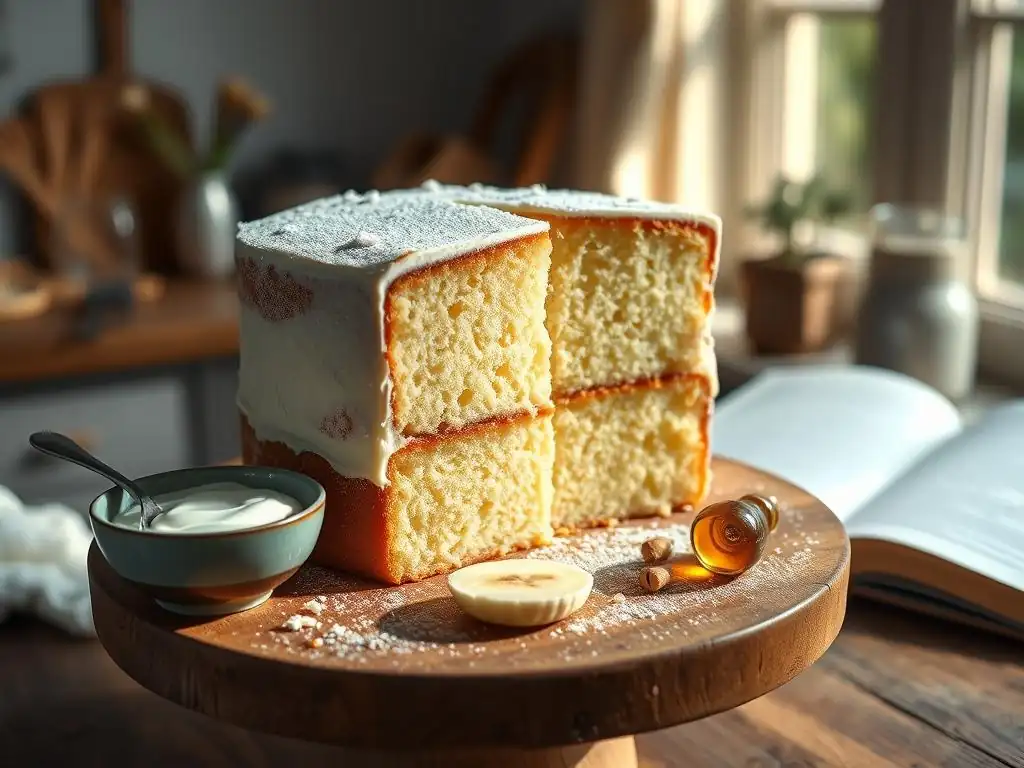
Beyond the ingredients, several techniques can help you achieve and maintain optimal moisture in your vanilla cake. These tips are applicable whether you're using our extra moist vanilla cake recipe with sour cream or adapting another recipe.
Don't Overbake: The Key to a Moist Crumb
This cannot be stressed enough: overbaking is the most common reason for a dry cake. As the cake bakes, moisture evaporates. The longer it's in the oven past the point of being done, the more moisture is lost. Even a recipe designed for an extra moist vanilla cake will turn out dry if baked too long.
Always check for doneness at the minimum recommended baking time. Use the toothpick test – it should come out clean, maybe with a few moist crumbs attached, but not wet batter. If it comes out with wet batter, give it another 2-3 minutes and check again. Err on the side of slightly underdone rather than overdone, as the cake continues to cook slightly from residual heat after it's removed from the oven.
Using Cake Strips for Even Baking and Moisture Retention
Cake strips are fabric bands that you soak in water and wrap around the outside of your cake pan before baking. They work by insulating the sides of the pan, causing the cake to rise more evenly and bake from the outside edges towards the center at a similar rate.
This even baking prevents the edges from setting and potentially drying out before the center is fully cooked. By ensuring the entire cake finishes baking around the same time, cake strips help produce a flat-topped cake with a consistently tender and moist crumb from edge to center. This technique is particularly useful for thicker or larger cakes, guaranteeing an even bake for your extra moist vanilla cake.
Storing Your Vanilla Cake to Maintain Freshness
Proper storage is crucial for keeping your extra moist vanilla cake tasting its best for as long as possible. Once completely cooled, the cake should be wrapped tightly to prevent air from drying it out.
If unfrosted, wrap the cooled cake layer tightly in plastic wrap, then again in aluminum foil. Store at room temperature for up to 2-3 days, or in the refrigerator for up to a week. For longer storage, wrap well and freeze for up to 2-3 months. Thaw overnight in the refrigerator before bringing to room temperature. If frosted, store the cake in an airtight container at room temperature for 1-2 days, or in the refrigerator for 3-4 days, depending on the frosting. A cake keeper is an excellent tool for storing frosted cakes.
Variations and Adaptations for Your Moist Vanilla Cake Recipe
The extra moist vanilla cake recipe provided is a fantastic base, but it's also incredibly versatile. Once you've mastered the basic recipe, feel free to experiment with variations to suit your taste or occasion.
Adding Extracts and Flavors to Enhance Your Vanilla Cake
While pure vanilla extract is essential for a classic vanilla flavor, you can add other extracts or flavorings to complement or enhance it. Almond extract pairs wonderfully with vanilla for a slightly different profile. Lemon zest can add a bright, refreshing note that balances the richness.
Consider adding a teaspoon of almond extract along with the vanilla extract, or the zest of one lemon to the dry ingredients. You could also infuse the milk with a vanilla bean pod before adding it to the batter for an even more intense vanilla flavor. These small additions can transform your extra moist vanilla cake into something uniquely yours.
Making a Chocolate Vanilla Cake with Sour Cream
For a twist, you can easily adapt the recipe to create a "marble" or "swirl" cake, combining vanilla and chocolate batters. Prepare the vanilla batter as directed. For the chocolate portion, you can either make a separate small batch of chocolate batter (often involving melted chocolate or cocoa powder and hot liquid) or, more simply, scoop out about 1/3 of the vanilla batter and whisk in 1-2 tablespoons of unsweetened cocoa powder that has been dissolved in a tablespoon of hot water or milk.
Dollop spoonfuls of both batters into the prepared pan, then swirl gently with a knife or skewer. This creates a beautiful pattern and a delicious combination of flavors, maintaining the extra moist texture thanks to the sour cream in the base vanilla batter.
Gluten-Free Extra Moist Vanilla Cake Option
Adapting this recipe for a gluten-free version is possible, though it requires substituting the all-purpose flour with a high-quality gluten-free all-purpose flour blend. Look for a blend that contains xanthan gum, which helps provide structure in the absence of gluten.
Substitute the 1 and 1/2 cups of all-purpose flour with 1 and 1/2 cups of your chosen gluten-free blend. Ensure all other ingredients and steps remain the same. The sour cream will still work its magic to provide an extra moist texture, which is often even more challenging to achieve in gluten-free baking. Baking times might vary slightly, so rely on the skewer test for doneness.
Troubleshooting Common Vanilla Cake Problems
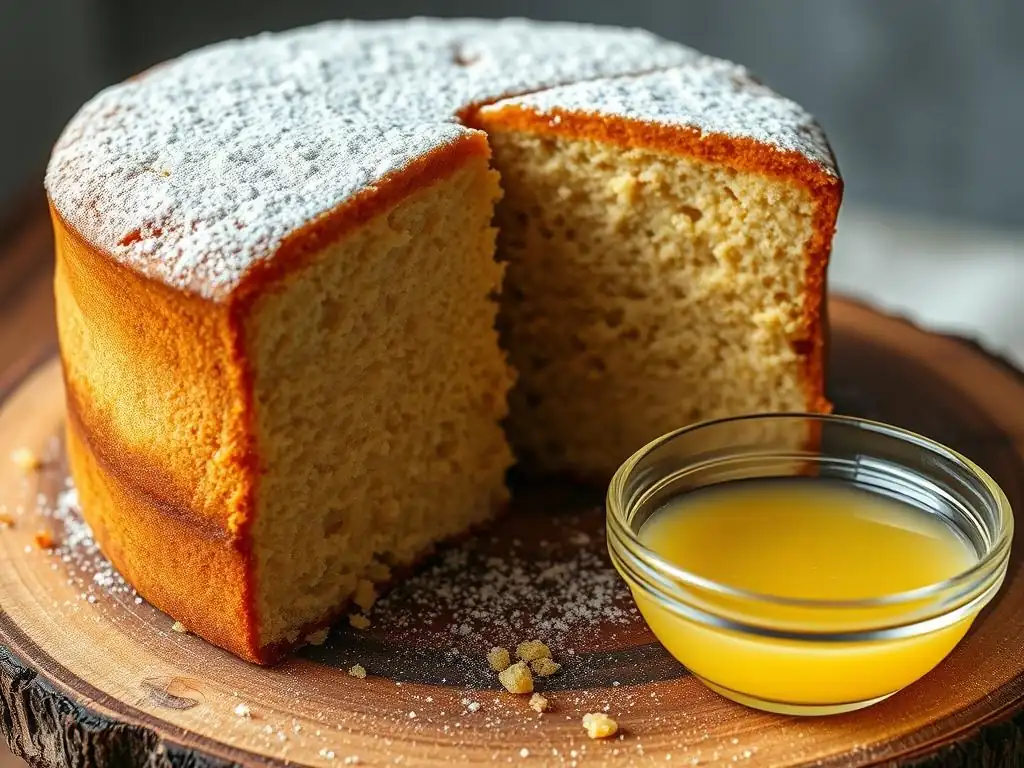
Even with a great recipe like our extra moist vanilla cake recipe, baking can sometimes present challenges. Here are solutions to common issues you might encounter.
Dry Cake? Here's What Went Wrong
If your vanilla cake turned out dry despite using a recipe designed for moisture, the most likely culprits are:
- Overbaking: As mentioned, this is number one. Even 5 minutes too long can make a big difference.
- Incorrect Measurement of Flour: Too much flour is a very common cause of dry cakes. Flour should be measured using the spoon-and-level method (gently spoon flour into the measuring cup and level off with a straight edge) or, ideally, by weight using a kitchen scale. A cup of flour can weigh between 120g and 140g depending on how it's scooped and packed; using 190g as specified in our recipe is far more accurate.
- Not Enough Fat or Liquid: Ensure you used the correct amounts of butter, eggs, sour cream, and milk as specified in the recipe.
- Ingredients Not at Room Temperature: Cold ingredients don't emulsify properly, leading to a less smooth batter and potentially a tougher, drier cake.
Review your process and measurements. Even small deviations, like using 150g of flour instead of 190g, can impact moisture.
Dense Cake? Solutions for a Lighter Texture
A dense vanilla cake can be disappointing. Common reasons include:
- Overmixing: Developing too much gluten makes the cake tough and dense. Mix only until ingredients are just combined, especially after adding flour.
- Expired Leavening Agents: Baking powder and baking soda lose potency over time. Check their freshness. You can test baking powder by adding a teaspoon to hot water (it should bubble vigorously) and baking soda by adding a teaspoon to vinegar (it should fizz immediately).
- Incorrect Ingredient Ratios: Too much liquid or not enough flour can result in a heavy, dense cake that doesn't have enough structure to hold its rise.
- Ingredients Too Cold: As mentioned for dryness, cold ingredients don't cream or emulsify properly, affecting the cake's structure and lightness.
Ensure your leavening agents are fresh. Pay close attention to the mixing instructions, especially the "mix until just combined" part after adding dry ingredients. Using the correct amount of sour cream and milk as specified in the extra moist vanilla cake recipe is also key to the right balance.
Uneven Baking? Tips for a Perfectly Baked Vanilla Cake
If your cake bakes unevenly (e.g., domed top, burnt edges, raw center), consider these points:
- Oven Temperature Issues: Ovens can have hot spots or inaccurate thermostats. Using an oven thermometer is highly recommended to verify your oven's actual temperature. Rotate the cake halfway through baking if you know your oven has hot spots.
- Pan Issues: Dark metal pans absorb more heat and can cause edges to overbake. Shiny metal pans reflect heat and bake more evenly. Using cake strips (as discussed earlier) is excellent for promoting even baking and a flat top, helping your extra moist vanilla cake bake uniformly.
- Batter Distribution: Ensure the batter is spread evenly in the pan before baking.
Addressing oven hot spots or using cake strips can dramatically improve the evenness of your bake, resulting in a beautifully consistent extra moist vanilla cake.
Conclusion: Enjoy Your Deliciously Moist Vanilla Cake
Baking a truly moist vanilla cake is a rewarding experience, resulting in a dessert that's perfect for any occasion, from simple weeknight treats to elaborate celebrations. By understanding the science behind cake moisture and leveraging the power of ingredients like sour cream, you can consistently achieve that sought-after tender, hydrated crumb.
The extra moist vanilla cake recipe shared here, featuring sour cream as the secret ingredient, provides a reliable foundation for baking success. Remember the key takeaways: accurate measurements, using room temperature ingredients, not overmixing the batter, and, crucially, not overbaking the cake.
Mastering the Art of Baking Moist Vanilla Cakes
Achieving mastery in baking moist vanilla cakes comes with practice. Each time you bake, you learn more about how your oven behaves, how your ingredients interact, and the subtle cues that indicate your batter is perfectly mixed or your cake is perfectly baked.
Don't be discouraged by imperfect results initially. Baking is a skill that develops over time. With this extra moist vanilla cake recipe and the tips provided, you have the knowledge and tools to bake consistently delicious, tender, and wonderfully moist vanilla cakes. So preheat your oven, gather your ingredients, and get ready to enjoy the delightful process and the even more delightful result!
Frequently Asked Questions
What is the "secret ingredient" that makes vanilla cake extra moist, according to BakeWithEase.com?
The article doesn't explicitly state one secret ingredient but implies it's a combination of factors, likely including using the correct fat ratio and proper mixing techniques. It emphasizes a holistic approach to baking.
Is this extra moist vanilla cake recipe suitable for beginner bakers?
BakeWithEase.com aims to provide recipes for all levels. This recipe likely includes step-by-step instructions and easy-to-find ingredients, making it accessible to beginners.
Where can I find the full recipe for this extra moist vanilla cake?
You can find the full recipe on BakeWithEase.com, likely within the "Cakes" section or by searching for "Extra Moist Vanilla Cake". The website specializes in simple and accessible baking recipes.
What kind of tips and techniques does BakeWithEase.com offer for baking cakes in general?
BakeWithEase.com provides tips on various baking topics, including proper ingredient measurement, mixing techniques, and oven temperature control to ensure baking success.
Does BakeWithEase.com offer recipes beyond just vanilla cake?
Yes! BakeWithEase.com offers recipes for a wide variety of baked goods, including pastries, breads, cookies, and sourdough, catering to diverse baking interests and skill levels.
Final Reflection: The Enduring Allure of a Perfectly Moist Cake
The pursuit of the perfect extra moist vanilla cake transcends mere culinary skill; it's a testament to our desire for comfort, celebration, and the simple joy of a truly delicious treat. This article explored the often-overlooked nuances of achieving that perfect texture – from the careful selection of ingredients to the precise baking techniques. But more than just a recipe, it's a journey into understanding the science behind a beloved classic.
The quest for the ideal moist vanilla cake reflects a deeper cultural yearning for simple pleasures and the power of shared experiences. Baking, and especially sharing baked goods, is a powerful act of connection. It's a tradition passed down through generations, a symbol of comfort and celebration. A cake is a celebration; it's a moment of joy, a symbol of happiness.
This sentiment, though simple, speaks volumes about the emotional resonance of a perfectly baked cake, and the importance of mastering the techniques to create that feeling.
Now, consider your own baking journey. What ingredients resonate most with you? What techniques have you found most effective? Don't be afraid to experiment, to tweak the recipe, to make it your own. The true secret ingredient to an extra moist vanilla cake isn't just in the recipe itself, but in the love and care you put into creating it. Embrace the process, savor the results, and share the joy with those you love. The perfect cake awaits your creation.
Unlock Your Cake's Full Potential!
Thanks for taking the time to discover the secret to unbelievably moist vanilla cakes! You've now got the knowledge to bake the most delicious cakes your friends and family have ever tasted. Ready to put your newfound skills to the test?
- Bake the perfect cake: Try out our secret ingredient technique today – you'll be amazed by the results! Remember to take notes on what works best for you.
- Share your success: Post a picture of your masterpiece on social media and tag us – we'd love to see your creations! Use #BakeWithEaseMoistMagic.
- Explore more recipes: Dive into our collection of other incredible cake recipes on BakeWithEase.com. You might find your new favorite!
What amazing flavor combinations will you try with this new baking secret?