
Unlock Flavor: Your Guide to Using Spices in Baking

Welcome to BakeWithEase!
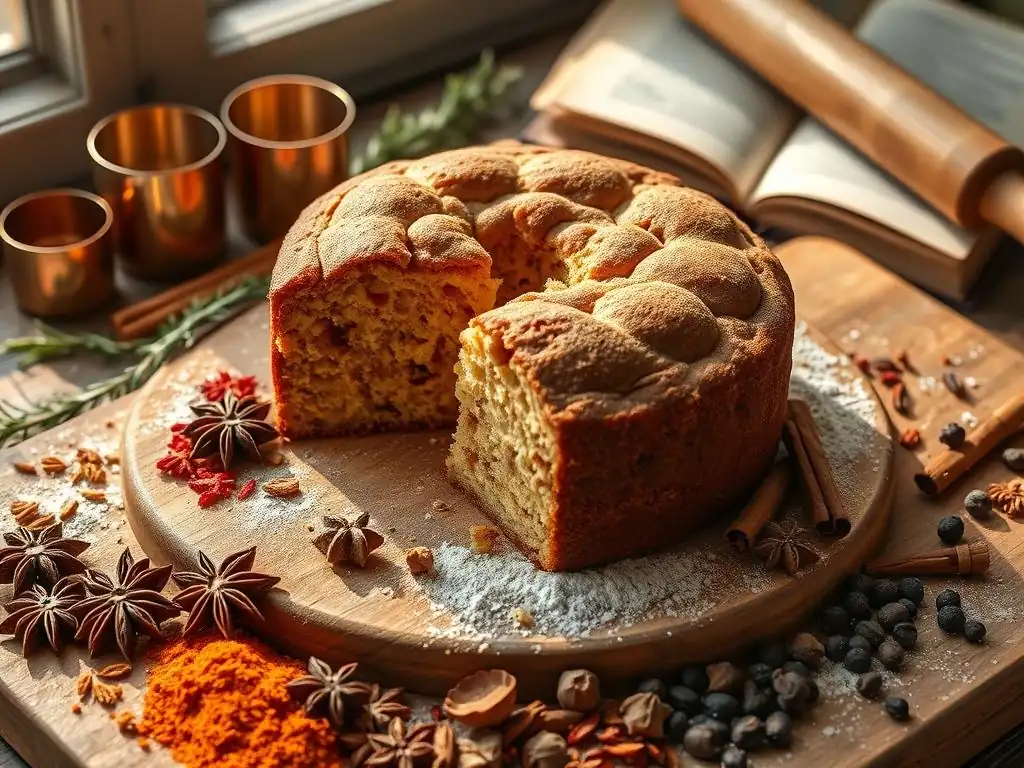
Ever wondered how to transform your baked goods from ordinary to extraordinary? In this Ingredient Deep Dive, we're unlocking the secrets of Spices in Baking Recipes, a powerful yet often overlooked element that can elevate your creations to new heights. Ready to discover how a dash of cinnamon or a pinch of nutmeg can completely transform your next batch of cookies? Let's explore the aromatic world of spices and infuse your baking with irresistible flavor!
- Introduction to Spices in Baking: Elevate Your Recipes
- Essential Spices for Baking: An Ingredient Deep Dive
- Understanding Spice Forms: Whole vs. Ground for Baking
- Mastering Spice Blends for Baking: Secrets Revealed
- Pairing Spices with Different Baked Goods: A Flavor Matrix
- Spice Baking Recipes: Featured Recipes
- Troubleshooting Common Spice Baking Mistakes
- Advanced Spice Techniques for Baking
- Beyond the Basics: Exploring Uncommon Spices in Baking
- Conclusion: Embrace the World of Spices in Baking
-
Frequently Asked Questions
- What are some essential spices for baking, according to BakeWithEase?
- How can I best store my baking spices to maintain their flavor?
- What is the best way to incorporate spices into my baking dough?
- Can I substitute one spice for another in baking recipes?
- Where can I find more detailed "spices baking recipes guide" information on BakeWithEase?
- Final Reflection: The Transformative Power of Spices in Baking
- Unleash Your Inner Pastry Chef!
Introduction to Spices in Baking: Elevate Your Recipes
Why Use Spices in Your Baking? Exploring Flavor Profiles
Spices are the hidden heroes of the baking world, transforming simple ingredients into complex, aromatic delights. They don't just add flavor; they can enhance the sweetness of sugar, balance richness, add warmth, or introduce a surprising zest. Think about a classic apple pie – it's the whisper of cinnamon and nutmeg that elevates the apples from merely sweet to comforting and memorable.
Using spices allows bakers to create depth and nuance, moving beyond basic flavor profiles to craft baked goods that truly stand out. This comprehensive spices baking recipes guide explores how these potent ingredients can revolutionize your kitchen creations.
Beyond flavor, spices also contribute to the aroma of baked goods, which is a significant part of the sensory experience. The inviting scent of warm ginger molasses cookies or a fragrant cardamom bun fresh from the oven is often as appealing as the taste itself. Incorporating a variety of spices lets you play with these aromatic profiles, creating unique and signature bakes. Whether you're a beginner or an experienced baker, understanding how different spices interact and complement each other is key to mastering delicious spices for baking recipes.
Philosophy: Simple Recipes, Enhanced with Spices
At BakeWithEase, our core belief is that baking should be enjoyable and accessible to everyone. We focus on simple, straightforward recipes that yield fantastic results. The beauty of spices is that they align perfectly with this philosophy. You don't need complicated techniques or exotic ingredients to make your bakes exceptional; often, it's just a pinch or two of the right spice that makes all the difference. This guide to spices in baking aims to show you how easy it is to incorporate these powerful flavor boosters into your everyday baking repertoire.
Our approach emphasizes using spices not to complicate recipes, but to enhance them. A basic vanilla cake can become something special with a touch of cardamom, or simple sugar cookies can be transformed with a hint of ginger or cinnamon. We provide clear guidance on how much spice to use and when to add it, ensuring that even novice bakers can confidently experiment and achieve delicious, well-spiced results. Let this spices baking recipes guide be your stepping stone to adding layers of flavor to all your favorite bakes with ease.
Essential Spices for Baking: An Ingredient Deep Dive
Cinnamon: The Cornerstone of Comfort Baking
Cinnamon is arguably the most beloved spice in baking, instantly evoking feelings of warmth and comfort. It comes in various forms, including Ceylon cinnamon (often considered 'true' cinnamon, milder and sweeter) and Cassia cinnamon (more common, stronger, and spicier). Its sweet, woody flavor pairs beautifully with apples, pears, chocolate, and dairy. It's essential in classics like apple pie, cinnamon rolls, snickerdoodles, and pumpkin bread.
Using cinnamon adds a layer of sweet heat that enhances other flavors without overpowering them, provided it's used in the right proportion. For instance, a standard apple pie recipe often calls for 1 to 2 teaspoons of ground cinnamon for about 6-8 cups of sliced apples, balancing the fruit's sweetness and tartness.
In cookies like snickerdoodles, a mix of about 1/4 cup sugar and 2 teaspoons of cinnamon is often used for rolling, creating that signature sweet, spiced crust. Understanding the type and potency of your cinnamon is key to achieving the desired flavor profile in your spices for baking recipes.
Nutmeg: Adding Warmth and Depth to Your Treats
Nutmeg offers a warm, slightly sweet, and subtly pungent flavor that complements creamy, eggy, and fruity bakes. It's derived from the seed of a tropical evergreen tree. While available ground, grating whole nutmeg fresh just before use provides a significantly more vibrant aroma and intense flavor. It's a key ingredient in custards, eggnog, spice cakes, gingerbread, and various fruit desserts, particularly those with apples or pears.
A little nutmeg goes a long way due to its potent flavor. For example, many custard recipes or spice cakes require only about 1/4 to 1/2 teaspoon of ground nutmeg for an entire batch. In a rich dessert like eggnog, a sprinkle of freshly grated nutmeg on top is traditional and adds a crucial aromatic element. Incorporating nutmeg into your spices baking recipes guide provides a nuanced warmth that elevates simple dairy or egg-based batters and fillings.
Ginger, known for its pungent, spicy, and slightly sweet profile, brings a distinct warmth and zest to baked goods. It's available in several forms for baking: fresh, ground, candied (crystallized), and preserved (in syrup). Ground ginger is most commonly used in doughs and batters, while fresh ginger can add a sharper bite, and candied ginger provides chewy pockets of intense flavor.
Ground ginger is indispensable for gingerbread cookies, spice cakes, and certain muffins. A classic gingerbread recipe might use 1 to 2 teaspoons of ground ginger per cup of flour to achieve its signature flavor. Candied ginger, often chopped, can be added to scone or muffin batter (perhaps 1/4 to 1/2 cup per batch) for bursts of spicy sweetness. Including ginger in your spices baking recipes guide introduces a lively, warming element perfect for comforting seasonal treats.
Cloves: Aromatic and Intense Flavor Enhancer
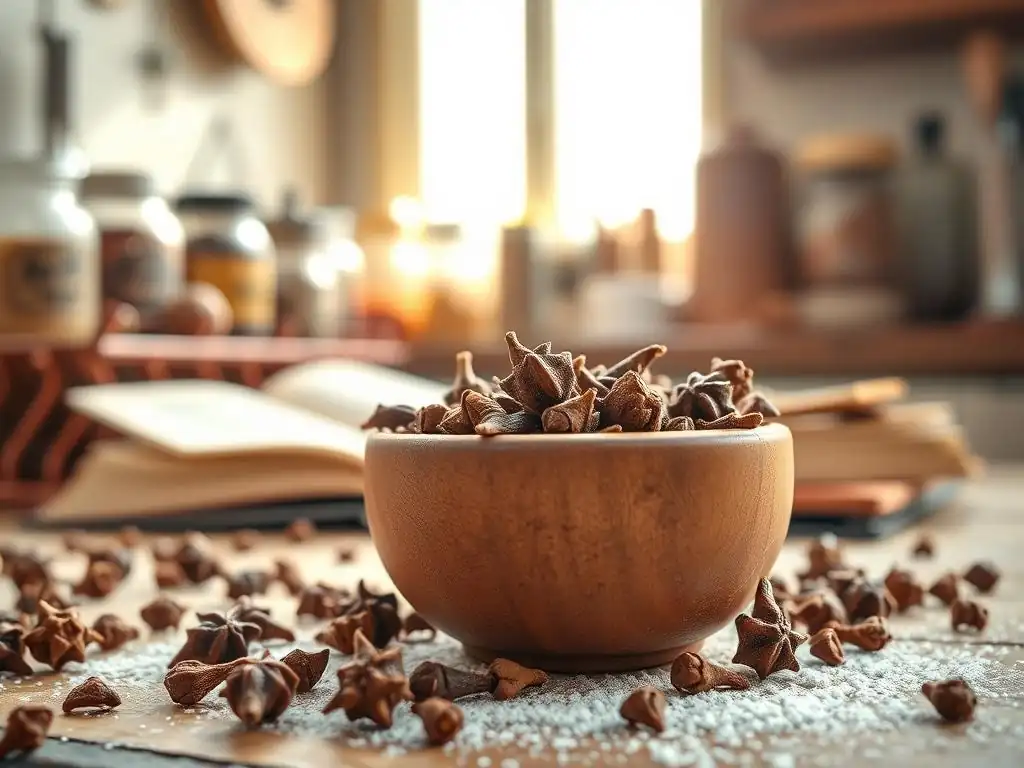
Cloves are small, dried flower buds with an incredibly potent, sweet, and pungent aroma and flavor. Like nutmeg, a little goes a very long way. Their intense flavor profile makes them a powerful addition to spice blends and baked goods, pairing well with cinnamon, nutmeg, and ginger, as well as with apples, pears, and chocolate.
Ground cloves are typically used in small quantities in recipes like gingerbread, pumpkin pie, spice cakes, and fruit crumbles. A recipe for a standard spice cake might only call for 1/4 to 1/2 teaspoon of ground cloves, compared to 1-2 teaspoons of cinnamon. Their intensity means they can easily overpower other flavors if used too liberally. Mastering the careful use of cloves is a key skill when working through a comprehensive spices baking recipes guide.
Allspice: A Blend of Flavors in One Spice
Allspice is unique because it's not a blend of different spices, but the dried berry of a single plant, the pimenta dioica tree. Its flavor is reminiscent of a combination of cinnamon, cloves, and nutmeg, hence the name "allspice." It offers warmth and complexity, making it a versatile ingredient in many baked goods.
Commonly used in spice cakes, cookies, fruit pies (especially apple and pumpkin), and gingerbread, allspice contributes a balanced spice profile without the need for measuring multiple individual spices. A typical pumpkin pie recipe might use 1/2 to 1 teaspoon of ground allspice alongside cinnamon and nutmeg. Its convenience and complex flavor make it a valuable addition to your pantry when following a spices baking recipes guide.
Cardamom is an intensely aromatic spice with notes of citrus, eucalyptus, and ginger. It's particularly popular in Scandinavian and Middle Eastern baking. It comes in pods (green, black, or white), seeds, and ground form. Green cardamom is the most common variety for baking, offering a bright, floral-spicy flavor.
Ground cardamom is frequently used in coffee cakes, sweet breads (like Swedish cardamom buns), cookies, and fruit desserts. A recipe for a batch of cardamom buns might use 1 to 2 teaspoons of ground cardamom mixed into the dough. Grinding fresh cardamom seeds from the pod just before use provides the most potent flavor. Exploring cardamom opens up a world of fragrant and unique spices for baking recipes.
Understanding Spice Forms: Whole vs. Ground for Baking
Benefits of Using Whole Spices in Baking (and When to Grind Them)
Whole spices retain their volatile oils and flavor compounds much better than their ground counterparts. This means they stay fresh and potent for significantly longer, often for several years when stored correctly. Grinding spices just before use unleashes these compounds, providing the most vibrant, intense, and aromatic flavor possible in your baked goods. For recipes where the spice is a central flavor, like freshly grated nutmeg on custard or ground cardamom in a specific Scandinavian bread, grinding whole spices is highly recommended.
While grinding whole spices offers superior flavor, it adds an extra step. It's best suited for recipes where the ultimate flavor profile is paramount or when you need a spice in a form not easily bought ground (like toasted whole cumin seeds for a savory bread). Tools like a spice grinder (a dedicated coffee grinder works well) or a mortar and pestle are necessary. Considering whether the extra effort is worth the flavor boost is part of mastering a comprehensive spices baking recipes guide.
Advantages of Pre-Ground Spices: Convenience and Consistency
Pre-ground spices offer unparalleled convenience. They are ready to use straight from the jar, saving time and effort, especially when a recipe calls for multiple different spices. For everyday baking, or when spices play a supporting role rather than the main act, ground spices are perfectly adequate and widely used. They also provide consistency; you know exactly the texture and potency (within their shelf life) you're getting each time you measure.
Most spices baking recipes guide resources assume the use of ground spices unless otherwise specified. This makes following recipes simpler and more reliable. While they lose potency faster than whole spices, properly stored ground spices can still deliver excellent flavor for 6 to 12 months. For bakers prioritizing speed and ease, pre-ground spices are an essential pantry staple.
Storing Spices to Maintain Freshness and Potency
Proper storage is crucial for keeping your spices flavorful and potent. Both whole and ground spices should be stored in airtight containers away from heat, light, and moisture. A cool, dark pantry or cupboard is ideal, not next to the oven or on a sunny windowsill. Exposure to these elements rapidly degrades the flavor compounds.
Glass jars with tight-fitting lids are excellent storage options. Avoid storing spices in plastic containers for extended periods, as plastic can sometimes absorb or impart odors. While whole spices can last 2-3 years or even longer, ground spices are best used within 6-12 months. A good tip from any spices baking recipes guide is to periodically check the potency of your ground spices by smelling them – if the aroma is weak, it's time to replace them for best results in your spices for baking recipes.
Mastering Spice Blends for Baking: Secrets Revealed
Pumpkin Pie Spice: The Classic Fall Blend
Pumpkin Pie Spice is a quintessential autumn blend, instantly conjuring images of cozy holidays. While readily available pre-mixed, making your own allows you to adjust the ratios to your preference and ensures freshness. A common ratio is 3 parts ground cinnamon, 2 parts ground ginger, 2 parts ground nutmeg, and 1 part ground cloves. Some variations might include a pinch of allspice or mace.
This blend is, of course, essential for pumpkin pie, typically using 1 to 2 tablespoons per standard pie filling. But its use extends to pumpkin bread, muffins, lattes, and even cookies. Having a jar of fresh pumpkin pie spice ready makes preparing fall spices baking recipes guide favorites quick and easy, ensuring a consistent, warm flavor profile across different dishes.
Gingerbread Spice: Warmth and Holiday Cheer
Gingerbread Spice is another festive blend, typically featuring a more prominent ginger note compared to pumpkin pie spice, alongside cinnamon, cloves, and sometimes allspice or white pepper for an extra kick. A common mix is 4 parts ground ginger, 4 parts ground cinnamon, 2 parts ground allspice, and 1 part ground cloves. The specific ratio can vary significantly depending on whether you prefer a milder or spicier gingerbread.
This blend is the heart of gingerbread cookies, gingerbread houses, and gingerbread cakes. A standard gingerbread cookie dough recipe might use 2-3 teaspoons of this blend per batch. The balance of spices creates that characteristic warm, slightly peppery, and deeply aromatic flavor associated with holiday baking. Experimenting with your own gingerbread spice blend is a rewarding step in any spices baking recipes guide.
Speculoos Spice: A Unique European Blend
Speculoos spice, or speculaaskruiden, is a traditional Dutch and Belgian blend used for Speculoos cookies, which are thin, crunchy, spiced shortbread. This blend is more complex than typical American spice mixes and often includes spices like white pepper, cardamom, coriander, and sometimes anise or mace, alongside the usual cinnamon, cloves, ginger, and nutmeg. A sample ratio might be 8 parts cinnamon, 2 parts nutmeg, 2 parts cloves, 1 part white pepper, 1 part ginger, 1 part cardamom, 1 part coriander, and 0.5 part anise.
The unique combination of spices gives Speculoos its distinctive, slightly peppery, and highly aromatic flavor. It's primarily used in Speculoos cookies, but the blend can also add an intriguing twist to other shortbreads or spiced cakes. Exploring international spice blends like Speculoos is a great way to expand your baking horizons when following a spices baking recipes guide.
Creating Your Own Custom Spice Blends for Baking
Creating your own spice blends allows for ultimate customization and freshness. Start with a base of common baking spices like cinnamon, ginger, nutmeg, and cloves. Then, consider what flavor profile you want to achieve. Do you want something very warming? Increase ginger and cloves. More aromatic? Add cardamom or star anise. Slightly peppery? Include white pepper or a pinch of chili powder.
Begin by mixing small quantities (e.g., teaspoons or tablespoons) of ground spices. Keep track of the ratios you use. Bake a small test batch of plain cookies or muffins with your blend to see how the flavors develop during baking. Adjust the ratios based on the results. Store your custom blend in an airtight container. Developing your own blends is a fun and creative way to personalize your spices baking recipes guide and create signature flavors.
Pairing Spices with Different Baked Goods: A Flavor Matrix
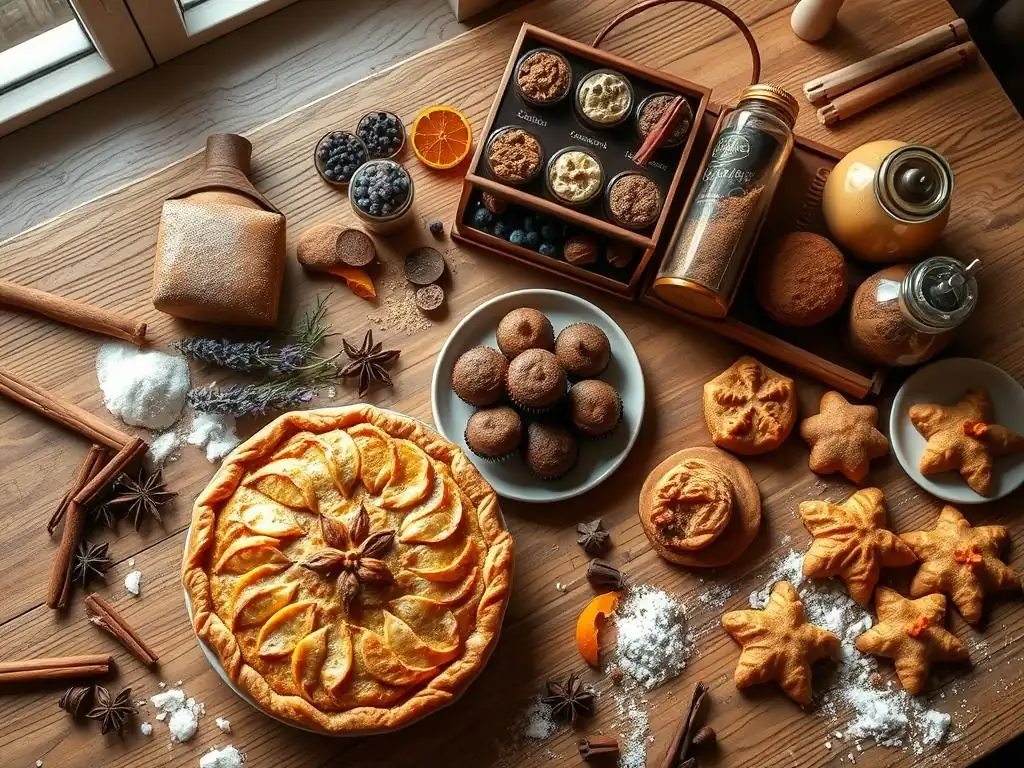
Spices for Cakes: Enhancing Vanilla, Chocolate, and Fruit Cakes
Cakes offer a versatile canvas for spices. For vanilla or plain butter cakes, delicate spices like cardamom, nutmeg, or a touch of mace can add warmth and complexity without overpowering the simple base flavor. A pound cake, for instance, benefits greatly from 1/2 teaspoon of nutmeg or cardamom per standard loaf.
Chocolate cakes pair wonderfully with warming spices that complement the cocoa flavor. Cinnamon is a classic pairing, adding a subtle warmth (try 1 teaspoon per 2 cups of flour in the recipe). Chili powder or cayenne pepper can introduce a surprising hint of heat that enhances the chocolate's richness (just 1/4 teaspoon can make a difference).
Fruit cakes, especially those with apples, pears, or pumpkin, are natural partners for spice blends like pumpkin pie spice, cinnamon, ginger, and cloves, using ratios similar to those discussed earlier (e.g., 1-2 tsp of cinnamon per 8-inch cake). This matrix of spices for baking recipes helps match the spice to the cake type.
Cookies are perhaps the most common vehicle for spices in baking. Snickerdoodles rely entirely on the cinnamon-sugar coating for their signature flavor. Gingerbread cookies use a robust blend of ginger, cinnamon, cloves, and sometimes allspice and pepper. Sugar cookies can be flavored with a simple addition of nutmeg or cardamom to the dough (1/4 to 1/2 teaspoon per batch).
Oatmeal cookies are excellent with cinnamon and nutmeg. Shortbread can be infused with cardamom or even a hint of star anise for an unexpected twist. The texture of cookies also plays a role; warming spices feel natural in chewy or crisp cookies designed for dunking. Exploring different spices baking recipes guide options for cookies allows for endless variations on classic themes.
Spices for Breads: Adding Depth to Sweet and Savory Breads
Spices aren't just for sweet breads! While cinnamon is classic in cinnamon rolls and raisin bread, and cardamom is essential for Scandinavian sweet breads, many savory breads also benefit from spice. Cumin, coriander, and caraway seeds can add depth to rye bread or seed loaves. A touch of smoked paprika or chili powder can enhance cheese breads.
Sweet breads often use spices in similar quantities to cakes (e.g., 1-2 teaspoons of cinnamon per loaf of quick bread). Savory breads might use whole or ground spices mixed into the dough or sprinkled on top. For example, a rye bread might use 1-2 teaspoons of caraway seeds per loaf. This spices baking recipes guide encourages thinking beyond sweetness when considering spices in bread.
Spices for Pastries: Complementing Fruit Fillings and Creamy Custards
Pastries like pies, tarts, crumbles, and turnovers frequently incorporate spices, especially when filled with fruit or custard. Fruit fillings benefit immensely from warming spices like cinnamon, nutmeg, cloves, and allspice, which enhance the natural sweetness and tartness of the fruit. An apple or cherry pie filling might use 1-2 teaspoons of cinnamon and a pinch of nutmeg per pie.
Custard-based pastries, such as tarts or cream pies, are beautifully complemented by delicate spices like nutmeg, cardamom, or vanilla bean (technically a spice!). A crème brûlée or custard tart recipe might call for 1/4 teaspoon of nutmeg or the seeds from half a vanilla bean whisked into the dairy base. Spices add a layer of sophisticated flavor to the richness of pastry fillings, guided by this spices baking recipes guide.
Spice Baking Recipes: Featured Recipes
Spiced Apple Cake
This moist apple cake features a generous amount of warming spices. Ingredients:
- 2 cups all-purpose flour
- 1 tsp baking soda
- 1/2 tsp baking powder
- 1 tsp ground cinnamon
- 1/2 tsp ground nutmeg
- 1/4 tsp ground cloves
- 1/4 tsp ground allspice
- 1/2 tsp salt
- 1/2 cup unsalted butter, softened
- 1 cup granulated sugar
- 1/2 cup brown sugar
- 2 large eggs
- 1 tsp vanilla extract
- 1/2 cup buttermilk
- 2 cups chopped apples (about 2 medium)
Instructions:
- Preheat oven to 350°F (175°C). Grease and flour a 9-inch square pan.
- Whisk together flour, baking soda, baking powder, cinnamon, nutmeg, cloves, allspice, and salt in a medium bowl.
- In a large bowl, cream together butter and sugars until light and fluffy. Beat in eggs one at a time, then stir in vanilla.
- In a small bowl, whisk buttermilk.
- Alternately add dry ingredients and buttermilk to the wet ingredients, starting and ending with dry. Mix until just combined.
- Fold in chopped apples.
- Pour batter into prepared pan and spread evenly.
- Bake for 45-55 minutes, or until a wooden skewer inserted into the center comes out clean.
- Let cool in pan before slicing. This spices baking recipes guide cake is perfect served warm!
Classic cut-out gingerbread cookies with a perfect balance of spice and sweetness. Ingredients:
- 3 cups all-purpose flour
- 1 tsp baking soda
- 1/2 tsp baking powder
- 1 tbsp ground ginger
- 1 tsp ground cinnamon
- 1/2 tsp ground cloves
- 1/4 tsp ground nutmeg
- 1/4 tsp salt
- 1/2 cup unsalted butter, softened
- 1/2 cup granulated sugar
- 1 large egg
- 1/2 cup molasses
- 1 tsp vanilla extract
Instructions:
- In a large bowl, whisk together flour, baking soda, baking powder, ginger, cinnamon, cloves, nutmeg, and salt.
- In a separate bowl, cream together butter and sugar until light. Beat in egg, molasses, and vanilla.
- Gradually add dry ingredients to wet ingredients, mixing until a dough forms.
- Divide dough in half, flatten into discs, wrap in plastic wrap, and chill for at least 1 hour (or up to 2 days).
- Preheat oven to 350°F (175°C). Line baking sheets with parchment paper.
- On a lightly floured surface, roll out dough to about 1/4 inch thick. Cut out shapes using cookie cutters.
- Place cookies 1 inch apart on prepared baking sheets.
- Bake for 8-11 minutes, depending on size, until edges are firm and centers are set.
- Let cool on baking sheets for a few minutes before transferring to wire racks to cool completely. Decorate as desired. This spices for baking recipes favorite is always a hit!
Cinnamon Rolls
Soft, sweet cinnamon rolls with a gooey filling and cream cheese frosting. Ingredients (Dough):
- 1 cup warm milk (105-115°F)
- 2 1/4 tsp active dry yeast
- 1/4 cup granulated sugar
- 1/3 cup unsalted butter, melted
- 1 large egg
- 1 tsp salt
- 3 1/2 - 4 cups all-purpose flour
Ingredients (Filling):
- 1/2 cup unsalted butter, softened
- 1 cup brown sugar
- 2 tbsp ground cinnamon
Ingredients (Frosting):
- 4 oz cream cheese, softened
- 1/4 cup unsalted butter, softened
- 1 1/2 cups powdered sugar
- 1/2 tsp vanilla extract
- 1-2 tbsp milk
Instructions:
- Make the dough: In a large bowl, combine warm milk, yeast, and sugar. Let stand 5-10 minutes until foamy.
- Stir in melted butter, egg, and salt. Gradually add flour, mixing with a spoon or mixer until a soft dough forms.
- Turn dough onto a lightly floured surface and knead for 5-7 minutes until smooth and elastic.
- Place dough in a greased bowl, cover, and let rise in a warm place for 1-1.5 hours, or until doubled.
- Make the filling: In a small bowl, mix softened butter, brown sugar, and cinnamon until combined.
- Assemble the rolls: Punch down dough and turn onto a lightly floured surface. Roll into a 12x18 inch rectangle.
- Spread filling evenly over the dough, leaving a small border on one long edge.
- Starting from the long edge with the filling, tightly roll up the dough.
- Cut the roll into 12 equal slices (about 1.5 inches thick) using a sharp knife or dental floss.
- Place rolls cut-side up in a greased 9x13 inch baking pan.
- Cover and let rise again for 30-45 minutes, or until nearly doubled.
- Preheat oven to 375°F (190°C).
- Bake for 20-25 minutes, or until golden brown and cooked through.
- Make the frosting: Beat cream cheese and butter until smooth. Gradually add powdered sugar, then vanilla and milk until desired consistency is reached.
- Spread frosting over warm rolls. Serve immediately. This spices baking recipes guide staple is a guaranteed crowd-pleaser!
Troubleshooting Common Spice Baking Mistakes
Avoiding Overpowering Spice Flavors
One of the most common pitfalls when using spices in baking is adding too much, resulting in a flavor that is harsh or medicinal rather than warm and inviting. This is especially true for potent spices like cloves, star anise, or even ginger and cinnamon if used excessively. A recipe calling for 1 teaspoon of cloves is likely a typo unless it's a massive batch; typically, amounts are 1/4 or 1/2 teaspoon. Always err on the side of caution when using a spice you're unfamiliar with or one known for its intensity.
If you've accidentally added too much spice to a dough or batter before baking, it can be difficult to fully correct. For batters (like cakes or muffins), you might be able to mitigate it slightly by adding a bit more of the wet ingredients (milk, eggs, butter) and dry ingredients (flour, sugar) to dilute the spice, but this will change the overall recipe proportions. For cookies or breads, dilution is harder.
The best approach is prevention: measure carefully, especially with potent spices, and remember that you can often add more spice next time, but it's hard to take it away. Consulting a reliable spices baking recipes guide with tested ratios helps prevent this issue.
Ensuring Even Spice Distribution in Your Batter
Uneven distribution of spices can lead to pockets of intense flavor in one bite and blandness in the next. This is particularly a concern with ground spices added directly to wet ingredients or large amounts of spice added to a thick dough. Simply dumping a spoonful of cinnamon into cake batter and stirring a few times often isn't enough to disperse it properly.
The best way to ensure even spice distribution is to whisk ground spices thoroughly into the dry ingredients (flour, baking powder, salt, etc.) before combining them with the wet ingredients. This method, often called sifting or whisking dry ingredients together, physically separates the spice particles and distributes them evenly throughout the flour mixture. When the wet ingredients are added, the spice is already dispersed, leading to a consistently flavored bake. This simple technique is a fundamental tip in any good spices baking recipes guide.
Adjusting Spice Amounts Based on Recipe and Personal Preference
Spice quantities provided in recipes are a starting point. The actual potency of spices can vary based on their freshness, quality, and origin. Furthermore, personal preference plays a huge role – some people love a strong ginger kick, while others prefer just a hint. Feel empowered to adjust spice amounts based on your ingredients and taste.
If your ground spices have been sitting on the shelf for a year, you might need to use slightly more than a recipe calls for to achieve the intended flavor intensity. Conversely, if you've just ground fresh whole spices, you might need less. When trying a new spices baking recipes guide or adding spices to a familiar recipe, consider starting with the recommended amount or slightly less for potent spices.
Taste the batter or dough if possible (raw flour/eggs aside) or make a small test bake. Keep notes on your adjustments for future reference. This iterative process helps you fine-tune your spices for baking recipes.
Advanced Spice Techniques for Baking
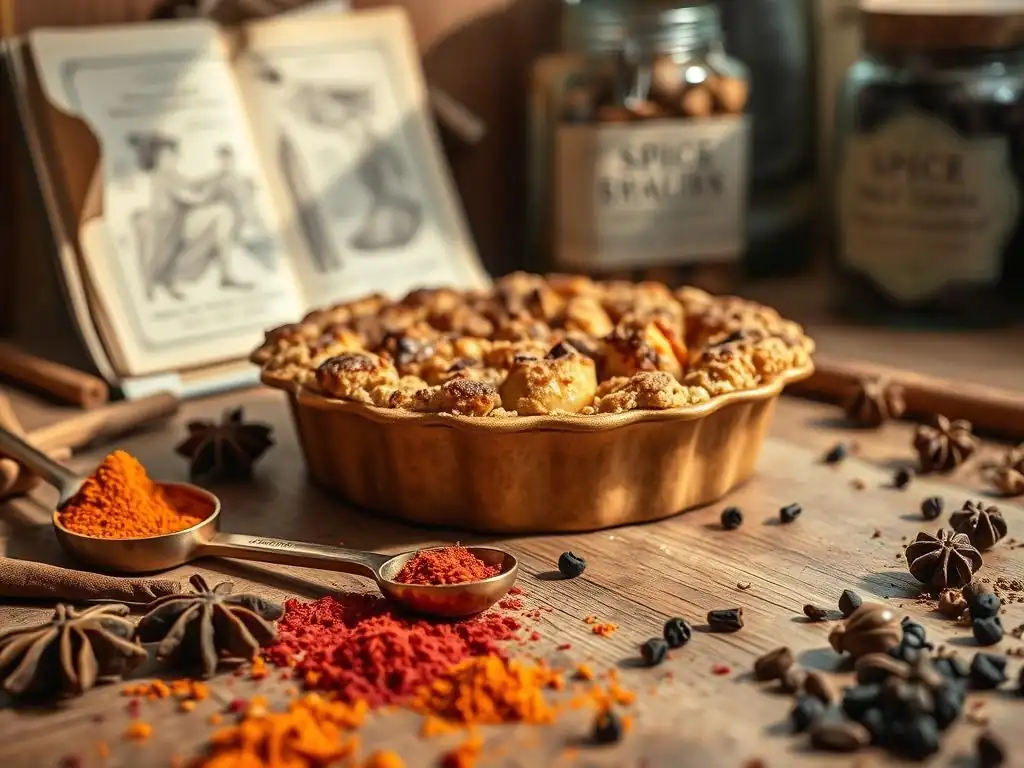
Blooming Spices: Releasing Maximum Flavor
Blooming spices involves briefly heating them, usually in a fat (like butter or oil) or a liquid (like milk or water), to release their volatile flavor compounds and intensify their aroma and taste. This technique is particularly effective for ground spices. When heated gently, the oils within the spice are released, making the flavor more potent and complex.
To bloom spices in fat, heat a small amount of butter or oil over medium heat, add the ground spices, and stir for 30-60 seconds until fragrant. Be careful not to burn them. Then, add the spiced fat to your batter or dough. To bloom in liquid, gently warm the liquid (milk, cream, water) and steep the spices in it for 10-15 minutes before incorporating the liquid into your recipe. Blooming is a technique often highlighted in advanced spices baking recipes guide resources for achieving deeper flavor.
Toasting Spices: Enhancing Aroma and Depth
Toasting applies primarily to whole spices (seeds, pods, sticks) and involves heating them in a dry pan over medium heat until fragrant. This process develops richer, nuttier, and more complex flavors by lightly browning the spices and releasing their essential oils. Cinnamon sticks, cardamom pods, cumin seeds, or whole nutmeg can be toasted.
Place whole spices in a dry skillet and heat, shaking the pan frequently, for a few minutes until they become aromatic and maybe slightly darker. Let them cool completely before grinding them for use in your recipe. Toasted and freshly ground spices offer a depth of flavor that pre-ground or untoasted spices simply can't match. This technique is a game-changer for elevating your spices for baking recipes.
Infusing Spices into Liquids: Flavorful Extracts and Syrups
Infusing spices into liquids allows their flavors to permeate the base liquid, creating a flavored ingredient that can be used in various ways. This is commonly done with milk, cream, water, or alcohol. For example, vanilla beans are infused into alcohol to make vanilla extract, or into hot cream for custards. Cinnamon sticks or star anise can be steeped in simple syrup to create a spiced syrup for drizzling or sweetening.
To infuse, gently heat the liquid with the whole or lightly crushed spices (like a cracked cardamom pod or a piece of cinnamon stick). Let it steep off the heat for 15-30 minutes or even longer, then strain out the solids before using the flavored liquid in your recipe. This method is excellent for adding delicate spice notes to custards, panna cotta, or glazes, as detailed in comprehensive spices baking recipes guide resources.
Beyond the Basics: Exploring Uncommon Spices in Baking
Star Anise: Licorice-Like Flavor for Unique Treats
Star anise is an intriguing spice with a strong, sweet, licorice-like flavor and aroma, somewhat similar to anise seed but more potent. It's the star-shaped fruit of a small evergreen tree. It pairs well with fruit (especially plums, apples, and pears), chocolate, and other warming spices like cinnamon and cloves.
Due to its intensity, star anise is typically used in small quantities. A whole star anise pod can be steeped in liquids (like milk for custard or poaching liquid for fruit) to infuse its flavor, then removed. Ground star anise should be used very sparingly in doughs or batters, perhaps 1/4 teaspoon or less for an entire cake. Exploring star anise adds an exotic twist to your spices baking recipes guide.
Saffron: Adds Color and Subtle Flavor to Breads and Cakes
Saffron, the stigma from the saffron crocus flower, is the world's most expensive spice. It imparts a vibrant yellow color and a unique, subtle flavor that is slightly floral, honey-like, and sometimes described as metallic or hay-like. It's traditionally used in certain sweet breads and cakes, particularly in Scandinavian and Mediterranean cuisines.
Saffron is usually steeped in warm liquid (milk or water) for 10-15 minutes before adding the colored liquid to the dough or batter. Just a small pinch (about 10-15 threads) is usually enough for a loaf of bread or a cake, providing both color and its delicate flavor. Using saffron is a luxurious addition to your spices for baking recipes.
Chili Powder: A Touch of Heat in Chocolate Desserts
While often associated with savory cooking, chili powder (or cayenne pepper) can add a surprising and delightful dimension to chocolate baked goods. The capsaicin in chili interacts with the compounds in chocolate, enhancing its richness and adding a subtle warmth or noticeable heat, depending on the amount used.
Start with a very small amount, such as 1/8 to 1/4 teaspoon of cayenne pepper or mild chili powder per batch of chocolate cookies or cake. You can always increase it in subsequent bakes if you prefer more heat. This unexpected pairing is featured in some modern spices baking recipes guide options for adventurous bakers.
Conclusion: Embrace the World of Spices in Baking
Spices are powerful tools in the baker's arsenal, capable of transforming simple ingredients into extraordinary creations. From the comforting warmth of cinnamon and nutmeg to the exotic aroma of cardamom and star anise, each spice offers a unique flavor profile waiting to be explored. This spices baking recipes guide has covered the essentials, discussed different forms, delved into blends, and offered troubleshooting tips to help you confidently incorporate spices into your baking.
Don't be afraid to experiment! Start with classic combinations and then venture into less common spices or create your own signature blends. Pay attention to the freshness of your spices and store them properly to ensure maximum potency. With a little knowledge and practice, you'll unlock incredible depths of flavor and aroma, elevating all your spices for baking recipes and bringing new levels of enjoyment to your baking journey. Happy baking!
Frequently Asked Questions
What are some essential spices for baking, according to BakeWithEase?
BakeWithEase suggests essential spices include cinnamon, nutmeg, and ginger. These are frequently used in many classic baking recipes.
How can I best store my baking spices to maintain their flavor?
To preserve flavor, BakeWithEase recommends storing spices in an airtight container in a cool, dark, and dry place. This prevents degradation from light and moisture.
What is the best way to incorporate spices into my baking dough?
BakeWithEase advises adding spices directly to the dry ingredients before mixing. This ensures even distribution throughout the dough or batter.
Can I substitute one spice for another in baking recipes?
While possible, BakeWithEase suggests caution. Some spices have distinct flavors that significantly alter the final product. Research substitutes before making changes.
Where can I find more detailed "spices baking recipes guide" information on BakeWithEase?
You can find more detailed information on BakeWithEase by exploring the "Spices in Baking" section. Look for step-by-step guides and recipe suggestions.
Final Reflection: The Transformative Power of Spices in Baking
The subtle art of spice blending in baking is not merely about adding flavor; it's about unlocking a world of culinary creativity and transforming familiar recipes into extraordinary experiences. The increasing popularity of global cuisines and a renewed focus on artisanal baking has made understanding the nuanced roles of spices more important than ever. We're no longer content with vanilla and cinnamon; we crave the depth and complexity that only a well-crafted spice blend can provide.
The journey through this guide has hopefully illuminated the vast potential of spices, moving beyond simple additions to a deeper understanding of their individual profiles and synergistic interactions. This exploration resonates deeply with my own baking journey; I've witnessed firsthand how a pinch of cardamom can elevate a simple cake, or how a blend of warming spices can transform a humble loaf of bread into something truly magical. The spice trade connected the world, and now, the careful use of spices connects us to the heart of our food.
– (This needs a source, add your own relevant quote here).
Now, it's your turn. Don't be afraid to experiment! Start small, perhaps by substituting a familiar spice with a slightly different one, or by adding a small amount of a new spice to your favorite recipe. Embrace the unexpected flavor combinations, document your successes and failures, and most importantly, enjoy the journey of discovering your own unique spice signature. The world of baking awaits your creative touch, infused with the vibrant tapestry of flavor that only spices can provide.
Unleash Your Inner Pastry Chef!
Thanks for diving into the world of baking with spices! We hope you've discovered new ways to elevate your desserts. Ready to put your newfound knowledge into practice?
- Experiment with a new spice blend: Try substituting cardamom for cinnamon in your next batch of cookies, or add a pinch of smoked paprika to your chocolate cake – the results might surprise you! This is your chance to get creative.
- Share your spiced baking creations: Post photos on social media and tag #BakeWithEase – let's inspire each other!
- Join our baking community: Head over to the BakeWithEase forums to share your experiences and ask questions. Let's bake together!
What unexpected spice combination will you try next?