
Techniques for Flaky & Tender Latin American Pastry Dough

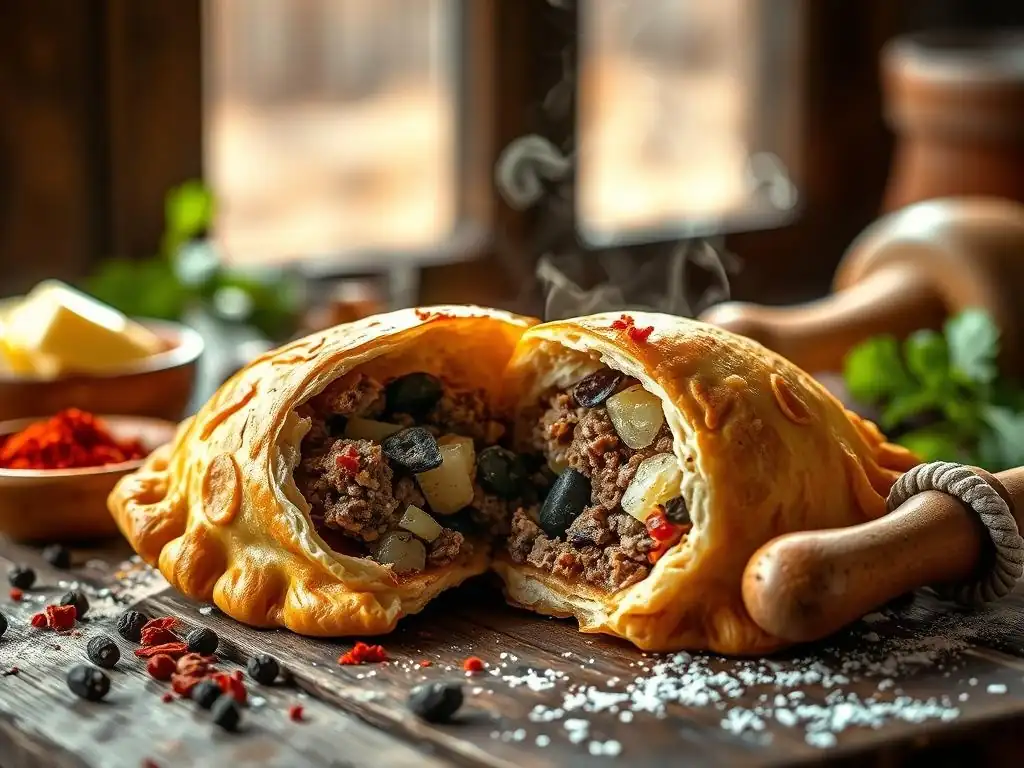
Welcome to BakeWithEase, your guide to unlocking baking bliss! Ever dreamed of crafting irresistibly flaky Latin American pastry dough that practically melts in your mouth? We're about to unveil the secrets to achieving that perfect tenderness and delicate layers. Prepare to elevate your baking skills and embark on a delicious journey through regional flavors – are you ready to create pastry magic?
- Mastering Latin American Pastry Dough: A Comprehensive Guide
- Unlocking the Secrets to Flaky Latin American Pastries
- Key Ingredients for Achieving Flaky Pastry Dough
- Mastering the Techniques for Flaky Pastry Dough
- Step-by-Step Guide: Making Flaky Latin American Pastry Dough
- Troubleshooting Common Pastry Dough Problems
- Latin American Pastry Recipes to Try
- Tips for Baking Perfect Latin American Pastries
- Achieving the Perfect Flaky Crust: Expert Baking Tips
-
Frequently Asked Questions
- What makes Latin American pastry dough different from other pastry doughs?
- What are the key techniques for achieving a truly flaky texture in Latin American pastry dough?
- What type of fat is best for creating flaky Latin American pastry dough?
- Can I use a food processor to make Latin American pastry dough, or is it better to make it by hand?
- How important is resting the dough for making flaky Latin American pastry dough?
- Final Reflection: The Enduring Legacy of Flaky Latin American Pastries
- Unleash Your Inner Pastry Chef!
Mastering Latin American Pastry Dough: A Comprehensive Guide
Creating a truly exceptional flaky Latin American pastry dough is a rewarding skill that forms the foundation for many beloved desserts and savory treats across the continent. Unlike some European doughs that rely heavily on butter lamination for puff, many traditional Latin American recipes achieve their signature flakiness through specific fat choices and mixing techniques. This guide will walk you through the essential elements and methods to help you master this delicious craft, ensuring your empanadas, pastelitos, and tarteletas have that perfect, tender, and flaky texture.
Understanding the nuances of ingredients and how they interact is key to unlocking the secrets behind a perfect flaky Latin American pastry dough. From selecting the right type of flour to mastering the technique of incorporating fat, each step plays a vital role in the final outcome. By focusing on these fundamental principles, even beginner bakers can achieve impressive results, producing pastries that are both delightful to make and delicious to eat.
Unlocking the Secrets to Flaky Latin American Pastries
What Makes Latin American Pastry Dough Unique?
Latin American pastry dough often distinguishes itself through the types of fat used and the resulting texture profile. While European puff pastry relies on extensive folding of butter into dough layers to create extreme puff and flakiness, many Latin American variations utilize fats like lard or vegetable shortening, sometimes combined with butter.
These fats, particularly lard, contribute a unique tenderness and a different kind of flakiness – one that is often more crumbly and delicate rather than dramatically risen. Think of the difference between a French mille-feuille and a Venezuelan pastelito; both are flaky, but the nature of the flakiness is distinct.
Furthermore, the hydration levels and mixing methods can vary significantly by region and specific pastry type. Some doughs are mixed minimally to ensure maximum tenderness and flakiness, while others might have slightly more structure depending on whether they are intended for a savory empanada that needs to hold shape or a delicate sweet tart. The inclusion of a touch of sugar or vinegar in some recipes also subtly alters the dough's handling properties and final texture, contributing to the unique character of flaky Latin American pastry dough.
The Importance of Flakiness in Latin American Baking
Flakiness is not just a desirable trait; it's often a defining characteristic of many iconic Latin American baked goods. For dishes like Argentine empanadas or Cuban pastelitos, the contrast between a savory or sweet filling and a light, brittle, and flaky Latin American pastry dough is fundamental to the experience. A pastry that is tough or dense simply doesn't offer the textural complexity that these treats are known for. The layers of dough that separate and shatter slightly upon biting are what elevate a simple filling into a memorable culinary moment.
This prized flakiness contributes significantly to the overall eating quality, providing a delightful mouthfeel that complements the often rich fillings. In dishes like Chilean empanadas de pino or Puerto Rican pastelillos de carne, the integrity of the crust is crucial for holding the filling while baking or frying, yet it must remain tender enough to bite through easily. Achieving this balance requires careful attention to technique, ensuring the fat is properly distributed to create those essential layers that result in a perfectly flaky Latin American pastry dough.
Key Ingredients for Achieving Flaky Pastry Dough
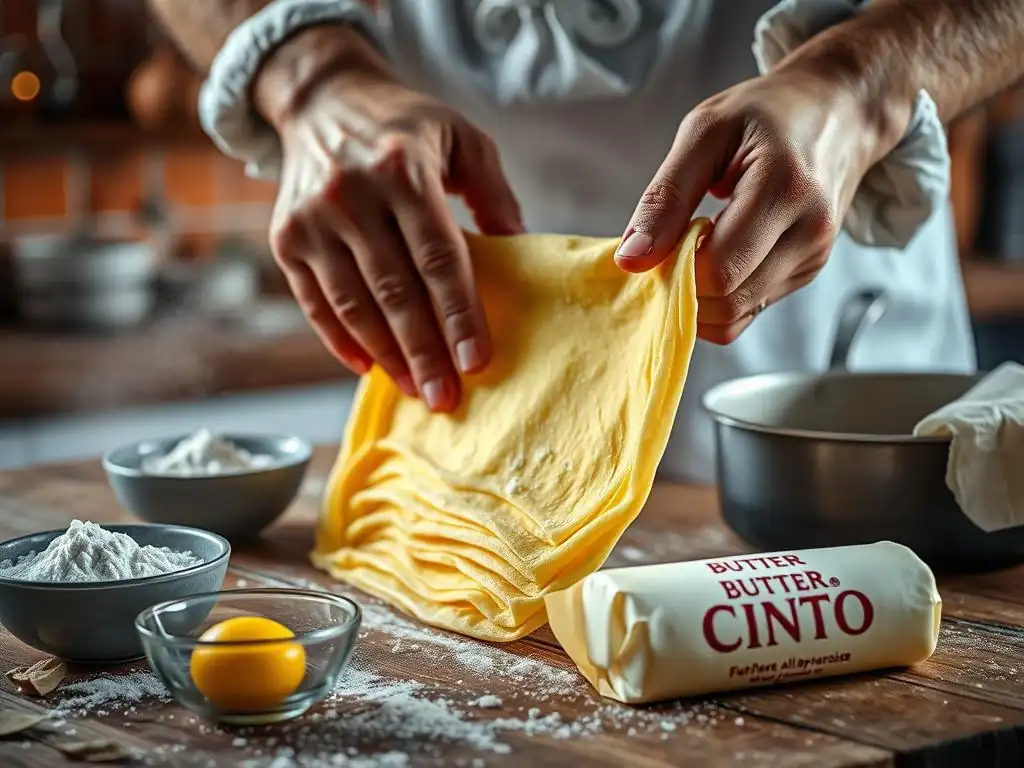
Flour Selection: Choosing the Right Flour for Latin American Pastries
The type of flour you choose significantly impacts the structure and tenderness of your flaky Latin American pastry dough. All-purpose flour is the most commonly used flour in many Latin American pastry recipes, primarily because of its balanced protein content, typically ranging from 10% to 12%. This protein develops into gluten when hydrated and mixed, providing structure to the dough. For a tender pastry, you want enough gluten development to hold the dough together and allow for rolling, but not so much that it becomes tough or elastic.
Using a flour with a slightly lower protein content, sometimes labeled as pastry flour (often around 8-9% protein), can result in an even more tender crumb. However, all-purpose flour is usually sufficient and more readily available for home bakers. The key is to handle the flour minimally once liquid is added to control gluten development. Measuring flour correctly, often by spooning it into the measuring cup and leveling off rather than scooping, prevents compaction and using too much flour, which can lead to a dense and less flaky Latin American pastry dough.
Fat is Your Friend: Selecting the Best Fat for a Flaky Texture
The choice of fat is arguably the most critical factor in achieving a truly flaky Latin American pastry dough. Traditional recipes often call for lard, which is rendered pork fat. Lard has a high melting point relative to butter and contains larger fat crystals. When cut into flour and baked, these fat pieces melt slowly, creating steam pockets that push the layers of dough apart, resulting in distinct, tender flakes. The high melting point also means the fat stays solid longer during mixing, making it easier to achieve the desired pea-sized pieces.
Vegetable shortening is another popular choice, offering a similar high melting point and ability to create flakiness. It's a good alternative for those avoiding animal products.
Butter, while delicious and providing excellent flavor, has a lower melting point and smaller fat crystals, which tends to result in a more crumbly or sandy texture rather than large, distinct flakes unless specifically laminated like puff pastry. For the most authentic and characteristic flaky Latin American pastry dough, especially for savory items like empanadas, using lard or a combination of lard and butter (or shortening) is often recommended to maximize flakiness and achieve the desired tenderness.
The Role of Liquid: Hydration for Tender and Flaky Dough
Liquid, typically ice water, plays a crucial role in binding the flour and fat together to form a cohesive flaky Latin American pastry dough. However, the amount and temperature of the liquid are critical. Too much liquid leads to a sticky, difficult-to-handle dough and can promote excessive gluten development, resulting in toughness rather than tenderness and flakiness.
Too little liquid results in a dry, crumbly dough that won't hold together. The goal is to add just enough liquid for the dough to come together when gently pressed, often requiring only about 1/4 to 1/2 cup (60-120 ml) of liquid per 1 cup (120-140g) of flour, though this varies by recipe and humidity.
Using ice-cold liquid is essential for maintaining the cold temperature of the fat pieces within the dough. As discussed, keeping the fat cold and solid is key to creating those distinct layers that produce flakiness. Warm liquid would soften the fat prematurely, inhibiting the formation of crisp layers during baking. Some recipes might include a small amount of vinegar or lemon juice in the water; the acidity is believed to help tenderize the dough slightly by interfering with gluten development, contributing to a more tender flaky Latin American pastry dough.
Salt and Sugar: Enhancing Flavor and Texture in Pastry Dough
While often added for flavor, salt and sugar also play subtle but important roles in the texture and appearance of flaky Latin American pastry dough. Salt, even in small amounts, enhances the overall flavor profile, balancing the richness of the fat and the filling. Beyond taste, salt strengthens the gluten network in the flour. While we aim to minimize gluten development for tenderness, a small amount of salt provides just enough structure to make the dough workable without becoming overly tough.
Sugar, when included, adds a touch of sweetness, which is vital for sweet pastries like tarteletas or pastelitos. In terms of texture, sugar is a tenderizer; it interferes with gluten development by competing with the flour for water. Sugar also contributes to browning during baking, giving the pastry a beautiful golden crust. The amount of sugar used depends on whether the flaky Latin American pastry dough is for a savory or sweet application, but even a small pinch in a savory dough can subtly improve texture and flavor.
Mastering the Techniques for Flaky Pastry Dough
The Cold Factor: Keeping Ingredients Cold for Optimal Flakiness
Maintaining a low temperature throughout the dough-making process is paramount for achieving a truly flaky Latin American pastry dough. This principle hinges on keeping the fat solid until it hits the hot oven. When cold, solid fat pieces are dispersed within the flour, they create pockets.
As the pastry bakes, the fat melts and releases steam, which forces the surrounding layers of dough apart. This separation is what results in those distinct, airy flakes. If the ingredients, particularly the fat and liquid, are warm, the fat will melt into the flour during mixing, coating the flour particles evenly rather than remaining in discrete pieces, thus preventing the formation of layers and leading to a more cookie-like or mealy texture instead of flakiness.
Ensuring your ingredients are cold involves several steps. Start with fat that is well-chilled, ideally straight from the refrigerator or even briefly in the freezer. Cut it into cubes before adding it to the flour. Use ice water for the liquid, ensuring the ice cubes are strained out before adding the water to the dry ingredients. Some bakers even go as far as chilling their flour and mixing bowl beforehand. Working quickly and minimizing handling with warm hands also helps keep the temperature down, contributing to the success of your flaky Latin American pastry dough.
Cutting in the Fat: Achieving the Perfect Pea-Sized Pieces
The technique of "cutting in" the fat is fundamental to creating a flaky Latin American pastry dough. This process involves incorporating cold, solid pieces of fat into the flour until the mixture resembles coarse meal with some larger pieces remaining. The goal is not to blend the fat completely into the flour, but rather to distribute small pieces of fat throughout the dry ingredients. These small pieces, often described as being the size of peas or even smaller pebbles, are what will create the steam pockets during baking.
You can cut in the fat using various tools: a pastry blender, two forks, your fingertips, or even a food processor. Using your fingertips is effective but requires working quickly to prevent the fat from melting from the warmth of your hands. A pastry blender or food processor can help keep the fat colder.
The key is to stop mixing when the mixture has the desired texture – mostly like coarse meal, but with visible, distinct pieces of fat scattered throughout. Overmixing at this stage will break down the fat too much, leading to a less flaky Latin American pastry dough.
Developing Gluten: Balancing Strength and Tenderness
Gluten development is a critical factor to manage when making flaky Latin American pastry dough. Gluten, formed when flour's proteins (glutenin and gliadin) combine with water and are agitated, provides structure and elasticity to dough. For bread, you want significant gluten development; for tender pastries, you want minimal development. Too much gluten makes the dough tough, elastic, and difficult to roll, and results in a hard, rather than flaky, crust.
The primary way to control gluten development is by minimizing mixing after the liquid is added. Once the wet and dry ingredients come together, mix only until the dough just forms a cohesive mass. Avoid kneading or prolonged mixing. The fat also plays a role here; by coating some of the flour particles, it inhibits them from absorbing water and forming gluten. Using cold ingredients and resting the dough (discussed next) also helps manage gluten, ensuring your flaky Latin American pastry dough remains tender.
The Importance of Resting: Relaxing the Dough for Easy Handling
Resting the flaky Latin American pastry dough is a non-negotiable step that significantly improves its texture and workability. After the dough is formed, it should be wrapped and chilled in the refrigerator for at least 30 minutes, and ideally for 1 to 2 hours. This resting period serves two main purposes. First, it allows the gluten, which was activated during mixing, to relax. Relaxed gluten makes the dough much less elastic and easier to roll out thinly without snapping back, reducing the need for excessive force which could lead to toughness.
Second, resting allows the flour to fully hydrate. Even if the dough looked cohesive after mixing, there might still be some dry spots. The chilling period gives the moisture time to distribute evenly throughout the dough, resulting in a more uniform texture and preventing crumbly patches when rolling. The cold temperature also firms up the fat pieces again, reinforcing their ability to create flakiness during baking. Skipping this step often results in a frustratingly elastic dough that's hard to work with and a less tender, less flaky Latin American pastry dough.
Step-by-Step Guide: Making Flaky Latin American Pastry Dough
Step 1: Preparing the Ingredients
Begin by ensuring all your ingredients are properly measured and chilled. Accurately measure your flour using the spoon-and-level method (about 120-140 grams per cup). Cut your cold fat (lard, shortening, or butter) into small cubes, roughly 1/2 to 1 inch (1-2.5 cm) in size, and return them to the refrigerator or freezer for a few minutes to ensure they are very cold.
Prepare your ice water by filling a cup with ice and water, then letting it sit for a few minutes before straining out the ice. You'll likely need about 1/4 to 1/2 cup (60-120 ml) of this ice water for every cup of flour, but have a little extra ready.
Having everything cold and ready before you start mixing is crucial for developing a superb flaky Latin American pastry dough. This might seem like a small detail, but the temperature of your ingredients directly impacts how the fat incorporates into the flour and, consequently, how flaky your final pastry will be. Using cold tools, like a chilled bowl or pastry blender, can further help maintain the desired low temperature throughout the initial mixing stages.
Step 2: Combining Dry Ingredients
In a large mixing bowl, whisk together your measured flour, salt, and any sugar called for in the recipe. Whisking helps to combine the ingredients evenly and aerate the flour slightly. Ensure there are no clumps of salt or sugar. This step is simple but important for distributing the flavorings and leavening (if any, though traditional pastry dough often relies solely on steam for lift) evenly throughout the flaky Latin American pastry dough.
This initial combination sets the stage for the fat incorporation. A well-mixed dry base ensures that when the fat is cut in, it's distributed throughout the flour mixture consistently. For a standard recipe using about 2 cups of flour, you might use anywhere from 1/2 teaspoon to 1 teaspoon of salt and perhaps 1-2 tablespoons of sugar for a slightly sweetened dough, or more for a distinctly sweet one.
Step 3: Cutting in the Fat
Add the cold, cubed fat to the bowl of dry ingredients. Using a pastry blender, your fingertips, or a food processor with the blade attachment, quickly work the fat into the flour mixture. Cut or pulse until the mixture resembles coarse meal with some larger pieces of fat remaining, ranging in size from small peas down to tiny pebbles. Avoid overmixing; you should still see visible pieces of fat.
This step is where the magic of flakiness begins for your flaky Latin American pastry dough. The goal is to coat the flour particles with fat while keeping the fat itself in discrete pieces. These pieces will melt and create steam pockets during baking. Working quickly is essential to prevent the fat from melting from the heat of your hands or the environment. If using a food processor, pulse in short bursts, checking the consistency frequently.
Step 4: Adding the Liquid
Gradually add the ice water, one or two tablespoons at a time, sprinkling it evenly over the flour-fat mixture. Use a fork or your hand to gently mix the water in until the dough just begins to come together. You may not need all the water specified in a recipe, or you might need a tiny bit more, depending on the humidity and the flour's absorption. Stop adding water as soon as the dough looks shaggy and can be gently pressed together to form a cohesive mass.
Overwatering is a common mistake that leads to tough dough, so err on the side of caution. The mixture should look quite dry and crumbly initially, but when you squeeze a handful, it should hold its shape. This minimal hydration is key to limiting gluten development and ensuring a tender, flaky Latin American pastry dough.
Step 5: Forming the Dough
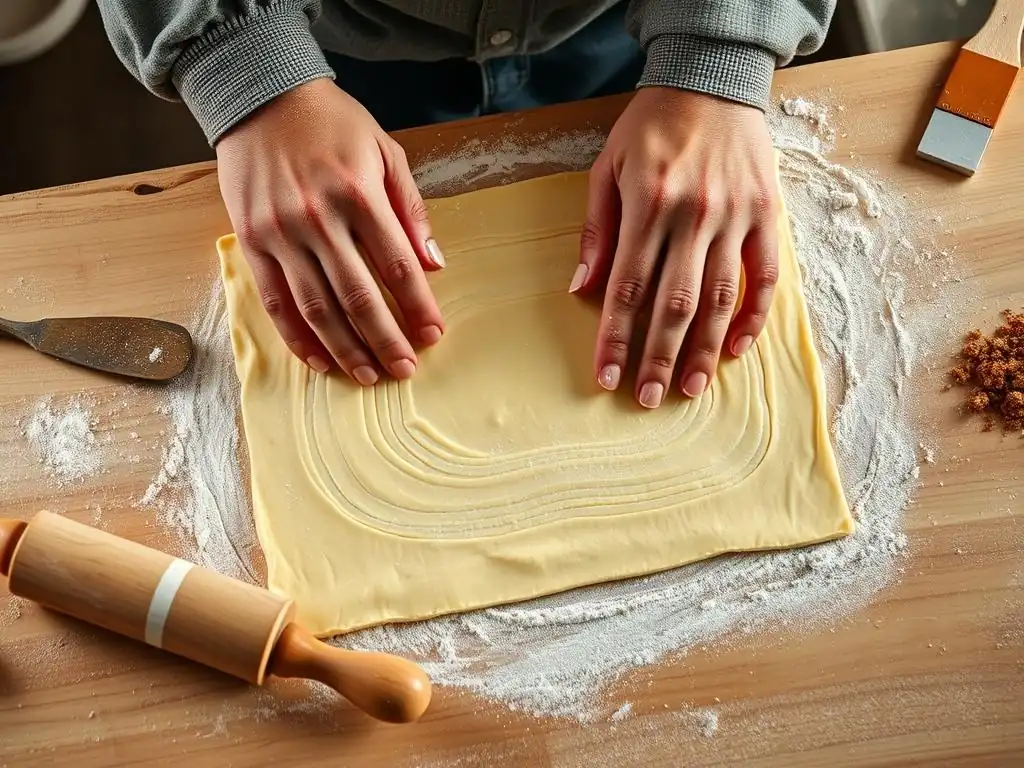
Turn the shaggy dough mixture out onto a lightly floured surface. Gently gather the dough together and press it into a disc or rectangle, depending on how you plan to roll it. Avoid kneading the dough extensively; the goal is just to bring it together. Excessive handling at this stage develops too much gluten and will make your flaky Latin American pastry dough tough.
If the dough feels too dry and crumbly to come together, sprinkle a tiny bit more ice water (a teaspoon at a time) onto the dry spots and gently incorporate. If it feels too wet and sticky, dust your hands and the surface with a tiny bit more flour. The less you manipulate the dough here, the more tender and flaky the final result will be.
Step 6: Resting the Dough
Wrap the formed dough disc or rectangle tightly in plastic wrap. Press it down slightly to flatten it, which will help it chill faster and make it easier to roll later. Place the wrapped dough in the refrigerator for at least 30 minutes, and preferably 1 to 2 hours. This chilling period is essential for relaxing the gluten and firming up the fat.
This resting stage is crucial for developing a truly manageable and flaky Latin American pastry dough. It allows the flour to absorb the liquid evenly and the gluten network to relax, making the dough less elastic and easier to roll without tearing or shrinking excessively. Don't skip this step!
Step 7: Rolling and Shaping the Dough
When you're ready to roll, take the dough out of the refrigerator. If it's been chilling for a long time and is very hard, let it sit at room temperature for just 5-10 minutes to make it slightly more pliable, but ensure it remains cold. Lightly flour your work surface and rolling pin.
Roll the dough from the center outwards, rotating the dough frequently and flipping it occasionally (re-flouring the surface as needed) to prevent sticking and ensure even thickness. Roll to the desired thickness for your recipe, typically about 1/8 to 1/4 inch (3-6 mm) depending on the pastry.
Work efficiently to keep the dough cold. If it starts to feel warm or sticky, or if the fat seems to be softening too much, pop the dough back into the refrigerator for 10-15 minutes to chill before continuing. This helps maintain the integrity of the fat pieces, which are key to achieving a wonderful flaky Latin American pastry dough. Cut or shape the dough as required for your specific pastry application.
Troubleshooting Common Pastry Dough Problems
Dough is Too Dry
A dry, crumbly flaky Latin American pastry dough is usually a result of insufficient liquid or too much flour. Symptoms include the dough not coming together easily, crumbling when you try to roll it, or having visible dry flour patches after mixing. This often happens if flour was measured incorrectly (packed in) or if not enough water was added initially.
To fix dry dough, you can try sprinkling a tiny bit more ice water (a teaspoon at a time) over the dry areas of the dough and gently folding or pressing it in until those patches are hydrated and the dough holds together when squeezed. Be cautious not to add too much at once, as it's easier to add more liquid than to correct overly wet dough. If the dough is already formed into a disc, you might need to gently break it apart slightly to incorporate the extra moisture effectively before pressing it back together.
Dough is Too Wet
Overly wet flaky Latin American pastry dough is typically caused by adding too much liquid. Symptoms include the dough being excessively sticky, difficult to handle, and sticking to your hands or the work surface even when floured. Wet dough also encourages more gluten development, leading to a tougher pastry.
If your dough is too wet, you can try adding a small amount of flour, a tablespoon at a time, dusting it over the dough and gently folding or pressing it in until the dough is no longer excessively sticky and is manageable. Use only as much flour as needed. Be aware that adding extra flour at this stage can slightly impact the final texture compared to a dough mixed with the correct hydration from the start, but it's better than trying to work with a sticky mess.
Dough is Not Flaky Enough
If your baked pastry lacks that characteristic flakiness, several factors could be the culprit. The most common reasons include using fat that wasn't cold enough or melted during mixing/rolling, overworking the dough (which blends the fat into the flour instead of leaving discrete pieces), or adding too much liquid which promotes gluten development and inhibits flaking. Using fat with a lower melting point, like soft butter or oil instead of lard or shortening, can also result in a less flaky Latin American pastry dough.
Ensure your ingredients are well-chilled, especially the fat and water. Work quickly to keep the dough cold during mixing and rolling, and chill it if it becomes warm. When cutting in the fat, make sure you stop when visible pieces remain, rather than blending it completely. Avoid kneading; mix only until the dough just comes together. Using the recommended fat type (often lard or shortening for maximum flakiness in traditional recipes) and minimizing handling will significantly improve the flakiness of your flaky Latin American pastry dough.
Dough is Tough
Tough flaky Latin American pastry dough is almost always a result of overdeveloping gluten. This happens when the dough is mixed or kneaded too much after the liquid is added, or if it wasn't rested properly before rolling. Symptoms include the dough being very elastic and resistant to rolling, snapping back when you try to flatten it, and the baked pastry having a hard, chewy texture rather than being tender and flaky.
To avoid tough dough, focus on minimal mixing once the liquid is added – mix only until the dough just comes together. Absolutely avoid kneading. Ensure you chill the dough for the recommended resting period (at least 30 minutes, preferably longer) before rolling; this allows the gluten strands to relax. If the dough is still very elastic when you try to roll it, stop, cover it, and let it rest in the refrigerator for another 15-30 minutes before trying again. Gentle handling throughout the process is key to a tender, flaky Latin American pastry dough.
Latin American Pastry Recipes to Try
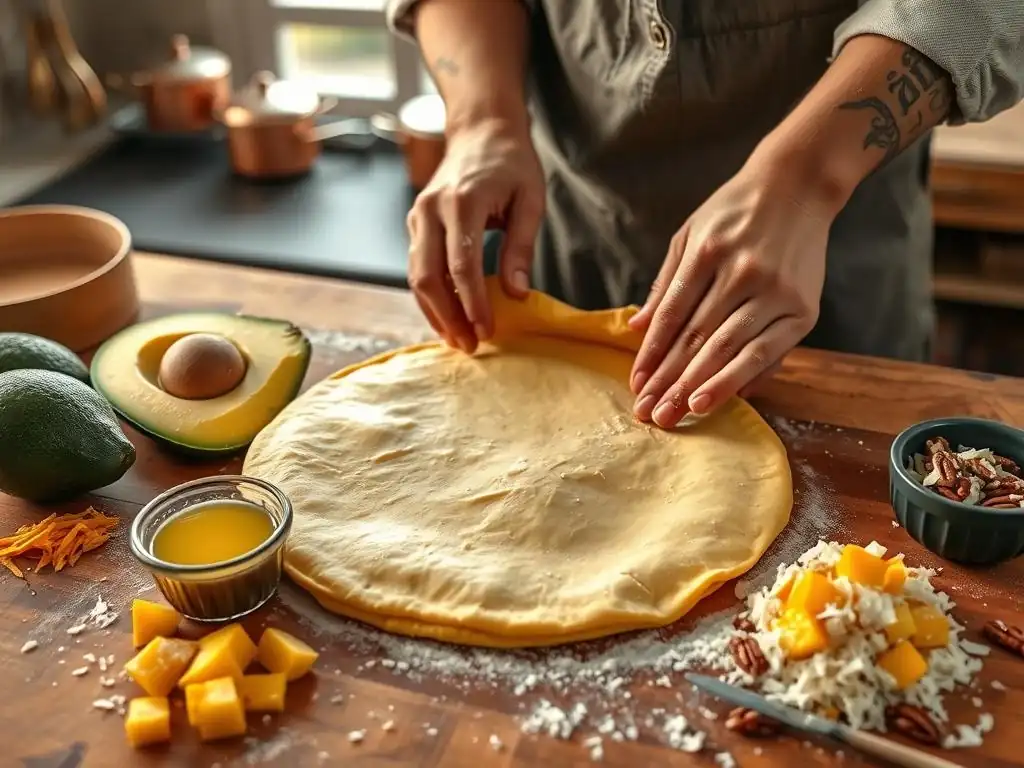
Empanadas: A Classic Flaky Pastry
Empanadas are perhaps the most iconic use of flaky Latin American pastry dough, found in countless variations across the continent. From the savory beef-filled empanadas of Argentina and Chile (often baked) to the smaller, fried meat or cheese-filled pastelitos of Colombia and Venezuela, the dough is central to their appeal. The dough needs to be sturdy enough to hold substantial fillings and withstand baking or frying, yet tender and beautifully flaky when bitten into.
The specific dough recipe for empanadas varies regionally, but many traditional versions rely on lard or a mix of lard and butter for that characteristic flakiness. Some recipes might include a touch of egg yolk for richness or vinegar for tenderness. The dough is typically rolled out thinly, cut into circles (discos), filled, folded, and sealed (often with a decorative repulgue or crimp) before being baked until golden brown or fried until puffed and crisp. Mastering this flaky Latin American pastry dough unlocks a world of delicious empanada possibilities.
Pastelitos: Sweet and Savory Delights
Pastelitos, particularly popular in the Caribbean (like Cuban pastelitos de guayaba y queso) and coastal South America, showcase a different style of flaky Latin American pastry dough that is often very thin and creates numerous delicate layers. These pastries can be sweet, filled with fruit pastes (like guava), cheese, or cream, or savory, filled with meat or seafood. The dough is typically richer than a standard empanada dough, often containing more fat relative to flour, and sometimes includes egg.
Achieving the signature multi-layered flakiness of pastelitos often involves a technique similar to rough puff pastry or incorporating a generous amount of fat cut into the dough very finely. The dough is rolled out very thin, filled, and often baked at a relatively high temperature to encourage maximum puff and separation of the layers. The result is an exceptionally light, crisp, and flaky Latin American pastry dough that shatters delightfully with each bite, perfectly complementing the sweet or savory fillings.
Tarteletas: Miniature Fruit Tarts
Tarteletas, or small tarts, are found in many Latin American bakeries and homes, often filled with fresh fruit, pastry cream, or dulce de leche. The flaky Latin American pastry dough used for tarteletas needs to provide a sturdy base that holds its shape during baking but is also tender and flaky enough to be easily cut and eaten. While some recipes might use a sweeter, more cookie-like dough (masa sableé), many traditional versions utilize a dough similar to empanada dough, emphasizing flakiness.
This dough is typically pressed or rolled into small tartlet molds, blind-baked if the filling is not baked with the crust (like fresh fruit and cream fillings), and then filled and finished. The challenge here is achieving a crust that is evenly baked, golden brown, and beautifully flaky Latin American pastry dough without becoming tough or crumbly to the point of falling apart. The richness from the fat ensures tenderness, while proper technique in cutting in the fat and resting the dough guarantees the desired flakiness.
Tips for Baking Perfect Latin American Pastries
Oven Temperature and Baking Time
Baking temperature is crucial for achieving a light and flaky Latin American pastry dough. Most pastries benefit from baking in a moderately hot to hot oven, typically between 375°F and 425°F (190°C to 220°C). The high heat helps the fat melt quickly and produce steam, which is essential for creating those flaky layers. If the oven temperature is too low, the fat might melt too slowly and seep out of the dough before it has a chance to create significant lift and separation.
Baking time will vary greatly depending on the size and thickness of the pastry, the filling, and the oven. Small empanadas might take 15-20 minutes, while larger ones or tarts could take 25-35 minutes or longer. Look for visual cues: the pastry should be puffed (if applicable) and a beautiful golden brown color. The bottom crust should also look cooked and lightly browned. For filled pastries, ensure the filling is heated through.
Achieving a Golden-Brown Crust
A visually appealing golden-brown crust is a hallmark of perfectly baked flaky Latin American pastry dough. This color indicates that the crust is fully cooked, crisp, and has developed appealing flavors through the Maillard reaction and caramelization (especially if sugar is present). While baking at the correct temperature is key, applying an egg wash or milk wash can significantly enhance the browning and give the pastry a lovely sheen.
An egg wash is typically made by whisking an egg (or just the yolk) with a tablespoon of water or milk. Brushing this mixture lightly over the surface of the unbaked pastry before it goes into the oven provides proteins and sugars that brown beautifully. For a less intense shine and color, a simple milk or cream wash can be used. Be sure not to let the wash drip down the sides, as it can seal the edges and inhibit the layers from separating, potentially reducing the flakiness of your flaky Latin American pastry dough.
Storing and Freezing Pastry Dough
Proper storage is essential whether you've made a batch of flaky Latin American pastry dough ahead of time or have leftovers. Unbaked dough can be wrapped tightly in plastic wrap and stored in the refrigerator for 2-3 days. For longer storage, the dough freezes exceptionally well. Wrap the dough disc or block tightly in plastic wrap, then place it in a freezer-safe bag or wrap it again in aluminum foil. Label and date the package. Frozen dough can be stored for up to 2-3 months.
To use frozen dough, transfer it to the refrigerator to thaw slowly overnight. Avoid thawing at room temperature, as this can cause the fat to soften too much. Once thawed, let it sit at room temperature for 5-10 minutes if needed to make it just pliable enough to roll, but work quickly to keep it cold. Baked pastries can also be stored, usually at room temperature for a day or two, though their flakiness is best enjoyed fresh. Freezing baked pastries is also an option, thawing them at room temperature or gently reheating in a warm oven.
Achieving the Perfect Flaky Crust: Expert Baking Tips
Achieving a perfect flaky Latin American pastry dough consistently comes down to mastering a few core principles. Always start with cold ingredients – this is non-negotiable for creating distinct layers. Be precise when cutting in the fat, ensuring you leave visible pieces rather than incorporating it completely into the flour. Think of these fat pieces as tiny reservoirs of flakiness waiting to happen in the oven.
Handle the dough minimally once the liquid is added. Overmixing is the enemy of tenderness and flakiness. Mix just until the dough comes together, then trust the resting period to do its work.
Don't skip the chilling step; it's vital for relaxing the dough and firming up the fat, making rolling easier and the baked result more tender and flaky. Finally, bake your pastries in a sufficiently hot oven to ensure the fat melts rapidly and creates maximum steam lift. By focusing on these key techniques, you'll be well on your way to producing consistently delicious flaky Latin American pastry dough for all your baking adventures.
Frequently Asked Questions
What makes Latin American pastry dough different from other pastry doughs?
Latin American pastry dough often incorporates unique ingredients like lard or shortening to achieve a specific texture. This results in a flakier and more tender final product compared to doughs relying solely on butter.
What are the key techniques for achieving a truly flaky texture in Latin American pastry dough?
Achieving flakiness depends on keeping the fat cold and distributing it evenly throughout the dough. Proper lamination techniques are also crucial for creating distinct layers that separate during baking.
What type of fat is best for creating flaky Latin American pastry dough?
While butter can be used, lard or shortening are traditionally preferred for their higher fat content and lower water content. This contributes to a more tender and flaky texture with a slightly different flavor profile.
Can I use a food processor to make Latin American pastry dough, or is it better to make it by hand?
A food processor can be used, but it's crucial to pulse ingredients carefully to avoid overmixing. Hand mixing allows for better control and prevents the gluten from developing too much, leading to a tougher dough.
How important is resting the dough for making flaky Latin American pastry dough?
Resting the dough is extremely important. It allows the gluten to relax, making the dough easier to roll and preventing it from shrinking during baking. This contributes significantly to a tender and flaky final result.
Final Reflection: The Enduring Legacy of Flaky Latin American Pastries
The pursuit of the perfect flaky pastry, a testament to culinary artistry, transcends mere technique; it's a journey through generations of tradition and a celebration of cultural heritage. The techniques explored in this article – from the precise handling of fats to the understanding of hydration levels – are not simply recipes, but keys to unlocking a deeper appreciation for the rich tapestry of Latin American baking. These methods, passed down through families and adapted across diverse regions, represent a living history waiting to be discovered and enjoyed.
The impact of these pastry traditions extends far beyond the kitchen; they are integral to social gatherings, celebrations, and the very fabric of Latin American identity. These pastries aren't just food; they are vessels of memory, carrying the stories and flavors of countless families. Food is symbolic of love when words are inadequate.
– Alan D. Wolfelt. This quote perfectly encapsulates the emotional connection many feel to these cherished treats, a connection forged through shared experiences and the simple act of breaking bread (or pastry!) together.
Now, it's your turn. Don't just read these techniques; embrace them. Experiment with different fats, flours, and fillings. Allow yourself to be surprised by the subtle nuances of each ingredient and the transformative power of your own hands. The journey to mastering flaky Latin American pastry dough is a rewarding one, filled with delicious discoveries and the satisfaction of creating something truly special. More importantly, it's a journey that connects you to a vibrant culinary history and allows you to share a piece of that heritage with others.
Unleash Your Inner Pastry Chef!
Thanks for taking the time to explore the secrets of creating flaky and tender Latin American pastry dough! You've now got the knowledge to elevate your baking game. Ready to put your new skills to the test?
- Bake your masterpiece today! Try out one of the recipes from the article – the empanadas are a great starting point.
- Share your baking journey! Post a picture of your creation on social media and tag us – we'd love to see your results! Use #BakeWithEaseLatinPastries
- Challenge yourself! Experiment with different fillings and techniques to discover your own signature Latin American pastry.
What unique twist will you add to your next batch of empanadas or arepas? Let's discuss in the comments!