
Discover Delicious Latin American Cookies & Biscuits

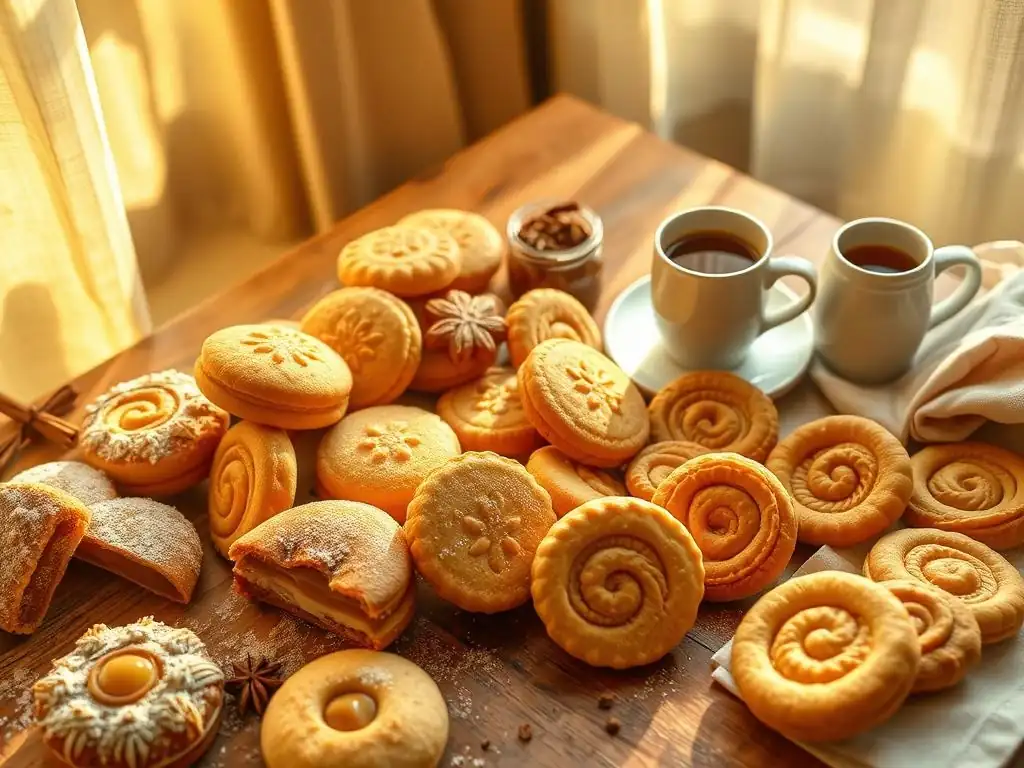
Welcome to BakeWithEase, your partner in baking bliss!
Ever wondered about the vibrant flavors and delightful textures hidden within Latin American cookie recipes? Prepare to embark on a delicious journey! We're unveiling a collection of easy-to-follow recipes that will transport your taste buds south of the border. From melt-in-your-mouth alfajores to spicy polvorones, get ready to discover the secrets to creating authentic and unforgettable treats. What unique ingredients and techniques await you in this sweet adventure? Read on to find out!
- Discover Delicious Latin American Cookies & Biscuits: Easy Recipes for BakeWithEase
- Explore the World of Latin American Cookie Recipes
- Easy Latin American Cookie Recipes to Bake at Home
- Tips for Baking Authentic Latin American Cookies & Biscuits
- Beyond the Basics: Exploring More Latin American Baking
- Frequently Asked Questions
- Final Reflection: A Sweet Journey Through Latin American Baking
- Unleash Your Inner Pastry Chef!
A Sweet Journey Through Latin American Baking Traditions
Latin America boasts a rich and diverse culinary heritage, and its cookies and biscuits are a testament to centuries of cultural exchange, blending indigenous ingredients with influences from European colonizers, particularly Spain and Portugal. This history has given rise to a fascinating array of sweet treats, each with its own unique texture, flavor, and story. From the crumbly shortbreads of Mexico to the delicate cornstarch cookies of the Andes, these recipes often feature common ingredients like dulce de leche, cornstarch ( maicena), citrus zest, and warm spices like cinnamon and vanilla.
These traditional Latin American cookie recipes are more than just desserts; they are often deeply intertwined with celebrations, holidays, and daily life. Many are passed down through generations, carrying with them the warmth and history of family kitchens. While some recipes can be intricate, requiring specific techniques, there are countless easy Latin American cookie recipes that are perfect for home bakers looking to explore new flavors without extensive effort. The beauty lies in their simplicity and the comforting, often nostalgic, taste they offer.
Trying Latin American cookies and biscuits opens up a world of unique textures and flavors that differ significantly from typical North American or European baked goods. Many feature a delightful crumbliness, often achieved through the use of cornstarch, which results in a melt-in-your-mouth sensation. The fillings and glazes are also distinct, with dulce de leche being a star player, offering a rich, caramelized sweetness that is simply irresistible.
Furthermore, many easy Latin American cookie recipes utilize common pantry staples, making them accessible for bakers everywhere. They offer a fantastic opportunity to expand your baking repertoire and impress friends and family with something new and exciting. Whether you're looking for a simple afternoon snack or a special treat for a gathering, exploring Latin American cookies provides delicious options that are often surprisingly straightforward to make.
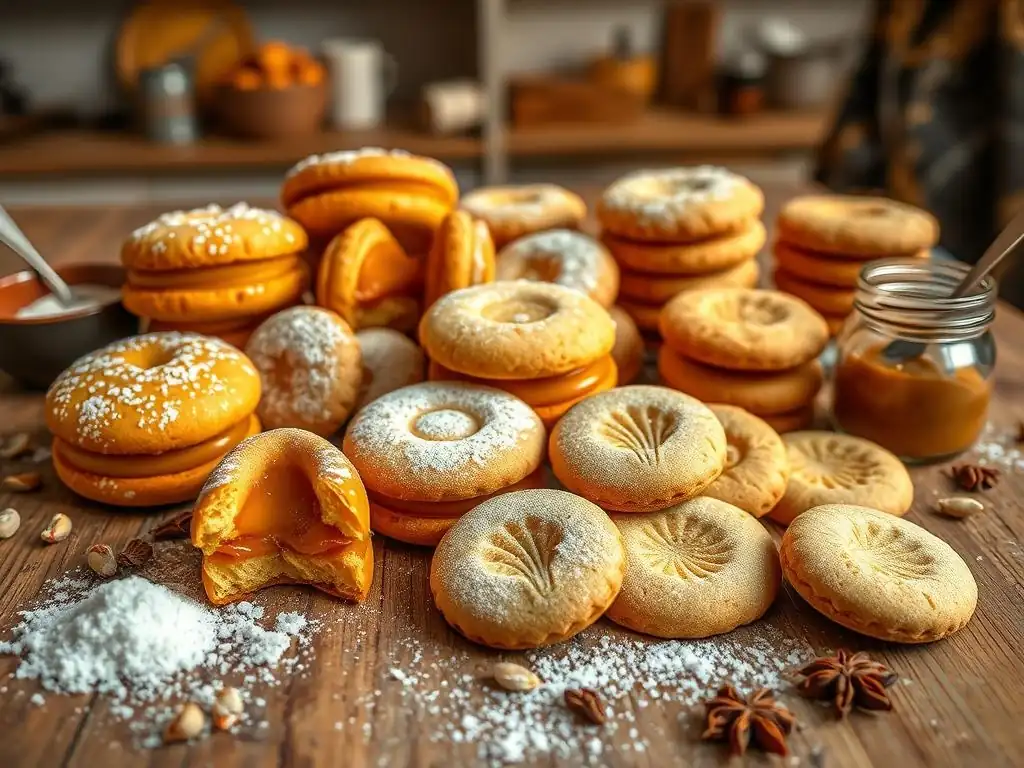
Alfajores are arguably the most iconic Latin American cookie. Originating from the Middle East and brought to Spain, they were adapted throughout Latin America, with variations found in Argentina, Peru, Chile, and many other countries. Typically, they consist of two delicate, often cornstarch-based cookies sandwiched together with a generous layer of dulce de leche. The edges are frequently rolled in shredded coconut or powdered sugar.
Making alfajores at home is a rewarding experience, and while some recipes can be finicky, many are quite easy to follow. The key is achieving a tender, almost sandy texture for the cookie layers that complements the smooth, creamy filling. They are a perfect example of delicious and relatively easy Latin American cookie recipes that yield impressive results.
Making the Perfect Alfajores Dough: A Step-by-Step Guide
The classic alfajor dough often relies heavily on cornstarch ( maicena) alongside wheat flour. A common ratio might be roughly 1 part flour to 2 parts cornstarch, though this varies. This high cornstarch content is what gives them their signature delicate, crumbly texture. Butter is the primary fat, creamed with sugar until light and fluffy. Egg yolks are often used instead of whole eggs for richness and tenderness.
- Cream softened butter and sugar together until pale.
- Beat in egg yolks and vanilla extract.
- In a separate bowl, whisk together flour, cornstarch, baking powder (sometimes included for lift), and a pinch of salt.
- Gradually add the dry ingredients to the wet ingredients, mixing until just combined. Be careful not to overmix, as this can develop gluten and make the cookies tough.
- Gather the dough, flatten into a disc, wrap in plastic wrap, and chill for at least 30 minutes. This makes it easier to roll.
- Roll the chilled dough on a lightly floured surface to about 1/4 inch thickness.
- Cut out circles using a cookie cutter.
- Bake on parchment-lined baking sheets at around 170-180°C (325-350°F) for 10-15 minutes, or until edges are lightly golden but the centers are still pale.
- Let cool completely on the baking sheet before handling.
The Secret to Luscious Dulce de Leche Filling
Dulce de leche is the soul of the alfajor. While you can make it from scratch by slowly simmering condensed milk (a process that can take 2-3 hours), using good quality store-bought dulce de leche is perfectly acceptable and makes these Latin American cookie recipes much easier. Look for brands that have a thick, spreadable consistency and a deep caramel color and flavor.
If your store-bought dulce de leche is too thick, you can gently warm it slightly or whisk in a tiny amount of milk or cream to make it more spreadable. Conversely, if it's a bit too runny, chilling it can help firm it up. Some recipes add a pinch of salt or a splash of rum or vanilla extract to the dulce de leche for extra depth of flavor.
Tips for Assembling and Decorating Alfajores
Once the cookies are completely cool, spread a generous dollop of dulce de leche on the flat side of one cookie. Place another cookie on top, pressing gently to sandwich the filling. The dulce de leche should almost reach the edges.
For decoration, roll the assembled cookie edges in shredded coconut. This is the most traditional method. Alternatively, you can dust the tops with powdered sugar using a fine-mesh sieve. Some variations dip half or all of the cookie in melted chocolate. Allow the assembled alfajores to rest for a few hours, or ideally overnight, before serving. This allows the dulce de leche to slightly soften the cookies, resulting in the perfect melt-in-your-mouth texture.
Polvorones, often known as Mexican Wedding Cookies (though they exist in various forms across Spain and Latin America), are famous for their incredibly crumbly, melt-away texture. The name "polvorón" comes from "polvo," meaning powder or dust, referring to their powdery texture. Unlike alfajores, they are typically made without eggs and have a high ratio of fat to flour, often incorporating nuts like pecans, almonds, or walnuts. After baking, they are generously coated in powdered sugar.
These easy Latin American cookie recipes are straightforward, requiring minimal shaping and no filling. Their charm lies in their simple ingredients and delightful texture. They are a staple during holidays and celebrations in Mexico and beyond.
Achieving the Ideal Texture for Polvorones
The signature crumbly texture of polvorones comes from several factors: the high fat content (usually butter, sometimes lard or shortening), the absence of eggs (which can add structure and chewiness), and often the inclusion of finely ground nuts. Nuts add richness and contribute to the crumbly structure.
To achieve the best texture, ensure your butter is softened but not melted. Cream it with powdered sugar (not granulated, as it helps with the delicate texture) until just combined. Gradually add the flour and ground nuts, mixing until the dough just comes together. Avoid overmixing. Some recipes suggest chilling the dough briefly, while others shape and bake immediately. Baking at a relatively low temperature (around 150-160°C or 300-325°F) helps them bake through without browning too much, preserving their pale color and delicate structure.
Flavor Variations: Almond, Pecan, and More
While traditional polvorones often feature ground almonds or pecans, many variations exist. Using different nuts, such as walnuts or hazelnuts, will subtly change the flavor profile. Some recipes add cinnamon, vanilla extract, or citrus zest for extra aroma.
- Pecan Polvorones: A classic Mexican version, using finely chopped or ground pecans.
- Almond Polvorones: Common in Spain and other regions, offering a distinct almond flavor.
- Anise Polvorones: Some regional variations include ground anise seeds for a subtle licorice note.
- Lemon/Orange Zest: Adding a teaspoon or two of finely grated citrus zest brightens the flavor considerably.
Experimenting with these variations allows you to personalize these easy Latin American cookie recipes to your taste preferences.
Baking and Storing Polvorones for Maximum Freshness
Polvorones are typically shaped into small balls, crescent moons, or pressed into small, shallow molds. Bake them on parchment-lined baking sheets at a low temperature (around 150-160°C) for 15-20 minutes, or until they look set but are still pale. They shouldn't brown significantly. They will be very fragile when hot.
Let the cookies cool on the baking sheet for a few minutes before carefully transferring them to a wire rack to cool completely. Once cool, roll or generously dust them with powdered sugar. For the best texture, store polvorones in an airtight container at room temperature. They can last for several weeks, and their flavor and texture often improve after a day or two as the moisture distributes evenly.
Cuban Mantecaditos: A Taste of Cuban Baking Heritage
Mantecaditos are simple, buttery shortbread-like cookies popular in Cuba. Their name comes from "manteca," meaning lard, as traditional recipes often used lard, though butter is now very common. They are characterized by their simplicity, rich flavor, and slightly crumbly texture. Often topped with a small dot of guava paste, they offer a delightful contrast between the rich cookie and the tangy fruit.
These are perhaps among the easiest Latin American cookie recipes to make at home, requiring minimal ingredients and a straightforward process. They are perfect for a quick baking session.
Ingredients for Authentic Cuban Mantecaditos
Authentic mantecaditos use a short list of ingredients, emphasizing the quality of the fat. A typical recipe might include:
- All-purpose flour
- Granulated sugar
- Lard or unsalted butter (or a combination)
- Vanilla extract
- A pinch of salt
- Guava paste (for topping, optional but traditional)
The ratio of fat to flour is relatively high, contributing to the tender texture. Using lard provides a unique flakiness and richness, while butter offers a classic buttery flavor.
Baking Mantecaditos: Tips and Tricks
Mantecaditos dough is typically made by creaming the fat with sugar, then mixing in the vanilla and salt, and finally adding the flour until a cohesive dough forms. The dough is then rolled into small balls (about 1 inch in diameter) and placed on a baking sheet.
Using your thumb or the back of a spoon, gently press an indentation into the center of each ball. If using guava paste, place a small piece or a tiny dollop of softened guava paste into the indentation before baking. Bake at around 175°C (350°F) for 12-15 minutes, or until the edges are lightly golden. Avoid overbaking; they should remain relatively pale.
Serving Suggestions for Mantecaditos
Mantecaditos are wonderful served warm or at room temperature. The combination of the rich, slightly savory cookie with the sweet and tangy guava is classic. They pair perfectly with a cup of strong Cuban coffee ( cafecito).
Consider serving them as part of a dessert platter featuring other easy Latin American cookie recipes. Their simplicity makes them a great base for variations; you could try topping them with a different jam, a chocolate chip, or a sprinkle of cinnamon sugar before baking.
Peruvian King Kong Alfajor: A Multi-Layered Delight
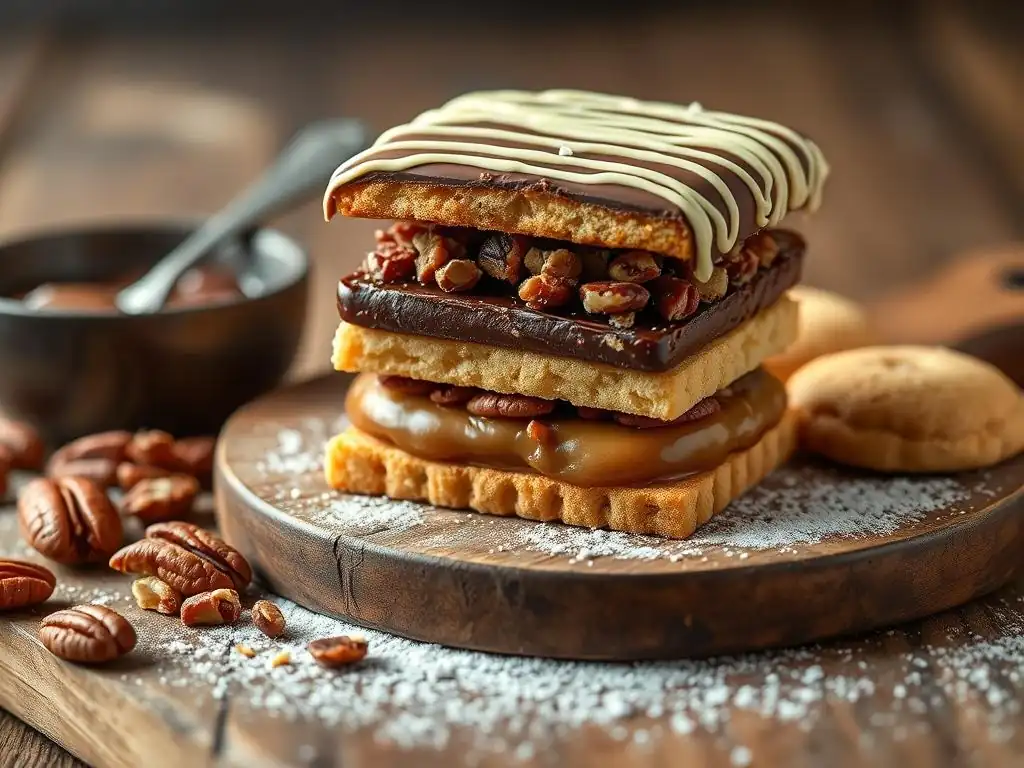
The King Kong alfajor from Lambayeque, Peru, is a grand, multi-layered version of the classic alfajor. It's not a single cookie but a large block made from multiple layers of thin cookies interspersed with dulce de leche, often peanut butter ( manjar de maní), and sometimes pineapple jam ( mermelada de piña). It's named, interestingly, after the famous movie monster due to its large size.
While assembling a full King Kong can be a project, understanding its components and even making smaller, multi-layered versions at home is achievable. It's a fascinating example of how basic Latin American cookie recipes can be transformed into something truly spectacular.
Preparing the Layers for King Kong Alfajor
The cookie layers for a King Kong are similar to standard alfajor cookies but are typically rolled very thin. The dough often contains flour, sugar, butter, and sometimes egg. The key is to roll it out evenly and bake the sheets until just cooked through but not overly browned, as they need to remain pliable enough to stack without cracking too much.
The fillings are prepared separately: a large quantity of thick dulce de leche, a smooth peanut butter (sometimes sweetened), and a thick, slightly tart pineapple jam. The quality and consistency of these fillings are crucial for the final structure and flavor.
Assembling the King Kong Alfajor
Assembly is a process of layering. A base cookie layer is spread with one filling (e.g., dulce de leche), topped with another cookie layer, then spread with a different filling (e.g., peanut butter), and so on, alternating layers of cookie and filling until the desired height is reached. A typical King Kong might have 3-5 cookie layers and 2-4 filling layers.
The entire large block is then pressed gently and allowed to set, often under a weight, so the layers adhere firmly. The sides are sometimes trimmed for neatness. This setting period is important for the King Kong to hold its shape when cut.
Cutting and Serving King Kong Alfajor
Once the King Kong has set (this might take several hours or overnight), it is typically cut into smaller, rectangular or square portions for serving. The cutting requires a sharp knife and a steady hand due to the multiple layers and fillings.
King Kong alfajor is a rich and substantial treat, often enjoyed as a dessert or with coffee. Serving it allows guests to appreciate the different layers and the interplay of flavors – the sweet dulce de leche, the nutty peanut butter, and the tangy pineapple jam, all held together by the delicate cookie layers.
Chilean Chilenitos: Caramel-Filled Delights
Chilenitos are small, sweet pastry cookies from Chile, often filled with manjar (the Chilean term for dulce de leche) and sometimes topped with meringue. They are similar in concept to miniature alfajores but often use a slightly different dough that might be a bit more pastry-like or even fried instead of baked in some traditional preparations. The baked version is a delightful and relatively easy Latin American cookie recipe to tackle.
They are popular for celebrations and tea time, offering a bite-sized burst of caramel sweetness.
Making the Dough for Chilenitos
The dough for baked chilenitos is typically a simple mixture of flour, butter, sugar, and sometimes egg yolk or a splash of milk. Some recipes use a leavening agent like baking powder, while others rely solely on the fat and technique for tenderness.
The process usually involves cutting cold butter into the dry ingredients until coarse crumbs form, then adding liquid (like egg yolk mixed with milk) just until the dough comes together. The dough is then rolled thin and cut into small circles, similar to alfajores, but often smaller, perhaps 1.5 to 2 inches in diameter.
Preparing the Homemade Caramel
While store-bought manjar (dulce de leche) is convenient, some traditional chilenito recipes feature a homemade caramel filling. This isn't the same as manjar made from condensed milk; it's a caramel sauce made by cooking sugar with water or cream until it reaches a rich caramel color and flavor. Sometimes a bit of butter is added for richness and smoothness.
The key is cooking the sugar to the right temperature for a thick, spreadable consistency that won't run out of the cookies. This requires careful temperature control, often reaching the soft-ball or firm-ball stage (around 112-118°C or 234-244°F).
Assembling and Baking Chilenitos
Once the cookie circles are baked (at around 175°C or 350°F for 10-12 minutes until lightly golden) and cooled, they are sandwiched with a generous amount of manjar or homemade caramel.
Some chilenitos are left plain, while others are topped with a swirl of Italian meringue (cooked sugar syrup whipped into egg whites). If using meringue, the assembled cookies are often briefly placed under a broiler or torched to brown the meringue peaks. This adds another layer of texture and sweetness.
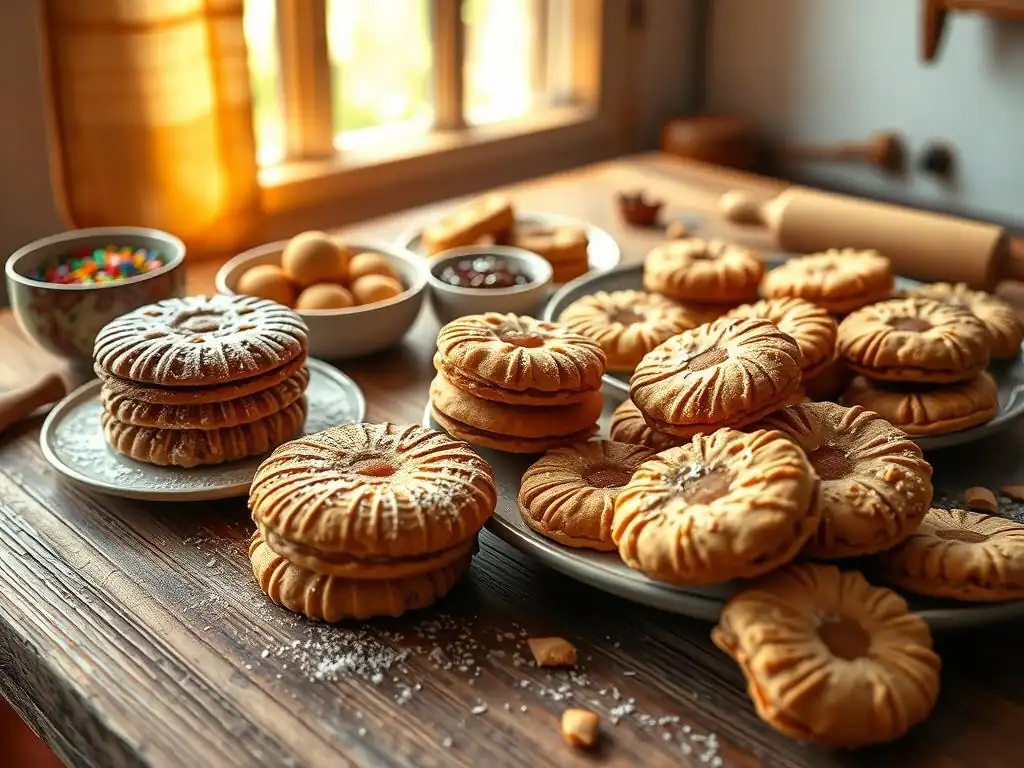
Sourcing Authentic Ingredients for Latin American Baking
While many easy Latin American cookie recipes use common pantry staples, some require specific ingredients that can make a difference in authenticity. Dulce de leche is widely available, but look for varieties specifically labeled "dulce de leche" or "manjar," ideally imported from Latin America, as they often have a richer flavor and thicker consistency than generic caramel sauces.
Cornstarch ( maicena) is crucial for achieving the delicate texture of many cookies like alfajores and polvorones. Ensure you are using pure cornstarch. Lard, if called for in traditional recipes like mantecaditos, can be found in most supermarkets and adds a unique richness. For flavorings, look for high-quality vanilla extract and consider adding citrus zest from fresh lemons or oranges.
Mastering Traditional Baking Techniques
Many Latin American cookie recipes, even the easy ones, benefit from attention to specific techniques. For crumbly cookies like alfajores and polvorones, avoid overmixing the dough once the dry ingredients are added. This prevents gluten development, which would make the cookies tough.
Rolling dough to an even thickness is also important for uniform baking. Use guide sticks if necessary. When baking, pay close attention to the color; many of these cookies are meant to remain pale, so they should be removed from the oven as soon as the edges show just a hint of color. Finally, allowing filled cookies like alfajores and chilenitos to rest after assembly is key for the textures to meld beautifully.
Adjusting Recipes for Different Altitudes
Baking at high altitudes (generally above 3,000 feet or about 900 meters) can significantly impact results due to lower atmospheric pressure and drier air. Leavening agents work faster, liquids evaporate quicker, and sugars are more concentrated.
For cookies, high altitude might cause them to spread more or become too dry. Common adjustments include:
- Slightly increasing the oven temperature (by about 10-15°C or 25°F).
- Slightly decreasing baking powder/soda.
- Slightly increasing liquid (if any) or fat.
- Slightly increasing flour.
- Using a longer chilling time for the dough.
Start with minor adjustments, perhaps a 10% reduction in leavening and a slight increase in liquid/flour, and observe the results. Baking is often about experimentation, especially at altitude!
Beyond the Basics: Exploring More Latin American Baking
The term "Latin American cookie recipes" covers a vast geographical area, and within each country, and even regions, there are countless variations. Alfajores alone exist in dozens of forms, from the soft, cake-like Peruvian style to the drier, more crumbly Argentinean version, and the giant King Kong.
Exploring these regional differences is part of the fun. For instance, while Mexican polvorones are well-known, Spain has its own distinct polvorones, often flavored with sesame or anise. Ecuador has suspiros, light meringue cookies. Brazil has sequilhos, delicate cornstarch biscuits, often flavored with coconut or lime. Each region offers unique takes on classic concepts, providing endless inspiration for home bakers seeking easy Latin American cookie recipes.
Uruguayan alfajores, particularly the alfajores de maicena, are renowned for their extreme tenderness. They are primarily made with cornstarch ( maicena), often in a much higher proportion to flour than in other regions, sometimes up to a 4:1 ratio of cornstarch to flour. This results in cookies that are incredibly delicate and literally melt in your mouth.
The dough is typically enriched with butter and egg yolks. Baking them requires low heat and careful handling as they are very fragile. They are classic dulce de leche sandwich cookies, often rolled generously in shredded coconut. Their simplicity and exquisite texture make them a beloved example of easy Latin American cookie recipes that deliver a truly luxurious experience.
While traditional recipes remain cherished, modern bakers are also putting new spins on classic Latin American cookies and biscuits. This includes experimenting with fillings (like passion fruit dulce de leche, chocolate ganache, or flavored creams), incorporating new ingredients (like whole wheat flour, alternative sugars, or spices like cardamom), and adapting techniques for modern kitchens.
Some bakers are creating vegan or gluten-free versions of classics like alfajores and polvorones, making these beloved treats accessible to more people. These innovations show that while the foundation of Latin American baking is steeped in history, there's always room for creativity, ensuring that easy Latin American cookie recipes continue to evolve and delight future generations.
Frequently Asked Questions
Latin American cookie recipes often incorporate unique local ingredients like dulce de leche, guava paste, and cornstarch, resulting in distinctive flavors and textures. They also frequently involve traditional spices such as cinnamon and cloves.
Many Latin American cookie recipes are surprisingly easy to follow, even for beginners. BakeWithEase.com offers step-by-step guides and uses easy-to-find ingredients to simplify the baking process.
BakeWithEase.com is your go-to resource! We provide a collection of simple and delicious Latin American cookie recipes suitable for all skill levels, focusing on ease of preparation.
While substituting ingredients is possible, it might alter the authentic flavor and texture of the cookie. It's recommended to follow the recipe closely, especially when using distinct Latin American ingredients for the first time.
Popular choices include Alfajores (filled with dulce de leche), Polvorones (crumbly shortbread), and Mantecaditos (Puerto Rican shortbread). BakeWithEase.com features recipes for many of these, offering easy variations and classic preparations.
Final Reflection: A Sweet Journey Through Latin American Baking
The vibrant flavors and simple techniques of Latin American baking offer a delicious escape and a gateway to cultural understanding, proving that even the most accessible recipes can hold profound meaning. These easy-to-follow recipes aren't just about creating delectable treats; they're about connecting with a rich heritage and sharing the joy of culinary traditions across borders. The ease of preparation makes these recipes perfect for both seasoned bakers and enthusiastic beginners, inviting everyone to participate in this delightful exploration.
The enduring appeal of these recipes lies in their ability to transport us, evoking memories of family gatherings, warm kitchens, and the comforting sweetness of home. These cookies and biscuits, passed down through generations, represent more than just ingredients and instructions; they are vessels of cultural identity. Food is symbolic of love when words are inadequate.
- Alan D. Wolfelt. This sentiment perfectly encapsulates the emotional depth woven into each bite of these Latin American delights, making the act of baking and sharing them a truly meaningful experience.
Now, I invite you to roll up your sleeves, gather your ingredients, and embark on your own culinary adventure. Choose a recipe that sparks your interest, perhaps one that reminds you of a cherished memory or a place you long to visit. Don't be afraid to experiment, to adapt, and to share your creations with loved ones. Let the sweet aromas and satisfying textures of these Latin American cookies and biscuits fill your kitchen with warmth, connection, and the enduring magic of culinary tradition. The journey of discovery awaits – happy baking!
Unleash Your Inner Pastry Chef!
Thanks for joining us on this delicious journey through the world of Latin American cookies and biscuits! We hope you've discovered some new favorites and gained inspiration for your next baking adventure. Ready to take your skills to the next level?
- Bake your own Arepas con Queso: This is your chance to put your newfound knowledge into practice! Find a recipe online and create these cheesy delights.
- Share your baking creations: Show off your culinary skills and inspire others by posting pictures of your Latin American treats on social media! Use #BakeWithEaseLatinAmerica.
- Explore a new ingredient: Challenge yourself to try a new ingredient you discovered in this article, like aji amarillo or dulce de leche. What new flavor combinations can you create?
So, which delicious Latin American cookie or biscuit are you eager to bake first?