
Bake Iconic Latin American Pastries: StepbyStep Recipes

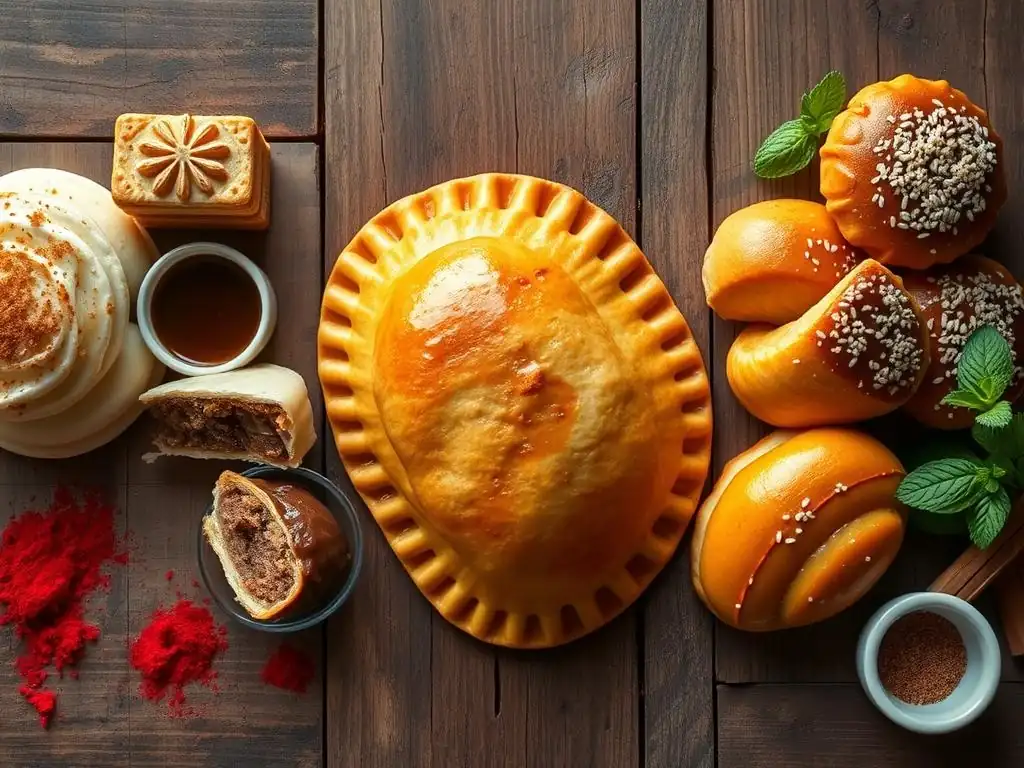
Welcome to BakeWithEase, your passport to the delicious world of baking! Ever dreamed of creating authentic, melt-in-your-mouth Latin American treats? We're thrilled to guide you through the secrets of Latin American pastry recipes with our easy-to-follow, step-by-step guides. Get ready to unlock a treasure trove of flavors and techniques – but which iconic pastry will you bake first?
- Explore Authentic Latin American Pastries: Recipes and Techniques
- Baking Latin American Treats: A Comprehensive Guide
- Step-by-Step Latin American Pastry Recipes
- Techniques for Perfect Latin American Pastries
- Troubleshooting Latin American Pastry Baking Challenges
- Discover More Latin American Baking Resources
-
Frequently Asked Questions
- What makes Latin American pastries unique and appealing to bakers?
- Are Latin American pastry recipes generally difficult to master?
- Where can I find reliable and easy-to-follow Latin American pastry recipes?
- What are some popular and iconic Latin American pastries I can try baking at home?
- What ingredients are commonly used in Latin American pastries?
- Final Reflection: A Sweet Taste of Heritage, A Bridge to Connection
- Unleash Your Inner Pastry Chef!
Explore Authentic Latin American Pastries: Recipes and Techniques
Baking Latin American Treats: A Comprehensive Guide
Latin America boasts a vibrant and diverse culinary landscape, and its pastries are no exception. From savory turnovers enjoyed as a meal to delicate cookies perfect with coffee, the range is immense. Learning to bake these delightful treats offers a delicious journey through regional cultures and flavors. Many Latin American pastry recipes easy enough for beginners provide a fantastic entry point into this rich tradition. Mastering a few fundamental techniques will unlock a world of sweet and savory possibilities in your own kitchen.
This guide will take you through essential ingredients, tools, and step-by-step instructions for some iconic Latin American pastries. We'll also cover key techniques and troubleshooting tips to help you achieve perfect results every time. Whether you're craving the flaky goodness of empanadas or the creamy sweetness of tres leches, you'll find simple Latin American baking methods to guide you.
Essential Ingredients for Latin American Baking
Many easy Latin American pastry recipes rely on a core set of ingredients, though regional variations abound. Flour, sugar, eggs, and butter form the base for countless doughs and batters, much like in other baking traditions. However, specific ingredients like masa harina, panela (unrefined whole cane sugar), and regional cheeses play crucial roles in defining the unique character of these pastries. For example, masa harina, a corn flour treated with lime, is fundamental for items like arepas or some specific types of tamales, though less common in the wheat-based pastries we'll focus on here.
Beyond the basics, flavorings like vanilla, cinnamon, and various citrus zests (especially lime and orange) are frequently used to add warmth and brightness. Dulce de leche, a rich caramelized milk, is arguably one of the most quintessential fillings and toppings, appearing in everything from alfajores to cakes. A typical dulce de leche recipe might involve slowly simmering about 1 liter of milk with 200-300 grams of sugar until thickened and golden brown, a process that can take 2-3 hours. Understanding these key ingredients and their roles is vital for authentic Latin American pastry recipes easy to recreate at home.
Key Tools for Latin American Pastry Success
Having the right tools can significantly simplify the process of baking easy Latin American pastry recipes. Standard baking equipment like measuring cups and spoons, mixing bowls, whisks, and spatulas are essential. However, certain pastries benefit from specific implements. For instance, a good quality rolling pin is crucial for achieving the desired thickness and shape for doughs like empanadas or cookie bases. A typical thickness for empanada dough might be around 2-3 millimeters before filling.
For shaping, round cutters are invaluable, especially for uniform cookies like alfajores or empanada discs. Common sizes range from 6 cm for small cookies up to 12-15 cm for larger empanadas. A stand mixer or hand mixer can greatly assist with kneading doughs or whipping meringue toppings, saving considerable effort. While not strictly necessary for Latin American pastry recipes easy, these tools make the process smoother and help ensure consistent results, like achieving a perfectly aerated meringue for a torta de tres leches.
Step-by-Step Latin American Pastry Recipes
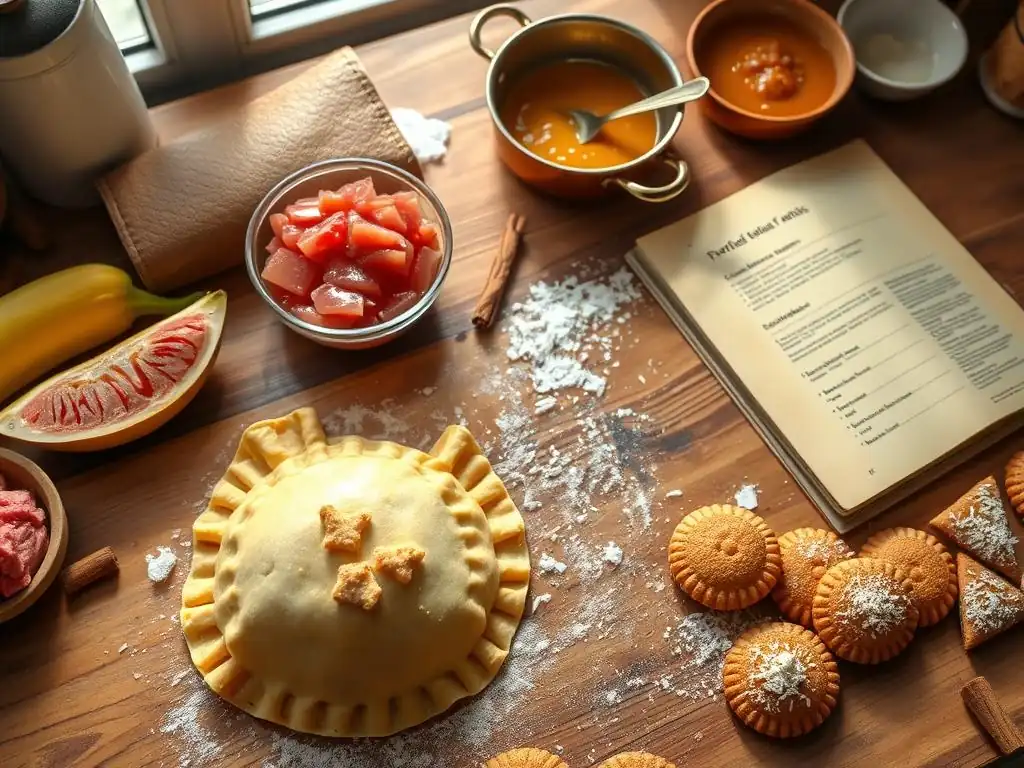
Empanadas Salteñas - Savory Bolivian Turnovers
Empanadas Salteñas are a beloved type of baked turnover originating from Salta, Argentina, but famously popular in Bolivia, particularly in the city of La Paz. These are distinct from many other empanadas due to their slightly sweet dough, juicy, almost soup-like filling ( picadillo), and the inclusion of ingredients like potatoes, peas, olives, and sometimes raisins. They are traditionally enjoyed as a mid-morning snack. Mastering Latin American pastry recipes easy like these requires attention to both the dough and the filling.
The secret to a great Salteña lies in balancing the flavors and ensuring the filling is properly contained during baking, which is achieved by letting the filling cool completely and often adding gelatin. While the process involves several steps, breaking it down makes these Latin American pastry recipes easy to follow. The reward is a delicious, portable meal bursting with flavor.
Crafting the Empanada Salteña Dough: A Detailed Guide
The dough for Salteñas is a slightly enriched dough, often containing some sugar and sometimes lard or shortening for tenderness. Begin by combining 500g of all-purpose flour with about 50g of sugar and a pinch of salt. In a separate bowl, dissolve 10g of active dry yeast in 100ml of warm milk (around 40-45°C) with a pinch of the sugar. Let it sit for 5-10 minutes until frothy.
Melt 100g of butter or lard and let it cool slightly. Add the yeast mixture, melted fat, and about 150-200ml of warm water to the dry ingredients. Mix until a shaggy dough forms, then turn onto a lightly floured surface and knead for 8-10 minutes until smooth and elastic. Place the dough in a greased bowl, cover, and let it rise in a warm place for about 1-1.5 hours, or until doubled in size.
Preparing Picadillo Filling: A Classic Bolivian Empanada Filling
The picadillo filling is the heart of the Salteña. It's typically made with ground beef (about 500g), onions (2 large), potatoes (2-3 medium, diced small and cooked), peas (about 100g), hard-boiled eggs (2-3, chopped), and green olives (about 50g, sliced). Start by sautéing finely diced onions in a pan until softened. Add the ground beef and cook, breaking it up, until browned.
Season generously with paprika (2-3 tsp), cumin (1-2 tsp), salt, and pepper. Some recipes also include a pinch of cayenne or ají panca. Stir in cooked diced potatoes and peas. Crucially, add about 200-300ml of beef broth and simmer for 15-20 minutes to create the characteristic juiciness.
Thicken the liquid slightly with a tablespoon of flour or cornstarch mixed with water, if needed. Let the filling cool completely, preferably refrigerating for several hours or overnight, to allow the flavors to meld and the liquid to set slightly. Just before assembling, gently stir in the chopped hard-boiled eggs and olives.
Baking Empanadas Salteñas: Achieving a Golden Crust
Once the dough has risen, punch it down and divide it into portions (about 60-70g each). Roll each portion into a thin disc, about 12-15 cm in diameter. Place a generous spoonful (around 60-80g) of the cold picadillo filling onto one half of each disc, being careful not to overfill. Moisten the edge of the dough with water. Fold the dough over the filling to create a crescent shape, pressing the edges firmly to seal.
Crimp the edges artistically to create the signature "repulgue" seal, which also helps prevent leaks. Place the shaped empanadas on a baking sheet lined with parchment paper. Brush the tops with an egg wash (one egg whisked with a tablespoon of water) for a golden finish. Bake in a preheated oven at 200°C (400°F) for 15-20 minutes, or until they are golden brown and slightly puffed.
Alfajores are one of the most iconic South American sweets, with countless regional variations. Alfajores Santafesinos, hailing from the province of Santa Fe in Argentina, are particularly unique. They consist of delicate, crumbly cookies made with a dough enriched with egg yolks and sometimes a touch of alcohol (like caña or anise liqueur), sandwiched together with a generous layer of dulce de leche, and then coated in a thin, crisp sugar glaze. These Latin American pastry recipes easy to love are a true treat.
Unlike the more common cornstarch-based alfajores de maicena, the Santafesinos have a distinct texture and preparation method, including the signature glaze. While making dulce de leche from scratch adds an authentic touch, using high-quality store-bought dulce de leche also works for these easy Latin American pastry recipes.
Making the Alfajores Santafesinos Cookies: A Delicate Balance
The cookie base is key to these alfajores. It's a relatively firm dough that bakes into a tender, slightly crumbly cookie. Start by creaming together 150g of softened butter and 100g of sugar until light and fluffy. Beat in 3-4 egg yolks one at a time, mixing well after each addition. Some traditional recipes add a tablespoon of caña or anise liqueur at this stage for flavor and tenderness.
In a separate bowl, whisk together 250g of all-purpose flour and 1 teaspoon of baking powder. Gradually add the dry ingredients to the wet ingredients, mixing until just combined to form a dough. Do not overmix. Wrap the dough in plastic wrap and chill for at least 30 minutes. On a lightly floured surface, roll the dough thinly, about 2-3 mm thick.
Cut out circles using a small round cutter (about 4-5 cm in diameter). Place the cookies on baking sheets lined with parchment paper. Bake in a preheated oven at 180°C (350°F) for 8-10 minutes, or until the edges are lightly golden. Let cool completely on the baking sheet before handling.
Preparing Homemade Dulce de Leche: A Step-by-Step Approach
While store-bought dulce de leche is convenient for Latin American pastry recipes easy to make quickly, preparing it at home yields a richer flavor. The simplest method is using a can of sweetened condensed milk. Carefully remove the label from a sealed can of sweetened condensed milk.
Place the can horizontally in a large pot and cover it completely with water, ensuring the water level remains at least an inch above the can at all times (check and refill as needed). Bring the water to a gentle simmer, then reduce the heat to low, cover the pot, and simmer for 2-3 hours for a lighter dulce de leche, or 3-4 hours for a darker, thicker caramel. Allow the can to cool completely in the water before opening.
Be extremely cautious as the contents are under pressure when hot. Once cool, open the can and whisk the dulce de leche to a smooth consistency. This slow cooking process transforms the milk sugars into a delicious caramel, perfect for these easy Latin American pastry recipes.
Assembling and Glazing Alfajores Santafesinos: A Sweet Tradition
Assembling alfajores Santafesinos is straightforward. Take one cooled cookie and spread a generous layer of dulce de leche (about 1-2 tablespoons) onto the flat side, almost reaching the edge. Place another cookie on top, pressing gently to sandwich the dulce de leche. For the signature glaze, combine 100g of powdered sugar with 2-3 tablespoons of hot water or milk and a few drops of vanilla extract. Whisk until smooth and slightly thick but pourable.
For a traditional touch, some recipes add a tiny amount of egg white for structure. Place the assembled alfajores on a wire rack set over a tray. Pour or spoon the glaze over the top of each alfajor, ensuring it coats the entire cookie. Let the glaze set completely, which can take an hour or more. These easy Latin American pastry recipes result in a delightful combination of crumbly cookie, creamy caramel, and crisp glaze.
Torta de Tres Leches - Nicaraguan Three Milk Cake
Torta de Tres Leches, or "Three Milk Cake," is a popular dessert found across Latin America, though its origins are often attributed to Nicaragua. It's a moist, spongy cake soaked in a mixture of three types of milk: evaporated milk, condensed milk, and heavy cream. The result is an incredibly tender and flavorful cake, typically topped with whipped cream or meringue. This Latin American pastry recipes easy to make is a crowd-pleaser.
The key to a perfect tres leches is a cake base that can absorb the milk mixture without becoming soggy, and the right balance of the three milks for optimal moisture and sweetness. While simple, paying attention to detail ensures a superb outcome for this classic among easy Latin American pastry recipes.
Baking the Torta de Tres Leches: A Light and Airy Sponge
A light sponge cake is ideal for soaking up the milk mixture. A typical recipe might use around 6 large eggs, separated, for a standard 9x13 inch pan. Beat the egg whites with 100g of sugar until stiff, glossy peaks form. In a separate bowl, beat the egg yolks with another 100g of sugar until pale and thick.
Gently fold the egg yolk mixture into the egg whites. Sift together 200g of all-purpose flour and 1.5 teaspoons of baking powder. Gradually fold the dry ingredients into the egg mixture until just combined, being careful not to deflate the batter.
Pour the batter into a greased and floured 9x13 inch baking pan. Bake in a preheated oven at 175°C (350°F) for 25-30 minutes, or until a toothpick inserted into the center comes out clean and the cake springs back when lightly touched. Let the cake cool in the pan for about 15-20 minutes before poking holes in it.
Preparing the Three Milk Soak: Ensuring Optimal Moisture
The "tres leches" mixture is what gives the cake its signature moisture and richness. In a bowl, whisk together one can (about 350-400ml) of evaporated milk, one can (about 350-400ml) of sweetened condensed milk, and 200-250ml of heavy cream. Some variations add a splash of rum or vanilla extract for extra flavor.
Once the cake has cooled slightly in the pan, use a fork or skewer to poke holes all over the top, going about halfway down into the cake. This allows the milk mixture to penetrate evenly. Slowly and gradually pour the milk mixture over the entire surface of the cake, allowing it to soak in.
You might need to tilt the pan slightly to help distribute the liquid, especially around the edges. Let the cake sit at room temperature for about 30 minutes, then cover and refrigerate for at least 2-3 hours, preferably overnight, to allow the milk to be fully absorbed. This soaking step is crucial for these easy Latin American pastry recipes.
Whipping the Meringue Topping: A Creamy Finish
While whipped cream is a common topping, a classic tres leches often features a fluffy meringue. To make the meringue, beat 3-4 large egg whites in a clean, dry bowl until soft peaks form. Gradually add 150g of granulated sugar, one tablespoon at a time, beating continuously until stiff, glossy peaks form and the sugar is dissolved. A pinch of cream of tartar (about 1/4 teaspoon) can help stabilize the meringue.
Some recipes use a cooked meringue (Italian or Swiss), which involves heating the sugar syrup or egg whites and sugar over a double boiler, resulting in a more stable topping. Spread the meringue generously over the chilled, soaked cake. You can create swirls and peaks using a spatula or the back of a spoon.
For an extra touch, you can briefly brown the meringue under a broiler or using a kitchen torch until it has golden tips. Keep the finished cake refrigerated until ready to serve. These easy Latin American pastry recipes result in a wonderfully moist and sweet dessert.
Rosca de Reyes - Sweet Bread for Epiphany (Mexico)
Rosca de Reyes, or "King's Ring," is a sweet, often citrus-flavored bread traditionally baked and shared in Mexico and other Latin American countries on January 6th, Epiphany (Día de Reyes). The oval-shaped bread is decorated with candied fruits (representing the jewels of the kings) and sometimes a sugary streusel-like topping. A small plastic baby figure, symbolizing the baby Jesus, is hidden inside the dough before baking.
The person who finds the figure is traditionally obligated to host a party on Candelaria (February 2nd), providing tamales and atole. This festive bread is one of the more involved Latin American pastry recipes easy to attempt with patience.
Making a Rosca de Reyes is a wonderful way to participate in a cultural tradition. The dough requires kneading and rising time, but the process is manageable for home bakers. The visual appeal of the decorated bread is part of its charm, making these easy Latin American pastry recipes particularly rewarding.
Crafting the Rosca de Reyes Dough: A Citrus-Infused Delight
The dough for Rosca de Reyes is a rich, slightly sweet yeast dough, often flavored with orange zest and sometimes orange blossom water. Start by activating 10g of active dry yeast in 100ml of warm milk (around 40-45°C) with a teaspoon of sugar. Let it sit for 5-10 minutes. In a large bowl, combine 500g of all-purpose flour, 100g of sugar, and a pinch of salt.
Add the yeast mixture, 2 large eggs, and the zest of one orange. Melt 100g of butter and let it cool slightly. Add the melted butter to the dough mixture. Mix until a dough forms, then turn onto a lightly floured surface and knead for 10-15 minutes until smooth and elastic.
Alternatively, use a stand mixer with a dough hook for about 8-10 minutes. Place the dough in a greased bowl, cover, and let it rise in a warm place for 1.5-2 hours, or until doubled in size. At this stage, traditionally, a small, heat-resistant plastic baby figure is kneaded into the dough before the first rise.
Shaping and Decorating Rosca de Reyes: A Festive Tradition
Once the dough has risen, gently punch it down. On a lightly floured surface, shape the dough into a large ring or oval. The center can be made by poking a hole in the middle and stretching the dough outwards, or by shaping it into a log and joining the ends. The size will depend on your baking sheet, typically forming a ring about 30-40 cm in diameter.
Transfer the shaped dough to a baking sheet lined with parchment paper. Cover loosely and let it rise again for another 45-60 minutes, or until visibly puffed. While it's rising, prepare the decorations. The traditional decoration includes strips of ate (quince paste) or other fruit pastes and a sugary topping made by creaming together 50g of softened butter, 50g of sugar, and 50g of flour until it forms a paste.
This paste is often tinted yellow with food coloring. Before baking, brush the risen dough with egg wash. Arrange strips of fruit paste and dollops or strips of the sugary topping on the surface. You can also press in pieces of candied fruit.
Baking Rosca de Reyes: A Warm and Aromatic Celebration
Bake the decorated Rosca de Reyes in a preheated oven at 180°C (350°F) for 25-35 minutes, or until golden brown and the bread sounds hollow when tapped on the bottom. The baking time will vary depending on the size and thickness of the ring. Allow the Rosca to cool slightly on a wire rack before serving.
The aroma of citrus and sweet bread will fill your kitchen, making these easy Latin American pastry recipes a sensory delight. Remember to eat carefully to find the hidden baby figure! Sharing the Rosca is a central part of the tradition, bringing family and friends together to celebrate Epiphany.
Cachapas - Sweet Corn Pancakes (Venezuela)
Cachapas are a unique and delicious Venezuelan specialty: sweet, slightly thick pancakes made from fresh corn. Unlike typical pancakes made with cornmeal or flour, cachapas use grated or blended fresh corn kernels, which gives them a distinct texture and natural sweetness. They are traditionally cooked on a budare (a type of griddle) and often served folded in half with a generous slice of queso de mano (a soft, fresh cheese) or other white, mild cheese inside. These Latin American pastry recipes easy to whip up are perfect for breakfast, brunch, or a light meal.
The simplicity of the ingredients highlights the natural flavor of the corn. While often considered more of a savory-leaning dish due to the cheese pairing, their inherent sweetness places them firmly in the realm of delightful corn-based pastries. Making cachapas is one of the more straightforward easy Latin American pastry recipes.
Preparing the Cachapa Batter: Fresh Corn Perfection
The key to authentic cachapas is using fresh, tender corn. You'll need about 4-6 ears of corn to yield approximately 400-500g of kernels. Cut the kernels off the cobs using a sharp knife. Place the kernels in a blender or food processor along with about 50-100ml of milk (depending on how moist your corn is), 1-2 tablespoons of sugar (adjust to taste, as sweetness varies), a pinch of salt, and sometimes a tablespoon of melted butter.
Process the mixture until it forms a coarse batter. It should be thick but pourable, with some texture from the corn kernels. Avoid over-processing into a completely smooth paste; a little texture is desirable. This simple batter is the foundation for these easy Latin American pastry recipes.
Cooking Cachapas: Griddle Perfection
Traditionally, cachapas are cooked on a budare, a flat, round griddle. A non-stick pan or cast-iron skillet works perfectly well. Heat the griddle or pan over medium heat. Lightly grease it with butter or oil. Pour about 1/2 cup (or more, depending on your desired size) of the cachapa batter onto the hot surface, spreading it slightly with the back of a spoon to form a round pancake about 10-15 cm in diameter.
Cook for 3-5 minutes per side, or until golden brown spots appear and the edges are set. The cooking time can vary depending on the thickness of your cachapas and the heat of your pan. Flip carefully and cook the other side until golden brown and cooked through. These easy Latin American pastry recipes cook relatively quickly due to the thin batter.
Filling Cachapas: Queso de Mano Pairing
The classic filling for cachapas is queso de mano, a soft, elastic Venezuelan cheese. If queso de mano is unavailable, other mild, meltable white cheeses like mozzarella, quesillo, or even fresh mozzarella can be used as substitutes in these easy Latin American pastry recipes. Once a cachapa is cooked, place a generous slice or two of cheese on one half of the pancake while it's still on the warm griddle or immediately after removing it. The residual heat will help the cheese soften and melt slightly.
Fold the cachapa in half, sandwiching the cheese inside. Serve immediately while hot, allowing the sweet corn pancake and the salty, creamy cheese to create a delightful contrast. Cachapas are often served with a dollop of butter on top.
Techniques for Perfect Latin American Pastries
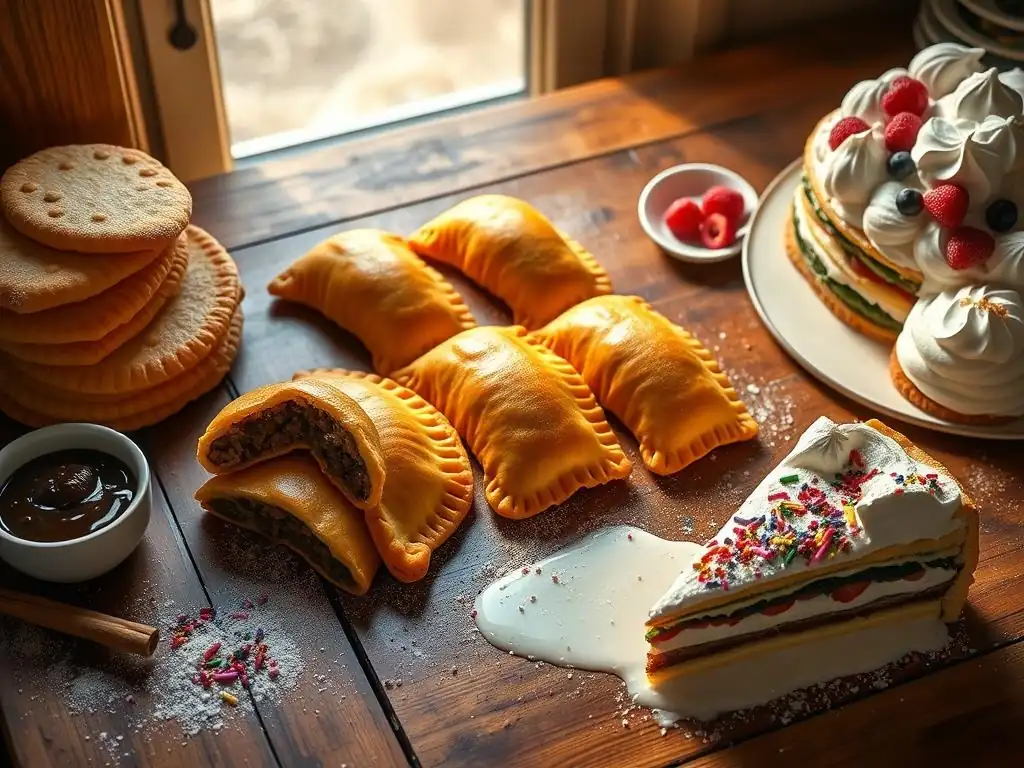
Achieving success with Latin American pastry recipes easy or complex often comes down to mastering a few core techniques. Understanding how to work with different types of dough, handle fillings, and achieve desired textures is crucial. These techniques are applicable across a wide range of regional sweets and savories, building a strong foundation for your Latin American baking adventures.
Whether you're aiming for flaky layers in a pastry or a perfectly moist cake, paying attention to these fundamental steps will elevate your results. These insights turn even simple Latin American pastry recipes easy into impressive creations.
Achieving the Right Texture in Latin American Doughs
The desired texture varies greatly among Latin American pastry recipes easy. For empanadas, you might want a dough that is tender yet sturdy enough to hold a filling, perhaps with a slight flakiness if fat is layered or cut in. For alfajores, a crumbly, delicate cookie is the goal. The key lies in the ratio of ingredients, mixing method, and handling.
For flaky doughs, like some empanada variations, ensuring your fat (butter, lard, or shortening) is cold and cut into the flour is essential to create steam pockets during baking. Overworking dough develops gluten, which is desirable for chewy breads like rosca de reyes, but detrimental to tender cookies or flaky pastries. Kneading time and temperature control during resting are critical steps that directly impact the final texture, whether you're making easy Latin American pastry recipes or more complex ones.
Working with doughs in varying climates also plays a significant role. In humid environments, doughs can be stickier and may require slightly more flour or less liquid than recipes developed in dry climates. Conversely, dry environments might necessitate more liquid or fat to prevent the dough from drying out.
Learning to read the dough itself – its feel, elasticity, and how it handles – is a skill that comes with practice and is vital for consistently good results with Latin American pastry recipes easy or advanced. For instance, a well-kneaded yeast dough for rosca de reyes should pass the "windowpane test," stretching thinly without tearing.
Mastering Dulce de Leche: From Beginner to Expert
Dulce de leche is a staple in many Latin American pastry recipes easy to fall in love with. While boiling a can of condensed milk is a simple starting point, mastering homemade dulce de leche opens up a world of flavor and texture possibilities. Traditional methods involve slowly simmering milk and sugar, stirring frequently to prevent scorching and encourage even caramelization.
This process can take hours and requires patience. The final consistency of dulce de leche can be adjusted based on cooking time – longer cooking yields a thicker, darker caramel suitable for fillings, while shorter cooking results in a lighter, more pourable sauce perfect for drizzling.
Adding a touch of baking soda (a tiny pinch, like 1/4 teaspoon per liter of milk) can speed up the caramelization process and yield a smoother result. Understanding these nuances allows you to tailor your dulce de leche to the specific needs of different Latin American pastry recipes easy you might try.
Humidity and altitude can affect the cooking time and consistency of dulce de leche. At higher altitudes, water boils at a lower temperature, which might require slightly longer cooking times to achieve the desired thickness. Storing homemade dulce de leche in the refrigerator will cause it to thicken further, so you may need to warm it gently before use in certain easy Latin American pastry recipes. Achieving the perfect balance of sweetness and rich caramel flavor is a skill that improves with practice.
Adapting Recipes for Dietary Needs
Many traditional Latin American pastry recipes easy to love can be adapted to accommodate various dietary needs, including gluten-free, dairy-free, or reduced-sugar options. While achieving the exact texture and flavor of the original may require some experimentation, delicious alternatives are often possible. For gluten-free versions, substituting wheat flour with a gluten-free blend is a common approach. For cakes like tres leches, a blend designed for cakes works best.
For cookies like alfajores, a blend suitable for tender cookies or shortbread will yield better results. You may need to adjust the amount of liquid or add binders like xanthan gum (typically 1/4 to 1/2 teaspoon per cup of flour blend) to achieve the correct structure and prevent crumbling. These adaptations allow more people to enjoy Latin American pastry recipes easy to modify.
Dairy-free adaptations often involve substituting butter with plant-based alternatives and using nut milk or coconut milk in place of dairy milk and cream. For tres leches, a mix of coconut milk, condensed coconut milk, and dairy-free cream can create a surprisingly rich soak. Dulce de leche can be made from condensed coconut milk for a dairy-free version.
Reducing sugar can be trickier, as sugar contributes not only sweetness but also moisture, tenderness, and browning. Using sugar substitutes requires careful consideration of their properties and how they behave in baking. Experimenting with small batches is key when adapting easy Latin American pastry recipes for specific dietary requirements.
Troubleshooting Latin American Pastry Baking Challenges
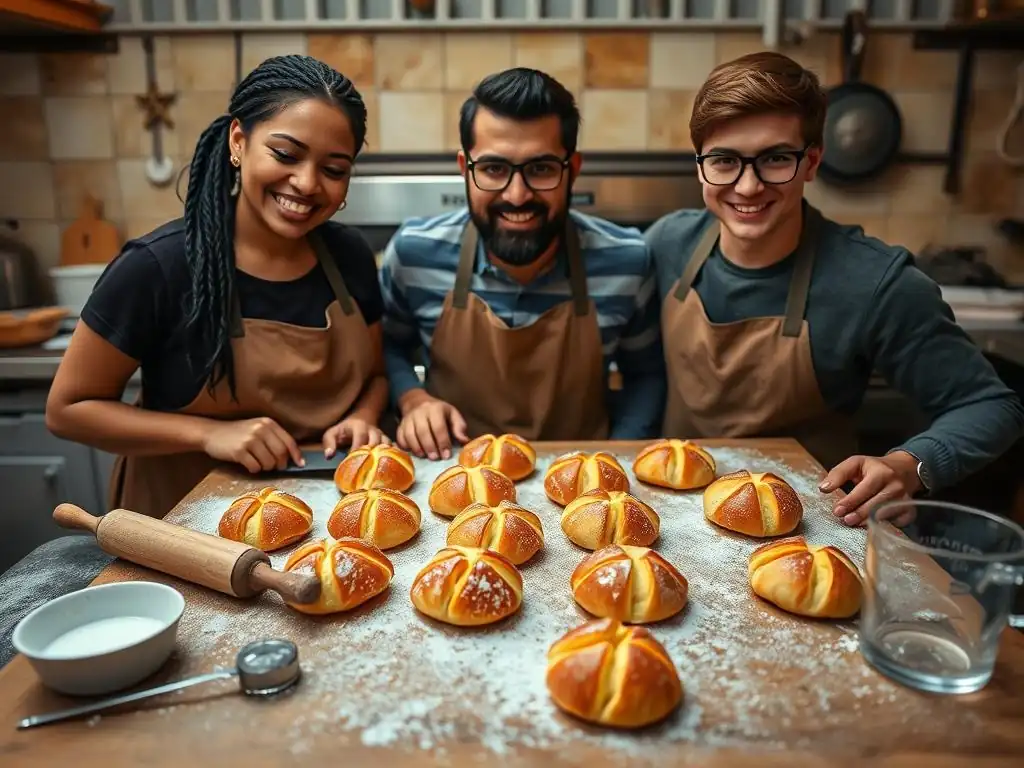
Even with straightforward Latin American pastry recipes easy to follow, baking can present challenges. Understanding common issues and how to address them will save you frustration and improve your results. Whether your dough is too dry or your cake has a soggy bottom, there's usually a simple explanation and solution.
Learning to identify the signs of common baking problems is the first step. Knowing why something went wrong helps you correct it in the moment or prevent it from happening in the future. This section offers practical tips for tackling some frequent hurdles encountered when making easy Latin American pastry recipes.
Addressing Dry Dough Issues
One common problem when making Latin American pastry recipes easy involving dough, like empanadas or rosca de reyes, is ending up with a dry, crumbly dough that is difficult to work with. This is often caused by adding too much flour or not enough liquid.
Flour measurements, especially when scooping directly from the bag, can easily be inaccurate; weighing your flour (e.g., 500g instead of 4 cups) provides much more consistent results. If your dough feels too dry after initial mixing, add liquid (water, milk, or egg, depending on the recipe) one tablespoon at a time, kneading briefly after each addition, until the dough comes together and feels supple but not sticky.
Environmental factors like low humidity can also contribute to dry dough; in such cases, you might need slightly more liquid than the recipe states. Resting the dough properly allows the flour to fully hydrate, which can also improve texture.
Over-kneading can also sometimes make dough feel tough or dry initially, though this is less common than simply not having enough liquid. If the dough feels tough and dry, it might be overworked; allowing it to rest for a longer period (30-60 minutes) can help relax the gluten. Always trust the feel of the dough described in the recipe instructions – it's your best guide. Adjusting based on feel is a key part of mastering easy Latin American pastry recipes.
Preventing Soggy Bottoms
Soggy bottoms can ruin an otherwise perfect pastry, particularly in baked goods with wet fillings like empanadas or moist cakes like tres leches. In empanadas, a soggy bottom crust often results from the filling being too wet or not properly cooled before assembly. Excess liquid from the filling seeps into the dough during baking. To prevent this in empanadas, ensure your filling is not overly watery and that it is completely cold before placing it on the dough.
Sometimes, adding a binder like a sprinkle of flour, cornstarch, or even breadcrumbs to the filling can absorb excess moisture. Baking at a sufficiently high temperature helps the bottom crust set quickly. For tres leches cake, the key is using a cake base that is sturdy enough to absorb the milk without disintegrating and allowing sufficient chilling time for the milk to distribute and set within the cake structure.
For tarts or pies with wet fillings (though less common in the specific pastries discussed here, it's a general pastry principle), blind baking the crust partially before adding the filling can help. Ensuring your oven is properly preheated to the correct temperature is also vital, as insufficient heat can lead to undercooked, soggy bottoms. Using a baking stone or preheated baking sheet can also provide a boost of heat to the bottom of the pastry, improving browning and texture for easy Latin American pastry recipes.
Maximizing Rise in Baked Goods
Achieving a good rise is crucial for the texture of many baked goods, from the airy sponge of a tres leches cake to the puffy ring of a rosca de reyes. For yeast-leavened items, the primary factor is the health and activity of your yeast. Ensure your yeast is fresh and activated properly in warm liquid (usually between 40-45°C or 105-115°F); water that is too hot will kill the yeast, while water that is too cold won't activate it.
Proper kneading develops gluten structure, which traps the gases produced by the yeast, allowing the dough to rise. Adequate resting and proofing time in a warm environment are also essential for the yeast to produce enough gas. Over-proofing, however, can cause the structure to collapse during baking.
For chemically leavened goods like the tres leches sponge (which uses baking powder), the leavening agents react with liquid and heat to create lift. Ensuring your baking powder is fresh (check the expiration date!) is important.
Overmixing the batter can deflate the air pockets created by beating eggs or creaming butter and sugar, resulting in a dense cake. Baking at the correct temperature allows the cake to set before the gases escape. Using the right size pan is also key; an overly large pan will result in a thin cake with less potential for height in these easy Latin American pastry recipes.
Discover More Latin American Baking Resources
Latin American baking is incredibly rich and varied, with countless regional specialties beyond the ones highlighted here. Exploring variations of popular items, like the many types of empanadas found from Argentina to Mexico, offers a deeper dive into regional culinary identities.
Share your baking tips! We'd love to hear about your experiences making these Latin American pastry recipes easy or your own family's traditional favorites.
Frequently Asked Questions
What makes Latin American pastries unique and appealing to bakers?
Latin American pastries often feature unique flavor combinations using ingredients like dulce de leche, guava, and plantains. Their recipes are often family traditions passed down, making them culturally significant and comforting. The variety of textures and flavors is also incredibly appealing.
Are Latin American pastry recipes generally difficult to master?
Not necessarily! While some can be complex, many easy Latin American pastry recipes exist that are perfect for beginners. BakeWithEase focuses on step-by-step guides to simplify the process. Easy-to-find ingredients are also a priority.
Where can I find reliable and easy-to-follow Latin American pastry recipes?
BakeWithEase.com is your go-to resource for mastering the art of baking, including Latin American pastries. We offer simple recipes, techniques, and tips for all skill levels. Our focus is on step-by-step instructions and easy-to-find ingredients.
What are some popular and iconic Latin American pastries I can try baking at home?
Popular options include alfajores (dulce de leche sandwich cookies), empanadas (savory or sweet filled pastries), and tres leches cake (a sponge cake soaked in three kinds of milk). BakeWithEase provides step-by-step recipes for these and many more iconic Latin American pastries.
What ingredients are commonly used in Latin American pastries?
Common ingredients include dulce de leche, guava paste, plantains, cinnamon, and various types of flour. Many recipes also incorporate local fruits and spices specific to different regions. BakeWithEase highlights where to find these key ingredients.
Final Reflection: A Sweet Taste of Heritage, A Bridge to Connection
The vibrant flavors and intricate techniques of Latin American pastries are more than just recipes; they are a tangible link to history, culture, and the enduring power of shared traditions. These recipes, simplified for the home baker, offer a delicious gateway to understanding the diverse culinary landscape of Latin America, a landscape often overlooked in mainstream baking. The ease of preparation, however, doesn't diminish the richness of the experience – it enhances it, making these treats accessible to everyone.
The impact of these recipes extends beyond the simple act of baking. They are a celebration of family, community, and the stories passed down through generations. Each bite tells a tale, a whisper of history carried on the delicate crumb of a pastelito or the rich sweetness of an alfajor. Food is symbolic of love when words are inadequate.
- Alan D. Wolfelt. This quote perfectly encapsulates the emotional connection we forge with food, especially when it carries the weight of cultural heritage. These pastries are more than just sustenance; they are a vehicle for cultural preservation and understanding.
Now, I invite you to take this journey further. Don't just bake these pastries; experience them. Share them with loved ones, explore the stories behind each ingredient, and let the aromas transport you to the heart of Latin America. Let the simple act of baking become a bridge to connection, a celebration of diversity, and a testament to the enduring power of culinary traditions. The world awaits your delicious creations – and the stories they tell.
Unleash Your Inner Pastry Chef!
Thanks for joining us on this delicious journey through the heart of Latin America! We hope you've discovered some new favorite recipes and techniques. Ready to put your newfound skills to the test?
- Bake your first iconic pastry today! Choose one recipe from the article and get baking. Don't be afraid to experiment—that's where the real magic happens!
- Share your baking creations on social media using #BakeWithEaseLatin and tag us – we'd love to see your masterpieces!
- Explore other Latin American recipes on our website – we have a whole world of flavors waiting to be discovered!
What unique twist will you add to your next Latin American pastry? Let us know in the comments below!