
Unlocking the Secrets of Latin American Baking: Your Beginner's Guide

Welcome to BakeWithEase!
Ever dreamt of filling your kitchen with the vibrant aromas of Latin American baking, but felt intimidated by unfamiliar ingredients and techniques? Unlocking the secrets to these delightful treats is easier than you think! Dive in to discover our beginner-friendly recipes and step-by-step guidance, and soon you'll be creating authentic, mouthwatering pastries, breads, and more. Are you ready to embark on this delicious journey?
- Discovering the Delights of Latin American Baking: A Beginner's Guide
- Welcome to Latin American Baking
- Beginner-Friendly Latin American Baking Recipes
- Simple Latin American Baking Recipes
- Mastering Latin American Baking Techniques
- Troubleshooting Common Baking Issues
- Regional Variations in Latin American Baking
- Expanding Your Baking Repertoire
- Enjoy Your Baking Adventure
-
Frequently Asked Questions
- What exactly does "Latin American Baking Beginner Recipes" encompass, according to BakeWithEase?
- Where on the BakeWithEase website can I find these "Latin American Baking Beginner Recipes"?
- What kinds of Latin American baked goods can I expect to learn to make as a beginner on BakeWithEase?
- Are the ingredients used in these "Latin American Baking Beginner Recipes" easily accessible?
- What makes BakeWithEase a good resource for learning "Latin American Baking Beginner Recipes" compared to other websites?
- Final Reflection: A Sweet Taste of Discovery and Connection
- Unlock Your Inner Latin American Baker!
Discovering the Delights of Latin American Baking: A Beginner's Guide
Welcome to Latin American Baking
Embark on a Culinary Journey Through Latin America
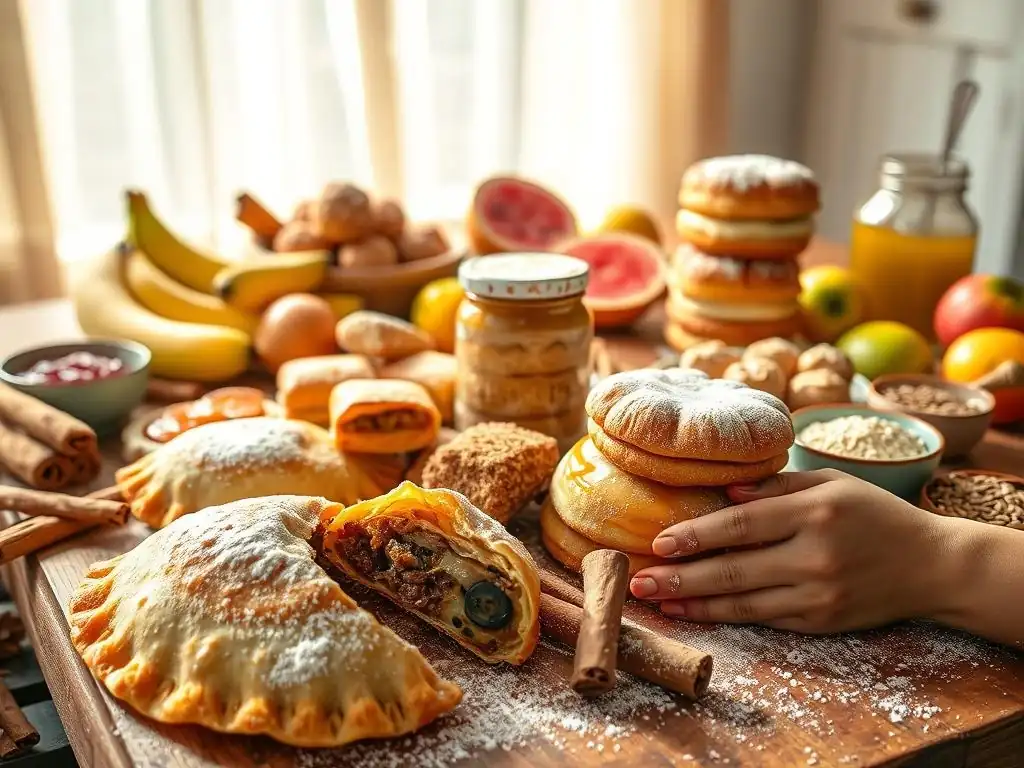
Step into the vibrant world of Latin American baking, a realm rich with history, flavor, and comforting traditions. This culinary landscape stretches from the northern borders of Mexico down to the southern tip of Argentina, encompassing a breathtaking diversity of pastries, breads, and sweet treats. Each country, and often each region within a country, boasts its own unique specialties, shaped by indigenous ingredients, colonial influences from Europe (especially Spain and Portugal), and later waves of immigration.
Imagine the flaky layers of Argentinian facturas enjoyed with morning coffee, the moist richness of a Puerto Rican tembleque, or the sweet, anise-scented Mexican pan dulce filling bakeries with irresistible aromas. For a beginner, this vastness might seem daunting, but many beloved Latin American baked goods are surprisingly accessible, requiring only basic techniques and readily available ingredients.
This journey isn't just about mastering recipes; it's about understanding the culture woven into each crumb and layer. Baking in Latin America is often a communal activity, tied to celebrations, family gatherings, and daily rituals. Learning these beginner Latin American recipes offers a delicious window into the heart of these cultures.
From the ubiquitous dulce de leche that sweetens everything from cookies to cakes, to the versatile masa harina used in various forms, the foundational elements are often simple. Our aim here is to demystify the process, guiding you through essential ingredients, tools, and easy-to-follow recipes that will build your confidence and allow you to share the warmth and flavor of Latin American baking with friends and family. Get ready to fill your kitchen with incredible aromas and create truly memorable treats.
The Essence of Latin American Baking
At its core, Latin American baking is characterized by a generous use of sugar, often paired with rich dairy like milk and butter, and flavored with warm spices and citrus. Dulce de leche, a thick, caramelized milk jam, is arguably the most iconic ingredient, appearing in countless desserts across the continent. Another staple is some form of corn flour or masa, used in items ranging from sweet cornbread-like cakes (bolo de fubá) to certain types of empanada doughs or even beverages.
Wheat flour, introduced by Europeans, is also fundamental, forming the base for many cakes, breads like pan dulce, and pastry doughs. The flavor profiles often lean towards the comforting and sweet, frequently featuring cinnamon, vanilla, star anise, and zest from limes or oranges.
Beyond ingredients, the essence lies in the techniques, many of which are rooted in traditional methods passed down through generations. While some complex pastries exist, many popular items like alfajores or simple cakes rely on straightforward mixing and baking processes, making them ideal for beginners. The emphasis is often on achieving a tender crumb, a flaky crust, or a moist, saturated texture, as seen in the famous tres leches cake.
Latin American baking is less about intricate, fussy presentation and more about abundant flavor and heartfelt generosity. These beginner Latin American recipes invite you to explore these core principles, building a foundation for more complex creations down the line.
Beginner-Friendly Latin American Baking Recipes
Essential Ingredients for Latin American Baking
Flours Used in Latin American Baking
While all-purpose wheat flour is a cornerstone for many Latin American baked goods, providing the structure for cakes, cookies, and many pastry doughs, corn-based flours hold significant cultural and culinary importance. Pre-cooked corn flour, known as masarepa in countries like Colombia and Venezuela, is crucial for making arepas and some types of empanadas, yielding a distinct texture compared to wheat.
This flour, often white or yellow, is hydrated and kneaded into a dough that is then shaped and cooked, typically grilled, baked, or fried. Another corn product is cornstarch, frequently used as a thickener in fillings or as a tenderizer in cookie doughs, contributing to the melt-in-your-mouth quality of treats like alfajores.
Beyond wheat and corn, other flours derived from tubers like cassava (yuca) are used, particularly in regional specialties. Cassava flour, or tapioca flour (which can refer to starch or flour), might appear in cheesy breads like Brazilian pão de queijo (though often tapioca starch is key here) or certain cakes. These flours offer different textures and flavors, reflecting the diverse agricultural landscape of Latin America. For a beginner exploring Latin American baking, having good quality all-purpose wheat flour and perhaps some masarepa will open the door to a wide array of delicious recipes.
Spices and Flavorings in Latin American Desserts
Spices play a vital role in infusing Latin American desserts with their characteristic warmth and aroma. Cinnamon is perhaps the most ubiquitous spice, used generously in everything from rice puddings (arroz con leche) and churros to cakes, cookies, and fruit fillings. Its warm, sweet notes pair beautifully with dairy and sugar. Vanilla, another native ingredient to the Americas, is also a fundamental flavoring, especially in custards, cakes, and creams, providing a comforting base note. A few grams of high-quality vanilla extract or a scraped vanilla bean can elevate simple beginner Latin American recipes significantly.
Other common flavorings include citrus zest, particularly lime and orange, which add brightness and a counterpoint to sweetness in many recipes, such as glazes or cake batters. Anise seed, with its distinct licorice-like flavor, is prominent in certain breads and cookies, like Mexican pan dulce or Colombian rosquillas. Cloves and nutmeg are also used, though often in smaller quantities, adding depth to fruit fillings or spiced cakes. The strategic use of these spices is key to capturing the authentic taste of Latin American baking.
Sweeteners in Latin American Recipes
Sugar is a fundamental component in Latin American baking, and various forms are used to achieve different textures and flavors. Granulated white sugar is the most common, providing straightforward sweetness and structure in cakes, cookies, and meringues. Brown sugar is also utilized, offering a deeper, molasses-like flavor and contributing to moisture in certain recipes.
Beyond refined sugars, traditional sweeteners like panela (or piloncillo in Mexico), which is unrefined whole cane sugar, are used. Panela comes in blocks or cones and has a rich, caramel-like flavor profile, often used in syrups, beverages, and some baked goods for a more rustic sweetness.
Condensed milk and evaporated milk are also incredibly important, forming the base of many creamy desserts and, famously, the soaking liquid for tres leches cake. And, of course, dulce de leche, made by slowly heating milk and sugar until it caramelizes into a thick, spreadable confection, is a sweetener and filling in its own right, central to countless Latin American desserts. Understanding how these different sweeteners are used is key to mastering the flavors in beginner Latin American recipes.
Essential Tools for Beginner Bakers
Basic Baking Equipment
Starting your journey into Latin American baking doesn't require a professional kitchen setup. Most beginner Latin American recipes can be made using standard baking equipment commonly found in home kitchens. You'll need a set of reliable measuring cups and spoons for accurate ingredient proportions – consistency is key in baking. Several mixing bowls of different sizes are essential for combining wet and dry ingredients separately and then together. A whisk is necessary for aerating eggs or mixing batters, while a rubber spatula or wooden spoon is perfect for scraping down bowls and folding ingredients gently.
An electric mixer, either a hand mixer or a stand mixer, can be incredibly helpful for creaming butter and sugar, whipping egg whites, or kneading dough, though many recipes can be successfully made by hand. Baking sheets are needed for cookies, pastries, and some breads, and a good set of basic cake pans (round, square, or loaf) will cover most cake recipes. Don't forget parchment paper or silicone baking mats to prevent sticking and make cleanup easier. Lastly, a working oven with a reliable temperature is crucial – an oven thermometer can help ensure accuracy.
Specialized Tools (and Alternatives)
While many tools are basic, a few specialized items can make certain Latin American baking tasks easier, though alternatives are often available for beginners. For making empanadas, an empanada press can create uniform shapes and seal edges neatly, but a simple round cookie cutter or even a bowl rim to cut circles, and a fork to crimp the edges, work perfectly well.
If you plan on making churros regularly, a churro maker or a piping bag with a large star tip is needed to get the characteristic shape and ridges; otherwise, a sturdy piping bag and tip will suffice for occasional batches.
A mortar and pestle can be useful for grinding whole spices like anise seeds or cloves for maximum flavor, but a spice grinder or even a clean coffee grinder can serve the same purpose. For recipes involving fruit purees or sauces, a blender or food processor is helpful.
While not strictly a baking tool, having a good quality saucepan is necessary for making fillings like dulce de leche from condensed milk or cooking down fruit for preserves. Remember, the spirit of beginner Latin American recipes is often resourcefulness, so don't hesitate to use what you have on hand before investing in specialized gadgets.
Simple Latin American Baking Recipes
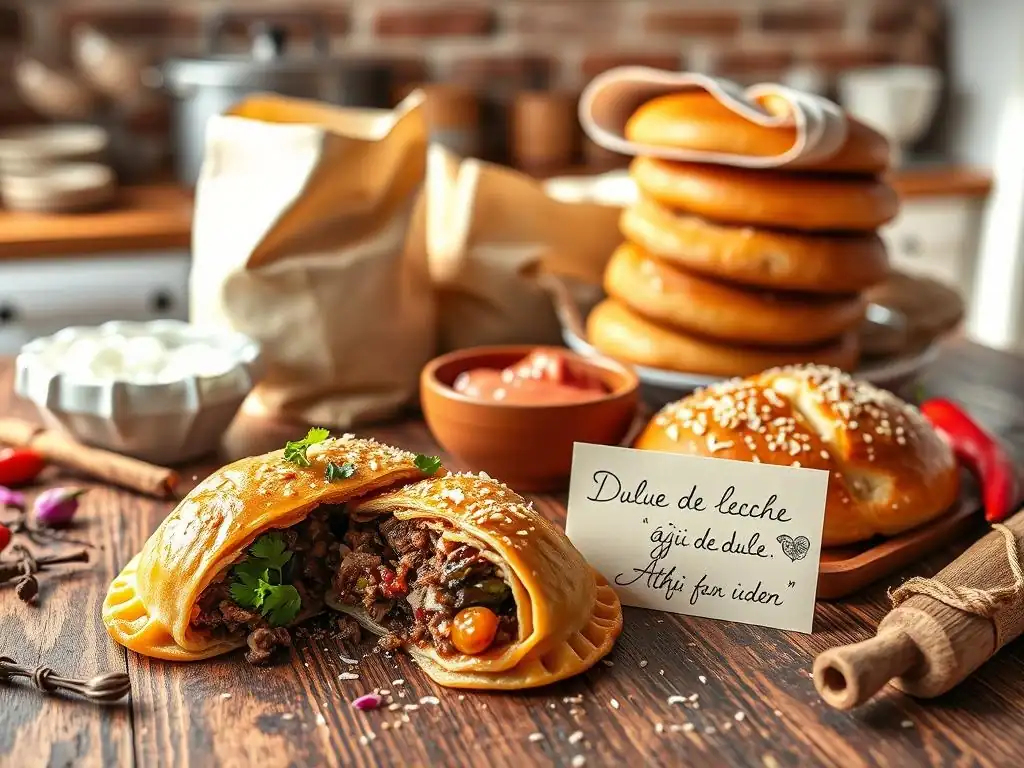
Alfajores are perhaps one of the most beloved cookies across South America, particularly iconic in Argentina, Uruguay, and Peru. These delicate sandwich cookies consist of two soft, crumbly biscuits typically made with cornstarch, giving them their signature melt-in-your-mouth texture. They are generously filled with dulce de leche and often dusted with powdered sugar or have the edges rolled in shredded coconut.
While variations exist (chocolate-covered, different fillings), the classic cornstarch-based cookie with dulce de leche is the most popular and a fantastic starting point for anyone exploring Latin American baking. Their appeal lies in the delightful contrast between the tender cookie and the rich, creamy filling.
Making alfajores is a rewarding process for beginners. The dough is relatively easy to handle, and the assembly is straightforward. The key is not to overwork the dough and to bake the cookies just until they are lightly golden, ensuring they remain soft.
While specific measurements vary, a typical batch might use around 150-200 grams of cornstarch to 1 cup (roughly 120-140 grams) of all-purpose flour, a good amount of butter (say, 150 grams), sugar, egg yolks for richness, and vanilla. The filling requires a generous amount of dulce de leche – perhaps 1 to 1.5 cups for a batch of 20-30 cookies. Mastering these cookies is a significant step in learning beginner Latin American recipes.
Alfajores Recipe: Step-by-Step
Here's a simplified guide to making classic Alfajores:
- Prepare the Dough: Cream softened butter with sugar until light and fluffy. Beat in egg yolks one at a time, followed by vanilla extract.
- Combine Dry Ingredients: In a separate bowl, whisk together all-purpose flour, cornstarch, baking powder (about 1-2 teaspoons), and a pinch of salt.
- Mix Wet and Dry: Gradually add the dry ingredients to the wet ingredients, mixing until just combined. Be careful not to overmix. The dough will be soft.
- Chill: Gather the dough into a ball, flatten slightly, wrap in plastic wrap, and refrigerate for at least 30-60 minutes until firm enough to roll.
- Roll and Cut: On a lightly floured surface, roll the chilled dough to about 1/4 inch thick. Use a round cookie cutter (about 1.5-2 inches in diameter) to cut out shapes.
- Bake: Place cookies on a baking sheet lined with parchment paper. Bake in a preheated oven at around 325°F (160°C) for 10-12 minutes, or until edges are lightly golden but the centers are still pale.
- Cool: Let cookies cool on the baking sheet for a few minutes before transferring them to a wire rack to cool completely.
- Assemble: Once cool, spread a generous dollop of dulce de leche on the flat side of one cookie and top with another cookie to form a sandwich.
- Finish: Roll the edges in shredded coconut (optional) and dust the tops with powdered sugar.
Tips for Perfect Alfajores
Achieving the perfect, tender Alfajor is all about handling the dough with care. First, ensure your butter is properly softened, not melted, for creaming. When combining wet and dry ingredients, mix only until the flour streaks disappear; overmixing develops gluten, which can make the cookies tough rather than crumbly. Chilling the dough is crucial – it makes it easier to roll and cut, preventing the cookies from spreading excessively in the oven.
Baking time is also key. Alfajores should not brown significantly; they should remain pale with just a hint of color around the edges. Overbaking will result in a hard cookie. Pay close attention during the last few minutes. Finally, don't be shy with the dulce de leche filling! A generous amount is essential for the classic Alfajor experience. Allowing the assembled cookies to sit for an hour or two before serving lets the dulce de leche soften the cookie slightly, enhancing the texture. These small details make a big difference in your beginner Latin American recipes.
Recipe 2: Tres Leches Cake - A Classic Dessert
Tres Leches Cake, or "Three Milks" Cake, is a beloved dessert across Latin America, particularly popular in Mexico, Central America, and the Caribbean. It's a sponge cake or butter cake soaked after baking in a mixture of three types of milk: evaporated milk, condensed milk, and heavy cream (or whole milk). This unique soaking process results in an incredibly moist, rich cake that is surprisingly light in texture, especially when topped with whipped cream or meringue. Despite its decadent result, the basic cake and soaking method are quite straightforward, making it an excellent choice for beginner Latin American recipes.
The magic of Tres Leches lies in the absorption of the milk mixture. A light, airy cake base is essential to soak up the liquid without becoming dense or soggy. While recipes vary, a typical cake batter might use around 1.5 to 2 cups (roughly 180-240 grams) of flour, 1 cup (about 200 grams) of sugar, several eggs (say, 4-6), and about 1/2 cup (roughly 115 grams) of butter or oil.
The milk mixture usually involves one can of evaporated milk (around 12 oz or 350ml), one can of condensed milk (around 14 oz or 400ml), and 1 to 1.5 cups (240-360ml) of heavy cream or milk. The cake is baked, poked all over, and then the warm or cool milk mixture is poured over it, allowing it to soak in completely, often requiring several hours or overnight in the refrigerator.
Tres Leches Cake Recipe: Simple Instructions
Here’s a basic outline for making a Tres Leches Cake:
- Prepare the Cake: Whisk or beat eggs and sugar until light and fluffy. Gradually add vanilla extract.
- Add Dry Ingredients: Sift or whisk together flour and baking powder (about 1-2 teaspoons). Gently fold the dry ingredients into the egg mixture until just combined. If using butter, melt it and fold it in carefully.
- Bake: Pour batter into a greased and floured 9x13 inch baking pan. Bake in a preheated oven at around 350°F (175°C) for 25-35 minutes, or until a toothpick inserted into the center comes out clean and the cake springs back when lightly touched.
- Cool Slightly: Let the cake cool in the pan on a wire rack for about 10-15 minutes.
- Prepare Milk Mixture: In a bowl or large measuring cup, whisk together the evaporated milk, condensed milk, and heavy cream or milk.
- Soak the Cake: Using a fork or skewer, poke holes all over the top of the warm cake. Slowly and evenly pour the milk mixture over the cake, allowing it to absorb.
- Chill: Cover the pan and refrigerate for at least 2-4 hours, preferably overnight, to allow the cake to fully absorb the milks and chill thoroughly.
- Top and Serve: Before serving, spread a layer of whipped cream or meringue over the top. Slice and enjoy the incredibly moist result.
Tres Leches Variations
While the classic Tres Leches cake is undeniably delicious, there are many simple variations that allow beginners to experiment with flavors. Adding a few tablespoons of rum or brandy to the milk mixture is a popular adult variation, lending a subtle warmth. For a tropical twist, incorporate about 1/2 cup of coconut milk or cream of coconut into the milk mixture, turning it into a "Cuatro Leches" cake. Serving with fresh fruit like strawberries, mangoes, or berries adds a bright, fresh contrast to the richness.
Coffee is another excellent addition; dissolve a tablespoon or two of instant coffee powder in a small amount of hot water and add it to the milk mixture for a mocha version. You can also add cocoa powder to the cake batter itself for a chocolate Tres Leches. Topping variations include different frostings like cream cheese frosting (though less traditional) or garnishes like cinnamon, cocoa powder, or toasted coconut. These simple tweaks make Tres Leches one of the most versatile beginner Latin American recipes.
Recipe 3: Empanadas Dulces - Sweet Hand Pies
Empanadas are a staple throughout Latin America, savory or sweet, baked or fried. Empanadas Dulces, or sweet empanadas, are delightful hand-held pastries filled with various sweet fillings, making them perfect for dessert, snacks, or breakfast. The dough is typically a simple pastry dough, often slightly sweetened, which is rolled out, cut into circles, filled, folded into a half-moon shape, sealed, and then usually baked until golden. Their portability and endless filling possibilities make them a fun and flexible option for beginner Latin American recipes.
The dough for sweet empanadas is usually made with all-purpose flour (around 2-3 cups, or 240-360 grams), some fat like butter or shortening (about 1/2 cup, or 115 grams), a bit of sugar (1-2 tablespoons), and enough liquid (water or milk, perhaps 1/2 to 3/4 cup) to bring it together into a workable dough. Some recipes might include an egg yolk for richness. The key is to create a dough that is tender yet sturdy enough to hold the filling without breaking. Rolling the dough to an even thickness (about 1/8 inch) is important for consistent baking.
Empanadas Dulces Recipe
Here’s a basic approach to making Sweet Empanadas:
- Make the Dough: Combine flour, sugar, and a pinch of salt in a bowl. Cut in cold butter or shortening using your fingers, a pastry blender, or a food processor until the mixture resembles coarse crumbs.
- Add Liquid: Gradually add cold water or milk, a tablespoon at a time, mixing until the dough just comes together. Be careful not to add too much liquid.
- Chill: Gather the dough, flatten into a disc, wrap tightly in plastic wrap, and refrigerate for at least 30 minutes.
- Roll and Cut: On a lightly floured surface, roll the chilled dough to about 1/8 inch thickness. Cut out circles using a cutter or bowl rim (about 4-6 inches in diameter).
- Fill: Place a tablespoon or two of your chosen sweet filling (see below) slightly off-center on each dough circle.
- Fold and Seal: Moisten the edge of the dough circle with water. Fold the dough over the filling to create a half-moon shape. Press the edges together to seal, then crimp with a fork or twist the edge decoratively.
- Bake: Place empanadas on a baking sheet lined with parchment paper. Brush the tops with an egg wash (optional, for shine) and sprinkle with sugar. Bake in a preheated oven at around 375°F (190°C) for 15-25 minutes, or until golden brown and cooked through.
Empanadas Dulces Fillings
The beauty of sweet empanadas lies in the incredible variety of fillings you can use. Dulce de leche is a classic and simple option – just spoon the thick caramel directly into the dough circle. Fruit preserves or jams are also very common; guava paste (often mixed with a bit of cheese), fig jam, apple compote, or pineapple preserves are popular choices. These fillings should be relatively thick so they don't leak out during baking.
Other delicious fillings include sweet potato or pumpkin puree (often spiced with cinnamon and clove), rice pudding (arroz con leche), or even sweetened cream cheese. Some regions use ground spiced nuts or a mixture of dried fruits. For beginners, starting with a good quality store-bought jam or dulce de leche is the easiest route. As you gain confidence with beginner Latin American recipes, you can try making your own fruit compotes or spiced purees. The possibilities for sweet empanada fillings are nearly endless!
Mastering Latin American Baking Techniques
Working with Dulce de Leche
Dulce de leche is a cornerstone of sweet Latin American baking, used as a filling, topping, or ingredient in doughs and batters. Its thick, creamy, and intensely caramelized flavor is unique. When using it as a filling, especially in cookies like alfajores or empanadas, its consistency is important. If it's too stiff, it can be difficult to spread; if it's too runny, it can leak out during baking.
Store-bought dulce de leche varies in consistency, but generally, a good quality, thicker version is preferred for fillings. If yours is too thick, you can gently warm it slightly (don't overheat) to make it more spreadable. If it's too thin, you can try simmering it gently for a few minutes, stirring constantly, to reduce and thicken it, though this can be tricky.
Another common technique is making dulce de leche from sweetened condensed milk. The simplest method for beginners involves submerging an unopened can of condensed milk in a pot of water and simmering it for several hours (typically 2-4 hours, depending on desired darkness and thickness), ensuring the can is fully covered with water at all times. Caution: This method carries risks if the can boils dry. A safer method is baking the condensed milk in a covered dish set in a water bath in the oven at a low temperature (around 350°F or 175°C) for a similar duration.
Once cooked and cooled, the can or dish contains rich, homemade dulce de leche. This technique allows you to control the depth of caramelization. Using this luscious ingredient is key to many beginner Latin American recipes.
Making Arepas
While often served savory, the technique for making arepas is fundamental to working with pre-cooked corn flour (masarepa), an ingredient sometimes used in sweet contexts or simply a key part of the broader Latin American culinary landscape that beginner bakers might encounter. Arepas are unleavened patties made from this special corn flour. The process involves hydrating the masarepa with water or milk, often with a little salt and sometimes butter or oil, to form a soft, pliable dough.
The ratio is typically around 1 part masarepa to 1.25-1.5 parts liquid by volume, though packaging instructions are the best guide. For instance, 1 cup of masarepa might require about 1.5 cups of warm water.
Once the dough forms, it's kneaded briefly until smooth and no longer sticky. Small portions are then rolled into balls and flattened into discs, about 1/2 inch thick.
These discs are traditionally cooked on a budare (a flat griddle) or a heavy skillet until a crust forms on both sides, then often finished in the oven until heated through and slightly puffed. While savory fillings are common, some sweet variations exist, like adding sugar to the dough or serving them with cheese and a sweet topping like papelón syrup (from panela) or condensed milk, showcasing the versatility of this core Latin American ingredient and technique, relevant even when exploring beginner Latin American recipes focused on sweets.
Understanding Latin American Salsas
In the context of sweet Latin American baking, "salsas" often refer not to spicy tomato-based sauces, but to sweet sauces, syrups, or fruit purees used as toppings or components in desserts. These sweet accompaniments add moisture, flavor, and sometimes a contrasting texture. A simple salsa de frutas (fruit sauce) might involve simmering fresh or frozen fruit like guava, mango, or berries with a bit of sugar and water until thickened. A splash of lime juice can brighten the flavor. These fruit salsas are wonderful served alongside cakes, flans, or even sweet empanadas.
Another important type of sweet "salsa" is a simple syrup infused with flavor. For instance, a almíbar (syrup) made from boiling sugar and water can be flavored with cinnamon sticks, star anise, or orange peel. This syrup can be used to moisten certain cakes or drizzled over pastries. Condensed milk, while an ingredient in Tres Leches, can also be drizzled directly over desserts as a simple sweet sauce. Understanding how to create and use these sweet sauces enhances your ability to finish and present beginner Latin American recipes beautifully and deliciously.
Troubleshooting Common Baking Issues
Dry Dough Solutions
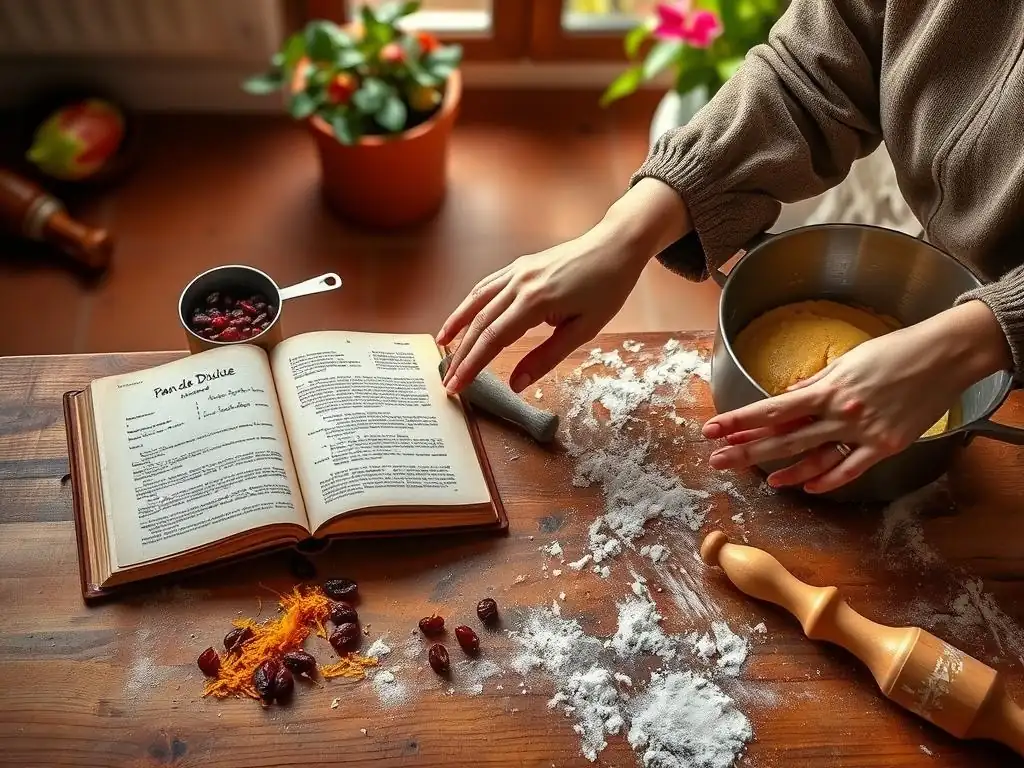
Encountering a dry or crumbly dough is a common issue when starting out with baking, including beginner Latin American recipes like cookies or empanadas. This often happens when too much flour is added, or not enough liquid or fat is used. If your dough feels too dry and isn't coming together after mixing the wet and dry ingredients, try adding a very small amount of liquid (like milk, water, or even a tiny splash of oil, depending on the recipe) one teaspoon at a time.
Mix gently after each addition until the dough just comes together. Be cautious not to add too much at once, as it's easier to add more liquid than to correct an overly wet dough.
Another factor contributing to dry dough can be overmixing. Once the dry ingredients are added, mix only until they are just incorporated. Overmixing develops gluten, which can make the dough tough and less likely to absorb moisture properly, leading to a dry texture in the final baked good. Ensure your ingredients, especially fats like butter, are at the correct temperature specified in the recipe (e.g., softened but not melted) as this affects how they incorporate into the dough and contribute to moisture and tenderness.
Balancing Sweetness
Latin American desserts are known for their sweetness, often featuring generous amounts of sugar, dulce de leche, and condensed milk. For some palates, this can be overwhelming. Learning to balance sweetness is an important skill in beginner Latin American recipes. One effective way to cut through richness and sweetness is by adding a touch of acidity. A squeeze of fresh lime or orange juice, or incorporating citrus zest into the recipe, can provide a bright counterpoint that lifts the flavors and makes the dessert taste less heavy.
Salt, even just a small pinch, is also crucial for balancing sweetness and enhancing other flavors. Ensure your recipes include salt, especially in doughs or batters. Warm spices like cinnamon, nutmeg, or cloves can add complexity and depth that distracts from pure sugary sweetness. For toppings, using unsweetened whipped cream or a less sweet meringue (like Swiss or Italian meringue) instead of heavily sweetened versions can provide a lighter contrast to a rich cake or pastry base. Finally, serving sweet treats with a bitter coffee or unsweetened tea is a classic way to balance the palate.
Achieving Perfect Texture
Texture is just as important as flavor in Latin American baking, whether it's the melt-in-your-mouth crumb of an alfajor, the moist richness of tres leches, or the flaky crust of an empanada. Achieving the desired texture involves several factors. For tender cookies and pastries, avoid overworking the dough after adding flour; this minimizes gluten development, which leads to toughness. Using ingredients like cornstarch or egg yolks, as in alfajores, also contributes to a delicate crumb. Ensuring fats are properly incorporated (cut in cold for flaky pastry, creamed with sugar for tender cookies) is key.
For moist cakes like Tres Leches, the soaking step is paramount. Ensure you poke enough holes and give the cake ample time (ideally overnight) to fully absorb the milk mixture. Oven temperature also plays a critical role in texture.
If the oven is too hot, the outside might brown and set too quickly while the inside remains undercooked or dense. Using an oven thermometer to verify accuracy and baking at the specified temperature helps ensure even cooking and the correct texture. Cooling baked goods properly is also important; letting them cool on a wire rack prevents the bottom from becoming soggy from trapped steam.
Regional Variations in Latin American Baking
Mexican Baking
Mexican baking is incredibly diverse and deeply intertwined with cultural celebrations and daily life. Pan dulce (sweet bread) is perhaps the most iconic category, encompassing a vast array of shapes, flavors, and toppings enjoyed for breakfast or as a snack with coffee or hot chocolate. Varieties like conchas (shells with a sugary topping), orejas (palmiers), and cuernitos (croissants) fill bakeries across the country. Holiday baking is particularly significant, with special breads like Pan de Muerto made for Day of the Dead and Rosca de Reyes for Epiphany.
Beyond pan dulce, Mexican baking includes delicious cookies, cakes, and fried treats. Churros, often served with chocolate sauce, are popular fried dough pastries. Pastel de Tres Leches, while popular elsewhere, has a strong presence in Mexico. Regional specialties also abound, such as capirotada, a bread pudding often made during Lent. Exploring beginner Latin American recipes from Mexico offers a sweet and festive introduction to this rich tradition.
Argentinian Baking
Argentinian baking, heavily influenced by Italian and Spanish immigration, is known for its sophisticated pastries and widespread use of dulce de leche. Facturas, a general term for a variety of breakfast pastries, are a staple, including medialunas (croissants, often glazed), vigilantes, and other sweet rolls and tarts. Alfajores, as discussed earlier, are immensely popular, with countless regional variations and fillings, though the cornstarch version filled with dulce de leche is classic. It's estimated that Argentinians consume a significant amount of dulce de leche annually, much of it in baked goods.
Other Argentinian sweet treats include pastafrola, a tart with a lattice top filled with quince paste ( dulce de membrillo) or sweet potato paste ( dulce de batata). Rogeles are elegant layered cakes made with thin, crisp cookies and dulce de leche, often topped with Italian meringue. The focus in Argentinian baking is often on delicate textures, rich fillings (especially dulce de leche), and pastries perfect for accompanying coffee or tea, providing plenty of inspiration for beginner Latin American recipes.
Brazilian Baking
Brazilian baking reflects a mix of Portuguese, African, and indigenous influences. While savory items like pão de queijo (cheese bread, though often made with tapioca starch) are famous, Brazil also has a wealth of sweet baked goods. Bolo de fubá, a simple cake made with cornmeal, is a popular and comforting treat, often flavored with fennel seeds and served for breakfast or afternoon tea. Bolo de aipim (cassava cake) is another moist, dense cake highlighting a native ingredient.
While technically confectionery, brigadeiros (chocolate fudge balls) are ubiquitous in Brazilian celebrations and often made by bakers. Fried pastries like pastel (can be sweet or savory, similar to empanadas) and sonho (a cream-filled doughnut, similar to a Berliner) are also common. Brazilian baking often features tropical fruits, coconut, and condensed milk, offering a distinct flavor profile within the broader Latin American baking landscape. Exploring these unique items adds another dimension to learning beginner Latin American recipes.
Expanding Your Baking Repertoire
Resources for Further Learning
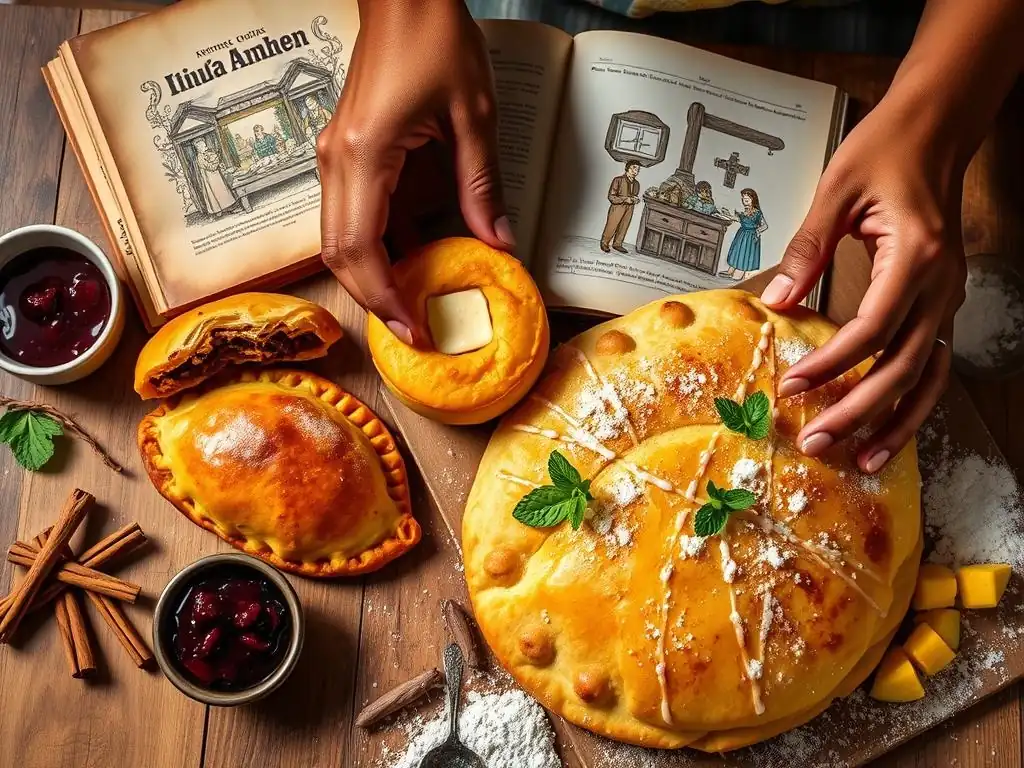
Once you've mastered some beginner Latin American recipes like Alfajores or Tres Leches, you might be eager to explore further. While this guide provides a solid foundation, the world of Latin American baking is vast! Consider seeking out cookbooks specifically dedicated to the cuisine of particular countries or regions you found most appealing, like Mexican, Argentinian, or Peruvian baking. Many excellent resources delve into the history and cultural significance of these baked goods, offering more complex recipes and traditional techniques.
Online resources, such as food blogs and baking forums focused on Latin American cuisine, can also be invaluable. They often feature detailed recipes, step-by-step photos, and tips from experienced home bakers. Engaging with online communities allows you to ask questions, share your successes and challenges, and discover new recipes and variations. Remember to look for sources that provide clear instructions and background information to help you understand the context of the dishes you are making.
Sourcing Authentic Ingredients
While many beginner Latin American recipes rely on common pantry staples like flour, sugar, and eggs, some traditional recipes call for specific ingredients that might not be available at your local supermarket. Ingredients like masarepa (pre-cooked corn flour), panela or piloncillo (whole cane sugar), specific types of cheese used in savory-leaning baked goods (like queso fresco or queso costeño), or unique fruit pastes (like guava paste or quince paste) can sometimes be harder to find.
Visiting a local Latin American grocery store or mercado is often the best way to find these authentic ingredients. These stores typically carry a wide variety of flours, sugars, canned goods (like dulce de leche and condensed milk from specific brands), and regional specialty items. If you don't have access to a physical store, many online retailers specialize in Latin American food products and can ship ingredients directly to your door. Seeking out these specific items will allow you to make more traditional and authentic versions of your beginner Latin American recipes as you advance.
Enjoy Your Baking Adventure
Frequently Asked Questions
What exactly does "Latin American Baking Beginner Recipes" encompass, according to BakeWithEase?
It refers to simple and accessible Latin American baking recipes specifically designed for individuals with little to no prior baking experience. BakeWithEase provides step-by-step guides and easy-to-find ingredients to make them.
Where on the BakeWithEase website can I find these "Latin American Baking Beginner Recipes"?
While not explicitly stated where, look for a section dedicated to "Latin American Recipes" or use the site's search function to find recipes tagged as "beginner" or "easy".
What kinds of Latin American baked goods can I expect to learn to make as a beginner on BakeWithEase?
You can likely find recipes for simpler items like empanadas, tres leches cake, or alfajores. The focus is on beginner-friendly versions of classic Latin American treats.
Are the ingredients used in these "Latin American Baking Beginner Recipes" easily accessible?
BakeWithEase emphasizes using easy-to-find ingredients, suggesting that most recipes will utilize common pantry staples or ingredients readily available at local grocery stores.
What makes BakeWithEase a good resource for learning "Latin American Baking Beginner Recipes" compared to other websites?
BakeWithEase focuses on simplicity and step-by-step guides, making it ideal for beginners. They also offer tips and techniques to help you master the art of baking, specifically focusing on Latin American recipes.
Final Reflection: A Sweet Taste of Discovery and Connection
The vibrant world of Latin American baking is more than just recipes; it's a portal to culture, history, and community. These traditional sweets, passed down through generations, offer a delicious way to connect with a rich heritage and understand the diverse landscapes of Latin America. From the simplest arepa to the most elaborate tres leches cake, each baked good tells a story.
Learning about Latin American baking has been a deeply enriching experience for me, revealing the profound connection between food and identity. It's more than just following instructions; it's about understanding the ingredients, the techniques, and the stories behind them. Food is symbolic of love when words are inadequate.
- Alan D. Wolfelt. This quote perfectly encapsulates the emotional resonance found in sharing and creating these treats. The passion and artistry involved in these recipes are truly inspiring, and I've found myself appreciating the intricate details and the sheer joy of creating something beautiful and delicious.
Now, it's your turn to embark on this culinary adventure. Don't be intimidated by unfamiliar ingredients or techniques. Start with a simple recipe, embrace the process, and allow yourself to be transported to the heart of Latin America through the magic of baking. Each bite will be a step closer to understanding a culture, connecting with its people, and discovering the sweet rewards of a new culinary passion. So, gather your ingredients, preheat your oven, and let the baking begin!
Unlock Your Inner Latin American Baker!
Thanks for exploring the vibrant world of Latin American baking with us! We hope you've discovered some delicious inspiration and new techniques to try. Ready to get baking?
- Dive into your first Latin American recipe: Choose one of the recipes mentioned in the article and give it a go! We're confident you'll be amazed at the results.
- Share your baking journey: Post a picture of your creation on social media using #BakeWithEaseLatin and tag us! Let's build a delicious community.
- Explore further: Browse our other articles for more international baking adventures – maybe it's time to try a different region’s sweet treats!
What Latin American flavor will you conquer next?