
Chilean Kuchen: Baking the German Influence in Latin America

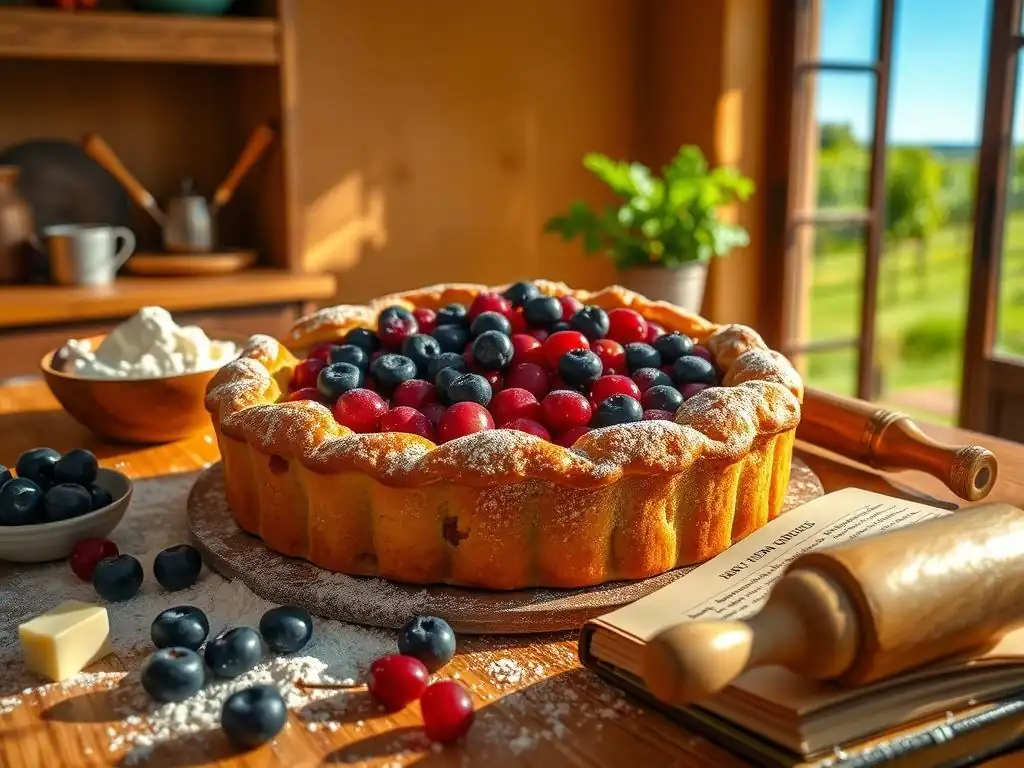
Welcome to BakeWithEase, your guide to unlocking the delicious world of baking! Are you ready to explore the unexpected intersection of German baking traditions and Latin American flavors? Dive into our latest article and discover the secrets behind an Easy Chilean Kuchen recipe, a delightful testament to cultural fusion. What makes this kuchen so unique, and how can you recreate this classic treat in your own kitchen? Let's find out!
- Chilean Kuchen: Baking the German Influence in Latin American Baking on BakeWithEase.com
- Introduction to Chilean Kuchen: A Taste of German Heritage in Latin American Baking
- What is Kuchen? Exploring the Origins of this Delicious Treat
- The Allure of Chilean Kuchen: Why This Recipe is a Must-Try
- Easy Chilean Kuchen Recipe: A Step-by-Step Guide for Home Bakers
- Tips and Tricks for the Best Chilean Kuchen: BakeWithEase's Expert Advice
- Chilean Kuchen Variations: Exploring Different Flavors and Styles
- Serving and Enjoying Your Homemade Chilean Kuchen
- Mastering the Easy Chilean Kuchen Recipe: Bake With Ease and Enjoy!
-
Frequently Asked Questions
- What exactly is Chilean Kuchen?
- Where did the concept of Kuchen come from, and how did it arrive in Chile?
- Is the "Easy Chilean Kuchen recipe" on BakeWithEase suitable for beginners?
- What kind of fruit fillings are commonly used in Chilean Kuchen?
- Can the "Easy Chilean Kuchen recipe" be adapted for different dietary needs or preferences?
- Final Reflection: A Slice of History, A Taste of Home
- Unleash Your Inner Baker: Craft Your Own Chilean Kuchen!
Chilean Kuchen: Baking the German Influence in Latin American Baking on BakeWithEase.com
Introduction to Chilean Kuchen: A Taste of German Heritage in Latin American Baking
Discovering the German Roots of Chilean Kuchen
Kuchen, a delightful pastry beloved across Chile, holds a fascinating history deeply intertwined with German immigration. Starting primarily in the mid-19th century, significant numbers of Germans settled in southern Chile, particularly in regions like Los Lagos and Los Ríos. These immigrants brought with them their language, traditions, and, crucially, their culinary heritage.
Among the cherished recipes they introduced was Kuchen, the German word for cake or tart. This simple yet versatile baked good quickly became a staple in the new communities, adapted over time to incorporate local Chilean ingredients while retaining its core structure: a delicious dough base topped with fruit or other fillings.
The German settlers established thriving agricultural communities, cultivating fruits like apples, berries, and plums – perfect candidates for Kuchen fillings. Their expertise in baking, passed down through generations, merged with Chilean availability and tastes. The result is the Chilean Kuchen we know today, a testament to cultural fusion.
It's more than just a dessert; it's a piece of edible history, representing the successful integration of German culinary traditions into the rich tapestry of Latin American baking. This cross-cultural exchange created a unique pastry that is now considered a quintessential part of Chilean cuisine, enjoyed from the bustling markets of Santiago to the quiet towns of Patagonia.
BakeWithEase: Your Guide to Mastering Chilean Kuchen
At BakeWithEase.com, we believe that baking should be accessible and enjoyable for everyone, regardless of their experience level. That's why we're excited to guide you through creating your very own Chilean Kuchen. Our approach simplifies traditional recipes, breaking down each step into manageable instructions. We focus on using straightforward techniques and readily available ingredients, ensuring that even a beginner baker can achieve delicious results. Think of us as your friendly kitchen coach, helping you navigate the process from measuring flour to achieving that perfect golden crust.
Whether you're new to baking or looking to expand your repertoire, our resources are designed to build your confidence. We provide clear explanations, helpful tips, and variations to inspire your creativity. Mastering the Easy Chilean Kuchen recipe is a rewarding experience, connecting you to a rich cultural tradition while creating a truly satisfying treat. By following our detailed guide, you'll learn the fundamentals of making a great Kuchen dough and explore various filling options. Get ready to fill your home with the comforting aroma of freshly baked Kuchen – a taste of German heritage made easy with BakeWithEase.
What is Kuchen? Exploring the Origins of this Delicious Treat
Kuchen Defined: A Brief History
Kuchen, in its broadest German sense, simply means "cake." However, the term often refers to a specific style of baked good, typically a flat cake or tart made with a dough base (often yeast-leavened or a simple shortcrust) topped with fruit, nuts, streusel, or other sweet fillings. Its origins are deeply rooted in German and Central European baking traditions, where it has been a popular way to utilize seasonal fruits for centuries. Historically, Kuchen was a common dessert or coffee-time treat, often baked in large rectangular pans and cut into squares or diamonds.
The versatility of Kuchen is one of its defining characteristics. Depending on the region and the time of year, fillings could range from apples ( Apfelkuchen) and plums ( Zwetschgenkuchen) in the fall to berries in the summer. The dough could be a simple Hefeteig (yeast dough), a Mürbeteig (shortcrust), or even a Rührteig (batter).
This adaptability allowed Kuchen to thrive and evolve as it traveled across borders and cultures. The version that became popular in Chile is most often based on a shortcrust or a simple enriched dough, similar to a tart, with a generous layer of fruit filling, often topped with a streusel or a lattice crust.
The German Emigration to Chile and its Culinary Impact
The mid-19th century saw a significant wave of German emigration to Chile, largely encouraged by the Chilean government seeking to populate and develop the southern regions. Between 1850 and 1875, thousands of Germans, primarily from areas like Hessen, Baden, and Bavaria, settled in provinces such as Valdivia, Osorno, and Llanquihue. They were often granted land in relatively undeveloped areas, facing the challenge of building new lives from scratch. These settlers brought with them not only their skills in agriculture and crafts but also their deeply ingrained cultural practices, including their baking traditions.
The culinary impact of this emigration was profound, particularly in southern Chile. German techniques and recipes for bread, sausages, beer, and pastries became integrated into the local food scene. Bakeries and Confiterías (confectioneries) established by German families introduced treats like Berliner (donuts), Strudel, and, of course, Kuchen to the Chilean palate.
This influence is still highly visible today in the southern regions, where German-style bakeries and restaurants are common, and dishes with German names and origins are part of the everyday diet. Kuchen, in particular, found a perfect home in Chile due to the abundance of similar fruits used in German baking.
How Kuchen Became a Beloved Chilean Pastry
Kuchen's rise to prominence in Chile was a natural progression fueled by adaptation and availability. The German settlers found that the fertile lands of southern Chile were ideal for growing many of the fruits they traditionally used in their baking, such as apples, cherries, raspberries, and currants. Over time, they also began incorporating local fruits like peaches and unique Chilean berries, further integrating the pastry into the local ecosystem. The simple, hearty nature of Kuchen made it suitable for rural life, providing a delicious and relatively easy-to-make treat.
Furthermore, Kuchen became a symbol of hospitality and community within the German-Chilean settlements. It was a staple at family gatherings, celebrations, and afternoon tea (known as Once in Chile, a significant meal similar to afternoon tea or supper). As German families interacted with their Chilean neighbors, sharing food was a natural bridge between cultures.
Kuchen's appealing combination of sweet fruit and comforting crust quickly gained popularity beyond the German communities. Its versatility allowed it to be made with whatever fruit was in season, making it an accessible and ever-present dessert. Today, Kuchen is widely available in bakeries and homes throughout Chile, cementing its status as a beloved national pastry.
The Allure of Chilean Kuchen: Why This Recipe is a Must-Try
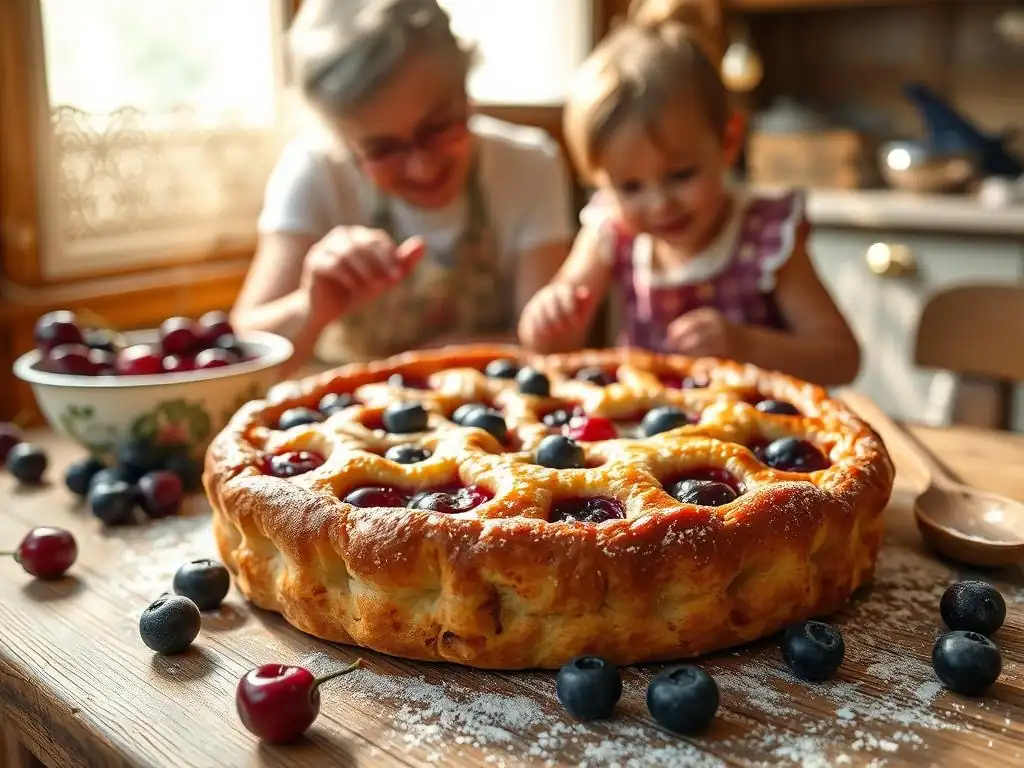
Simple Ingredients, Extraordinary Flavor
One of the most appealing aspects of the Easy Chilean Kuchen recipe is its reliance on simple, pantry-friendly ingredients. The basic dough typically requires flour, sugar, butter, eggs, and sometimes a leavening agent like baking powder. The filling often consists of fresh or preserved fruit, sugar, and perhaps a thickener like cornstarch or flour. These are components commonly found in most kitchens, making Kuchen an accessible baking project. Despite the simplicity of the list, the magic happens when these humble ingredients come together through baking.
The resulting flavor is wonderfully comforting and satisfying. The crust provides a slightly sweet, buttery base that complements the often-tart or sweet fruit filling. When baked, the fruits soften and release their juices, creating a luscious layer of flavor. A classic apple Kuchen, for instance, offers a delightful contrast between the tender, spiced apples and the crisp crust. This straightforward combination proves that you don't need exotic or complex ingredients to create something truly extraordinary. The beauty of Chilean Kuchen lies in its ability to transform basic components into a dessert that is both simple and profoundly delicious.
A Versatile Dessert: Perfect for Any Occasion
Chilean Kuchen is remarkably versatile, making it suitable for a wide range of occasions. It's substantial enough to be served as a comforting dessert after a family meal, yet elegant enough to be a centerpiece at a special gathering. In Chile, it's a quintessential part of the Once (afternoon tea), often enjoyed with a cup of coffee or tea alongside sandwiches and other pastries. Its portability also makes it a great option for picnics, potlucks, or taking to a friend's house.
Beyond the time of day or type of event, Kuchen's versatility extends to its fillings. While fruit is traditional, variations exist, allowing you to tailor the flavor profile to the season or your personal preference. An Easy Chilean Kuchen recipe can be adapted for summer berries, fall apples, or even a rich dulce de leche filling. This adaptability ensures that Kuchen is never boring and can always feel fresh and appropriate, whether it's a casual weeknight treat or part of a festive holiday spread. Its universal appeal stems from its comforting nature and the endless possibilities for customization.
Why Bake Chilean Kuchen? A Taste of Tradition
Baking a Chilean Kuchen is more than just making a dessert; it's an opportunity to connect with a rich cultural history and tradition. As discussed, it represents the fusion of German baking techniques with Chilean ingredients and customs, a delicious outcome of immigration and cultural exchange. By following an Easy Chilean Kuchen recipe, you are participating in a practice that has been carried out in Chilean homes for over a century, preserving a culinary legacy.
For many, baking Kuchen evokes feelings of nostalgia and warmth, reminiscent of family kitchens and cherished memories. It's a way to share a piece of that heritage, whether you have Chilean roots or are simply exploring global baking traditions. Bringing a homemade Chilean Kuchen to the table is a gesture of generosity and care. It's a chance to slow down, enjoy the process of creation, and share something truly special with loved ones. So, why bake Chilean Kuchen? Because it offers a delicious taste of tradition, a connection to history, and the simple joy of sharing homemade goodness.
Easy Chilean Kuchen Recipe: A Step-by-Step Guide for Home Bakers
Here is a straightforward guide to making a classic Chilean Kuchen. This Easy Chilean Kuchen recipe focuses on simplicity and delicious results.
Gathering Your Ingredients
Before you begin, make sure you have all your ingredients measured and ready. This helps the baking process run smoothly. For a standard 9-inch round Kuchen, you will typically need:
- For the Dough:
- 2 cups all-purpose flour
- 1/2 cup granulated sugar
- 1/4 teaspoon salt
- 1/2 cup cold unsalted butter, cut into cubes
- 1 large egg
- 1-2 tablespoons cold water (optional, if needed)
- For a Simple Fruit Filling (e.g., Apple):
- 4-5 cups sliced apples (about 4-5 medium apples)
- 1/4 cup granulated sugar (adjust based on fruit sweetness)
- 1 teaspoon ground cinnamon
- 1 tablespoon lemon juice
- 1-2 tablespoons cornstarch or flour (depending on fruit juiciness)
- 1 tablespoon butter, cut into small pieces
Having everything prepared beforehand minimizes stress and reduces the chance of errors during mixing and assembly. Ensure your butter is cold for the dough, as this is key to achieving a tender crust. For the filling, choose ripe but firm fruit that will hold its shape reasonably well during baking.
Preparing the Kuchen Dough: A Simple and Effective Method
Making the dough for this Easy Chilean Kuchen recipe is similar to making a pie crust or shortcrust pastry. The goal is to create a tender, crumbly base that holds the filling.
- In a large bowl, whisk together the flour, sugar, and salt.
- Add the cold, cubed butter to the dry ingredients. Using your fingertips, a pastry blender, or a food processor, cut the butter into the flour mixture until it resembles coarse crumbs, with some pea-sized pieces of butter remaining. This process is crucial for creating a flaky texture.
- Add the egg and mix until the dough just begins to come together. If the dough seems too dry and crumbly to form a cohesive ball, add cold water one tablespoon at a time, mixing until it just holds together. Be careful not to add too much water, as this can result in a tough crust.
- Gather the dough into a ball, flatten it slightly into a disk, wrap it tightly in plastic wrap, and refrigerate for at least 30 minutes. This chilling period allows the gluten to relax and the butter to firm up, making the dough easier to roll out and resulting in a more tender baked crust.
Tips for a Perfect Kuchen Dough: Achieving the Right Consistency
Achieving the right consistency for your Kuchen dough is key to a delicious base. Firstly, ensure your butter is very cold. Cold butter creates steam pockets during baking, which results in flakiness. Using a food processor for cutting in the butter is often the easiest and quickest method, preventing the butter from warming up too much from your hands. Pulse it just until the desired crumbly texture is reached.
Secondly, avoid overworking the dough once the liquid (egg and water) is added. Mix only until the dough barely comes together. Overmixing develops too much gluten, leading to a tough crust. The dough should feel slightly crumbly but hold together when pressed. If it's too wet, it will be sticky and difficult to handle; if too dry, it won't form a cohesive base. Trust the feel of the dough and add liquid sparingly if needed. Chilling is non-negotiable; it makes rolling easier and improves the final texture significantly.
Crafting the Kuchen Filling: Options for Diverse Flavors
While fruit is traditional, the beauty of an Easy Chilean Kuchen recipe lies in its adaptability to various fillings. The most classic is often apple, similar to an German Apfelkuchen, but berries, peaches, plums, and even creamy fillings are popular in Chile.
For a simple fruit filling like apple:
- Peel, core, and thinly slice your chosen fruit (e.g., apples).
- In a bowl, gently toss the fruit with sugar, cinnamon (or other spices like nutmeg or cardamom), lemon juice (to prevent browning and add brightness), and cornstarch or flour. The amount of sugar and thickener will depend on the sweetness and juiciness of the fruit. Berries, for example, often require slightly more sugar and thickener than apples.
- Let the fruit mixture sit for a few minutes while you roll out the dough. This allows the sugar to start drawing out juices, which the thickener will then absorb during baking.
Variations in Kuchen Filling: Adapting the Recipe to Your Preferences
The possibilities for Kuchen fillings are vast, allowing you to adapt your Easy Chilean Kuchen recipe to seasonal availability or personal taste. Beyond apples, popular fruit options in Chile include Mora (blackberry), raspberry, strawberry, plum, and cherry. You can use a single fruit or a combination. For a classic Kuchen de Mora, simply use fresh or frozen blackberries. For a Kuchen de Durazno (Peach Kuchen), use sliced fresh or canned peaches.
Beyond fruit, creamy fillings are also enjoyed. A Kuchen de Queso (Cheese Kuchen), similar to a German Quarkkuchen or cheesecake, is common, often made with ricotta or a type of fresh cheese, sugar, and eggs. Another beloved variation is Kuchen de Manjar (Dulce de Leche Kuchen), featuring a thick layer of sweet, caramelized milk. Feel free to experiment with these or other ideas – maybe a mixed berry and ricotta Kuchen, or an apple and dulce de leche combination. The key is to ensure the filling isn't too wet, which could make the crust soggy.
Assembling and Baking Your Chilean Kuchen: Achieving Golden Perfection
Once your dough is chilled and your filling is prepared, it's time to assemble and bake your Kuchen. This is where the magic happens, transforming the raw ingredients into a golden, bubbling pastry.
- Preheat your oven to 350°F (175°C). Grease and flour a 9-inch pie dish or tart pan.
- On a lightly floured surface, roll out the chilled dough into a circle large enough to fit your prepared pan and potentially extend up the sides (about 11-12 inches in diameter).
- Carefully transfer the rolled dough to the pan. Gently press it into the bottom and up the sides. Trim any excess dough, or crimp the edges decoratively.
- Pour the prepared fruit filling evenly into the dough-lined pan. Dot the top of the fruit with small pieces of butter for added richness and flavor.
- If desired, you can top the Kuchen with a streusel topping (made by combining flour, sugar, cold butter, and sometimes nuts until crumbly) or create a lattice crust using strips of leftover dough. For a simple Kuchen, just the fruit filling is sufficient.
- Place the Kuchen on a baking sheet (to catch any potential drips) and bake in the preheated oven.
Baking Time and Temperature: Ensuring a Perfectly Baked Kuchen
The baking time and temperature are crucial for achieving a perfectly cooked Kuchen with a golden crust and tender filling. For most fruit Kuchens baked at 350°F (175°C), the baking time typically ranges from 45 to 60 minutes. This can vary depending on your oven, the pan material, and the juiciness of the filling.
You'll know your Kuchen is ready when the crust is golden brown, and the filling is bubbling around the edges. For fruit fillings, you can gently insert a knife or skewer into the center through the fruit (avoiding the bottom crust) to check if the fruit is tender. If using a streusel topping, ensure it is golden brown and appears set.
If the crust edges start browning too quickly, you can loosely cover them with foil. Once baked, remove the Kuchen from the oven and let it cool on a wire rack for at least 2-3 hours before slicing. This cooling time is essential for the filling to set properly, preventing it from being too runny when cut.
Tips and Tricks for the Best Chilean Kuchen: BakeWithEase's Expert Advice
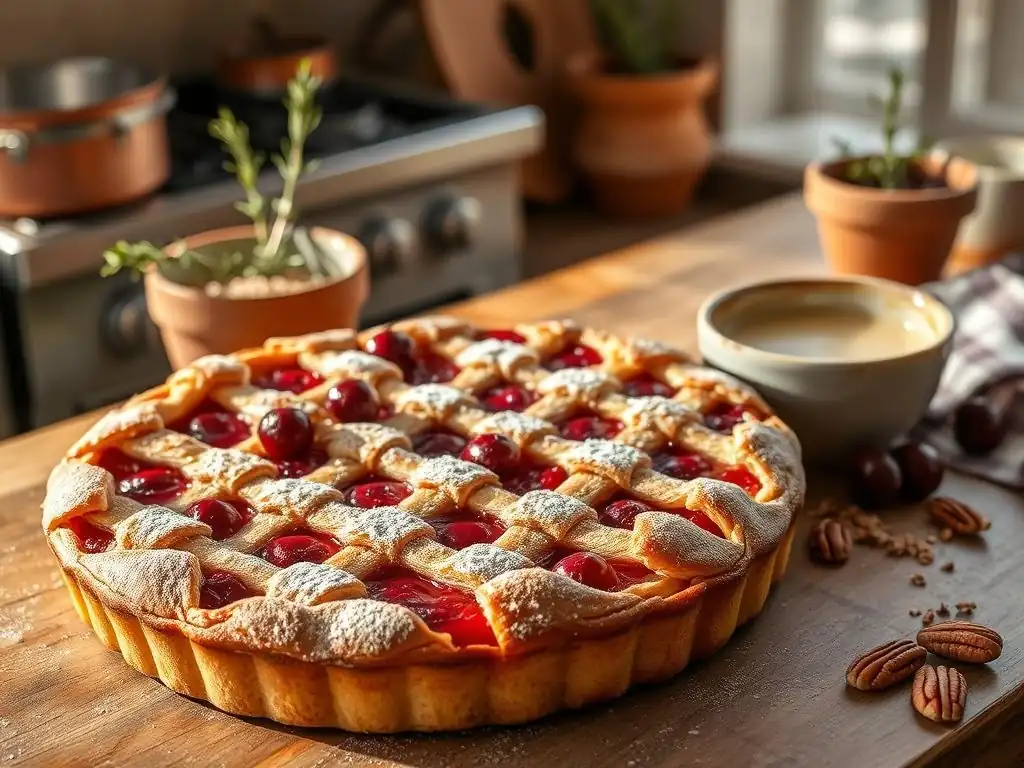
Making a great Kuchen is achievable for any home baker with an Easy Chilean Kuchen recipe, and a few simple tips can elevate your results from good to outstanding. Pay attention to the details, and you'll be rewarded with a truly delicious pastry.
Achieving the Perfect Crust: Secrets to a Flaky and Golden Kuchen Base
The crust is the foundation of your Kuchen, and a flaky, golden base makes all the difference. As mentioned earlier, using cold butter is paramount. The small pieces of cold butter melt during baking, creating steam that puffs up the layers of dough, resulting in flakiness. Don't skip the chilling step; it relaxes the gluten, preventing the crust from shrinking excessively in the oven and making it easier to handle. Rolling the dough to an even thickness (around 1/8 to 1/4 inch) ensures it bakes uniformly.
To get that beautiful golden color, ensure your oven is properly preheated. Placing the Kuchen on the lower rack initially can help the bottom crust crisp up. If the top is browning too fast, cover it loosely with foil. Some bakers also brush the edge of the crust with an egg wash (a beaten egg mixed with a little water or milk) before baking to encourage a richer golden hue. Baking until the filling is bubbling and the crust is deeply golden, not just lightly colored, indicates that the crust is fully cooked and crisp.
Choosing the Right Filling: Flavor Pairings and Seasonal Ingredients
Selecting the right filling is crucial for a delicious Kuchen. The most traditional approach is to use seasonal fruit, which is when the fruit is at its peak flavor and sweetness. In the summer, think berries, peaches, and plums. In the fall, apples are a classic choice. Consider flavor pairings: apples pair wonderfully with cinnamon, nutmeg, and a hint of lemon; berries are great with a touch of vanilla or almond extract; peaches are lovely with ginger or cardamom.
When using juicy fruits, don't be shy with the thickener (cornstarch, flour, or even tapioca starch). Too little thickener will result in a soggy bottom crust. A general rule is about 1-2 tablespoons of thickener per 4-5 cups of fruit, but this can vary.
If using frozen fruit, you may need to increase the thickener slightly, as frozen fruit tends to release more liquid. Tasting your fruit beforehand helps you adjust the sugar needed in the filling – very sweet fruit requires less added sugar. Don't be afraid to experiment; try adding a touch of orange zest to a berry filling or a splash of rum to an apple filling for extra complexity.
Storing Your Kuchen: Keeping it Fresh and Delicious
Proper storage is key to enjoying your homemade Kuchen for as long as possible. Once the Kuchen has cooled completely to room temperature, it can be stored. If the Kuchen contains fresh fruit, it is best kept refrigerated, especially in warmer climates. Cover it loosely with plastic wrap or store it in an airtight container. Refrigerated Kuchen is typically best enjoyed within 3-4 days.
For longer storage, Kuchen freezes quite well. You can freeze an entire cooled Kuchen or individual slices. Wrap the Kuchen tightly in plastic wrap, then in a layer of aluminum foil or place it in a freezer-safe bag or container. Frozen Kuchen can last for up to 2-3 months. To thaw, simply unwrap it and let it sit at room temperature for several hours, or gently reheat slices in a low oven (around 300°F or 150°C) until warmed through. Avoid microwaving fruit Kuchen, as it can make the crust soggy.
Chilean Kuchen Variations: Exploring Different Flavors and Styles
The Easy Chilean Kuchen recipe serves as a fantastic base for exploring numerous variations. While the dough remains fairly consistent, changing the filling allows for a completely different flavor experience. Here are some popular variations found in Chile:
Apple Kuchen: A Classic Choice
Apple Kuchen ( Kuchen de Manzana) is arguably the most iconic and widely loved variation in Chile, echoing its German roots. It typically features a generous layer of thinly sliced apples, often seasoned with cinnamon and sugar. Some recipes include a hint of lemon juice or nutmeg. The apples soften beautifully during baking, creating a comforting, slightly spiced filling that pairs perfectly with the buttery crust.
This classic version is popular year-round, but especially prevalent in autumn when apples are in season. The variety of apple used can influence the final texture and sweetness; firm, slightly tart apples like Granny Smith or Fuji work well, holding their shape while providing a pleasant tang. Sometimes, chopped walnuts or raisins are added to the apple mixture for extra texture and flavor.
Peach Kuchen: A Sweet and Tangy Delight
Peach Kuchen ( Kuchen de Durazno) is another favorite, particularly during the summer months when fresh peaches are abundant. This variation offers a sweeter, slightly tangier flavor profile compared to apple. Sliced fresh peaches are the star, often combined with sugar and a touch of lemon juice or even a splash of vanilla.
Using ripe, juicy peaches is key, but ensure they aren't overly soft, or the filling can become mushy. If using canned peaches, drain them well before adding them to the Kuchen. Peach Kuchen has a bright, sunny flavor that is incredibly refreshing. It's often served slightly warm, perhaps with a scoop of vanilla ice cream, making it a perfect summer dessert.
Berry Kuchen: A Burst of Fruity Flavors
Chile's southern regions are famous for their abundant berries, making Berry Kuchen ( Kuchen de Berries) a natural and popular variation. Blackberries ( Moras), raspberries ( Frambuesas), strawberries ( Frutillas), and blueberries ( Arándanos) are all commonly used, either individually or in combination. Berry Kuchen offers a vibrant burst of tart and sweet flavors.
When using berries, especially juicy ones like raspberries or blackberries, it's crucial to use enough thickener to prevent the Kuchen from becoming too wet. A tablespoon or two of cornstarch or flour mixed with the berries and sugar usually does the trick. The intense color and flavor of berries make this Kuchen visually stunning and incredibly delicious. A Berry Kuchen is a true celebration of Chile's rich fruit production.
Dulce de Leche Kuchen: A Caramel Indulgence
A less traditional but incredibly popular Chilean variation is Kuchen de Manjar, or Dulce de Leche Kuchen. This version swaps the fruit filling for a thick layer of manjar (the Chilean term for dulce de leche), a rich, caramelized milk spread. It's a decadent and sweet indulgence that highlights one of Latin America's most beloved ingredients.
The manjar is typically spread directly onto the dough base before baking. Some recipes might mix the manjar with a small amount of egg or cream to help it set slightly, but often it's simply spread as is. The result is a Kuchen with a smooth, intensely sweet caramel filling that pairs wonderfully with the buttery crust. This variation is perfect for those with a serious sweet tooth and is a testament to how German baking traditions have been fully embraced and adapted using local Chilean ingredients.
Serving and Enjoying Your Homemade Chilean Kuchen
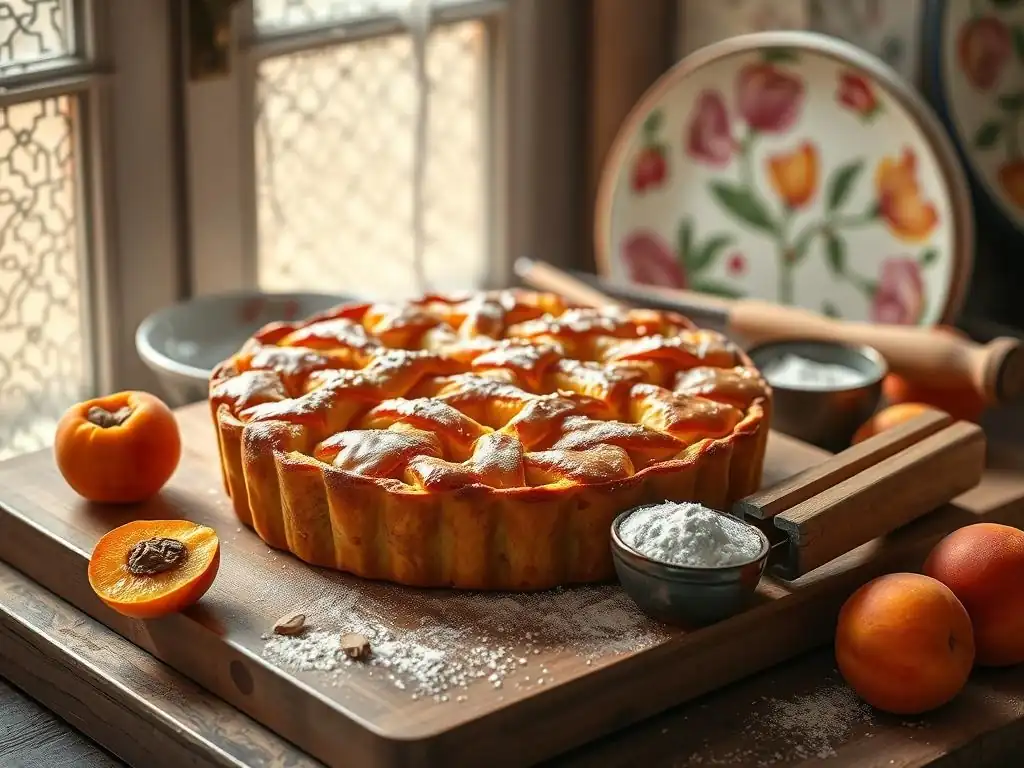
Baking your own Kuchen using an Easy Chilean Kuchen recipe is a rewarding experience, and the best part is sharing and enjoying the finished product! Serving Kuchen is simple, but pairing it thoughtfully can enhance the experience.
Pairing Kuchen with Beverages: Coffee, Tea, or Wine?
In Chile, Kuchen is most traditionally enjoyed as part of the Once, the afternoon tea/supper. This naturally pairs it with coffee or tea. A strong black tea or a classic Chilean filter coffee are excellent companions, providing a warm contrast to the sweet pastry. The slight bitterness of coffee or the tannins in tea can help balance the sweetness of the fruit or manjar filling.
However, Kuchen is also delicious as a dessert after dinner. Depending on the filling, certain wines can complement its flavors. For fruit Kuchens, especially those with apple or stone fruits, a late-harvest dessert wine or a Moscato can be a lovely pairing, echoing the fruit notes. For Berry Kuchen, a slightly sweeter rosé or a light-bodied red with fruity notes might work. For the rich Dulce de Leche Kuchen, a robust coffee or even a sweet sherry could be considered. Ultimately, the best pairing is what you enjoy most!
Kuchen as Part of Chilean Celebrations and Traditions
Kuchen holds a special place in Chilean culture, particularly in the southern regions with strong German heritage. It is a staple at family gatherings, birthday parties, and holiday celebrations. Alongside other German-influenced pastries and traditional Chilean sweets, Kuchen contributes to the festive atmosphere. It's often brought to potlucks or served when guests visit for Once.
In communities with German roots, baking and sharing Kuchen is a way to maintain cultural connections and pass down traditions. It's a symbol of hospitality and abundance. While you might find Kuchen de Manzana or Kuchen de Mora readily available in bakeries, the homemade version, often made from cherished family recipes, holds particular significance. It embodies the warmth and generosity of Chilean home cooking and German baking expertise combined.
A homemade Kuchen is a wonderful gift, showing care and effort. Whether you've followed an Easy Chilean Kuchen recipe to make a classic apple or ventured into a berry variation, presenting a freshly baked Kuchen is a gesture that is always appreciated. It's perfect for bringing to a dinner party, gifting to a neighbor, or sharing with colleagues.
Wrap the cooled Kuchen carefully in foil or place it in a decorative box. Include a note mentioning the type of filling and perhaps a little about the history of Chilean Kuchen. Sharing your baking allows others to experience the delicious flavors and cultural story behind this unique pastry. It's a simple act that spreads joy and connects people through the universal language of food.
Mastering the Easy Chilean Kuchen Recipe: Bake With Ease and Enjoy!
You've explored the history, variations, and steps involved in making this delightful pastry. With an Easy Chilean Kuchen recipe and the tips shared on BakeWithEase.com, you are well-equipped to create your own masterpiece.
Celebrate the German Influence in Latin American Baking
Baking Chilean Kuchen is a delicious way to celebrate the fascinating cultural fusion that occurred when German immigrants settled in Chile. Each slice tells a story of adaptation, community, and the enduring power of culinary traditions. By making this pastry, you're honoring that heritage and keeping the tradition alive. It's a testament to how food can bridge cultures and create something new and wonderful.
Your Journey to Kuchen Perfection Starts Here
Embark on your baking adventure today! Gather your ingredients, follow our Easy Chilean Kuchen recipe, and experience the simple joy of creating this beloved Chilean pastry. Don't be afraid to experiment with different fillings and make it your own. Practice makes perfect, and every Kuchen you bake will bring you closer to mastering this delicious treat. Visit BakeWithEase.com for more simple recipes and tips to help you on your baking journey. Happy Baking!
Frequently Asked Questions
What exactly is Chilean Kuchen?
Chilean Kuchen is a type of baked tart or cake influenced by German baking traditions that have become integrated into Chilean cuisine. It typically features a sweet, fruit-filled topping on a pastry base.
Where did the concept of Kuchen come from, and how did it arrive in Chile?
Kuchen originated in Germany, and the recipe arrived in Chile through German immigrants who settled in the country during the 19th and 20th centuries. They brought their baking traditions with them.
Is the "Easy Chilean Kuchen recipe" on BakeWithEase suitable for beginners?
Yes, the recipes on BakeWithEase are designed to be simple and easy to follow, even for beginners. The "Easy Chilean Kuchen recipe" provides step-by-step instructions and uses readily available ingredients.
What kind of fruit fillings are commonly used in Chilean Kuchen?
Common fruit fillings include apples, berries (like raspberries and blueberries), peaches, and plums. The choice of fruit often depends on seasonal availability and personal preference.
Can the "Easy Chilean Kuchen recipe" be adapted for different dietary needs or preferences?
Yes, the recipe can often be adapted. For example, you could use gluten-free flour for a gluten-free version, or substitute the fruit filling with your preferred alternative.
Final Reflection: A Slice of History, A Taste of Home
The enduring popularity of Chilean Kuchen speaks volumes about the power of culinary heritage to transcend borders and generations. This simple cake, born from German immigration to Chile, continues to unite families and communities across Latin America, proving that a recipe can be far more than just a list of ingredients. It's a tangible link to the past, a delicious story whispered from oven to table.
The influence of Kuchen extends far beyond the kitchen; it's a symbol of cultural exchange and adaptation. It represents the beautiful blending of traditions, a testament to how immigrant communities shape and enrich their new homes. The subtle variations in recipes across Chile and beyond reflect this dynamic process, each a unique expression of identity. Food is symbolic of love when words are inadequate.
– Alan D. Wolfelt. This quote perfectly encapsulates the emotional connection many feel to Kuchen, a connection that transcends mere taste and speaks to the heart of cultural memory.
Now, I invite you to consider your own culinary heritage. What recipes hold special meaning for you and your family? Perhaps it's time to bake a Kuchen, to share a piece of history with loved ones, and to experience firsthand the comforting warmth of tradition. Let the simple act of baking become a journey of discovery, a celebration of your own unique story, and a delicious reminder of the enduring power of food to connect us across time and space.
Unleash Your Inner Baker: Craft Your Own Chilean Kuchen!
Thanks for joining us on this delicious journey through the history and recipe of Chilean Kuchen! We hope you've gained a new appreciation for this sweet treat and its fascinating heritage. Now it's time to put your newfound knowledge to the test!
- Bake your own Kuchen: This is your chance to experience the satisfying process and incredible taste for yourself! Find the full recipe on our website (bakewithease.com – not included per instructions). Don't be intimidated; it's easier than you think!
- Share your creation: Show off your baking prowess by posting a picture of your Kuchen on social media and tagging us! Let's build a BakeWithEase community of passionate bakers.
- Explore other Latin American recipes: Discover more delightful treats from the region – we've got a treasure trove of deliciousness waiting to be explored on our site!
Ready to create a Kuchen masterpiece? What unique twist will you add to your baking adventure?