
A Taste of Latin America: Exploring Regional Baking Differences

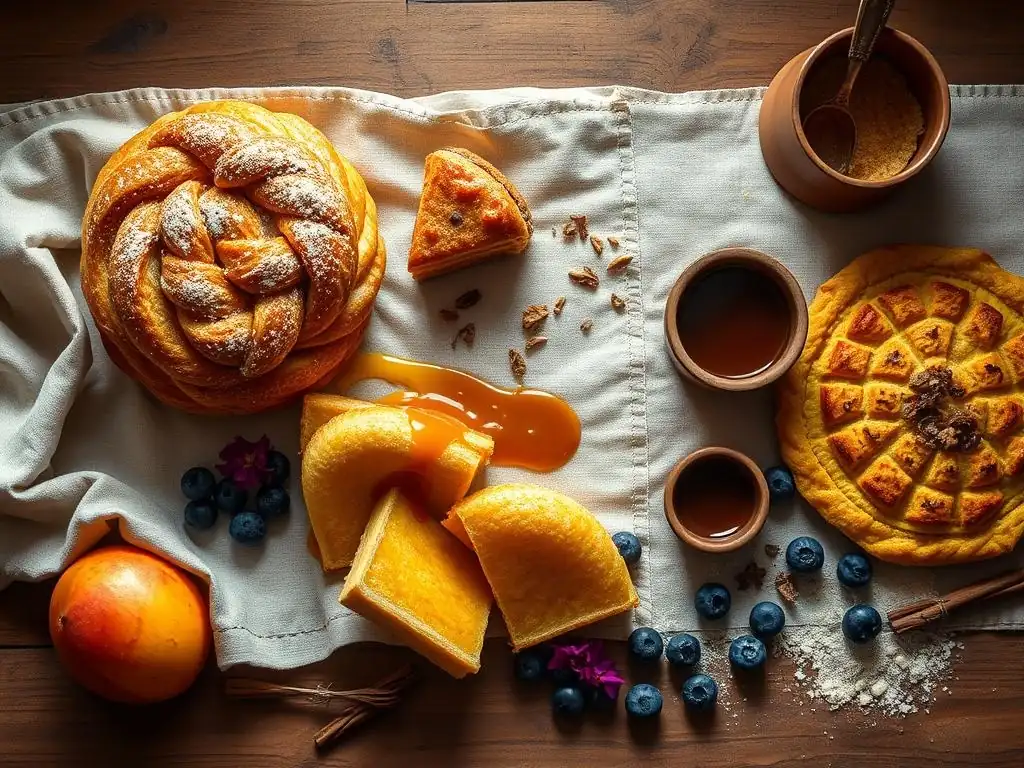
Welcome to BakeWithEase, your passport to the delicious world of baking! Ever wondered what sets a dulce de leche alfajor apart from a tres leches cake? This week, we embark on a culinary journey to uncover the secrets of Latin American baking recipes easy enough for any home baker. Prepare to be amazed by the diverse flavors and traditions – but first, let's explore how regional nuances shape these incredible sweet treats. Intrigued? Let's dive in and discover the differences!
- Discover Authentic Latin American Baking Recipes
- Understanding the Diversity of Latin American Baking
- Exploring Baking Traditions Across Latin America
- Authentic Latin American Baking: Key Ingredients & Techniques
- Adapting Latin American Baking Recipes for Home Bakers
- Conclusion: Embrace the Flavors of Latin America in Your Kitchen
-
Frequently Asked Questions
- What defines Latin American baking, and what makes it unique?
- Are Latin American baking recipes generally considered easy to follow for beginners?
- What are some common ingredients found in Latin American baking?
- Does "A Taste of Latin America: Exploring Regional Baking Differences" cover specific baking techniques?
- Where can I find easy-to-follow Latin American baking recipes on BakeWithEase.com?
- Final Reflection: The Sweet Legacy of Latin American Baking
- Unleash Your Inner Latin American Baker!
Discover Authentic Latin American Baking Recipes
Latin America, a vast and vibrant region, offers a culinary landscape as diverse as its geography. From the snow-capped Andes to the lush Amazon rainforest and sun-drenched coastlines, each country and even distinct regions within countries boast unique baking traditions. These traditions are a fascinating blend of indigenous practices, European colonial influences (primarily Spanish, Portuguese, French, and Italian), and the innovative use of local ingredients.
Exploring Latin American baking recipes is like embarking on a delicious journey, revealing stories baked into every loaf, pastry, and sweet treat. Whether you're a seasoned baker or just starting out, discovering these authentic flavors is a rewarding experience.
Finding easy Latin American baking recipes can open up a whole new world of taste sensations right in your own kitchen. Many traditional recipes, while rich in flavor, can be adapted for home bakers using readily available ingredients and straightforward techniques.
The beauty of these simple Latin American baking recipes lies in their ability to transport you to another culture with just a few key components like corn, dulce de leche, tropical fruits, and aromatic spices. This article will guide you through some of the regional highlights, offering insights into the ingredients, techniques, and stories behind beloved Latin American baked goods, making it easier than you think to try them yourself.
Understanding the Diversity of Latin American Baking
A Continent of Flavors: Regional Variations in Baking
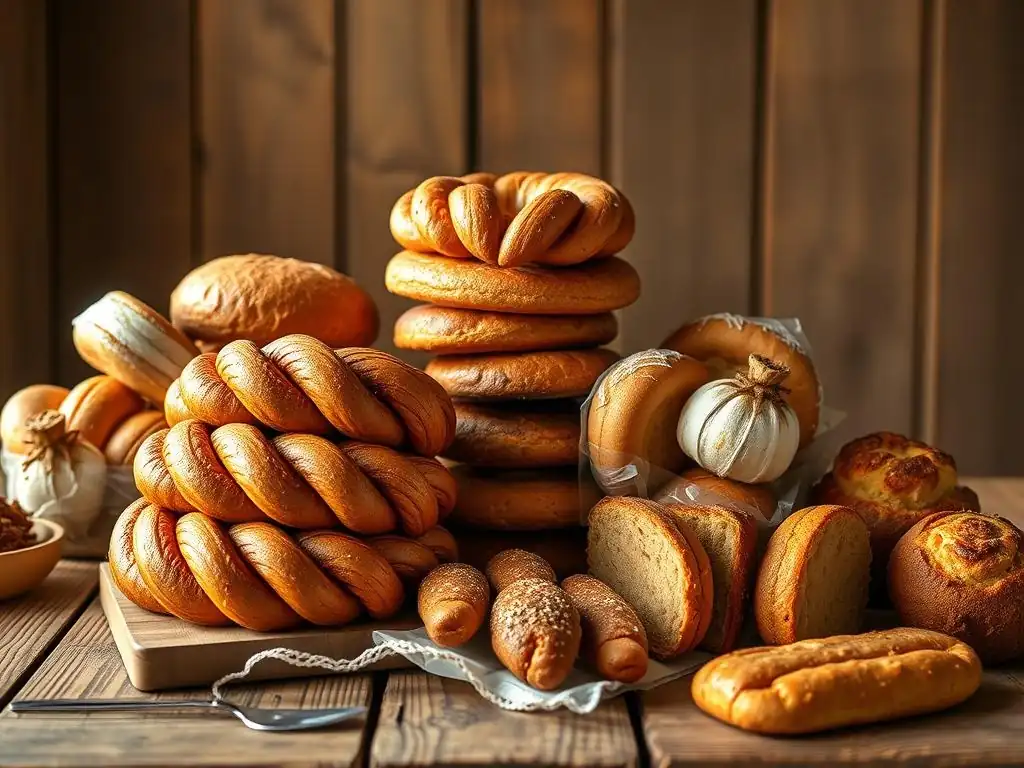
Latin America's immense size and varied climates contribute significantly to its diverse baking landscape. Coastal regions often incorporate coconut and tropical fruits, while Andean communities utilize ancient grains like quinoa and corn. In the Caribbean parts of the region, cassava (yuca) plays a key role in flatbreads and desserts.
For example, in Mexico, baking often features robust spices like chili and cinnamon alongside corn-based doughs, resulting in items like pan de elote (corn bread) or spicy chocolate cakes. Contrast this with Argentina, where European immigration heavily influenced baking, leading to delicate pastries like facturas and alfajores filled generously with dulce de leche.
The variations extend beyond ingredients to techniques and styles. Some regions favor yeast-leavened breads for everyday consumption or festive occasions, while others specialize in unleavened pastries or fried doughs. Consider the difference between Brazilian pão de queijo, small, chewy cheese breads made with tapioca flour, and Venezuelan cachitos, crescent-shaped bread rolls often filled with ham. These examples highlight how local availability of ingredients, historical context, and cultural practices have shaped distinct baking identities across the continent, offering an incredible array of Latin American baking recipes to explore.
The Influence of Indigenous Ingredients on Latin American Baking
Before European colonization, indigenous peoples across Latin America had sophisticated culinary practices, including using native plants for various food preparations. Ingredients like corn (maize), cassava (yuca), sweet potatoes, various beans, chili peppers, and native fruits and nuts formed the basis of their diets. While wheat was introduced by Europeans, these indigenous staples remained crucial and were integrated into new baking traditions. For instance, corn flour or masa is fundamental in many Mexican and Central American baked goods, like tamales (often steamed, but related to dough preparation) and gorditas.
The incorporation of indigenous ingredients often gives Latin American baking its distinctive character. Sweet potatoes are used in some regions to make dense, moist cakes or breads. Cacao, native to the region, is a central flavor in many desserts, from rich Mexican chocolate cakes to simple chocolate drinks accompanying baked goods.
Understanding the role of these native ingredients is key to appreciating the authenticity of many Latin American baking recipes and recognizing the long history and ingenuity behind them. Even when adapting easy Latin American baking recipes for home, sourcing or substituting with these core flavors makes a significant difference.
Exploring Baking Traditions Across Latin America
Mexican Baking: A Sweet and Spicy Affair
Mexican baking is renowned for its vibrant colors, intricate shapes, and bold flavors, often balancing sweetness with hints of spice or savory notes. Pan dulce, or sweet bread, is a cornerstone of Mexican culture, enjoyed for breakfast, snacks, or with coffee. Bakeries across Mexico display dazzling arrays of pan dulce, each with a unique name and shape, reflecting regional creativity. While many items are sweet, ingredients like chili powder, cinnamon, and even avocado find their way into certain baked goods, creating complex and surprising flavor profiles.
The sheer variety of Mexican baked goods is staggering. From simple bolillos (savory rolls) to elaborate celebratory cakes ( pasteles), baking is deeply woven into daily life and special occasions. Festive breads like Pan de Muerto, prepared for the Day of the Dead, demonstrate the cultural significance and artistry involved. Exploring Mexican baking recipes, whether traditional or simplified versions, offers a delightful entry point into the rich culinary heritage of the country. Many simple Latin American baking recipes from Mexico are surprisingly easy to recreate at home.
Traditional Mexican Breads: Conchas
Conchas are perhaps the most iconic type of pan dulce. These soft, slightly sweet rolls are topped with a crumbly streusel-like topping that is scored to resemble a seashell (concha means shell in Spanish). The topping is typically made from flour, sugar, and butter or shortening, often flavored with vanilla, chocolate, or sometimes a hint of cinnamon. The contrast between the soft, fluffy interior and the slightly crisp, sweet topping is what makes them so beloved.
Making conchas involves preparing a slightly enriched yeast dough, shaping it into rounds, and then pressing a pre-made disk of the topping onto the top before proofing and baking. While traditional methods can be time-consuming, many adaptations exist to make conchas more accessible for home bakers looking for easy Latin American baking recipes. They are best enjoyed fresh, often dipped in hot chocolate or coffee.
Common Mexican Baking Ingredients: Canela (Mexican Cinnamon)
Mexican baking frequently uses canela, often referred to as Ceylon cinnamon or true cinnamon ( Cinnamomum verum), which is distinct from the more common Cassia cinnamon ( Cinnamomum aromaticum). Mexican cinnamon has a softer, more delicate, and sweeter flavor profile with subtle citrusy and floral notes, whereas Cassia is stronger, spicier, and woodier. This difference significantly impacts the final taste of baked goods.
Canela is essential in many Mexican desserts and drinks, including rice pudding ( arroz con leche), churros, certain types of pan dulce, and the ubiquitous café de olla (pot coffee). Its subtle complexity complements chocolate and other traditional flavors without overpowering them. When attempting authentic Latin American baking recipes from Mexico, using canela where specified is highly recommended for achieving the intended flavor profile.
Argentinian Baking: European Influences and Local Twists
Argentinian baking reflects the country's significant European immigration, particularly from Italy and Spain. Pastries ( facturas) and breads often resemble those found in Mediterranean countries but with a distinct Argentinian flair, primarily through the generous use of dulce de leche. Bakeries ( panaderías) are central to community life, offering a wide assortment of baked goods for breakfast, merienda (afternoon tea/snack), and dessert.
While classic European techniques are evident, Argentinian bakers have perfected the use of local ingredients and developed unique national favorites. The emphasis is often on rich, sometimes flaky doughs and decadent fillings. From the ubiquitous medialunas to elaborate layered cakes and delicate alfajores, Argentinian baking offers a sweet and satisfying experience. Many Argentinian-inspired easy Latin American baking recipes focus on simple doughs paired with delicious fillings like dulce de leche.
Argentinian Pastries: Medialunas
Medialunas, meaning "half moons," are the Argentinian equivalent of croissants, though they are typically smaller, sweeter, and denser than their French counterparts. They come in two main varieties: de manteca (butter), which are richer and flakier, and de grasa (lard), which are more savory and dense. Both are glazed with a sugary syrup after baking, giving them a characteristic shine and sweetness.
Medialunas are a staple of Argentinian breakfast and merienda, often enjoyed with coffee or mate. While making classic medialunas involves laminating dough, simpler versions and recipes exist that aim to capture their essence without the intensive labor, making them a potential addition to your repertoire of easy Latin American baking recipes.
The Importance of Dulce de Leche in Argentinian Baking
Dulce de leche, a thick, caramel-like spread made by slowly heating sweetened milk, is virtually synonymous with Argentinian baking (and much of Latin American dessert culture). In Argentina, it is not just a filling; it's a national obsession. It is used liberally as a filling for alfajores, facturas, cakes, and tarts, and is also spread on bread or eaten by the spoonful.
The quality and texture of dulce de leche are paramount. Traditional methods involve simmering milk and sugar for hours until it transforms into a rich, brown, spreadable confection. While store-bought versions are widely available, homemade dulce de leche is prized for its depth of flavor. Its creamy sweetness is a defining characteristic of many Argentinian desserts, making any Latin American baking recipe featuring it instantly recognizable.
Brazilian Baking: Tropical Flavors and Unique Techniques
Brazilian baking is a vibrant mix of Portuguese heritage, indigenous ingredients, and African influences, resulting in a diverse range of sweet and savory baked goods. Tropical fruits like passion fruit, guava, and coconut feature prominently, lending bright, exotic flavors to cakes, tarts, and puddings. The use of cassava flour ( polvilho) is also common, notably in the famous pão de queijo.
Brazilian sweets often have unique textures and preparations. Many desserts are cooked on the stovetop before being baked or chilled, resulting in dense, rich treats. Festive baking is particularly important, with elaborate cakes and sweets prepared for celebrations like birthdays and holidays. Exploring Brazilian Latin American baking recipes offers a taste of the country's sunny disposition and love for flavorful ingredients.
Brazilian Cakes and Desserts: Bolo de Rolo
Bolo de Rolo is a famous dessert from the state of Pernambuco in Northeast Brazil. It is a thin cake made from a butter-based dough, spread with a generous layer of guava paste ( goiabada), and then rolled up tightly like a log. The rolling process is repeated multiple times, creating many thin layers of cake and filling. It's then typically dusted with powdered sugar.
The key to a good Bolo de Rolo is the thinness of the cake layers and the even distribution of the guava paste. It's a delicate process that requires practice, but the result is a visually striking and delicious dessert. While perhaps not the simplest of Latin American baking recipes, it represents a unique Brazilian technique and flavor combination.
Using Tropical Fruits in Brazilian Baking Recipes
Tropical fruits are abundant in Brazil and are essential to its baking. Guava is used in pastes and fillings ( goiabada), often paired with cheese. Passion fruit adds a tart, fragrant note to mousses, tarts, and cake glazes. Coconut is used in various forms – grated, milk, or flakes – in cakes like Bolo de Coco or sweets like Beijinho. Mango, pineapple, and acai also find their way into desserts.
Incorporating tropical fruits adds natural sweetness, moisture, and distinctive aromas to baked goods. Using fresh or high-quality fruit purees and pastes is key to achieving authentic flavors in Brazilian Latin American baking recipes. This focus on fresh, local produce gives Brazilian sweets a light, refreshing quality even when they are rich.
Peruvian Baking: Ancient Grains and Modern Creations
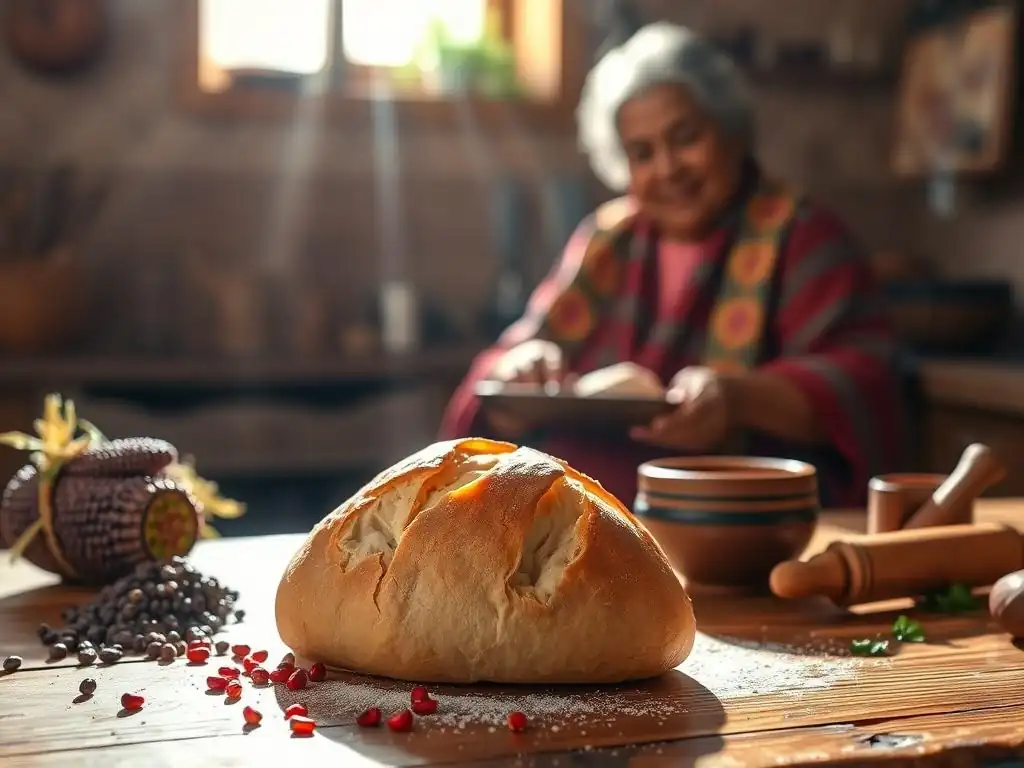
Peruvian baking is a fascinating blend of indigenous traditions, Spanish influences, and more recent fusions. While classic Spanish pastries are common, Peruvian bakers also incorporate ancient Andean grains like quinoa and ingredients like purple corn and lucuma fruit into modern and traditional recipes. This creates a unique culinary identity that is gaining international recognition.
Peruvian sweets often feature rich fillings and sometimes incorporate spices like anise. Bread is also important, with regional variations reflecting local ingredients and customs. The country's rich agricultural diversity provides a wide pantry for bakers to draw from, resulting in innovative and flavorful creations alongside time-honored favorites. Looking for easy Latin American baking recipes from Peru might involve exploring adaptations of traditional sweets or breads using readily available grains.
Traditional Peruvian Breads: Tanta Wawa
Tanta Wawa (also spelled Tantawawa) are traditional sweet breads baked for specific cultural celebrations, particularly around the Day of the Dead (Día de los Muertos) in the Andean regions of Peru and Bolivia. These breads are shaped like babies, figures, or animals and are often decorated with colorful icing, sprinkles, or small candies. They represent the souls of the departed and are placed on altars ( ofrendas).
The dough is typically enriched with eggs and sometimes flavored with anise. While the shapes are symbolic and require some artistic touch, the basic dough for Tanta Wawa is similar to other sweet enriched breads and can be adapted by home bakers interested in cultural Latin American baking recipes. The act of shaping and decorating is as much a part of the tradition as the baking itself.
The Role of Quinoa in Peruvian Baking
Quinoa, an ancient grain cultivated in the Andes for thousands of years, has seen a resurgence in popularity globally for its nutritional value. In Peruvian baking, it's not just a modern health food trend; it's a traditional ingredient that is being rediscovered and incorporated in new ways. Quinoa flour can be used in breads, cakes, and cookies, often lending a slightly nutty flavor and unique texture.
While traditionally used in savory dishes or as a base, quinoa is increasingly found in sweet applications. It can be used cooked and added to batters for moisture and texture, or as flour to replace or supplement wheat flour. Exploring Latin American baking recipes that use quinoa offers a way to incorporate this nutritious grain while experiencing a taste of the Andes.
Colombian Baking: A Blend of Indigenous and Spanish Heritage
Colombian baking showcases a delightful mix of Spanish colonial influence and the use of abundant local ingredients. Sweet and savory pastries are popular snacks, often enjoyed with coffee or hot chocolate. Ingredients like panela (unrefined cane sugar), cheese, corn, and various fruits are staples in Colombian baked goods.
Regional variations are significant. For example, in the Paisa region, corn-based preparations are common, while coastal areas might feature coconut and tropical fruits more heavily. Colombian baking often features simple, comforting flavors and textures, making many traditional items easily adaptable into easy Latin American baking recipes for home kitchens.
Colombian Sweet Treats: Obleas
Obleas are a popular street food and dessert throughout Colombia (and other parts of Latin America). They consist of two very thin, large wafers, often flavored with vanilla or anise, sandwiched together with a filling. The most classic filling is arequipe (the Colombian version of dulce de leche), but other fillings include fruit jams, cheese, shredded coconut, and even sprinkles.
The wafers themselves are simple – essentially large, thin cookies. Making them involves a specialized iron, similar to a waffle iron but designed for flat, thin wafers. While the iron might be a barrier for some, the concept of filling thin wafers is straightforward, making obleas a simple yet delicious example of a Colombian sweet treat. Finding or making the wafers is the main step for this easy Latin American baking recipe.
Coffee's Influence on Colombian Baking
As one of the world's largest coffee producers, it's no surprise that coffee plays a role in Colombian baking, both as an ingredient and as a traditional accompaniment. Coffee flavor is incorporated into cakes, cookies, and creams. Moreover, enjoying baked goods with a cup of strong Colombian coffee is a beloved ritual across the country.
Many Colombian pastries and breads are designed to be dipped into hot beverages, including coffee or thick hot chocolate. The pairing of slightly sweet or savory baked goods with the rich, sometimes acidic flavor of Colombian coffee is a perfect match. When trying Colombian Latin American baking recipes, don't forget the coffee!
Authentic Latin American Baking: Key Ingredients & Techniques
Essential Ingredients for Authentic Latin American Baking
Achieving authentic flavors in Latin American baking recipes relies heavily on using key ingredients that are characteristic of the region. While substitutions are possible for ease, understanding the role of these core components is vital. Beyond the obvious flour, sugar, and eggs, unique flours, specific types of sweeteners, and regional flavorings are crucial.
Many traditional recipes call for ingredients that might be less common in a standard pantry but are widely available in Latin America or international markets. Familiarizing yourself with these ingredients is the first step to successfully tackling more authentic Latin American baking recipes, even when seeking easy versions.
Common Flours and Sugars Used in Latin American Baking
While wheat flour is widely used due to European influence, other flours are equally important. Corn flour (masa harina or finely ground cornmeal) is fundamental in Mexico and Central America for items like arepas and tamales. Tapioca flour (cassava flour or polvilho) is essential for the chewy texture of Brazilian pão de queijo. Rice flour is also used in certain sweets and gluten-free preparations.
For sweeteners, white granulated sugar is common, but panela (also known as piloncillo or rapadura), an unrefined whole cane sugar, adds a distinct caramel-like depth of flavor. It comes in blocks or cones and needs to be grated or dissolved. Using panela instead of white sugar can significantly alter the flavor profile of a Latin American baking recipe, giving it a more rustic and authentic taste.
The Importance of Spices and Flavorings
Spices are used generously and distinctively in Latin American baking. Cinnamon ( canela), as discussed, is paramount, especially in Mexican and Andean baking. Anise seeds lend a subtle licorice-like flavor to breads and cookies in many regions. Cloves and allspice are also used, often in combination with cinnamon. Vanilla, native to the region, provides a classic sweet aroma.
Beyond spices, flavorings like citrus zest (lime, orange), rum, and coffee are frequently incorporated. The use of specific regional extracts or essences can also contribute to authenticity. Understanding how these spices and flavorings are used is key to recreating true Latin American baking recipes. Don't be shy with the cinnamon or anise if the recipe calls for it!
Mastering Key Baking Techniques for Latin American Desserts
While some Latin American baking techniques are unique, many are variations of universal baking methods like creaming butter and sugar, kneading dough, or preparing custards. However, certain preparations require specific handling to achieve the desired texture and result.
Learning these specific techniques can elevate your Latin American baking from good to great. While some traditional methods can be complex, many easy Latin American baking recipes simplify these steps while still retaining the essence of the dish.
Working with Alfajores Dough: Tips and Tricks
Alfajores are delicate shortbread cookies, traditionally sandwiched with dulce de leche and often dusted with powdered sugar or coated in chocolate. The dough is typically made with cornstarch ( maicena) in addition to wheat flour, which gives the cookies their characteristic tender, melt-in-your-mouth texture.
The key to working with alfajores dough is to avoid overworking it. It's a fragile dough that benefits from gentle handling. Chilling the dough before rolling and cutting helps prevent spreading during baking. Baking at a relatively low temperature ensures they cook through without browning excessively, keeping them pale and tender. These simple tips make preparing alfajores dough much easier.
Achieving the Perfect Pio Quinto Texture
Pio Quinto is a traditional Colombian dessert, somewhat like a moist rum cake, often made with dried fruits, nuts, and heavily flavored with rum and spices like cinnamon and cloves. It's typically baked in a round pan, then soaked in a rum syrup. The desired texture is dense, moist, and crumbly, but not dry.
Achieving this texture requires careful attention to the balance of wet and dry ingredients and the baking time. Overbaking will result in a dry cake, while underbaking will make it too dense or gummy. The soaking step is crucial for moisture and flavor. Using quality rum and allowing the cake to absorb the syrup fully are key to the perfect Pio Quinto. While the ingredients list might seem long, the process is manageable for home bakers seeking a rewarding Latin American baking recipe challenge.
Adapting Latin American Baking Recipes for Home Bakers
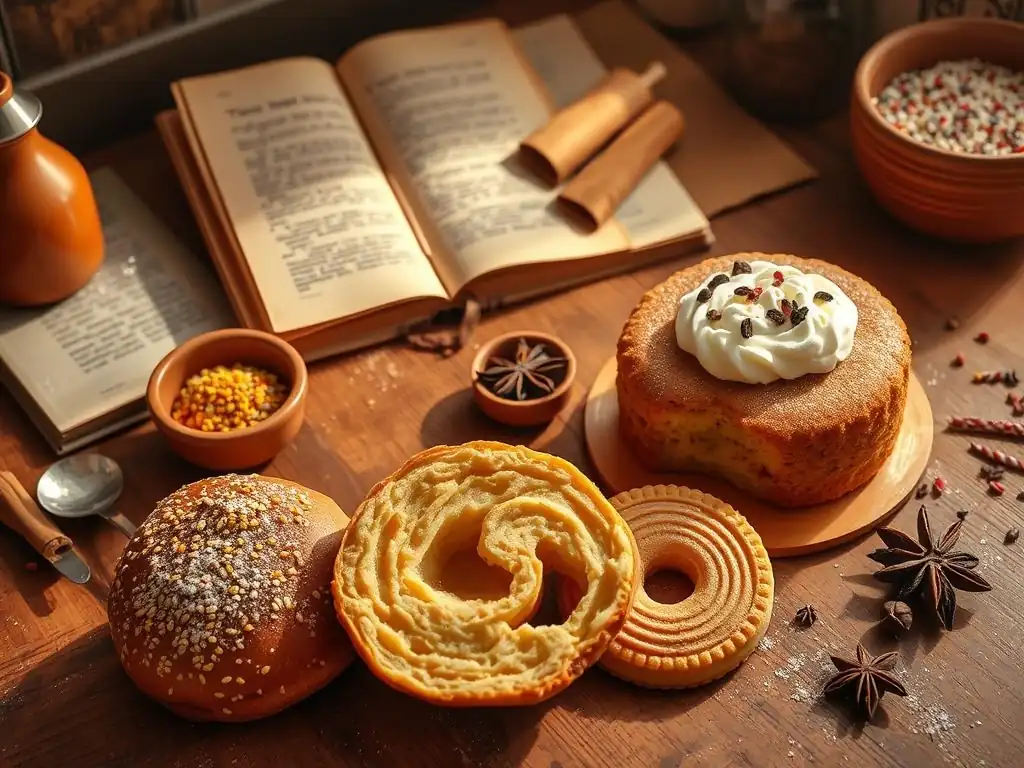
Making authentic Latin American baking recipes accessible for home bakers often involves smart adaptations and substitutions. Not everyone has access to specialty flours or ingredients, and sometimes simpler techniques are preferred for weeknight baking. The goal is to capture the spirit and flavor profile of the original recipe using what's available.
Finding easy Latin American baking recipes often means looking for versions that use standard pantry staples or suggest common substitutions. This allows more people to experience the joy of baking these delicious treats without extensive searching for ingredients or mastering complex, traditional methods.
Baking with Alternative Sweeteners
For health reasons or dietary preferences, home bakers might want to adapt Latin American baking recipes to use alternative sweeteners instead of traditional sugar or panela. Depending on the recipe, options like maple syrup, agave nectar, honey, or artificial sweeteners can sometimes be used.
However, it's important to note that alternative sweeteners can affect the texture, moisture content, and browning of baked goods differently than sugar. For example, liquid sweeteners add moisture and may require adjusting other liquid ingredients. Granulated sugar substitutes may not provide the same structure or caramelization. Experimentation is often needed to find the best substitute for a specific Latin American baking recipe while maintaining a desirable outcome.
Substitutions and Adaptations for Easy Baking at Home
Many traditional Latin American baking recipes can be simplified or adapted for convenience. For instance, if a recipe calls for fresh guava paste, a good quality store-bought version can be used. If masa harina is unavailable, a combination of cornmeal and all-purpose flour might work for some recipes, although the texture won't be identical.
- Can't find dulce de leche? You can make a simple version at home by simmering a can of sweetened condensed milk (carefully!) or dissolving caramel candies.
- No canela? While not the same, using regular Cassia cinnamon is an acceptable substitute in most recipes, though use slightly less if it's very strong.
- Don't have panela? Brown sugar or a mix of white sugar and molasses can approximate its flavor, though the depth won't be quite the same.
These kinds of substitutions make many Latin American baking recipes easy and approachable. The key is to understand the function of the original ingredient and find the best possible alternative available to you.
Conclusion: Embrace the Flavors of Latin America in Your Kitchen
Exploring Latin American baking is a delightful adventure filled with rich history, diverse ingredients, and incredible flavors. From the spicy sweetness of Mexico to the dulce de leche delights of Argentina, the tropical treats of Brazil, the ancient grains of Peru, and the comforting classics of Colombia, there's a vast world of baked goods waiting to be discovered. Many traditional items can be adapted into easy Latin American baking recipes, making them accessible for any home baker.
Don't be intimidated by unfamiliar ingredients or techniques. Start with simple Latin American baking recipes that pique your interest. Gather your ingredients, perhaps find a good source for dulce de leche or canela, and dive in. Baking is a journey of discovery, and bringing the vibrant tastes of Latin America into your kitchen is a rewarding step. So preheat your oven, gather your ingredients, and get ready to enjoy the sweet, complex, and utterly delicious world of Latin American baking!
Frequently Asked Questions
What defines Latin American baking, and what makes it unique?
Latin American baking encompasses a diverse range of regional traditions and flavor profiles. It's unique due to its use of local ingredients and techniques passed down through generations.
Are Latin American baking recipes generally considered easy to follow for beginners?
While some recipes can be complex, many Latin American baking recipes are indeed easy to follow, especially when adapted for home cooks. BakeWithEase.com focuses on making these recipes accessible.
What are some common ingredients found in Latin American baking?
Common ingredients include cornmeal, dulce de leche, tropical fruits, and spices like cinnamon and cloves. These regional specialties contribute to the distinctive flavors.
Does "A Taste of Latin America: Exploring Regional Baking Differences" cover specific baking techniques?
Yes, the article touches upon regional variations in baking techniques, showcasing how methods differ across Latin American countries. We aim to simplify these techniques for easy learning.
Where can I find easy-to-follow Latin American baking recipes on BakeWithEase.com?
BakeWithEase.com offers a dedicated section for Latin American baking recipes, featuring step-by-step guides and ingredient lists. Look for recipes tagged with "easy Latin American baking recipes".
Final Reflection: The Sweet Legacy of Latin American Baking
The vibrant tapestry of Latin American baking traditions continues to weave its way into our kitchens, offering a delicious portal to diverse cultures and a surprisingly accessible entry point for home bakers. The ease with which many of these recipes can be adapted to readily available ingredients makes them not just a culinary adventure, but a truly rewarding one. This accessibility, coupled with the rich history and unique flavors, ensures that these traditions will continue to thrive.
The exploration of these regional differences has been a deeply enriching experience, highlighting the power of food to connect us across borders and generations. The sheer variety of techniques and ingredients, from the delicate arepas of Venezuela to the robust empanadas of Argentina, underscores the profound impact of history, climate, and cultural exchange on culinary practices. Food is symbolic of love when words are inadequate.
- Alan D. Wolfelt. This quote perfectly encapsulates the emotional connection we feel to these recipes, extending beyond mere sustenance to a celebration of heritage and community.
Now, it's your turn. Consider the recipes you've discovered within this article – which one sparks your curiosity the most? Which flavor profile calls to you? I encourage you to step into your kitchen, embrace the adventure, and create your own taste of Latin America. Let the simple act of baking transport you to another place, connect you to a rich history, and share the joy of these delicious traditions with those you love. The journey of discovery awaits!
Unleash Your Inner Latin American Baker!
Thanks for joining us on this delicious journey through the diverse world of Latin American baking! We hope you’ve gained a new appreciation for the unique flavors and techniques of each region. Ready to put your newfound knowledge to the test?
- Bake your own arepas: This is the perfect way to put your new skills to the test and enjoy the delicious fruits of your labor! Try a variation from a region you found particularly interesting.
- Share your baking adventures: Post pictures of your creations on social media and tag us! We'd love to see your culinary triumphs and learn from your experiences. Use #BakeWithEaseLatinAmerica.
- Explore further: Dive deeper into the history and culture behind your favorite Latin American pastry – you might be surprised by what you discover!
What unexpected ingredient will you try in your next Latin American baking experiment?