
Argentinian Facturas: Bake These Essential Breakfast Pastries

Welcome to BakeWithEase, your trusted guide to the delightful world of baking!
Ever dreamt of crafting those irresistible, flaky pastries you see in Argentinian bakeries? Dive in and discover our beginner-friendly Argentinian facturas recipe, where we break down each step to ensure baking success. Uncover the secrets to these essential breakfast treats and get ready to impress your friends and family with your newfound skills. Intrigued? Keep reading to embark on your baking adventure!
- Argentinian Facturas: Bake These Essential Breakfast Pastries with Ease
- Introduction to Argentinian Facturas: A Beginner's Baking Guide
- Essential Ingredients for Your Argentinian Facturas Recipe
- Step-by-Step Argentinian Facturas Recipe for Beginners
- Glazing and Filling Your Homemade Facturas
- Tips and Tricks for Baking the Best Argentinian Facturas
- Variations on the Classic Argentinian Facturas Recipe
- Enjoying Your Argentinian Facturas: Serving Suggestions and Pairings
- Conclusion: Mastering Argentinian Facturas and Expanding Your Baking Skills
- Frequently Asked Questions
- Final Reflection: The Enduring Magic of Argentinian Facturas
- Unleash Your Inner Pastelero: Bake Argentinian Facturas Today!
Argentinian Facturas: Bake These Essential Breakfast Pastries with Ease
Introduction to Argentinian Facturas: A Beginner's Baking Guide
What are Argentinian Facturas? Understanding These Delicious Pastries
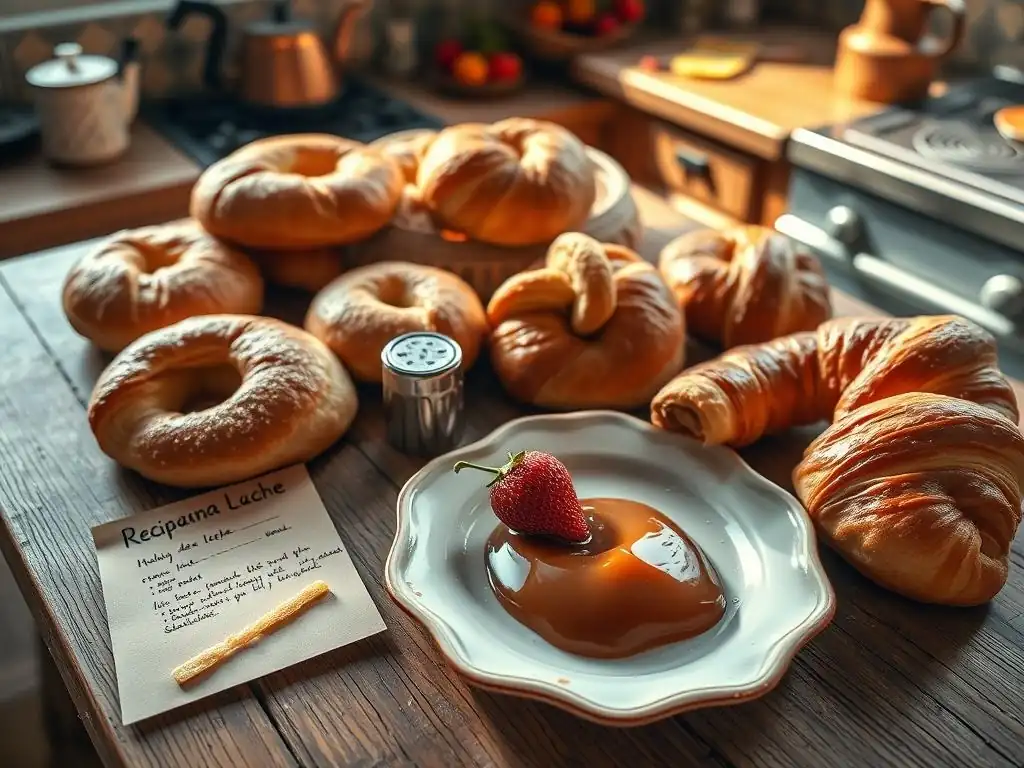
Argentinian facturas are a delightful category of sweet pastries, deeply embedded in the country's culinary fabric. More than just a treat, they are a cultural institution, typically enjoyed with coffee or mate for breakfast ( desayuno) or afternoon tea ( merienda).
The term "facturas" is a broad umbrella covering a wide variety of shapes, fillings, and dough types, ranging from flaky croissants (medialunas) to jam-filled puffs and cream-filled doughnuts. Visiting a local panadería (bakery) in Argentina reveals shelves brimming with dozens of different kinds, each with its own charming name, often reflecting whimsical or historical references like vigilantes (watchmen) or sacramentos (sacraments).
These pastries are characterized by their tender texture, often achieved through enriched doughs containing eggs, milk, and butter or margarine. While some facturas feature a laminated dough similar to croissants, many others use simpler, brioche-like doughs, making them surprisingly accessible for home bakers. The appeal lies not just in their taste but in the ritual of sharing them with family and friends. Mastering a basic Argentinian facturas recipe for beginners opens the door to recreating this beloved tradition in your own kitchen, bringing a taste of Argentina right to your table.
Why Bake Facturas at Home? A Simple Recipe for Beginners
Baking facturas at home offers several compelling advantages, especially when starting with an easy Argentinian facturas recipe designed for beginners. Firstly, the freshness is unparalleled. Warm facturas straight from the oven, filling your home with their sweet aroma, are an experience store-bought pastries simply cannot match. You have complete control over the quality of ingredients, allowing you to choose butter over margarine, organic flour, or specific flavorings, tailoring the result to your personal preference and dietary needs (within the scope of the classic recipe).
Furthermore, baking facturas can be a rewarding and enjoyable process. This specific Argentinian facturas recipe for beginners breaks down the steps into manageable stages, making it less intimidating than tackling complex laminated doughs right away. It’s a fantastic way to practice fundamental baking techniques like kneading, proofing, and shaping.
While a large panadería might produce hundreds or even thousands of facturas daily, starting with a batch of a dozen or two at home provides a tangible sense of accomplishment. It allows you to connect with the food you eat and share that joy with others, making any gathering feel a little more special.
Essential Ingredients for Your Argentinian Facturas Recipe
Flour Power: Choosing the Right Flour for Authentic Facturas
The type of flour you choose significantly impacts the texture of your homemade facturas. For a classic Argentinian facturas recipe, you'll typically want a flour that provides enough structure to hold the shape while still yielding a tender crumb. All-purpose flour is a widely available and suitable choice for beginners.
It has a moderate protein content, usually ranging from 10% to 12%, which is sufficient for developing gluten during kneading without making the dough excessively tough. Using around 500 grams of good quality all-purpose flour is a common starting point for a standard batch, yielding roughly 12-18 facturas depending on size and shape.
Some traditional recipes, particularly those for medialunas which aim for a slightly chewier interior, might suggest using bread flour, which has a higher protein content (12-14%). This extra protein helps develop more gluten, resulting in a stronger, more elastic dough capable of trapping more gas during proofing and creating a chewier texture. However, for an easy Argentinian facturas recipe focused on simplicity, all-purpose flour is forgiving and produces excellent results, yielding facturas that are soft and satisfying. Ensure your flour is fresh and stored properly to avoid any off-flavors or issues with leavening.
Sweetness and Spice: Sugar, Honey, and Flavor Enhancers
Sweetness is a defining characteristic of facturas, and sugar plays a crucial role not just in taste but also in the dough's structure and browning. Granulated sugar is the standard choice for the dough itself, providing food for the yeast and contributing to a tender crumb. A typical recipe might call for anywhere from 50 to 150 grams of sugar per 500 grams of flour, depending on how sweet the final pastry is intended to be. Sugar also helps the crust brown beautifully in the oven, giving facturas their appealing golden hue.
Beyond sugar, other elements enhance the flavor profile. A touch of honey or malt extract is often added to the dough. Honey, perhaps 1-2 tablespoons per batch, adds a subtle depth of flavor and contributes to moisture and browning.
Flavor enhancers like vanilla extract (a teaspoon or two), citrus zest (from one lemon or orange), or even a pinch of ground anise or cinnamon are commonly used to give the facturas a distinctive aroma and taste. For example, bolas de fraile are often flavored with vanilla and sometimes a hint of rum or citrus zest, adding layers of complexity to the simple fried dough.
The Binding Agent: Yeast and Other Leavening Options
Yeast is the primary leavening agent in most Argentinian facturas recipes, responsible for making the dough rise and creating a light, airy texture. For beginners, using instant dry yeast is often the easiest option. It can typically be mixed directly into the dry ingredients without prior activation, saving a step.
A standard amount is usually around 7-10 grams of instant yeast for 500 grams of flour, though this can vary based on the brand and recipe specifics. Active dry yeast is another common choice but requires proofing in warm liquid (like milk or water) with a pinch of sugar for about 5-10 minutes until foamy before being added to the dough.
While yeast provides the primary lift through fermentation, some recipes might incorporate a small amount of baking powder, perhaps 1-2 teaspoons, particularly in richer doughs or those intended to be fried quickly like bolas de fraile. Baking powder provides an additional chemical lift during baking or frying, contributing to a lighter texture, especially when combined with the slower action of yeast.
The leavening process is crucial; allowing sufficient time for the dough to rise, often doubling in bulk over 1-2 hours in a warm place (around 24-27°C or 75-80°F), is key to achieving the characteristic soft crumb of homemade facturas.
Step-by-Step Argentinian Facturas Recipe for Beginners
Preparing the Dough: Mixing, Kneading, and Proofing
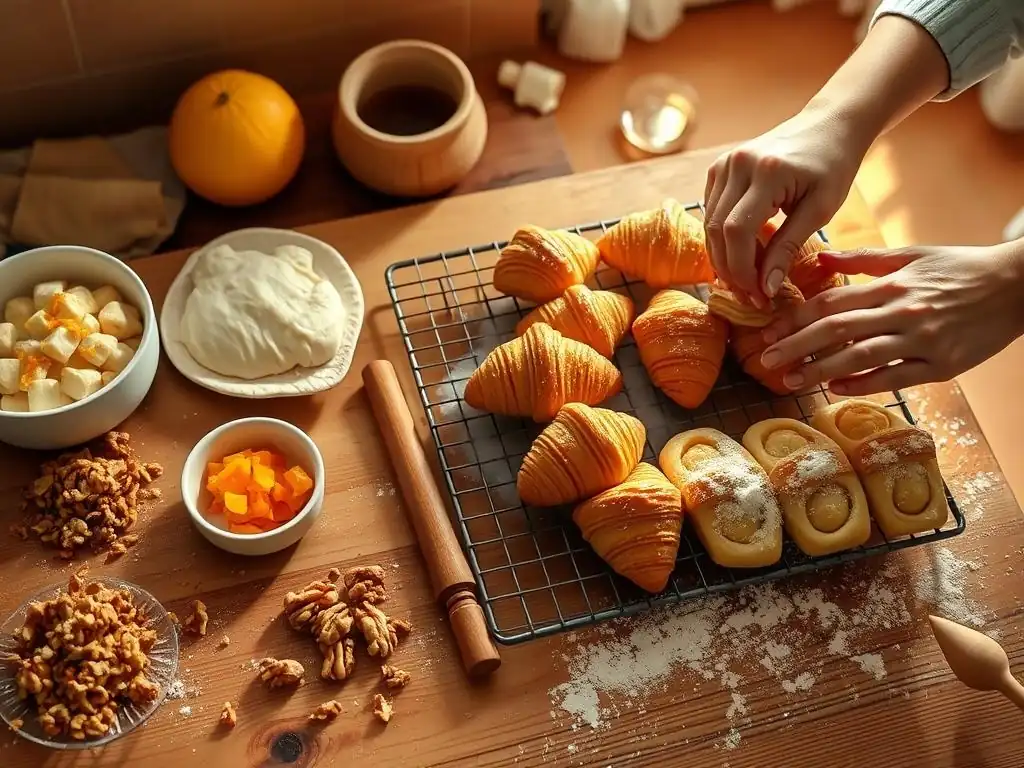
Making the dough for your Argentinian facturas recipe starts with combining the dry ingredients: flour, sugar, yeast, and salt (usually about 5-10 grams of salt per 500g flour to balance the sweetness). In a separate bowl, whisk together the wet ingredients: warm milk (around 200-250 ml, heated to about 35-40°C or 95-105°F – warm but not hot), eggs (1-2 large eggs), and melted butter or margarine (50-100g). Ensure the melted fat isn't too hot, as it can kill the yeast. Combine the wet and dry ingredients, mixing until a shaggy dough forms.
Turn the dough out onto a lightly floured surface and knead. Kneading develops the gluten structure, making the dough elastic and smooth. Knead for about 8-10 minutes by hand, or 5-7 minutes using a stand mixer with a dough hook on medium speed, until the dough is smooth, pliable, and passes the windowpane test (you can stretch a small piece thin enough to see light through it without tearing).
Place the kneaded dough in a lightly oiled bowl, cover it with plastic wrap or a damp cloth, and let it rise in a warm place until it has doubled in size. This first proofing typically takes 1 to 2 hours, depending on the temperature of your kitchen and the yeast activity.
Shaping the Facturas: Mastering Classic Argentinian Pastry Shapes
Once the dough has doubled, gently punch it down to release the air. Turn it out onto a lightly floured surface and divide it into portions depending on the type of factura you're making. For this easy Argentinian facturas recipe, we'll focus on a few classic shapes. Roll each portion or the entire dough out to a thickness of about 0.5 cm (about 1/4 inch).
Medialunas: The Iconic Crescent Roll
To shape medialunas (literally "half moons"), cut the rolled-out dough into triangles, similar to croissants. The size of the triangle base will determine the size of your medialuna. A common size is a base of about 8-10 cm (3-4 inches) and a height of 15-20 cm (6-8 inches). Make a small slit (about 1-2 cm) at the center of the base of each triangle.
Starting from the base, gently roll the triangle up towards the point, widening the base ends slightly as you roll. Curve the ends inwards to form the crescent shape. Place them on a baking sheet lined with parchment paper, leaving space between them as they will expand.
Vigilantes: A Sweet and Savory Delight
Vigilantes are long, straight pastries, often filled or simply glazed. To make these, cut the rolled dough into long strips, perhaps 2-3 cm (about 1 inch) wide and 15-20 cm (6-8 inches) long. You can leave them plain or add a thin line of filling (like dulce de leche or pastry cream) down the center before folding the strip in half lengthwise and gently pressing the edges to seal.
Alternatively, you can twist two strips together or braid three strips for a more elaborate look. Place them on the prepared baking sheet. While often sweet, some bakeries make savory vigilantes with ham and cheese, though the sweet version is more traditional for breakfast.
Bolas de Fraile: Argentina's Version of Doughnuts
Bolas de fraile, meaning "friar's balls," are essentially filled doughnuts, often rolled in sugar. For these, you don't roll the dough into a sheet. Instead, divide the dough into small balls, roughly the size of a golf ball (about 30-40 grams each). Roll each piece into a smooth ball.
These are typically deep-fried rather than baked in a classic Argentinian facturas recipe, though a baked version is possible. If frying, heat oil in a deep pot to about 175°C (350°F). Fry the balls, turning occasionally, until golden brown on all sides, which usually takes about 3-5 minutes. Remove with a slotted spoon and drain on paper towels before filling.
Baking to Perfection: Temperature and Timing for Golden-Brown Facturas
Once your shaped facturas are on the baking sheets, they need a second proofing. Cover them lightly with plastic wrap or a clean cloth and let them rise again until they look puffy and almost doubled in size. This usually takes another 30-60 minutes, depending on the warmth of your kitchen. While they are proofing, preheat your oven to a moderate temperature, typically around 190°C to 200°C (375°F to 400°F). The exact temperature can vary slightly depending on your oven and the specific recipe, but this range helps ensure they bake through without drying out.
Just before baking, you can brush the tops of the facturas with an egg wash (one egg beaten with a tablespoon of milk or water) for a glossy finish. Bake the facturas for approximately 15 to 25 minutes. The baking time will depend on the size and shape of your pastries and the accuracy of your oven.
Look for visual cues: the facturas should be puffed up, golden brown on top and bottom, and feel light when lifted. If baking bolas de fraile, they are fried, not baked, as described in the shaping section. Properly baked facturas will have a tender crumb and a delightful aroma, ready for glazing and filling.
Glazing and Filling Your Homemade Facturas
Simple Glazes: Sweetening the Deal
A simple glaze adds sweetness and shine to your baked facturas, a signature finish for many types. One of the easiest glazes is a simple sugar syrup. While your facturas are still warm from the oven, brush them generously with a syrup made by dissolving equal parts sugar and hot water (e.g., 100g sugar in 100ml hot water).
The warm pastries will absorb the syrup, making them moist and sweet. Another common glaze is a mixture of confectioners' sugar (powdered sugar) and a liquid like milk, water, or lemon juice. Whisk together about 100-150 grams of confectioners' sugar with 2-3 tablespoons of liquid until smooth and pourable.
Apply the confectioners' sugar glaze once the facturas have cooled slightly but are still warm. You can drizzle it over the tops using a spoon or fork, or dip the tops of the facturas into the glaze. Some facturas, like bolas de fraile, are simply rolled in granulated sugar while still warm from frying. The choice of glaze often depends on the type of factura and whether it will be filled. A light sugar syrup is perfect for medialunas, while a thicker confectioners' sugar glaze or a simple sugar coating works well for filled pastries.
Dulce de Leche Delight: A Classic Argentinian Filling
Dulce de leche is arguably the most iconic filling for Argentinian facturas. This rich, caramelized milk spread is made by slowly heating sweetened milk until it thickens and turns a deep golden-brown color. It's incredibly popular and used generously in many pastries. For filling facturas like bolas de fraile or certain types of vigilantes, you typically use a piping bag fitted with a long, thin tip. Insert the tip into the side or bottom of the cooled pastry and squeeze in the dulce de leche until the pastry feels full.
The amount of dulce de leche used can vary, but a generously filled bola de fraile might contain anywhere from 15 to 30 grams of the sweet spread. For open facturas or those made with a richer dough like cañoncitos (small tubes), the dulce de leche is piped on top or into a cavity after baking. Using a good quality, thick dulce de leche is key, as thinner versions can leak out. This classic filling perfectly complements the soft, slightly sweet dough of homemade facturas.
Pastry Cream Perfection: Another Delicious Filling Option
Pastry cream, known as crema pastelera in Argentina, is another beloved filling for facturas. This smooth, rich custard is made from milk, sugar, egg yolks, and a thickening agent like cornstarch or flour, often flavored with vanilla or citrus zest. It provides a creamy contrast to the pastry dough and is less intensely sweet than dulce de leche for some palates. It's commonly used to fill bolas de fraile, sacramentos, or piped onto the tops of flat facturas before or after baking.
Making pastry cream involves gently heating milk with sugar and flavorings, then tempering it with whisked egg yolks and thickener before cooking the mixture until it's thick enough to hold its shape. For filling baked facturas, the cream should be cooled completely before being piped into the pastries using a piping bag, similar to using dulce de leche.
A typical batch of crema pastelera using 500ml of milk might yield enough to fill a dozen or more facturas, depending on how generously they are filled. The smooth, vanilla-scented cream offers a delightful alternative or addition to dulce de leche in your easy Argentinian facturas recipe.
Tips and Tricks for Baking the Best Argentinian Facturas
Troubleshooting Common Factura Baking Problems
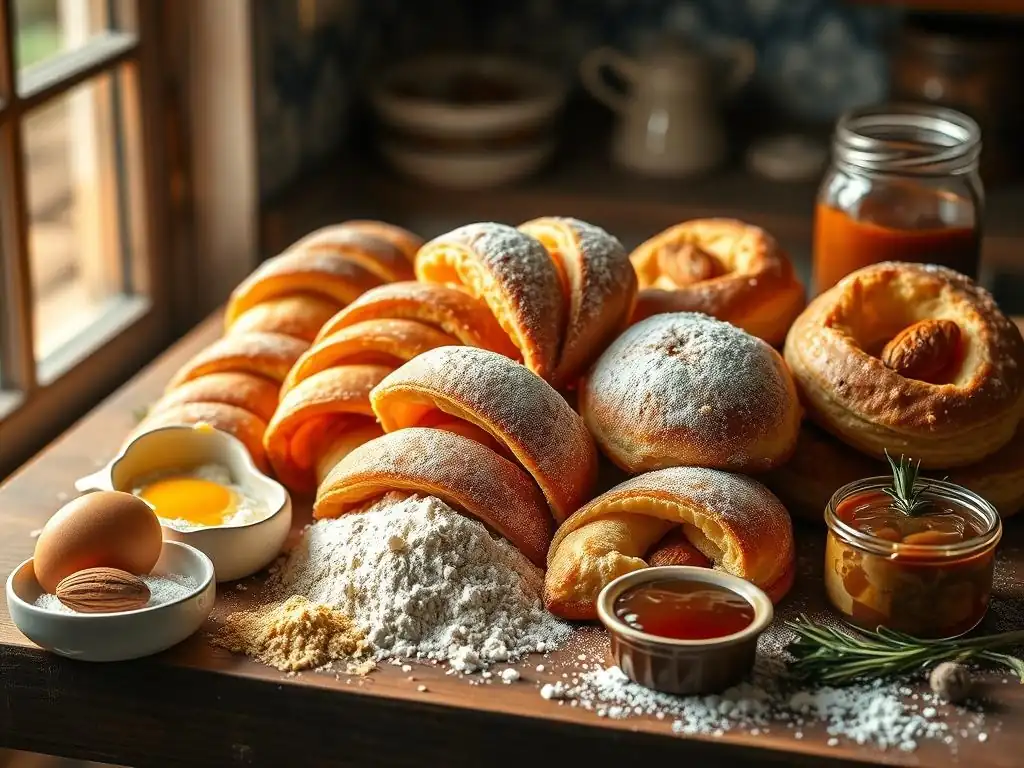
Even with an easy Argentinian facturas recipe for beginners, you might encounter a few common issues. If your dough isn't rising, check the yeast's expiration date and ensure your liquid (milk or water) wasn't too hot, which can kill the yeast. The ideal temperature for proofing liquid is usually between 35-40°C (95-105°F). Also, ensure your proofing environment is warm enough; cold temperatures significantly slow down yeast activity. Dough that is too sticky might need a little more flour added gradually during kneading, while overly stiff dough may need a tablespoon or two of extra liquid.
Another common problem is facturas spreading too much during baking, losing their shape. This can happen if the dough is too soft or if the oven temperature is too low, causing them to spread before the structure sets. Ensure your dough has sufficient gluten development from kneading and that your oven is accurately preheated to the recommended temperature (around 190-200°C). Overcrowding the baking sheet can also cause them to spread into each other. Baking in batches allows for proper air circulation around each pastry.
Achieving the Perfect Texture: Light and Flaky vs. Soft and Chewy
The texture of facturas can vary greatly depending on the recipe and shaping method. This Argentinian facturas recipe for beginners focuses on a soft, enriched dough, resulting in pastries that are tender and slightly chewy, similar to a brioche or a soft roll. This texture is ideal for absorbing glazes and holding fillings. To enhance the softness, ensure you use a sufficient amount of fat (butter or margarine) and eggs in the dough, as these ingredients tenderize the crumb. Proper kneading and sufficient proofing are also key to developing a light texture.
Achieving a flaky texture, like that of a traditional medialuna de manteca (butter croissant), requires a laminated dough process involving folding butter into the dough multiple times. This creates dozens of thin layers that separate when baked, resulting in flakiness. While this is a more advanced technique not typically covered in an easy Argentinian facturas recipe for beginners, understanding the difference helps appreciate the variety of facturas. For the soft-style facturas in this recipe, focus on gentle handling after the first proofing to maintain the airy structure developed by the yeast.
Storing Your Homemade Facturas for Maximum Freshness
Homemade facturas are best enjoyed the day they are baked, ideally still slightly warm. However, if you have leftovers, proper storage helps maintain their freshness for a day or two. Once completely cooled, store baked facturas in an airtight container at room temperature. Avoid refrigerating them, as this can dry them out and make them stale more quickly due to starch retrogradation.
For longer storage, facturas can be frozen. Wrap individual facturas tightly in plastic wrap, then place them in a freezer-safe bag or container. They can be stored in the freezer for up to 1-2 months. To reheat frozen facturas, thaw them at room temperature for a few hours, then warm them in a preheated oven at around 175°C (350°F) for 5-10 minutes until heated through. This can help crisp up the exterior slightly and refresh the texture. If they were glazed, the glaze might become a little sticky upon thawing.
Variations on the Classic Argentinian Facturas Recipe
Savory Facturas: Exploring Cheese and Ham Options
While facturas are predominantly sweet, some bakeries in Argentina also offer savory variations, often using the same basic dough but with different fillings and toppings. These savory facturas are less common for breakfast but might appear as part of a brunch spread or served alongside savory snacks. A simple savory adaptation of this Argentinian facturas recipe for beginners could involve slightly reducing the sugar in the dough (perhaps to 30-50 grams per 500g flour) and adding savory fillings.
Popular savory fillings include ham and cheese, often grated or finely diced and enclosed within the dough before shaping and baking. Some variations might incorporate herbs like oregano or a pinch of black pepper into the dough. Savory facturas are typically not glazed with sweet syrup but might be brushed with egg wash and sprinkled with sesame seeds or a little coarse salt before baking. While not as traditional as their sweet counterparts, exploring savory facturas can be a fun way to use your easy Argentinian facturas recipe dough in new ways.
Vegan Facturas: Adapting the Recipe for Plant-Based Baking
Adapting a traditional Argentinian facturas recipe to be vegan requires substituting animal products like milk, eggs, and butter. Fortunately, many plant-based alternatives work well in enriched doughs. Dairy milk can be easily replaced with plant-based milk like almond, soy, or oat milk. Eggs can be substituted using commercial egg replacers, flax eggs (1 tablespoon flax meal + 3 tablespoons water per egg), or mashed banana/applesauce for moisture and binding, though the latter might affect the flavor slightly.
Butter can be replaced with vegan butter sticks or margarine designed for baking. The proportions might need slight adjustment depending on the specific brand of substitutes used, as their fat and moisture content can vary. For fillings, dulce de leche can be replaced with a vegan version made from plant-based milk or coconut milk, and pastry cream can be made using plant-based milk and a different thickener like agar-agar or a higher proportion of cornstarch, omitting the egg yolks. While the texture might differ slightly from the classic, a vegan Argentinian facturas recipe is certainly achievable.
Gluten-Free Facturas: A Delicious Alternative
Creating gluten-free facturas presents a greater challenge than vegan adaptations, as gluten is crucial for the structure and elasticity of traditional yeast-leavened doughs. However, it is possible to make gluten-free versions using a blend of gluten-free flours. A successful gluten-free Argentinian facturas recipe for beginners would likely involve a mix of starches (like tapioca or potato starch) and gluten-free flours (like rice flour, almond flour, or a commercial gluten-free blend).
Xanthan gum or psyllium husk powder are often added to gluten-free doughs to mimic the binding properties of gluten, providing structure and preventing the pastries from crumbling. The hydration level might also need adjusting, as gluten-free flours absorb liquid differently. Kneading is less about developing gluten and more about ensuring ingredients are well combined. Proofing times might also vary. While the texture will be different from wheat-based facturas, focusing on rich fillings like dulce de leche or pastry cream and a sweet glaze can still result in a delicious gluten-free pastry experience.
Enjoying Your Argentinian Facturas: Serving Suggestions and Pairings
The Perfect Factura and Coffee Combination
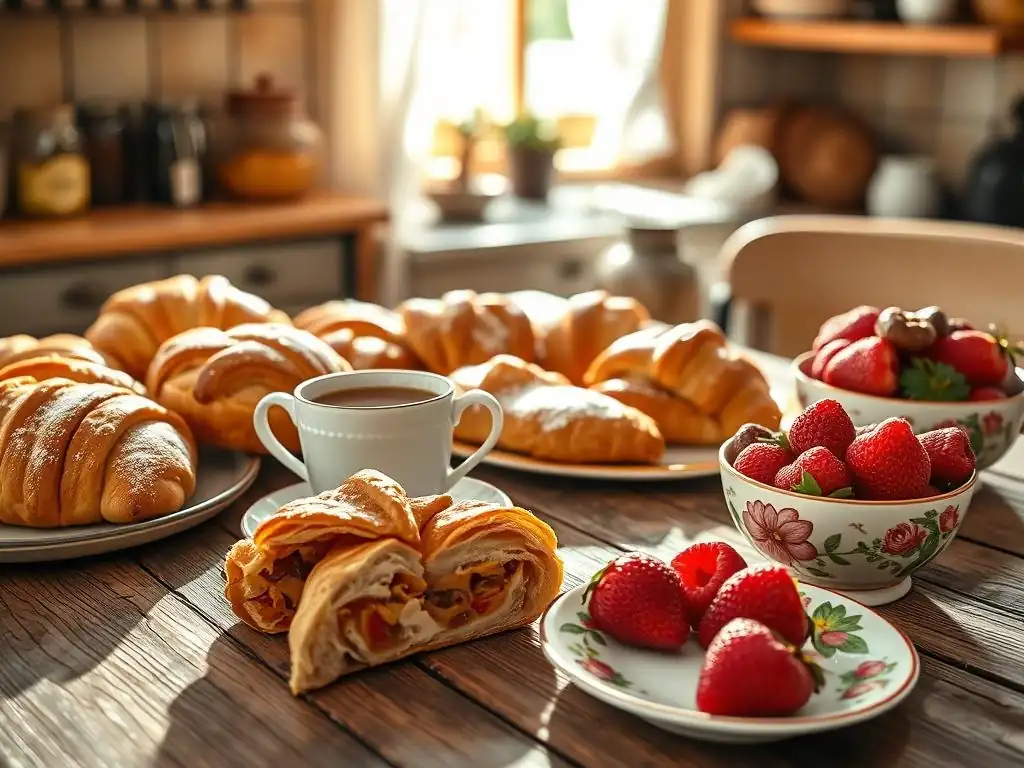
In Argentina, the quintessential pairing for facturas is coffee, or even more traditionally, mate. The bitterness of strong coffee or the earthy notes of mate provide a perfect counterpoint to the sweetness of the pastries. Imagine a crisp medialuna de manteca or a soft bola de fraile filled with dulce de leche, enjoyed alongside a steaming cup of café con leche. This combination is the backbone of the Argentine desayuno or merienda ritual.
Serving your homemade facturas warm enhances their aroma and tender texture, making the experience even more authentic. Arrange a variety of shapes and fillings on a platter to offer choices. A typical serving size might be two or three facturas per person, depending on their size and the time of day. The simple act of sharing facturas and coffee (or mate) is a cherished social custom, turning a simple snack into a moment of connection.
Facturas for Brunch: A Festive Treat
While traditionally a breakfast or afternoon snack, facturas make a wonderful addition to a brunch spread. Their variety in shape and filling makes them visually appealing and offers something for everyone. Include a mix of medialunas, filled bolas de fraile, and perhaps some glazed vigilantes to showcase different textures and flavors from your easy Argentinian facturas recipe.
Pair the facturas with other brunch items like fresh fruit, yogurt, or even some savory options like small ham and cheese sandwiches to create a balanced meal. Offer coffee, tea, and perhaps some fresh juice. Facturas add a touch of sweetness and a unique cultural element to any brunch, making it feel more festive and special. They are a delightful way to introduce friends and family to the joys of Argentinian baking.
Conclusion: Mastering Argentinian Facturas and Expanding Your Baking Skills
From Beginner to Baker: Conquering Argentinian Pastries
Embarking on baking an Argentinian facturas recipe for beginners is a fantastic step in expanding your baking repertoire. Starting with an accessible recipe allows you to learn fundamental yeast dough techniques, from mixing and kneading to proofing and shaping, without the complexity of lamination. Successfully baking your first batch of warm, homemade facturas provides a significant sense of accomplishment and the tangible reward of delicious pastries.
This journey demonstrates that traditional and culturally significant baked goods are within reach for home bakers of all levels. You've learned about essential ingredients, mastered basic shaping for iconic types like medialunas and bolas de fraile, understood the importance of proofing and baking temperatures, and explored classic glazes and fillings like dulce de leche and pastry cream. This foundational knowledge gained from tackling an easy Argentinian facturas recipe builds confidence for future baking adventures.
Beyond Facturas: Exploring Other Latin American Baking Delights
Mastering this Argentinian facturas recipe is just the beginning of a delicious exploration into the rich world of Latin American baking. Each country and region boasts its own unique array of breads, pastries, and sweets, many of which share similarities in ingredients and techniques with facturas but offer distinct flavors and textures. For instance, you might explore Chilean empanadas de pino (savory meat pastries), Mexican pan dulce (sweet breads often topped with a sugary crust), or Peruvian picarones (sweet potato and squash doughnuts).
Your newfound skills in handling enriched doughs and working with fillings and glazes acquired from baking facturas are transferable to countless other recipes. Look for easy-to-follow recipes for other regional specialties. Websites like BakeWithEase.com offer resources that can guide you through various cultural baking traditions. Continuing to bake and experiment will not only broaden your skills but also allow you to experience the diverse and vibrant culinary heritage of Latin America, one delicious pastry at a time.
Frequently Asked Questions
What exactly are Argentinian Facturas?
Argentinian Facturas are a type of breakfast pastry popular in Argentina. They come in various shapes and fillings, often featuring sweet custard, dulce de leche, or fruit jam. They're a staple in Argentinian bakeries.
Are Argentinian Facturas difficult to make for beginners?
While they may seem intimidating, our BakeWithEase recipe is designed for beginners. We offer step-by-step instructions and focus on easy-to-find ingredients to simplify the process.
What are the most common types of Argentinian Facturas?
Some common types include medialunas (crescent rolls), sacramentos (layered pastries), and vigilantes (filled with quince jelly). Each has a unique shape and filling, adding to the variety.
What ingredients are essential for making Argentinian Facturas?
The essential ingredients include flour, yeast, butter, sugar, eggs, and milk. Depending on the type, you may also need custard, dulce de leche, or fruit jam for fillings.
Can I customize the fillings for my Argentinian Facturas?
Absolutely! While traditional fillings are popular, you can experiment with different flavors to suit your taste. Consider using Nutella, chocolate ganache, or even savory fillings for a unique twist.
Final Reflection: The Enduring Magic of Argentinian Facturas
The aroma of freshly baked facturas, a comforting embrace on a chilly morning, transcends mere breakfast; it's a portal to Argentinian culture and a testament to the power of simple ingredients transformed by skilled hands. This article aimed to demystify the seemingly complex world of Argentinian facturas, providing beginner bakers with the confidence to create these delicious pastries at home. The accessibility of these recipes, coupled with the joy of sharing them, is what truly makes them special.
The influence of facturas extends far beyond the kitchen table. They represent a cornerstone of Argentinian social life, a symbol of shared moments and family traditions. These pastries are more than just food; they're a tangible link to heritage, a taste of home for those far from Argentina, and a delicious introduction for those eager to explore new culinary landscapes. Food is symbolic of love when words are inadequate.
- Alan D. Wolfelt. This quote perfectly captures the emotional resonance of sharing these pastries, a silent language of connection and care.
Now, I invite you to roll up your sleeves, gather your ingredients, and embark on your own factura journey. Don't be intimidated by the seemingly intricate shapes; embrace the process, savor the aromas, and relish the satisfaction of creating something beautiful and delicious. The experience of baking these pastries is as rewarding as the taste itself, offering a chance to connect with a rich culture and to share a piece of Argentina with those you love. Let the magic of the facturas begin!
Unleash Your Inner Pastelero: Bake Argentinian Facturas Today!
Thanks for joining us on this delicious journey into the world of Argentinian facturas! We hope you've gained a new appreciation for these delightful pastries and are feeling inspired to try your hand at baking them. Ready to get started?
- Bake your own batch of facturas: Use the recipe we've provided and let your kitchen fill with the irresistible aroma of freshly baked goodness. Don't be afraid to experiment with different fillings and glazes!
- Share your baking journey: Tag us on social media with your creations – we’d love to see your beautiful facturas!
- Explore other Argentinian recipes: Delve deeper into Argentinian cuisine and discover other incredible treats.
Ready to transform your breakfast routine with the authentic taste of Argentina?