
Your First Latin American Dessert: Simple & Delicious Recipes


Welcome to BakeWithEase!
Unlock a world of flavor and discover the joy of baking with us. Ever wondered how to bring a taste of Latin America to your kitchen? This week, we're diving into the vibrant world of Easy Latin American dessert recipes, offering a simple and delicious starting point for your culinary adventure. Ready to transform everyday ingredients into extraordinary treats? Keep reading to explore our curated collection and learn the secrets behind these mouthwatering delights!
- Introduction to Easy Latin American Dessert Recipes
- Essential Ingredients for Latin American Baking
- Recipe 1: Easy Alfajores (Argentinian Cookie Sandwiches)
- Recipe 2: Quick and Simple Tres Leches Cake (Three Milks Cake)
- Recipe 3: No-Bake Brigadeiros (Brazilian Chocolate Fudge Balls)
- Recipe 4: Arroz con Leche (Latin American Rice Pudding)
- Tips and Tricks for Baking Latin American Desserts
- Conclusion: Expand Your Baking Horizons with Latin American Desserts
-
Frequently Asked Questions
- What makes Latin American desserts unique and appealing to beginner bakers?
- Where can I find the easiest Latin American dessert recipes for beginners?
- Are the ingredients for these desserts easy to find in a typical grocery store?
- What are some examples of simple Latin American desserts I can try first?
- Does BakeWithEase.com offer guidance on baking techniques specific to Latin American desserts?
- Final Reflection: A Sweet Taste of Latin America and the Power of Shared Recipes
- Unlock the Sweet Secrets of Latin America!
Introduction to Easy Latin American Dessert Recipes
BakeWithEase Presents: A Beginner's Guide to Latin American Sweets
Welcome to the vibrant world of Latin American desserts! For newcomers to baking, or even seasoned bakers looking to explore new cultural flavors, these sweets offer a delightful starting point. Many traditional Latin American recipes rely on simple, accessible ingredients and techniques that are easy to master. Think creamy textures, rich caramel notes, and comforting spices like cinnamon and vanilla. This guide from BakeWithEase is designed to introduce you to some of the most beloved and easy Latin American dessert recipes, perfect for your first foray into this delicious regional baking.
Embarking on your journey with easy Latin American dessert recipes doesn't require fancy equipment or specialized skills. We'll walk you through classic treats like delicate Alfajores, moist Tres Leches cake, decadent Brigadeiros, and comforting Arroz con Leche. Each recipe is broken down into straightforward steps, making it approachable for anyone, regardless of prior baking experience. Our goal is to empower you to confidently create these delightful sweets right in your own kitchen, bringing a taste of Latin America into your home.
Why Latin American Desserts are Perfect for New Bakers
One of the primary reasons easy Latin American dessert recipes are so suitable for beginners is their reliance on foundational techniques. Many involve simple mixing, boiling, or no-bake assembly, reducing the complexity often found in European patisserie, for example. Take Brigadeiros, for instance: a classic Brazilian treat made primarily by simmering condensed milk and cocoa powder. This process is similar to making simple fudge or caramel, requiring basic stovetop attention rather than precise oven temperatures or complex dough handling.
Furthermore, the forgiving nature of many of these recipes makes them ideal for learning. Arroz con Leche (rice pudding) is adaptable; you can adjust the liquid to achieve your preferred consistency. Tres Leches cake, while requiring a simple sponge, thrives on being soaked, which actually hides minor imperfections in the cake texture. This inherent flexibility reduces the pressure often associated with baking and allows new bakers to build confidence with successful outcomes. Exploring easy Latin American dessert recipes is a rewarding way to expand your baking repertoire without feeling overwhelmed.
Essential Ingredients for Latin American Baking
Key Pantry Staples for Authentic Latin American Flavors
Creating authentic easy Latin American dessert recipes often involves a few key ingredients that form the backbone of their distinct flavors. Condensed milk is paramount, providing sweetness and creaminess to countless dishes, from flan to brigadeiros. Evaporated milk is another staple, offering a different depth and liquid base, especially crucial in Tres Leches cake. Sugar, of course, is fundamental, but often Latin American recipes utilize granulated sugar, sometimes brown sugar, or even raw cane sugar in forms like piloncillo.
Beyond dairy and sugar, spices play a significant role. Cinnamon is ubiquitous, frequently used in Arroz con Leche, churros, and various baked goods. Vanilla extract is also widely used, adding a warm, comforting note. Other common items include eggs, flour, butter, and various types of milk (whole milk, coconut milk). Having these items on hand will set you up for success when diving into a variety of easy Latin American dessert recipes.
Where to Find Piloncillo, Cajeta, and Dulce de Leche
Some easy Latin American dessert recipes call for ingredients that might be less common in a standard grocery store but are essential for specific flavors. Piloncillo, also known as panela or rapadura, is unrefined whole cane sugar, typically sold in cones or blocks. Its flavor is richer and more complex than brown sugar. You can often find piloncillo in the international aisle of larger supermarkets, specialty Latin American grocery stores, or online retailers specializing in Latin ingredients.
Cajeta and dulce de leche are both forms of caramelized milk, but cajeta is traditionally made from goat's milk, while dulce de leche is made from cow's milk. Cajeta has a slightly tangier, more complex flavor. Both are widely used as fillings or toppings. You can find pre-made dulce de leche in most major supermarkets, often near the condensed milk or international foods. Cajeta is slightly less common but can usually be found in Latin American grocery stores or online. If you can't find cajeta, dulce de leche is often a suitable substitute in many recipes, including filling Alfajores.
Alfajores: A Step-by-Step Baking Guide
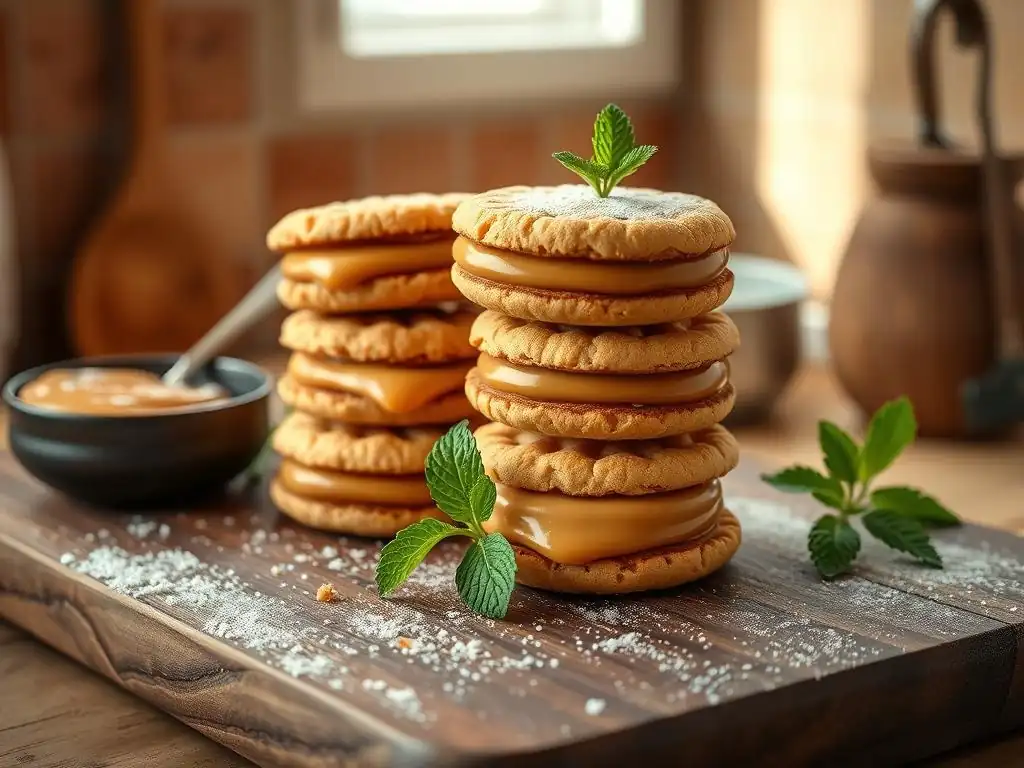
Alfajores are delicate, shortbread-like cookies sandwiched together with dulce de leche, often dusted with powdered sugar or rolled in coconut flakes. They are a classic among easy Latin American dessert recipes. To make them, you typically start by creaming softened butter (around 200g) with sugar (around 100g).
Then, you incorporate egg yolks (2-3 yolks are common for this amount of butter) and vanilla extract. The key to their tender texture is using a significant amount of cornstarch (often equal parts cornstarch to flour, e.g., 200g cornstarch and 200g all-purpose flour) along with the flour and a pinch of baking powder.
After combining the dry ingredients with the wet, the dough should be soft but not sticky. Chill the dough for at least 30 minutes. Roll the chilled dough to about 1/4 inch thickness and cut out circles using a small cookie cutter (about 1.5-2 inches in diameter). Bake the cookies on a parchment-lined baking sheet at a moderate temperature, around 325-350°F (160-175°C), for 10-15 minutes, or until they are just lightly golden around the edges.
They should not brown significantly. Once cooled, spread a generous layer of dulce de leche on the flat side of one cookie and top with another. Finish by dusting with powdered sugar or rolling the sides in shredded coconut.
Tips for Perfecting Your Alfajores Dough
Achieving the signature melt-in-your-mouth texture of Alfajores hinges on the dough. Firstly, do not overwork the dough once the dry ingredients are added. Mix until just combined to avoid developing too much gluten, which would result in tough cookies. The high ratio of cornstarch is crucial here; it inhibits gluten formation and creates that desirable tenderness. Ensure your butter is properly softened, but not melted, for easy creaming.
Chilling the dough is a non-negotiable step. This allows the butter to firm up, making the dough easier to roll and cut, and also helps the cookies maintain their shape during baking. If the dough becomes too soft while rolling, pop it back in the fridge for a few minutes. When baking, watch the cookies closely. They should remain pale; slight golden edges are fine, but significant browning indicates they've baked too long and will be less tender. Baking at a slightly lower temperature for a bit longer helps achieve this gentle cooking.
Variations: Chocolate Coating or Citrus Zest
While the classic Alfajor features dulce de leche and powdered sugar, exploring variations can add a fun twist to this easy Latin American dessert recipe. One popular variation is coating the finished cookie sandwiches in melted chocolate. Dark, milk, or white chocolate can be used. Simply melt the chocolate gently (using a double boiler or microwave in short intervals), dip half or all of the Alfajor, and let it set on parchment paper. This adds a layer of rich flavor and a different texture.
Another simple variation involves incorporating citrus zest into the dough. Adding the zest of half a lemon or a whole orange during the creaming stage introduces a bright, fragrant note that beautifully complements the sweetness of the dulce de leche. This is a subtle but effective way to elevate the flavor profile of your easy Latin American dessert recipes. You can also experiment with rolling the sides of the filled cookies in finely chopped nuts like almonds or walnuts instead of coconut.
Recipe 2: Quick and Simple Tres Leches Cake (Three Milks Cake)
Tres Leches Cake: A Moist and Flavorful Dessert
Tres Leches cake is a beloved dessert across Latin America, known for its incredibly moist texture resulting from soaking a sponge cake in a mixture of three types of milk. It's a surprisingly straightforward cake to make, qualifying it as an excellent easy Latin American dessert recipe for beginners.
The base is typically a simple butter cake or sponge cake. A standard recipe might call for creaming 1/2 cup (1 stick) of butter with 1 cup of sugar, adding 3 eggs one at a time, and then alternating 1.5 cups of flour mixed with 1.5 teaspoons of baking powder and 1/2 cup of milk.
Once the batter is mixed, it's poured into a greased and floured baking pan (a 9x13 inch pan is common) and baked at around 350°F (175°C) for 25-35 minutes, or until a toothpick inserted into the center comes out clean. The magic happens after baking. While the cake is still warm, poke holes all over the top using a fork or skewer.
Then, the milk mixture is slowly poured over the cake, allowing it to be fully absorbed. The cake is then chilled, ideally for several hours or overnight, to allow the flavors to meld and the cake to become fully saturated and moist.
Making the Perfect Tres Leches Soak: A Recipe Breakdown
The "tres leches" or "three milks" mixture is the heart of this easy Latin American dessert recipe. The standard combination includes equal parts (or similar ratios) of:
- Evaporated Milk: Provides a slightly cooked, concentrated milk flavor and body. About 12-14 ounces (standard can size) is typical.
- Sweetened Condensed Milk: Adds significant sweetness and creaminess. Again, a standard 14-ounce can is common.
- Whole Milk or Heavy Cream: Adds freshness and richness. About 1 to 1.5 cups is usually sufficient.
These three milks are simply whisked together in a bowl. Some recipes add a splash of vanilla extract or even a hint of rum or brandy to the mixture for extra flavor. It's crucial to pour the mixture over the warm cake, as the warmth helps the cake absorb the liquid more effectively. Pour slowly and evenly over the entire surface. Don't be alarmed by the amount of liquid; the cake will soak it all up as it cools and chills. Chilling is essential for the cake to fully absorb the milks and for the flavors to develop.
Garnishing Ideas: Meringue, Whipped Cream, and Fruit
Traditionally, Tres Leches cake is topped with a layer of meringue or whipped cream. A classic meringue topping involves beating egg whites with sugar until stiff peaks form, then sometimes briefly broiling or torching it for a toasted effect. However, for an easy Latin American dessert recipe approach, simple whipped cream is perfect. Whip heavy cream with a little powdered sugar and vanilla extract until stiff peaks form, then spread it generously over the chilled, soaked cake.
For added visual appeal and freshness, you can garnish the whipped cream with fresh fruit. Sliced strawberries, raspberries, or mango are popular choices that complement the rich, creamy cake. A sprinkle of ground cinnamon is also a common and simple garnish. These garnishes not only make the cake look beautiful but also add contrasting textures and flavors to this already delicious easy Latin American dessert recipe.
Recipe 3: No-Bake Brigadeiros (Brazilian Chocolate Fudge Balls)

Brigadeiros: A Classic Brazilian Treat Made Easy
Brigadeiros are small, intensely chocolatey fudge balls and are arguably one of the simplest and most beloved easy Latin American dessert recipes, originating from Brazil. They require minimal ingredients and no baking whatsoever, making them perfect for beginners and quick treats. The base recipe typically involves just three main ingredients: sweetened condensed milk, cocoa powder, and butter.
To make them, you'll need one standard can (around 14 ounces) of sweetened condensed milk, about 2-4 tablespoons of unsweetened cocoa powder (adjust to your preferred chocolate intensity), and about 1-2 tablespoons of unsalted butter. The process involves combining these ingredients in a saucepan over medium-low heat and stirring constantly. The mixture needs to cook until it thickens significantly and pulls away from the bottom and sides of the pan when you tilt it.
This usually takes about 10-15 minutes. Once thickened, pour the mixture onto a buttered plate and let it cool completely, which takes about 1-2 hours at room temperature or faster in the refrigerator. Once cool enough to handle, butter your hands lightly and roll spoonfuls of the mixture into small balls, about 1 inch in diameter.
The Secret to Smooth and Creamy Brigadeiros
The key to achieving smooth and creamy Brigadeiros lies in the cooking process and the quality of ingredients. First, use good quality sweetened condensed milk; it provides the essential texture and sweetness. Second, use unsweetened cocoa powder, not hot cocoa mix, for a pure chocolate flavor. The amount of cocoa can be adjusted – more cocoa yields a less sweet, more intense chocolate flavor, while less keeps them sweeter and perhaps slightly softer.
Crucially, you must stir the mixture constantly while it cooks over medium-low heat. High heat can scorch the bottom and result in a grainy texture. Stirring prevents sticking and ensures even cooking and thickening.
The mixture is ready when it's very thick and, when you tilt the pan, you can see the bottom for a couple of seconds before the mixture slides back. If you undercook it, the balls won't hold their shape; if you overcook it, they can become too hard or grainy. Practice helps, but aiming for the "pull away from the pan" stage is a reliable indicator for this easy Latin American dessert recipe.
Different Toppings: Sprinkles, Nuts, and Cocoa Powder
Once the Brigadeiro mixture is rolled into balls, they are traditionally coated in sprinkles. Chocolate sprinkles (often called "granulado" in Brazil) are the most classic choice, but colorful sprinkles are also popular, especially for parties. Simply place sprinkles in a shallow dish and roll the balls to coat them completely.
Beyond sprinkles, there are many delicious variations for this easy Latin American dessert recipe. You can roll the balls in finely chopped nuts like peanuts, cashews, or almonds for added crunch. Cocoa powder or even powdered sugar can be used for a less sweet, more sophisticated finish. For a different flavor profile, try rolling them in shredded coconut or dipping them in melted chocolate. The possibilities for customizing your Brigadeiros are vast, allowing you to easily adapt this classic treat.
Recipe 4: Arroz con Leche (Latin American Rice Pudding)
Arroz con Leche: A Comforting and Versatile Dessert
Arroz con Leche, or rice pudding, is a warm, comforting dessert found in various forms across Latin America and Spain. It's a wonderfully simple and adaptable easy Latin American dessert recipe, perfect for using pantry staples. The basic formula involves simmering rice in milk, usually with sugar and flavorings like cinnamon and vanilla, until the rice is tender and the mixture is creamy.
A typical recipe might start with 1 cup of medium-grain or short-grain rice (like Arborio or Spanish rice, though long-grain is also used). This is simmered with about 4-6 cups of milk (whole milk is recommended for richness) and 1/2 to 1 cup of sugar, depending on desired sweetness. Often, a cinnamon stick and a strip of lemon or orange peel are added to infuse flavor while it cooks.
The mixture is cooked over low heat, stirring frequently, until the rice is cooked and the pudding has thickened to your desired consistency, which can take anywhere from 30 minutes to over an hour. Once cooked, the cinnamon stick and citrus peel are usually removed, and a splash of vanilla extract is stirred in. It can be served warm or chilled, often dusted with ground cinnamon.
Achieving the Right Consistency in Your Rice Pudding
The key to a great Arroz con Leche, and a successful easy Latin American dessert recipe in this category, is achieving the perfect creamy consistency. The type of rice matters; medium or short-grain rice releases more starch, resulting in a creamier pudding. Rinsing the rice beforehand is debated; some prefer to rinse to remove excess starch, while others skip it to encourage creaminess. Experiment to see what you prefer.
The cooking process itself is crucial. Cook over low heat to prevent the milk from scorching or boiling over. Stirring frequently, especially towards the end of cooking, is essential to prevent the rice from sticking to the bottom of the pan and to encourage the release of starch for creaminess.
The cooking time will vary depending on the rice type and your desired thickness. If the pudding becomes too thick before the rice is tender, simply add a little more milk and continue simmering. If it's too thin after the rice is cooked, continue simmering uncovered for a bit longer to allow excess liquid to evaporate.
Flavor Variations: Coconut, Raisins, and Spices
While classic Arroz con Leche is flavored with cinnamon and vanilla, this easy Latin American dessert recipe is incredibly versatile and open to variations. A popular addition is raisins, often stirred in during the last 10-15 minutes of cooking or soaked in warm water or rum beforehand to plump them up.
For a tropical twist, substitute some or all of the milk with coconut milk. Using full-fat coconut milk yields a rich, fragrant pudding. Some recipes even add shredded coconut.
Other spices can be used alongside or instead of cinnamon, such as ground nutmeg or a few cloves. The lemon or orange peel adds a subtle brightness; you can increase the amount or try lime peel for a different citrus note. Serving with a sprinkle of cinnamon is traditional, but you could also try a drizzle of dulce de leche or a sprinkle of toasted nuts for extra flair on your easy Latin American dessert recipe.
Tips and Tricks for Baking Latin American Desserts

Mastering Basic Latin American Baking Techniques
Many easy Latin American dessert recipes rely on fundamental techniques that are simple but require attention to detail. One common technique is caramelization, whether it's making dulce de leche from scratch (though buying it is easier for beginners) or caramelizing sugar for flan. This requires patience and low heat to prevent burning. Another frequent technique is soaking, as seen in Tres Leches cake, which simply involves pouring liquid over a porous cake.
Working with doughs, like for Alfajores or empanada desserts, often involves chilling the dough. This is crucial for ease of handling and achieving the right texture. For recipes cooked on the stovetop, like Brigadeiros or Arroz con Leche, constant stirring over low heat is key to preventing scorching and ensuring even cooking and thickening. These basic skills, practiced with easy Latin American dessert recipes, build a strong foundation for more complex baking down the line.
Common Mistakes to Avoid When Baking Latin American Sweets
Even with easy Latin American dessert recipes, a few common pitfalls can be avoided. Forgetting to chill doughs when required is a frequent error that leads to sticky, hard-to-work-with dough and cookies that spread too much. When making cooked puddings or fudges like Arroz con Leche or Brigadeiros, cooking over heat that is too high is a major mistake; it almost guarantees scorching or a grainy texture. Always use low to medium-low heat and stir diligently.
Another mistake is not allowing cakes or puddings to cool and chill properly. Tres Leches cake needs hours in the fridge to fully absorb the milk and develop its texture. Brigadeiros need to cool completely before rolling, or they'll be too soft and messy. Lastly, don't be afraid to adjust sweetness or spice levels to your taste. While recipes provide guidelines, personal preference is key in home baking, especially when exploring diverse easy Latin American dessert recipes.
Conclusion: Expand Your Baking Horizons with Latin American Desserts
Embrace the Flavors of Latin America in Your Kitchen
Exploring easy Latin American dessert recipes is a fantastic way to bring new, exciting flavors into your kitchen and expand your baking skills. From the delicate, dulce de leche-filled Alfajores of Argentina to the rich, moist Tres Leches cake enjoyed across many countries, the creamy Brigadeiros from Brazil, and the comforting Arroz con Leche found throughout the region, these recipes offer a delicious introduction. They are designed to be approachable for bakers of all levels, emphasizing simple techniques and accessible ingredients.
By starting with these straightforward recipes, you'll gain confidence in working with key Latin American ingredients like condensed milk, dulce de leche, and piloncillo, and master techniques like gentle simmering and proper chilling. These easy Latin American dessert recipes not only yield delicious results but also open the door to understanding the sweet side of Latin American culinary traditions. So, gather your ingredients, set aside some time, and prepare to delight your taste buds with these wonderful treats.
Next Steps: Exploring More Advanced Latin American Baking Recipes
Once you've successfully tackled these easy Latin American dessert recipes, you might find yourself eager to delve deeper into the region's diverse baking landscape. The skills you've built, such as working with caramel, handling rich doughs, and understanding milk-based preparations, will serve you well as you move on to more complex challenges.
Consider trying your hand at making your own dulce de leche from scratch (it's simpler than you think!). You could also explore recipes for traditional flan (often baked in a caramel-lined mold), various types of empanadas with sweet fillings, or perhaps Chocoflan (Impossible Cake), which involves baking layers of cake and flan together. The world of Latin American baking is vast and incredibly rewarding. Continue experimenting, keep practicing the techniques you've learned from these easy Latin American dessert recipes, and enjoy the delicious journey!
Frequently Asked Questions
What makes Latin American desserts unique and appealing to beginner bakers?
Latin American desserts often use simple ingredients and techniques, making them accessible and forgiving for novice bakers. The focus on fresh flavors and vibrant presentations adds to their appeal.
Where can I find the easiest Latin American dessert recipes for beginners?
BakeWithEase.com offers a curated collection of "easy Latin American dessert recipes" perfect for beginners, with step-by-step guides and readily available ingredients. We focus on simplicity and clarity.
Are the ingredients for these desserts easy to find in a typical grocery store?
Yes, most recipes on BakeWithEase.com utilize ingredients commonly found in standard grocery stores. We prioritize recipes that are accessible and convenient for our readers.
What are some examples of simple Latin American desserts I can try first?
Consider trying tres leches cake, alfajores, or dulce de leche cookies. These recipes offer a good balance of flavor and simplicity and are featured on BakeWithEase.com.
Does BakeWithEase.com offer guidance on baking techniques specific to Latin American desserts?
Yes, we provide detailed instructions and tips on specific techniques, such as making dulce de leche or achieving the perfect texture for tres leches cake, ensuring baking success.
The vibrant flavors and simple techniques of Latin American desserts offer more than just a delicious treat; they offer a bridge to culture and connection. These recipes, easily accessible and adaptable to various skill levels, are a testament to the rich culinary heritage of the region and its enduring appeal in today's globalized world. The ease of preparation belies the depth of history and tradition embedded within each sweet bite.
Learning about and preparing these desserts has been a deeply rewarding experience, highlighting the power of food to transcend borders and unite people. The process of researching and testing these recipes revealed not only culinary techniques but also stories of family, tradition, and community. Food is symbolic of love when words are inadequate.
- Alan D. Wolfelt. This quote perfectly encapsulates the emotional resonance these recipes hold, allowing us to connect with a culture through the shared experience of creating and enjoying something delicious.
Now, it's your turn. I encourage you to explore the recipes presented in this article, to experiment with the ingredients, and to share your culinary journey with others. Don't be afraid to adapt the recipes to your own tastes and preferences; the beauty of cooking lies in its ability to be both a precise science and a creative expression. Let the sweet flavors of Latin America inspire you, not only in the kitchen but also in your appreciation for the diverse cultures and traditions that enrich our world.
Unlock the Sweet Secrets of Latin America!
Thanks for taking the time to explore the vibrant world of Latin American desserts with us! We hope you've discovered some delicious recipes to inspire your next baking adventure. Now it's time to put your newfound knowledge into practice!
- Bake your first Latin American treat! Choose one of the recipes from the article and get baking. Even a small step can unlock a world of flavor.
- Share your baking journey! Snap a picture of your creation and tell us about your experience on our social media channels. Let's build a community of dessert enthusiasts!
- Explore other delicious recipes on BakeWithEase.com – we've got a whole world of sweet treats waiting for you.
What Latin American dessert will you tackle first? Let's hear your plans in the comments below!