
Effortless Latin American Breads You Can Bake Today

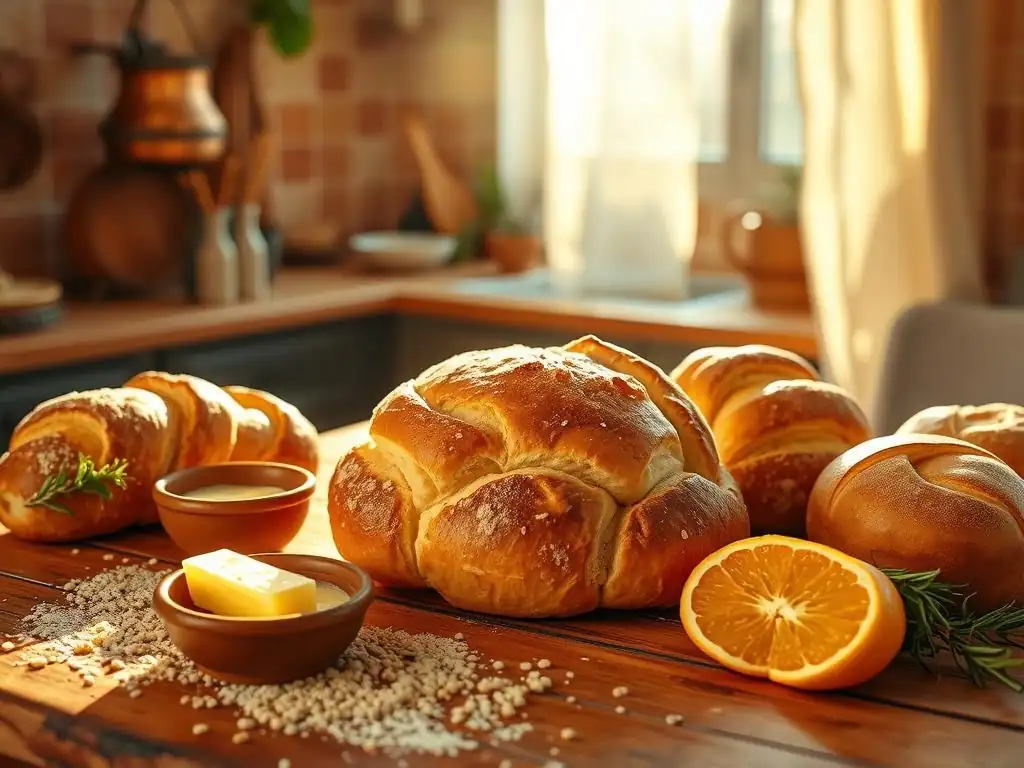
Welcome to BakeWithEase, where the joy of baking meets effortless execution!
Ever dreamt of filling your kitchen with the warm, comforting aroma of freshly baked Latin American bread? Discover how, with our guide to an easy Latin American bread recipe, you can create authentic, delicious loaves without the fuss. Intrigued? Dive in and unlock a world of flavor, one simple step at a time, and find out the secrets to baking perfect bread every single time.
- Effortless Latin American Breads You Can Bake Today - BakeWithEase
- Discover Easy Latin American Bread Recipes at BakeWithEase
- Why Bake Latin American Bread? A World of Flavor at Home
- Top 5 Easy Latin American Bread Recipes to Try Now
- Tips for Baking Perfect Latin American Bread at Home
- Beyond the Basics: Exploring More Latin American Baking
- Enjoy the Taste of Latin America with These Easy Bread Recipes
-
Frequently Asked Questions
- What makes a Latin American bread recipe "easy" according to BakeWithEase?
- Can I find gluten-free variations of Latin American bread recipes on BakeWithEase?
- Where can I source the specific ingredients needed for these Latin American bread recipes?
- What are some common techniques used in Latin American bread baking that I should be aware of?
- Does BakeWithEase offer video tutorials for its Latin American bread recipes?
- Final Reflection: The Enduring Magic of Simple Latin American Breads
- Unleash Your Inner Panadero: Bake Your Way to Latin Flavor!
Effortless Latin American Breads You Can Bake Today - BakeWithEase
Discover Easy Latin American Bread Recipes at BakeWithEase
Welcome to BakeWithEase, your kitchen companion for simple and delicious baking adventures. Today, we're embarking on a flavorful journey south of the border to explore the wonderful world of Latin American breads. Far from being intimidating, many traditional Latin American breads are surprisingly simple to make, even for beginner bakers. Our goal is to show you how achievable it is to recreate these delightful tastes right in your own home with our easy Latin American bread recipes.
Whether you're craving something cheesy, savory, or slightly sweet, Latin America offers an incredible variety of breads that require minimal fuss and readily available ingredients. Forget complex techniques and lengthy proofing times for these particular selections. We've curated a list of some of the most popular and easy Latin American bread recipes that are perfect for a weeknight baking project or a weekend treat. Get ready to fill your kitchen with amazing aromas!
Why Bake Latin American Bread? A World of Flavor at Home
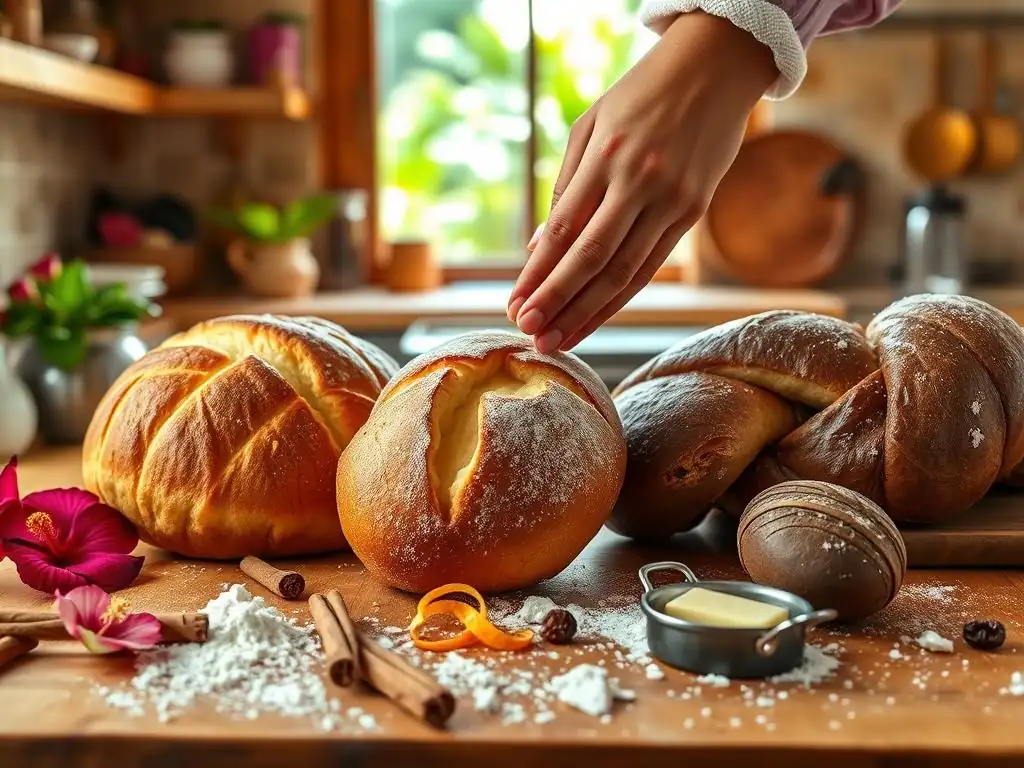
Baking Latin American bread is more than just following a recipe; it's an opportunity to explore rich culinary traditions and bring exciting new flavors into your home kitchen. Each country and region boasts its unique bread varieties, often reflecting local ingredients and cultural history. From dense, savory rolls perfect for dipping to light, airy pastries, the range is truly astounding. Mastering an easy Latin American bread recipe opens the door to a whole new dimension of baking.
Furthermore, many Latin American breads are naturally gluten-free or can be easily adapted, using flours like corn or cassava. They often pair wonderfully with various meals, from breakfast eggs to hearty stews, or simply enjoyed on their own with butter or cheese. By trying these easy Latin American bread recipes, you're not only expanding your baking skills but also adding versatile and delicious options to your table. It's a rewarding experience that connects you with vibrant food cultures.
Exploring the Diverse World of Latin American Baking
Latin American baking is incredibly diverse, influenced by indigenous traditions, European colonization (especially Spanish and Portuguese), and later migrations from Africa, Asia, and the Middle East. This fusion has resulted in a vast array of baked goods, from everyday breads to elaborate pastries and festive treats. For example, while many breads in Argentina and Uruguay show Italian influence (like fugazza, a type of focaccia), countries like Mexico have retained strong indigenous roots in their use of corn masa for items like tortillas and tamales, alongside Spanish-introduced wheat breads.
The variety extends beyond ingredients to techniques and typical uses. Some breads are leavened with yeast, others with baking powder, and some rely on steam or simple pan-frying. They can be sweet, savory, or a combination, served as breakfast, a snack, part of a main meal, or even dessert.
Consider the sheer number of bread types found in a single country like Brazil, which has everything from the ubiquitous pão francês (French bread rolls) to pão de queijo (cheese bread) and regional specialties. This rich tapestry provides endless inspiration for anyone looking for an easy Latin American bread recipe to try.
Easy Bread Recipes: A Beginner-Friendly Approach
Many people assume bread baking is complicated, requiring hours of kneading and precise temperature control. While that can be true for some types of bread, many Latin American varieties are surprisingly forgiving and designed for simplicity. Our selection of easy Latin American bread recipes focuses on those that minimize complex steps, making them ideal for beginners or busy bakers. Think recipes that require little to no kneading, use simple leavening agents, or are cooked on a stovetop rather than a traditional oven.
For instance, recipes using cassava flour or pre-cooked cornmeal (like masa arepa) often result in doughs that are easy to handle and shape, and they cook relatively quickly. These methods bypass the need for gluten development through extensive kneading, which is often the most intimidating part of yeast bread baking for newcomers. By choosing an easy Latin American bread recipe, you build confidence and achieve delicious results without the stress, proving that anyone can bake amazing bread at home.
Top 5 Easy Latin American Bread Recipes to Try Now
Ready to get your hands floury? Here are five fantastic and easy Latin American bread recipes perfect for bakers of all levels.
1. Quick & Easy Pan de Bono Recipe (Colombian Cheese Bread)
Pan de Bono, or Pan de Queso, is a popular Colombian cheese bread roll, known for its slightly chewy texture and cheesy flavor. Traditionally made with cassava starch (yuca flour), cornstarch, and cheese, it's naturally gluten-free and incredibly satisfying. Our easy Latin American bread recipe for Pan de Bono simplifies the process, bringing these delightful rolls within easy reach.
These rolls are perfect for breakfast with coffee, as a snack, or alongside a meal. They are best enjoyed warm, straight from the oven, when the cheese is gooey and the exterior is slightly crisp. A batch usually takes less than 30 minutes from start to finish, making it a truly quick and easy Latin American bread recipe.
Pan de Bono Ingredients
The key to authentic Pan de Bono lies in the specific starches and cheese used. While traditional recipes might call for a mix of almidón agrio (sour starch) and almidón dulce (sweet starch), a simplified easy Latin American bread recipe often uses a combination of tapioca starch (which is similar to sweet starch) and sometimes a bit of cornstarch or pre-cooked cornmeal ( masa arepa).
A typical recipe might include:
- 1 cup Tapioca Starch (or a blend with some Cornstarch)
- 1 cup grated salty cheese (like queso costeño or a mix of feta and mozzarella)
- 1 large egg
- 2-4 tablespoons milk (or water)
- 1-2 tablespoons melted butter (optional, adds richness)
- A pinch of salt (adjust based on cheese saltiness)
Using a salty, crumbly cheese is crucial for the characteristic flavor. If queso costeño is unavailable, a mix of crumbly feta and stretchy mozzarella often works well as a substitute in this easy Latin American bread recipe.
Baking Pan de Bono: Step-by-Step Instructions
Making Pan de Bono is incredibly straightforward. It requires minimal mixing and no kneading.
- Preheat your oven to around 375°F (190°C).
- In a medium bowl, combine the tapioca starch and grated cheese. Mix well.
- Add the egg and melted butter (if using). Start mixing with your hands, incorporating the wet ingredients into the dry.
- Gradually add the milk, a tablespoon at a time, mixing until a soft, pliable dough forms. The dough should be moist enough to hold together but not sticky. The amount of milk needed can vary based on the humidity and the cheese used, typically ranging from 2 to 4 tablespoons.
- Divide the dough into small portions and roll them into balls, about 1.5 to 2 inches in diameter.
- Place the balls on a baking sheet lined with parchment paper.
- Bake for 15-20 minutes, or until the rolls are puffed up, golden brown on the bottom, and slightly cracked on top. They should feel light.
- Serve immediately while warm.
This simple process highlights why this is considered an easy Latin American bread recipe, perfect for a quick baking session.
2. Effortless Arepas Recipe (Venezuelan Corn Cakes)
Arepas are round, flat patties made from masa arepa, a specially treated and pre-cooked cornmeal. They are a staple in Venezuela and Colombia, served plain, buttered, or split open and stuffed with various fillings. Arepas are naturally gluten-free and incredibly versatile. Our easy Latin American bread recipe for arepas focuses on the most basic preparation method, perfect for beginners.
The beauty of arepas lies in their simplicity and speed. Once the dough is mixed, they can be cooked on a griddle or skillet in just minutes. They are a fantastic option for a quick breakfast, lunch, or snack, offering a satisfying texture and mild corn flavor that pairs well with almost anything.
Making Arepas: The Easiest Method
The fundamental arepa recipe requires just three ingredients: masa arepa, water, and salt. The key is using the correct type of cornmeal – masa arepa (like P.A.N. or Harina PAN brands) is not the same as cornstarch or regular cornmeal. It's a pre-cooked, finely ground flour specifically for making arepas and other corn-based dishes.
Here’s the simple method:
- In a bowl, combine 2 cups of warm water with 1 teaspoon of salt. Stir until the salt dissolves.
- Gradually add 1.5 cups of masa arepa to the salted water, mixing with your hands or a spoon until a cohesive dough forms.
- Let the dough rest for 3-5 minutes to allow the cornmeal to hydrate.
- Knead the dough gently for a minute or two until it's smooth and doesn't stick to your hands. If it feels too dry, add a tablespoon of water; if too wet, add a tablespoon of masa arepa.
- Divide the dough into portions and shape them into smooth, round patties about 3-4 inches in diameter and ½ inch thick. Avoid making them too thin, or they won't puff up properly.
- Preheat a griddle or heavy skillet over medium heat. Lightly grease it with a little oil or butter.
- Cook the arepas for 5-7 minutes per side, until they are golden brown and have a slightly crispy crust. They should sound hollow when tapped, indicating they are cooked through.
- Serve warm.
This straightforward process makes arepas a prime example of an easy Latin American bread recipe.
Arepas Variations: Sweet and Savory Options
While plain arepas are delicious, their neutral flavor makes them an ideal base for countless variations, showcasing their versatility as an easy Latin American bread recipe.
- Savory Fillings: The most popular way to enjoy arepas is to split them open like a pita pocket and stuff them. Classic fillings include shredded beef ( carne mechada), shredded chicken ( pollo guisado), black beans, cheese (like queso blanco or mozzarella), avocado, or a combination. The famous Venezuelan Reina Pepiada arepa is stuffed with chicken salad mixed with avocado and mayonnaise.
- Cheese Arepas: Mix shredded cheese (such as mozzarella, queso fresco, or cheddar) directly into the dough before shaping and cooking. This creates a delightful cheesy arepa that's delicious on its own.
- Sweet Arepas: In some regions, arepas are made slightly sweet by adding a pinch of sugar to the dough. These can be served with butter, honey, or a sprinkle of sugar and cinnamon, offering a different take on this easy Latin American bread recipe.
- Frying or Baking: While griddling is common, arepas can also be shallow-fried for a crispier exterior or baked in the oven after griddling for a lighter texture and to ensure they are cooked through without burning the outside. Baking is often done at around 350°F (175°C) for 10-15 minutes after initial griddling.
These variations demonstrate how one easy Latin American bread recipe can lead to numerous culinary possibilities.
3. Simplified Pupusas Recipe (Salvadoran Stuffed Flatbreads)
Pupusas are thick, stuffed corn tortillas originating from El Salvador. Made from masa harina (a different type of cornmeal from masa arepa, used for tortillas), they are typically filled with cheese, beans, pork cracklings ( chicharrón), or a mix of these. While stuffing might sound complex, the process for making pupusas themselves is quite simple, making it an accessible easy Latin American bread recipe.
Pupusas are traditionally served with curtido (a lightly fermented cabbage slaw) and a mild tomato salsa. They are a comforting and filling meal, perfect for a casual lunch or dinner. Mastering the technique of stuffing takes a little practice, but the dough itself is very forgiving.
Pupusas Filling Ideas
The fillings are what make pupusas so special. While classic options are popular, you can get creative with your easy Latin American bread recipe for pupusas.
Popular fillings include:
- Queso: Typically a blend of quesillo or mozzarella and queso fresco. The cheese melts beautifully inside the hot pupusa.
- Frijoles Refritos: Mashed, refried beans, often seasoned.
- Chicharrón: Finely ground cooked pork cracklings.
- Revueltas: A mix of cheese, beans, and chicharrón. This is one of the most classic and popular fillings.
- Calabaza y Queso: Cooked and mashed squash mixed with cheese.
- Loroco y Queso: Loroco is an edible flower bud native to Central America with a unique, slightly floral flavor, often mixed with cheese.
For an easy Latin American bread recipe, starting with simple cheese or bean fillings is recommended before attempting the more complex revueltas. Ensure fillings are not too wet, or they can make the dough difficult to handle.
Cooking Pupusas: A Straightforward Process
Making the masa harina dough for pupusas is similar to making arepa dough, but shaping and stuffing requires a specific technique.
- Prepare the masa harina dough: In a bowl, combine 2 cups of masa harina with 1.5 cups of warm water and 1 teaspoon of salt. Mix until a soft, slightly sticky dough forms. Let it rest for 5-10 minutes.
- Prepare your fillings and have them ready.
- Lightly oil your hands with vegetable oil or water (oil is easier). Take a portion of dough, about the size of a golf ball. Roll it into a smooth ball.
- Press your thumb into the center of the ball to create a cup or well.
- Spoon 1-2 tablespoons of filling into the cup.
- Carefully bring the edges of the dough up and over the filling, sealing it completely at the top. Pinch off any excess dough.
- Gently flatten the ball into a disk about ½ inch thick, sealing any cracks that appear. Try to keep the filling centered.
- Preheat a comal or heavy skillet over medium heat. Lightly grease it.
- Cook the pupusas for 4-6 minutes per side, until golden brown and slightly puffed.
- Serve hot with curtido and salsa.
While stuffing requires a little practice, the dough itself is simple, making this an achievable easy Latin American bread recipe.
4. No-Knead Pan Sobado Recipe (Chilean Bread Rolls)
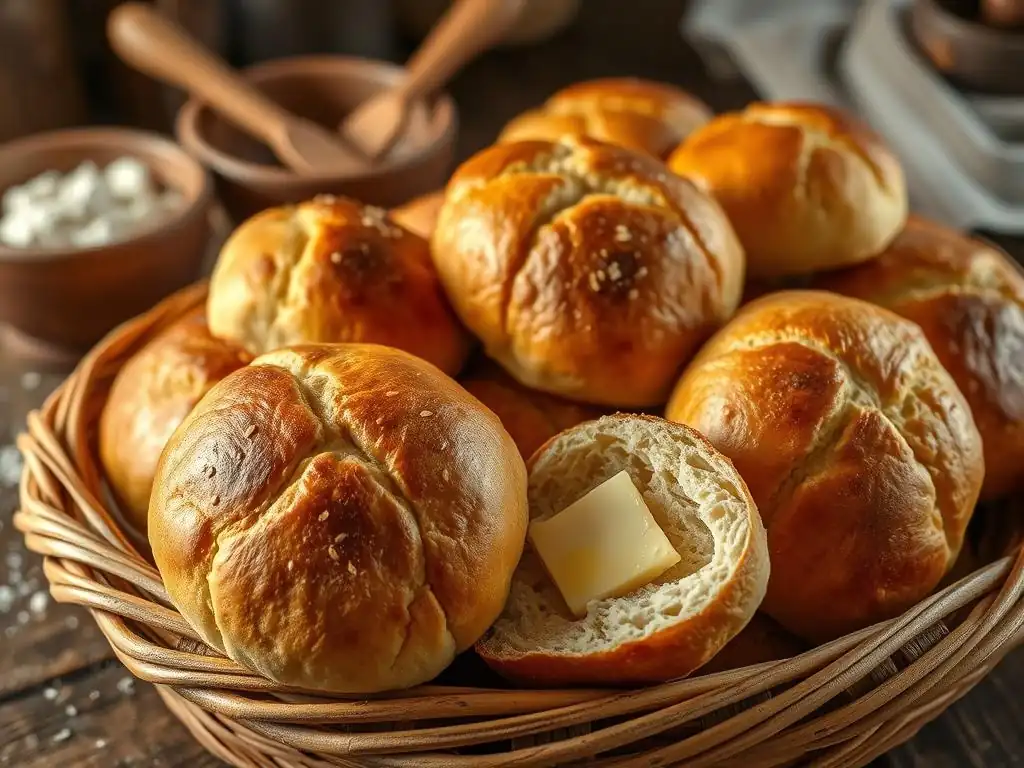
Pan Sobado is a traditional Chilean bread roll, part of the family of pan batido or pan francés, known for its slightly chewy interior and thin, crisp crust. While traditionally the dough is "beaten" or kneaded vigorously, our version presents an easy Latin American bread recipe using a no-knead method, significantly simplifying the process.
This easy Latin American bread recipe results in delicious, rustic rolls perfect for slicing and serving with butter, jam, avocado, or as companions to savory meals. The no-knead approach minimizes effort, allowing the dough's long fermentation to develop flavor and texture.
Pan Sobado Dough: Minimizing Effort, Maximizing Flavor
The magic of a no-knead dough lies in time. By allowing the dough to ferment slowly over many hours, gluten develops naturally without manual manipulation. This easy Latin American bread recipe leverages this technique.
A basic no-knead formula involves:
- 3 cups All-Purpose Flour
- 1.5 cups Warm Water (around 100-110°F / 38-43°C)
- ¼ teaspoon Instant Dry Yeast
- 1 teaspoon Salt
Combine all ingredients in a large bowl. Mix with a spoon or spatula until just combined – there should be no dry flour spots. The dough will be shaggy and sticky. Cover the bowl tightly with plastic wrap and let it rest at room temperature for 12-18 hours. This long fermentation is crucial for flavor development and ease of handling later. After this period, the dough will be bubbly and significantly increased in volume. This minimal-effort dough preparation is key to this easy Latin American bread recipe.
Shaping Pan Sobado: Easy Techniques
After the long fermentation, the dough is surprisingly easy to handle, especially with a little flour.
- Gently scrape the dough out onto a lightly floured surface. It will be very soft and sticky.
- Using a bench scraper or floured hands, gently fold the dough over itself a few times to create some structure, being careful not to deflate it too much.
- Divide the dough into portions for rolls (typically 6-8 rolls).
- Shape each portion into a rough roll shape. You can achieve a simple oval or round by gently cupping the dough with your hand on the counter and moving it in a circular motion, or by simply tucking the edges underneath. The goal is a relatively smooth top surface.
- Place the shaped rolls on a baking sheet lined with parchment paper. Leave some space between them.
- Let the rolls rest for a final proof, about 30-45 minutes, while your oven preheats.
- Preheat your oven to a high temperature, around 450°F (230°C). For a crispier crust, you can place a pan of water in the bottom of the oven while it preheats to create steam.
- Score the top of each roll with a sharp knife or razor blade (optional, but helps with oven spring and appearance).
- Bake for 20-25 minutes, or until the rolls are golden brown and sound hollow when tapped on the bottom.
This simple shaping and baking process makes this no-knead method a truly easy Latin American bread recipe for delicious Pan Sobado.
5. Simple Bolillo Recipe (Mexican Bread Rolls)
Bolillos are common Mexican bread rolls, similar to a small baguette or French roll, characterized by their oval shape, crispy crust, and soft, airy interior. They are essential for making tortas (sandwiches) and are often served alongside meals to soak up sauces. While some recipes involve specific shaping techniques and steam, we'll present an easy Latin American bread recipe for Bolillos that simplifies the process for home bakers.
Our approach focuses on a straightforward dough and shaping method that still yields delicious results, perfect for everyday baking. Enjoy them fresh with butter, fill them with your favorite ingredients for a torta, or use them to accompany savory dishes.
Bolillo Ingredients
A simple Bolillo dough uses basic pantry staples:
- 2.5 cups All-Purpose Flour
- 1 teaspoon Instant Dry Yeast
- 1 teaspoon Salt
- 1 teaspoon Sugar (optional, helps activate yeast and adds slight sweetness)
- 1 cup Warm Water (around 100-110°F / 38-43°C)
- 1 tablespoon Vegetable Oil or Melted Butter (optional, adds softness)
This ingredient list is minimal, making it easy to whip up a batch of this easy Latin American bread recipe anytime. The small amount of yeast allows for a relatively quick rise compared to long fermentation methods.
Baking Bolillos: Achieving the Perfect Crust
While professional bakers use steam ovens for that signature crispy crust, you can achieve a great result at home with simple methods.
- In a large bowl, combine flour, yeast, salt, and sugar (if using).
- Add the warm water and oil/butter (if using). Mix until the dough comes together.
- Knead the dough on a lightly floured surface for about 5-7 minutes, until it's smooth and elastic. This is more kneading than the no-knead Pan Sobado, but still manageable for beginners.
- Place the dough in a lightly oiled bowl, cover, and let it rise in a warm place for about 45-60 minutes, or until doubled in size.
- Punch down the dough and divide it into 6-8 equal portions.
- Shape each portion into an oval roll, about 5-6 inches long, tapering the ends slightly. You can do this by rolling the dough into a log and then gently elongating it while tapering the ends.
- Place the shaped rolls on a baking sheet lined with parchment paper. Cover loosely and let them rest for a final proof, about 20-30 minutes.
- Preheat your oven to 400°F (200°C). For a crispier crust, you can place a shallow pan with about an inch of hot water on the bottom rack of your oven before preheating to create steam.
- Just before baking, make a lengthwise slash down the center of each roll with a sharp knife or razor blade.
- Bake for 18-22 minutes, or until golden brown and crusty.
- Transfer to a wire rack to cool slightly before serving.
This simplified process still delivers delicious Bolillos, proving it can be an easy Latin American bread recipe.
Tips for Baking Perfect Latin American Bread at Home
Even with easy Latin American bread recipes, a few general tips can help ensure your baking success and produce delicious, authentic-tasting results.
Mastering Basic Baking Techniques for Latin American Breads
While the recipes above are designed for simplicity, understanding a few fundamentals will improve your outcome.
- Accurate Measuring: Especially for flour and other dry ingredients, using a kitchen scale for accuracy is ideal. If using volume measurements, spoon the flour into the measuring cup and level it off, rather than scooping directly from the bag, which can compact the flour and result in using too much.
- Dough Consistency: Pay attention to the described dough consistency in the recipe (e.g., soft, pliable, slightly sticky). Factors like humidity and the specific flour used can affect how much liquid is needed. Don't be afraid to add a little extra liquid or flour (a tablespoon at a time) to achieve the right texture.
- Oven Temperature: Use an oven thermometer to check your oven's actual temperature. Ovens can vary significantly from their dial settings, and accurate temperature is key for proper baking and crust development. A variance of just 25°F (around 14°C) can impact results.
- Doneness Test: Besides relying on time and appearance, check for doneness by tapping the bottom of the bread. If it sounds hollow, it's likely cooked through. For richer doughs, the internal temperature should reach around 190-200°F (88-93°C).
By keeping these basic points in mind, you'll enhance your success with any easy Latin American bread recipe.
Using the Right Ingredients for Authentic Flavor
The specific ingredients are paramount in achieving authentic flavors in Latin American baking.
- Flours: Using the correct type of cornmeal is critical for Arepas ( masa arepa) and Pupusas ( masa harina). These are not interchangeable with regular cornmeal. For recipes like Pan de Bono, using tapioca starch (yuca flour) is key to the characteristic texture. For wheat-based breads like Bolillos or Pan Sobado, standard all-purpose flour works well for an easy Latin American bread recipe, though traditional methods might use specific bread flours.
- Cheese: The type of cheese significantly impacts flavor, especially in dishes like Pan de Bono and Pupusas. Look for Latin American cheeses like queso fresco, queso costeño, or quesillo if available. If not, use the suggested substitutes (like feta, mozzarella, or a mild white cheese), but understand the flavor profile might differ slightly.
- Other Flavorings: Ingredients like panela (unrefined cane sugar), guava paste (bocadillo), or specific spices are used in other Latin American baked goods. While not in these specific easy Latin American bread recipes, be mindful of ingredient authenticity when exploring further.
Sourcing the right ingredients, even approximations for an easy Latin American bread recipe, makes a big difference. Many specialty flours and cheeses can now be found in international aisles of large supermarkets or Latin American grocery stores.
Storing Your Freshly Baked Latin American Bread
Freshly baked bread is always best enjoyed immediately, especially warm rolls like Pan de Bono or Arepas. However, if you have leftovers, proper storage helps maintain quality.
- Room Temperature: Most simple bread rolls like Bolillos or Pan Sobado can be stored at room temperature in a paper bag or loosely wrapped in a clean kitchen towel for 1-2 days. Avoid airtight containers initially, as they can soften the crust. If storing longer, move to an airtight container to prevent drying out, though the crust will soften.
- Refrigeration: Breads containing cheese or other moist fillings, like Pan de Bono or stuffed Pupusas, are best stored in the refrigerator in an airtight container. They will last 3-4 days.
- Freezing: Most Latin American breads freeze well. Allow them to cool completely, then wrap tightly in plastic wrap and then in aluminum foil or place in a freezer-safe bag. Freeze for up to 2-3 months.
- Reheating: To reheat, especially from the refrigerator or freezer, a toaster oven or conventional oven works best to crisp up the exterior. Reheat at around 300-350°F (150-175°C) for a few minutes until warmed through. Arepas and Pupusas can also be reheated on a griddle.
Proper storage ensures you can enjoy your delicious, easy Latin American bread recipe creations for longer.
Beyond the Basics: Exploring More Latin American Baking
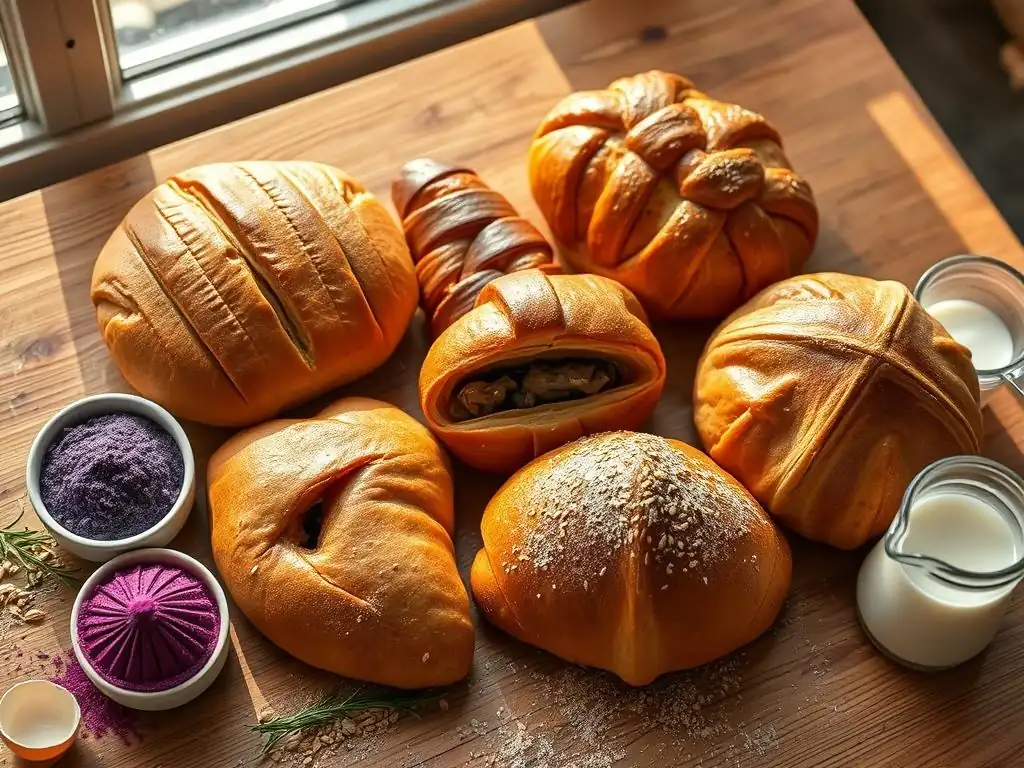
Once you've mastered these easy Latin American bread recipes, a vast world of other delicious baked goods awaits. From more complex breads to sweet pastries, the journey is just beginning.
Exploring Marraqueta (Chilean Bread)
Marraqueta, also known as pan francés in Chile and pan batido in Valparaíso, is arguably the most popular bread in Chile. It's a crusty, airy bread roll characterized by its distinctive four-part shape, created by pressing a line down the center before baking. While not as quick as the easy Latin American bread recipes listed above, making traditional Marraqueta involves specific techniques, often including a preferment ( biga or poolish) and high-temperature baking with steam to achieve its signature thin, crispy crust and soft interior.
Mastering Marraqueta is a rewarding challenge for those looking to expand their bread-making skills beyond the simplest methods. It's a staple for Chilean breakfasts and snacks, perfect for slicing and topping with butter, avocado, or palta (avocado) and tomato. Exploring this bread offers a deeper dive into Chilean baking traditions after starting with simpler options like no-knead Pan Sobado.
Understanding Masa Harina
Masa harina is a key ingredient in many Latin American dishes, including tortillas, tamales, and pupusas. It's a type of corn flour made from nixtamalized corn. Nixtamalization is a process where corn kernels are cooked and soaked in an alkaline solution (usually limewater), which softens the corn, makes the niacin more bioavailable, and alters its flavor and aroma. The kernels are then washed, ground into a dough (masa), and then dried to make masa harina.
It is crucial to understand that masa harina is not the same as regular cornmeal or cornstarch. Its unique properties, resulting from nixtamalization, are essential for the texture and flavor of traditional dishes like pupusas. Using masa harina correctly is fundamental to achieving authentic results in many easy Latin American bread recipes and beyond.
Enjoy the Taste of Latin America with These Easy Bread Recipes
Baking Latin American bread at home doesn't have to be complicated. With our curated selection of easy Latin American bread recipes, you can bring the vibrant flavors and comforting textures of this diverse region into your own kitchen. From the cheesy delight of Pan de Bono to the versatile simplicity of Arepas and the hearty satisfaction of Pupusas, Bolillos, and simple Pan Sobado, there's an easy Latin American bread recipe here for everyone to enjoy.
These recipes are perfect for beginners, requiring minimal special equipment or advanced techniques. They offer a delicious entry point into the rich world of Latin American baking, promising rewarding results and incredible aromas filling your home. So grab your apron, gather your ingredients, and get ready to bake some effortless and delicious Latin American breads today!
We love seeing what you bake! Have you tried one of our easy Latin American bread recipes? Did you experiment with different fillings for your pupusas or arepas?
Tag us on social media or share your photos and experiences on the BakeWithEase community forum. Your success stories and baking adventures inspire others to try their hand at these fantastic easy Latin American bread recipes. Happy baking!
Frequently Asked Questions
What makes a Latin American bread recipe "easy" according to BakeWithEase?
Easy recipes on BakeWithEase focus on simple ingredients, straightforward instructions, and minimal specialized equipment. These recipes are designed to be accessible to bakers of all skill levels.
Can I find gluten-free variations of Latin American bread recipes on BakeWithEase?
While BakeWithEase's primary focus is on traditional recipes, we often include modifications or suggestions for dietary restrictions where possible. Look for notes on gluten-free flour substitutions or alternative ingredients within the recipe descriptions.
Where can I source the specific ingredients needed for these Latin American bread recipes?
Most ingredients are commonly available in major grocery stores. However, some recipes may require specialty items, which can be found in Latin American markets or online retailers.
What are some common techniques used in Latin American bread baking that I should be aware of?
Common techniques include using specific types of flour, unique kneading methods, and traditional proofing processes. BakeWithEase provides detailed explanations and step-by-step visuals to guide you.
Does BakeWithEase offer video tutorials for its Latin American bread recipes?
Yes, BakeWithEase offers video tutorials for select recipes. These videos provide a visual guide to the baking process, helping you achieve perfect results every time.
Final Reflection: The Enduring Magic of Simple Latin American Breads
The vibrant flavors and comforting textures of Latin American breads are more than just recipes; they are a direct link to rich cultural heritage and a testament to the power of simple ingredients. These easily accessible recipes, far from being mere culinary exercises, offer a gateway to understanding the heart of Latin American communities and the enduring strength of their traditions. They prove that extraordinary taste doesn't require extraordinary effort.
The influence of these breads extends far beyond the kitchen table; they represent shared moments, family gatherings, and the passing down of culinary knowledge through generations. These aren't just loaves of bread; they are vessels of memory and connection. As Gabriel García Márquez so eloquently put it, Life isn't what you lived, but what you remember and how you remember it.
And for many, the aroma and taste of a freshly baked arepa, pan de bono, or bolillo are inextricably linked to cherished memories and a sense of belonging.
Now, consider your own kitchen. Imagine the warmth of a freshly baked bread filling your home, the satisfaction of creating something delicious with your own hands, and the joy of sharing it with loved ones. Take the leap; choose a recipe, gather your ingredients, and experience the magic for yourself. Let the simple act of baking become a bridge to a richer understanding of culture, a celebration of shared heritage, and a testament to the enduring power of simple pleasures.
Unleash Your Inner Panadero: Bake Your Way to Latin Flavor!
Thanks for joining us on this delicious journey through the world of Latin American breads! We hope you've discovered some new favorites and feel inspired to try your hand at these amazing recipes. Ready to get baking?
- Master your first Latin American bread: Choose one recipe from the article and get baking! Start with the arepas or pan de bono if you're feeling adventurous.
- Share your baking journey: Snap a picture of your masterpiece and post it on social media using #BakeWithEaseLatin and tag us! Let's see those delicious creations.
- Explore our other Latin American recipes: Dive deeper into our collection of sweet and savory treats and discover your next culinary adventure.
What Latin American bread are you most excited to try first, and why?