
Baking for 50 People? Easy Recipes and Smart Tips

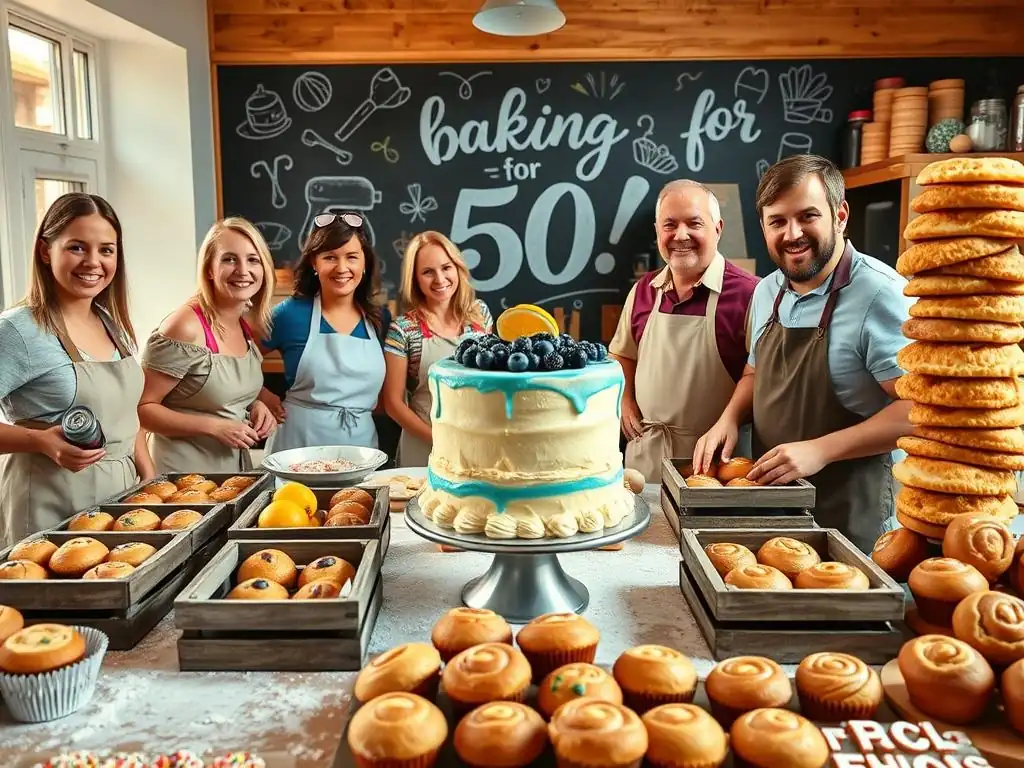
Welcome to BakeWithEase, your trusted companion in the baking world! Intrigued by the challenge of baking for a crowd? Planning a gathering and need to whip up something delicious for 50 people? Dive into our guide on large party baking recipes and discover easy-to-follow recipes, time-saving tips, and clever hacks to make your next event a resounding success. Get ready to impress your guests without spending days in the kitchen – let's get baking!
- Baking for 50 People: Recipes & Tips for Large Gatherings
- Mastering Large Party Baking
- Planning Your Large Party Baking
- Recipes for Large Party Baking
- Baking Tips
- Essential Baking Equipment
- Serving and Presentation Ideas
- Troubleshooting Baking Problems
- Conclusion: Baking for 50 People
-
Frequently Asked Questions
- How do I scale a regular baking recipe to feed a large party of 50 people?
- What are some easy-to-make recipes ideal for baking for a large party?
- How can I prevent my baked goods from drying out when baking large quantities?
- What are the best tips for transporting baked goods to a party location?
- Where can I find reliable "Large party baking recipes" for a crowd of 50 people?
- Final Reflection: The Sweet Symphony of Shared Baking
- Unleash Your Inner Baking Superstar!
Baking for 50 People: Recipes & Tips for Large Gatherings
Mastering Large Party Baking
Welcome to Baking for Large Gatherings!
Planning a party for 50 people is a significant undertaking, and the thought of baking for such a crowd might seem daunting at first. However, with the right approach, choosing suitable large party baking recipes, and employing smart techniques, it's not only manageable but incredibly rewarding. This guide is designed to walk you through the process, from selecting the perfect recipes to efficient baking, storage, and presentation, ensuring your baked goods are a delicious highlight of your event.
Diving into large party baking recipes requires a shift in perspective from baking a single cake or batch of cookies. You'll need to think about yield, scaling ingredients accurately, optimizing oven space, and managing your time effectively. But don't worry! Many classic recipes adapt beautifully to larger quantities, and focusing on recipes that are inherently easy to make in bulk or transport simplifies the process considerably. We'll explore some fantastic options that are tried and true favorites for feeding a crowd.
Why Bake Instead of Buy for a Crowd?
Baking for a large party offers numerous advantages over purchasing pre-made items. Firstly, it allows you complete control over ingredients, ensuring quality, freshness, and the ability to accommodate dietary needs or preferences, such as allergies or vegan options. A bakery might charge significantly more per serving for custom orders, whereas baking yourself can often be more cost-effective, especially for staple items like cookies or sheet cakes. For instance, a custom cake for 50 might cost upwards of $200-$400 or more, while the ingredients for a large sheet cake you bake yourself could be under $50-$75, depending on complexity.
Beyond the practical benefits, there's a special satisfaction and personal touch that comes with serving homemade baked goods. Your guests will appreciate the effort and care you put into creating something from scratch. Large party baking recipes, when executed well, can become memorable elements of your celebration, adding warmth and a sense of abundance that store-bought items simply can't replicate. It's an opportunity to share your passion for baking and make your large gathering truly unique.
Planning Your Large Party Baking
Estimating Quantities for 50 Guests
Accurately estimating how much to bake is crucial to avoid running out or having excessive leftovers. A good rule of thumb is to assume each guest will consume approximately 1.5 to 2 servings of dessert if multiple options are available, or 2-3 servings if it's the primary sweet offering. For example, if you're serving cake and cookies, plan for perhaps one generous slice of cake per person and 2-3 cookies.
If serving dinner rolls, most guests will likely have one, maybe two. For 50 people, this means you'd aim for about 50-75 servings of cake and 100-150 cookies if offering both.
Consider the type of event and time of day. A casual afternoon tea might see guests eating more pastries, while a post-dinner dessert table might have slightly lower consumption per person. Also, factor in the size of your servings. A standard 9x13 inch cake typically yields 12-16 servings. To serve 50 people, you'd need roughly 3-4 such cakes, or one large full sheet cake (approx. 18x24 inches), which can yield 48-96 servings depending on how it's cut. Similarly, a typical batch of chocolate chip cookies yields 2-3 dozen (24-36 cookies). For 100-150 cookies, you'd need to make 4-6 batches.
Choosing Recipes for a Large Group
Selecting the right large party baking recipes is key to success and managing stress. Prioritize recipes that are known to scale well, are relatively simple to prepare in large quantities, and hold up well for storage and transport. Sheet cakes, bar cookies, muffins, scones, and sturdy loaf breads are often excellent choices. Delicate pastries requiring individual assembly or precise timing might be better left for smaller gatherings unless you have significant help.
Think about logistics: Can the recipe be made ahead of time? How easy is it to portion and serve? Recipes that can be baked on large sheet pans or in multiple standard pans simultaneously are time-savers. For instance, baking a single large batch of cookie dough to scoop and bake over several trays is more efficient than mixing multiple small batches. Large party baking recipes should also ideally use common, easily scalable ingredients. Complex recipes with many fussy steps or ingredients that are difficult to measure precisely in large amounts should generally be avoided.
Time Management: Baking Schedule
Creating a detailed baking schedule is essential when preparing for a large party. Start by listing all the items you plan to bake and work backward from the event time. Many baked goods, like certain cakes, cookies, and breads, can be made a day or two in advance, or even frozen further ahead. Doughs for cookies or rolls can often be prepared and refrigerated or frozen until ready to bake.
Break down each recipe into steps: mixing, chilling, baking, cooling, decorating/finishing. Assign specific times or days for each task. For example, you might bake cakes on Thursday for a Saturday event, make cookie dough on Friday morning, bake cookies Friday afternoon, and handle any final decorating or assembly on Saturday morning. Using a task list can be very helpful:
- [ ] Monday: Grocery shopping for all ingredients.
- [ ] Tuesday: Bake bread dough (if applicable), cool completely.
- [ ] Wednesday: Bake cakes, cool completely. Make frosting/ganache.
- [ ] Thursday: Make cookie doughs, chill.
- [ ] Friday AM: Bake cookies.
- [ ] Friday PM: Frost/decorate cakes.
- [ ] Saturday AM: Final touches, packaging for transport (if needed).
This structured approach minimizes stress and ensures everything is ready on time.
Recipes for Large Party Baking
Crowd-Pleasing Cakes
Cakes are often the centerpiece of a dessert spread. For 50 people, large format cakes like sheet cakes or multiple bundt cakes are practical choices among large party baking recipes.
Chocolate Sheet Cake with Chocolate Ganache
A classic chocolate sheet cake is perfect for large gatherings because it bakes evenly in a large pan and is easy to slice and serve. A standard half sheet pan (13x18 inches) recipe can often yield 24-36 servings, meaning you might need two for 50 people, depending on portion size. The batter is typically straightforward, often mixed in one bowl.
The ganache, a simple mixture of hot cream and chocolate (e.g., 2 parts chocolate to 1 part heavy cream), can be poured over the warm cake, creating a smooth, decadent finish without the need for intricate frosting techniques. This type of cake is robust enough to transport easily and is universally loved.
The beauty of a sheet cake lies in its simplicity and yield. Scaling up the ingredients for a larger pan, like a full sheet pan (18x26 inches) which might require tripling or quadrupling a standard recipe, can yield up to 96 smaller servings. When scaling, pay close attention to leavening agents like baking soda and baking powder, and wet ingredients like eggs, as these can sometimes behave differently in large quantities. Using a high-quality cocoa powder (like Dutch-process cocoa) will enhance the chocolate flavor significantly, making this simple cake feel extra special.
Lemon Bundt Cake
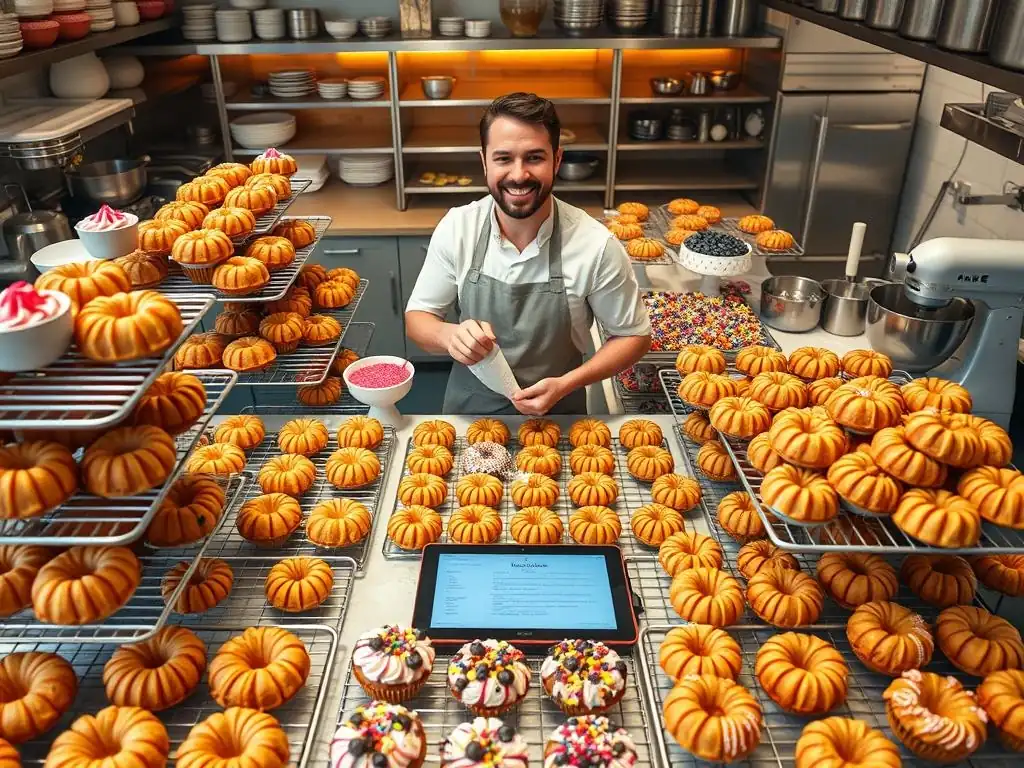
Lemon Bundt cakes are another excellent option for large groups. Their dense structure makes them forgiving, and a single standard 10-12 cup Bundt pan yields 12-16 slices. For 50 guests, you would need to bake 3-4 Bundt cakes. The elegant shape means they require minimal decoration, perhaps just a simple glaze or a dusting of powdered sugar, saving significant time compared to layer cakes. The bright, tangy flavor of lemon is refreshing and appeals to many palates, making it a great counterpoint to richer desserts.
Baking multiple Bundt cakes allows you to manage oven space more easily than baking multiple layers of a traditional cake. You can bake them sequentially or, if you have a large enough oven, two at a time. Ensure you cool them completely in the pan for about 10-15 minutes before inverting onto a wire rack to prevent sticking and breaking. A simple glaze made from powdered sugar and lemon juice (a ratio like 1.5 cups powdered sugar to 2-3 tablespoons lemon juice) is quick to whisk up and drizzle over the cooled cakes.
Cookies are ideal for large gatherings as they are easy to eat standing up and can be made in vast quantities. Large party baking recipes for cookies should focus on batch efficiency.
Chocolate Chip Cookies: Batch Baking
Chocolate chip cookies are a crowd favorite and scale up exceptionally well. A standard recipe using 1 cup of butter often yields 2-3 dozen cookies. To get 100-150 cookies for 50 guests (assuming 2-3 per person), you'll need to make 4-6 batches worth of dough. The most efficient way to handle this is to mix one very large batch of dough using a stand mixer (capable of handling 6-8 quarts) or multiple standard mixer bowls. Once the dough is mixed, it can be refrigerated or frozen in portions.
Baking in batches is key here. You'll need multiple baking sheets. While one batch is in the oven, you can be scooping dough onto another sheet. Using a cookie scoop ensures uniform size, which helps with even baking time. Baking large quantities of cookies effectively means planning oven cycles. Typically, a standard oven can hold 2-3 baking sheets at a time, depending on size. With a baking time of 10-12 minutes per sheet, you can bake dozens of cookies in under an hour once the dough is ready.
Peanut Butter Cookies: Scaling Up
Peanut butter cookies are another robust option that scales well. A classic recipe often involves creaming butter, peanut butter, and sugar, then adding eggs, flour, and leavening. Like chocolate chip cookies, a standard batch yields 2-3 dozen. Scaling up follows a similar principle: prepare a large quantity of dough. The "criss-cross" pattern pressed with a fork is a simple, recognizable finish that doesn't require extra steps for a large batch.
When scaling, ensure your mixer can handle the volume of dough. A standard 5-quart stand mixer might handle a double or triple batch (yielding 4-9 dozen), but for 6 batches or more, you might need a larger mixer or divide the mixing into multiple rounds. The dough itself is quite forgiving and holds its shape well during baking, making it suitable for busy large party baking. Remember to bake until edges are set but centers are still slightly soft for a chewy texture, typically 10-14 minutes depending on size.
Bread & Pastries
Bread and simple pastries can complement a savory spread or serve as lighter options among large party baking recipes.
Soft Dinner Rolls
Homemade soft dinner rolls are a wonderful addition to any large meal. A typical recipe yields 12-16 rolls. For 50 guests, you'd need to make 3-4 batches, totaling 48-64 rolls. Yeast dough can seem intimidating in large quantities, but the process for rolls is straightforward: mix, knead, proof, shape, second proof, and bake. The dough can often be mixed and the first rise done ahead of time in the refrigerator (a "cold proof"), developing flavor and allowing flexibility in your schedule.
Shaping rolls is repetitive but relatively quick. You can bake them individually on sheet pans or touching in larger pans (like a 9x13 or half sheet pan) for pull-apart rolls. Baking time is usually short, around 15-20 minutes per batch. Having multiple sheet pans is essential for efficiency. Brushing with melted butter after baking adds shine and softness. These are best baked fresh or the day before and warmed slightly before serving.
Sheet Pan Pizza Dough
Sheet pan pizza is an incredibly versatile and efficient way to serve a large group, whether as a main dish or a substantial appetizer. A standard recipe for one large sheet pan (like a 13x18 inch half sheet) can easily serve 8-10 people as a main or more as an appetizer. For 50 people, you might need 5-6 sheet pans worth of pizza dough if serving as a main, or 3-4 if serving smaller slices as part of a larger spread.
Making a large batch of pizza dough is quite manageable. A stand mixer can handle a significant amount of dough. Once mixed and proofed, the dough is simply pressed or rolled out into the sheet pans. You can prepare multiple pans simultaneously. Baking time for sheet pan pizza is typically 15-25 minutes per pan, depending on thickness and toppings. The real efficiency comes from being able to bake several pans at once and offering different toppings to cater to various preferences, making this a highly adaptable option among large party baking recipes.
Baking Tips
Scaling Recipes
Scaling recipes for large party baking requires more than simply multiplying ingredients. While dry ingredients (flour, sugar, salt) usually scale linearly, wet ingredients like eggs, milk, and liquids, as well as leavening agents (baking powder, baking soda, yeast) and flavorings, need more careful adjustment. Too much leavening can cause cakes to rise too quickly and then collapse, while too many eggs can make baked goods rubbery.
When scaling, consider using metric measurements as they are more precise for larger quantities. For instance, weighing flour is far more accurate than measuring by volume, especially when dealing with several pounds. If a recipe calls for 2 eggs, scaling it by 3.5 times (to get 7 eggs) can be tricky.
You might need to use whole eggs and adjust liquid slightly, or use an average egg weight (approx. 50 grams without shell) to calculate the total egg mass needed and use a combination of yolks and whites if necessary, though for most large party baking recipes, slight variations are acceptable. It's often safer to make multiple standard batches than one massive, potentially problematic batch, especially for sensitive recipes.
Efficient Baking Techniques
Maximizing efficiency is key when baking for 50. One major technique is batch baking: preparing large quantities of dough or batter at once and baking in stages. Utilize multiple baking pans and cooling racks. As one batch bakes, prepare the next. Preheating your oven properly and knowing its hot spots is crucial for even baking across multiple trays. Rotate pans halfway through baking if necessary.
Consider prepping ingredients ahead of time. Measure out dry ingredients into bags or containers. Chop nuts, melt chocolate, or prepare frostings the day before. This streamlines the baking process on the main event day. For recipes requiring chilling (like cookie dough), ensure you have adequate refrigerator space. Using convection settings on your oven (if available) can often allow you to bake more items at once at a slightly lower temperature, improving efficiency for large party baking recipes.
Storage Solutions
Proper storage is vital to keep your large quantity of baked goods fresh. Cakes should be cooled completely before storing. Unfrosted cakes can often be tightly wrapped in plastic wrap and then foil, and stored at room temperature for a day or two, or frozen for longer. Frosted cakes, especially those with perishable fillings or cream cheese frosting, need refrigeration. Use airtight containers for cookies and brownies to prevent them from going stale; storing different types separately keeps flavors distinct.
Breads should be cooled completely on a wire rack before storing in bread bags or wrapped tightly to maintain softness. Warm bread wrapped too soon will become soggy. For items baked ahead, consider freezing. Most cakes, cookies, and many types of bread freeze exceptionally well. Wrap items tightly in plastic wrap and then foil or place in freezer bags. Thaw cakes overnight in the refrigerator and cookies/bread at room temperature. Proper storage ensures your hard work stays delicious until serving time.
Transporting Baked Goods
Getting your large quantity of baked goods safely to the event location requires careful planning. Use sturdy boxes or containers with tight-fitting lids. For cakes, secure them on a flat surface in your vehicle. Non-slip mats can be helpful. Consider using cake carriers designed for sheet cakes if possible. For multiple layers of cookies or bars, place parchment or wax paper between layers to prevent sticking.
Keep temperature in mind. On a hot day, baked goods with chocolate or perishable frostings can melt quickly. Transporting in a vehicle with air conditioning is ideal. For longer distances or warmer weather, insulated carriers or coolers (without ice packs that could introduce moisture) can help maintain a stable temperature. Pack items snugly so they don't shift during transit, but not so tightly that they get crushed. Label boxes clearly with the contents.
Essential Baking Equipment
Baking Pans for Large Quantities
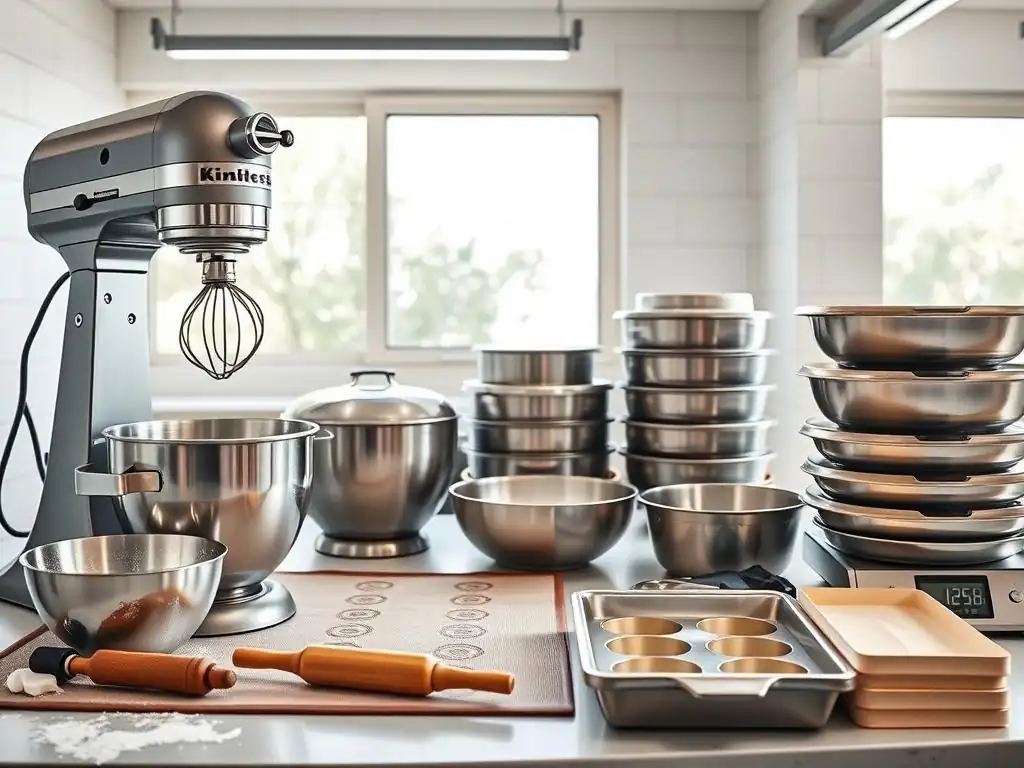
Investing in large baking pans is essential for efficient large party baking recipes. Half sheet pans (13x18 inches) are incredibly versatile for cookies, sheet cakes, bar cookies, and roasting. Owning 4-6 of these can significantly speed up your baking process. Full sheet pans (18x26 inches) are great for very large single cakes or batches of cookies, if your oven can accommodate them.
Consider multiple standard-sized pans as well, such as several 9x13 inch cake pans, loaf pans, or muffin tins, depending on your chosen recipes. Using multiple standard pans can sometimes be easier to manage and transport than one giant pan. Non-stick finishes or using parchment paper is crucial for easy release when baking large quantities. Durable, heavy-gauge aluminum pans provide even heat distribution, which is important for consistent results across many items.
Stand Mixer vs. Hand Mixer
For large party baking, a stand mixer is almost indispensable. A standard 5-quart stand mixer can typically handle dough for 2-3 dozen cookies or cakes requiring up to 8-10 cups of flour. For even larger batches, a 6-quart or larger capacity mixer is a significant advantage, allowing you to mix dough for 4-6 dozen cookies or larger cake batters in a single go. This saves immense time and effort compared to mixing by hand or with a small hand mixer.
While a hand mixer is suitable for smaller tasks like whipping cream or making a single batch of frosting, it is not designed for the volume and stiffness of large quantities of cookie dough, bread dough, or dense cake batters. Attempting to use a hand mixer for large batches can strain the motor and is physically taxing. For efficient large party baking recipes, prioritize using a stand mixer for doughs and batters.
Helpful Tools
Beyond mixers and pans, several other tools can make large party baking much smoother. Large capacity mixing bowls (8-12 quarts) are necessary for combining scaled-up ingredients. Multiple sets of measuring cups and spoons are helpful so you don't have to wash them between different ingredients or recipe batches. A digital kitchen scale is invaluable for accurate measurement, especially when scaling.
Other useful items include:
- Multiple wire cooling racks to cool items quickly and evenly.
- Rubber spatulas and bowl scrapers for getting all the batter/dough out of large bowls.
- A large cookie scoop (e.g., 2-3 tablespoon size) for uniform cookies.
- Parchment paper or silicone baking mats for easy cleanup and non-stick baking.
- Large airtight containers or food-grade storage bags for storing finished goods.
- A long serrated knife for slicing sheet cakes cleanly.
Serving and Presentation Ideas
Cake Decorating
Decorating a cake for 50 doesn't have to be overly complex. For sheet cakes, a simple flood of ganache, a smooth layer of buttercream, or a dusting of powdered sugar can be elegant and manageable for a large surface area. You can use stencils with cocoa powder or powdered sugar for a patterned effect. For multiple Bundt cakes, a simple glaze or a drizzle contrasting color (like a chocolate drizzle on a lemon cake) works well.
Consider ease of serving. A flat sheet cake is easiest to cut into portions. For a more decorative touch without complexity, you can pipe simple borders or swirls around the edges using a large piping bag and tip. Edible flowers, fresh berries, or chocolate shavings can add visual appeal quickly. Remember that the goal is presentation for a crowd, so focus on clean lines and simple, repeatable techniques rather than intricate details.
Cookies offer flexibility in presentation for large party baking. Arrange them on platters, tiered stands, or even in large baskets lined with parchment paper. Mixing different types of cookies adds visual interest. For example, alternating rows of chocolate chip and peanut butter cookies on a tray.
Consider labeling different types of cookies, especially if there are potential allergens (like nuts). Small tent cards work well. For a rustic look, stack cookies loosely in varying heights. For a neater display, arrange them in concentric circles or neat rows. Using colorful paper liners in baskets or on trays can enhance the visual appeal.
Bread and Pastry Presentation
Presenting bread and pastries attractively enhances the overall spread. Dinner rolls can be served warm in a basket lined with a cloth napkin. Arranging them piled high creates a welcoming, abundant look. For sheet pan pizza, slice it into smaller, easy-to-grab squares or rectangles and arrange them on large platters.
If serving multiple types of bread or pastries (like muffins or scones), use different baskets or platters for each type. Elevating some platters using cake stands or risers adds dimension to the table. Garnishes like a sprig of rosemary with savory bread or a dusting of powdered sugar on sweet pastries can add a professional touch. The key is to make everything look accessible and inviting for your guests.
Troubleshooting Baking Problems
Dry Cake? Solutions
A dry cake is a common issue, especially when scaling recipes or baking for longer times in large pans. This often happens from overmixing the batter, overbaking, or incorrect ingredient ratios (too much flour, not enough fat or liquid). For large party baking recipes, ensuring accurate measurements (using a scale!) is critical.
If your cake turns out dry, there are a few rescue options. For a sheet cake, you can brush the top with a simple syrup (equal parts sugar and water, heated until sugar dissolves, optionally flavored with vanilla or liqueur) while it's still warm. This adds moisture back into the crumb. Using a moist frosting like ganache or cream cheese frosting also helps compensate. In the future, double-check your oven temperature with an external thermometer, reduce baking time slightly, or consider adding a touch more liquid (like buttermilk or sour cream) to your batter formula when scaling.
Cookies spreading too much is another frequent problem. This can be caused by butter that is too soft or melted, not enough flour, too much sugar, or baking on warm cookie sheets. When making large batches of cookie dough for large party baking, ensure your butter is at the correct "room temperature" (soft but not greasy) and chill the dough thoroughly before baking.
If cookies are spreading, try adding a tablespoon or two more flour to the dough. Also, ensure your baking sheets are cool before placing the dough on them; baking on a hot sheet will cause the butter to melt too quickly. You can also try slightly increasing the baking temperature by 10-15 degrees F (5-8 degrees C) for the next batch, which can help the cookies set faster before spreading excessively.
Bread Not Rising?
If your bread dough isn't rising properly when making large quantities for large party baking recipes, the most common culprits are inactive yeast, incorrect water temperature, or not enough kneading. Ensure your yeast is fresh; check the expiration date or test it by dissolving a small amount in warm water (around 105-115°F or 40-46°C) with a pinch of sugar – it should foam within 5-10 minutes.
Water that is too hot will kill the yeast, while water that is too cold won't activate it. Ensure your water temperature is within the recommended range. Proper kneading is essential for developing gluten, which gives the bread structure and allows it to rise. For large batches in a stand mixer, ensure you're kneading for the recommended time (often 8-10 minutes at medium speed) until the dough is smooth and elastic. Cold temperatures can also slow down rising; find a warm spot for your dough to proof.
Conclusion: Baking for 50 People
Tackling large party baking recipes for 50 people is a rewarding challenge that is well within reach for any enthusiastic baker. By carefully planning your quantities, choosing scalable and forgiving recipes like sheet cakes, batch cookies, or simple breads, and managing your time with a clear schedule, you can significantly reduce stress. Leveraging efficient techniques like batch baking and proper storage will ensure your baked goods are fresh and delicious.
While it requires more effort than baking for a small group, the principles remain the same: accurate measuring, understanding ingredients, and managing your oven. With the right preparation and a focus on these practical large party baking tips, you can successfully create a memorable spread that your guests will absolutely love.
Frequently Asked Questions
How do I scale a regular baking recipe to feed a large party of 50 people?
Scaling recipes involves more than just multiplying ingredients. Consider adjusting baking times and temperatures, as larger batches often require longer baking times and may need a slightly lower temperature to ensure even cooking.
What are some easy-to-make recipes ideal for baking for a large party?
Choose recipes that are simple to execute in large quantities, such as sheet cakes, cookies, or brownies. These options minimize individual portioning and are easily scalable without compromising quality.
How can I prevent my baked goods from drying out when baking large quantities?
Ensure proper hydration by adjusting liquid ratios if necessary (though often not needed). Also, prevent overbaking by closely monitoring the baking time and using a toothpick test for doneness.
What are the best tips for transporting baked goods to a party location?
Invest in sturdy containers and arrange the baked goods carefully to prevent damage during transportation. For cakes, consider freezing them partially for easier handling and to maintain their shape.
Where can I find reliable "Large party baking recipes" for a crowd of 50 people?
BakeWithEase.com offers a curated collection of large party baking recipes with detailed instructions and tips for successful baking. Explore the website for various options, from cakes to cookies.
The art of baking for a crowd isn't just about scaling up recipes; it's about scaling up joy. In a world increasingly focused on individual experiences, the act of creating and sharing a delicious baked good with fifty people represents a powerful connection, a testament to the enduring power of communal celebration. This ability to bring people together through the simple act of baking is more relevant than ever.
The impact of shared meals, and the baking that often precedes them, on our social fabric is profound. It fosters a sense of belonging, strengthens relationships, and creates lasting memories. As Maya Angelou wisely said, Food is symbolic of love when words are inadequate.
Baking for a large group amplifies this sentiment, transforming a simple act of culinary creation into a powerful expression of care and generosity. The process itself, from meticulous planning to the collaborative effort of assembling and serving, becomes a shared experience, enriching the final product with layers of meaning beyond mere taste.
Now, consider your own gatherings. What memories are tied to shared meals? What could you create, what joy could you share, by embracing the challenge of baking for a crowd? Don't be intimidated by the numbers; embrace the opportunity to create a truly memorable experience, to build connections, and to share the sweet symphony of your baking with those you cherish. The rewards, both tangible and intangible, are immeasurable.
Unleash Your Inner Baking Superstar!
Thanks for taking the time to explore our tips and tricks for baking on a larger scale! We hope you now feel confident tackling even the biggest baking challenges. Ready to put your new skills to the test?
- Plan your next big bake: Start by choosing one recipe from the article – maybe that irresistible chocolate cake – and adjust the quantities using our guide. This is your first step to baking brilliance!
- Share your baking adventure: Let's see your creations! Tag us on social media with pictures of your delicious results. We love seeing what you bake!
- Discover more baking magic: Explore our other articles on BakeWithEase.com for even more recipes and techniques to expand your baking repertoire.
What delicious creation will you bake for your next big event? Let us know in the comments!