
Bread Machine vs. Oven: When to Use Which Method for Baking

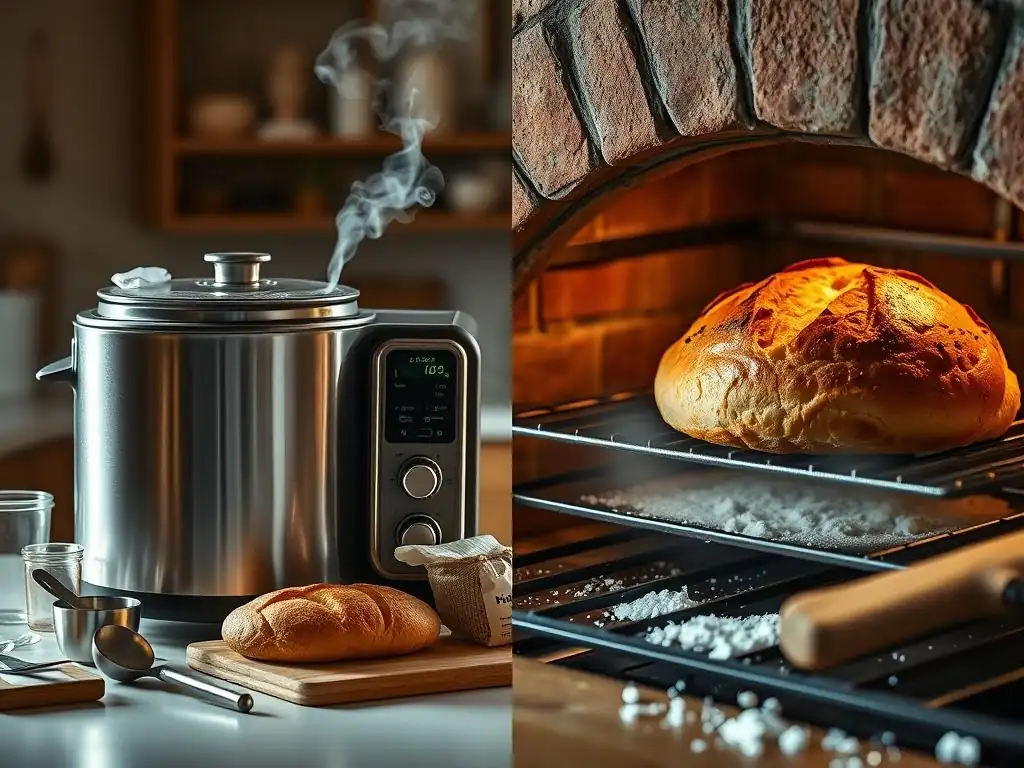
Welcome to BakeWithEase, your trusted guide to effortless baking! Ever wondered whether your bread machine or your oven is the ultimate tool for creating the perfect loaf? Dive into our Bread Machine vs. Oven Comparison Guide and unlock the secrets to achieving bakery-quality results, every single time. Prepare to discover the pros, cons, and surprising tips that will transform your baking game. Curious which method reigns supreme? Let's find out!
- Bread Machine Oven Comparison Guide: Choosing the Best Baking Method for Your Needs
- When to Use a Bread Machine: Ideal Situations and Bread Types
- When to Choose Oven Baking: Perfect Scenarios and Bread Varieties
- Comparing Bread Machine and Oven Performance: Taste, Texture, and Quality
- Practical Tips for Optimizing Bread Machine and Oven Use
- Conclusion: Making the Right Choice in the Bread Machine Oven Comparison Guide
-
Frequently Asked Questions
- What are the key differences between using a bread machine and an oven for baking bread?
- Is one method, bread machine or oven, generally better for beginner bakers?
- What types of bread are best suited for a bread machine versus an oven?
- Does using a bread machine or an oven affect the overall taste and texture of the bread?
- How does cost factor into the bread machine vs. oven decision?
- Final Reflection: The Flour Power of Choice
- Unlock Your Baking Potential: Mastering Bread Making!
Bread Machine Oven Comparison Guide: Choosing the Best Baking Method for Your Needs
Understanding the Basics: Bread Machine vs. Traditional Oven Baking
When you embark on the journey of baking homemade bread, two primary methods stand out: using a dedicated bread machine or baking in a conventional oven. A bread machine is a countertop appliance designed to automate the entire bread-making process. You typically add ingredients in a specific order, select a program, and the machine handles the kneading, rising (proofing), and baking all within its self-contained pan. This hands-off approach is a significant draw for many home bakers.
Traditional oven baking, on the other hand, involves a more manual process. While steps like kneading can be done by hand or with a stand mixer, the shaping, final proofing, and baking are performed in a standard kitchen oven. This method gives the baker complete control over each stage, from the initial mixing to the final crust development, requiring more active participation but offering greater flexibility in the final product.
Key Differences Between Bread Machines and Ovens for Baking Bread
The most striking difference lies in the level of automation and control. A bread machine is essentially an all-in-one unit that reduces active participation significantly. You measure ingredients, add them to the pan, press a button, and return hours later to a finished loaf. A typical basic bread machine cycle might run for about 3 to 4 hours, with the baker's active time being less than 15 minutes.
Conversely, oven baking is a multi-step process requiring manual intervention at each stage. Kneading might take 10-20 minutes, followed by bulk fermentation (first rise, often 1-2 hours), shaping (5-10 minutes), final proofing (another 30-90 minutes), and finally baking (20-60 minutes depending on the loaf size and type). This hands-on approach, while more time-consuming in terms of active effort, allows for a wider variety of bread types and shapes beyond the standard loaf pan form.
Advantages of Using a Bread Machine for Homemade Bread
The primary advantage of a bread machine is unparalleled convenience. It eliminates the need for manual kneading, monitoring proofing temperatures, and timing multiple steps. For busy individuals or those new to baking, it simplifies the process drastically, ensuring consistent results with minimal effort. Simply add your flour, yeast, water, and other ingredients, select the appropriate cycle (e.g., "Basic," "Whole Wheat," "Dough"), and let the machine do the work. Many machines also offer delayed start timers, allowing you to wake up to fresh bread.
Furthermore, bread machines provide a controlled environment for rising, which is crucial for successful bread. The machine maintains an optimal temperature within the pan, reducing variables that can affect proofing, such as fluctuating room temperature. This consistency makes the bread machine oven comparison guide lean towards the machine for those seeking reliable results without mastering proofing techniques. Common loaf sizes produced are typically 1 lb, 1.5 lb, or 2 lb, fitting neatly within the machine's capabilities.
Benefits of Baking Bread in a Conventional Oven
Baking bread in a conventional oven offers the baker maximum control and versatility. You are not limited to the shape of a bread machine pan; you can create boules, baguettes, rolls, braided loaves like challah, or flatbreads. This freedom in shaping allows for greater creativity and the production of a wider range of artisan and specialty breads that are difficult or impossible to make entirely within a bread machine.
The oven also allows for precise control over baking temperature and time, which is critical for achieving specific crust and crumb characteristics. You can start with a high temperature for a good oven spring and then reduce it for even cooking. Techniques like using steam (often achieved with a Dutch oven or a pan of water) are easily employed in a conventional oven to develop a thin, crispy crust, a hallmark of many artisan loaves. This level of customization is a key benefit when considering the bread machine oven comparison guide.
When to Use a Bread Machine: Ideal Situations and Bread Types
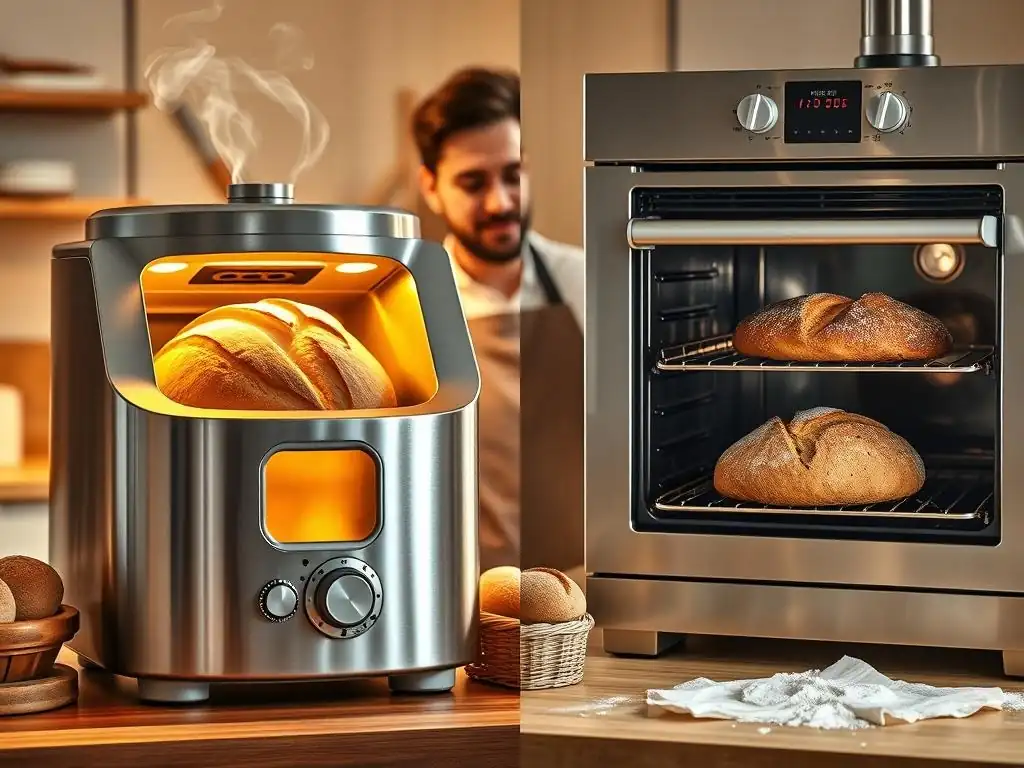
Best Bread Recipes Suited for Bread Machines
Bread machines excel at producing standard sandwich loaves and simple enriched doughs. Recipes specifically formulated for bread machines, such as basic white bread, whole wheat bread, or simple rye bread, work best as they are designed to fit the machine's cycle timings and pan dimensions. These recipes typically use standard bread flour, yeast, water, salt, and often a bit of sugar or fat.
Beyond full loaves, the "dough" cycle on a bread machine is incredibly useful. This cycle completes the kneading and first rise, delivering ready-to-shape dough in about 1 to 1.5 hours. This is perfect for preparing dough for pizza, focaccia, dinner rolls, or cinnamon buns. You simply remove the dough after the cycle finishes, shape it as desired, allow it to proof manually, and then bake it in your conventional oven.
Time-Saving and Convenience Factors of Bread Machine Baking
The most compelling reason to use a bread machine is the significant reduction in active time required. Measuring ingredients might take 5-10 minutes. Once the cycle starts, you are free to attend to other tasks until the bread is baked and ready. The total cycle time might be 3-4 hours, but your physical involvement is minimal compared to the cumulative 30-60 minutes or more of active work spread out over several hours for oven baking.
This convenience is particularly valuable for busy weeknights, preparing fresh bread for breakfast using a delayed timer, or baking during hot weather when you want to avoid heating up your entire kitchen with a conventional oven. The bread machine provides a consistent, contained environment that handles the labor-intensive parts of bread making automatically, making it a champion of convenience in the bread machine oven comparison guide.
How Bread Machines Handle Dough Kneading and Rising Automatically
Bread machines are equipped with one or two paddles in the bottom of the pan that rotate to mix and knead the dough. The machine's programs are timed to knead the dough sufficiently to develop gluten, much like manual kneading or using a stand mixer, but without your intervention. The kneading duration varies by program, with denser doughs like whole wheat often receiving a longer knead.
Following the kneading phase, the bread machine automatically transitions into the rising or proofing phase. The machine warms the pan to an optimal temperature for yeast activity, promoting a consistent rise. Many programs include an automatic punch-down cycle, deflating the dough before a second, shorter rise. This automated handling of kneading and rising ensures that these critical steps are performed correctly according to the program's specifications, significantly reducing the risk of common baking errors like under-kneading or improper proofing.
When to Choose Oven Baking: Perfect Scenarios and Bread Varieties
Artisan and Specialty Breads Better Made in an Oven
Oven baking is the preferred method for crafting artisan and specialty breads that require specific shaping, high hydration levels, or unique baking environments. Sourdough bread, with its tangy flavor and open crumb structure developed over long fermentation periods (often 12-24 hours or more), is typically baked in a conventional oven, often using a Dutch oven to trap steam and create a superior crust. Lean doughs like ciabatta or baguettes, known for their high hydration and airy interiors, also require the high temperatures (often 450-500°F or 230-260°C) and steam control that a conventional oven provides.
Enriched doughs destined for specific forms, such as braided challah, shaped dinner rolls, or cinnamon buns, also necessitate oven baking for their final shape and texture. While a bread machine's dough cycle can prepare the dough, the artistry and control over the final form and uniform baking of multiple pieces are only possible in an oven. This versatility in handling diverse dough types and shapes is a major advantage in the bread machine oven comparison guide.
Customization and Control Over Baking Parameters with an Oven
Baking in a conventional oven gives the baker complete command over the baking process. You can set the precise temperature, adjust it during the bake (e.g., starting high and lowering), and control the duration. This level of control is essential for achieving specific results, such as a deeply caramelized crust or ensuring a large loaf is cooked through without burning the exterior.
Furthermore, the oven allows you to control the baking environment, particularly the presence of steam. Introducing steam at the beginning of the bake prevents the crust from setting too quickly, allowing for maximum oven spring and contributing to a thin, crispy crust. Techniques range from using a Dutch oven or baking stone with a steam tray to more elaborate methods. This ability to manipulate temperature, time, and environment offers unparalleled flexibility compared to the fixed programs of a bread machine.
Techniques for Achieving Crust and Texture Variations in Oven-Baked Bread
The conventional oven is the playground for manipulating crust and crumb textures. For a crispy, crackly crust, high initial heat and steam are key. Baking on a preheated baking stone or steel, or within a preheated Dutch oven, transfers heat efficiently to the base of the loaf, promoting rapid expansion (oven spring) and crust development. The ability to control steam application directly impacts how the crust forms – more steam typically results in a thinner, crispier crust.
The crumb structure (the interior texture) is also highly controllable in oven baking through variations in kneading, proofing, hydration levels, and shaping techniques. Whether you aim for the large, irregular holes of a ciabatta or the even, fine texture of a sandwich loaf, the oven provides the necessary environment to bake the dough structure you've carefully developed. Scoring the loaf before baking is another technique used in oven baking to control expansion and add visual appeal, something not possible with a bread machine.
Comparing Bread Machine and Oven Performance: Taste, Texture, and Quality
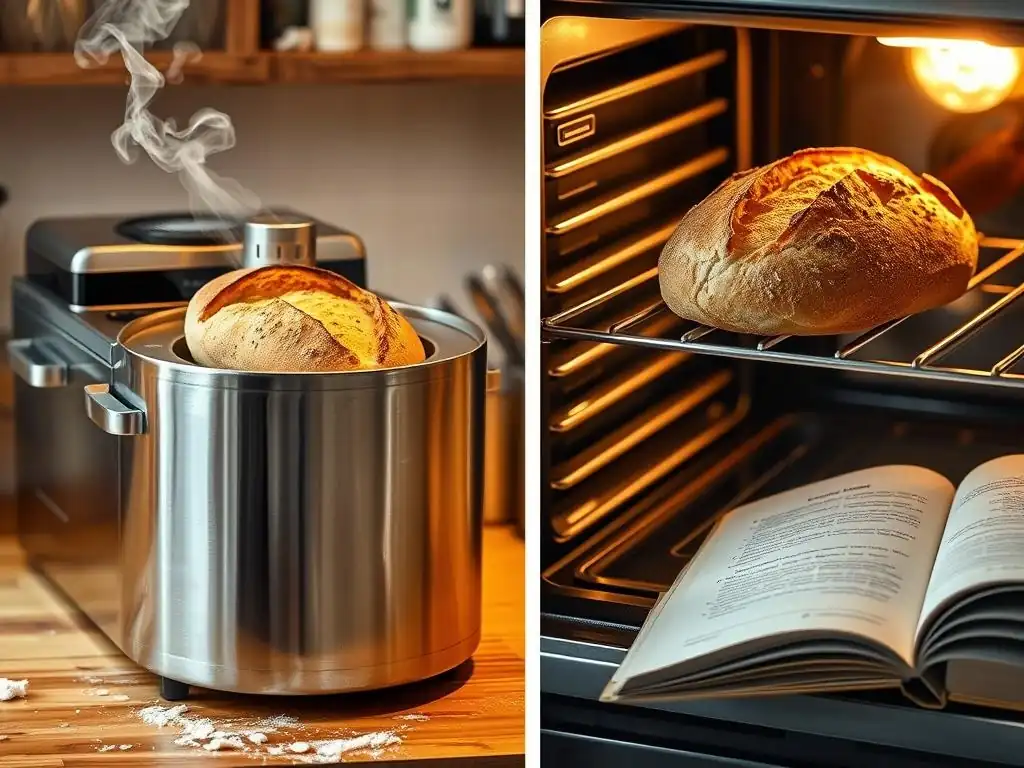
Flavor Profiles: Bread Machine vs. Oven-Baked Bread
The flavor of bread can be influenced by the baking method, although the ingredients and fermentation time are usually more significant factors. Bread machines typically produce bread with a straightforward, consistent flavor, ideal for everyday consumption. Because bread machine cycles are often shorter and bake occurs within a non-stick pan, the crust development might be less pronounced, potentially resulting in a less complex flavor compared to a deeply caramelized oven-baked crust.
Oven baking allows for longer fermentation times, especially with techniques like cold proofing in the refrigerator or sourdough methods, which develop more complex flavors. The ability to achieve a well-developed, caramelized crust in the oven also contributes significantly to the overall flavor profile, adding notes of sweetness and depth that are often less prominent in bread machine loaves. This aspect is important when evaluating quality in a bread machine oven comparison guide.
Crust and Crumb Differences Explained
The most noticeable difference between bread machine and oven-baked bread is often the crust and crumb. Bread machine bread typically has a softer, thicker crust, especially on the sides and bottom, due to being baked in the non-stick pan. The top crust, exposed to direct heat, can be thicker and sometimes unevenly browned compared to the rest of the loaf.
Oven-baked bread offers a much wider range of crust possibilities, from the thin, delicate crispness of a baguette achieved with high heat and steam, to the chewy, substantial crust of a rustic boule. The crumb of bread machine loaves tends to be relatively uniform and can sometimes be denser, influenced by the single rise cycle and the paddle leaving a hole or indentation. Oven baking allows for greater control over crumb structure, enabling the creation of everything from tightly-crumbed sandwich loaves to artisan breads with large, open air pockets.
Consistency and Reliability in Bread Machine and Oven Baking
For beginners or those seeking consistent results with minimal effort, a bread machine is generally more reliable for standard bread types. Once you find recipes that work well with your specific machine and follow the instructions regarding ingredient order and measurement, the results are often highly predictable. The automated process removes many potential variables that can trip up novice bakers.
Oven baking, while offering greater potential for variety and quality, requires more skill and attention to detail for consistent results. Factors like accurate oven temperature, proper proofing conditions, and consistent technique in shaping and handling the dough all play a significant role. An experienced baker can achieve incredibly consistent, high-quality results tailored to specific desired outcomes, but it requires practice and understanding, making the reliability in this bread machine oven comparison guide dependent on the baker's expertise.
Practical Tips for Optimizing Bread Machine and Oven Use
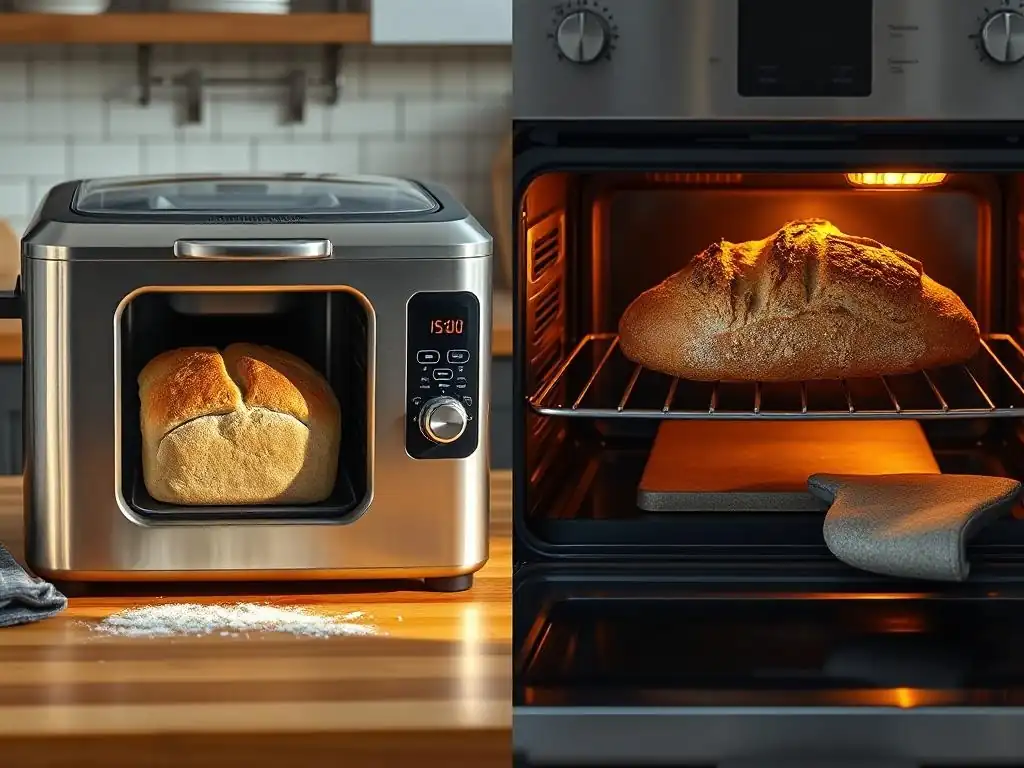
How to Adjust Recipes for Bread Machine Baking
When using or adapting recipes for a bread machine, it's crucial to use recipes specifically designed for these appliances whenever possible. Pay close attention to the order of ingredients, as many machines require liquids first, followed by dry ingredients, and yeast added last on top of the flour to prevent it from contacting the liquid or salt prematurely. Ensure your liquids, especially water or milk, are at the correct temperature (lukewarm, typically 80-90°F or 27-32°C, unless using a delayed timer).
If adapting a standard oven recipe, you may need to reduce the liquid slightly, as bread machine doughs are often slightly less hydrated than those for oven baking. Start with a recipe size that matches your machine's capacity (e.g., 1.5 lb loaf). Monitor the dough during the initial kneading cycle (usually within the first 5-10 minutes). It should form a smooth, elastic ball. If it's too sticky, add a tablespoon of flour; if too dry, add a tablespoon of water.
Oven Temperature and Timing Guidelines for Perfect Loaves
Proper preheating is essential for oven baking. Preheat your oven fully, often for 30-60 minutes, especially if using a baking stone or steel, to ensure the temperature is stable and radiant heat is built up. Common baking temperatures range from 350°F (175°C) for softer, enriched loaves to 450-500°F (230-260°C) for artisan and lean doughs, sometimes starting high and dropping the temperature after the initial oven spring.
Baking time varies significantly based on loaf size, shape, and dough type. A small 1 lb loaf might bake in 25-35 minutes at 375-400°F (190-200°C), while a large 2 lb boule might take 40-50 minutes, potentially starting at a higher temperature and reducing it. The best way to know if bread is done is to check its internal temperature; lean bread is typically done when the internal temperature reaches 200-210°F (93-99°C), and enriched bread is done around 190-200°F (88-93°C).
Maintenance and Cleaning Tips for Bread Machines and Ovens
Proper maintenance ensures the longevity and performance of your baking equipment. For a bread machine, always unplug it before cleaning. Wipe down the exterior and interior cavity with a damp cloth; never immerse the machine in water. The bread pan and kneading paddle should be cleaned after each use, usually with warm, soapy water. Ensure the paddle shaft and the area it connects to in the pan are kept clean. Check your manual, but many bread machine pans and paddles are not dishwasher safe.
For oven cleaning, wiping up spills as they happen prevents difficult baked-on messes. If your oven has a self-cleaning function, follow the manufacturer's instructions carefully, ensuring adequate ventilation as this process can produce fumes. For manual cleaning, commercial oven cleaners or a paste made from baking soda and water can be effective. Cleaning oven racks separately can also make the job easier. Regular cleaning prevents residue buildup that can affect baking performance and even impart off-flavors.
Conclusion: Making the Right Choice in the Bread Machine Oven Comparison Guide
Summary of Strengths and Limitations of Each Baking Method
In this bread machine oven comparison guide, we've seen that each method has distinct strengths and limitations. The bread machine excels in convenience, automation, and time-saving, making it ideal for busy lives and consistent results with minimal effort, especially for standard sandwich loaves. Its limitations include restricted loaf shapes and sizes, a typically softer crust, and less control over the baking process, making it less suited for complex artisan breads.
Oven baking offers unmatched versatility and control, allowing bakers to create a vast array of shapes, sizes, and bread types, including complex artisan loaves like sourdough and baguettes. It provides the ability to manipulate crust and crumb texture precisely and experiment with advanced techniques. However, it requires more active time, skill, and attention to detail, and results can be less consistent for beginners compared to a bread machine.
Recommendations Based on Baker Skill Level and Bread Preferences
For beginners taking their first steps into homemade bread or individuals who prioritize convenience and consistent results for everyday bread (like white or whole wheat sandwich loaves), a bread machine is an excellent investment. It provides a low barrier to entry and simplifies the core process.
For those who enjoy the craft of baking, want to explore a wide variety of bread types (sourdough, enriched rolls, shaped loaves), desire specific crust and crumb characteristics, or simply prefer a hands-on approach, oven baking is the clear choice. It offers the creative freedom and control necessary for mastering diverse bread styles. This bread machine oven comparison guide suggests your baking goals should drive your decision.
Final Thoughts on Combining Bread Machine and Oven Use for Best Results.
It's important to note that the decision isn't strictly either/or. Many home bakers find that using both a bread machine and a conventional oven offers the best of both worlds. The bread machine's "dough" cycle is a fantastic tool for efficiently handling the kneading and first rise, especially for doughs that require substantial development.
Once the dough cycle is complete, the dough can be removed from the bread machine pan, shaped into rolls, pizza crusts, braided loaves, or other forms, allowed to complete a final proof manually, and then baked in the conventional oven. This approach leverages the bread machine's automation for the labor-intensive initial stages while utilizing the oven's capability for achieving superior shape, crust, and overall quality in the final baked product. Ultimately, the best method in the bread machine oven comparison guide depends on your personal needs, available time, skill level, and the type of bread you most enjoy baking.
Frequently Asked Questions
What are the key differences between using a bread machine and an oven for baking bread?
A bread machine automates the entire process, from mixing to baking, offering convenience. An oven provides more control over the baking process and allows for a wider range of bread styles and crust development.
Is one method, bread machine or oven, generally better for beginner bakers?
Bread machines are often recommended for beginner bakers due to their simplicity and automated settings. They eliminate guesswork and provide consistent results, especially for basic bread recipes.
What types of bread are best suited for a bread machine versus an oven?
Bread machines excel at simple loaves like sandwich bread and basic white or wheat bread. Ovens are better for artisan breads, sourdoughs, and recipes requiring specific shaping or proofing techniques.
Does using a bread machine or an oven affect the overall taste and texture of the bread?
Yes, the texture can vary. Bread machine loaves tend to have a softer crust and a more uniform crumb. Oven-baked bread typically has a crispier crust and a more varied, airy crumb.
How does cost factor into the bread machine vs. oven decision?
The initial cost of a bread machine can be higher than using a standard oven, which most people already own. However, bread machines can save time and effort, potentially offsetting the initial investment in the long run.
Final Reflection: The Flour Power of Choice
The journey from flour to finished loaf is a testament to human ingenuity, and this exploration of bread machines versus ovens highlights the enduring tension between convenience and craft in baking. While technology offers a streamlined path to a warm, crusty loaf, the traditional oven retains its allure for those seeking a deeper connection to the process. Ultimately, the "better" method depends entirely on individual priorities and desired outcomes.
The ongoing debate between bread machine and oven baking reflects a broader cultural shift in our relationship with food. We are constantly balancing the demands of modern life with a desire for authenticity and connection. This tension is beautifully captured by the words of Michael Pollan: We are what we eat, and what we eat has become increasingly disconnected from the natural world.
Choosing between a bread machine and an oven, therefore, is not just about the bread itself; it's about choosing how much time and effort we invest in connecting with the source of our sustenance.
Now, consider your own baking journey. What kind of baker are you? Do you crave the simplicity and speed of a machine, or do you find satisfaction in the hands-on artistry of oven baking? Regardless of your preference, remember that the most important ingredient in any bread-making endeavor is passion. Embrace the method that best suits your lifestyle and allows you to savor the process, from mixing the dough to the satisfying aroma of freshly baked bread. The perfect loaf awaits, no matter which path you choose.
Unlock Your Baking Potential: Mastering Bread Making!
Thanks for taking the time to explore the wonderful world of bread baking with us! We hope you now feel more confident in choosing the right method for your next loaf. Ready to put your newfound knowledge to the test?
- Bake your dream loaf today! Choose your preferred method (bread machine or oven) and get started on a delicious, homemade creation. Experiment with different recipes and techniques to find your perfect loaf.
- Share your baking journey! Tell us about your experience – what did you bake, and which method did you prefer? We'd love to hear from you in the comments!
- Discover new recipes on our site (BakeWithEase.com) to expand your baking repertoire even further!
What exciting bread recipe will you try first?