
Bake a Classic British Apple Crumble: Easy & Comforting

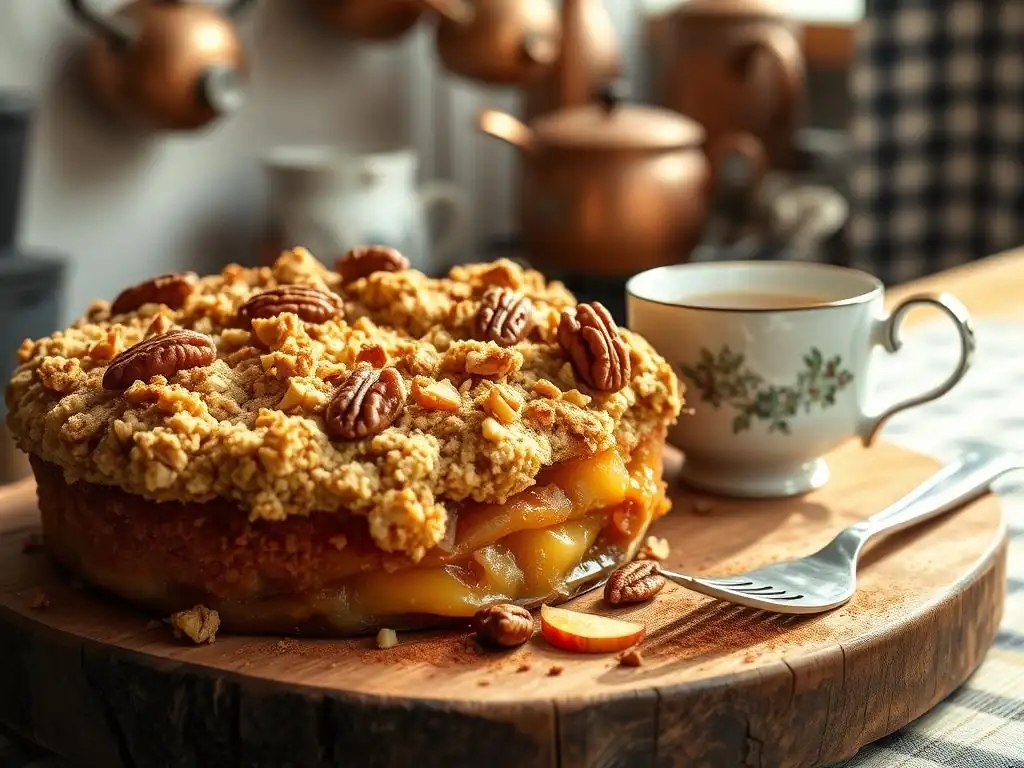
Welcome to BakeWithEase, your partner in creating delicious treats! Ever dream of a warm, comforting dessert that's deceptively simple to make? Then you're in the right place. Dive into our latest guide and discover how to bake an Easy British Apple Crumble that will impress your friends and family. What's the secret to that perfect crumble topping? Keep reading to find out, and get ready to experience baking bliss!
- Bake a Delicious Rhubarb Crumble: A Springtime Treat
- Introduction to Rhubarb Crumble Baking
- Gathering Your Ingredients for the Perfect Rhubarb Crumble
- Step-by-Step Guide: Making Your Rhubarb Crumble
- Baking Your Rhubarb Crumble to Golden Perfection
- Serving Suggestions and Variations for Your Rhubarb Crumble
- Troubleshooting Common Rhubarb Crumble Baking Problems
- The History and Origins of Fruit Crumbles
- Exploring Other Spring Baking Recipes
- Conclusion: Enjoy Your Homemade Rhubarb Crumble
- Frequently Asked Questions
- Final Reflection: The Enduring Comfort of a Simple Crumble
- Unlock Your Inner Baker: Make Today's Crumble a Masterpiece!
Bake a Delicious Rhubarb Crumble: A Springtime Treat
Introduction to Rhubarb Crumble Baking
Why Rhubarb Crumble is a Perfect Spring Dessert
Rhubarb crumble is a quintessential springtime dessert, perfectly capturing the fresh, vibrant flavours of the season. As one of the first fruits (technically a vegetable, but used as a fruit in baking) to become available in abundance after the long winter, rhubarb signals warmer days ahead. Its unique, tangy taste is a refreshing change from the richer, heavier desserts of colder months, making it an ideal choice for spring gatherings or a simple weeknight treat. The simplicity of a crumble also means it's accessible for bakers of all skill levels, offering a rewarding result with minimal fuss.
The beauty of rhubarb crumble lies in its delightful contrasts: the sharp, soft fruit filling bubbling underneath a crispy, golden topping. It's a comforting dish that feels both traditional and fresh. Like a classic easy British apple crumble, a rhubarb crumble is forgiving and doesn't require intricate techniques, making it a go-to recipe for anyone wanting a taste of homemade goodness without spending hours in the kitchen. It embodies the spirit of easy British baking – simple ingredients, straightforward methods, and utterly delicious results.
The Tart and Sweet Flavor Combination
The defining characteristic of rhubarb is its striking tartness, which comes from its high levels of malic and oxalic acids. This natural acidity is precisely what makes it such a fantastic candidate for baking, especially when paired with sugar. The sugar doesn't just sweeten; it interacts with the acids during baking, creating a more complex flavour profile that is both tangy and sweet, preventing the dessert from being cloyingly sugary.
When baked, the rhubarb softens and breaks down, releasing its vibrant juices which mingle with the added sugar and a thickener to form a luscious, slightly jammy filling. This tart-sweet base is then perfectly complemented by the buttery, slightly sweet crumble topping. The combination of the soft, yielding fruit and the crisp, crumbly lid creates a textural harmony that is incredibly satisfying, highlighting the unique flavour of the rhubarb in every spoonful.
Gathering Your Ingredients for the Perfect Rhubarb Crumble
Essential Ingredients for the Rhubarb Filling
To make a truly delicious rhubarb filling, you'll need fresh rhubarb stalks, granulated sugar, and a thickener. For a standard 8x8 inch (20x20 cm) baking dish, approximately 1 to 1.5 pounds (about 450-675 grams) of trimmed rhubarb is usually sufficient. Select firm, crisp stalks, avoiding any that are limp or damaged. Wash the stalks thoroughly and trim off the very ends and any leaves (leaves are toxic). The amount of sugar needed will depend on the tartness of your rhubarb and personal preference, but a good starting point is between 1/2 cup and 1 cup (100-200 grams).
A thickener is crucial to prevent the filling from being too watery. Cornstarch (cornflour in the UK) or plain flour works well. About 1 to 2 tablespoons (15-30 grams) is typically enough for the amount of rhubarb suggested. This helps bind the juices as the crumble bakes, resulting in a perfectly spoonable filling that holds its shape somewhat. Combine the chopped rhubarb, sugar, and thickener in a bowl and toss gently to ensure the rhubarb is evenly coated.
Crumble Topping Ingredients: Flour, Butter, and Sugar
The classic crumble topping is a simple yet magical combination of flour, butter, and sugar. For the amount of fruit mentioned above, you'll typically need about 1 cup (125 grams) of plain (all-purpose) flour, 1/2 cup (115 grams) of cold, unsalted butter, cut into cubes, and 1/2 cup (100 grams) of sugar (granulated or light brown sugar both work well, with brown sugar adding a slight caramel note). The ratio of ingredients is key: roughly 2 parts flour to 1 part butter and 1 part sugar by weight is a common guideline.
The method involves "rubbing in" the cold butter into the flour and sugar until the mixture resembles coarse breadcrumbs. This technique is fundamental to achieving that signature crumbly texture. Cold butter is essential because as it melts during baking, it creates steam pockets that lift and separate the flour mixture, resulting in a light and crisp topping rather than a solid crust.
Optional Additions: Ginger, Almonds, and Cinnamon
While a basic rhubarb crumble is delicious on its own, adding a few optional ingredients can elevate the flavour profile significantly. Ground ginger, for instance, pairs wonderfully with rhubarb, adding a warm, slightly spicy counterpoint to its tartness. You can add about 1 teaspoon of ground ginger to the rhubarb filling mixture before baking. Freshly grated ginger can also be used for a more pungent flavour.
Incorporating ground almonds or flaked almonds into the crumble topping adds extra flavour, richness, and a pleasant nutty texture. Replacing a tablespoon or two of flour with ground almonds, or stirring in a handful of flaked almonds after rubbing in the butter, are easy ways to do this. A pinch of ground cinnamon or nutmeg can also be added to either the filling or the crumble topping for a touch of classic spice, reminiscent of other easy British fruit crumbles.
Step-by-Step Guide: Making Your Rhubarb Crumble
Preparing the Rhubarb Filling: Chopping and Sweetening
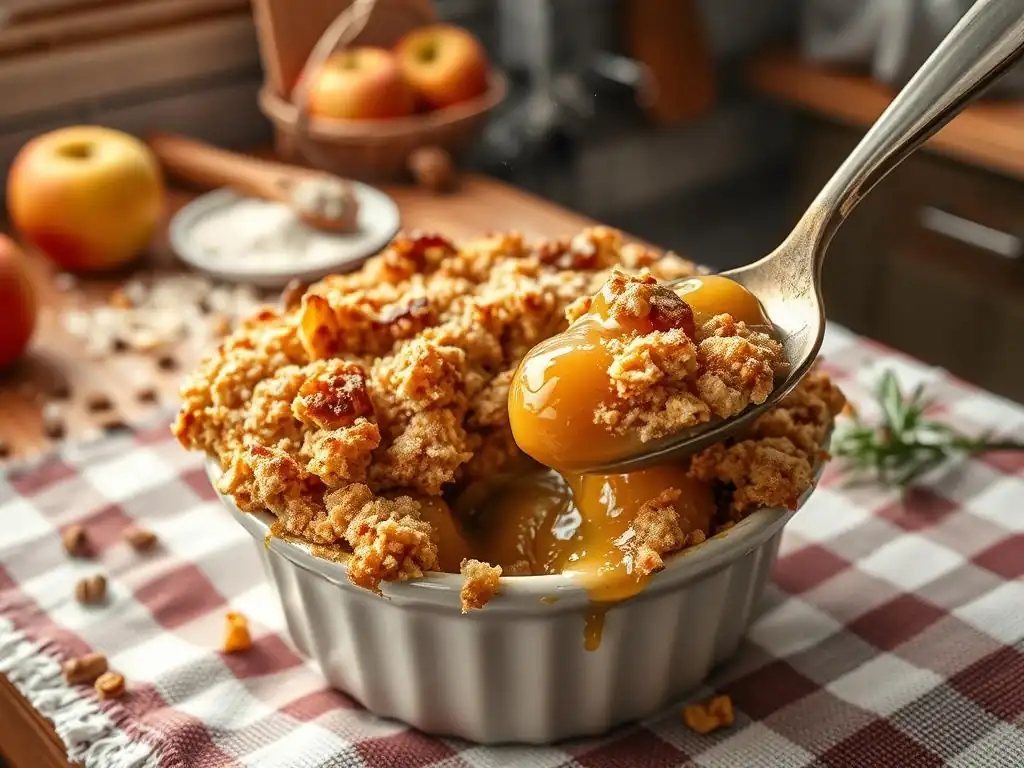
The first step is to prepare your rhubarb. After washing and trimming the stalks as described earlier, chop them into roughly 1-inch (2.5 cm) pieces. Try to keep the pieces relatively uniform in size so they cook evenly. Transfer the chopped rhubarb to a mixing bowl. Add the granulated sugar and cornstarch (or flour). If using, add ground ginger or other spices at this point.
Gently toss the rhubarb with the sugar and thickener using a spoon or your hands until all the pieces are well coated. Some bakers like to let the mixture sit for about 10-15 minutes before assembling the crumble; this allows the sugar to start drawing out some of the rhubarb's natural juices, which can help the thickening process. However, this step is not strictly necessary and you can proceed directly to assembly if you're short on time.
Creating the Crumble Topping: A Simple Mixing Technique
Now, make the crumble topping. In a separate medium-sized bowl, combine the plain flour and sugar (and any optional dry ingredients like ground almonds or cinnamon). Add the cold, cubed butter to the dry ingredients. Using your fingertips, rub the butter into the flour and sugar mixture. Lift your hands high above the bowl as you rub; this incorporates air and helps create a lighter crumble. Continue rubbing until the mixture resembles coarse breadcrumbs, with no large lumps of butter remaining.
Alternatively, you can use a food processor for a quicker method. Pulse the flour, sugar, and cubed cold butter a few times until the mixture forms coarse crumbs. Be careful not to over-process, or you'll end up with a dough rather than a crumbly topping. If adding flaked almonds or oats, stir them in after the butter has been rubbed in or processed.
Assembling the Rhubarb Crumble: Layering Filling and Topping
To assemble your rhubarb crumble, lightly grease your baking dish if desired, though it's often not necessary as the fruit filling is wet and won't stick. Pour the prepared rhubarb filling into the baking dish, spreading it out into an even layer. Ensure the fruit is distributed relatively flat so the crumble topping can cover it effectively.
Next, evenly sprinkle the prepared crumble topping over the rhubarb filling. Aim for an even coverage across the entire surface. Avoid pressing the crumble topping down firmly; leaving it loose allows for better airflow during baking, which is key to achieving a wonderfully crispy texture. A loosely piled topping will result in more delightful little crispy bits.
Baking Your Rhubarb Crumble to Golden Perfection
Oven Temperature and Baking Time for Ideal Results
Proper oven temperature and baking time are crucial for a perfect rhubarb crumble. Preheat your oven to 190°C (170°C fan/375°F). Place the assembled crumble on a baking sheet to catch any potential drips from the bubbling fruit filling. Bake in the preheated oven for approximately 35 to 45 minutes. The exact time can vary based on the size and depth of your dish and the specific characteristics of your oven.
During baking, keep an eye on the crumble. The topping should turn a beautiful golden brown colour, and you should see the fruit filling bubbling up around the edges of the dish. This bubbling indicates that the fruit is hot and cooking through. If the topping starts to brown too quickly, you can lightly tent the dish with aluminum foil.
Tips for Achieving a Crispy Crumble Topping
Several factors contribute to a wonderfully crispy crumble topping. As mentioned earlier, using cold butter and rubbing it in properly until you have coarse breadcrumbs is fundamental. Don't overwork the mixture; the goal is crumbs, not a paste. Ensure your oven is preheated to the correct temperature before putting the crumble in.
For extra crispiness and visual appeal, you can sprinkle a tablespoon or two of demerara sugar over the crumble topping just before baking. The large crystals of demerara sugar don't melt completely and provide a lovely crunchy texture and sparkle. Baking on a baking sheet not only catches drips but can also help distribute heat more evenly around the base of the dish.
Checking for Doneness: Ensuring the Rhubarb is Tender
Knowing when your rhubarb crumble is perfectly baked involves checking both the topping and the fruit filling. The topping should be a rich golden brown and feel firm to the touch. More importantly, you need to ensure the rhubarb underneath is tender and cooked through.
To check the fruit, carefully insert a skewer or the tip of a sharp knife through the crumble topping into the filling. The rhubarb pieces should feel soft and yield easily with minimal resistance. You should also observe the edges of the dish for signs of the fruit juices bubbling vigorously. If the topping is golden but the fruit isn't bubbling or feels firm when probed, continue baking, possibly covering the top with foil if needed.
Serving Suggestions and Variations for Your Rhubarb Crumble
Classic Serving: Warm with Vanilla Ice Cream or Cream
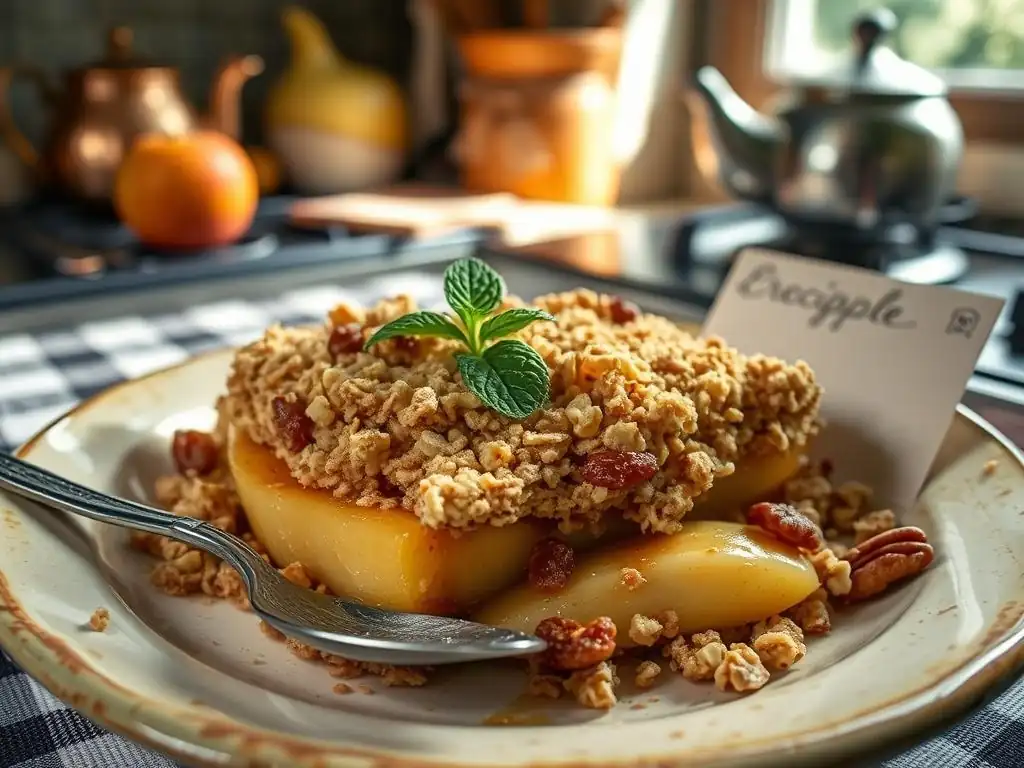
Rhubarb crumble is best enjoyed warm, straight from the oven (after letting it cool slightly for about 10-15 minutes to set). The classic accompaniment is a scoop of good quality vanilla ice cream. The contrast between the warm, tart-sweet fruit and crisp topping and the cold, creamy ice cream is simply divine. The ice cream melts slightly into the warm fruit, creating a luscious sauce.
Alternatively, you can serve it with pouring cream (single or double cream) or a generous dollop of custard. Custard is a particularly popular choice in the UK, offering a comforting, creamy partner to the tangy fruit. The warmth of the crumble gently heats the cream or custard, making it a truly indulgent dessert experience.
Rhubarb Crumble Variations: Adding Strawberries or Oats
One of the most popular variations on rhubarb crumble is adding strawberries. Strawberries are also a spring fruit and their sweetness and soft texture complement the tartness of rhubarb beautifully. A common ratio is a 1:1 mix of chopped rhubarb and strawberries, or slightly more rhubarb than strawberries (e.g., 2 parts rhubarb to 1 part strawberries). Other berries like raspberries or blueberries can also be added.
For a different texture in the topping, consider adding oats. Replacing about 1/4 cup (25 grams) of the flour with rolled oats adds a lovely chewiness and nutty flavour. You can also add chopped nuts like walnuts, pecans, or hazelnuts to the crumble mix for extra crunch. Spices like cardamom or star anise can also be experimented with in the filling for a more complex flavour.
Storing and Reheating Your Homemade Rhubarb Crumble
If you have leftover rhubarb crumble (a rare occurrence! ), let it cool completely before storing. Cover the baking dish tightly with plastic wrap or aluminum foil, or transfer individual portions to airtight containers. It will keep well in the refrigerator for 3-4 days.
To reheat, individual portions can be warmed in the microwave, though the topping may lose some of its crispness. For a crispier result, reheat the crumble in a preheated oven at 170°C (340°F) for 15-20 minutes, or until heated through and the topping is refreshed. For a whole crumble, cover loosely with foil and reheat at the same temperature for 20-30 minutes.
Troubleshooting Common Rhubarb Crumble Baking Problems
Soggy Crumble Topping: How to Avoid It
A soggy crumble topping is a common disappointment. This can happen for several reasons: the fruit filling being too wet, the oven not being hot enough, or the butter not being properly rubbed into the flour. Ensure you use a thickener (cornstarch or flour) in your fruit filling to absorb excess moisture. If your rhubarb is particularly juicy after sitting with the sugar, you might consider draining off a small amount of liquid before adding the topping, though this is rarely necessary if using a thickener.
Crucially, make sure your butter is cold and you rub it into the dry ingredients until the mixture truly resembles coarse breadcrumbs with no large buttery lumps. This ensures the topping crisps up properly in the heat of the oven. Baking at the recommended temperature of 190°C (170°C fan/375°F) is also important for achieving a golden, crispy surface.
Rhubarb Too Tart: Adjusting Sugar Levels
Rhubarb's tartness varies significantly depending on the variety and the time of year it's harvested. If your rhubarb crumble turned out too tart, it likely needed more sugar in the filling. The sugar amount provided in recipes is often a guideline, and you may need to adjust it based on your specific rhubarb.
Next time, taste a tiny piece of raw rhubarb (be aware it's very tart!) or a small amount of the mixed filling before baking to get an idea of its acidity. You can always add a little more sugar to the filling before it goes into the oven. Remember that the crumble topping also contains sugar, which contributes to the overall sweetness. Serving a tart crumble with sweet accompaniments like vanilla ice cream or custard is also an effective way to balance the flavour.
Crumble Too Brown: Covering During Baking
Sometimes, the crumble topping browns very quickly before the fruit underneath has had a chance to soften and bubble. This is often due to the oven running a little hot, the crumble layer being quite thin, or the dish being positioned too high in the oven.
If you notice the topping is becoming excessively dark while the baking time isn't complete, simply take a piece of aluminum foil and loosely tent it over the baking dish. This shields the topping from direct heat, preventing further browning, while allowing the fruit to continue cooking and bubbling underneath. You can remove the foil for the last 5-10 minutes of baking if you feel the topping needs a final crisping.
The History and Origins of Fruit Crumbles
A Brief Look at the History of This Comforting Dessert
Fruit crumble, a staple of easy British baking, is widely believed to have gained popularity in Britain during the Second World War. During this period, rationing meant that ingredients for traditional pastry, which requires more flour and fat, were scarce. Cooks needed a more economical and simpler alternative for fruit desserts.
The crumble topping, requiring significantly less butter and flour than a pie crust, emerged as the perfect solution. It was quick to make, used fewer rationed ingredients, and provided a delicious, comforting accompaniment to stewed fruit. This practical origin story cemented the crumble's place in British culinary history as a resourceful and beloved dessert, often served after a hearty meal.
Fruit Crumble Variations Around the World
While fruit crumbles are particularly associated with British cuisine, similar desserts exist in other parts of the world. In the United States, for example, you'll find desserts called "crisps" or "streusels." Crisps typically include oats in their topping alongside flour, butter, and sugar, offering a chewier texture than a traditional British crumble. Streusels often refer to a crumbly topping used on cakes or muffins as well as fruit.
Across Britain itself, while rhubarb and the classic easy British apple crumble are perhaps the most iconic versions, crumbles are made with a wide variety of seasonal fruits. Plum, pear, berry mixes (like blackberry and apple), and even stone fruits like peaches or apricots are frequently used, showcasing the versatility of this simple, comforting dessert format.
Exploring Other Spring Baking Recipes
Victoria Sponge Cake Recipe
Beyond crumbles, spring is a wonderful time to explore other classic British baking favourites. The Victoria Sponge Cake is a perfect example. Named after Queen Victoria, this elegant yet simple cake consists of two light sponge layers typically filled with strawberry jam and whipped cream or buttercream. Its delicate flavour and airy texture make it ideal for spring picnics or afternoon tea.
Making a Victoria sponge is surprisingly straightforward, often using the 'all-in-one' method where all ingredients are mixed together simultaneously, or the creaming method which involves beating butter and sugar together first. It's an accessible recipe that yields impressive results, demonstrating another facet of easy British baking.
Lemon Drizzle Cake Recipe
Another bright and cheerful bake suited for spring is the Lemon Drizzle Cake. This moist loaf cake is infused with a tangy lemon syrup poured over it while still warm, creating a wonderfully zesty flavour and a slightly crisp, sugary crust. It's incredibly easy to make, often requiring just a simple mixing of ingredients before baking.
The vibrant citrus flavour of a lemon drizzle cake feels refreshing after winter and pairs beautifully with a cup of tea or coffee. Like rhubarb crumble, it's a testament to how simple ingredients and techniques can produce deeply satisfying and flavourful homemade treats, fitting perfectly within the theme of easy, comforting baking.
Conclusion: Enjoy Your Homemade Rhubarb Crumble
Making a delicious rhubarb crumble is a simple pleasure, especially in the spring when rhubarb is at its best. This classic dessert, rooted in practicality and comfort, offers a perfect balance of tart fruit and sweet, crispy topping. It's an easy British bake that proves you don't need complex techniques to create something truly special.
Whether you serve it warm with a scoop of melting vanilla ice cream, a splash of cream, or a generous helping of custard, your homemade rhubarb crumble is sure to be a hit. Don't hesitate to experiment with adding strawberries or a touch of ginger to make it your own. So, gather your ingredients, follow these simple steps, and enjoy the rewarding experience of baking and sharing this delightful springtime treat.
Frequently Asked Questions
What makes this apple crumble recipe "easy"?
This recipe is considered easy because it uses simple ingredients and features a straightforward, step-by-step guide designed for bakers of all skill levels, even beginners.
Can I substitute the apples in this British apple crumble?
While it's best with tart apples like Bramley, you can substitute with other varieties. Just adjust the sugar based on the sweetness of the apples you use.
What is the secret to a truly comforting apple crumble?
The secret lies in the warm spices like cinnamon and nutmeg, combined with the tender, sweet apples and the buttery, crisp crumble topping.
How do I prevent the crumble topping from becoming soggy?
To avoid a soggy topping, ensure the apples aren't too wet and use cold butter when making the crumble. Also, don't over-bake it.
What are some variations I can try to customize this apple crumble?
You can add oats or nuts to the crumble topping for texture, or include dried fruits like raisins in the apple filling for added flavor. Experiment with different spices too!
Final Reflection: The Enduring Comfort of a Simple Crumble
The aroma of warm apples and cinnamon, the satisfying crunch of the topping – the humble British apple crumble remains a potent symbol of home, comfort, and uncomplicated joy, as relevant today as it was generations ago. Its enduring appeal lies not in its complexity, but in its simplicity, a testament to the power of familiar flavors and cherished traditions.
Baking a crumble isn't just about following a recipe; it's about connecting with a culinary heritage, a shared experience that transcends generations. It's a quiet act of nurturing, a small rebellion against the frenetic pace of modern life. There is no sincerer love than the love of food.
– George Bernard Shaw. This quote resonates deeply with the act of creating and sharing a crumble; it's a tangible expression of care and affection, a small gesture with a profound impact.
So, the next time you find yourself needing a moment of peace, a connection to something genuine, consider baking a crumble. Don't just follow the recipe; feel it. Let the warmth of the oven and the sweet scent of baking apples soothe your soul. Embrace the simplicity, savor the taste, and share the experience with those you love. The enduring comfort of a classic British apple crumble awaits.
Unlock Your Inner Baker: Make Today's Crumble a Masterpiece!
Thanks for joining us on this delicious journey into the world of classic British apple crumbles! We hope you've gained some invaluable baking wisdom and are ready to create something truly special. Now it's time to put your newfound skills to the test.
- Bake your own perfect crumble: Gather your ingredients, follow the recipe (or experiment! ), and experience the joy of creating this comforting classic from scratch. This is your moment to shine!
- Share your crumble creation: Snap a photo of your finished masterpiece and show off your baking prowess on social media using #BakeWithEaseCrumble. Let’s inspire others!
- Explore our other recipes: Dive deeper into the BakeWithEase collection and discover more delightful recipes to expand your baking repertoire.
Ready to transform your kitchen into a haven of warm apple crumble goodness? What's your favorite crumble topping variation? Let us know in the comments!